
Most Warners Bay homes can have an EV charger installed, but switchboard capacity, cable run distance, and single- or three-phase supply all need checking first. Older homes near the lake often need a switchboard assessment before a dedicated charger can go in safely. A licensed electrician confirms what your specific property needs.
Warners Bay sits on the western shore of Lake Macquarie, with a mix of older lakeside homes and newer townhouse developments built from 2020 onwards. Kitson Electricians Newcastle installs EV chargers across Warners Bay and the wider Lake Macquarie region. This guide covers what to check before installing, charger types, approval requirements, and the process itself.
Why EV Charger Installation Matters for Warners Bay Homes
EV sales in Australia have continued to climb through 2026, and most owners charge at home rather than relying on public charging stations. A regular power point can charge an EV, but it takes far longer than a dedicated unit and puts sustained load on a circuit never designed for hours of continuous draw.
According to energy.nsw.gov.au, home EV charger installation typically costs between $200 and $5,000 or more depending on the charger type and property. For Warners Bay homeowners considering the switch, checking your home’s readiness before buying a charger avoids delays and unexpected costs.
Is Your Home Ready? Key Things to Check First
Before choosing a charger, a few things about your existing electrical setup determine what is possible. Here is what I check on every EV charger assessment.
Your Switchboard Capacity
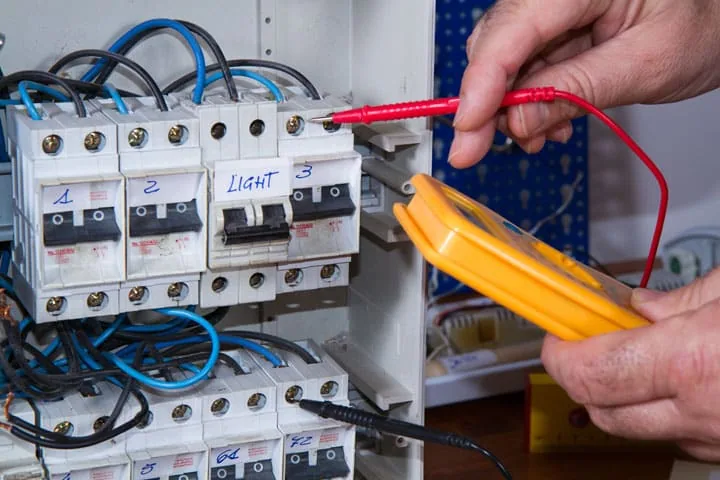
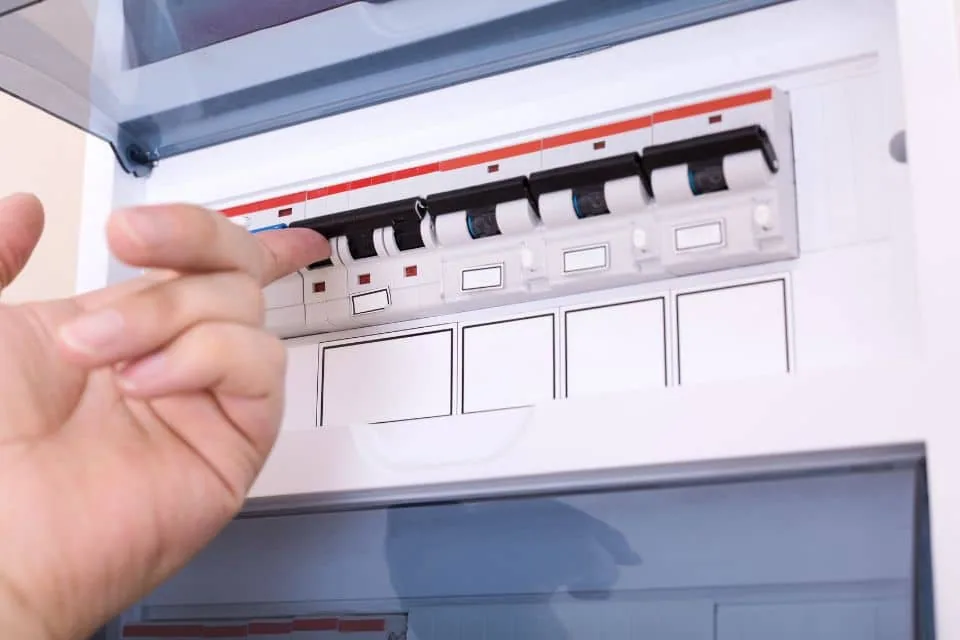
Your switchboard needs spare capacity to safely add a dedicated EV circuit. Older switchboards in Warners Bay, particularly in homes built before the 1990s, are often already near capacity once air conditioning, pool pumps, and modern appliances are accounted for. A capacity check confirms whether your existing board can take the extra load or needs upgrading first.
Your Parking and Cable Run
The distance between your switchboard and where you park affects both cost and feasibility. Homes on elevated sections of Warners Bay with garages set back from the street often need longer cable runs than homes with garages close to the meter box. Every additional metre of cable adds to the installation cost.
Single-Phase or Three-Phase Supply
Most Warners Bay homes run on single-phase power, which comfortably supports a 7kW charger. If you want a faster 22kW charger or already have three-phase for a workshop or larger property, that changes the installation approach. Upgrading from single to three-phase requires a connection application to your local network provider and adds meaningfully to project cost.
What Type of EV Charger Do You Need?
Charger choice depends on your car, your daily driving distance, and how much you’re willing to spend. Here is a breakdown of the common options.
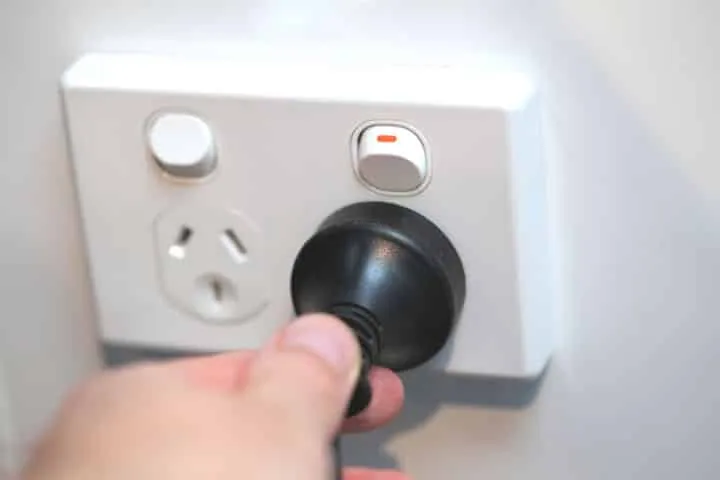
- Level 1 plug-in charging. This uses a standard power point and delivers a slow charge, adding roughly 10 to 20 kilometres of range per hour. It works for owners who drive short distances and can charge overnight, but it is the slowest option and not designed for continuous daily use on an ageing circuit.
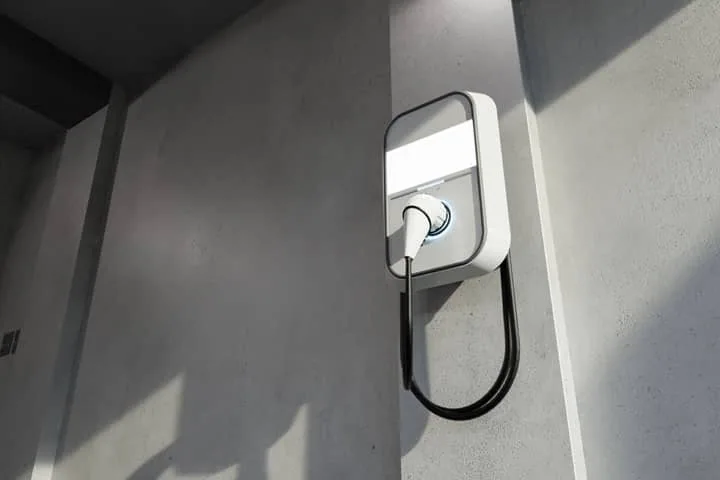
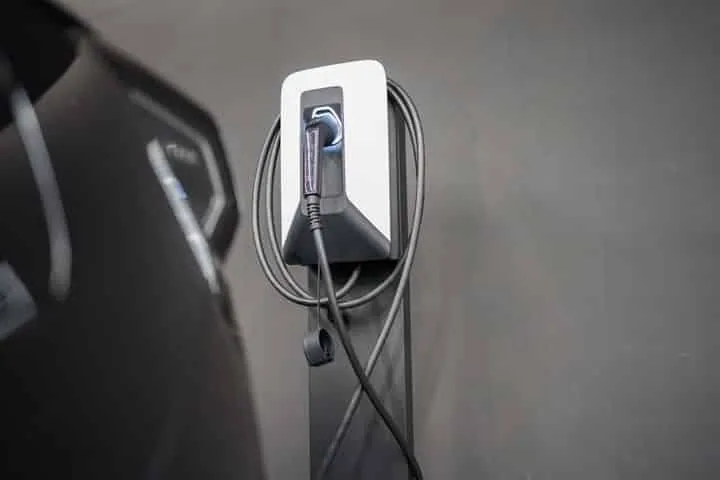
- Level 2 wall-mounted 7kW charger. This is the most common home installation in Australia and suits the vast majority of single-phase properties in Warners Bay. It adds around 40 kilometres of range per hour, making it practical for most daily driving needs and overnight charging.
- Level 2 22kW three-phase charger. This delivers a significantly faster charge but requires three-phase power at the property. It suits households with higher daily driving distances or homeowners planning to add a second EV in future.
- Smart, app-connected chargers. These allow scheduling around off-peak electricity tariffs and, where solar is installed, can prioritise charging from excess solar generation. Most homeowners find the cost difference worthwhile given the ongoing savings on charging costs.
More: Why Is My Electricity Bill So High? Hidden Causes
Do You Need Approval or Can You Get a Rebate?
There are two separate questions homeowners often mix up here: network approval and government rebates. The answers are different for each.
Network Notification Requirements
Newcastle and Lake Macquarie sit within Ausgrid’s network area. Chargers drawing more than 20 amps on single phase generally require your electrician to notify Ausgrid before connection, under the NSW Service and Installation Rules. This is a notification, not a formal approval process, and licensed electricians who regularly install EV chargers handle it as a standard part of the job.
Are There Any Rebates for Home Chargers?
As of 2026, NSW does not offer a dedicated rebate for installing a home EV charger. According to the NSW Government’s EV strategy page, previous vehicle purchase rebates and stamp duty exemptions closed at the end of 2023 and do not extend to charger installation costs. It is worth checking directly with your energy retailer, since some offer EV-specific off-peak tariffs that reduce ongoing charging costs even without an upfront rebate.
Why Warners Bay Properties Have Specific Considerations
Warners Bay’s mix of older lakeside homes and newer developments means readiness varies significantly from one property to the next. Here is what I commonly find across the suburb.
- Older homes near the Warners Bay foreshore. Many properties close to the lake were built before the 1990s, with switchboards sized for the appliance loads of that era. These homes frequently need a switchboard capacity check, and sometimes an upgrade, before a dedicated charger circuit can be added.
- Homes with single lock-up garages. A common layout in Warners Bay is a single-car garage with internal access, often set further back from the street than the switchboard. This affects cable run length and, in some cases, where the charger can practically be mounted.
- Newer townhouses built from 2020 onwards. Developments near Lake Macquarie Square and the Warners Bay Esplanade were built with higher capacity switchboards as standard. These properties usually require a straightforward installation with minimal additional electrical work.
- Elevated ridgeline properties. Homes on the higher sections of Warners Bay, away from the main street frontage, sometimes have longer runs from the street supply to the property. This can affect whether a three-phase upgrade is cost-effective if a faster charger is wanted later.
What Does EV Charger Installation Actually Involve?
Getting the installation right involves more than mounting a unit on the wall. Here is what the process looks like on a properly executed job.
Site Assessment and Switchboard Check
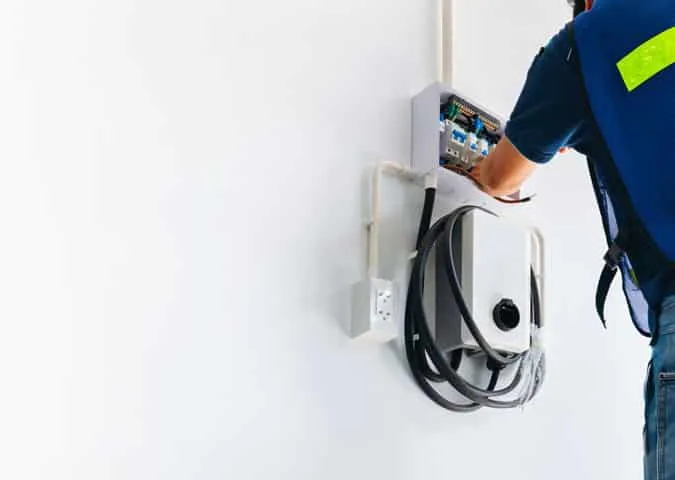
I start by checking your switchboard capacity, tracing the cable run from the switchboard to the parking area, and confirming whether your supply is single- or three-phase. This determines charger compatibility and whether any upgrade work is needed before installation. You receive a fixed-price quote once the assessment is complete.
Circuit Installation and Notification
The dedicated circuit runs from the switchboard to the charger location and is fitted with its own circuit breaker and RCD protection. Where the charger exceeds the notification threshold, I handle the Ausgrid notification as part of the job. Every EV charger installation we complete includes this as standard.
Testing and Certification
Once installed, the circuit is tested under load to confirm safe operation before the charger is handed over. A Certificate of Compliance for Electrical Work is issued and lodged with Building Commission NSW. You receive a copy as your record of the installation.
How Much Does EV Charger Installation Cost in Warners Bay?
Cost depends on charger type, cable run length, and whether your switchboard needs upgrading first. These are current indicative ranges:
| Installation Type | Typical Cost | Notes |
| Level 1 smart power point upgrade | $200 – $500 | No dedicated circuit required |
| Level 2 7kW wall charger, straightforward install | $1,500 – $2,500 | Standard single-phase, short cable run |
| Level 2 7kW wall charger, longer cable run | $2,500 – $3,500 | Extended run from switchboard to garage |
| Level 2 22kW three-phase charger | $3,000 – $5,000+ | Requires three-phase supply or upgrade |
| Switchboard upgrade (if required first) | $1,500 – $3,000 | Common in pre-1990s Warners Bay homes |
If your home needs a switchboard upgrade before the charger can be installed, combining both jobs in a single visit is more cost-effective than booking them separately.
Maintaining Your EV Charger After Installation
Once your charger is installed, a few simple habits keep it running reliably for years. Here is what I recommend to every homeowner in Warners Bay.
Keep the Charger Clean and Dry
Wipe down the charger housing periodically and keep the surrounding area free of debris, particularly if it is mounted outdoors near the garage entrance. Coastal air near the lake can accelerate corrosion on unprotected metal fittings over time.
Have Your Switchboard Reassessed Before Adding a Second EV
If your household is considering a second electric vehicle, your existing circuit and switchboard capacity may not support two chargers running simultaneously. A reassessment before the second vehicle arrives avoids overloading your system.
Book a Safety Check Every Few Years
RCD protection on your EV circuit should be tested periodically like any other circuit in your home. Kitson Electricians Newcastle recommends including your EV charger circuit in your regular electrical safety inspection.
After a recent EV charger installation, Kitson Electricians received this review:
“After doing several searches online for EV charging, I came across Kitson Electrical. I did my own research online to find out who would be best to work with and have install the EV charger of my choice. I chose Kitson Electrical. During the whole process, they have been nothing but professional. They have always kept me informed on where my order was up to and even sent a message on the day to tell me the guys were nine minutes away. On the day, the installation only took two hours, so suitably impressed. I would not hesitate to use them again.” — Michael Johns
That kind of clear communication and efficient installation is exactly what an EV charger job should look like.
More: Do I Need a Switchboard Upgrade? Signs to Look For
Areas We Service
Kitson Electricians Newcastle installs EV chargers across Warners Bay and the wider Lake Macquarie and Newcastle region. We service Belmont, Cardiff, Charlestown, Eleebana, Toronto, Valentine, Warners Bay, and all surrounding suburbs. Whether your Warners Bay home has an older switchboard near the foreshore or a newer townhouse built in the last few years, our licensed electricians will confirm what your property needs before any work begins.
Get Your Warners Bay Home EV Charger Ready
Thinking about installing an EV charger but not sure if your switchboard can handle it? Call Kitson Electricians Newcastle on 0438 262 792 or book online.
- Same-day and next-day bookings available for assessments across Warners Bay and Lake Macquarie
- Fixed upfront pricing. No surprises once the job starts
- Lifetime Labour Warranty on all EV charger installations
- Fully licensed and insured to NSW standards (AS/NZS 3000:2018)
- $50 off your first service and a free safety inspection valued at $150
- Clean Home Promise. Boot covers, drop sheets, full tidy-up on every job
A quick switchboard check now saves you from surprises once your charger arrives.
Frequently Asked Questions About EV Charger Installation in Warners Bay
Can any home in Warners Bay have an EV charger installed?
Most homes can, but older properties near the foreshore may need a switchboard capacity check first. A site assessment confirms whether your existing board can take a dedicated EV circuit or needs upgrading before installation.
Do I need council approval to install an EV charger at home?
No council approval is required for a standard home EV charger installation. Chargers above a certain amperage require your electrician to notify Ausgrid, the local network provider, as part of a standard licensed installation.
Is there a NSW rebate for installing a home EV charger?
No. As of 2026, NSW does not offer a dedicated rebate for home EV charger installation. Previous vehicle purchase incentives and stamp duty exemptions closed at the end of 2023 and did not apply to charger installation costs.
How long does EV charger installation take?
A straightforward Level 2 installation with a short cable run typically takes two to four hours. Longer cable runs, switchboard upgrades, or three-phase installations take longer and are usually quoted as a half- or full-day job.
Do I need a licensed electrician to install an EV charger?
Yes. EV charger installation is classified as electrical work under NSW law and must be carried out by a licensed electrician. A Certificate of Compliance for Electrical Work is issued and lodged with Building Commission NSW on completion.
What is the difference between a 7kW and 22kW EV charger?
A 7kW charger runs on single-phase power and suits most households, adding around 40 kilometres of range per hour. A 22kW charger requires a three-phase supply and charges significantly faster, but it needs a three-phase connection, which many Warners Bay homes do not currently have.