

Why Is My Electricity Bill So High? Hidden Causes

  • Household energy saving upgrades: NSW offers incentives to discount the cost of replacing old appliances with energy-efficient alternatives, including hot water system upgrades and lighting replacements. These incentives are administered under the Energy Savings Scheme.
  • Pensioner and seniors discounts: Kitson Electricians Newcastle offers 10% off for pensioners and seniors on all electrical work, on top of any government rebates you’re eligible for.


These programs, combined with a targeted electrical upgrade, such as switching from halogen to LED, installing a smart home automation system to manage standby loads, or upgrading your switchboard, can deliver savings of $500 to $1,000 or more per year.

Areas We Service

Kitson Electricians Newcastle provides electrical efficiency inspections and upgrade services across the entire Newcastle and Hunter region. We service Adamstown, Belmont, Cameron Park, Cardiff, Charlestown, Fletcher, Hamilton, Kotara Fair, Lake Macquarie, Lambton, Maitland, Mayfield, Merewether, New Lambton, Stockton, Wallsend, Warners Bay, and all surrounding suburbs.

Lower Your Electricity Bill with a Professional Inspection

If your electricity bill keeps climbing and you’ve already tried the obvious fixes, call Kitson Electricians Newcastle on 0438 262 792. Licensed electricians, same-day service, upfront fixed pricing, and a lifetime labour warranty on all work. $50 off your first service, 10% off for pensioners and seniors, and a free safety inspection valued at $150.

Frequently Asked Questions About High Electricity Bills

Why is my electricity bill suddenly so high?

A sudden spike usually points to a seasonal change, a tariff increase, or a new appliance drawing heavy power. It can also indicate an electrical fault, like a failing hot water element or degraded wiring that has started leaking current to earth.

Can faulty wiring increase my electricity bill?

Yes. Deteriorated cable insulation allows current to leak to earth. Your meter records this leakage as consumption. Older Newcastle homes with original wiring from the 1950s to 1970s are most affected. An insulation resistance test identifies the issue.

How much can LED lighting save on my electricity bill?

Replacing 20 halogen downlights with LED equivalents saves approximately $300 or more per year. LEDs use roughly 90% less energy and last up to ten times longer. It is one of the fastest payback electrical upgrades available.

What appliances use the most electricity in Australia?

Heating and cooling systems use the most, accounting for up to 40% of household energy. Hot water systems follow at around 25%. After that, fridges, clothes dryers, and pool pumps are the largest consumers in most Australian homes.

Should I get an electrical inspection to lower my power bill?

Yes, particularly if your home is over 25 years old. A licensed electrician can test for current leakage, identify inefficient circuit configurations, check hot water tariff wiring, and find phantom loads. These hidden issues often account for $200 to $500 in unnecessary annual costs.

Are there NSW rebates for energy-efficient electrical upgrades?

Yes. The NSW Government offers household energy saving incentives under the Energy Savings Scheme, electricity bill rebates of up to $150, and support programs for concession card holders. These can offset the upfront cost of LED upgrades, hot water system replacements, and switchboard improvements.

Why does my electricity bill keep going up even though I have not changed anything?

Tariff increases, expired benefit periods on your energy plan, and seasonal demand all raise bills without any change in habits. Hidden electrical faults like degraded wiring or corroded switchboard connections also increase consumption silently over time.

How do I know if my home has current leakage?

A licensed electrician performs an insulation resistance test on each circuit using a megohmmeter. Low readings confirm that cable insulation has broken down and current is leaking to earth. Your meter registers this leakage as billable usage.

Does an old switchboard use more electricity?

Not directly, but loose or corroded connections inside an old switchboard create resistance that converts electricity into waste heat. That wasted energy shows up on your bill. Upgrading to a modern switchboard with clean, tight connections improves overall system efficiency.

Can a hot water system increase my electricity bill?

Yes. Electric storage hot water systems can account for up to 25% of total household energy use. If your system is on a peak tariff instead of a dedicated off-peak circuit, or if the element is failing and running longer to heat the same volume, your bill will be significantly higher than it should be.

  • Energy bill rebates: All NSW households and small businesses are eligible for up to $150 to help with the cost of electricity bills in the 2025-26 financial year. According to NSW Energy, additional support is available for concession card holders through the Low Income Household Rebate.
  • Household energy saving upgrades: NSW offers incentives to discount the cost of replacing old appliances with energy-efficient alternatives, including hot water system upgrades and lighting replacements. These incentives are administered under the Energy Savings Scheme.
  • Pensioner and seniors discounts: Kitson Electricians Newcastle offers 10% off for pensioners and seniors on all electrical work, on top of any government rebates you’re eligible for.


These programs, combined with a targeted electrical upgrade, such as switching from halogen to LED, installing a smart home automation system to manage standby loads, or upgrading your switchboard, can deliver savings of $500 to $1,000 or more per year.

Areas We Service

Kitson Electricians Newcastle provides electrical efficiency inspections and upgrade services across the entire Newcastle and Hunter region. We service Adamstown, Belmont, Cameron Park, Cardiff, Charlestown, Fletcher, Hamilton, Kotara Fair, Lake Macquarie, Lambton, Maitland, Mayfield, Merewether, New Lambton, Stockton, Wallsend, Warners Bay, and all surrounding suburbs.

Lower Your Electricity Bill with a Professional Inspection

If your electricity bill keeps climbing and you’ve already tried the obvious fixes, call Kitson Electricians Newcastle on 0438 262 792. Licensed electricians, same-day service, upfront fixed pricing, and a lifetime labour warranty on all work. $50 off your first service, 10% off for pensioners and seniors, and a free safety inspection valued at $150.

Frequently Asked Questions About High Electricity Bills

Why is my electricity bill suddenly so high?

A sudden spike usually points to a seasonal change, a tariff increase, or a new appliance drawing heavy power. It can also indicate an electrical fault, like a failing hot water element or degraded wiring that has started leaking current to earth.

Can faulty wiring increase my electricity bill?

Yes. Deteriorated cable insulation allows current to leak to earth. Your meter records this leakage as consumption. Older Newcastle homes with original wiring from the 1950s to 1970s are most affected. An insulation resistance test identifies the issue.

How much can LED lighting save on my electricity bill?

Replacing 20 halogen downlights with LED equivalents saves approximately $300 or more per year. LEDs use roughly 90% less energy and last up to ten times longer. It is one of the fastest payback electrical upgrades available.

What appliances use the most electricity in Australia?

Heating and cooling systems use the most, accounting for up to 40% of household energy. Hot water systems follow at around 25%. After that, fridges, clothes dryers, and pool pumps are the largest consumers in most Australian homes.

Should I get an electrical inspection to lower my power bill?

Yes, particularly if your home is over 25 years old. A licensed electrician can test for current leakage, identify inefficient circuit configurations, check hot water tariff wiring, and find phantom loads. These hidden issues often account for $200 to $500 in unnecessary annual costs.

Are there NSW rebates for energy-efficient electrical upgrades?

Yes. The NSW Government offers household energy saving incentives under the Energy Savings Scheme, electricity bill rebates of up to $150, and support programs for concession card holders. These can offset the upfront cost of LED upgrades, hot water system replacements, and switchboard improvements.

Why does my electricity bill keep going up even though I have not changed anything?

Tariff increases, expired benefit periods on your energy plan, and seasonal demand all raise bills without any change in habits. Hidden electrical faults like degraded wiring or corroded switchboard connections also increase consumption silently over time.

How do I know if my home has current leakage?

A licensed electrician performs an insulation resistance test on each circuit using a megohmmeter. Low readings confirm that cable insulation has broken down and current is leaking to earth. Your meter registers this leakage as billable usage.

Does an old switchboard use more electricity?

Not directly, but loose or corroded connections inside an old switchboard create resistance that converts electricity into waste heat. That wasted energy shows up on your bill. Upgrading to a modern switchboard with clean, tight connections improves overall system efficiency.

Can a hot water system increase my electricity bill?

Yes. Electric storage hot water systems can account for up to 25% of total household energy use. If your system is on a peak tariff instead of a dedicated off-peak circuit, or if the element is failing and running longer to heat the same volume, your bill will be significantly higher than it should be.


More: Why Do My Lights Flicker? Causes & How to Fix It. 

How to Find Out What’s Really Driving Your Bill Up

Before calling an electrician, you can do some basic detective work yourself. Here’s a practical approach:

Check Your Bill Against NSW Averages

The average NSW household pays approximately $1,827 to $2,004 per year. Compare your bill to that benchmark, adjusting for household size. If you’re consistently above it, there’s likely an efficiency issue beyond normal usage.

Run the Appliance Isolation Test

Switch off everything at the wall. Check your meter. If it’s still ticking over, you have a circuit-level issue, either current leakage or a hard-wired appliance drawing power you haven’t accounted for. This simple test takes five minutes and tells you immediately whether the problem is behavioural or electrical.

Inspect Your Downlights

Count your halogen downlights. Multiply the number by 50 watts, then by your average daily hours of use. That gives you daily wattage. Divide by 1,000 to get kilowatt hours. Multiply by your rate per kWh (typically 28-35 cents in Newcastle). If the annual figure surprises you, LED replacements will pay for themselves within the first year.

Book an Electrical Efficiency Inspection

A licensed electrician can test insulation resistance across every circuit, check your switchboard connections for heat and corrosion, verify your hot water system’s tariff wiring, and identify any phantom loads or circuit inefficiencies. 

This is the fastest way to find the hidden causes that basic energy-saving tips won’t fix. According to NSW Fair Trading, all electrical work in NSW must be carried out by a licensed professional.

After a recent electrical inspection for a Newcastle homeowner, Kitson Electricians received this feedback:

“Well worth the little bit extra! Very professional from quoting to job completion. Helpful, competent, kept us informed for arrival and cleaned up after to leave no trace of being there. Highly recommend.” — M Gilbert

Finding and fixing hidden electrical inefficiencies is exactly the kind of job where a thorough inspection pays for itself on the very next bill.

NSW Rebates and Support for Energy-Efficient Electrical Upgrades

The NSW Government offers several programs to help homeowners reduce electricity costs through upgrades. Many people don’t realise these exist:


These programs, combined with a targeted electrical upgrade, such as switching from halogen to LED, installing a smart home automation system to manage standby loads, or upgrading your switchboard, can deliver savings of $500 to $1,000 or more per year.

Areas We Service

Kitson Electricians Newcastle provides electrical efficiency inspections and upgrade services across the entire Newcastle and Hunter region. We service Adamstown, Belmont, Cameron Park, Cardiff, Charlestown, Fletcher, Hamilton, Kotara Fair, Lake Macquarie, Lambton, Maitland, Mayfield, Merewether, New Lambton, Stockton, Wallsend, Warners Bay, and all surrounding suburbs.

Lower Your Electricity Bill with a Professional Inspection

If your electricity bill keeps climbing and you’ve already tried the obvious fixes, call Kitson Electricians Newcastle on 0438 262 792. Licensed electricians, same-day service, upfront fixed pricing, and a lifetime labour warranty on all work. $50 off your first service, 10% off for pensioners and seniors, and a free safety inspection valued at $150.

Frequently Asked Questions About High Electricity Bills

Why is my electricity bill suddenly so high?

A sudden spike usually points to a seasonal change, a tariff increase, or a new appliance drawing heavy power. It can also indicate an electrical fault, like a failing hot water element or degraded wiring that has started leaking current to earth.

Can faulty wiring increase my electricity bill?

Yes. Deteriorated cable insulation allows current to leak to earth. Your meter records this leakage as consumption. Older Newcastle homes with original wiring from the 1950s to 1970s are most affected. An insulation resistance test identifies the issue.

How much can LED lighting save on my electricity bill?

Replacing 20 halogen downlights with LED equivalents saves approximately $300 or more per year. LEDs use roughly 90% less energy and last up to ten times longer. It is one of the fastest payback electrical upgrades available.

What appliances use the most electricity in Australia?

Heating and cooling systems use the most, accounting for up to 40% of household energy. Hot water systems follow at around 25%. After that, fridges, clothes dryers, and pool pumps are the largest consumers in most Australian homes.

Should I get an electrical inspection to lower my power bill?

Yes, particularly if your home is over 25 years old. A licensed electrician can test for current leakage, identify inefficient circuit configurations, check hot water tariff wiring, and find phantom loads. These hidden issues often account for $200 to $500 in unnecessary annual costs.

Are there NSW rebates for energy-efficient electrical upgrades?

Yes. The NSW Government offers household energy saving incentives under the Energy Savings Scheme, electricity bill rebates of up to $150, and support programs for concession card holders. These can offset the upfront cost of LED upgrades, hot water system replacements, and switchboard improvements.

Why does my electricity bill keep going up even though I have not changed anything?

Tariff increases, expired benefit periods on your energy plan, and seasonal demand all raise bills without any change in habits. Hidden electrical faults like degraded wiring or corroded switchboard connections also increase consumption silently over time.

How do I know if my home has current leakage?

A licensed electrician performs an insulation resistance test on each circuit using a megohmmeter. Low readings confirm that cable insulation has broken down and current is leaking to earth. Your meter registers this leakage as billable usage.

Does an old switchboard use more electricity?

Not directly, but loose or corroded connections inside an old switchboard create resistance that converts electricity into waste heat. That wasted energy shows up on your bill. Upgrading to a modern switchboard with clean, tight connections improves overall system efficiency.

Can a hot water system increase my electricity bill?

Yes. Electric storage hot water systems can account for up to 25% of total household energy use. If your system is on a peak tariff instead of a dedicated off-peak circuit, or if the element is failing and running longer to heat the same volume, your bill will be significantly higher than it should be.


More: Why Do My Lights Flicker? Causes & How to Fix It. 

How to Find Out What’s Really Driving Your Bill Up

Before calling an electrician, you can do some basic detective work yourself. Here’s a practical approach:

Check Your Bill Against NSW Averages

The average NSW household pays approximately $1,827 to $2,004 per year. Compare your bill to that benchmark, adjusting for household size. If you’re consistently above it, there’s likely an efficiency issue beyond normal usage.

Run the Appliance Isolation Test

Switch off everything at the wall. Check your meter. If it’s still ticking over, you have a circuit-level issue, either current leakage or a hard-wired appliance drawing power you haven’t accounted for. This simple test takes five minutes and tells you immediately whether the problem is behavioural or electrical.

Inspect Your Downlights

Count your halogen downlights. Multiply the number by 50 watts, then by your average daily hours of use. That gives you daily wattage. Divide by 1,000 to get kilowatt hours. Multiply by your rate per kWh (typically 28-35 cents in Newcastle). If the annual figure surprises you, LED replacements will pay for themselves within the first year.

Book an Electrical Efficiency Inspection

A licensed electrician can test insulation resistance across every circuit, check your switchboard connections for heat and corrosion, verify your hot water system’s tariff wiring, and identify any phantom loads or circuit inefficiencies. 

This is the fastest way to find the hidden causes that basic energy-saving tips won’t fix. According to NSW Fair Trading, all electrical work in NSW must be carried out by a licensed professional.

After a recent electrical inspection for a Newcastle homeowner, Kitson Electricians received this feedback:

“Well worth the little bit extra! Very professional from quoting to job completion. Helpful, competent, kept us informed for arrival and cleaned up after to leave no trace of being there. Highly recommend.” — M Gilbert

Finding and fixing hidden electrical inefficiencies is exactly the kind of job where a thorough inspection pays for itself on the very next bill.

NSW Rebates and Support for Energy-Efficient Electrical Upgrades

The NSW Government offers several programs to help homeowners reduce electricity costs through upgrades. Many people don’t realise these exist:


These programs, combined with a targeted electrical upgrade, such as switching from halogen to LED, installing a smart home automation system to manage standby loads, or upgrading your switchboard, can deliver savings of $500 to $1,000 or more per year.

Areas We Service

Kitson Electricians Newcastle provides electrical efficiency inspections and upgrade services across the entire Newcastle and Hunter region. We service Adamstown, Belmont, Cameron Park, Cardiff, Charlestown, Fletcher, Hamilton, Kotara Fair, Lake Macquarie, Lambton, Maitland, Mayfield, Merewether, New Lambton, Stockton, Wallsend, Warners Bay, and all surrounding suburbs.

Lower Your Electricity Bill with a Professional Inspection

If your electricity bill keeps climbing and you’ve already tried the obvious fixes, call Kitson Electricians Newcastle on 0438 262 792. Licensed electricians, same-day service, upfront fixed pricing, and a lifetime labour warranty on all work. $50 off your first service, 10% off for pensioners and seniors, and a free safety inspection valued at $150.

Frequently Asked Questions About High Electricity Bills

Why is my electricity bill suddenly so high?

A sudden spike usually points to a seasonal change, a tariff increase, or a new appliance drawing heavy power. It can also indicate an electrical fault, like a failing hot water element or degraded wiring that has started leaking current to earth.

Can faulty wiring increase my electricity bill?

Yes. Deteriorated cable insulation allows current to leak to earth. Your meter records this leakage as consumption. Older Newcastle homes with original wiring from the 1950s to 1970s are most affected. An insulation resistance test identifies the issue.

How much can LED lighting save on my electricity bill?

Replacing 20 halogen downlights with LED equivalents saves approximately $300 or more per year. LEDs use roughly 90% less energy and last up to ten times longer. It is one of the fastest payback electrical upgrades available.

What appliances use the most electricity in Australia?

Heating and cooling systems use the most, accounting for up to 40% of household energy. Hot water systems follow at around 25%. After that, fridges, clothes dryers, and pool pumps are the largest consumers in most Australian homes.

Should I get an electrical inspection to lower my power bill?

Yes, particularly if your home is over 25 years old. A licensed electrician can test for current leakage, identify inefficient circuit configurations, check hot water tariff wiring, and find phantom loads. These hidden issues often account for $200 to $500 in unnecessary annual costs.

Are there NSW rebates for energy-efficient electrical upgrades?

Yes. The NSW Government offers household energy saving incentives under the Energy Savings Scheme, electricity bill rebates of up to $150, and support programs for concession card holders. These can offset the upfront cost of LED upgrades, hot water system replacements, and switchboard improvements.

Why does my electricity bill keep going up even though I have not changed anything?

Tariff increases, expired benefit periods on your energy plan, and seasonal demand all raise bills without any change in habits. Hidden electrical faults like degraded wiring or corroded switchboard connections also increase consumption silently over time.

How do I know if my home has current leakage?

A licensed electrician performs an insulation resistance test on each circuit using a megohmmeter. Low readings confirm that cable insulation has broken down and current is leaking to earth. Your meter registers this leakage as billable usage.

Does an old switchboard use more electricity?

Not directly, but loose or corroded connections inside an old switchboard create resistance that converts electricity into waste heat. That wasted energy shows up on your bill. Upgrading to a modern switchboard with clean, tight connections improves overall system efficiency.

Can a hot water system increase my electricity bill?

Yes. Electric storage hot water systems can account for up to 25% of total household energy use. If your system is on a peak tariff instead of a dedicated off-peak circuit, or if the element is failing and running longer to heat the same volume, your bill will be significantly higher than it should be.


More: Why Do My Lights Flicker? Causes & How to Fix It. 

How to Find Out What’s Really Driving Your Bill Up

Before calling an electrician, you can do some basic detective work yourself. Here’s a practical approach:

Check Your Bill Against NSW Averages

The average NSW household pays approximately $1,827 to $2,004 per year. Compare your bill to that benchmark, adjusting for household size. If you’re consistently above it, there’s likely an efficiency issue beyond normal usage.

Run the Appliance Isolation Test

Switch off everything at the wall. Check your meter. If it’s still ticking over, you have a circuit-level issue, either current leakage or a hard-wired appliance drawing power you haven’t accounted for. This simple test takes five minutes and tells you immediately whether the problem is behavioural or electrical.

Inspect Your Downlights

Count your halogen downlights. Multiply the number by 50 watts, then by your average daily hours of use. That gives you daily wattage. Divide by 1,000 to get kilowatt hours. Multiply by your rate per kWh (typically 28-35 cents in Newcastle). If the annual figure surprises you, LED replacements will pay for themselves within the first year.

Book an Electrical Efficiency Inspection

A licensed electrician can test insulation resistance across every circuit, check your switchboard connections for heat and corrosion, verify your hot water system’s tariff wiring, and identify any phantom loads or circuit inefficiencies. 

This is the fastest way to find the hidden causes that basic energy-saving tips won’t fix. According to NSW Fair Trading, all electrical work in NSW must be carried out by a licensed professional.

After a recent electrical inspection for a Newcastle homeowner, Kitson Electricians received this feedback:

“Well worth the little bit extra! Very professional from quoting to job completion. Helpful, competent, kept us informed for arrival and cleaned up after to leave no trace of being there. Highly recommend.” — M Gilbert

Finding and fixing hidden electrical inefficiencies is exactly the kind of job where a thorough inspection pays for itself on the very next bill.

NSW Rebates and Support for Energy-Efficient Electrical Upgrades

The NSW Government offers several programs to help homeowners reduce electricity costs through upgrades. Many people don’t realise these exist:


These programs, combined with a targeted electrical upgrade, such as switching from halogen to LED, installing a smart home automation system to manage standby loads, or upgrading your switchboard, can deliver savings of $500 to $1,000 or more per year.

Areas We Service

Kitson Electricians Newcastle provides electrical efficiency inspections and upgrade services across the entire Newcastle and Hunter region. We service Adamstown, Belmont, Cameron Park, Cardiff, Charlestown, Fletcher, Hamilton, Kotara Fair, Lake Macquarie, Lambton, Maitland, Mayfield, Merewether, New Lambton, Stockton, Wallsend, Warners Bay, and all surrounding suburbs.

Lower Your Electricity Bill with a Professional Inspection

If your electricity bill keeps climbing and you’ve already tried the obvious fixes, call Kitson Electricians Newcastle on 0438 262 792. Licensed electricians, same-day service, upfront fixed pricing, and a lifetime labour warranty on all work. $50 off your first service, 10% off for pensioners and seniors, and a free safety inspection valued at $150.

Frequently Asked Questions About High Electricity Bills

Why is my electricity bill suddenly so high?

A sudden spike usually points to a seasonal change, a tariff increase, or a new appliance drawing heavy power. It can also indicate an electrical fault, like a failing hot water element or degraded wiring that has started leaking current to earth.

Can faulty wiring increase my electricity bill?

Yes. Deteriorated cable insulation allows current to leak to earth. Your meter records this leakage as consumption. Older Newcastle homes with original wiring from the 1950s to 1970s are most affected. An insulation resistance test identifies the issue.

How much can LED lighting save on my electricity bill?

Replacing 20 halogen downlights with LED equivalents saves approximately $300 or more per year. LEDs use roughly 90% less energy and last up to ten times longer. It is one of the fastest payback electrical upgrades available.

What appliances use the most electricity in Australia?

Heating and cooling systems use the most, accounting for up to 40% of household energy. Hot water systems follow at around 25%. After that, fridges, clothes dryers, and pool pumps are the largest consumers in most Australian homes.

Should I get an electrical inspection to lower my power bill?

Yes, particularly if your home is over 25 years old. A licensed electrician can test for current leakage, identify inefficient circuit configurations, check hot water tariff wiring, and find phantom loads. These hidden issues often account for $200 to $500 in unnecessary annual costs.

Are there NSW rebates for energy-efficient electrical upgrades?

Yes. The NSW Government offers household energy saving incentives under the Energy Savings Scheme, electricity bill rebates of up to $150, and support programs for concession card holders. These can offset the upfront cost of LED upgrades, hot water system replacements, and switchboard improvements.

Why does my electricity bill keep going up even though I have not changed anything?

Tariff increases, expired benefit periods on your energy plan, and seasonal demand all raise bills without any change in habits. Hidden electrical faults like degraded wiring or corroded switchboard connections also increase consumption silently over time.

How do I know if my home has current leakage?

A licensed electrician performs an insulation resistance test on each circuit using a megohmmeter. Low readings confirm that cable insulation has broken down and current is leaking to earth. Your meter registers this leakage as billable usage.

Does an old switchboard use more electricity?

Not directly, but loose or corroded connections inside an old switchboard create resistance that converts electricity into waste heat. That wasted energy shows up on your bill. Upgrading to a modern switchboard with clean, tight connections improves overall system efficiency.

Can a hot water system increase my electricity bill?

Yes. Electric storage hot water systems can account for up to 25% of total household energy use. If your system is on a peak tariff instead of a dedicated off-peak circuit, or if the element is failing and running longer to heat the same volume, your bill will be significantly higher than it should be.


More: Why Do My Lights Flicker? Causes & How to Fix It. 

How to Find Out What’s Really Driving Your Bill Up

Before calling an electrician, you can do some basic detective work yourself. Here’s a practical approach:

Check Your Bill Against NSW Averages

The average NSW household pays approximately $1,827 to $2,004 per year. Compare your bill to that benchmark, adjusting for household size. If you’re consistently above it, there’s likely an efficiency issue beyond normal usage.

Run the Appliance Isolation Test

Switch off everything at the wall. Check your meter. If it’s still ticking over, you have a circuit-level issue, either current leakage or a hard-wired appliance drawing power you haven’t accounted for. This simple test takes five minutes and tells you immediately whether the problem is behavioural or electrical.

Inspect Your Downlights

Count your halogen downlights. Multiply the number by 50 watts, then by your average daily hours of use. That gives you daily wattage. Divide by 1,000 to get kilowatt hours. Multiply by your rate per kWh (typically 28-35 cents in Newcastle). If the annual figure surprises you, LED replacements will pay for themselves within the first year.

Book an Electrical Efficiency Inspection

A licensed electrician can test insulation resistance across every circuit, check your switchboard connections for heat and corrosion, verify your hot water system’s tariff wiring, and identify any phantom loads or circuit inefficiencies. 

This is the fastest way to find the hidden causes that basic energy-saving tips won’t fix. According to NSW Fair Trading, all electrical work in NSW must be carried out by a licensed professional.

After a recent electrical inspection for a Newcastle homeowner, Kitson Electricians received this feedback:

“Well worth the little bit extra! Very professional from quoting to job completion. Helpful, competent, kept us informed for arrival and cleaned up after to leave no trace of being there. Highly recommend.” — M Gilbert

Finding and fixing hidden electrical inefficiencies is exactly the kind of job where a thorough inspection pays for itself on the very next bill.

NSW Rebates and Support for Energy-Efficient Electrical Upgrades

The NSW Government offers several programs to help homeowners reduce electricity costs through upgrades. Many people don’t realise these exist:


These programs, combined with a targeted electrical upgrade, such as switching from halogen to LED, installing a smart home automation system to manage standby loads, or upgrading your switchboard, can deliver savings of $500 to $1,000 or more per year.

Areas We Service

Kitson Electricians Newcastle provides electrical efficiency inspections and upgrade services across the entire Newcastle and Hunter region. We service Adamstown, Belmont, Cameron Park, Cardiff, Charlestown, Fletcher, Hamilton, Kotara Fair, Lake Macquarie, Lambton, Maitland, Mayfield, Merewether, New Lambton, Stockton, Wallsend, Warners Bay, and all surrounding suburbs.

Lower Your Electricity Bill with a Professional Inspection

If your electricity bill keeps climbing and you’ve already tried the obvious fixes, call Kitson Electricians Newcastle on 0438 262 792. Licensed electricians, same-day service, upfront fixed pricing, and a lifetime labour warranty on all work. $50 off your first service, 10% off for pensioners and seniors, and a free safety inspection valued at $150.

Frequently Asked Questions About High Electricity Bills

Why is my electricity bill suddenly so high?

A sudden spike usually points to a seasonal change, a tariff increase, or a new appliance drawing heavy power. It can also indicate an electrical fault, like a failing hot water element or degraded wiring that has started leaking current to earth.

Can faulty wiring increase my electricity bill?

Yes. Deteriorated cable insulation allows current to leak to earth. Your meter records this leakage as consumption. Older Newcastle homes with original wiring from the 1950s to 1970s are most affected. An insulation resistance test identifies the issue.

How much can LED lighting save on my electricity bill?

Replacing 20 halogen downlights with LED equivalents saves approximately $300 or more per year. LEDs use roughly 90% less energy and last up to ten times longer. It is one of the fastest payback electrical upgrades available.

What appliances use the most electricity in Australia?

Heating and cooling systems use the most, accounting for up to 40% of household energy. Hot water systems follow at around 25%. After that, fridges, clothes dryers, and pool pumps are the largest consumers in most Australian homes.

Should I get an electrical inspection to lower my power bill?

Yes, particularly if your home is over 25 years old. A licensed electrician can test for current leakage, identify inefficient circuit configurations, check hot water tariff wiring, and find phantom loads. These hidden issues often account for $200 to $500 in unnecessary annual costs.

Are there NSW rebates for energy-efficient electrical upgrades?

Yes. The NSW Government offers household energy saving incentives under the Energy Savings Scheme, electricity bill rebates of up to $150, and support programs for concession card holders. These can offset the upfront cost of LED upgrades, hot water system replacements, and switchboard improvements.

Why does my electricity bill keep going up even though I have not changed anything?

Tariff increases, expired benefit periods on your energy plan, and seasonal demand all raise bills without any change in habits. Hidden electrical faults like degraded wiring or corroded switchboard connections also increase consumption silently over time.

How do I know if my home has current leakage?

A licensed electrician performs an insulation resistance test on each circuit using a megohmmeter. Low readings confirm that cable insulation has broken down and current is leaking to earth. Your meter registers this leakage as billable usage.

Does an old switchboard use more electricity?

Not directly, but loose or corroded connections inside an old switchboard create resistance that converts electricity into waste heat. That wasted energy shows up on your bill. Upgrading to a modern switchboard with clean, tight connections improves overall system efficiency.

Can a hot water system increase my electricity bill?

Yes. Electric storage hot water systems can account for up to 25% of total household energy use. If your system is on a peak tariff instead of a dedicated off-peak circuit, or if the element is failing and running longer to heat the same volume, your bill will be significantly higher than it should be.


The Hidden Electrical Causes Your Retailer Won’t Mention

This is where a licensed electrician adds value that your energy provider can’t. These are the causes of high electricity bills that sit inside your home’s electrical system itself:

Degraded Wiring Leaking Current

In older Newcastle homes, cable insulation breaks down over time. When insulation deteriorates, small amounts of current leak to earth continuously. Your meter registers this leakage as usage, even though no appliance is actually consuming the power. 

You’re paying for electricity that’s literally going into the ground. An insulation resistance test by a qualified Newcastle electrician will identify if your circuits are leaking current.

Old Halogen Downlights Burning Through Power

Halogen downlights are one of the biggest hidden power drains in Newcastle homes. A single 50-watt halogen globe uses roughly ten times more electricity than a 5-watt LED replacement. 

A home with 20 halogen downlights running for four hours a day spends approximately $350 per year just on those lights. Replacing them with LED downlights cuts that cost to around $35 per year. That’s a saving of over $300 annually from one change.

Hot Water System on the Wrong Tariff

Many older Newcastle properties have electric hot water systems wired to the general power circuit, running on peak tariff rates. If your system was installed before a dedicated off-peak circuit was available, or if it was wired incorrectly during a renovation, you’re paying peak rates for something that should run overnight at a fraction of the cost. 

An electrician can check your hot water wiring and switch it to a controlled load or off-peak circuit, which can cut your hot water electricity cost by 30-50%.

Loose or Corroded Switchboard Connections

Every loose connection in your switchboard creates electrical resistance. That resistance converts electricity into waste heat instead of useful power. You’re paying for that wasted energy on every bill. 

In coastal Newcastle suburbs like Merewether, Stockton, and Bar Beach, salt air accelerates corrosion on switchboard terminals, making this problem worse. A switchboard inspection that includes connection tightening can improve your system’s efficiency noticeably.

Phantom Loads from Degraded Outlets

Power points with worn internal contacts don’t switch off completely. A small amount of current continues to flow through the outlet even when the switch is in the off position. Across a home with 30 or 40 power points, this trickle adds up over a full year. 

If your power points are original fittings from the 1970s or 1980s, common in suburbs like Mayfield, Wallsend, and Hamilton, they’re well past their reliable service life.

Inefficient Circuit Configuration

Older homes were wired with fewer circuits carrying heavier combined loads. When multiple high-draw appliances share a single circuit, the wiring runs hotter and less efficiently. Modern switchboard configurations distribute loads across more circuits, reducing resistance losses and improving overall efficiency. 

If your home’s wiring hasn’t been updated since the house was built, the circuit layout itself could be costing you money.

Why Newcastle Homes Are Particularly Vulnerable to Hidden Power Waste

Newcastle’s housing stock and coastal environment create specific conditions that drive electricity costs higher than they need to be:


More: Why Do My Lights Flicker? Causes & How to Fix It. 

How to Find Out What’s Really Driving Your Bill Up

Before calling an electrician, you can do some basic detective work yourself. Here’s a practical approach:

Check Your Bill Against NSW Averages

The average NSW household pays approximately $1,827 to $2,004 per year. Compare your bill to that benchmark, adjusting for household size. If you’re consistently above it, there’s likely an efficiency issue beyond normal usage.

Run the Appliance Isolation Test

Switch off everything at the wall. Check your meter. If it’s still ticking over, you have a circuit-level issue, either current leakage or a hard-wired appliance drawing power you haven’t accounted for. This simple test takes five minutes and tells you immediately whether the problem is behavioural or electrical.

Inspect Your Downlights

Count your halogen downlights. Multiply the number by 50 watts, then by your average daily hours of use. That gives you daily wattage. Divide by 1,000 to get kilowatt hours. Multiply by your rate per kWh (typically 28-35 cents in Newcastle). If the annual figure surprises you, LED replacements will pay for themselves within the first year.

Book an Electrical Efficiency Inspection

A licensed electrician can test insulation resistance across every circuit, check your switchboard connections for heat and corrosion, verify your hot water system’s tariff wiring, and identify any phantom loads or circuit inefficiencies. 

This is the fastest way to find the hidden causes that basic energy-saving tips won’t fix. According to NSW Fair Trading, all electrical work in NSW must be carried out by a licensed professional.

After a recent electrical inspection for a Newcastle homeowner, Kitson Electricians received this feedback:

“Well worth the little bit extra! Very professional from quoting to job completion. Helpful, competent, kept us informed for arrival and cleaned up after to leave no trace of being there. Highly recommend.” — M Gilbert

Finding and fixing hidden electrical inefficiencies is exactly the kind of job where a thorough inspection pays for itself on the very next bill.

NSW Rebates and Support for Energy-Efficient Electrical Upgrades

The NSW Government offers several programs to help homeowners reduce electricity costs through upgrades. Many people don’t realise these exist:


These programs, combined with a targeted electrical upgrade, such as switching from halogen to LED, installing a smart home automation system to manage standby loads, or upgrading your switchboard, can deliver savings of $500 to $1,000 or more per year.

Areas We Service

Kitson Electricians Newcastle provides electrical efficiency inspections and upgrade services across the entire Newcastle and Hunter region. We service Adamstown, Belmont, Cameron Park, Cardiff, Charlestown, Fletcher, Hamilton, Kotara Fair, Lake Macquarie, Lambton, Maitland, Mayfield, Merewether, New Lambton, Stockton, Wallsend, Warners Bay, and all surrounding suburbs.

Lower Your Electricity Bill with a Professional Inspection

If your electricity bill keeps climbing and you’ve already tried the obvious fixes, call Kitson Electricians Newcastle on 0438 262 792. Licensed electricians, same-day service, upfront fixed pricing, and a lifetime labour warranty on all work. $50 off your first service, 10% off for pensioners and seniors, and a free safety inspection valued at $150.

Frequently Asked Questions About High Electricity Bills

Why is my electricity bill suddenly so high?

A sudden spike usually points to a seasonal change, a tariff increase, or a new appliance drawing heavy power. It can also indicate an electrical fault, like a failing hot water element or degraded wiring that has started leaking current to earth.

Can faulty wiring increase my electricity bill?

Yes. Deteriorated cable insulation allows current to leak to earth. Your meter records this leakage as consumption. Older Newcastle homes with original wiring from the 1950s to 1970s are most affected. An insulation resistance test identifies the issue.

How much can LED lighting save on my electricity bill?

Replacing 20 halogen downlights with LED equivalents saves approximately $300 or more per year. LEDs use roughly 90% less energy and last up to ten times longer. It is one of the fastest payback electrical upgrades available.

What appliances use the most electricity in Australia?

Heating and cooling systems use the most, accounting for up to 40% of household energy. Hot water systems follow at around 25%. After that, fridges, clothes dryers, and pool pumps are the largest consumers in most Australian homes.

Should I get an electrical inspection to lower my power bill?

Yes, particularly if your home is over 25 years old. A licensed electrician can test for current leakage, identify inefficient circuit configurations, check hot water tariff wiring, and find phantom loads. These hidden issues often account for $200 to $500 in unnecessary annual costs.

Are there NSW rebates for energy-efficient electrical upgrades?

Yes. The NSW Government offers household energy saving incentives under the Energy Savings Scheme, electricity bill rebates of up to $150, and support programs for concession card holders. These can offset the upfront cost of LED upgrades, hot water system replacements, and switchboard improvements.

Why does my electricity bill keep going up even though I have not changed anything?

Tariff increases, expired benefit periods on your energy plan, and seasonal demand all raise bills without any change in habits. Hidden electrical faults like degraded wiring or corroded switchboard connections also increase consumption silently over time.

How do I know if my home has current leakage?

A licensed electrician performs an insulation resistance test on each circuit using a megohmmeter. Low readings confirm that cable insulation has broken down and current is leaking to earth. Your meter registers this leakage as billable usage.

Does an old switchboard use more electricity?

Not directly, but loose or corroded connections inside an old switchboard create resistance that converts electricity into waste heat. That wasted energy shows up on your bill. Upgrading to a modern switchboard with clean, tight connections improves overall system efficiency.

Can a hot water system increase my electricity bill?

Yes. Electric storage hot water systems can account for up to 25% of total household energy use. If your system is on a peak tariff instead of a dedicated off-peak circuit, or if the element is failing and running longer to heat the same volume, your bill will be significantly higher than it should be.


The Hidden Electrical Causes Your Retailer Won’t Mention

This is where a licensed electrician adds value that your energy provider can’t. These are the causes of high electricity bills that sit inside your home’s electrical system itself:

Degraded Wiring Leaking Current

In older Newcastle homes, cable insulation breaks down over time. When insulation deteriorates, small amounts of current leak to earth continuously. Your meter registers this leakage as usage, even though no appliance is actually consuming the power. 

You’re paying for electricity that’s literally going into the ground. An insulation resistance test by a qualified Newcastle electrician will identify if your circuits are leaking current.

Old Halogen Downlights Burning Through Power

Halogen downlights are one of the biggest hidden power drains in Newcastle homes. A single 50-watt halogen globe uses roughly ten times more electricity than a 5-watt LED replacement. 

A home with 20 halogen downlights running for four hours a day spends approximately $350 per year just on those lights. Replacing them with LED downlights cuts that cost to around $35 per year. That’s a saving of over $300 annually from one change.

Hot Water System on the Wrong Tariff

Many older Newcastle properties have electric hot water systems wired to the general power circuit, running on peak tariff rates. If your system was installed before a dedicated off-peak circuit was available, or if it was wired incorrectly during a renovation, you’re paying peak rates for something that should run overnight at a fraction of the cost. 

An electrician can check your hot water wiring and switch it to a controlled load or off-peak circuit, which can cut your hot water electricity cost by 30-50%.

Loose or Corroded Switchboard Connections

Every loose connection in your switchboard creates electrical resistance. That resistance converts electricity into waste heat instead of useful power. You’re paying for that wasted energy on every bill. 

In coastal Newcastle suburbs like Merewether, Stockton, and Bar Beach, salt air accelerates corrosion on switchboard terminals, making this problem worse. A switchboard inspection that includes connection tightening can improve your system’s efficiency noticeably.

Phantom Loads from Degraded Outlets

Power points with worn internal contacts don’t switch off completely. A small amount of current continues to flow through the outlet even when the switch is in the off position. Across a home with 30 or 40 power points, this trickle adds up over a full year. 

If your power points are original fittings from the 1970s or 1980s, common in suburbs like Mayfield, Wallsend, and Hamilton, they’re well past their reliable service life.

Inefficient Circuit Configuration

Older homes were wired with fewer circuits carrying heavier combined loads. When multiple high-draw appliances share a single circuit, the wiring runs hotter and less efficiently. Modern switchboard configurations distribute loads across more circuits, reducing resistance losses and improving overall efficiency. 

If your home’s wiring hasn’t been updated since the house was built, the circuit layout itself could be costing you money.

Why Newcastle Homes Are Particularly Vulnerable to Hidden Power Waste

Newcastle’s housing stock and coastal environment create specific conditions that drive electricity costs higher than they need to be:


More: Why Do My Lights Flicker? Causes & How to Fix It. 

How to Find Out What’s Really Driving Your Bill Up

Before calling an electrician, you can do some basic detective work yourself. Here’s a practical approach:

Check Your Bill Against NSW Averages

The average NSW household pays approximately $1,827 to $2,004 per year. Compare your bill to that benchmark, adjusting for household size. If you’re consistently above it, there’s likely an efficiency issue beyond normal usage.

Run the Appliance Isolation Test

Switch off everything at the wall. Check your meter. If it’s still ticking over, you have a circuit-level issue, either current leakage or a hard-wired appliance drawing power you haven’t accounted for. This simple test takes five minutes and tells you immediately whether the problem is behavioural or electrical.

Inspect Your Downlights

Count your halogen downlights. Multiply the number by 50 watts, then by your average daily hours of use. That gives you daily wattage. Divide by 1,000 to get kilowatt hours. Multiply by your rate per kWh (typically 28-35 cents in Newcastle). If the annual figure surprises you, LED replacements will pay for themselves within the first year.

Book an Electrical Efficiency Inspection

A licensed electrician can test insulation resistance across every circuit, check your switchboard connections for heat and corrosion, verify your hot water system’s tariff wiring, and identify any phantom loads or circuit inefficiencies. 

This is the fastest way to find the hidden causes that basic energy-saving tips won’t fix. According to NSW Fair Trading, all electrical work in NSW must be carried out by a licensed professional.

After a recent electrical inspection for a Newcastle homeowner, Kitson Electricians received this feedback:

“Well worth the little bit extra! Very professional from quoting to job completion. Helpful, competent, kept us informed for arrival and cleaned up after to leave no trace of being there. Highly recommend.” — M Gilbert

Finding and fixing hidden electrical inefficiencies is exactly the kind of job where a thorough inspection pays for itself on the very next bill.

NSW Rebates and Support for Energy-Efficient Electrical Upgrades

The NSW Government offers several programs to help homeowners reduce electricity costs through upgrades. Many people don’t realise these exist:


These programs, combined with a targeted electrical upgrade, such as switching from halogen to LED, installing a smart home automation system to manage standby loads, or upgrading your switchboard, can deliver savings of $500 to $1,000 or more per year.

Areas We Service

Kitson Electricians Newcastle provides electrical efficiency inspections and upgrade services across the entire Newcastle and Hunter region. We service Adamstown, Belmont, Cameron Park, Cardiff, Charlestown, Fletcher, Hamilton, Kotara Fair, Lake Macquarie, Lambton, Maitland, Mayfield, Merewether, New Lambton, Stockton, Wallsend, Warners Bay, and all surrounding suburbs.

Lower Your Electricity Bill with a Professional Inspection

If your electricity bill keeps climbing and you’ve already tried the obvious fixes, call Kitson Electricians Newcastle on 0438 262 792. Licensed electricians, same-day service, upfront fixed pricing, and a lifetime labour warranty on all work. $50 off your first service, 10% off for pensioners and seniors, and a free safety inspection valued at $150.

Frequently Asked Questions About High Electricity Bills

Why is my electricity bill suddenly so high?

A sudden spike usually points to a seasonal change, a tariff increase, or a new appliance drawing heavy power. It can also indicate an electrical fault, like a failing hot water element or degraded wiring that has started leaking current to earth.

Can faulty wiring increase my electricity bill?

Yes. Deteriorated cable insulation allows current to leak to earth. Your meter records this leakage as consumption. Older Newcastle homes with original wiring from the 1950s to 1970s are most affected. An insulation resistance test identifies the issue.

How much can LED lighting save on my electricity bill?

Replacing 20 halogen downlights with LED equivalents saves approximately $300 or more per year. LEDs use roughly 90% less energy and last up to ten times longer. It is one of the fastest payback electrical upgrades available.

What appliances use the most electricity in Australia?

Heating and cooling systems use the most, accounting for up to 40% of household energy. Hot water systems follow at around 25%. After that, fridges, clothes dryers, and pool pumps are the largest consumers in most Australian homes.

Should I get an electrical inspection to lower my power bill?

Yes, particularly if your home is over 25 years old. A licensed electrician can test for current leakage, identify inefficient circuit configurations, check hot water tariff wiring, and find phantom loads. These hidden issues often account for $200 to $500 in unnecessary annual costs.

Are there NSW rebates for energy-efficient electrical upgrades?

Yes. The NSW Government offers household energy saving incentives under the Energy Savings Scheme, electricity bill rebates of up to $150, and support programs for concession card holders. These can offset the upfront cost of LED upgrades, hot water system replacements, and switchboard improvements.

Why does my electricity bill keep going up even though I have not changed anything?

Tariff increases, expired benefit periods on your energy plan, and seasonal demand all raise bills without any change in habits. Hidden electrical faults like degraded wiring or corroded switchboard connections also increase consumption silently over time.

How do I know if my home has current leakage?

A licensed electrician performs an insulation resistance test on each circuit using a megohmmeter. Low readings confirm that cable insulation has broken down and current is leaking to earth. Your meter registers this leakage as billable usage.

Does an old switchboard use more electricity?

Not directly, but loose or corroded connections inside an old switchboard create resistance that converts electricity into waste heat. That wasted energy shows up on your bill. Upgrading to a modern switchboard with clean, tight connections improves overall system efficiency.

Can a hot water system increase my electricity bill?

Yes. Electric storage hot water systems can account for up to 25% of total household energy use. If your system is on a peak tariff instead of a dedicated off-peak circuit, or if the element is failing and running longer to heat the same volume, your bill will be significantly higher than it should be.


The Hidden Electrical Causes Your Retailer Won’t Mention

This is where a licensed electrician adds value that your energy provider can’t. These are the causes of high electricity bills that sit inside your home’s electrical system itself:

Degraded Wiring Leaking Current

In older Newcastle homes, cable insulation breaks down over time. When insulation deteriorates, small amounts of current leak to earth continuously. Your meter registers this leakage as usage, even though no appliance is actually consuming the power. 

You’re paying for electricity that’s literally going into the ground. An insulation resistance test by a qualified Newcastle electrician will identify if your circuits are leaking current.

Old Halogen Downlights Burning Through Power

Halogen downlights are one of the biggest hidden power drains in Newcastle homes. A single 50-watt halogen globe uses roughly ten times more electricity than a 5-watt LED replacement. 

A home with 20 halogen downlights running for four hours a day spends approximately $350 per year just on those lights. Replacing them with LED downlights cuts that cost to around $35 per year. That’s a saving of over $300 annually from one change.

Hot Water System on the Wrong Tariff

Many older Newcastle properties have electric hot water systems wired to the general power circuit, running on peak tariff rates. If your system was installed before a dedicated off-peak circuit was available, or if it was wired incorrectly during a renovation, you’re paying peak rates for something that should run overnight at a fraction of the cost. 

An electrician can check your hot water wiring and switch it to a controlled load or off-peak circuit, which can cut your hot water electricity cost by 30-50%.

Loose or Corroded Switchboard Connections

Every loose connection in your switchboard creates electrical resistance. That resistance converts electricity into waste heat instead of useful power. You’re paying for that wasted energy on every bill. 

In coastal Newcastle suburbs like Merewether, Stockton, and Bar Beach, salt air accelerates corrosion on switchboard terminals, making this problem worse. A switchboard inspection that includes connection tightening can improve your system’s efficiency noticeably.

Phantom Loads from Degraded Outlets

Power points with worn internal contacts don’t switch off completely. A small amount of current continues to flow through the outlet even when the switch is in the off position. Across a home with 30 or 40 power points, this trickle adds up over a full year. 

If your power points are original fittings from the 1970s or 1980s, common in suburbs like Mayfield, Wallsend, and Hamilton, they’re well past their reliable service life.

Inefficient Circuit Configuration

Older homes were wired with fewer circuits carrying heavier combined loads. When multiple high-draw appliances share a single circuit, the wiring runs hotter and less efficiently. Modern switchboard configurations distribute loads across more circuits, reducing resistance losses and improving overall efficiency. 

If your home’s wiring hasn’t been updated since the house was built, the circuit layout itself could be costing you money.

Why Newcastle Homes Are Particularly Vulnerable to Hidden Power Waste

Newcastle’s housing stock and coastal environment create specific conditions that drive electricity costs higher than they need to be:


More: Why Do My Lights Flicker? Causes & How to Fix It. 

How to Find Out What’s Really Driving Your Bill Up

Before calling an electrician, you can do some basic detective work yourself. Here’s a practical approach:

Check Your Bill Against NSW Averages

The average NSW household pays approximately $1,827 to $2,004 per year. Compare your bill to that benchmark, adjusting for household size. If you’re consistently above it, there’s likely an efficiency issue beyond normal usage.

Run the Appliance Isolation Test

Switch off everything at the wall. Check your meter. If it’s still ticking over, you have a circuit-level issue, either current leakage or a hard-wired appliance drawing power you haven’t accounted for. This simple test takes five minutes and tells you immediately whether the problem is behavioural or electrical.

Inspect Your Downlights

Count your halogen downlights. Multiply the number by 50 watts, then by your average daily hours of use. That gives you daily wattage. Divide by 1,000 to get kilowatt hours. Multiply by your rate per kWh (typically 28-35 cents in Newcastle). If the annual figure surprises you, LED replacements will pay for themselves within the first year.

Book an Electrical Efficiency Inspection

A licensed electrician can test insulation resistance across every circuit, check your switchboard connections for heat and corrosion, verify your hot water system’s tariff wiring, and identify any phantom loads or circuit inefficiencies. 

This is the fastest way to find the hidden causes that basic energy-saving tips won’t fix. According to NSW Fair Trading, all electrical work in NSW must be carried out by a licensed professional.

After a recent electrical inspection for a Newcastle homeowner, Kitson Electricians received this feedback:

“Well worth the little bit extra! Very professional from quoting to job completion. Helpful, competent, kept us informed for arrival and cleaned up after to leave no trace of being there. Highly recommend.” — M Gilbert

Finding and fixing hidden electrical inefficiencies is exactly the kind of job where a thorough inspection pays for itself on the very next bill.

NSW Rebates and Support for Energy-Efficient Electrical Upgrades

The NSW Government offers several programs to help homeowners reduce electricity costs through upgrades. Many people don’t realise these exist:


These programs, combined with a targeted electrical upgrade, such as switching from halogen to LED, installing a smart home automation system to manage standby loads, or upgrading your switchboard, can deliver savings of $500 to $1,000 or more per year.

Areas We Service

Kitson Electricians Newcastle provides electrical efficiency inspections and upgrade services across the entire Newcastle and Hunter region. We service Adamstown, Belmont, Cameron Park, Cardiff, Charlestown, Fletcher, Hamilton, Kotara Fair, Lake Macquarie, Lambton, Maitland, Mayfield, Merewether, New Lambton, Stockton, Wallsend, Warners Bay, and all surrounding suburbs.

Lower Your Electricity Bill with a Professional Inspection

If your electricity bill keeps climbing and you’ve already tried the obvious fixes, call Kitson Electricians Newcastle on 0438 262 792. Licensed electricians, same-day service, upfront fixed pricing, and a lifetime labour warranty on all work. $50 off your first service, 10% off for pensioners and seniors, and a free safety inspection valued at $150.

Frequently Asked Questions About High Electricity Bills

Why is my electricity bill suddenly so high?

A sudden spike usually points to a seasonal change, a tariff increase, or a new appliance drawing heavy power. It can also indicate an electrical fault, like a failing hot water element or degraded wiring that has started leaking current to earth.

Can faulty wiring increase my electricity bill?

Yes. Deteriorated cable insulation allows current to leak to earth. Your meter records this leakage as consumption. Older Newcastle homes with original wiring from the 1950s to 1970s are most affected. An insulation resistance test identifies the issue.

How much can LED lighting save on my electricity bill?

Replacing 20 halogen downlights with LED equivalents saves approximately $300 or more per year. LEDs use roughly 90% less energy and last up to ten times longer. It is one of the fastest payback electrical upgrades available.

What appliances use the most electricity in Australia?

Heating and cooling systems use the most, accounting for up to 40% of household energy. Hot water systems follow at around 25%. After that, fridges, clothes dryers, and pool pumps are the largest consumers in most Australian homes.

Should I get an electrical inspection to lower my power bill?

Yes, particularly if your home is over 25 years old. A licensed electrician can test for current leakage, identify inefficient circuit configurations, check hot water tariff wiring, and find phantom loads. These hidden issues often account for $200 to $500 in unnecessary annual costs.

Are there NSW rebates for energy-efficient electrical upgrades?

Yes. The NSW Government offers household energy saving incentives under the Energy Savings Scheme, electricity bill rebates of up to $150, and support programs for concession card holders. These can offset the upfront cost of LED upgrades, hot water system replacements, and switchboard improvements.

Why does my electricity bill keep going up even though I have not changed anything?

Tariff increases, expired benefit periods on your energy plan, and seasonal demand all raise bills without any change in habits. Hidden electrical faults like degraded wiring or corroded switchboard connections also increase consumption silently over time.

How do I know if my home has current leakage?

A licensed electrician performs an insulation resistance test on each circuit using a megohmmeter. Low readings confirm that cable insulation has broken down and current is leaking to earth. Your meter registers this leakage as billable usage.

Does an old switchboard use more electricity?

Not directly, but loose or corroded connections inside an old switchboard create resistance that converts electricity into waste heat. That wasted energy shows up on your bill. Upgrading to a modern switchboard with clean, tight connections improves overall system efficiency.

Can a hot water system increase my electricity bill?

Yes. Electric storage hot water systems can account for up to 25% of total household energy use. If your system is on a peak tariff instead of a dedicated off-peak circuit, or if the element is failing and running longer to heat the same volume, your bill will be significantly higher than it should be.


These programs, combined with a targeted electrical upgrade, such as switching from halogen to LED, installing a smart home automation system to manage standby loads, or upgrading your switchboard, can deliver savings of $500 to $1,000 or more per year.

Areas We Service

Kitson Electricians Newcastle provides electrical efficiency inspections and upgrade services across the entire Newcastle and Hunter region. We service Adamstown, Belmont, Cameron Park, Cardiff, Charlestown, Fletcher, Hamilton, Kotara Fair, Lake Macquarie, Lambton, Maitland, Mayfield, Merewether, New Lambton, Stockton, Wallsend, Warners Bay, and all surrounding suburbs.

Lower Your Electricity Bill with a Professional Inspection

If your electricity bill keeps climbing and you’ve already tried the obvious fixes, call Kitson Electricians Newcastle on 0438 262 792. Licensed electricians, same-day service, upfront fixed pricing, and a lifetime labour warranty on all work. $50 off your first service, 10% off for pensioners and seniors, and a free safety inspection valued at $150.

Frequently Asked Questions About High Electricity Bills

Why is my electricity bill suddenly so high?

A sudden spike usually points to a seasonal change, a tariff increase, or a new appliance drawing heavy power. It can also indicate an electrical fault, like a failing hot water element or degraded wiring that has started leaking current to earth.

Can faulty wiring increase my electricity bill?

Yes. Deteriorated cable insulation allows current to leak to earth. Your meter records this leakage as consumption. Older Newcastle homes with original wiring from the 1950s to 1970s are most affected. An insulation resistance test identifies the issue.

How much can LED lighting save on my electricity bill?

Replacing 20 halogen downlights with LED equivalents saves approximately $300 or more per year. LEDs use roughly 90% less energy and last up to ten times longer. It is one of the fastest payback electrical upgrades available.

What appliances use the most electricity in Australia?

Heating and cooling systems use the most, accounting for up to 40% of household energy. Hot water systems follow at around 25%. After that, fridges, clothes dryers, and pool pumps are the largest consumers in most Australian homes.

Should I get an electrical inspection to lower my power bill?

Yes, particularly if your home is over 25 years old. A licensed electrician can test for current leakage, identify inefficient circuit configurations, check hot water tariff wiring, and find phantom loads. These hidden issues often account for $200 to $500 in unnecessary annual costs.

Are there NSW rebates for energy-efficient electrical upgrades?

Yes. The NSW Government offers household energy saving incentives under the Energy Savings Scheme, electricity bill rebates of up to $150, and support programs for concession card holders. These can offset the upfront cost of LED upgrades, hot water system replacements, and switchboard improvements.

Why does my electricity bill keep going up even though I have not changed anything?

Tariff increases, expired benefit periods on your energy plan, and seasonal demand all raise bills without any change in habits. Hidden electrical faults like degraded wiring or corroded switchboard connections also increase consumption silently over time.

How do I know if my home has current leakage?

A licensed electrician performs an insulation resistance test on each circuit using a megohmmeter. Low readings confirm that cable insulation has broken down and current is leaking to earth. Your meter registers this leakage as billable usage.

Does an old switchboard use more electricity?

Not directly, but loose or corroded connections inside an old switchboard create resistance that converts electricity into waste heat. That wasted energy shows up on your bill. Upgrading to a modern switchboard with clean, tight connections improves overall system efficiency.

Can a hot water system increase my electricity bill?

Yes. Electric storage hot water systems can account for up to 25% of total household energy use. If your system is on a peak tariff instead of a dedicated off-peak circuit, or if the element is failing and running longer to heat the same volume, your bill will be significantly higher than it should be.


The Hidden Electrical Causes Your Retailer Won’t Mention

This is where a licensed electrician adds value that your energy provider can’t. These are the causes of high electricity bills that sit inside your home’s electrical system itself:

Degraded Wiring Leaking Current

In older Newcastle homes, cable insulation breaks down over time. When insulation deteriorates, small amounts of current leak to earth continuously. Your meter registers this leakage as usage, even though no appliance is actually consuming the power. 

You’re paying for electricity that’s literally going into the ground. An insulation resistance test by a qualified Newcastle electrician will identify if your circuits are leaking current.

Old Halogen Downlights Burning Through Power

Halogen downlights are one of the biggest hidden power drains in Newcastle homes. A single 50-watt halogen globe uses roughly ten times more electricity than a 5-watt LED replacement. 

A home with 20 halogen downlights running for four hours a day spends approximately $350 per year just on those lights. Replacing them with LED downlights cuts that cost to around $35 per year. That’s a saving of over $300 annually from one change.

Hot Water System on the Wrong Tariff

Many older Newcastle properties have electric hot water systems wired to the general power circuit, running on peak tariff rates. If your system was installed before a dedicated off-peak circuit was available, or if it was wired incorrectly during a renovation, you’re paying peak rates for something that should run overnight at a fraction of the cost. 

An electrician can check your hot water wiring and switch it to a controlled load or off-peak circuit, which can cut your hot water electricity cost by 30-50%.

Loose or Corroded Switchboard Connections

Every loose connection in your switchboard creates electrical resistance. That resistance converts electricity into waste heat instead of useful power. You’re paying for that wasted energy on every bill. 

In coastal Newcastle suburbs like Merewether, Stockton, and Bar Beach, salt air accelerates corrosion on switchboard terminals, making this problem worse. A switchboard inspection that includes connection tightening can improve your system’s efficiency noticeably.

Phantom Loads from Degraded Outlets

Power points with worn internal contacts don’t switch off completely. A small amount of current continues to flow through the outlet even when the switch is in the off position. Across a home with 30 or 40 power points, this trickle adds up over a full year. 

If your power points are original fittings from the 1970s or 1980s, common in suburbs like Mayfield, Wallsend, and Hamilton, they’re well past their reliable service life.

Inefficient Circuit Configuration

Older homes were wired with fewer circuits carrying heavier combined loads. When multiple high-draw appliances share a single circuit, the wiring runs hotter and less efficiently. Modern switchboard configurations distribute loads across more circuits, reducing resistance losses and improving overall efficiency. 

If your home’s wiring hasn’t been updated since the house was built, the circuit layout itself could be costing you money.

Why Newcastle Homes Are Particularly Vulnerable to Hidden Power Waste

Newcastle’s housing stock and coastal environment create specific conditions that drive electricity costs higher than they need to be:


More: Why Do My Lights Flicker? Causes & How to Fix It. 

How to Find Out What’s Really Driving Your Bill Up

Before calling an electrician, you can do some basic detective work yourself. Here’s a practical approach:

Check Your Bill Against NSW Averages

The average NSW household pays approximately $1,827 to $2,004 per year. Compare your bill to that benchmark, adjusting for household size. If you’re consistently above it, there’s likely an efficiency issue beyond normal usage.

Run the Appliance Isolation Test

Switch off everything at the wall. Check your meter. If it’s still ticking over, you have a circuit-level issue, either current leakage or a hard-wired appliance drawing power you haven’t accounted for. This simple test takes five minutes and tells you immediately whether the problem is behavioural or electrical.

Inspect Your Downlights

Count your halogen downlights. Multiply the number by 50 watts, then by your average daily hours of use. That gives you daily wattage. Divide by 1,000 to get kilowatt hours. Multiply by your rate per kWh (typically 28-35 cents in Newcastle). If the annual figure surprises you, LED replacements will pay for themselves within the first year.

Book an Electrical Efficiency Inspection

A licensed electrician can test insulation resistance across every circuit, check your switchboard connections for heat and corrosion, verify your hot water system’s tariff wiring, and identify any phantom loads or circuit inefficiencies. 

This is the fastest way to find the hidden causes that basic energy-saving tips won’t fix. According to NSW Fair Trading, all electrical work in NSW must be carried out by a licensed professional.

After a recent electrical inspection for a Newcastle homeowner, Kitson Electricians received this feedback:

“Well worth the little bit extra! Very professional from quoting to job completion. Helpful, competent, kept us informed for arrival and cleaned up after to leave no trace of being there. Highly recommend.” — M Gilbert

Finding and fixing hidden electrical inefficiencies is exactly the kind of job where a thorough inspection pays for itself on the very next bill.

NSW Rebates and Support for Energy-Efficient Electrical Upgrades

The NSW Government offers several programs to help homeowners reduce electricity costs through upgrades. Many people don’t realise these exist:


These programs, combined with a targeted electrical upgrade, such as switching from halogen to LED, installing a smart home automation system to manage standby loads, or upgrading your switchboard, can deliver savings of $500 to $1,000 or more per year.

Areas We Service

Kitson Electricians Newcastle provides electrical efficiency inspections and upgrade services across the entire Newcastle and Hunter region. We service Adamstown, Belmont, Cameron Park, Cardiff, Charlestown, Fletcher, Hamilton, Kotara Fair, Lake Macquarie, Lambton, Maitland, Mayfield, Merewether, New Lambton, Stockton, Wallsend, Warners Bay, and all surrounding suburbs.

Lower Your Electricity Bill with a Professional Inspection

If your electricity bill keeps climbing and you’ve already tried the obvious fixes, call Kitson Electricians Newcastle on 0438 262 792. Licensed electricians, same-day service, upfront fixed pricing, and a lifetime labour warranty on all work. $50 off your first service, 10% off for pensioners and seniors, and a free safety inspection valued at $150.

Frequently Asked Questions About High Electricity Bills

Why is my electricity bill suddenly so high?

A sudden spike usually points to a seasonal change, a tariff increase, or a new appliance drawing heavy power. It can also indicate an electrical fault, like a failing hot water element or degraded wiring that has started leaking current to earth.

Can faulty wiring increase my electricity bill?

Yes. Deteriorated cable insulation allows current to leak to earth. Your meter records this leakage as consumption. Older Newcastle homes with original wiring from the 1950s to 1970s are most affected. An insulation resistance test identifies the issue.

How much can LED lighting save on my electricity bill?

Replacing 20 halogen downlights with LED equivalents saves approximately $300 or more per year. LEDs use roughly 90% less energy and last up to ten times longer. It is one of the fastest payback electrical upgrades available.

What appliances use the most electricity in Australia?

Heating and cooling systems use the most, accounting for up to 40% of household energy. Hot water systems follow at around 25%. After that, fridges, clothes dryers, and pool pumps are the largest consumers in most Australian homes.

Should I get an electrical inspection to lower my power bill?

Yes, particularly if your home is over 25 years old. A licensed electrician can test for current leakage, identify inefficient circuit configurations, check hot water tariff wiring, and find phantom loads. These hidden issues often account for $200 to $500 in unnecessary annual costs.

Are there NSW rebates for energy-efficient electrical upgrades?

Yes. The NSW Government offers household energy saving incentives under the Energy Savings Scheme, electricity bill rebates of up to $150, and support programs for concession card holders. These can offset the upfront cost of LED upgrades, hot water system replacements, and switchboard improvements.

Why does my electricity bill keep going up even though I have not changed anything?

Tariff increases, expired benefit periods on your energy plan, and seasonal demand all raise bills without any change in habits. Hidden electrical faults like degraded wiring or corroded switchboard connections also increase consumption silently over time.

How do I know if my home has current leakage?

A licensed electrician performs an insulation resistance test on each circuit using a megohmmeter. Low readings confirm that cable insulation has broken down and current is leaking to earth. Your meter registers this leakage as billable usage.

Does an old switchboard use more electricity?

Not directly, but loose or corroded connections inside an old switchboard create resistance that converts electricity into waste heat. That wasted energy shows up on your bill. Upgrading to a modern switchboard with clean, tight connections improves overall system efficiency.

Can a hot water system increase my electricity bill?

Yes. Electric storage hot water systems can account for up to 25% of total household energy use. If your system is on a peak tariff instead of a dedicated off-peak circuit, or if the element is failing and running longer to heat the same volume, your bill will be significantly higher than it should be.


These programs, combined with a targeted electrical upgrade, such as switching from halogen to LED, installing a smart home automation system to manage standby loads, or upgrading your switchboard, can deliver savings of $500 to $1,000 or more per year.

Areas We Service

Kitson Electricians Newcastle provides electrical efficiency inspections and upgrade services across the entire Newcastle and Hunter region. We service Adamstown, Belmont, Cameron Park, Cardiff, Charlestown, Fletcher, Hamilton, Kotara Fair, Lake Macquarie, Lambton, Maitland, Mayfield, Merewether, New Lambton, Stockton, Wallsend, Warners Bay, and all surrounding suburbs.

Lower Your Electricity Bill with a Professional Inspection

If your electricity bill keeps climbing and you’ve already tried the obvious fixes, call Kitson Electricians Newcastle on 0438 262 792. Licensed electricians, same-day service, upfront fixed pricing, and a lifetime labour warranty on all work. $50 off your first service, 10% off for pensioners and seniors, and a free safety inspection valued at $150.

Frequently Asked Questions About High Electricity Bills

Why is my electricity bill suddenly so high?

A sudden spike usually points to a seasonal change, a tariff increase, or a new appliance drawing heavy power. It can also indicate an electrical fault, like a failing hot water element or degraded wiring that has started leaking current to earth.

Can faulty wiring increase my electricity bill?

Yes. Deteriorated cable insulation allows current to leak to earth. Your meter records this leakage as consumption. Older Newcastle homes with original wiring from the 1950s to 1970s are most affected. An insulation resistance test identifies the issue.

How much can LED lighting save on my electricity bill?

Replacing 20 halogen downlights with LED equivalents saves approximately $300 or more per year. LEDs use roughly 90% less energy and last up to ten times longer. It is one of the fastest payback electrical upgrades available.

What appliances use the most electricity in Australia?

Heating and cooling systems use the most, accounting for up to 40% of household energy. Hot water systems follow at around 25%. After that, fridges, clothes dryers, and pool pumps are the largest consumers in most Australian homes.

Should I get an electrical inspection to lower my power bill?

Yes, particularly if your home is over 25 years old. A licensed electrician can test for current leakage, identify inefficient circuit configurations, check hot water tariff wiring, and find phantom loads. These hidden issues often account for $200 to $500 in unnecessary annual costs.

Are there NSW rebates for energy-efficient electrical upgrades?

Yes. The NSW Government offers household energy saving incentives under the Energy Savings Scheme, electricity bill rebates of up to $150, and support programs for concession card holders. These can offset the upfront cost of LED upgrades, hot water system replacements, and switchboard improvements.

Why does my electricity bill keep going up even though I have not changed anything?

Tariff increases, expired benefit periods on your energy plan, and seasonal demand all raise bills without any change in habits. Hidden electrical faults like degraded wiring or corroded switchboard connections also increase consumption silently over time.

How do I know if my home has current leakage?

A licensed electrician performs an insulation resistance test on each circuit using a megohmmeter. Low readings confirm that cable insulation has broken down and current is leaking to earth. Your meter registers this leakage as billable usage.

Does an old switchboard use more electricity?

Not directly, but loose or corroded connections inside an old switchboard create resistance that converts electricity into waste heat. That wasted energy shows up on your bill. Upgrading to a modern switchboard with clean, tight connections improves overall system efficiency.

Can a hot water system increase my electricity bill?

Yes. Electric storage hot water systems can account for up to 25% of total household energy use. If your system is on a peak tariff instead of a dedicated off-peak circuit, or if the element is failing and running longer to heat the same volume, your bill will be significantly higher than it should be.


The Hidden Electrical Causes Your Retailer Won’t Mention

This is where a licensed electrician adds value that your energy provider can’t. These are the causes of high electricity bills that sit inside your home’s electrical system itself:

Degraded Wiring Leaking Current

In older Newcastle homes, cable insulation breaks down over time. When insulation deteriorates, small amounts of current leak to earth continuously. Your meter registers this leakage as usage, even though no appliance is actually consuming the power. 

You’re paying for electricity that’s literally going into the ground. An insulation resistance test by a qualified Newcastle electrician will identify if your circuits are leaking current.

Old Halogen Downlights Burning Through Power

Halogen downlights are one of the biggest hidden power drains in Newcastle homes. A single 50-watt halogen globe uses roughly ten times more electricity than a 5-watt LED replacement. 

A home with 20 halogen downlights running for four hours a day spends approximately $350 per year just on those lights. Replacing them with LED downlights cuts that cost to around $35 per year. That’s a saving of over $300 annually from one change.

Hot Water System on the Wrong Tariff

Many older Newcastle properties have electric hot water systems wired to the general power circuit, running on peak tariff rates. If your system was installed before a dedicated off-peak circuit was available, or if it was wired incorrectly during a renovation, you’re paying peak rates for something that should run overnight at a fraction of the cost. 

An electrician can check your hot water wiring and switch it to a controlled load or off-peak circuit, which can cut your hot water electricity cost by 30-50%.

Loose or Corroded Switchboard Connections

Every loose connection in your switchboard creates electrical resistance. That resistance converts electricity into waste heat instead of useful power. You’re paying for that wasted energy on every bill. 

In coastal Newcastle suburbs like Merewether, Stockton, and Bar Beach, salt air accelerates corrosion on switchboard terminals, making this problem worse. A switchboard inspection that includes connection tightening can improve your system’s efficiency noticeably.

Phantom Loads from Degraded Outlets

Power points with worn internal contacts don’t switch off completely. A small amount of current continues to flow through the outlet even when the switch is in the off position. Across a home with 30 or 40 power points, this trickle adds up over a full year. 

If your power points are original fittings from the 1970s or 1980s, common in suburbs like Mayfield, Wallsend, and Hamilton, they’re well past their reliable service life.

Inefficient Circuit Configuration

Older homes were wired with fewer circuits carrying heavier combined loads. When multiple high-draw appliances share a single circuit, the wiring runs hotter and less efficiently. Modern switchboard configurations distribute loads across more circuits, reducing resistance losses and improving overall efficiency. 

If your home’s wiring hasn’t been updated since the house was built, the circuit layout itself could be costing you money.

Why Newcastle Homes Are Particularly Vulnerable to Hidden Power Waste

Newcastle’s housing stock and coastal environment create specific conditions that drive electricity costs higher than they need to be:


More: Why Do My Lights Flicker? Causes & How to Fix It. 

How to Find Out What’s Really Driving Your Bill Up

Before calling an electrician, you can do some basic detective work yourself. Here’s a practical approach:

Check Your Bill Against NSW Averages

The average NSW household pays approximately $1,827 to $2,004 per year. Compare your bill to that benchmark, adjusting for household size. If you’re consistently above it, there’s likely an efficiency issue beyond normal usage.

Run the Appliance Isolation Test

Switch off everything at the wall. Check your meter. If it’s still ticking over, you have a circuit-level issue, either current leakage or a hard-wired appliance drawing power you haven’t accounted for. This simple test takes five minutes and tells you immediately whether the problem is behavioural or electrical.

Inspect Your Downlights

Count your halogen downlights. Multiply the number by 50 watts, then by your average daily hours of use. That gives you daily wattage. Divide by 1,000 to get kilowatt hours. Multiply by your rate per kWh (typically 28-35 cents in Newcastle). If the annual figure surprises you, LED replacements will pay for themselves within the first year.

Book an Electrical Efficiency Inspection

A licensed electrician can test insulation resistance across every circuit, check your switchboard connections for heat and corrosion, verify your hot water system’s tariff wiring, and identify any phantom loads or circuit inefficiencies. 

This is the fastest way to find the hidden causes that basic energy-saving tips won’t fix. According to NSW Fair Trading, all electrical work in NSW must be carried out by a licensed professional.

After a recent electrical inspection for a Newcastle homeowner, Kitson Electricians received this feedback:

“Well worth the little bit extra! Very professional from quoting to job completion. Helpful, competent, kept us informed for arrival and cleaned up after to leave no trace of being there. Highly recommend.” — M Gilbert

Finding and fixing hidden electrical inefficiencies is exactly the kind of job where a thorough inspection pays for itself on the very next bill.

NSW Rebates and Support for Energy-Efficient Electrical Upgrades

The NSW Government offers several programs to help homeowners reduce electricity costs through upgrades. Many people don’t realise these exist:


These programs, combined with a targeted electrical upgrade, such as switching from halogen to LED, installing a smart home automation system to manage standby loads, or upgrading your switchboard, can deliver savings of $500 to $1,000 or more per year.

Areas We Service

Kitson Electricians Newcastle provides electrical efficiency inspections and upgrade services across the entire Newcastle and Hunter region. We service Adamstown, Belmont, Cameron Park, Cardiff, Charlestown, Fletcher, Hamilton, Kotara Fair, Lake Macquarie, Lambton, Maitland, Mayfield, Merewether, New Lambton, Stockton, Wallsend, Warners Bay, and all surrounding suburbs.

Lower Your Electricity Bill with a Professional Inspection

If your electricity bill keeps climbing and you’ve already tried the obvious fixes, call Kitson Electricians Newcastle on 0438 262 792. Licensed electricians, same-day service, upfront fixed pricing, and a lifetime labour warranty on all work. $50 off your first service, 10% off for pensioners and seniors, and a free safety inspection valued at $150.

Frequently Asked Questions About High Electricity Bills

Why is my electricity bill suddenly so high?

A sudden spike usually points to a seasonal change, a tariff increase, or a new appliance drawing heavy power. It can also indicate an electrical fault, like a failing hot water element or degraded wiring that has started leaking current to earth.

Can faulty wiring increase my electricity bill?

Yes. Deteriorated cable insulation allows current to leak to earth. Your meter records this leakage as consumption. Older Newcastle homes with original wiring from the 1950s to 1970s are most affected. An insulation resistance test identifies the issue.

How much can LED lighting save on my electricity bill?

Replacing 20 halogen downlights with LED equivalents saves approximately $300 or more per year. LEDs use roughly 90% less energy and last up to ten times longer. It is one of the fastest payback electrical upgrades available.

What appliances use the most electricity in Australia?

Heating and cooling systems use the most, accounting for up to 40% of household energy. Hot water systems follow at around 25%. After that, fridges, clothes dryers, and pool pumps are the largest consumers in most Australian homes.

Should I get an electrical inspection to lower my power bill?

Yes, particularly if your home is over 25 years old. A licensed electrician can test for current leakage, identify inefficient circuit configurations, check hot water tariff wiring, and find phantom loads. These hidden issues often account for $200 to $500 in unnecessary annual costs.

Are there NSW rebates for energy-efficient electrical upgrades?

Yes. The NSW Government offers household energy saving incentives under the Energy Savings Scheme, electricity bill rebates of up to $150, and support programs for concession card holders. These can offset the upfront cost of LED upgrades, hot water system replacements, and switchboard improvements.

Why does my electricity bill keep going up even though I have not changed anything?

Tariff increases, expired benefit periods on your energy plan, and seasonal demand all raise bills without any change in habits. Hidden electrical faults like degraded wiring or corroded switchboard connections also increase consumption silently over time.

How do I know if my home has current leakage?

A licensed electrician performs an insulation resistance test on each circuit using a megohmmeter. Low readings confirm that cable insulation has broken down and current is leaking to earth. Your meter registers this leakage as billable usage.

Does an old switchboard use more electricity?

Not directly, but loose or corroded connections inside an old switchboard create resistance that converts electricity into waste heat. That wasted energy shows up on your bill. Upgrading to a modern switchboard with clean, tight connections improves overall system efficiency.

Can a hot water system increase my electricity bill?

Yes. Electric storage hot water systems can account for up to 25% of total household energy use. If your system is on a peak tariff instead of a dedicated off-peak circuit, or if the element is failing and running longer to heat the same volume, your bill will be significantly higher than it should be.


These programs, combined with a targeted electrical upgrade, such as switching from halogen to LED, installing a smart home automation system to manage standby loads, or upgrading your switchboard, can deliver savings of $500 to $1,000 or more per year.

Areas We Service

Kitson Electricians Newcastle provides electrical efficiency inspections and upgrade services across the entire Newcastle and Hunter region. We service Adamstown, Belmont, Cameron Park, Cardiff, Charlestown, Fletcher, Hamilton, Kotara Fair, Lake Macquarie, Lambton, Maitland, Mayfield, Merewether, New Lambton, Stockton, Wallsend, Warners Bay, and all surrounding suburbs.

Lower Your Electricity Bill with a Professional Inspection

If your electricity bill keeps climbing and you’ve already tried the obvious fixes, call Kitson Electricians Newcastle on 0438 262 792. Licensed electricians, same-day service, upfront fixed pricing, and a lifetime labour warranty on all work. $50 off your first service, 10% off for pensioners and seniors, and a free safety inspection valued at $150.

Frequently Asked Questions About High Electricity Bills

Why is my electricity bill suddenly so high?

A sudden spike usually points to a seasonal change, a tariff increase, or a new appliance drawing heavy power. It can also indicate an electrical fault, like a failing hot water element or degraded wiring that has started leaking current to earth.

Can faulty wiring increase my electricity bill?

Yes. Deteriorated cable insulation allows current to leak to earth. Your meter records this leakage as consumption. Older Newcastle homes with original wiring from the 1950s to 1970s are most affected. An insulation resistance test identifies the issue.

How much can LED lighting save on my electricity bill?

Replacing 20 halogen downlights with LED equivalents saves approximately $300 or more per year. LEDs use roughly 90% less energy and last up to ten times longer. It is one of the fastest payback electrical upgrades available.

What appliances use the most electricity in Australia?

Heating and cooling systems use the most, accounting for up to 40% of household energy. Hot water systems follow at around 25%. After that, fridges, clothes dryers, and pool pumps are the largest consumers in most Australian homes.

Should I get an electrical inspection to lower my power bill?

Yes, particularly if your home is over 25 years old. A licensed electrician can test for current leakage, identify inefficient circuit configurations, check hot water tariff wiring, and find phantom loads. These hidden issues often account for $200 to $500 in unnecessary annual costs.

Are there NSW rebates for energy-efficient electrical upgrades?

Yes. The NSW Government offers household energy saving incentives under the Energy Savings Scheme, electricity bill rebates of up to $150, and support programs for concession card holders. These can offset the upfront cost of LED upgrades, hot water system replacements, and switchboard improvements.

Why does my electricity bill keep going up even though I have not changed anything?

Tariff increases, expired benefit periods on your energy plan, and seasonal demand all raise bills without any change in habits. Hidden electrical faults like degraded wiring or corroded switchboard connections also increase consumption silently over time.

How do I know if my home has current leakage?

A licensed electrician performs an insulation resistance test on each circuit using a megohmmeter. Low readings confirm that cable insulation has broken down and current is leaking to earth. Your meter registers this leakage as billable usage.

Does an old switchboard use more electricity?

Not directly, but loose or corroded connections inside an old switchboard create resistance that converts electricity into waste heat. That wasted energy shows up on your bill. Upgrading to a modern switchboard with clean, tight connections improves overall system efficiency.

Can a hot water system increase my electricity bill?

Yes. Electric storage hot water systems can account for up to 25% of total household energy use. If your system is on a peak tariff instead of a dedicated off-peak circuit, or if the element is failing and running longer to heat the same volume, your bill will be significantly higher than it should be.


The Hidden Electrical Causes Your Retailer Won’t Mention

This is where a licensed electrician adds value that your energy provider can’t. These are the causes of high electricity bills that sit inside your home’s electrical system itself:

Degraded Wiring Leaking Current

In older Newcastle homes, cable insulation breaks down over time. When insulation deteriorates, small amounts of current leak to earth continuously. Your meter registers this leakage as usage, even though no appliance is actually consuming the power. 

You’re paying for electricity that’s literally going into the ground. An insulation resistance test by a qualified Newcastle electrician will identify if your circuits are leaking current.

Old Halogen Downlights Burning Through Power

Halogen downlights are one of the biggest hidden power drains in Newcastle homes. A single 50-watt halogen globe uses roughly ten times more electricity than a 5-watt LED replacement. 

A home with 20 halogen downlights running for four hours a day spends approximately $350 per year just on those lights. Replacing them with LED downlights cuts that cost to around $35 per year. That’s a saving of over $300 annually from one change.

Hot Water System on the Wrong Tariff

Many older Newcastle properties have electric hot water systems wired to the general power circuit, running on peak tariff rates. If your system was installed before a dedicated off-peak circuit was available, or if it was wired incorrectly during a renovation, you’re paying peak rates for something that should run overnight at a fraction of the cost. 

An electrician can check your hot water wiring and switch it to a controlled load or off-peak circuit, which can cut your hot water electricity cost by 30-50%.

Loose or Corroded Switchboard Connections

Every loose connection in your switchboard creates electrical resistance. That resistance converts electricity into waste heat instead of useful power. You’re paying for that wasted energy on every bill. 

In coastal Newcastle suburbs like Merewether, Stockton, and Bar Beach, salt air accelerates corrosion on switchboard terminals, making this problem worse. A switchboard inspection that includes connection tightening can improve your system’s efficiency noticeably.

Phantom Loads from Degraded Outlets

Power points with worn internal contacts don’t switch off completely. A small amount of current continues to flow through the outlet even when the switch is in the off position. Across a home with 30 or 40 power points, this trickle adds up over a full year. 

If your power points are original fittings from the 1970s or 1980s, common in suburbs like Mayfield, Wallsend, and Hamilton, they’re well past their reliable service life.

Inefficient Circuit Configuration

Older homes were wired with fewer circuits carrying heavier combined loads. When multiple high-draw appliances share a single circuit, the wiring runs hotter and less efficiently. Modern switchboard configurations distribute loads across more circuits, reducing resistance losses and improving overall efficiency. 

If your home’s wiring hasn’t been updated since the house was built, the circuit layout itself could be costing you money.

Why Newcastle Homes Are Particularly Vulnerable to Hidden Power Waste

Newcastle’s housing stock and coastal environment create specific conditions that drive electricity costs higher than they need to be:


More: Why Do My Lights Flicker? Causes & How to Fix It. 

How to Find Out What’s Really Driving Your Bill Up

Before calling an electrician, you can do some basic detective work yourself. Here’s a practical approach:

Check Your Bill Against NSW Averages

The average NSW household pays approximately $1,827 to $2,004 per year. Compare your bill to that benchmark, adjusting for household size. If you’re consistently above it, there’s likely an efficiency issue beyond normal usage.

Run the Appliance Isolation Test

Switch off everything at the wall. Check your meter. If it’s still ticking over, you have a circuit-level issue, either current leakage or a hard-wired appliance drawing power you haven’t accounted for. This simple test takes five minutes and tells you immediately whether the problem is behavioural or electrical.

Inspect Your Downlights

Count your halogen downlights. Multiply the number by 50 watts, then by your average daily hours of use. That gives you daily wattage. Divide by 1,000 to get kilowatt hours. Multiply by your rate per kWh (typically 28-35 cents in Newcastle). If the annual figure surprises you, LED replacements will pay for themselves within the first year.

Book an Electrical Efficiency Inspection

A licensed electrician can test insulation resistance across every circuit, check your switchboard connections for heat and corrosion, verify your hot water system’s tariff wiring, and identify any phantom loads or circuit inefficiencies. 

This is the fastest way to find the hidden causes that basic energy-saving tips won’t fix. According to NSW Fair Trading, all electrical work in NSW must be carried out by a licensed professional.

After a recent electrical inspection for a Newcastle homeowner, Kitson Electricians received this feedback:

“Well worth the little bit extra! Very professional from quoting to job completion. Helpful, competent, kept us informed for arrival and cleaned up after to leave no trace of being there. Highly recommend.” — M Gilbert

Finding and fixing hidden electrical inefficiencies is exactly the kind of job where a thorough inspection pays for itself on the very next bill.

NSW Rebates and Support for Energy-Efficient Electrical Upgrades

The NSW Government offers several programs to help homeowners reduce electricity costs through upgrades. Many people don’t realise these exist:


These programs, combined with a targeted electrical upgrade, such as switching from halogen to LED, installing a smart home automation system to manage standby loads, or upgrading your switchboard, can deliver savings of $500 to $1,000 or more per year.

Areas We Service

Kitson Electricians Newcastle provides electrical efficiency inspections and upgrade services across the entire Newcastle and Hunter region. We service Adamstown, Belmont, Cameron Park, Cardiff, Charlestown, Fletcher, Hamilton, Kotara Fair, Lake Macquarie, Lambton, Maitland, Mayfield, Merewether, New Lambton, Stockton, Wallsend, Warners Bay, and all surrounding suburbs.

Lower Your Electricity Bill with a Professional Inspection

If your electricity bill keeps climbing and you’ve already tried the obvious fixes, call Kitson Electricians Newcastle on 0438 262 792. Licensed electricians, same-day service, upfront fixed pricing, and a lifetime labour warranty on all work. $50 off your first service, 10% off for pensioners and seniors, and a free safety inspection valued at $150.

Frequently Asked Questions About High Electricity Bills

Why is my electricity bill suddenly so high?

A sudden spike usually points to a seasonal change, a tariff increase, or a new appliance drawing heavy power. It can also indicate an electrical fault, like a failing hot water element or degraded wiring that has started leaking current to earth.

Can faulty wiring increase my electricity bill?

Yes. Deteriorated cable insulation allows current to leak to earth. Your meter records this leakage as consumption. Older Newcastle homes with original wiring from the 1950s to 1970s are most affected. An insulation resistance test identifies the issue.

How much can LED lighting save on my electricity bill?

Replacing 20 halogen downlights with LED equivalents saves approximately $300 or more per year. LEDs use roughly 90% less energy and last up to ten times longer. It is one of the fastest payback electrical upgrades available.

What appliances use the most electricity in Australia?

Heating and cooling systems use the most, accounting for up to 40% of household energy. Hot water systems follow at around 25%. After that, fridges, clothes dryers, and pool pumps are the largest consumers in most Australian homes.

Should I get an electrical inspection to lower my power bill?

Yes, particularly if your home is over 25 years old. A licensed electrician can test for current leakage, identify inefficient circuit configurations, check hot water tariff wiring, and find phantom loads. These hidden issues often account for $200 to $500 in unnecessary annual costs.

Are there NSW rebates for energy-efficient electrical upgrades?

Yes. The NSW Government offers household energy saving incentives under the Energy Savings Scheme, electricity bill rebates of up to $150, and support programs for concession card holders. These can offset the upfront cost of LED upgrades, hot water system replacements, and switchboard improvements.

Why does my electricity bill keep going up even though I have not changed anything?

Tariff increases, expired benefit periods on your energy plan, and seasonal demand all raise bills without any change in habits. Hidden electrical faults like degraded wiring or corroded switchboard connections also increase consumption silently over time.

How do I know if my home has current leakage?

A licensed electrician performs an insulation resistance test on each circuit using a megohmmeter. Low readings confirm that cable insulation has broken down and current is leaking to earth. Your meter registers this leakage as billable usage.

Does an old switchboard use more electricity?

Not directly, but loose or corroded connections inside an old switchboard create resistance that converts electricity into waste heat. That wasted energy shows up on your bill. Upgrading to a modern switchboard with clean, tight connections improves overall system efficiency.

Can a hot water system increase my electricity bill?

Yes. Electric storage hot water systems can account for up to 25% of total household energy use. If your system is on a peak tariff instead of a dedicated off-peak circuit, or if the element is failing and running longer to heat the same volume, your bill will be significantly higher than it should be.


More: Why Do My Lights Flicker? Causes & How to Fix It. 

How to Find Out What’s Really Driving Your Bill Up

Before calling an electrician, you can do some basic detective work yourself. Here’s a practical approach:

Check Your Bill Against NSW Averages

The average NSW household pays approximately $1,827 to $2,004 per year. Compare your bill to that benchmark, adjusting for household size. If you’re consistently above it, there’s likely an efficiency issue beyond normal usage.

Run the Appliance Isolation Test

Switch off everything at the wall. Check your meter. If it’s still ticking over, you have a circuit-level issue, either current leakage or a hard-wired appliance drawing power you haven’t accounted for. This simple test takes five minutes and tells you immediately whether the problem is behavioural or electrical.

Inspect Your Downlights

Count your halogen downlights. Multiply the number by 50 watts, then by your average daily hours of use. That gives you daily wattage. Divide by 1,000 to get kilowatt hours. Multiply by your rate per kWh (typically 28-35 cents in Newcastle). If the annual figure surprises you, LED replacements will pay for themselves within the first year.

Book an Electrical Efficiency Inspection

A licensed electrician can test insulation resistance across every circuit, check your switchboard connections for heat and corrosion, verify your hot water system’s tariff wiring, and identify any phantom loads or circuit inefficiencies. 

This is the fastest way to find the hidden causes that basic energy-saving tips won’t fix. According to NSW Fair Trading, all electrical work in NSW must be carried out by a licensed professional.

After a recent electrical inspection for a Newcastle homeowner, Kitson Electricians received this feedback:

“Well worth the little bit extra! Very professional from quoting to job completion. Helpful, competent, kept us informed for arrival and cleaned up after to leave no trace of being there. Highly recommend.” — M Gilbert

Finding and fixing hidden electrical inefficiencies is exactly the kind of job where a thorough inspection pays for itself on the very next bill.

NSW Rebates and Support for Energy-Efficient Electrical Upgrades

The NSW Government offers several programs to help homeowners reduce electricity costs through upgrades. Many people don’t realise these exist:


These programs, combined with a targeted electrical upgrade, such as switching from halogen to LED, installing a smart home automation system to manage standby loads, or upgrading your switchboard, can deliver savings of $500 to $1,000 or more per year.

Areas We Service

Kitson Electricians Newcastle provides electrical efficiency inspections and upgrade services across the entire Newcastle and Hunter region. We service Adamstown, Belmont, Cameron Park, Cardiff, Charlestown, Fletcher, Hamilton, Kotara Fair, Lake Macquarie, Lambton, Maitland, Mayfield, Merewether, New Lambton, Stockton, Wallsend, Warners Bay, and all surrounding suburbs.

Lower Your Electricity Bill with a Professional Inspection

If your electricity bill keeps climbing and you’ve already tried the obvious fixes, call Kitson Electricians Newcastle on 0438 262 792. Licensed electricians, same-day service, upfront fixed pricing, and a lifetime labour warranty on all work. $50 off your first service, 10% off for pensioners and seniors, and a free safety inspection valued at $150.

Frequently Asked Questions About High Electricity Bills

Why is my electricity bill suddenly so high?

A sudden spike usually points to a seasonal change, a tariff increase, or a new appliance drawing heavy power. It can also indicate an electrical fault, like a failing hot water element or degraded wiring that has started leaking current to earth.

Can faulty wiring increase my electricity bill?

Yes. Deteriorated cable insulation allows current to leak to earth. Your meter records this leakage as consumption. Older Newcastle homes with original wiring from the 1950s to 1970s are most affected. An insulation resistance test identifies the issue.

How much can LED lighting save on my electricity bill?

Replacing 20 halogen downlights with LED equivalents saves approximately $300 or more per year. LEDs use roughly 90% less energy and last up to ten times longer. It is one of the fastest payback electrical upgrades available.

What appliances use the most electricity in Australia?

Heating and cooling systems use the most, accounting for up to 40% of household energy. Hot water systems follow at around 25%. After that, fridges, clothes dryers, and pool pumps are the largest consumers in most Australian homes.

Should I get an electrical inspection to lower my power bill?

Yes, particularly if your home is over 25 years old. A licensed electrician can test for current leakage, identify inefficient circuit configurations, check hot water tariff wiring, and find phantom loads. These hidden issues often account for $200 to $500 in unnecessary annual costs.

Are there NSW rebates for energy-efficient electrical upgrades?

Yes. The NSW Government offers household energy saving incentives under the Energy Savings Scheme, electricity bill rebates of up to $150, and support programs for concession card holders. These can offset the upfront cost of LED upgrades, hot water system replacements, and switchboard improvements.

Why does my electricity bill keep going up even though I have not changed anything?

Tariff increases, expired benefit periods on your energy plan, and seasonal demand all raise bills without any change in habits. Hidden electrical faults like degraded wiring or corroded switchboard connections also increase consumption silently over time.

How do I know if my home has current leakage?

A licensed electrician performs an insulation resistance test on each circuit using a megohmmeter. Low readings confirm that cable insulation has broken down and current is leaking to earth. Your meter registers this leakage as billable usage.

Does an old switchboard use more electricity?

Not directly, but loose or corroded connections inside an old switchboard create resistance that converts electricity into waste heat. That wasted energy shows up on your bill. Upgrading to a modern switchboard with clean, tight connections improves overall system efficiency.

Can a hot water system increase my electricity bill?

Yes. Electric storage hot water systems can account for up to 25% of total household energy use. If your system is on a peak tariff instead of a dedicated off-peak circuit, or if the element is failing and running longer to heat the same volume, your bill will be significantly higher than it should be.


The Hidden Electrical Causes Your Retailer Won’t Mention

This is where a licensed electrician adds value that your energy provider can’t. These are the causes of high electricity bills that sit inside your home’s electrical system itself:

Degraded Wiring Leaking Current

In older Newcastle homes, cable insulation breaks down over time. When insulation deteriorates, small amounts of current leak to earth continuously. Your meter registers this leakage as usage, even though no appliance is actually consuming the power. 

You’re paying for electricity that’s literally going into the ground. An insulation resistance test by a qualified Newcastle electrician will identify if your circuits are leaking current.

Old Halogen Downlights Burning Through Power

Halogen downlights are one of the biggest hidden power drains in Newcastle homes. A single 50-watt halogen globe uses roughly ten times more electricity than a 5-watt LED replacement. 

A home with 20 halogen downlights running for four hours a day spends approximately $350 per year just on those lights. Replacing them with LED downlights cuts that cost to around $35 per year. That’s a saving of over $300 annually from one change.

Hot Water System on the Wrong Tariff

Many older Newcastle properties have electric hot water systems wired to the general power circuit, running on peak tariff rates. If your system was installed before a dedicated off-peak circuit was available, or if it was wired incorrectly during a renovation, you’re paying peak rates for something that should run overnight at a fraction of the cost. 

An electrician can check your hot water wiring and switch it to a controlled load or off-peak circuit, which can cut your hot water electricity cost by 30-50%.

Loose or Corroded Switchboard Connections

Every loose connection in your switchboard creates electrical resistance. That resistance converts electricity into waste heat instead of useful power. You’re paying for that wasted energy on every bill. 

In coastal Newcastle suburbs like Merewether, Stockton, and Bar Beach, salt air accelerates corrosion on switchboard terminals, making this problem worse. A switchboard inspection that includes connection tightening can improve your system’s efficiency noticeably.

Phantom Loads from Degraded Outlets

Power points with worn internal contacts don’t switch off completely. A small amount of current continues to flow through the outlet even when the switch is in the off position. Across a home with 30 or 40 power points, this trickle adds up over a full year. 

If your power points are original fittings from the 1970s or 1980s, common in suburbs like Mayfield, Wallsend, and Hamilton, they’re well past their reliable service life.

Inefficient Circuit Configuration

Older homes were wired with fewer circuits carrying heavier combined loads. When multiple high-draw appliances share a single circuit, the wiring runs hotter and less efficiently. Modern switchboard configurations distribute loads across more circuits, reducing resistance losses and improving overall efficiency. 

If your home’s wiring hasn’t been updated since the house was built, the circuit layout itself could be costing you money.

Why Newcastle Homes Are Particularly Vulnerable to Hidden Power Waste

Newcastle’s housing stock and coastal environment create specific conditions that drive electricity costs higher than they need to be:


More: Why Do My Lights Flicker? Causes & How to Fix It. 

How to Find Out What’s Really Driving Your Bill Up

Before calling an electrician, you can do some basic detective work yourself. Here’s a practical approach:

Check Your Bill Against NSW Averages

The average NSW household pays approximately $1,827 to $2,004 per year. Compare your bill to that benchmark, adjusting for household size. If you’re consistently above it, there’s likely an efficiency issue beyond normal usage.

Run the Appliance Isolation Test

Switch off everything at the wall. Check your meter. If it’s still ticking over, you have a circuit-level issue, either current leakage or a hard-wired appliance drawing power you haven’t accounted for. This simple test takes five minutes and tells you immediately whether the problem is behavioural or electrical.

Inspect Your Downlights

Count your halogen downlights. Multiply the number by 50 watts, then by your average daily hours of use. That gives you daily wattage. Divide by 1,000 to get kilowatt hours. Multiply by your rate per kWh (typically 28-35 cents in Newcastle). If the annual figure surprises you, LED replacements will pay for themselves within the first year.

Book an Electrical Efficiency Inspection

A licensed electrician can test insulation resistance across every circuit, check your switchboard connections for heat and corrosion, verify your hot water system’s tariff wiring, and identify any phantom loads or circuit inefficiencies. 

This is the fastest way to find the hidden causes that basic energy-saving tips won’t fix. According to NSW Fair Trading, all electrical work in NSW must be carried out by a licensed professional.

After a recent electrical inspection for a Newcastle homeowner, Kitson Electricians received this feedback:

“Well worth the little bit extra! Very professional from quoting to job completion. Helpful, competent, kept us informed for arrival and cleaned up after to leave no trace of being there. Highly recommend.” — M Gilbert

Finding and fixing hidden electrical inefficiencies is exactly the kind of job where a thorough inspection pays for itself on the very next bill.

NSW Rebates and Support for Energy-Efficient Electrical Upgrades

The NSW Government offers several programs to help homeowners reduce electricity costs through upgrades. Many people don’t realise these exist:


These programs, combined with a targeted electrical upgrade, such as switching from halogen to LED, installing a smart home automation system to manage standby loads, or upgrading your switchboard, can deliver savings of $500 to $1,000 or more per year.

Areas We Service

Kitson Electricians Newcastle provides electrical efficiency inspections and upgrade services across the entire Newcastle and Hunter region. We service Adamstown, Belmont, Cameron Park, Cardiff, Charlestown, Fletcher, Hamilton, Kotara Fair, Lake Macquarie, Lambton, Maitland, Mayfield, Merewether, New Lambton, Stockton, Wallsend, Warners Bay, and all surrounding suburbs.

Lower Your Electricity Bill with a Professional Inspection

If your electricity bill keeps climbing and you’ve already tried the obvious fixes, call Kitson Electricians Newcastle on 0438 262 792. Licensed electricians, same-day service, upfront fixed pricing, and a lifetime labour warranty on all work. $50 off your first service, 10% off for pensioners and seniors, and a free safety inspection valued at $150.

Frequently Asked Questions About High Electricity Bills

Why is my electricity bill suddenly so high?

A sudden spike usually points to a seasonal change, a tariff increase, or a new appliance drawing heavy power. It can also indicate an electrical fault, like a failing hot water element or degraded wiring that has started leaking current to earth.

Can faulty wiring increase my electricity bill?

Yes. Deteriorated cable insulation allows current to leak to earth. Your meter records this leakage as consumption. Older Newcastle homes with original wiring from the 1950s to 1970s are most affected. An insulation resistance test identifies the issue.

How much can LED lighting save on my electricity bill?

Replacing 20 halogen downlights with LED equivalents saves approximately $300 or more per year. LEDs use roughly 90% less energy and last up to ten times longer. It is one of the fastest payback electrical upgrades available.

What appliances use the most electricity in Australia?

Heating and cooling systems use the most, accounting for up to 40% of household energy. Hot water systems follow at around 25%. After that, fridges, clothes dryers, and pool pumps are the largest consumers in most Australian homes.

Should I get an electrical inspection to lower my power bill?

Yes, particularly if your home is over 25 years old. A licensed electrician can test for current leakage, identify inefficient circuit configurations, check hot water tariff wiring, and find phantom loads. These hidden issues often account for $200 to $500 in unnecessary annual costs.

Are there NSW rebates for energy-efficient electrical upgrades?

Yes. The NSW Government offers household energy saving incentives under the Energy Savings Scheme, electricity bill rebates of up to $150, and support programs for concession card holders. These can offset the upfront cost of LED upgrades, hot water system replacements, and switchboard improvements.

Why does my electricity bill keep going up even though I have not changed anything?

Tariff increases, expired benefit periods on your energy plan, and seasonal demand all raise bills without any change in habits. Hidden electrical faults like degraded wiring or corroded switchboard connections also increase consumption silently over time.

How do I know if my home has current leakage?

A licensed electrician performs an insulation resistance test on each circuit using a megohmmeter. Low readings confirm that cable insulation has broken down and current is leaking to earth. Your meter registers this leakage as billable usage.

Does an old switchboard use more electricity?

Not directly, but loose or corroded connections inside an old switchboard create resistance that converts electricity into waste heat. That wasted energy shows up on your bill. Upgrading to a modern switchboard with clean, tight connections improves overall system efficiency.

Can a hot water system increase my electricity bill?

Yes. Electric storage hot water systems can account for up to 25% of total household energy use. If your system is on a peak tariff instead of a dedicated off-peak circuit, or if the element is failing and running longer to heat the same volume, your bill will be significantly higher than it should be.


More: Why Do My Lights Flicker? Causes & How to Fix It. 

How to Find Out What’s Really Driving Your Bill Up

Before calling an electrician, you can do some basic detective work yourself. Here’s a practical approach:

Check Your Bill Against NSW Averages

The average NSW household pays approximately $1,827 to $2,004 per year. Compare your bill to that benchmark, adjusting for household size. If you’re consistently above it, there’s likely an efficiency issue beyond normal usage.

Run the Appliance Isolation Test

Switch off everything at the wall. Check your meter. If it’s still ticking over, you have a circuit-level issue, either current leakage or a hard-wired appliance drawing power you haven’t accounted for. This simple test takes five minutes and tells you immediately whether the problem is behavioural or electrical.

Inspect Your Downlights

Count your halogen downlights. Multiply the number by 50 watts, then by your average daily hours of use. That gives you daily wattage. Divide by 1,000 to get kilowatt hours. Multiply by your rate per kWh (typically 28-35 cents in Newcastle). If the annual figure surprises you, LED replacements will pay for themselves within the first year.

Book an Electrical Efficiency Inspection

A licensed electrician can test insulation resistance across every circuit, check your switchboard connections for heat and corrosion, verify your hot water system’s tariff wiring, and identify any phantom loads or circuit inefficiencies. 

This is the fastest way to find the hidden causes that basic energy-saving tips won’t fix. According to NSW Fair Trading, all electrical work in NSW must be carried out by a licensed professional.

After a recent electrical inspection for a Newcastle homeowner, Kitson Electricians received this feedback:

“Well worth the little bit extra! Very professional from quoting to job completion. Helpful, competent, kept us informed for arrival and cleaned up after to leave no trace of being there. Highly recommend.” — M Gilbert

Finding and fixing hidden electrical inefficiencies is exactly the kind of job where a thorough inspection pays for itself on the very next bill.

NSW Rebates and Support for Energy-Efficient Electrical Upgrades

The NSW Government offers several programs to help homeowners reduce electricity costs through upgrades. Many people don’t realise these exist:


These programs, combined with a targeted electrical upgrade, such as switching from halogen to LED, installing a smart home automation system to manage standby loads, or upgrading your switchboard, can deliver savings of $500 to $1,000 or more per year.

Areas We Service

Kitson Electricians Newcastle provides electrical efficiency inspections and upgrade services across the entire Newcastle and Hunter region. We service Adamstown, Belmont, Cameron Park, Cardiff, Charlestown, Fletcher, Hamilton, Kotara Fair, Lake Macquarie, Lambton, Maitland, Mayfield, Merewether, New Lambton, Stockton, Wallsend, Warners Bay, and all surrounding suburbs.

Lower Your Electricity Bill with a Professional Inspection

If your electricity bill keeps climbing and you’ve already tried the obvious fixes, call Kitson Electricians Newcastle on 0438 262 792. Licensed electricians, same-day service, upfront fixed pricing, and a lifetime labour warranty on all work. $50 off your first service, 10% off for pensioners and seniors, and a free safety inspection valued at $150.

Frequently Asked Questions About High Electricity Bills

Why is my electricity bill suddenly so high?

A sudden spike usually points to a seasonal change, a tariff increase, or a new appliance drawing heavy power. It can also indicate an electrical fault, like a failing hot water element or degraded wiring that has started leaking current to earth.

Can faulty wiring increase my electricity bill?

Yes. Deteriorated cable insulation allows current to leak to earth. Your meter records this leakage as consumption. Older Newcastle homes with original wiring from the 1950s to 1970s are most affected. An insulation resistance test identifies the issue.

How much can LED lighting save on my electricity bill?

Replacing 20 halogen downlights with LED equivalents saves approximately $300 or more per year. LEDs use roughly 90% less energy and last up to ten times longer. It is one of the fastest payback electrical upgrades available.

What appliances use the most electricity in Australia?

Heating and cooling systems use the most, accounting for up to 40% of household energy. Hot water systems follow at around 25%. After that, fridges, clothes dryers, and pool pumps are the largest consumers in most Australian homes.

Should I get an electrical inspection to lower my power bill?

Yes, particularly if your home is over 25 years old. A licensed electrician can test for current leakage, identify inefficient circuit configurations, check hot water tariff wiring, and find phantom loads. These hidden issues often account for $200 to $500 in unnecessary annual costs.

Are there NSW rebates for energy-efficient electrical upgrades?

Yes. The NSW Government offers household energy saving incentives under the Energy Savings Scheme, electricity bill rebates of up to $150, and support programs for concession card holders. These can offset the upfront cost of LED upgrades, hot water system replacements, and switchboard improvements.

Why does my electricity bill keep going up even though I have not changed anything?

Tariff increases, expired benefit periods on your energy plan, and seasonal demand all raise bills without any change in habits. Hidden electrical faults like degraded wiring or corroded switchboard connections also increase consumption silently over time.

How do I know if my home has current leakage?

A licensed electrician performs an insulation resistance test on each circuit using a megohmmeter. Low readings confirm that cable insulation has broken down and current is leaking to earth. Your meter registers this leakage as billable usage.

Does an old switchboard use more electricity?

Not directly, but loose or corroded connections inside an old switchboard create resistance that converts electricity into waste heat. That wasted energy shows up on your bill. Upgrading to a modern switchboard with clean, tight connections improves overall system efficiency.

Can a hot water system increase my electricity bill?

Yes. Electric storage hot water systems can account for up to 25% of total household energy use. If your system is on a peak tariff instead of a dedicated off-peak circuit, or if the element is failing and running longer to heat the same volume, your bill will be significantly higher than it should be.


The Hidden Electrical Causes Your Retailer Won’t Mention

This is where a licensed electrician adds value that your energy provider can’t. These are the causes of high electricity bills that sit inside your home’s electrical system itself:

Degraded Wiring Leaking Current

In older Newcastle homes, cable insulation breaks down over time. When insulation deteriorates, small amounts of current leak to earth continuously. Your meter registers this leakage as usage, even though no appliance is actually consuming the power. 

You’re paying for electricity that’s literally going into the ground. An insulation resistance test by a qualified Newcastle electrician will identify if your circuits are leaking current.

Old Halogen Downlights Burning Through Power

Halogen downlights are one of the biggest hidden power drains in Newcastle homes. A single 50-watt halogen globe uses roughly ten times more electricity than a 5-watt LED replacement. 

A home with 20 halogen downlights running for four hours a day spends approximately $350 per year just on those lights. Replacing them with LED downlights cuts that cost to around $35 per year. That’s a saving of over $300 annually from one change.

Hot Water System on the Wrong Tariff

Many older Newcastle properties have electric hot water systems wired to the general power circuit, running on peak tariff rates. If your system was installed before a dedicated off-peak circuit was available, or if it was wired incorrectly during a renovation, you’re paying peak rates for something that should run overnight at a fraction of the cost. 

An electrician can check your hot water wiring and switch it to a controlled load or off-peak circuit, which can cut your hot water electricity cost by 30-50%.

Loose or Corroded Switchboard Connections

Every loose connection in your switchboard creates electrical resistance. That resistance converts electricity into waste heat instead of useful power. You’re paying for that wasted energy on every bill. 

In coastal Newcastle suburbs like Merewether, Stockton, and Bar Beach, salt air accelerates corrosion on switchboard terminals, making this problem worse. A switchboard inspection that includes connection tightening can improve your system’s efficiency noticeably.

Phantom Loads from Degraded Outlets

Power points with worn internal contacts don’t switch off completely. A small amount of current continues to flow through the outlet even when the switch is in the off position. Across a home with 30 or 40 power points, this trickle adds up over a full year. 

If your power points are original fittings from the 1970s or 1980s, common in suburbs like Mayfield, Wallsend, and Hamilton, they’re well past their reliable service life.

Inefficient Circuit Configuration

Older homes were wired with fewer circuits carrying heavier combined loads. When multiple high-draw appliances share a single circuit, the wiring runs hotter and less efficiently. Modern switchboard configurations distribute loads across more circuits, reducing resistance losses and improving overall efficiency. 

If your home’s wiring hasn’t been updated since the house was built, the circuit layout itself could be costing you money.

Why Newcastle Homes Are Particularly Vulnerable to Hidden Power Waste

Newcastle’s housing stock and coastal environment create specific conditions that drive electricity costs higher than they need to be:


More: Why Do My Lights Flicker? Causes & How to Fix It. 

How to Find Out What’s Really Driving Your Bill Up

Before calling an electrician, you can do some basic detective work yourself. Here’s a practical approach:

Check Your Bill Against NSW Averages

The average NSW household pays approximately $1,827 to $2,004 per year. Compare your bill to that benchmark, adjusting for household size. If you’re consistently above it, there’s likely an efficiency issue beyond normal usage.

Run the Appliance Isolation Test

Switch off everything at the wall. Check your meter. If it’s still ticking over, you have a circuit-level issue, either current leakage or a hard-wired appliance drawing power you haven’t accounted for. This simple test takes five minutes and tells you immediately whether the problem is behavioural or electrical.

Inspect Your Downlights

Count your halogen downlights. Multiply the number by 50 watts, then by your average daily hours of use. That gives you daily wattage. Divide by 1,000 to get kilowatt hours. Multiply by your rate per kWh (typically 28-35 cents in Newcastle). If the annual figure surprises you, LED replacements will pay for themselves within the first year.

Book an Electrical Efficiency Inspection

A licensed electrician can test insulation resistance across every circuit, check your switchboard connections for heat and corrosion, verify your hot water system’s tariff wiring, and identify any phantom loads or circuit inefficiencies. 

This is the fastest way to find the hidden causes that basic energy-saving tips won’t fix. According to NSW Fair Trading, all electrical work in NSW must be carried out by a licensed professional.

After a recent electrical inspection for a Newcastle homeowner, Kitson Electricians received this feedback:

“Well worth the little bit extra! Very professional from quoting to job completion. Helpful, competent, kept us informed for arrival and cleaned up after to leave no trace of being there. Highly recommend.” — M Gilbert

Finding and fixing hidden electrical inefficiencies is exactly the kind of job where a thorough inspection pays for itself on the very next bill.

NSW Rebates and Support for Energy-Efficient Electrical Upgrades

The NSW Government offers several programs to help homeowners reduce electricity costs through upgrades. Many people don’t realise these exist:


These programs, combined with a targeted electrical upgrade, such as switching from halogen to LED, installing a smart home automation system to manage standby loads, or upgrading your switchboard, can deliver savings of $500 to $1,000 or more per year.

Areas We Service

Kitson Electricians Newcastle provides electrical efficiency inspections and upgrade services across the entire Newcastle and Hunter region. We service Adamstown, Belmont, Cameron Park, Cardiff, Charlestown, Fletcher, Hamilton, Kotara Fair, Lake Macquarie, Lambton, Maitland, Mayfield, Merewether, New Lambton, Stockton, Wallsend, Warners Bay, and all surrounding suburbs.

Lower Your Electricity Bill with a Professional Inspection

If your electricity bill keeps climbing and you’ve already tried the obvious fixes, call Kitson Electricians Newcastle on 0438 262 792. Licensed electricians, same-day service, upfront fixed pricing, and a lifetime labour warranty on all work. $50 off your first service, 10% off for pensioners and seniors, and a free safety inspection valued at $150.

Frequently Asked Questions About High Electricity Bills

Why is my electricity bill suddenly so high?

A sudden spike usually points to a seasonal change, a tariff increase, or a new appliance drawing heavy power. It can also indicate an electrical fault, like a failing hot water element or degraded wiring that has started leaking current to earth.

Can faulty wiring increase my electricity bill?

Yes. Deteriorated cable insulation allows current to leak to earth. Your meter records this leakage as consumption. Older Newcastle homes with original wiring from the 1950s to 1970s are most affected. An insulation resistance test identifies the issue.

How much can LED lighting save on my electricity bill?

Replacing 20 halogen downlights with LED equivalents saves approximately $300 or more per year. LEDs use roughly 90% less energy and last up to ten times longer. It is one of the fastest payback electrical upgrades available.

What appliances use the most electricity in Australia?

Heating and cooling systems use the most, accounting for up to 40% of household energy. Hot water systems follow at around 25%. After that, fridges, clothes dryers, and pool pumps are the largest consumers in most Australian homes.

Should I get an electrical inspection to lower my power bill?

Yes, particularly if your home is over 25 years old. A licensed electrician can test for current leakage, identify inefficient circuit configurations, check hot water tariff wiring, and find phantom loads. These hidden issues often account for $200 to $500 in unnecessary annual costs.

Are there NSW rebates for energy-efficient electrical upgrades?

Yes. The NSW Government offers household energy saving incentives under the Energy Savings Scheme, electricity bill rebates of up to $150, and support programs for concession card holders. These can offset the upfront cost of LED upgrades, hot water system replacements, and switchboard improvements.

Why does my electricity bill keep going up even though I have not changed anything?

Tariff increases, expired benefit periods on your energy plan, and seasonal demand all raise bills without any change in habits. Hidden electrical faults like degraded wiring or corroded switchboard connections also increase consumption silently over time.

How do I know if my home has current leakage?

A licensed electrician performs an insulation resistance test on each circuit using a megohmmeter. Low readings confirm that cable insulation has broken down and current is leaking to earth. Your meter registers this leakage as billable usage.

Does an old switchboard use more electricity?

Not directly, but loose or corroded connections inside an old switchboard create resistance that converts electricity into waste heat. That wasted energy shows up on your bill. Upgrading to a modern switchboard with clean, tight connections improves overall system efficiency.

Can a hot water system increase my electricity bill?

Yes. Electric storage hot water systems can account for up to 25% of total household energy use. If your system is on a peak tariff instead of a dedicated off-peak circuit, or if the element is failing and running longer to heat the same volume, your bill will be significantly higher than it should be.


More: Why Do My Lights Flicker? Causes & How to Fix It. 

How to Find Out What’s Really Driving Your Bill Up

Before calling an electrician, you can do some basic detective work yourself. Here’s a practical approach:

Check Your Bill Against NSW Averages

The average NSW household pays approximately $1,827 to $2,004 per year. Compare your bill to that benchmark, adjusting for household size. If you’re consistently above it, there’s likely an efficiency issue beyond normal usage.

Run the Appliance Isolation Test

Switch off everything at the wall. Check your meter. If it’s still ticking over, you have a circuit-level issue, either current leakage or a hard-wired appliance drawing power you haven’t accounted for. This simple test takes five minutes and tells you immediately whether the problem is behavioural or electrical.

Inspect Your Downlights

Count your halogen downlights. Multiply the number by 50 watts, then by your average daily hours of use. That gives you daily wattage. Divide by 1,000 to get kilowatt hours. Multiply by your rate per kWh (typically 28-35 cents in Newcastle). If the annual figure surprises you, LED replacements will pay for themselves within the first year.

Book an Electrical Efficiency Inspection

A licensed electrician can test insulation resistance across every circuit, check your switchboard connections for heat and corrosion, verify your hot water system’s tariff wiring, and identify any phantom loads or circuit inefficiencies. 

This is the fastest way to find the hidden causes that basic energy-saving tips won’t fix. According to NSW Fair Trading, all electrical work in NSW must be carried out by a licensed professional.

After a recent electrical inspection for a Newcastle homeowner, Kitson Electricians received this feedback:

“Well worth the little bit extra! Very professional from quoting to job completion. Helpful, competent, kept us informed for arrival and cleaned up after to leave no trace of being there. Highly recommend.” — M Gilbert

Finding and fixing hidden electrical inefficiencies is exactly the kind of job where a thorough inspection pays for itself on the very next bill.

NSW Rebates and Support for Energy-Efficient Electrical Upgrades

The NSW Government offers several programs to help homeowners reduce electricity costs through upgrades. Many people don’t realise these exist:


These programs, combined with a targeted electrical upgrade, such as switching from halogen to LED, installing a smart home automation system to manage standby loads, or upgrading your switchboard, can deliver savings of $500 to $1,000 or more per year.

Areas We Service

Kitson Electricians Newcastle provides electrical efficiency inspections and upgrade services across the entire Newcastle and Hunter region. We service Adamstown, Belmont, Cameron Park, Cardiff, Charlestown, Fletcher, Hamilton, Kotara Fair, Lake Macquarie, Lambton, Maitland, Mayfield, Merewether, New Lambton, Stockton, Wallsend, Warners Bay, and all surrounding suburbs.

Lower Your Electricity Bill with a Professional Inspection

If your electricity bill keeps climbing and you’ve already tried the obvious fixes, call Kitson Electricians Newcastle on 0438 262 792. Licensed electricians, same-day service, upfront fixed pricing, and a lifetime labour warranty on all work. $50 off your first service, 10% off for pensioners and seniors, and a free safety inspection valued at $150.

Frequently Asked Questions About High Electricity Bills

Why is my electricity bill suddenly so high?

A sudden spike usually points to a seasonal change, a tariff increase, or a new appliance drawing heavy power. It can also indicate an electrical fault, like a failing hot water element or degraded wiring that has started leaking current to earth.

Can faulty wiring increase my electricity bill?

Yes. Deteriorated cable insulation allows current to leak to earth. Your meter records this leakage as consumption. Older Newcastle homes with original wiring from the 1950s to 1970s are most affected. An insulation resistance test identifies the issue.

How much can LED lighting save on my electricity bill?

Replacing 20 halogen downlights with LED equivalents saves approximately $300 or more per year. LEDs use roughly 90% less energy and last up to ten times longer. It is one of the fastest payback electrical upgrades available.

What appliances use the most electricity in Australia?

Heating and cooling systems use the most, accounting for up to 40% of household energy. Hot water systems follow at around 25%. After that, fridges, clothes dryers, and pool pumps are the largest consumers in most Australian homes.

Should I get an electrical inspection to lower my power bill?

Yes, particularly if your home is over 25 years old. A licensed electrician can test for current leakage, identify inefficient circuit configurations, check hot water tariff wiring, and find phantom loads. These hidden issues often account for $200 to $500 in unnecessary annual costs.

Are there NSW rebates for energy-efficient electrical upgrades?

Yes. The NSW Government offers household energy saving incentives under the Energy Savings Scheme, electricity bill rebates of up to $150, and support programs for concession card holders. These can offset the upfront cost of LED upgrades, hot water system replacements, and switchboard improvements.

Why does my electricity bill keep going up even though I have not changed anything?

Tariff increases, expired benefit periods on your energy plan, and seasonal demand all raise bills without any change in habits. Hidden electrical faults like degraded wiring or corroded switchboard connections also increase consumption silently over time.

How do I know if my home has current leakage?

A licensed electrician performs an insulation resistance test on each circuit using a megohmmeter. Low readings confirm that cable insulation has broken down and current is leaking to earth. Your meter registers this leakage as billable usage.

Does an old switchboard use more electricity?

Not directly, but loose or corroded connections inside an old switchboard create resistance that converts electricity into waste heat. That wasted energy shows up on your bill. Upgrading to a modern switchboard with clean, tight connections improves overall system efficiency.

Can a hot water system increase my electricity bill?

Yes. Electric storage hot water systems can account for up to 25% of total household energy use. If your system is on a peak tariff instead of a dedicated off-peak circuit, or if the element is failing and running longer to heat the same volume, your bill will be significantly higher than it should be.


The Hidden Electrical Causes Your Retailer Won’t Mention

This is where a licensed electrician adds value that your energy provider can’t. These are the causes of high electricity bills that sit inside your home’s electrical system itself:

Degraded Wiring Leaking Current

In older Newcastle homes, cable insulation breaks down over time. When insulation deteriorates, small amounts of current leak to earth continuously. Your meter registers this leakage as usage, even though no appliance is actually consuming the power. 

You’re paying for electricity that’s literally going into the ground. An insulation resistance test by a qualified Newcastle electrician will identify if your circuits are leaking current.

Old Halogen Downlights Burning Through Power

Halogen downlights are one of the biggest hidden power drains in Newcastle homes. A single 50-watt halogen globe uses roughly ten times more electricity than a 5-watt LED replacement. 

A home with 20 halogen downlights running for four hours a day spends approximately $350 per year just on those lights. Replacing them with LED downlights cuts that cost to around $35 per year. That’s a saving of over $300 annually from one change.

Hot Water System on the Wrong Tariff

Many older Newcastle properties have electric hot water systems wired to the general power circuit, running on peak tariff rates. If your system was installed before a dedicated off-peak circuit was available, or if it was wired incorrectly during a renovation, you’re paying peak rates for something that should run overnight at a fraction of the cost. 

An electrician can check your hot water wiring and switch it to a controlled load or off-peak circuit, which can cut your hot water electricity cost by 30-50%.

Loose or Corroded Switchboard Connections

Every loose connection in your switchboard creates electrical resistance. That resistance converts electricity into waste heat instead of useful power. You’re paying for that wasted energy on every bill. 

In coastal Newcastle suburbs like Merewether, Stockton, and Bar Beach, salt air accelerates corrosion on switchboard terminals, making this problem worse. A switchboard inspection that includes connection tightening can improve your system’s efficiency noticeably.

Phantom Loads from Degraded Outlets

Power points with worn internal contacts don’t switch off completely. A small amount of current continues to flow through the outlet even when the switch is in the off position. Across a home with 30 or 40 power points, this trickle adds up over a full year. 

If your power points are original fittings from the 1970s or 1980s, common in suburbs like Mayfield, Wallsend, and Hamilton, they’re well past their reliable service life.

Inefficient Circuit Configuration

Older homes were wired with fewer circuits carrying heavier combined loads. When multiple high-draw appliances share a single circuit, the wiring runs hotter and less efficiently. Modern switchboard configurations distribute loads across more circuits, reducing resistance losses and improving overall efficiency. 

If your home’s wiring hasn’t been updated since the house was built, the circuit layout itself could be costing you money.

Why Newcastle Homes Are Particularly Vulnerable to Hidden Power Waste

Newcastle’s housing stock and coastal environment create specific conditions that drive electricity costs higher than they need to be:


More: Why Do My Lights Flicker? Causes & How to Fix It. 

How to Find Out What’s Really Driving Your Bill Up

Before calling an electrician, you can do some basic detective work yourself. Here’s a practical approach:

Check Your Bill Against NSW Averages

The average NSW household pays approximately $1,827 to $2,004 per year. Compare your bill to that benchmark, adjusting for household size. If you’re consistently above it, there’s likely an efficiency issue beyond normal usage.

Run the Appliance Isolation Test

Switch off everything at the wall. Check your meter. If it’s still ticking over, you have a circuit-level issue, either current leakage or a hard-wired appliance drawing power you haven’t accounted for. This simple test takes five minutes and tells you immediately whether the problem is behavioural or electrical.

Inspect Your Downlights

Count your halogen downlights. Multiply the number by 50 watts, then by your average daily hours of use. That gives you daily wattage. Divide by 1,000 to get kilowatt hours. Multiply by your rate per kWh (typically 28-35 cents in Newcastle). If the annual figure surprises you, LED replacements will pay for themselves within the first year.

Book an Electrical Efficiency Inspection

A licensed electrician can test insulation resistance across every circuit, check your switchboard connections for heat and corrosion, verify your hot water system’s tariff wiring, and identify any phantom loads or circuit inefficiencies. 

This is the fastest way to find the hidden causes that basic energy-saving tips won’t fix. According to NSW Fair Trading, all electrical work in NSW must be carried out by a licensed professional.

After a recent electrical inspection for a Newcastle homeowner, Kitson Electricians received this feedback:

“Well worth the little bit extra! Very professional from quoting to job completion. Helpful, competent, kept us informed for arrival and cleaned up after to leave no trace of being there. Highly recommend.” — M Gilbert

Finding and fixing hidden electrical inefficiencies is exactly the kind of job where a thorough inspection pays for itself on the very next bill.

NSW Rebates and Support for Energy-Efficient Electrical Upgrades

The NSW Government offers several programs to help homeowners reduce electricity costs through upgrades. Many people don’t realise these exist:


These programs, combined with a targeted electrical upgrade, such as switching from halogen to LED, installing a smart home automation system to manage standby loads, or upgrading your switchboard, can deliver savings of $500 to $1,000 or more per year.

Areas We Service

Kitson Electricians Newcastle provides electrical efficiency inspections and upgrade services across the entire Newcastle and Hunter region. We service Adamstown, Belmont, Cameron Park, Cardiff, Charlestown, Fletcher, Hamilton, Kotara Fair, Lake Macquarie, Lambton, Maitland, Mayfield, Merewether, New Lambton, Stockton, Wallsend, Warners Bay, and all surrounding suburbs.

Lower Your Electricity Bill with a Professional Inspection

If your electricity bill keeps climbing and you’ve already tried the obvious fixes, call Kitson Electricians Newcastle on 0438 262 792. Licensed electricians, same-day service, upfront fixed pricing, and a lifetime labour warranty on all work. $50 off your first service, 10% off for pensioners and seniors, and a free safety inspection valued at $150.

Frequently Asked Questions About High Electricity Bills

Why is my electricity bill suddenly so high?

A sudden spike usually points to a seasonal change, a tariff increase, or a new appliance drawing heavy power. It can also indicate an electrical fault, like a failing hot water element or degraded wiring that has started leaking current to earth.

Can faulty wiring increase my electricity bill?

Yes. Deteriorated cable insulation allows current to leak to earth. Your meter records this leakage as consumption. Older Newcastle homes with original wiring from the 1950s to 1970s are most affected. An insulation resistance test identifies the issue.

How much can LED lighting save on my electricity bill?

Replacing 20 halogen downlights with LED equivalents saves approximately $300 or more per year. LEDs use roughly 90% less energy and last up to ten times longer. It is one of the fastest payback electrical upgrades available.

What appliances use the most electricity in Australia?

Heating and cooling systems use the most, accounting for up to 40% of household energy. Hot water systems follow at around 25%. After that, fridges, clothes dryers, and pool pumps are the largest consumers in most Australian homes.

Should I get an electrical inspection to lower my power bill?

Yes, particularly if your home is over 25 years old. A licensed electrician can test for current leakage, identify inefficient circuit configurations, check hot water tariff wiring, and find phantom loads. These hidden issues often account for $200 to $500 in unnecessary annual costs.

Are there NSW rebates for energy-efficient electrical upgrades?

Yes. The NSW Government offers household energy saving incentives under the Energy Savings Scheme, electricity bill rebates of up to $150, and support programs for concession card holders. These can offset the upfront cost of LED upgrades, hot water system replacements, and switchboard improvements.

Why does my electricity bill keep going up even though I have not changed anything?

Tariff increases, expired benefit periods on your energy plan, and seasonal demand all raise bills without any change in habits. Hidden electrical faults like degraded wiring or corroded switchboard connections also increase consumption silently over time.

How do I know if my home has current leakage?

A licensed electrician performs an insulation resistance test on each circuit using a megohmmeter. Low readings confirm that cable insulation has broken down and current is leaking to earth. Your meter registers this leakage as billable usage.

Does an old switchboard use more electricity?

Not directly, but loose or corroded connections inside an old switchboard create resistance that converts electricity into waste heat. That wasted energy shows up on your bill. Upgrading to a modern switchboard with clean, tight connections improves overall system efficiency.

Can a hot water system increase my electricity bill?

Yes. Electric storage hot water systems can account for up to 25% of total household energy use. If your system is on a peak tariff instead of a dedicated off-peak circuit, or if the element is failing and running longer to heat the same volume, your bill will be significantly higher than it should be.


More: Why Do My Lights Flicker? Causes & How to Fix It. 

How to Find Out What’s Really Driving Your Bill Up

Before calling an electrician, you can do some basic detective work yourself. Here’s a practical approach:

Check Your Bill Against NSW Averages

The average NSW household pays approximately $1,827 to $2,004 per year. Compare your bill to that benchmark, adjusting for household size. If you’re consistently above it, there’s likely an efficiency issue beyond normal usage.

Run the Appliance Isolation Test

Switch off everything at the wall. Check your meter. If it’s still ticking over, you have a circuit-level issue, either current leakage or a hard-wired appliance drawing power you haven’t accounted for. This simple test takes five minutes and tells you immediately whether the problem is behavioural or electrical.

Inspect Your Downlights

Count your halogen downlights. Multiply the number by 50 watts, then by your average daily hours of use. That gives you daily wattage. Divide by 1,000 to get kilowatt hours. Multiply by your rate per kWh (typically 28-35 cents in Newcastle). If the annual figure surprises you, LED replacements will pay for themselves within the first year.

Book an Electrical Efficiency Inspection

A licensed electrician can test insulation resistance across every circuit, check your switchboard connections for heat and corrosion, verify your hot water system’s tariff wiring, and identify any phantom loads or circuit inefficiencies. 

This is the fastest way to find the hidden causes that basic energy-saving tips won’t fix. According to NSW Fair Trading, all electrical work in NSW must be carried out by a licensed professional.

After a recent electrical inspection for a Newcastle homeowner, Kitson Electricians received this feedback:

“Well worth the little bit extra! Very professional from quoting to job completion. Helpful, competent, kept us informed for arrival and cleaned up after to leave no trace of being there. Highly recommend.” — M Gilbert

Finding and fixing hidden electrical inefficiencies is exactly the kind of job where a thorough inspection pays for itself on the very next bill.

NSW Rebates and Support for Energy-Efficient Electrical Upgrades

The NSW Government offers several programs to help homeowners reduce electricity costs through upgrades. Many people don’t realise these exist:


These programs, combined with a targeted electrical upgrade, such as switching from halogen to LED, installing a smart home automation system to manage standby loads, or upgrading your switchboard, can deliver savings of $500 to $1,000 or more per year.

Areas We Service

Kitson Electricians Newcastle provides electrical efficiency inspections and upgrade services across the entire Newcastle and Hunter region. We service Adamstown, Belmont, Cameron Park, Cardiff, Charlestown, Fletcher, Hamilton, Kotara Fair, Lake Macquarie, Lambton, Maitland, Mayfield, Merewether, New Lambton, Stockton, Wallsend, Warners Bay, and all surrounding suburbs.

Lower Your Electricity Bill with a Professional Inspection

If your electricity bill keeps climbing and you’ve already tried the obvious fixes, call Kitson Electricians Newcastle on 0438 262 792. Licensed electricians, same-day service, upfront fixed pricing, and a lifetime labour warranty on all work. $50 off your first service, 10% off for pensioners and seniors, and a free safety inspection valued at $150.

Frequently Asked Questions About High Electricity Bills

Why is my electricity bill suddenly so high?

A sudden spike usually points to a seasonal change, a tariff increase, or a new appliance drawing heavy power. It can also indicate an electrical fault, like a failing hot water element or degraded wiring that has started leaking current to earth.

Can faulty wiring increase my electricity bill?

Yes. Deteriorated cable insulation allows current to leak to earth. Your meter records this leakage as consumption. Older Newcastle homes with original wiring from the 1950s to 1970s are most affected. An insulation resistance test identifies the issue.

How much can LED lighting save on my electricity bill?

Replacing 20 halogen downlights with LED equivalents saves approximately $300 or more per year. LEDs use roughly 90% less energy and last up to ten times longer. It is one of the fastest payback electrical upgrades available.

What appliances use the most electricity in Australia?

Heating and cooling systems use the most, accounting for up to 40% of household energy. Hot water systems follow at around 25%. After that, fridges, clothes dryers, and pool pumps are the largest consumers in most Australian homes.

Should I get an electrical inspection to lower my power bill?

Yes, particularly if your home is over 25 years old. A licensed electrician can test for current leakage, identify inefficient circuit configurations, check hot water tariff wiring, and find phantom loads. These hidden issues often account for $200 to $500 in unnecessary annual costs.

Are there NSW rebates for energy-efficient electrical upgrades?

Yes. The NSW Government offers household energy saving incentives under the Energy Savings Scheme, electricity bill rebates of up to $150, and support programs for concession card holders. These can offset the upfront cost of LED upgrades, hot water system replacements, and switchboard improvements.

Why does my electricity bill keep going up even though I have not changed anything?

Tariff increases, expired benefit periods on your energy plan, and seasonal demand all raise bills without any change in habits. Hidden electrical faults like degraded wiring or corroded switchboard connections also increase consumption silently over time.

How do I know if my home has current leakage?

A licensed electrician performs an insulation resistance test on each circuit using a megohmmeter. Low readings confirm that cable insulation has broken down and current is leaking to earth. Your meter registers this leakage as billable usage.

Does an old switchboard use more electricity?

Not directly, but loose or corroded connections inside an old switchboard create resistance that converts electricity into waste heat. That wasted energy shows up on your bill. Upgrading to a modern switchboard with clean, tight connections improves overall system efficiency.

Can a hot water system increase my electricity bill?

Yes. Electric storage hot water systems can account for up to 25% of total household energy use. If your system is on a peak tariff instead of a dedicated off-peak circuit, or if the element is failing and running longer to heat the same volume, your bill will be significantly higher than it should be.


The Hidden Electrical Causes Your Retailer Won’t Mention

This is where a licensed electrician adds value that your energy provider can’t. These are the causes of high electricity bills that sit inside your home’s electrical system itself:

Degraded Wiring Leaking Current

In older Newcastle homes, cable insulation breaks down over time. When insulation deteriorates, small amounts of current leak to earth continuously. Your meter registers this leakage as usage, even though no appliance is actually consuming the power. 

You’re paying for electricity that’s literally going into the ground. An insulation resistance test by a qualified Newcastle electrician will identify if your circuits are leaking current.

Old Halogen Downlights Burning Through Power

Halogen downlights are one of the biggest hidden power drains in Newcastle homes. A single 50-watt halogen globe uses roughly ten times more electricity than a 5-watt LED replacement. 

A home with 20 halogen downlights running for four hours a day spends approximately $350 per year just on those lights. Replacing them with LED downlights cuts that cost to around $35 per year. That’s a saving of over $300 annually from one change.

Hot Water System on the Wrong Tariff

Many older Newcastle properties have electric hot water systems wired to the general power circuit, running on peak tariff rates. If your system was installed before a dedicated off-peak circuit was available, or if it was wired incorrectly during a renovation, you’re paying peak rates for something that should run overnight at a fraction of the cost. 

An electrician can check your hot water wiring and switch it to a controlled load or off-peak circuit, which can cut your hot water electricity cost by 30-50%.

Loose or Corroded Switchboard Connections

Every loose connection in your switchboard creates electrical resistance. That resistance converts electricity into waste heat instead of useful power. You’re paying for that wasted energy on every bill. 

In coastal Newcastle suburbs like Merewether, Stockton, and Bar Beach, salt air accelerates corrosion on switchboard terminals, making this problem worse. A switchboard inspection that includes connection tightening can improve your system’s efficiency noticeably.

Phantom Loads from Degraded Outlets

Power points with worn internal contacts don’t switch off completely. A small amount of current continues to flow through the outlet even when the switch is in the off position. Across a home with 30 or 40 power points, this trickle adds up over a full year. 

If your power points are original fittings from the 1970s or 1980s, common in suburbs like Mayfield, Wallsend, and Hamilton, they’re well past their reliable service life.

Inefficient Circuit Configuration

Older homes were wired with fewer circuits carrying heavier combined loads. When multiple high-draw appliances share a single circuit, the wiring runs hotter and less efficiently. Modern switchboard configurations distribute loads across more circuits, reducing resistance losses and improving overall efficiency. 

If your home’s wiring hasn’t been updated since the house was built, the circuit layout itself could be costing you money.

Why Newcastle Homes Are Particularly Vulnerable to Hidden Power Waste

Newcastle’s housing stock and coastal environment create specific conditions that drive electricity costs higher than they need to be:


More: Why Do My Lights Flicker? Causes & How to Fix It. 

How to Find Out What’s Really Driving Your Bill Up

Before calling an electrician, you can do some basic detective work yourself. Here’s a practical approach:

Check Your Bill Against NSW Averages

The average NSW household pays approximately $1,827 to $2,004 per year. Compare your bill to that benchmark, adjusting for household size. If you’re consistently above it, there’s likely an efficiency issue beyond normal usage.

Run the Appliance Isolation Test

Switch off everything at the wall. Check your meter. If it’s still ticking over, you have a circuit-level issue, either current leakage or a hard-wired appliance drawing power you haven’t accounted for. This simple test takes five minutes and tells you immediately whether the problem is behavioural or electrical.

Inspect Your Downlights

Count your halogen downlights. Multiply the number by 50 watts, then by your average daily hours of use. That gives you daily wattage. Divide by 1,000 to get kilowatt hours. Multiply by your rate per kWh (typically 28-35 cents in Newcastle). If the annual figure surprises you, LED replacements will pay for themselves within the first year.

Book an Electrical Efficiency Inspection

A licensed electrician can test insulation resistance across every circuit, check your switchboard connections for heat and corrosion, verify your hot water system’s tariff wiring, and identify any phantom loads or circuit inefficiencies. 

This is the fastest way to find the hidden causes that basic energy-saving tips won’t fix. According to NSW Fair Trading, all electrical work in NSW must be carried out by a licensed professional.

After a recent electrical inspection for a Newcastle homeowner, Kitson Electricians received this feedback:

“Well worth the little bit extra! Very professional from quoting to job completion. Helpful, competent, kept us informed for arrival and cleaned up after to leave no trace of being there. Highly recommend.” — M Gilbert

Finding and fixing hidden electrical inefficiencies is exactly the kind of job where a thorough inspection pays for itself on the very next bill.

NSW Rebates and Support for Energy-Efficient Electrical Upgrades

The NSW Government offers several programs to help homeowners reduce electricity costs through upgrades. Many people don’t realise these exist:


These programs, combined with a targeted electrical upgrade, such as switching from halogen to LED, installing a smart home automation system to manage standby loads, or upgrading your switchboard, can deliver savings of $500 to $1,000 or more per year.

Areas We Service

Kitson Electricians Newcastle provides electrical efficiency inspections and upgrade services across the entire Newcastle and Hunter region. We service Adamstown, Belmont, Cameron Park, Cardiff, Charlestown, Fletcher, Hamilton, Kotara Fair, Lake Macquarie, Lambton, Maitland, Mayfield, Merewether, New Lambton, Stockton, Wallsend, Warners Bay, and all surrounding suburbs.

Lower Your Electricity Bill with a Professional Inspection

If your electricity bill keeps climbing and you’ve already tried the obvious fixes, call Kitson Electricians Newcastle on 0438 262 792. Licensed electricians, same-day service, upfront fixed pricing, and a lifetime labour warranty on all work. $50 off your first service, 10% off for pensioners and seniors, and a free safety inspection valued at $150.

Frequently Asked Questions About High Electricity Bills

Why is my electricity bill suddenly so high?

A sudden spike usually points to a seasonal change, a tariff increase, or a new appliance drawing heavy power. It can also indicate an electrical fault, like a failing hot water element or degraded wiring that has started leaking current to earth.

Can faulty wiring increase my electricity bill?

Yes. Deteriorated cable insulation allows current to leak to earth. Your meter records this leakage as consumption. Older Newcastle homes with original wiring from the 1950s to 1970s are most affected. An insulation resistance test identifies the issue.

How much can LED lighting save on my electricity bill?

Replacing 20 halogen downlights with LED equivalents saves approximately $300 or more per year. LEDs use roughly 90% less energy and last up to ten times longer. It is one of the fastest payback electrical upgrades available.

What appliances use the most electricity in Australia?

Heating and cooling systems use the most, accounting for up to 40% of household energy. Hot water systems follow at around 25%. After that, fridges, clothes dryers, and pool pumps are the largest consumers in most Australian homes.

Should I get an electrical inspection to lower my power bill?

Yes, particularly if your home is over 25 years old. A licensed electrician can test for current leakage, identify inefficient circuit configurations, check hot water tariff wiring, and find phantom loads. These hidden issues often account for $200 to $500 in unnecessary annual costs.

Are there NSW rebates for energy-efficient electrical upgrades?

Yes. The NSW Government offers household energy saving incentives under the Energy Savings Scheme, electricity bill rebates of up to $150, and support programs for concession card holders. These can offset the upfront cost of LED upgrades, hot water system replacements, and switchboard improvements.

Why does my electricity bill keep going up even though I have not changed anything?

Tariff increases, expired benefit periods on your energy plan, and seasonal demand all raise bills without any change in habits. Hidden electrical faults like degraded wiring or corroded switchboard connections also increase consumption silently over time.

How do I know if my home has current leakage?

A licensed electrician performs an insulation resistance test on each circuit using a megohmmeter. Low readings confirm that cable insulation has broken down and current is leaking to earth. Your meter registers this leakage as billable usage.

Does an old switchboard use more electricity?

Not directly, but loose or corroded connections inside an old switchboard create resistance that converts electricity into waste heat. That wasted energy shows up on your bill. Upgrading to a modern switchboard with clean, tight connections improves overall system efficiency.

Can a hot water system increase my electricity bill?

Yes. Electric storage hot water systems can account for up to 25% of total household energy use. If your system is on a peak tariff instead of a dedicated off-peak circuit, or if the element is failing and running longer to heat the same volume, your bill will be significantly higher than it should be.


The Hidden Electrical Causes Your Retailer Won’t Mention

This is where a licensed electrician adds value that your energy provider can’t. These are the causes of high electricity bills that sit inside your home’s electrical system itself:

Degraded Wiring Leaking Current

In older Newcastle homes, cable insulation breaks down over time. When insulation deteriorates, small amounts of current leak to earth continuously. Your meter registers this leakage as usage, even though no appliance is actually consuming the power. 

You’re paying for electricity that’s literally going into the ground. An insulation resistance test by a qualified Newcastle electrician will identify if your circuits are leaking current.

Old Halogen Downlights Burning Through Power

Halogen downlights are one of the biggest hidden power drains in Newcastle homes. A single 50-watt halogen globe uses roughly ten times more electricity than a 5-watt LED replacement. 

A home with 20 halogen downlights running for four hours a day spends approximately $350 per year just on those lights. Replacing them with LED downlights cuts that cost to around $35 per year. That’s a saving of over $300 annually from one change.

Hot Water System on the Wrong Tariff

Many older Newcastle properties have electric hot water systems wired to the general power circuit, running on peak tariff rates. If your system was installed before a dedicated off-peak circuit was available, or if it was wired incorrectly during a renovation, you’re paying peak rates for something that should run overnight at a fraction of the cost. 

An electrician can check your hot water wiring and switch it to a controlled load or off-peak circuit, which can cut your hot water electricity cost by 30-50%.

Loose or Corroded Switchboard Connections

Every loose connection in your switchboard creates electrical resistance. That resistance converts electricity into waste heat instead of useful power. You’re paying for that wasted energy on every bill. 

In coastal Newcastle suburbs like Merewether, Stockton, and Bar Beach, salt air accelerates corrosion on switchboard terminals, making this problem worse. A switchboard inspection that includes connection tightening can improve your system’s efficiency noticeably.

Phantom Loads from Degraded Outlets

Power points with worn internal contacts don’t switch off completely. A small amount of current continues to flow through the outlet even when the switch is in the off position. Across a home with 30 or 40 power points, this trickle adds up over a full year. 

If your power points are original fittings from the 1970s or 1980s, common in suburbs like Mayfield, Wallsend, and Hamilton, they’re well past their reliable service life.

Inefficient Circuit Configuration

Older homes were wired with fewer circuits carrying heavier combined loads. When multiple high-draw appliances share a single circuit, the wiring runs hotter and less efficiently. Modern switchboard configurations distribute loads across more circuits, reducing resistance losses and improving overall efficiency. 

If your home’s wiring hasn’t been updated since the house was built, the circuit layout itself could be costing you money.

Why Newcastle Homes Are Particularly Vulnerable to Hidden Power Waste

Newcastle’s housing stock and coastal environment create specific conditions that drive electricity costs higher than they need to be:


More: Why Do My Lights Flicker? Causes & How to Fix It. 

How to Find Out What’s Really Driving Your Bill Up

Before calling an electrician, you can do some basic detective work yourself. Here’s a practical approach:

Check Your Bill Against NSW Averages

The average NSW household pays approximately $1,827 to $2,004 per year. Compare your bill to that benchmark, adjusting for household size. If you’re consistently above it, there’s likely an efficiency issue beyond normal usage.

Run the Appliance Isolation Test

Switch off everything at the wall. Check your meter. If it’s still ticking over, you have a circuit-level issue, either current leakage or a hard-wired appliance drawing power you haven’t accounted for. This simple test takes five minutes and tells you immediately whether the problem is behavioural or electrical.

Inspect Your Downlights

Count your halogen downlights. Multiply the number by 50 watts, then by your average daily hours of use. That gives you daily wattage. Divide by 1,000 to get kilowatt hours. Multiply by your rate per kWh (typically 28-35 cents in Newcastle). If the annual figure surprises you, LED replacements will pay for themselves within the first year.

Book an Electrical Efficiency Inspection

A licensed electrician can test insulation resistance across every circuit, check your switchboard connections for heat and corrosion, verify your hot water system’s tariff wiring, and identify any phantom loads or circuit inefficiencies. 

This is the fastest way to find the hidden causes that basic energy-saving tips won’t fix. According to NSW Fair Trading, all electrical work in NSW must be carried out by a licensed professional.

After a recent electrical inspection for a Newcastle homeowner, Kitson Electricians received this feedback:

“Well worth the little bit extra! Very professional from quoting to job completion. Helpful, competent, kept us informed for arrival and cleaned up after to leave no trace of being there. Highly recommend.” — M Gilbert

Finding and fixing hidden electrical inefficiencies is exactly the kind of job where a thorough inspection pays for itself on the very next bill.

NSW Rebates and Support for Energy-Efficient Electrical Upgrades

The NSW Government offers several programs to help homeowners reduce electricity costs through upgrades. Many people don’t realise these exist:


These programs, combined with a targeted electrical upgrade, such as switching from halogen to LED, installing a smart home automation system to manage standby loads, or upgrading your switchboard, can deliver savings of $500 to $1,000 or more per year.

Areas We Service

Kitson Electricians Newcastle provides electrical efficiency inspections and upgrade services across the entire Newcastle and Hunter region. We service Adamstown, Belmont, Cameron Park, Cardiff, Charlestown, Fletcher, Hamilton, Kotara Fair, Lake Macquarie, Lambton, Maitland, Mayfield, Merewether, New Lambton, Stockton, Wallsend, Warners Bay, and all surrounding suburbs.

Lower Your Electricity Bill with a Professional Inspection

If your electricity bill keeps climbing and you’ve already tried the obvious fixes, call Kitson Electricians Newcastle on 0438 262 792. Licensed electricians, same-day service, upfront fixed pricing, and a lifetime labour warranty on all work. $50 off your first service, 10% off for pensioners and seniors, and a free safety inspection valued at $150.

Frequently Asked Questions About High Electricity Bills

Why is my electricity bill suddenly so high?

A sudden spike usually points to a seasonal change, a tariff increase, or a new appliance drawing heavy power. It can also indicate an electrical fault, like a failing hot water element or degraded wiring that has started leaking current to earth.

Can faulty wiring increase my electricity bill?

Yes. Deteriorated cable insulation allows current to leak to earth. Your meter records this leakage as consumption. Older Newcastle homes with original wiring from the 1950s to 1970s are most affected. An insulation resistance test identifies the issue.

How much can LED lighting save on my electricity bill?

Replacing 20 halogen downlights with LED equivalents saves approximately $300 or more per year. LEDs use roughly 90% less energy and last up to ten times longer. It is one of the fastest payback electrical upgrades available.

What appliances use the most electricity in Australia?

Heating and cooling systems use the most, accounting for up to 40% of household energy. Hot water systems follow at around 25%. After that, fridges, clothes dryers, and pool pumps are the largest consumers in most Australian homes.

Should I get an electrical inspection to lower my power bill?

Yes, particularly if your home is over 25 years old. A licensed electrician can test for current leakage, identify inefficient circuit configurations, check hot water tariff wiring, and find phantom loads. These hidden issues often account for $200 to $500 in unnecessary annual costs.

Are there NSW rebates for energy-efficient electrical upgrades?

Yes. The NSW Government offers household energy saving incentives under the Energy Savings Scheme, electricity bill rebates of up to $150, and support programs for concession card holders. These can offset the upfront cost of LED upgrades, hot water system replacements, and switchboard improvements.

Why does my electricity bill keep going up even though I have not changed anything?

Tariff increases, expired benefit periods on your energy plan, and seasonal demand all raise bills without any change in habits. Hidden electrical faults like degraded wiring or corroded switchboard connections also increase consumption silently over time.

How do I know if my home has current leakage?

A licensed electrician performs an insulation resistance test on each circuit using a megohmmeter. Low readings confirm that cable insulation has broken down and current is leaking to earth. Your meter registers this leakage as billable usage.

Does an old switchboard use more electricity?

Not directly, but loose or corroded connections inside an old switchboard create resistance that converts electricity into waste heat. That wasted energy shows up on your bill. Upgrading to a modern switchboard with clean, tight connections improves overall system efficiency.

Can a hot water system increase my electricity bill?

Yes. Electric storage hot water systems can account for up to 25% of total household energy use. If your system is on a peak tariff instead of a dedicated off-peak circuit, or if the element is failing and running longer to heat the same volume, your bill will be significantly higher than it should be.


The Hidden Electrical Causes Your Retailer Won’t Mention

This is where a licensed electrician adds value that your energy provider can’t. These are the causes of high electricity bills that sit inside your home’s electrical system itself:

Degraded Wiring Leaking Current

In older Newcastle homes, cable insulation breaks down over time. When insulation deteriorates, small amounts of current leak to earth continuously. Your meter registers this leakage as usage, even though no appliance is actually consuming the power. 

You’re paying for electricity that’s literally going into the ground. An insulation resistance test by a qualified Newcastle electrician will identify if your circuits are leaking current.

Old Halogen Downlights Burning Through Power

Halogen downlights are one of the biggest hidden power drains in Newcastle homes. A single 50-watt halogen globe uses roughly ten times more electricity than a 5-watt LED replacement. 

A home with 20 halogen downlights running for four hours a day spends approximately $350 per year just on those lights. Replacing them with LED downlights cuts that cost to around $35 per year. That’s a saving of over $300 annually from one change.

Hot Water System on the Wrong Tariff

Many older Newcastle properties have electric hot water systems wired to the general power circuit, running on peak tariff rates. If your system was installed before a dedicated off-peak circuit was available, or if it was wired incorrectly during a renovation, you’re paying peak rates for something that should run overnight at a fraction of the cost. 

An electrician can check your hot water wiring and switch it to a controlled load or off-peak circuit, which can cut your hot water electricity cost by 30-50%.

Loose or Corroded Switchboard Connections

Every loose connection in your switchboard creates electrical resistance. That resistance converts electricity into waste heat instead of useful power. You’re paying for that wasted energy on every bill. 

In coastal Newcastle suburbs like Merewether, Stockton, and Bar Beach, salt air accelerates corrosion on switchboard terminals, making this problem worse. A switchboard inspection that includes connection tightening can improve your system’s efficiency noticeably.

Phantom Loads from Degraded Outlets

Power points with worn internal contacts don’t switch off completely. A small amount of current continues to flow through the outlet even when the switch is in the off position. Across a home with 30 or 40 power points, this trickle adds up over a full year. 

If your power points are original fittings from the 1970s or 1980s, common in suburbs like Mayfield, Wallsend, and Hamilton, they’re well past their reliable service life.

Inefficient Circuit Configuration

Older homes were wired with fewer circuits carrying heavier combined loads. When multiple high-draw appliances share a single circuit, the wiring runs hotter and less efficiently. Modern switchboard configurations distribute loads across more circuits, reducing resistance losses and improving overall efficiency. 

If your home’s wiring hasn’t been updated since the house was built, the circuit layout itself could be costing you money.

Why Newcastle Homes Are Particularly Vulnerable to Hidden Power Waste

Newcastle’s housing stock and coastal environment create specific conditions that drive electricity costs higher than they need to be:


More: Why Do My Lights Flicker? Causes & How to Fix It. 

How to Find Out What’s Really Driving Your Bill Up

Before calling an electrician, you can do some basic detective work yourself. Here’s a practical approach:

Check Your Bill Against NSW Averages

The average NSW household pays approximately $1,827 to $2,004 per year. Compare your bill to that benchmark, adjusting for household size. If you’re consistently above it, there’s likely an efficiency issue beyond normal usage.

Run the Appliance Isolation Test

Switch off everything at the wall. Check your meter. If it’s still ticking over, you have a circuit-level issue, either current leakage or a hard-wired appliance drawing power you haven’t accounted for. This simple test takes five minutes and tells you immediately whether the problem is behavioural or electrical.

Inspect Your Downlights

Count your halogen downlights. Multiply the number by 50 watts, then by your average daily hours of use. That gives you daily wattage. Divide by 1,000 to get kilowatt hours. Multiply by your rate per kWh (typically 28-35 cents in Newcastle). If the annual figure surprises you, LED replacements will pay for themselves within the first year.

Book an Electrical Efficiency Inspection

A licensed electrician can test insulation resistance across every circuit, check your switchboard connections for heat and corrosion, verify your hot water system’s tariff wiring, and identify any phantom loads or circuit inefficiencies. 

This is the fastest way to find the hidden causes that basic energy-saving tips won’t fix. According to NSW Fair Trading, all electrical work in NSW must be carried out by a licensed professional.

After a recent electrical inspection for a Newcastle homeowner, Kitson Electricians received this feedback:

“Well worth the little bit extra! Very professional from quoting to job completion. Helpful, competent, kept us informed for arrival and cleaned up after to leave no trace of being there. Highly recommend.” — M Gilbert

Finding and fixing hidden electrical inefficiencies is exactly the kind of job where a thorough inspection pays for itself on the very next bill.

NSW Rebates and Support for Energy-Efficient Electrical Upgrades

The NSW Government offers several programs to help homeowners reduce electricity costs through upgrades. Many people don’t realise these exist:


These programs, combined with a targeted electrical upgrade, such as switching from halogen to LED, installing a smart home automation system to manage standby loads, or upgrading your switchboard, can deliver savings of $500 to $1,000 or more per year.

Areas We Service

Kitson Electricians Newcastle provides electrical efficiency inspections and upgrade services across the entire Newcastle and Hunter region. We service Adamstown, Belmont, Cameron Park, Cardiff, Charlestown, Fletcher, Hamilton, Kotara Fair, Lake Macquarie, Lambton, Maitland, Mayfield, Merewether, New Lambton, Stockton, Wallsend, Warners Bay, and all surrounding suburbs.

Lower Your Electricity Bill with a Professional Inspection

If your electricity bill keeps climbing and you’ve already tried the obvious fixes, call Kitson Electricians Newcastle on 0438 262 792. Licensed electricians, same-day service, upfront fixed pricing, and a lifetime labour warranty on all work. $50 off your first service, 10% off for pensioners and seniors, and a free safety inspection valued at $150.

Frequently Asked Questions About High Electricity Bills

Why is my electricity bill suddenly so high?

A sudden spike usually points to a seasonal change, a tariff increase, or a new appliance drawing heavy power. It can also indicate an electrical fault, like a failing hot water element or degraded wiring that has started leaking current to earth.

Can faulty wiring increase my electricity bill?

Yes. Deteriorated cable insulation allows current to leak to earth. Your meter records this leakage as consumption. Older Newcastle homes with original wiring from the 1950s to 1970s are most affected. An insulation resistance test identifies the issue.

How much can LED lighting save on my electricity bill?

Replacing 20 halogen downlights with LED equivalents saves approximately $300 or more per year. LEDs use roughly 90% less energy and last up to ten times longer. It is one of the fastest payback electrical upgrades available.

What appliances use the most electricity in Australia?

Heating and cooling systems use the most, accounting for up to 40% of household energy. Hot water systems follow at around 25%. After that, fridges, clothes dryers, and pool pumps are the largest consumers in most Australian homes.

Should I get an electrical inspection to lower my power bill?

Yes, particularly if your home is over 25 years old. A licensed electrician can test for current leakage, identify inefficient circuit configurations, check hot water tariff wiring, and find phantom loads. These hidden issues often account for $200 to $500 in unnecessary annual costs.

Are there NSW rebates for energy-efficient electrical upgrades?

Yes. The NSW Government offers household energy saving incentives under the Energy Savings Scheme, electricity bill rebates of up to $150, and support programs for concession card holders. These can offset the upfront cost of LED upgrades, hot water system replacements, and switchboard improvements.

Why does my electricity bill keep going up even though I have not changed anything?

Tariff increases, expired benefit periods on your energy plan, and seasonal demand all raise bills without any change in habits. Hidden electrical faults like degraded wiring or corroded switchboard connections also increase consumption silently over time.

How do I know if my home has current leakage?

A licensed electrician performs an insulation resistance test on each circuit using a megohmmeter. Low readings confirm that cable insulation has broken down and current is leaking to earth. Your meter registers this leakage as billable usage.

Does an old switchboard use more electricity?

Not directly, but loose or corroded connections inside an old switchboard create resistance that converts electricity into waste heat. That wasted energy shows up on your bill. Upgrading to a modern switchboard with clean, tight connections improves overall system efficiency.

Can a hot water system increase my electricity bill?

Yes. Electric storage hot water systems can account for up to 25% of total household energy use. If your system is on a peak tariff instead of a dedicated off-peak circuit, or if the element is failing and running longer to heat the same volume, your bill will be significantly higher than it should be.


The Hidden Electrical Causes Your Retailer Won’t Mention

This is where a licensed electrician adds value that your energy provider can’t. These are the causes of high electricity bills that sit inside your home’s electrical system itself:

Degraded Wiring Leaking Current

In older Newcastle homes, cable insulation breaks down over time. When insulation deteriorates, small amounts of current leak to earth continuously. Your meter registers this leakage as usage, even though no appliance is actually consuming the power. 

You’re paying for electricity that’s literally going into the ground. An insulation resistance test by a qualified Newcastle electrician will identify if your circuits are leaking current.

Old Halogen Downlights Burning Through Power

Halogen downlights are one of the biggest hidden power drains in Newcastle homes. A single 50-watt halogen globe uses roughly ten times more electricity than a 5-watt LED replacement. 

A home with 20 halogen downlights running for four hours a day spends approximately $350 per year just on those lights. Replacing them with LED downlights cuts that cost to around $35 per year. That’s a saving of over $300 annually from one change.

Hot Water System on the Wrong Tariff

Many older Newcastle properties have electric hot water systems wired to the general power circuit, running on peak tariff rates. If your system was installed before a dedicated off-peak circuit was available, or if it was wired incorrectly during a renovation, you’re paying peak rates for something that should run overnight at a fraction of the cost. 

An electrician can check your hot water wiring and switch it to a controlled load or off-peak circuit, which can cut your hot water electricity cost by 30-50%.

Loose or Corroded Switchboard Connections

Every loose connection in your switchboard creates electrical resistance. That resistance converts electricity into waste heat instead of useful power. You’re paying for that wasted energy on every bill. 

In coastal Newcastle suburbs like Merewether, Stockton, and Bar Beach, salt air accelerates corrosion on switchboard terminals, making this problem worse. A switchboard inspection that includes connection tightening can improve your system’s efficiency noticeably.

Phantom Loads from Degraded Outlets

Power points with worn internal contacts don’t switch off completely. A small amount of current continues to flow through the outlet even when the switch is in the off position. Across a home with 30 or 40 power points, this trickle adds up over a full year. 

If your power points are original fittings from the 1970s or 1980s, common in suburbs like Mayfield, Wallsend, and Hamilton, they’re well past their reliable service life.

Inefficient Circuit Configuration

Older homes were wired with fewer circuits carrying heavier combined loads. When multiple high-draw appliances share a single circuit, the wiring runs hotter and less efficiently. Modern switchboard configurations distribute loads across more circuits, reducing resistance losses and improving overall efficiency. 

If your home’s wiring hasn’t been updated since the house was built, the circuit layout itself could be costing you money.

Why Newcastle Homes Are Particularly Vulnerable to Hidden Power Waste

Newcastle’s housing stock and coastal environment create specific conditions that drive electricity costs higher than they need to be:


More: Why Do My Lights Flicker? Causes & How to Fix It. 

How to Find Out What’s Really Driving Your Bill Up

Before calling an electrician, you can do some basic detective work yourself. Here’s a practical approach:

Check Your Bill Against NSW Averages

The average NSW household pays approximately $1,827 to $2,004 per year. Compare your bill to that benchmark, adjusting for household size. If you’re consistently above it, there’s likely an efficiency issue beyond normal usage.

Run the Appliance Isolation Test

Switch off everything at the wall. Check your meter. If it’s still ticking over, you have a circuit-level issue, either current leakage or a hard-wired appliance drawing power you haven’t accounted for. This simple test takes five minutes and tells you immediately whether the problem is behavioural or electrical.

Inspect Your Downlights

Count your halogen downlights. Multiply the number by 50 watts, then by your average daily hours of use. That gives you daily wattage. Divide by 1,000 to get kilowatt hours. Multiply by your rate per kWh (typically 28-35 cents in Newcastle). If the annual figure surprises you, LED replacements will pay for themselves within the first year.

Book an Electrical Efficiency Inspection

A licensed electrician can test insulation resistance across every circuit, check your switchboard connections for heat and corrosion, verify your hot water system’s tariff wiring, and identify any phantom loads or circuit inefficiencies. 

This is the fastest way to find the hidden causes that basic energy-saving tips won’t fix. According to NSW Fair Trading, all electrical work in NSW must be carried out by a licensed professional.

After a recent electrical inspection for a Newcastle homeowner, Kitson Electricians received this feedback:

“Well worth the little bit extra! Very professional from quoting to job completion. Helpful, competent, kept us informed for arrival and cleaned up after to leave no trace of being there. Highly recommend.” — M Gilbert

Finding and fixing hidden electrical inefficiencies is exactly the kind of job where a thorough inspection pays for itself on the very next bill.

NSW Rebates and Support for Energy-Efficient Electrical Upgrades

The NSW Government offers several programs to help homeowners reduce electricity costs through upgrades. Many people don’t realise these exist:


These programs, combined with a targeted electrical upgrade, such as switching from halogen to LED, installing a smart home automation system to manage standby loads, or upgrading your switchboard, can deliver savings of $500 to $1,000 or more per year.

Areas We Service

Kitson Electricians Newcastle provides electrical efficiency inspections and upgrade services across the entire Newcastle and Hunter region. We service Adamstown, Belmont, Cameron Park, Cardiff, Charlestown, Fletcher, Hamilton, Kotara Fair, Lake Macquarie, Lambton, Maitland, Mayfield, Merewether, New Lambton, Stockton, Wallsend, Warners Bay, and all surrounding suburbs.

Lower Your Electricity Bill with a Professional Inspection

If your electricity bill keeps climbing and you’ve already tried the obvious fixes, call Kitson Electricians Newcastle on 0438 262 792. Licensed electricians, same-day service, upfront fixed pricing, and a lifetime labour warranty on all work. $50 off your first service, 10% off for pensioners and seniors, and a free safety inspection valued at $150.

Frequently Asked Questions About High Electricity Bills

Why is my electricity bill suddenly so high?

A sudden spike usually points to a seasonal change, a tariff increase, or a new appliance drawing heavy power. It can also indicate an electrical fault, like a failing hot water element or degraded wiring that has started leaking current to earth.

Can faulty wiring increase my electricity bill?

Yes. Deteriorated cable insulation allows current to leak to earth. Your meter records this leakage as consumption. Older Newcastle homes with original wiring from the 1950s to 1970s are most affected. An insulation resistance test identifies the issue.

How much can LED lighting save on my electricity bill?

Replacing 20 halogen downlights with LED equivalents saves approximately $300 or more per year. LEDs use roughly 90% less energy and last up to ten times longer. It is one of the fastest payback electrical upgrades available.

What appliances use the most electricity in Australia?

Heating and cooling systems use the most, accounting for up to 40% of household energy. Hot water systems follow at around 25%. After that, fridges, clothes dryers, and pool pumps are the largest consumers in most Australian homes.

Should I get an electrical inspection to lower my power bill?

Yes, particularly if your home is over 25 years old. A licensed electrician can test for current leakage, identify inefficient circuit configurations, check hot water tariff wiring, and find phantom loads. These hidden issues often account for $200 to $500 in unnecessary annual costs.

Are there NSW rebates for energy-efficient electrical upgrades?

Yes. The NSW Government offers household energy saving incentives under the Energy Savings Scheme, electricity bill rebates of up to $150, and support programs for concession card holders. These can offset the upfront cost of LED upgrades, hot water system replacements, and switchboard improvements.

Why does my electricity bill keep going up even though I have not changed anything?

Tariff increases, expired benefit periods on your energy plan, and seasonal demand all raise bills without any change in habits. Hidden electrical faults like degraded wiring or corroded switchboard connections also increase consumption silently over time.

How do I know if my home has current leakage?

A licensed electrician performs an insulation resistance test on each circuit using a megohmmeter. Low readings confirm that cable insulation has broken down and current is leaking to earth. Your meter registers this leakage as billable usage.

Does an old switchboard use more electricity?

Not directly, but loose or corroded connections inside an old switchboard create resistance that converts electricity into waste heat. That wasted energy shows up on your bill. Upgrading to a modern switchboard with clean, tight connections improves overall system efficiency.

Can a hot water system increase my electricity bill?

Yes. Electric storage hot water systems can account for up to 25% of total household energy use. If your system is on a peak tariff instead of a dedicated off-peak circuit, or if the element is failing and running longer to heat the same volume, your bill will be significantly higher than it should be.


The Hidden Electrical Causes Your Retailer Won’t Mention

This is where a licensed electrician adds value that your energy provider can’t. These are the causes of high electricity bills that sit inside your home’s electrical system itself:

Degraded Wiring Leaking Current

In older Newcastle homes, cable insulation breaks down over time. When insulation deteriorates, small amounts of current leak to earth continuously. Your meter registers this leakage as usage, even though no appliance is actually consuming the power. 

You’re paying for electricity that’s literally going into the ground. An insulation resistance test by a qualified Newcastle electrician will identify if your circuits are leaking current.

Old Halogen Downlights Burning Through Power

Halogen downlights are one of the biggest hidden power drains in Newcastle homes. A single 50-watt halogen globe uses roughly ten times more electricity than a 5-watt LED replacement. 

A home with 20 halogen downlights running for four hours a day spends approximately $350 per year just on those lights. Replacing them with LED downlights cuts that cost to around $35 per year. That’s a saving of over $300 annually from one change.

Hot Water System on the Wrong Tariff

Many older Newcastle properties have electric hot water systems wired to the general power circuit, running on peak tariff rates. If your system was installed before a dedicated off-peak circuit was available, or if it was wired incorrectly during a renovation, you’re paying peak rates for something that should run overnight at a fraction of the cost. 

An electrician can check your hot water wiring and switch it to a controlled load or off-peak circuit, which can cut your hot water electricity cost by 30-50%.

Loose or Corroded Switchboard Connections

Every loose connection in your switchboard creates electrical resistance. That resistance converts electricity into waste heat instead of useful power. You’re paying for that wasted energy on every bill. 

In coastal Newcastle suburbs like Merewether, Stockton, and Bar Beach, salt air accelerates corrosion on switchboard terminals, making this problem worse. A switchboard inspection that includes connection tightening can improve your system’s efficiency noticeably.

Phantom Loads from Degraded Outlets

Power points with worn internal contacts don’t switch off completely. A small amount of current continues to flow through the outlet even when the switch is in the off position. Across a home with 30 or 40 power points, this trickle adds up over a full year. 

If your power points are original fittings from the 1970s or 1980s, common in suburbs like Mayfield, Wallsend, and Hamilton, they’re well past their reliable service life.

Inefficient Circuit Configuration

Older homes were wired with fewer circuits carrying heavier combined loads. When multiple high-draw appliances share a single circuit, the wiring runs hotter and less efficiently. Modern switchboard configurations distribute loads across more circuits, reducing resistance losses and improving overall efficiency. 

If your home’s wiring hasn’t been updated since the house was built, the circuit layout itself could be costing you money.

Why Newcastle Homes Are Particularly Vulnerable to Hidden Power Waste

Newcastle’s housing stock and coastal environment create specific conditions that drive electricity costs higher than they need to be:


More: Why Do My Lights Flicker? Causes & How to Fix It. 

How to Find Out What’s Really Driving Your Bill Up

Before calling an electrician, you can do some basic detective work yourself. Here’s a practical approach:

Check Your Bill Against NSW Averages

The average NSW household pays approximately $1,827 to $2,004 per year. Compare your bill to that benchmark, adjusting for household size. If you’re consistently above it, there’s likely an efficiency issue beyond normal usage.

Run the Appliance Isolation Test

Switch off everything at the wall. Check your meter. If it’s still ticking over, you have a circuit-level issue, either current leakage or a hard-wired appliance drawing power you haven’t accounted for. This simple test takes five minutes and tells you immediately whether the problem is behavioural or electrical.

Inspect Your Downlights

Count your halogen downlights. Multiply the number by 50 watts, then by your average daily hours of use. That gives you daily wattage. Divide by 1,000 to get kilowatt hours. Multiply by your rate per kWh (typically 28-35 cents in Newcastle). If the annual figure surprises you, LED replacements will pay for themselves within the first year.

Book an Electrical Efficiency Inspection

A licensed electrician can test insulation resistance across every circuit, check your switchboard connections for heat and corrosion, verify your hot water system’s tariff wiring, and identify any phantom loads or circuit inefficiencies. 

This is the fastest way to find the hidden causes that basic energy-saving tips won’t fix. According to NSW Fair Trading, all electrical work in NSW must be carried out by a licensed professional.

After a recent electrical inspection for a Newcastle homeowner, Kitson Electricians received this feedback:

“Well worth the little bit extra! Very professional from quoting to job completion. Helpful, competent, kept us informed for arrival and cleaned up after to leave no trace of being there. Highly recommend.” — M Gilbert

Finding and fixing hidden electrical inefficiencies is exactly the kind of job where a thorough inspection pays for itself on the very next bill.

NSW Rebates and Support for Energy-Efficient Electrical Upgrades

The NSW Government offers several programs to help homeowners reduce electricity costs through upgrades. Many people don’t realise these exist:


These programs, combined with a targeted electrical upgrade, such as switching from halogen to LED, installing a smart home automation system to manage standby loads, or upgrading your switchboard, can deliver savings of $500 to $1,000 or more per year.

Areas We Service

Kitson Electricians Newcastle provides electrical efficiency inspections and upgrade services across the entire Newcastle and Hunter region. We service Adamstown, Belmont, Cameron Park, Cardiff, Charlestown, Fletcher, Hamilton, Kotara Fair, Lake Macquarie, Lambton, Maitland, Mayfield, Merewether, New Lambton, Stockton, Wallsend, Warners Bay, and all surrounding suburbs.

Lower Your Electricity Bill with a Professional Inspection

If your electricity bill keeps climbing and you’ve already tried the obvious fixes, call Kitson Electricians Newcastle on 0438 262 792. Licensed electricians, same-day service, upfront fixed pricing, and a lifetime labour warranty on all work. $50 off your first service, 10% off for pensioners and seniors, and a free safety inspection valued at $150.

Frequently Asked Questions About High Electricity Bills

Why is my electricity bill suddenly so high?

A sudden spike usually points to a seasonal change, a tariff increase, or a new appliance drawing heavy power. It can also indicate an electrical fault, like a failing hot water element or degraded wiring that has started leaking current to earth.

Can faulty wiring increase my electricity bill?

Yes. Deteriorated cable insulation allows current to leak to earth. Your meter records this leakage as consumption. Older Newcastle homes with original wiring from the 1950s to 1970s are most affected. An insulation resistance test identifies the issue.

How much can LED lighting save on my electricity bill?

Replacing 20 halogen downlights with LED equivalents saves approximately $300 or more per year. LEDs use roughly 90% less energy and last up to ten times longer. It is one of the fastest payback electrical upgrades available.

What appliances use the most electricity in Australia?

Heating and cooling systems use the most, accounting for up to 40% of household energy. Hot water systems follow at around 25%. After that, fridges, clothes dryers, and pool pumps are the largest consumers in most Australian homes.

Should I get an electrical inspection to lower my power bill?

Yes, particularly if your home is over 25 years old. A licensed electrician can test for current leakage, identify inefficient circuit configurations, check hot water tariff wiring, and find phantom loads. These hidden issues often account for $200 to $500 in unnecessary annual costs.

Are there NSW rebates for energy-efficient electrical upgrades?

Yes. The NSW Government offers household energy saving incentives under the Energy Savings Scheme, electricity bill rebates of up to $150, and support programs for concession card holders. These can offset the upfront cost of LED upgrades, hot water system replacements, and switchboard improvements.

Why does my electricity bill keep going up even though I have not changed anything?

Tariff increases, expired benefit periods on your energy plan, and seasonal demand all raise bills without any change in habits. Hidden electrical faults like degraded wiring or corroded switchboard connections also increase consumption silently over time.

How do I know if my home has current leakage?

A licensed electrician performs an insulation resistance test on each circuit using a megohmmeter. Low readings confirm that cable insulation has broken down and current is leaking to earth. Your meter registers this leakage as billable usage.

Does an old switchboard use more electricity?

Not directly, but loose or corroded connections inside an old switchboard create resistance that converts electricity into waste heat. That wasted energy shows up on your bill. Upgrading to a modern switchboard with clean, tight connections improves overall system efficiency.

Can a hot water system increase my electricity bill?

Yes. Electric storage hot water systems can account for up to 25% of total household energy use. If your system is on a peak tariff instead of a dedicated off-peak circuit, or if the element is failing and running longer to heat the same volume, your bill will be significantly higher than it should be.


These programs, combined with a targeted electrical upgrade, such as switching from halogen to LED, installing a smart home automation system to manage standby loads, or upgrading your switchboard, can deliver savings of $500 to $1,000 or more per year.

Areas We Service

Kitson Electricians Newcastle provides electrical efficiency inspections and upgrade services across the entire Newcastle and Hunter region. We service Adamstown, Belmont, Cameron Park, Cardiff, Charlestown, Fletcher, Hamilton, Kotara Fair, Lake Macquarie, Lambton, Maitland, Mayfield, Merewether, New Lambton, Stockton, Wallsend, Warners Bay, and all surrounding suburbs.

Lower Your Electricity Bill with a Professional Inspection

If your electricity bill keeps climbing and you’ve already tried the obvious fixes, call Kitson Electricians Newcastle on 0438 262 792. Licensed electricians, same-day service, upfront fixed pricing, and a lifetime labour warranty on all work. $50 off your first service, 10% off for pensioners and seniors, and a free safety inspection valued at $150.

Frequently Asked Questions About High Electricity Bills

Why is my electricity bill suddenly so high?

A sudden spike usually points to a seasonal change, a tariff increase, or a new appliance drawing heavy power. It can also indicate an electrical fault, like a failing hot water element or degraded wiring that has started leaking current to earth.

Can faulty wiring increase my electricity bill?

Yes. Deteriorated cable insulation allows current to leak to earth. Your meter records this leakage as consumption. Older Newcastle homes with original wiring from the 1950s to 1970s are most affected. An insulation resistance test identifies the issue.

How much can LED lighting save on my electricity bill?

Replacing 20 halogen downlights with LED equivalents saves approximately $300 or more per year. LEDs use roughly 90% less energy and last up to ten times longer. It is one of the fastest payback electrical upgrades available.

What appliances use the most electricity in Australia?

Heating and cooling systems use the most, accounting for up to 40% of household energy. Hot water systems follow at around 25%. After that, fridges, clothes dryers, and pool pumps are the largest consumers in most Australian homes.

Should I get an electrical inspection to lower my power bill?

Yes, particularly if your home is over 25 years old. A licensed electrician can test for current leakage, identify inefficient circuit configurations, check hot water tariff wiring, and find phantom loads. These hidden issues often account for $200 to $500 in unnecessary annual costs.

Are there NSW rebates for energy-efficient electrical upgrades?

Yes. The NSW Government offers household energy saving incentives under the Energy Savings Scheme, electricity bill rebates of up to $150, and support programs for concession card holders. These can offset the upfront cost of LED upgrades, hot water system replacements, and switchboard improvements.

Why does my electricity bill keep going up even though I have not changed anything?

Tariff increases, expired benefit periods on your energy plan, and seasonal demand all raise bills without any change in habits. Hidden electrical faults like degraded wiring or corroded switchboard connections also increase consumption silently over time.

How do I know if my home has current leakage?

A licensed electrician performs an insulation resistance test on each circuit using a megohmmeter. Low readings confirm that cable insulation has broken down and current is leaking to earth. Your meter registers this leakage as billable usage.

Does an old switchboard use more electricity?

Not directly, but loose or corroded connections inside an old switchboard create resistance that converts electricity into waste heat. That wasted energy shows up on your bill. Upgrading to a modern switchboard with clean, tight connections improves overall system efficiency.

Can a hot water system increase my electricity bill?

Yes. Electric storage hot water systems can account for up to 25% of total household energy use. If your system is on a peak tariff instead of a dedicated off-peak circuit, or if the element is failing and running longer to heat the same volume, your bill will be significantly higher than it should be.


The Hidden Electrical Causes Your Retailer Won’t Mention

This is where a licensed electrician adds value that your energy provider can’t. These are the causes of high electricity bills that sit inside your home’s electrical system itself:

Degraded Wiring Leaking Current

In older Newcastle homes, cable insulation breaks down over time. When insulation deteriorates, small amounts of current leak to earth continuously. Your meter registers this leakage as usage, even though no appliance is actually consuming the power. 

You’re paying for electricity that’s literally going into the ground. An insulation resistance test by a qualified Newcastle electrician will identify if your circuits are leaking current.

Old Halogen Downlights Burning Through Power

Halogen downlights are one of the biggest hidden power drains in Newcastle homes. A single 50-watt halogen globe uses roughly ten times more electricity than a 5-watt LED replacement. 

A home with 20 halogen downlights running for four hours a day spends approximately $350 per year just on those lights. Replacing them with LED downlights cuts that cost to around $35 per year. That’s a saving of over $300 annually from one change.

Hot Water System on the Wrong Tariff

Many older Newcastle properties have electric hot water systems wired to the general power circuit, running on peak tariff rates. If your system was installed before a dedicated off-peak circuit was available, or if it was wired incorrectly during a renovation, you’re paying peak rates for something that should run overnight at a fraction of the cost. 

An electrician can check your hot water wiring and switch it to a controlled load or off-peak circuit, which can cut your hot water electricity cost by 30-50%.

Loose or Corroded Switchboard Connections

Every loose connection in your switchboard creates electrical resistance. That resistance converts electricity into waste heat instead of useful power. You’re paying for that wasted energy on every bill. 

In coastal Newcastle suburbs like Merewether, Stockton, and Bar Beach, salt air accelerates corrosion on switchboard terminals, making this problem worse. A switchboard inspection that includes connection tightening can improve your system’s efficiency noticeably.

Phantom Loads from Degraded Outlets

Power points with worn internal contacts don’t switch off completely. A small amount of current continues to flow through the outlet even when the switch is in the off position. Across a home with 30 or 40 power points, this trickle adds up over a full year. 

If your power points are original fittings from the 1970s or 1980s, common in suburbs like Mayfield, Wallsend, and Hamilton, they’re well past their reliable service life.

Inefficient Circuit Configuration

Older homes were wired with fewer circuits carrying heavier combined loads. When multiple high-draw appliances share a single circuit, the wiring runs hotter and less efficiently. Modern switchboard configurations distribute loads across more circuits, reducing resistance losses and improving overall efficiency. 

If your home’s wiring hasn’t been updated since the house was built, the circuit layout itself could be costing you money.

Why Newcastle Homes Are Particularly Vulnerable to Hidden Power Waste

Newcastle’s housing stock and coastal environment create specific conditions that drive electricity costs higher than they need to be:


More: Why Do My Lights Flicker? Causes & How to Fix It. 

How to Find Out What’s Really Driving Your Bill Up

Before calling an electrician, you can do some basic detective work yourself. Here’s a practical approach:

Check Your Bill Against NSW Averages

The average NSW household pays approximately $1,827 to $2,004 per year. Compare your bill to that benchmark, adjusting for household size. If you’re consistently above it, there’s likely an efficiency issue beyond normal usage.

Run the Appliance Isolation Test

Switch off everything at the wall. Check your meter. If it’s still ticking over, you have a circuit-level issue, either current leakage or a hard-wired appliance drawing power you haven’t accounted for. This simple test takes five minutes and tells you immediately whether the problem is behavioural or electrical.

Inspect Your Downlights

Count your halogen downlights. Multiply the number by 50 watts, then by your average daily hours of use. That gives you daily wattage. Divide by 1,000 to get kilowatt hours. Multiply by your rate per kWh (typically 28-35 cents in Newcastle). If the annual figure surprises you, LED replacements will pay for themselves within the first year.

Book an Electrical Efficiency Inspection

A licensed electrician can test insulation resistance across every circuit, check your switchboard connections for heat and corrosion, verify your hot water system’s tariff wiring, and identify any phantom loads or circuit inefficiencies. 

This is the fastest way to find the hidden causes that basic energy-saving tips won’t fix. According to NSW Fair Trading, all electrical work in NSW must be carried out by a licensed professional.

After a recent electrical inspection for a Newcastle homeowner, Kitson Electricians received this feedback:

“Well worth the little bit extra! Very professional from quoting to job completion. Helpful, competent, kept us informed for arrival and cleaned up after to leave no trace of being there. Highly recommend.” — M Gilbert

Finding and fixing hidden electrical inefficiencies is exactly the kind of job where a thorough inspection pays for itself on the very next bill.

NSW Rebates and Support for Energy-Efficient Electrical Upgrades

The NSW Government offers several programs to help homeowners reduce electricity costs through upgrades. Many people don’t realise these exist:


These programs, combined with a targeted electrical upgrade, such as switching from halogen to LED, installing a smart home automation system to manage standby loads, or upgrading your switchboard, can deliver savings of $500 to $1,000 or more per year.

Areas We Service

Kitson Electricians Newcastle provides electrical efficiency inspections and upgrade services across the entire Newcastle and Hunter region. We service Adamstown, Belmont, Cameron Park, Cardiff, Charlestown, Fletcher, Hamilton, Kotara Fair, Lake Macquarie, Lambton, Maitland, Mayfield, Merewether, New Lambton, Stockton, Wallsend, Warners Bay, and all surrounding suburbs.

Lower Your Electricity Bill with a Professional Inspection

If your electricity bill keeps climbing and you’ve already tried the obvious fixes, call Kitson Electricians Newcastle on 0438 262 792. Licensed electricians, same-day service, upfront fixed pricing, and a lifetime labour warranty on all work. $50 off your first service, 10% off for pensioners and seniors, and a free safety inspection valued at $150.

Frequently Asked Questions About High Electricity Bills

Why is my electricity bill suddenly so high?

A sudden spike usually points to a seasonal change, a tariff increase, or a new appliance drawing heavy power. It can also indicate an electrical fault, like a failing hot water element or degraded wiring that has started leaking current to earth.

Can faulty wiring increase my electricity bill?

Yes. Deteriorated cable insulation allows current to leak to earth. Your meter records this leakage as consumption. Older Newcastle homes with original wiring from the 1950s to 1970s are most affected. An insulation resistance test identifies the issue.

How much can LED lighting save on my electricity bill?

Replacing 20 halogen downlights with LED equivalents saves approximately $300 or more per year. LEDs use roughly 90% less energy and last up to ten times longer. It is one of the fastest payback electrical upgrades available.

What appliances use the most electricity in Australia?

Heating and cooling systems use the most, accounting for up to 40% of household energy. Hot water systems follow at around 25%. After that, fridges, clothes dryers, and pool pumps are the largest consumers in most Australian homes.

Should I get an electrical inspection to lower my power bill?

Yes, particularly if your home is over 25 years old. A licensed electrician can test for current leakage, identify inefficient circuit configurations, check hot water tariff wiring, and find phantom loads. These hidden issues often account for $200 to $500 in unnecessary annual costs.

Are there NSW rebates for energy-efficient electrical upgrades?

Yes. The NSW Government offers household energy saving incentives under the Energy Savings Scheme, electricity bill rebates of up to $150, and support programs for concession card holders. These can offset the upfront cost of LED upgrades, hot water system replacements, and switchboard improvements.

Why does my electricity bill keep going up even though I have not changed anything?

Tariff increases, expired benefit periods on your energy plan, and seasonal demand all raise bills without any change in habits. Hidden electrical faults like degraded wiring or corroded switchboard connections also increase consumption silently over time.

How do I know if my home has current leakage?

A licensed electrician performs an insulation resistance test on each circuit using a megohmmeter. Low readings confirm that cable insulation has broken down and current is leaking to earth. Your meter registers this leakage as billable usage.

Does an old switchboard use more electricity?

Not directly, but loose or corroded connections inside an old switchboard create resistance that converts electricity into waste heat. That wasted energy shows up on your bill. Upgrading to a modern switchboard with clean, tight connections improves overall system efficiency.

Can a hot water system increase my electricity bill?

Yes. Electric storage hot water systems can account for up to 25% of total household energy use. If your system is on a peak tariff instead of a dedicated off-peak circuit, or if the element is failing and running longer to heat the same volume, your bill will be significantly higher than it should be.


The Hidden Electrical Causes Your Retailer Won’t Mention

This is where a licensed electrician adds value that your energy provider can’t. These are the causes of high electricity bills that sit inside your home’s electrical system itself:

Degraded Wiring Leaking Current

In older Newcastle homes, cable insulation breaks down over time. When insulation deteriorates, small amounts of current leak to earth continuously. Your meter registers this leakage as usage, even though no appliance is actually consuming the power. 

You’re paying for electricity that’s literally going into the ground. An insulation resistance test by a qualified Newcastle electrician will identify if your circuits are leaking current.

Old Halogen Downlights Burning Through Power

Halogen downlights are one of the biggest hidden power drains in Newcastle homes. A single 50-watt halogen globe uses roughly ten times more electricity than a 5-watt LED replacement. 

A home with 20 halogen downlights running for four hours a day spends approximately $350 per year just on those lights. Replacing them with LED downlights cuts that cost to around $35 per year. That’s a saving of over $300 annually from one change.

Hot Water System on the Wrong Tariff

Many older Newcastle properties have electric hot water systems wired to the general power circuit, running on peak tariff rates. If your system was installed before a dedicated off-peak circuit was available, or if it was wired incorrectly during a renovation, you’re paying peak rates for something that should run overnight at a fraction of the cost. 

An electrician can check your hot water wiring and switch it to a controlled load or off-peak circuit, which can cut your hot water electricity cost by 30-50%.

Loose or Corroded Switchboard Connections

Every loose connection in your switchboard creates electrical resistance. That resistance converts electricity into waste heat instead of useful power. You’re paying for that wasted energy on every bill. 

In coastal Newcastle suburbs like Merewether, Stockton, and Bar Beach, salt air accelerates corrosion on switchboard terminals, making this problem worse. A switchboard inspection that includes connection tightening can improve your system’s efficiency noticeably.

Phantom Loads from Degraded Outlets

Power points with worn internal contacts don’t switch off completely. A small amount of current continues to flow through the outlet even when the switch is in the off position. Across a home with 30 or 40 power points, this trickle adds up over a full year. 

If your power points are original fittings from the 1970s or 1980s, common in suburbs like Mayfield, Wallsend, and Hamilton, they’re well past their reliable service life.

Inefficient Circuit Configuration

Older homes were wired with fewer circuits carrying heavier combined loads. When multiple high-draw appliances share a single circuit, the wiring runs hotter and less efficiently. Modern switchboard configurations distribute loads across more circuits, reducing resistance losses and improving overall efficiency. 

If your home’s wiring hasn’t been updated since the house was built, the circuit layout itself could be costing you money.

Why Newcastle Homes Are Particularly Vulnerable to Hidden Power Waste

Newcastle’s housing stock and coastal environment create specific conditions that drive electricity costs higher than they need to be:


More: Why Do My Lights Flicker? Causes & How to Fix It. 

How to Find Out What’s Really Driving Your Bill Up

Before calling an electrician, you can do some basic detective work yourself. Here’s a practical approach:

Check Your Bill Against NSW Averages

The average NSW household pays approximately $1,827 to $2,004 per year. Compare your bill to that benchmark, adjusting for household size. If you’re consistently above it, there’s likely an efficiency issue beyond normal usage.

Run the Appliance Isolation Test

Switch off everything at the wall. Check your meter. If it’s still ticking over, you have a circuit-level issue, either current leakage or a hard-wired appliance drawing power you haven’t accounted for. This simple test takes five minutes and tells you immediately whether the problem is behavioural or electrical.

Inspect Your Downlights

Count your halogen downlights. Multiply the number by 50 watts, then by your average daily hours of use. That gives you daily wattage. Divide by 1,000 to get kilowatt hours. Multiply by your rate per kWh (typically 28-35 cents in Newcastle). If the annual figure surprises you, LED replacements will pay for themselves within the first year.

Book an Electrical Efficiency Inspection

A licensed electrician can test insulation resistance across every circuit, check your switchboard connections for heat and corrosion, verify your hot water system’s tariff wiring, and identify any phantom loads or circuit inefficiencies. 

This is the fastest way to find the hidden causes that basic energy-saving tips won’t fix. According to NSW Fair Trading, all electrical work in NSW must be carried out by a licensed professional.

After a recent electrical inspection for a Newcastle homeowner, Kitson Electricians received this feedback:

“Well worth the little bit extra! Very professional from quoting to job completion. Helpful, competent, kept us informed for arrival and cleaned up after to leave no trace of being there. Highly recommend.” — M Gilbert

Finding and fixing hidden electrical inefficiencies is exactly the kind of job where a thorough inspection pays for itself on the very next bill.

NSW Rebates and Support for Energy-Efficient Electrical Upgrades

The NSW Government offers several programs to help homeowners reduce electricity costs through upgrades. Many people don’t realise these exist:


These programs, combined with a targeted electrical upgrade, such as switching from halogen to LED, installing a smart home automation system to manage standby loads, or upgrading your switchboard, can deliver savings of $500 to $1,000 or more per year.

Areas We Service

Kitson Electricians Newcastle provides electrical efficiency inspections and upgrade services across the entire Newcastle and Hunter region. We service Adamstown, Belmont, Cameron Park, Cardiff, Charlestown, Fletcher, Hamilton, Kotara Fair, Lake Macquarie, Lambton, Maitland, Mayfield, Merewether, New Lambton, Stockton, Wallsend, Warners Bay, and all surrounding suburbs.

Lower Your Electricity Bill with a Professional Inspection

If your electricity bill keeps climbing and you’ve already tried the obvious fixes, call Kitson Electricians Newcastle on 0438 262 792. Licensed electricians, same-day service, upfront fixed pricing, and a lifetime labour warranty on all work. $50 off your first service, 10% off for pensioners and seniors, and a free safety inspection valued at $150.

Frequently Asked Questions About High Electricity Bills

Why is my electricity bill suddenly so high?

A sudden spike usually points to a seasonal change, a tariff increase, or a new appliance drawing heavy power. It can also indicate an electrical fault, like a failing hot water element or degraded wiring that has started leaking current to earth.

Can faulty wiring increase my electricity bill?

Yes. Deteriorated cable insulation allows current to leak to earth. Your meter records this leakage as consumption. Older Newcastle homes with original wiring from the 1950s to 1970s are most affected. An insulation resistance test identifies the issue.

How much can LED lighting save on my electricity bill?

Replacing 20 halogen downlights with LED equivalents saves approximately $300 or more per year. LEDs use roughly 90% less energy and last up to ten times longer. It is one of the fastest payback electrical upgrades available.

What appliances use the most electricity in Australia?

Heating and cooling systems use the most, accounting for up to 40% of household energy. Hot water systems follow at around 25%. After that, fridges, clothes dryers, and pool pumps are the largest consumers in most Australian homes.

Should I get an electrical inspection to lower my power bill?

Yes, particularly if your home is over 25 years old. A licensed electrician can test for current leakage, identify inefficient circuit configurations, check hot water tariff wiring, and find phantom loads. These hidden issues often account for $200 to $500 in unnecessary annual costs.

Are there NSW rebates for energy-efficient electrical upgrades?

Yes. The NSW Government offers household energy saving incentives under the Energy Savings Scheme, electricity bill rebates of up to $150, and support programs for concession card holders. These can offset the upfront cost of LED upgrades, hot water system replacements, and switchboard improvements.

Why does my electricity bill keep going up even though I have not changed anything?

Tariff increases, expired benefit periods on your energy plan, and seasonal demand all raise bills without any change in habits. Hidden electrical faults like degraded wiring or corroded switchboard connections also increase consumption silently over time.

How do I know if my home has current leakage?

A licensed electrician performs an insulation resistance test on each circuit using a megohmmeter. Low readings confirm that cable insulation has broken down and current is leaking to earth. Your meter registers this leakage as billable usage.

Does an old switchboard use more electricity?

Not directly, but loose or corroded connections inside an old switchboard create resistance that converts electricity into waste heat. That wasted energy shows up on your bill. Upgrading to a modern switchboard with clean, tight connections improves overall system efficiency.

Can a hot water system increase my electricity bill?

Yes. Electric storage hot water systems can account for up to 25% of total household energy use. If your system is on a peak tariff instead of a dedicated off-peak circuit, or if the element is failing and running longer to heat the same volume, your bill will be significantly higher than it should be.


These programs, combined with a targeted electrical upgrade, such as switching from halogen to LED, installing a smart home automation system to manage standby loads, or upgrading your switchboard, can deliver savings of $500 to $1,000 or more per year.

Areas We Service

Kitson Electricians Newcastle provides electrical efficiency inspections and upgrade services across the entire Newcastle and Hunter region. We service Adamstown, Belmont, Cameron Park, Cardiff, Charlestown, Fletcher, Hamilton, Kotara Fair, Lake Macquarie, Lambton, Maitland, Mayfield, Merewether, New Lambton, Stockton, Wallsend, Warners Bay, and all surrounding suburbs.

Lower Your Electricity Bill with a Professional Inspection

If your electricity bill keeps climbing and you’ve already tried the obvious fixes, call Kitson Electricians Newcastle on 0438 262 792. Licensed electricians, same-day service, upfront fixed pricing, and a lifetime labour warranty on all work. $50 off your first service, 10% off for pensioners and seniors, and a free safety inspection valued at $150.

Frequently Asked Questions About High Electricity Bills

Why is my electricity bill suddenly so high?

A sudden spike usually points to a seasonal change, a tariff increase, or a new appliance drawing heavy power. It can also indicate an electrical fault, like a failing hot water element or degraded wiring that has started leaking current to earth.

Can faulty wiring increase my electricity bill?

Yes. Deteriorated cable insulation allows current to leak to earth. Your meter records this leakage as consumption. Older Newcastle homes with original wiring from the 1950s to 1970s are most affected. An insulation resistance test identifies the issue.

How much can LED lighting save on my electricity bill?

Replacing 20 halogen downlights with LED equivalents saves approximately $300 or more per year. LEDs use roughly 90% less energy and last up to ten times longer. It is one of the fastest payback electrical upgrades available.

What appliances use the most electricity in Australia?

Heating and cooling systems use the most, accounting for up to 40% of household energy. Hot water systems follow at around 25%. After that, fridges, clothes dryers, and pool pumps are the largest consumers in most Australian homes.

Should I get an electrical inspection to lower my power bill?

Yes, particularly if your home is over 25 years old. A licensed electrician can test for current leakage, identify inefficient circuit configurations, check hot water tariff wiring, and find phantom loads. These hidden issues often account for $200 to $500 in unnecessary annual costs.

Are there NSW rebates for energy-efficient electrical upgrades?

Yes. The NSW Government offers household energy saving incentives under the Energy Savings Scheme, electricity bill rebates of up to $150, and support programs for concession card holders. These can offset the upfront cost of LED upgrades, hot water system replacements, and switchboard improvements.

Why does my electricity bill keep going up even though I have not changed anything?

Tariff increases, expired benefit periods on your energy plan, and seasonal demand all raise bills without any change in habits. Hidden electrical faults like degraded wiring or corroded switchboard connections also increase consumption silently over time.

How do I know if my home has current leakage?

A licensed electrician performs an insulation resistance test on each circuit using a megohmmeter. Low readings confirm that cable insulation has broken down and current is leaking to earth. Your meter registers this leakage as billable usage.

Does an old switchboard use more electricity?

Not directly, but loose or corroded connections inside an old switchboard create resistance that converts electricity into waste heat. That wasted energy shows up on your bill. Upgrading to a modern switchboard with clean, tight connections improves overall system efficiency.

Can a hot water system increase my electricity bill?

Yes. Electric storage hot water systems can account for up to 25% of total household energy use. If your system is on a peak tariff instead of a dedicated off-peak circuit, or if the element is failing and running longer to heat the same volume, your bill will be significantly higher than it should be.


The Hidden Electrical Causes Your Retailer Won’t Mention

This is where a licensed electrician adds value that your energy provider can’t. These are the causes of high electricity bills that sit inside your home’s electrical system itself:

Degraded Wiring Leaking Current

In older Newcastle homes, cable insulation breaks down over time. When insulation deteriorates, small amounts of current leak to earth continuously. Your meter registers this leakage as usage, even though no appliance is actually consuming the power. 

You’re paying for electricity that’s literally going into the ground. An insulation resistance test by a qualified Newcastle electrician will identify if your circuits are leaking current.

Old Halogen Downlights Burning Through Power

Halogen downlights are one of the biggest hidden power drains in Newcastle homes. A single 50-watt halogen globe uses roughly ten times more electricity than a 5-watt LED replacement. 

A home with 20 halogen downlights running for four hours a day spends approximately $350 per year just on those lights. Replacing them with LED downlights cuts that cost to around $35 per year. That’s a saving of over $300 annually from one change.

Hot Water System on the Wrong Tariff

Many older Newcastle properties have electric hot water systems wired to the general power circuit, running on peak tariff rates. If your system was installed before a dedicated off-peak circuit was available, or if it was wired incorrectly during a renovation, you’re paying peak rates for something that should run overnight at a fraction of the cost. 

An electrician can check your hot water wiring and switch it to a controlled load or off-peak circuit, which can cut your hot water electricity cost by 30-50%.

Loose or Corroded Switchboard Connections

Every loose connection in your switchboard creates electrical resistance. That resistance converts electricity into waste heat instead of useful power. You’re paying for that wasted energy on every bill. 

In coastal Newcastle suburbs like Merewether, Stockton, and Bar Beach, salt air accelerates corrosion on switchboard terminals, making this problem worse. A switchboard inspection that includes connection tightening can improve your system’s efficiency noticeably.

Phantom Loads from Degraded Outlets

Power points with worn internal contacts don’t switch off completely. A small amount of current continues to flow through the outlet even when the switch is in the off position. Across a home with 30 or 40 power points, this trickle adds up over a full year. 

If your power points are original fittings from the 1970s or 1980s, common in suburbs like Mayfield, Wallsend, and Hamilton, they’re well past their reliable service life.

Inefficient Circuit Configuration

Older homes were wired with fewer circuits carrying heavier combined loads. When multiple high-draw appliances share a single circuit, the wiring runs hotter and less efficiently. Modern switchboard configurations distribute loads across more circuits, reducing resistance losses and improving overall efficiency. 

If your home’s wiring hasn’t been updated since the house was built, the circuit layout itself could be costing you money.

Why Newcastle Homes Are Particularly Vulnerable to Hidden Power Waste

Newcastle’s housing stock and coastal environment create specific conditions that drive electricity costs higher than they need to be:


More: Why Do My Lights Flicker? Causes & How to Fix It. 

How to Find Out What’s Really Driving Your Bill Up

Before calling an electrician, you can do some basic detective work yourself. Here’s a practical approach:

Check Your Bill Against NSW Averages

The average NSW household pays approximately $1,827 to $2,004 per year. Compare your bill to that benchmark, adjusting for household size. If you’re consistently above it, there’s likely an efficiency issue beyond normal usage.

Run the Appliance Isolation Test

Switch off everything at the wall. Check your meter. If it’s still ticking over, you have a circuit-level issue, either current leakage or a hard-wired appliance drawing power you haven’t accounted for. This simple test takes five minutes and tells you immediately whether the problem is behavioural or electrical.

Inspect Your Downlights

Count your halogen downlights. Multiply the number by 50 watts, then by your average daily hours of use. That gives you daily wattage. Divide by 1,000 to get kilowatt hours. Multiply by your rate per kWh (typically 28-35 cents in Newcastle). If the annual figure surprises you, LED replacements will pay for themselves within the first year.

Book an Electrical Efficiency Inspection

A licensed electrician can test insulation resistance across every circuit, check your switchboard connections for heat and corrosion, verify your hot water system’s tariff wiring, and identify any phantom loads or circuit inefficiencies. 

This is the fastest way to find the hidden causes that basic energy-saving tips won’t fix. According to NSW Fair Trading, all electrical work in NSW must be carried out by a licensed professional.

After a recent electrical inspection for a Newcastle homeowner, Kitson Electricians received this feedback:

“Well worth the little bit extra! Very professional from quoting to job completion. Helpful, competent, kept us informed for arrival and cleaned up after to leave no trace of being there. Highly recommend.” — M Gilbert

Finding and fixing hidden electrical inefficiencies is exactly the kind of job where a thorough inspection pays for itself on the very next bill.

NSW Rebates and Support for Energy-Efficient Electrical Upgrades

The NSW Government offers several programs to help homeowners reduce electricity costs through upgrades. Many people don’t realise these exist:


These programs, combined with a targeted electrical upgrade, such as switching from halogen to LED, installing a smart home automation system to manage standby loads, or upgrading your switchboard, can deliver savings of $500 to $1,000 or more per year.

Areas We Service

Kitson Electricians Newcastle provides electrical efficiency inspections and upgrade services across the entire Newcastle and Hunter region. We service Adamstown, Belmont, Cameron Park, Cardiff, Charlestown, Fletcher, Hamilton, Kotara Fair, Lake Macquarie, Lambton, Maitland, Mayfield, Merewether, New Lambton, Stockton, Wallsend, Warners Bay, and all surrounding suburbs.

Lower Your Electricity Bill with a Professional Inspection

If your electricity bill keeps climbing and you’ve already tried the obvious fixes, call Kitson Electricians Newcastle on 0438 262 792. Licensed electricians, same-day service, upfront fixed pricing, and a lifetime labour warranty on all work. $50 off your first service, 10% off for pensioners and seniors, and a free safety inspection valued at $150.

Frequently Asked Questions About High Electricity Bills

Why is my electricity bill suddenly so high?

A sudden spike usually points to a seasonal change, a tariff increase, or a new appliance drawing heavy power. It can also indicate an electrical fault, like a failing hot water element or degraded wiring that has started leaking current to earth.

Can faulty wiring increase my electricity bill?

Yes. Deteriorated cable insulation allows current to leak to earth. Your meter records this leakage as consumption. Older Newcastle homes with original wiring from the 1950s to 1970s are most affected. An insulation resistance test identifies the issue.

How much can LED lighting save on my electricity bill?

Replacing 20 halogen downlights with LED equivalents saves approximately $300 or more per year. LEDs use roughly 90% less energy and last up to ten times longer. It is one of the fastest payback electrical upgrades available.

What appliances use the most electricity in Australia?

Heating and cooling systems use the most, accounting for up to 40% of household energy. Hot water systems follow at around 25%. After that, fridges, clothes dryers, and pool pumps are the largest consumers in most Australian homes.

Should I get an electrical inspection to lower my power bill?

Yes, particularly if your home is over 25 years old. A licensed electrician can test for current leakage, identify inefficient circuit configurations, check hot water tariff wiring, and find phantom loads. These hidden issues often account for $200 to $500 in unnecessary annual costs.

Are there NSW rebates for energy-efficient electrical upgrades?

Yes. The NSW Government offers household energy saving incentives under the Energy Savings Scheme, electricity bill rebates of up to $150, and support programs for concession card holders. These can offset the upfront cost of LED upgrades, hot water system replacements, and switchboard improvements.

Why does my electricity bill keep going up even though I have not changed anything?

Tariff increases, expired benefit periods on your energy plan, and seasonal demand all raise bills without any change in habits. Hidden electrical faults like degraded wiring or corroded switchboard connections also increase consumption silently over time.

How do I know if my home has current leakage?

A licensed electrician performs an insulation resistance test on each circuit using a megohmmeter. Low readings confirm that cable insulation has broken down and current is leaking to earth. Your meter registers this leakage as billable usage.

Does an old switchboard use more electricity?

Not directly, but loose or corroded connections inside an old switchboard create resistance that converts electricity into waste heat. That wasted energy shows up on your bill. Upgrading to a modern switchboard with clean, tight connections improves overall system efficiency.

Can a hot water system increase my electricity bill?

Yes. Electric storage hot water systems can account for up to 25% of total household energy use. If your system is on a peak tariff instead of a dedicated off-peak circuit, or if the element is failing and running longer to heat the same volume, your bill will be significantly higher than it should be.


The Hidden Electrical Causes Your Retailer Won’t Mention

This is where a licensed electrician adds value that your energy provider can’t. These are the causes of high electricity bills that sit inside your home’s electrical system itself:

Degraded Wiring Leaking Current

In older Newcastle homes, cable insulation breaks down over time. When insulation deteriorates, small amounts of current leak to earth continuously. Your meter registers this leakage as usage, even though no appliance is actually consuming the power. 

You’re paying for electricity that’s literally going into the ground. An insulation resistance test by a qualified Newcastle electrician will identify if your circuits are leaking current.

Old Halogen Downlights Burning Through Power

Halogen downlights are one of the biggest hidden power drains in Newcastle homes. A single 50-watt halogen globe uses roughly ten times more electricity than a 5-watt LED replacement. 

A home with 20 halogen downlights running for four hours a day spends approximately $350 per year just on those lights. Replacing them with LED downlights cuts that cost to around $35 per year. That’s a saving of over $300 annually from one change.

Hot Water System on the Wrong Tariff

Many older Newcastle properties have electric hot water systems wired to the general power circuit, running on peak tariff rates. If your system was installed before a dedicated off-peak circuit was available, or if it was wired incorrectly during a renovation, you’re paying peak rates for something that should run overnight at a fraction of the cost. 

An electrician can check your hot water wiring and switch it to a controlled load or off-peak circuit, which can cut your hot water electricity cost by 30-50%.

Loose or Corroded Switchboard Connections

Every loose connection in your switchboard creates electrical resistance. That resistance converts electricity into waste heat instead of useful power. You’re paying for that wasted energy on every bill. 

In coastal Newcastle suburbs like Merewether, Stockton, and Bar Beach, salt air accelerates corrosion on switchboard terminals, making this problem worse. A switchboard inspection that includes connection tightening can improve your system’s efficiency noticeably.

Phantom Loads from Degraded Outlets

Power points with worn internal contacts don’t switch off completely. A small amount of current continues to flow through the outlet even when the switch is in the off position. Across a home with 30 or 40 power points, this trickle adds up over a full year. 

If your power points are original fittings from the 1970s or 1980s, common in suburbs like Mayfield, Wallsend, and Hamilton, they’re well past their reliable service life.

Inefficient Circuit Configuration

Older homes were wired with fewer circuits carrying heavier combined loads. When multiple high-draw appliances share a single circuit, the wiring runs hotter and less efficiently. Modern switchboard configurations distribute loads across more circuits, reducing resistance losses and improving overall efficiency. 

If your home’s wiring hasn’t been updated since the house was built, the circuit layout itself could be costing you money.

Why Newcastle Homes Are Particularly Vulnerable to Hidden Power Waste

Newcastle’s housing stock and coastal environment create specific conditions that drive electricity costs higher than they need to be:


More: Why Do My Lights Flicker? Causes & How to Fix It. 

How to Find Out What’s Really Driving Your Bill Up

Before calling an electrician, you can do some basic detective work yourself. Here’s a practical approach:

Check Your Bill Against NSW Averages

The average NSW household pays approximately $1,827 to $2,004 per year. Compare your bill to that benchmark, adjusting for household size. If you’re consistently above it, there’s likely an efficiency issue beyond normal usage.

Run the Appliance Isolation Test

Switch off everything at the wall. Check your meter. If it’s still ticking over, you have a circuit-level issue, either current leakage or a hard-wired appliance drawing power you haven’t accounted for. This simple test takes five minutes and tells you immediately whether the problem is behavioural or electrical.

Inspect Your Downlights

Count your halogen downlights. Multiply the number by 50 watts, then by your average daily hours of use. That gives you daily wattage. Divide by 1,000 to get kilowatt hours. Multiply by your rate per kWh (typically 28-35 cents in Newcastle). If the annual figure surprises you, LED replacements will pay for themselves within the first year.

Book an Electrical Efficiency Inspection

A licensed electrician can test insulation resistance across every circuit, check your switchboard connections for heat and corrosion, verify your hot water system’s tariff wiring, and identify any phantom loads or circuit inefficiencies. 

This is the fastest way to find the hidden causes that basic energy-saving tips won’t fix. According to NSW Fair Trading, all electrical work in NSW must be carried out by a licensed professional.

After a recent electrical inspection for a Newcastle homeowner, Kitson Electricians received this feedback:

“Well worth the little bit extra! Very professional from quoting to job completion. Helpful, competent, kept us informed for arrival and cleaned up after to leave no trace of being there. Highly recommend.” — M Gilbert

Finding and fixing hidden electrical inefficiencies is exactly the kind of job where a thorough inspection pays for itself on the very next bill.

NSW Rebates and Support for Energy-Efficient Electrical Upgrades

The NSW Government offers several programs to help homeowners reduce electricity costs through upgrades. Many people don’t realise these exist:


These programs, combined with a targeted electrical upgrade, such as switching from halogen to LED, installing a smart home automation system to manage standby loads, or upgrading your switchboard, can deliver savings of $500 to $1,000 or more per year.

Areas We Service

Kitson Electricians Newcastle provides electrical efficiency inspections and upgrade services across the entire Newcastle and Hunter region. We service Adamstown, Belmont, Cameron Park, Cardiff, Charlestown, Fletcher, Hamilton, Kotara Fair, Lake Macquarie, Lambton, Maitland, Mayfield, Merewether, New Lambton, Stockton, Wallsend, Warners Bay, and all surrounding suburbs.

Lower Your Electricity Bill with a Professional Inspection

If your electricity bill keeps climbing and you’ve already tried the obvious fixes, call Kitson Electricians Newcastle on 0438 262 792. Licensed electricians, same-day service, upfront fixed pricing, and a lifetime labour warranty on all work. $50 off your first service, 10% off for pensioners and seniors, and a free safety inspection valued at $150.

Frequently Asked Questions About High Electricity Bills

Why is my electricity bill suddenly so high?

A sudden spike usually points to a seasonal change, a tariff increase, or a new appliance drawing heavy power. It can also indicate an electrical fault, like a failing hot water element or degraded wiring that has started leaking current to earth.

Can faulty wiring increase my electricity bill?

Yes. Deteriorated cable insulation allows current to leak to earth. Your meter records this leakage as consumption. Older Newcastle homes with original wiring from the 1950s to 1970s are most affected. An insulation resistance test identifies the issue.

How much can LED lighting save on my electricity bill?

Replacing 20 halogen downlights with LED equivalents saves approximately $300 or more per year. LEDs use roughly 90% less energy and last up to ten times longer. It is one of the fastest payback electrical upgrades available.

What appliances use the most electricity in Australia?

Heating and cooling systems use the most, accounting for up to 40% of household energy. Hot water systems follow at around 25%. After that, fridges, clothes dryers, and pool pumps are the largest consumers in most Australian homes.

Should I get an electrical inspection to lower my power bill?

Yes, particularly if your home is over 25 years old. A licensed electrician can test for current leakage, identify inefficient circuit configurations, check hot water tariff wiring, and find phantom loads. These hidden issues often account for $200 to $500 in unnecessary annual costs.

Are there NSW rebates for energy-efficient electrical upgrades?

Yes. The NSW Government offers household energy saving incentives under the Energy Savings Scheme, electricity bill rebates of up to $150, and support programs for concession card holders. These can offset the upfront cost of LED upgrades, hot water system replacements, and switchboard improvements.

Why does my electricity bill keep going up even though I have not changed anything?

Tariff increases, expired benefit periods on your energy plan, and seasonal demand all raise bills without any change in habits. Hidden electrical faults like degraded wiring or corroded switchboard connections also increase consumption silently over time.

How do I know if my home has current leakage?

A licensed electrician performs an insulation resistance test on each circuit using a megohmmeter. Low readings confirm that cable insulation has broken down and current is leaking to earth. Your meter registers this leakage as billable usage.

Does an old switchboard use more electricity?

Not directly, but loose or corroded connections inside an old switchboard create resistance that converts electricity into waste heat. That wasted energy shows up on your bill. Upgrading to a modern switchboard with clean, tight connections improves overall system efficiency.

Can a hot water system increase my electricity bill?

Yes. Electric storage hot water systems can account for up to 25% of total household energy use. If your system is on a peak tariff instead of a dedicated off-peak circuit, or if the element is failing and running longer to heat the same volume, your bill will be significantly higher than it should be.


These programs, combined with a targeted electrical upgrade, such as switching from halogen to LED, installing a smart home automation system to manage standby loads, or upgrading your switchboard, can deliver savings of $500 to $1,000 or more per year.

Areas We Service

Kitson Electricians Newcastle provides electrical efficiency inspections and upgrade services across the entire Newcastle and Hunter region. We service Adamstown, Belmont, Cameron Park, Cardiff, Charlestown, Fletcher, Hamilton, Kotara Fair, Lake Macquarie, Lambton, Maitland, Mayfield, Merewether, New Lambton, Stockton, Wallsend, Warners Bay, and all surrounding suburbs.

Lower Your Electricity Bill with a Professional Inspection

If your electricity bill keeps climbing and you’ve already tried the obvious fixes, call Kitson Electricians Newcastle on 0438 262 792. Licensed electricians, same-day service, upfront fixed pricing, and a lifetime labour warranty on all work. $50 off your first service, 10% off for pensioners and seniors, and a free safety inspection valued at $150.

Frequently Asked Questions About High Electricity Bills

Why is my electricity bill suddenly so high?

A sudden spike usually points to a seasonal change, a tariff increase, or a new appliance drawing heavy power. It can also indicate an electrical fault, like a failing hot water element or degraded wiring that has started leaking current to earth.

Can faulty wiring increase my electricity bill?

Yes. Deteriorated cable insulation allows current to leak to earth. Your meter records this leakage as consumption. Older Newcastle homes with original wiring from the 1950s to 1970s are most affected. An insulation resistance test identifies the issue.

How much can LED lighting save on my electricity bill?

Replacing 20 halogen downlights with LED equivalents saves approximately $300 or more per year. LEDs use roughly 90% less energy and last up to ten times longer. It is one of the fastest payback electrical upgrades available.

What appliances use the most electricity in Australia?

Heating and cooling systems use the most, accounting for up to 40% of household energy. Hot water systems follow at around 25%. After that, fridges, clothes dryers, and pool pumps are the largest consumers in most Australian homes.

Should I get an electrical inspection to lower my power bill?

Yes, particularly if your home is over 25 years old. A licensed electrician can test for current leakage, identify inefficient circuit configurations, check hot water tariff wiring, and find phantom loads. These hidden issues often account for $200 to $500 in unnecessary annual costs.

Are there NSW rebates for energy-efficient electrical upgrades?

Yes. The NSW Government offers household energy saving incentives under the Energy Savings Scheme, electricity bill rebates of up to $150, and support programs for concession card holders. These can offset the upfront cost of LED upgrades, hot water system replacements, and switchboard improvements.

Why does my electricity bill keep going up even though I have not changed anything?

Tariff increases, expired benefit periods on your energy plan, and seasonal demand all raise bills without any change in habits. Hidden electrical faults like degraded wiring or corroded switchboard connections also increase consumption silently over time.

How do I know if my home has current leakage?

A licensed electrician performs an insulation resistance test on each circuit using a megohmmeter. Low readings confirm that cable insulation has broken down and current is leaking to earth. Your meter registers this leakage as billable usage.

Does an old switchboard use more electricity?

Not directly, but loose or corroded connections inside an old switchboard create resistance that converts electricity into waste heat. That wasted energy shows up on your bill. Upgrading to a modern switchboard with clean, tight connections improves overall system efficiency.

Can a hot water system increase my electricity bill?

Yes. Electric storage hot water systems can account for up to 25% of total household energy use. If your system is on a peak tariff instead of a dedicated off-peak circuit, or if the element is failing and running longer to heat the same volume, your bill will be significantly higher than it should be.


The Hidden Electrical Causes Your Retailer Won’t Mention

This is where a licensed electrician adds value that your energy provider can’t. These are the causes of high electricity bills that sit inside your home’s electrical system itself:

Degraded Wiring Leaking Current

In older Newcastle homes, cable insulation breaks down over time. When insulation deteriorates, small amounts of current leak to earth continuously. Your meter registers this leakage as usage, even though no appliance is actually consuming the power. 

You’re paying for electricity that’s literally going into the ground. An insulation resistance test by a qualified Newcastle electrician will identify if your circuits are leaking current.

Old Halogen Downlights Burning Through Power

Halogen downlights are one of the biggest hidden power drains in Newcastle homes. A single 50-watt halogen globe uses roughly ten times more electricity than a 5-watt LED replacement. 

A home with 20 halogen downlights running for four hours a day spends approximately $350 per year just on those lights. Replacing them with LED downlights cuts that cost to around $35 per year. That’s a saving of over $300 annually from one change.

Hot Water System on the Wrong Tariff

Many older Newcastle properties have electric hot water systems wired to the general power circuit, running on peak tariff rates. If your system was installed before a dedicated off-peak circuit was available, or if it was wired incorrectly during a renovation, you’re paying peak rates for something that should run overnight at a fraction of the cost. 

An electrician can check your hot water wiring and switch it to a controlled load or off-peak circuit, which can cut your hot water electricity cost by 30-50%.

Loose or Corroded Switchboard Connections

Every loose connection in your switchboard creates electrical resistance. That resistance converts electricity into waste heat instead of useful power. You’re paying for that wasted energy on every bill. 

In coastal Newcastle suburbs like Merewether, Stockton, and Bar Beach, salt air accelerates corrosion on switchboard terminals, making this problem worse. A switchboard inspection that includes connection tightening can improve your system’s efficiency noticeably.

Phantom Loads from Degraded Outlets

Power points with worn internal contacts don’t switch off completely. A small amount of current continues to flow through the outlet even when the switch is in the off position. Across a home with 30 or 40 power points, this trickle adds up over a full year. 

If your power points are original fittings from the 1970s or 1980s, common in suburbs like Mayfield, Wallsend, and Hamilton, they’re well past their reliable service life.

Inefficient Circuit Configuration

Older homes were wired with fewer circuits carrying heavier combined loads. When multiple high-draw appliances share a single circuit, the wiring runs hotter and less efficiently. Modern switchboard configurations distribute loads across more circuits, reducing resistance losses and improving overall efficiency. 

If your home’s wiring hasn’t been updated since the house was built, the circuit layout itself could be costing you money.

Why Newcastle Homes Are Particularly Vulnerable to Hidden Power Waste

Newcastle’s housing stock and coastal environment create specific conditions that drive electricity costs higher than they need to be:


More: Why Do My Lights Flicker? Causes & How to Fix It. 

How to Find Out What’s Really Driving Your Bill Up

Before calling an electrician, you can do some basic detective work yourself. Here’s a practical approach:

Check Your Bill Against NSW Averages

The average NSW household pays approximately $1,827 to $2,004 per year. Compare your bill to that benchmark, adjusting for household size. If you’re consistently above it, there’s likely an efficiency issue beyond normal usage.

Run the Appliance Isolation Test

Switch off everything at the wall. Check your meter. If it’s still ticking over, you have a circuit-level issue, either current leakage or a hard-wired appliance drawing power you haven’t accounted for. This simple test takes five minutes and tells you immediately whether the problem is behavioural or electrical.

Inspect Your Downlights

Count your halogen downlights. Multiply the number by 50 watts, then by your average daily hours of use. That gives you daily wattage. Divide by 1,000 to get kilowatt hours. Multiply by your rate per kWh (typically 28-35 cents in Newcastle). If the annual figure surprises you, LED replacements will pay for themselves within the first year.

Book an Electrical Efficiency Inspection

A licensed electrician can test insulation resistance across every circuit, check your switchboard connections for heat and corrosion, verify your hot water system’s tariff wiring, and identify any phantom loads or circuit inefficiencies. 

This is the fastest way to find the hidden causes that basic energy-saving tips won’t fix. According to NSW Fair Trading, all electrical work in NSW must be carried out by a licensed professional.

After a recent electrical inspection for a Newcastle homeowner, Kitson Electricians received this feedback:

“Well worth the little bit extra! Very professional from quoting to job completion. Helpful, competent, kept us informed for arrival and cleaned up after to leave no trace of being there. Highly recommend.” — M Gilbert

Finding and fixing hidden electrical inefficiencies is exactly the kind of job where a thorough inspection pays for itself on the very next bill.

NSW Rebates and Support for Energy-Efficient Electrical Upgrades

The NSW Government offers several programs to help homeowners reduce electricity costs through upgrades. Many people don’t realise these exist:


These programs, combined with a targeted electrical upgrade, such as switching from halogen to LED, installing a smart home automation system to manage standby loads, or upgrading your switchboard, can deliver savings of $500 to $1,000 or more per year.

Areas We Service

Kitson Electricians Newcastle provides electrical efficiency inspections and upgrade services across the entire Newcastle and Hunter region. We service Adamstown, Belmont, Cameron Park, Cardiff, Charlestown, Fletcher, Hamilton, Kotara Fair, Lake Macquarie, Lambton, Maitland, Mayfield, Merewether, New Lambton, Stockton, Wallsend, Warners Bay, and all surrounding suburbs.

Lower Your Electricity Bill with a Professional Inspection

If your electricity bill keeps climbing and you’ve already tried the obvious fixes, call Kitson Electricians Newcastle on 0438 262 792. Licensed electricians, same-day service, upfront fixed pricing, and a lifetime labour warranty on all work. $50 off your first service, 10% off for pensioners and seniors, and a free safety inspection valued at $150.

Frequently Asked Questions About High Electricity Bills

Why is my electricity bill suddenly so high?

A sudden spike usually points to a seasonal change, a tariff increase, or a new appliance drawing heavy power. It can also indicate an electrical fault, like a failing hot water element or degraded wiring that has started leaking current to earth.

Can faulty wiring increase my electricity bill?

Yes. Deteriorated cable insulation allows current to leak to earth. Your meter records this leakage as consumption. Older Newcastle homes with original wiring from the 1950s to 1970s are most affected. An insulation resistance test identifies the issue.

How much can LED lighting save on my electricity bill?

Replacing 20 halogen downlights with LED equivalents saves approximately $300 or more per year. LEDs use roughly 90% less energy and last up to ten times longer. It is one of the fastest payback electrical upgrades available.

What appliances use the most electricity in Australia?

Heating and cooling systems use the most, accounting for up to 40% of household energy. Hot water systems follow at around 25%. After that, fridges, clothes dryers, and pool pumps are the largest consumers in most Australian homes.

Should I get an electrical inspection to lower my power bill?

Yes, particularly if your home is over 25 years old. A licensed electrician can test for current leakage, identify inefficient circuit configurations, check hot water tariff wiring, and find phantom loads. These hidden issues often account for $200 to $500 in unnecessary annual costs.

Are there NSW rebates for energy-efficient electrical upgrades?

Yes. The NSW Government offers household energy saving incentives under the Energy Savings Scheme, electricity bill rebates of up to $150, and support programs for concession card holders. These can offset the upfront cost of LED upgrades, hot water system replacements, and switchboard improvements.

Why does my electricity bill keep going up even though I have not changed anything?

Tariff increases, expired benefit periods on your energy plan, and seasonal demand all raise bills without any change in habits. Hidden electrical faults like degraded wiring or corroded switchboard connections also increase consumption silently over time.

How do I know if my home has current leakage?

A licensed electrician performs an insulation resistance test on each circuit using a megohmmeter. Low readings confirm that cable insulation has broken down and current is leaking to earth. Your meter registers this leakage as billable usage.

Does an old switchboard use more electricity?

Not directly, but loose or corroded connections inside an old switchboard create resistance that converts electricity into waste heat. That wasted energy shows up on your bill. Upgrading to a modern switchboard with clean, tight connections improves overall system efficiency.

Can a hot water system increase my electricity bill?

Yes. Electric storage hot water systems can account for up to 25% of total household energy use. If your system is on a peak tariff instead of a dedicated off-peak circuit, or if the element is failing and running longer to heat the same volume, your bill will be significantly higher than it should be.


The Hidden Electrical Causes Your Retailer Won’t Mention

This is where a licensed electrician adds value that your energy provider can’t. These are the causes of high electricity bills that sit inside your home’s electrical system itself:

Degraded Wiring Leaking Current

In older Newcastle homes, cable insulation breaks down over time. When insulation deteriorates, small amounts of current leak to earth continuously. Your meter registers this leakage as usage, even though no appliance is actually consuming the power. 

You’re paying for electricity that’s literally going into the ground. An insulation resistance test by a qualified Newcastle electrician will identify if your circuits are leaking current.

Old Halogen Downlights Burning Through Power

Halogen downlights are one of the biggest hidden power drains in Newcastle homes. A single 50-watt halogen globe uses roughly ten times more electricity than a 5-watt LED replacement. 

A home with 20 halogen downlights running for four hours a day spends approximately $350 per year just on those lights. Replacing them with LED downlights cuts that cost to around $35 per year. That’s a saving of over $300 annually from one change.

Hot Water System on the Wrong Tariff

Many older Newcastle properties have electric hot water systems wired to the general power circuit, running on peak tariff rates. If your system was installed before a dedicated off-peak circuit was available, or if it was wired incorrectly during a renovation, you’re paying peak rates for something that should run overnight at a fraction of the cost. 

An electrician can check your hot water wiring and switch it to a controlled load or off-peak circuit, which can cut your hot water electricity cost by 30-50%.

Loose or Corroded Switchboard Connections

Every loose connection in your switchboard creates electrical resistance. That resistance converts electricity into waste heat instead of useful power. You’re paying for that wasted energy on every bill. 

In coastal Newcastle suburbs like Merewether, Stockton, and Bar Beach, salt air accelerates corrosion on switchboard terminals, making this problem worse. A switchboard inspection that includes connection tightening can improve your system’s efficiency noticeably.

Phantom Loads from Degraded Outlets

Power points with worn internal contacts don’t switch off completely. A small amount of current continues to flow through the outlet even when the switch is in the off position. Across a home with 30 or 40 power points, this trickle adds up over a full year. 

If your power points are original fittings from the 1970s or 1980s, common in suburbs like Mayfield, Wallsend, and Hamilton, they’re well past their reliable service life.

Inefficient Circuit Configuration

Older homes were wired with fewer circuits carrying heavier combined loads. When multiple high-draw appliances share a single circuit, the wiring runs hotter and less efficiently. Modern switchboard configurations distribute loads across more circuits, reducing resistance losses and improving overall efficiency. 

If your home’s wiring hasn’t been updated since the house was built, the circuit layout itself could be costing you money.

Why Newcastle Homes Are Particularly Vulnerable to Hidden Power Waste

Newcastle’s housing stock and coastal environment create specific conditions that drive electricity costs higher than they need to be:


More: Why Do My Lights Flicker? Causes & How to Fix It. 

How to Find Out What’s Really Driving Your Bill Up

Before calling an electrician, you can do some basic detective work yourself. Here’s a practical approach:

Check Your Bill Against NSW Averages

The average NSW household pays approximately $1,827 to $2,004 per year. Compare your bill to that benchmark, adjusting for household size. If you’re consistently above it, there’s likely an efficiency issue beyond normal usage.

Run the Appliance Isolation Test

Switch off everything at the wall. Check your meter. If it’s still ticking over, you have a circuit-level issue, either current leakage or a hard-wired appliance drawing power you haven’t accounted for. This simple test takes five minutes and tells you immediately whether the problem is behavioural or electrical.

Inspect Your Downlights

Count your halogen downlights. Multiply the number by 50 watts, then by your average daily hours of use. That gives you daily wattage. Divide by 1,000 to get kilowatt hours. Multiply by your rate per kWh (typically 28-35 cents in Newcastle). If the annual figure surprises you, LED replacements will pay for themselves within the first year.

Book an Electrical Efficiency Inspection

A licensed electrician can test insulation resistance across every circuit, check your switchboard connections for heat and corrosion, verify your hot water system’s tariff wiring, and identify any phantom loads or circuit inefficiencies. 

This is the fastest way to find the hidden causes that basic energy-saving tips won’t fix. According to NSW Fair Trading, all electrical work in NSW must be carried out by a licensed professional.

After a recent electrical inspection for a Newcastle homeowner, Kitson Electricians received this feedback:

“Well worth the little bit extra! Very professional from quoting to job completion. Helpful, competent, kept us informed for arrival and cleaned up after to leave no trace of being there. Highly recommend.” — M Gilbert

Finding and fixing hidden electrical inefficiencies is exactly the kind of job where a thorough inspection pays for itself on the very next bill.

NSW Rebates and Support for Energy-Efficient Electrical Upgrades

The NSW Government offers several programs to help homeowners reduce electricity costs through upgrades. Many people don’t realise these exist:


These programs, combined with a targeted electrical upgrade, such as switching from halogen to LED, installing a smart home automation system to manage standby loads, or upgrading your switchboard, can deliver savings of $500 to $1,000 or more per year.

Areas We Service

Kitson Electricians Newcastle provides electrical efficiency inspections and upgrade services across the entire Newcastle and Hunter region. We service Adamstown, Belmont, Cameron Park, Cardiff, Charlestown, Fletcher, Hamilton, Kotara Fair, Lake Macquarie, Lambton, Maitland, Mayfield, Merewether, New Lambton, Stockton, Wallsend, Warners Bay, and all surrounding suburbs.

Lower Your Electricity Bill with a Professional Inspection

If your electricity bill keeps climbing and you’ve already tried the obvious fixes, call Kitson Electricians Newcastle on 0438 262 792. Licensed electricians, same-day service, upfront fixed pricing, and a lifetime labour warranty on all work. $50 off your first service, 10% off for pensioners and seniors, and a free safety inspection valued at $150.

Frequently Asked Questions About High Electricity Bills

Why is my electricity bill suddenly so high?

A sudden spike usually points to a seasonal change, a tariff increase, or a new appliance drawing heavy power. It can also indicate an electrical fault, like a failing hot water element or degraded wiring that has started leaking current to earth.

Can faulty wiring increase my electricity bill?

Yes. Deteriorated cable insulation allows current to leak to earth. Your meter records this leakage as consumption. Older Newcastle homes with original wiring from the 1950s to 1970s are most affected. An insulation resistance test identifies the issue.

How much can LED lighting save on my electricity bill?

Replacing 20 halogen downlights with LED equivalents saves approximately $300 or more per year. LEDs use roughly 90% less energy and last up to ten times longer. It is one of the fastest payback electrical upgrades available.

What appliances use the most electricity in Australia?

Heating and cooling systems use the most, accounting for up to 40% of household energy. Hot water systems follow at around 25%. After that, fridges, clothes dryers, and pool pumps are the largest consumers in most Australian homes.

Should I get an electrical inspection to lower my power bill?

Yes, particularly if your home is over 25 years old. A licensed electrician can test for current leakage, identify inefficient circuit configurations, check hot water tariff wiring, and find phantom loads. These hidden issues often account for $200 to $500 in unnecessary annual costs.

Are there NSW rebates for energy-efficient electrical upgrades?

Yes. The NSW Government offers household energy saving incentives under the Energy Savings Scheme, electricity bill rebates of up to $150, and support programs for concession card holders. These can offset the upfront cost of LED upgrades, hot water system replacements, and switchboard improvements.

Why does my electricity bill keep going up even though I have not changed anything?

Tariff increases, expired benefit periods on your energy plan, and seasonal demand all raise bills without any change in habits. Hidden electrical faults like degraded wiring or corroded switchboard connections also increase consumption silently over time.

How do I know if my home has current leakage?

A licensed electrician performs an insulation resistance test on each circuit using a megohmmeter. Low readings confirm that cable insulation has broken down and current is leaking to earth. Your meter registers this leakage as billable usage.

Does an old switchboard use more electricity?

Not directly, but loose or corroded connections inside an old switchboard create resistance that converts electricity into waste heat. That wasted energy shows up on your bill. Upgrading to a modern switchboard with clean, tight connections improves overall system efficiency.

Can a hot water system increase my electricity bill?

Yes. Electric storage hot water systems can account for up to 25% of total household energy use. If your system is on a peak tariff instead of a dedicated off-peak circuit, or if the element is failing and running longer to heat the same volume, your bill will be significantly higher than it should be.


More: Why Do My Lights Flicker? Causes & How to Fix It. 

How to Find Out What’s Really Driving Your Bill Up

Before calling an electrician, you can do some basic detective work yourself. Here’s a practical approach:

Check Your Bill Against NSW Averages

The average NSW household pays approximately $1,827 to $2,004 per year. Compare your bill to that benchmark, adjusting for household size. If you’re consistently above it, there’s likely an efficiency issue beyond normal usage.

Run the Appliance Isolation Test

Switch off everything at the wall. Check your meter. If it’s still ticking over, you have a circuit-level issue, either current leakage or a hard-wired appliance drawing power you haven’t accounted for. This simple test takes five minutes and tells you immediately whether the problem is behavioural or electrical.

Inspect Your Downlights

Count your halogen downlights. Multiply the number by 50 watts, then by your average daily hours of use. That gives you daily wattage. Divide by 1,000 to get kilowatt hours. Multiply by your rate per kWh (typically 28-35 cents in Newcastle). If the annual figure surprises you, LED replacements will pay for themselves within the first year.

Book an Electrical Efficiency Inspection

A licensed electrician can test insulation resistance across every circuit, check your switchboard connections for heat and corrosion, verify your hot water system’s tariff wiring, and identify any phantom loads or circuit inefficiencies. 

This is the fastest way to find the hidden causes that basic energy-saving tips won’t fix. According to NSW Fair Trading, all electrical work in NSW must be carried out by a licensed professional.

After a recent electrical inspection for a Newcastle homeowner, Kitson Electricians received this feedback:

“Well worth the little bit extra! Very professional from quoting to job completion. Helpful, competent, kept us informed for arrival and cleaned up after to leave no trace of being there. Highly recommend.” — M Gilbert

Finding and fixing hidden electrical inefficiencies is exactly the kind of job where a thorough inspection pays for itself on the very next bill.

NSW Rebates and Support for Energy-Efficient Electrical Upgrades

The NSW Government offers several programs to help homeowners reduce electricity costs through upgrades. Many people don’t realise these exist:


These programs, combined with a targeted electrical upgrade, such as switching from halogen to LED, installing a smart home automation system to manage standby loads, or upgrading your switchboard, can deliver savings of $500 to $1,000 or more per year.

Areas We Service

Kitson Electricians Newcastle provides electrical efficiency inspections and upgrade services across the entire Newcastle and Hunter region. We service Adamstown, Belmont, Cameron Park, Cardiff, Charlestown, Fletcher, Hamilton, Kotara Fair, Lake Macquarie, Lambton, Maitland, Mayfield, Merewether, New Lambton, Stockton, Wallsend, Warners Bay, and all surrounding suburbs.

Lower Your Electricity Bill with a Professional Inspection

If your electricity bill keeps climbing and you’ve already tried the obvious fixes, call Kitson Electricians Newcastle on 0438 262 792. Licensed electricians, same-day service, upfront fixed pricing, and a lifetime labour warranty on all work. $50 off your first service, 10% off for pensioners and seniors, and a free safety inspection valued at $150.

Frequently Asked Questions About High Electricity Bills

Why is my electricity bill suddenly so high?

A sudden spike usually points to a seasonal change, a tariff increase, or a new appliance drawing heavy power. It can also indicate an electrical fault, like a failing hot water element or degraded wiring that has started leaking current to earth.

Can faulty wiring increase my electricity bill?

Yes. Deteriorated cable insulation allows current to leak to earth. Your meter records this leakage as consumption. Older Newcastle homes with original wiring from the 1950s to 1970s are most affected. An insulation resistance test identifies the issue.

How much can LED lighting save on my electricity bill?

Replacing 20 halogen downlights with LED equivalents saves approximately $300 or more per year. LEDs use roughly 90% less energy and last up to ten times longer. It is one of the fastest payback electrical upgrades available.

What appliances use the most electricity in Australia?

Heating and cooling systems use the most, accounting for up to 40% of household energy. Hot water systems follow at around 25%. After that, fridges, clothes dryers, and pool pumps are the largest consumers in most Australian homes.

Should I get an electrical inspection to lower my power bill?

Yes, particularly if your home is over 25 years old. A licensed electrician can test for current leakage, identify inefficient circuit configurations, check hot water tariff wiring, and find phantom loads. These hidden issues often account for $200 to $500 in unnecessary annual costs.

Are there NSW rebates for energy-efficient electrical upgrades?

Yes. The NSW Government offers household energy saving incentives under the Energy Savings Scheme, electricity bill rebates of up to $150, and support programs for concession card holders. These can offset the upfront cost of LED upgrades, hot water system replacements, and switchboard improvements.

Why does my electricity bill keep going up even though I have not changed anything?

Tariff increases, expired benefit periods on your energy plan, and seasonal demand all raise bills without any change in habits. Hidden electrical faults like degraded wiring or corroded switchboard connections also increase consumption silently over time.

How do I know if my home has current leakage?

A licensed electrician performs an insulation resistance test on each circuit using a megohmmeter. Low readings confirm that cable insulation has broken down and current is leaking to earth. Your meter registers this leakage as billable usage.

Does an old switchboard use more electricity?

Not directly, but loose or corroded connections inside an old switchboard create resistance that converts electricity into waste heat. That wasted energy shows up on your bill. Upgrading to a modern switchboard with clean, tight connections improves overall system efficiency.

Can a hot water system increase my electricity bill?

Yes. Electric storage hot water systems can account for up to 25% of total household energy use. If your system is on a peak tariff instead of a dedicated off-peak circuit, or if the element is failing and running longer to heat the same volume, your bill will be significantly higher than it should be.


The Hidden Electrical Causes Your Retailer Won’t Mention

This is where a licensed electrician adds value that your energy provider can’t. These are the causes of high electricity bills that sit inside your home’s electrical system itself:

Degraded Wiring Leaking Current

In older Newcastle homes, cable insulation breaks down over time. When insulation deteriorates, small amounts of current leak to earth continuously. Your meter registers this leakage as usage, even though no appliance is actually consuming the power. 

You’re paying for electricity that’s literally going into the ground. An insulation resistance test by a qualified Newcastle electrician will identify if your circuits are leaking current.

Old Halogen Downlights Burning Through Power

Halogen downlights are one of the biggest hidden power drains in Newcastle homes. A single 50-watt halogen globe uses roughly ten times more electricity than a 5-watt LED replacement. 

A home with 20 halogen downlights running for four hours a day spends approximately $350 per year just on those lights. Replacing them with LED downlights cuts that cost to around $35 per year. That’s a saving of over $300 annually from one change.

Hot Water System on the Wrong Tariff

Many older Newcastle properties have electric hot water systems wired to the general power circuit, running on peak tariff rates. If your system was installed before a dedicated off-peak circuit was available, or if it was wired incorrectly during a renovation, you’re paying peak rates for something that should run overnight at a fraction of the cost. 

An electrician can check your hot water wiring and switch it to a controlled load or off-peak circuit, which can cut your hot water electricity cost by 30-50%.

Loose or Corroded Switchboard Connections

Every loose connection in your switchboard creates electrical resistance. That resistance converts electricity into waste heat instead of useful power. You’re paying for that wasted energy on every bill. 

In coastal Newcastle suburbs like Merewether, Stockton, and Bar Beach, salt air accelerates corrosion on switchboard terminals, making this problem worse. A switchboard inspection that includes connection tightening can improve your system’s efficiency noticeably.

Phantom Loads from Degraded Outlets

Power points with worn internal contacts don’t switch off completely. A small amount of current continues to flow through the outlet even when the switch is in the off position. Across a home with 30 or 40 power points, this trickle adds up over a full year. 

If your power points are original fittings from the 1970s or 1980s, common in suburbs like Mayfield, Wallsend, and Hamilton, they’re well past their reliable service life.

Inefficient Circuit Configuration

Older homes were wired with fewer circuits carrying heavier combined loads. When multiple high-draw appliances share a single circuit, the wiring runs hotter and less efficiently. Modern switchboard configurations distribute loads across more circuits, reducing resistance losses and improving overall efficiency. 

If your home’s wiring hasn’t been updated since the house was built, the circuit layout itself could be costing you money.

Why Newcastle Homes Are Particularly Vulnerable to Hidden Power Waste

Newcastle’s housing stock and coastal environment create specific conditions that drive electricity costs higher than they need to be:


More: Why Do My Lights Flicker? Causes & How to Fix It. 

How to Find Out What’s Really Driving Your Bill Up

Before calling an electrician, you can do some basic detective work yourself. Here’s a practical approach:

Check Your Bill Against NSW Averages

The average NSW household pays approximately $1,827 to $2,004 per year. Compare your bill to that benchmark, adjusting for household size. If you’re consistently above it, there’s likely an efficiency issue beyond normal usage.

Run the Appliance Isolation Test

Switch off everything at the wall. Check your meter. If it’s still ticking over, you have a circuit-level issue, either current leakage or a hard-wired appliance drawing power you haven’t accounted for. This simple test takes five minutes and tells you immediately whether the problem is behavioural or electrical.

Inspect Your Downlights

Count your halogen downlights. Multiply the number by 50 watts, then by your average daily hours of use. That gives you daily wattage. Divide by 1,000 to get kilowatt hours. Multiply by your rate per kWh (typically 28-35 cents in Newcastle). If the annual figure surprises you, LED replacements will pay for themselves within the first year.

Book an Electrical Efficiency Inspection

A licensed electrician can test insulation resistance across every circuit, check your switchboard connections for heat and corrosion, verify your hot water system’s tariff wiring, and identify any phantom loads or circuit inefficiencies. 

This is the fastest way to find the hidden causes that basic energy-saving tips won’t fix. According to NSW Fair Trading, all electrical work in NSW must be carried out by a licensed professional.

After a recent electrical inspection for a Newcastle homeowner, Kitson Electricians received this feedback:

“Well worth the little bit extra! Very professional from quoting to job completion. Helpful, competent, kept us informed for arrival and cleaned up after to leave no trace of being there. Highly recommend.” — M Gilbert

Finding and fixing hidden electrical inefficiencies is exactly the kind of job where a thorough inspection pays for itself on the very next bill.

NSW Rebates and Support for Energy-Efficient Electrical Upgrades

The NSW Government offers several programs to help homeowners reduce electricity costs through upgrades. Many people don’t realise these exist:


These programs, combined with a targeted electrical upgrade, such as switching from halogen to LED, installing a smart home automation system to manage standby loads, or upgrading your switchboard, can deliver savings of $500 to $1,000 or more per year.

Areas We Service

Kitson Electricians Newcastle provides electrical efficiency inspections and upgrade services across the entire Newcastle and Hunter region. We service Adamstown, Belmont, Cameron Park, Cardiff, Charlestown, Fletcher, Hamilton, Kotara Fair, Lake Macquarie, Lambton, Maitland, Mayfield, Merewether, New Lambton, Stockton, Wallsend, Warners Bay, and all surrounding suburbs.

Lower Your Electricity Bill with a Professional Inspection

If your electricity bill keeps climbing and you’ve already tried the obvious fixes, call Kitson Electricians Newcastle on 0438 262 792. Licensed electricians, same-day service, upfront fixed pricing, and a lifetime labour warranty on all work. $50 off your first service, 10% off for pensioners and seniors, and a free safety inspection valued at $150.

Frequently Asked Questions About High Electricity Bills

Why is my electricity bill suddenly so high?

A sudden spike usually points to a seasonal change, a tariff increase, or a new appliance drawing heavy power. It can also indicate an electrical fault, like a failing hot water element or degraded wiring that has started leaking current to earth.

Can faulty wiring increase my electricity bill?

Yes. Deteriorated cable insulation allows current to leak to earth. Your meter records this leakage as consumption. Older Newcastle homes with original wiring from the 1950s to 1970s are most affected. An insulation resistance test identifies the issue.

How much can LED lighting save on my electricity bill?

Replacing 20 halogen downlights with LED equivalents saves approximately $300 or more per year. LEDs use roughly 90% less energy and last up to ten times longer. It is one of the fastest payback electrical upgrades available.

What appliances use the most electricity in Australia?

Heating and cooling systems use the most, accounting for up to 40% of household energy. Hot water systems follow at around 25%. After that, fridges, clothes dryers, and pool pumps are the largest consumers in most Australian homes.

Should I get an electrical inspection to lower my power bill?

Yes, particularly if your home is over 25 years old. A licensed electrician can test for current leakage, identify inefficient circuit configurations, check hot water tariff wiring, and find phantom loads. These hidden issues often account for $200 to $500 in unnecessary annual costs.

Are there NSW rebates for energy-efficient electrical upgrades?

Yes. The NSW Government offers household energy saving incentives under the Energy Savings Scheme, electricity bill rebates of up to $150, and support programs for concession card holders. These can offset the upfront cost of LED upgrades, hot water system replacements, and switchboard improvements.

Why does my electricity bill keep going up even though I have not changed anything?

Tariff increases, expired benefit periods on your energy plan, and seasonal demand all raise bills without any change in habits. Hidden electrical faults like degraded wiring or corroded switchboard connections also increase consumption silently over time.

How do I know if my home has current leakage?

A licensed electrician performs an insulation resistance test on each circuit using a megohmmeter. Low readings confirm that cable insulation has broken down and current is leaking to earth. Your meter registers this leakage as billable usage.

Does an old switchboard use more electricity?

Not directly, but loose or corroded connections inside an old switchboard create resistance that converts electricity into waste heat. That wasted energy shows up on your bill. Upgrading to a modern switchboard with clean, tight connections improves overall system efficiency.

Can a hot water system increase my electricity bill?

Yes. Electric storage hot water systems can account for up to 25% of total household energy use. If your system is on a peak tariff instead of a dedicated off-peak circuit, or if the element is failing and running longer to heat the same volume, your bill will be significantly higher than it should be.


The Hidden Electrical Causes Your Retailer Won’t Mention

This is where a licensed electrician adds value that your energy provider can’t. These are the causes of high electricity bills that sit inside your home’s electrical system itself:

Degraded Wiring Leaking Current

In older Newcastle homes, cable insulation breaks down over time. When insulation deteriorates, small amounts of current leak to earth continuously. Your meter registers this leakage as usage, even though no appliance is actually consuming the power. 

You’re paying for electricity that’s literally going into the ground. An insulation resistance test by a qualified Newcastle electrician will identify if your circuits are leaking current.

Old Halogen Downlights Burning Through Power

Halogen downlights are one of the biggest hidden power drains in Newcastle homes. A single 50-watt halogen globe uses roughly ten times more electricity than a 5-watt LED replacement. 

A home with 20 halogen downlights running for four hours a day spends approximately $350 per year just on those lights. Replacing them with LED downlights cuts that cost to around $35 per year. That’s a saving of over $300 annually from one change.

Hot Water System on the Wrong Tariff

Many older Newcastle properties have electric hot water systems wired to the general power circuit, running on peak tariff rates. If your system was installed before a dedicated off-peak circuit was available, or if it was wired incorrectly during a renovation, you’re paying peak rates for something that should run overnight at a fraction of the cost. 

An electrician can check your hot water wiring and switch it to a controlled load or off-peak circuit, which can cut your hot water electricity cost by 30-50%.

Loose or Corroded Switchboard Connections

Every loose connection in your switchboard creates electrical resistance. That resistance converts electricity into waste heat instead of useful power. You’re paying for that wasted energy on every bill. 

In coastal Newcastle suburbs like Merewether, Stockton, and Bar Beach, salt air accelerates corrosion on switchboard terminals, making this problem worse. A switchboard inspection that includes connection tightening can improve your system’s efficiency noticeably.

Phantom Loads from Degraded Outlets

Power points with worn internal contacts don’t switch off completely. A small amount of current continues to flow through the outlet even when the switch is in the off position. Across a home with 30 or 40 power points, this trickle adds up over a full year. 

If your power points are original fittings from the 1970s or 1980s, common in suburbs like Mayfield, Wallsend, and Hamilton, they’re well past their reliable service life.

Inefficient Circuit Configuration

Older homes were wired with fewer circuits carrying heavier combined loads. When multiple high-draw appliances share a single circuit, the wiring runs hotter and less efficiently. Modern switchboard configurations distribute loads across more circuits, reducing resistance losses and improving overall efficiency. 

If your home’s wiring hasn’t been updated since the house was built, the circuit layout itself could be costing you money.

Why Newcastle Homes Are Particularly Vulnerable to Hidden Power Waste

Newcastle’s housing stock and coastal environment create specific conditions that drive electricity costs higher than they need to be:


More: Why Do My Lights Flicker? Causes & How to Fix It. 

How to Find Out What’s Really Driving Your Bill Up

Before calling an electrician, you can do some basic detective work yourself. Here’s a practical approach:

Check Your Bill Against NSW Averages

The average NSW household pays approximately $1,827 to $2,004 per year. Compare your bill to that benchmark, adjusting for household size. If you’re consistently above it, there’s likely an efficiency issue beyond normal usage.

Run the Appliance Isolation Test

Switch off everything at the wall. Check your meter. If it’s still ticking over, you have a circuit-level issue, either current leakage or a hard-wired appliance drawing power you haven’t accounted for. This simple test takes five minutes and tells you immediately whether the problem is behavioural or electrical.

Inspect Your Downlights

Count your halogen downlights. Multiply the number by 50 watts, then by your average daily hours of use. That gives you daily wattage. Divide by 1,000 to get kilowatt hours. Multiply by your rate per kWh (typically 28-35 cents in Newcastle). If the annual figure surprises you, LED replacements will pay for themselves within the first year.

Book an Electrical Efficiency Inspection

A licensed electrician can test insulation resistance across every circuit, check your switchboard connections for heat and corrosion, verify your hot water system’s tariff wiring, and identify any phantom loads or circuit inefficiencies. 

This is the fastest way to find the hidden causes that basic energy-saving tips won’t fix. According to NSW Fair Trading, all electrical work in NSW must be carried out by a licensed professional.

After a recent electrical inspection for a Newcastle homeowner, Kitson Electricians received this feedback:

“Well worth the little bit extra! Very professional from quoting to job completion. Helpful, competent, kept us informed for arrival and cleaned up after to leave no trace of being there. Highly recommend.” — M Gilbert

Finding and fixing hidden electrical inefficiencies is exactly the kind of job where a thorough inspection pays for itself on the very next bill.

NSW Rebates and Support for Energy-Efficient Electrical Upgrades

The NSW Government offers several programs to help homeowners reduce electricity costs through upgrades. Many people don’t realise these exist:


These programs, combined with a targeted electrical upgrade, such as switching from halogen to LED, installing a smart home automation system to manage standby loads, or upgrading your switchboard, can deliver savings of $500 to $1,000 or more per year.

Areas We Service

Kitson Electricians Newcastle provides electrical efficiency inspections and upgrade services across the entire Newcastle and Hunter region. We service Adamstown, Belmont, Cameron Park, Cardiff, Charlestown, Fletcher, Hamilton, Kotara Fair, Lake Macquarie, Lambton, Maitland, Mayfield, Merewether, New Lambton, Stockton, Wallsend, Warners Bay, and all surrounding suburbs.

Lower Your Electricity Bill with a Professional Inspection

If your electricity bill keeps climbing and you’ve already tried the obvious fixes, call Kitson Electricians Newcastle on 0438 262 792. Licensed electricians, same-day service, upfront fixed pricing, and a lifetime labour warranty on all work. $50 off your first service, 10% off for pensioners and seniors, and a free safety inspection valued at $150.

Frequently Asked Questions About High Electricity Bills

Why is my electricity bill suddenly so high?

A sudden spike usually points to a seasonal change, a tariff increase, or a new appliance drawing heavy power. It can also indicate an electrical fault, like a failing hot water element or degraded wiring that has started leaking current to earth.

Can faulty wiring increase my electricity bill?

Yes. Deteriorated cable insulation allows current to leak to earth. Your meter records this leakage as consumption. Older Newcastle homes with original wiring from the 1950s to 1970s are most affected. An insulation resistance test identifies the issue.

How much can LED lighting save on my electricity bill?

Replacing 20 halogen downlights with LED equivalents saves approximately $300 or more per year. LEDs use roughly 90% less energy and last up to ten times longer. It is one of the fastest payback electrical upgrades available.

What appliances use the most electricity in Australia?

Heating and cooling systems use the most, accounting for up to 40% of household energy. Hot water systems follow at around 25%. After that, fridges, clothes dryers, and pool pumps are the largest consumers in most Australian homes.

Should I get an electrical inspection to lower my power bill?

Yes, particularly if your home is over 25 years old. A licensed electrician can test for current leakage, identify inefficient circuit configurations, check hot water tariff wiring, and find phantom loads. These hidden issues often account for $200 to $500 in unnecessary annual costs.

Are there NSW rebates for energy-efficient electrical upgrades?

Yes. The NSW Government offers household energy saving incentives under the Energy Savings Scheme, electricity bill rebates of up to $150, and support programs for concession card holders. These can offset the upfront cost of LED upgrades, hot water system replacements, and switchboard improvements.

Why does my electricity bill keep going up even though I have not changed anything?

Tariff increases, expired benefit periods on your energy plan, and seasonal demand all raise bills without any change in habits. Hidden electrical faults like degraded wiring or corroded switchboard connections also increase consumption silently over time.

How do I know if my home has current leakage?

A licensed electrician performs an insulation resistance test on each circuit using a megohmmeter. Low readings confirm that cable insulation has broken down and current is leaking to earth. Your meter registers this leakage as billable usage.

Does an old switchboard use more electricity?

Not directly, but loose or corroded connections inside an old switchboard create resistance that converts electricity into waste heat. That wasted energy shows up on your bill. Upgrading to a modern switchboard with clean, tight connections improves overall system efficiency.

Can a hot water system increase my electricity bill?

Yes. Electric storage hot water systems can account for up to 25% of total household energy use. If your system is on a peak tariff instead of a dedicated off-peak circuit, or if the element is failing and running longer to heat the same volume, your bill will be significantly higher than it should be.


More: Why Do My Lights Flicker? Causes & How to Fix It. 

How to Find Out What’s Really Driving Your Bill Up

Before calling an electrician, you can do some basic detective work yourself. Here’s a practical approach:

Check Your Bill Against NSW Averages

The average NSW household pays approximately $1,827 to $2,004 per year. Compare your bill to that benchmark, adjusting for household size. If you’re consistently above it, there’s likely an efficiency issue beyond normal usage.

Run the Appliance Isolation Test

Switch off everything at the wall. Check your meter. If it’s still ticking over, you have a circuit-level issue, either current leakage or a hard-wired appliance drawing power you haven’t accounted for. This simple test takes five minutes and tells you immediately whether the problem is behavioural or electrical.

Inspect Your Downlights

Count your halogen downlights. Multiply the number by 50 watts, then by your average daily hours of use. That gives you daily wattage. Divide by 1,000 to get kilowatt hours. Multiply by your rate per kWh (typically 28-35 cents in Newcastle). If the annual figure surprises you, LED replacements will pay for themselves within the first year.

Book an Electrical Efficiency Inspection

A licensed electrician can test insulation resistance across every circuit, check your switchboard connections for heat and corrosion, verify your hot water system’s tariff wiring, and identify any phantom loads or circuit inefficiencies. 

This is the fastest way to find the hidden causes that basic energy-saving tips won’t fix. According to NSW Fair Trading, all electrical work in NSW must be carried out by a licensed professional.

After a recent electrical inspection for a Newcastle homeowner, Kitson Electricians received this feedback:

“Well worth the little bit extra! Very professional from quoting to job completion. Helpful, competent, kept us informed for arrival and cleaned up after to leave no trace of being there. Highly recommend.” — M Gilbert

Finding and fixing hidden electrical inefficiencies is exactly the kind of job where a thorough inspection pays for itself on the very next bill.

NSW Rebates and Support for Energy-Efficient Electrical Upgrades

The NSW Government offers several programs to help homeowners reduce electricity costs through upgrades. Many people don’t realise these exist:


These programs, combined with a targeted electrical upgrade, such as switching from halogen to LED, installing a smart home automation system to manage standby loads, or upgrading your switchboard, can deliver savings of $500 to $1,000 or more per year.

Areas We Service

Kitson Electricians Newcastle provides electrical efficiency inspections and upgrade services across the entire Newcastle and Hunter region. We service Adamstown, Belmont, Cameron Park, Cardiff, Charlestown, Fletcher, Hamilton, Kotara Fair, Lake Macquarie, Lambton, Maitland, Mayfield, Merewether, New Lambton, Stockton, Wallsend, Warners Bay, and all surrounding suburbs.

Lower Your Electricity Bill with a Professional Inspection

If your electricity bill keeps climbing and you’ve already tried the obvious fixes, call Kitson Electricians Newcastle on 0438 262 792. Licensed electricians, same-day service, upfront fixed pricing, and a lifetime labour warranty on all work. $50 off your first service, 10% off for pensioners and seniors, and a free safety inspection valued at $150.

Frequently Asked Questions About High Electricity Bills

Why is my electricity bill suddenly so high?

A sudden spike usually points to a seasonal change, a tariff increase, or a new appliance drawing heavy power. It can also indicate an electrical fault, like a failing hot water element or degraded wiring that has started leaking current to earth.

Can faulty wiring increase my electricity bill?

Yes. Deteriorated cable insulation allows current to leak to earth. Your meter records this leakage as consumption. Older Newcastle homes with original wiring from the 1950s to 1970s are most affected. An insulation resistance test identifies the issue.

How much can LED lighting save on my electricity bill?

Replacing 20 halogen downlights with LED equivalents saves approximately $300 or more per year. LEDs use roughly 90% less energy and last up to ten times longer. It is one of the fastest payback electrical upgrades available.

What appliances use the most electricity in Australia?

Heating and cooling systems use the most, accounting for up to 40% of household energy. Hot water systems follow at around 25%. After that, fridges, clothes dryers, and pool pumps are the largest consumers in most Australian homes.

Should I get an electrical inspection to lower my power bill?

Yes, particularly if your home is over 25 years old. A licensed electrician can test for current leakage, identify inefficient circuit configurations, check hot water tariff wiring, and find phantom loads. These hidden issues often account for $200 to $500 in unnecessary annual costs.

Are there NSW rebates for energy-efficient electrical upgrades?

Yes. The NSW Government offers household energy saving incentives under the Energy Savings Scheme, electricity bill rebates of up to $150, and support programs for concession card holders. These can offset the upfront cost of LED upgrades, hot water system replacements, and switchboard improvements.

Why does my electricity bill keep going up even though I have not changed anything?

Tariff increases, expired benefit periods on your energy plan, and seasonal demand all raise bills without any change in habits. Hidden electrical faults like degraded wiring or corroded switchboard connections also increase consumption silently over time.

How do I know if my home has current leakage?

A licensed electrician performs an insulation resistance test on each circuit using a megohmmeter. Low readings confirm that cable insulation has broken down and current is leaking to earth. Your meter registers this leakage as billable usage.

Does an old switchboard use more electricity?

Not directly, but loose or corroded connections inside an old switchboard create resistance that converts electricity into waste heat. That wasted energy shows up on your bill. Upgrading to a modern switchboard with clean, tight connections improves overall system efficiency.

Can a hot water system increase my electricity bill?

Yes. Electric storage hot water systems can account for up to 25% of total household energy use. If your system is on a peak tariff instead of a dedicated off-peak circuit, or if the element is failing and running longer to heat the same volume, your bill will be significantly higher than it should be.


The Hidden Electrical Causes Your Retailer Won’t Mention

This is where a licensed electrician adds value that your energy provider can’t. These are the causes of high electricity bills that sit inside your home’s electrical system itself:

Degraded Wiring Leaking Current

In older Newcastle homes, cable insulation breaks down over time. When insulation deteriorates, small amounts of current leak to earth continuously. Your meter registers this leakage as usage, even though no appliance is actually consuming the power. 

You’re paying for electricity that’s literally going into the ground. An insulation resistance test by a qualified Newcastle electrician will identify if your circuits are leaking current.

Old Halogen Downlights Burning Through Power

Halogen downlights are one of the biggest hidden power drains in Newcastle homes. A single 50-watt halogen globe uses roughly ten times more electricity than a 5-watt LED replacement. 

A home with 20 halogen downlights running for four hours a day spends approximately $350 per year just on those lights. Replacing them with LED downlights cuts that cost to around $35 per year. That’s a saving of over $300 annually from one change.

Hot Water System on the Wrong Tariff

Many older Newcastle properties have electric hot water systems wired to the general power circuit, running on peak tariff rates. If your system was installed before a dedicated off-peak circuit was available, or if it was wired incorrectly during a renovation, you’re paying peak rates for something that should run overnight at a fraction of the cost. 

An electrician can check your hot water wiring and switch it to a controlled load or off-peak circuit, which can cut your hot water electricity cost by 30-50%.

Loose or Corroded Switchboard Connections

Every loose connection in your switchboard creates electrical resistance. That resistance converts electricity into waste heat instead of useful power. You’re paying for that wasted energy on every bill. 

In coastal Newcastle suburbs like Merewether, Stockton, and Bar Beach, salt air accelerates corrosion on switchboard terminals, making this problem worse. A switchboard inspection that includes connection tightening can improve your system’s efficiency noticeably.

Phantom Loads from Degraded Outlets

Power points with worn internal contacts don’t switch off completely. A small amount of current continues to flow through the outlet even when the switch is in the off position. Across a home with 30 or 40 power points, this trickle adds up over a full year. 

If your power points are original fittings from the 1970s or 1980s, common in suburbs like Mayfield, Wallsend, and Hamilton, they’re well past their reliable service life.

Inefficient Circuit Configuration

Older homes were wired with fewer circuits carrying heavier combined loads. When multiple high-draw appliances share a single circuit, the wiring runs hotter and less efficiently. Modern switchboard configurations distribute loads across more circuits, reducing resistance losses and improving overall efficiency. 

If your home’s wiring hasn’t been updated since the house was built, the circuit layout itself could be costing you money.

Why Newcastle Homes Are Particularly Vulnerable to Hidden Power Waste

Newcastle’s housing stock and coastal environment create specific conditions that drive electricity costs higher than they need to be:


More: Why Do My Lights Flicker? Causes & How to Fix It. 

How to Find Out What’s Really Driving Your Bill Up

Before calling an electrician, you can do some basic detective work yourself. Here’s a practical approach:

Check Your Bill Against NSW Averages

The average NSW household pays approximately $1,827 to $2,004 per year. Compare your bill to that benchmark, adjusting for household size. If you’re consistently above it, there’s likely an efficiency issue beyond normal usage.

Run the Appliance Isolation Test

Switch off everything at the wall. Check your meter. If it’s still ticking over, you have a circuit-level issue, either current leakage or a hard-wired appliance drawing power you haven’t accounted for. This simple test takes five minutes and tells you immediately whether the problem is behavioural or electrical.

Inspect Your Downlights

Count your halogen downlights. Multiply the number by 50 watts, then by your average daily hours of use. That gives you daily wattage. Divide by 1,000 to get kilowatt hours. Multiply by your rate per kWh (typically 28-35 cents in Newcastle). If the annual figure surprises you, LED replacements will pay for themselves within the first year.

Book an Electrical Efficiency Inspection

A licensed electrician can test insulation resistance across every circuit, check your switchboard connections for heat and corrosion, verify your hot water system’s tariff wiring, and identify any phantom loads or circuit inefficiencies. 

This is the fastest way to find the hidden causes that basic energy-saving tips won’t fix. According to NSW Fair Trading, all electrical work in NSW must be carried out by a licensed professional.

After a recent electrical inspection for a Newcastle homeowner, Kitson Electricians received this feedback:

“Well worth the little bit extra! Very professional from quoting to job completion. Helpful, competent, kept us informed for arrival and cleaned up after to leave no trace of being there. Highly recommend.” — M Gilbert

Finding and fixing hidden electrical inefficiencies is exactly the kind of job where a thorough inspection pays for itself on the very next bill.

NSW Rebates and Support for Energy-Efficient Electrical Upgrades

The NSW Government offers several programs to help homeowners reduce electricity costs through upgrades. Many people don’t realise these exist:


These programs, combined with a targeted electrical upgrade, such as switching from halogen to LED, installing a smart home automation system to manage standby loads, or upgrading your switchboard, can deliver savings of $500 to $1,000 or more per year.

Areas We Service

Kitson Electricians Newcastle provides electrical efficiency inspections and upgrade services across the entire Newcastle and Hunter region. We service Adamstown, Belmont, Cameron Park, Cardiff, Charlestown, Fletcher, Hamilton, Kotara Fair, Lake Macquarie, Lambton, Maitland, Mayfield, Merewether, New Lambton, Stockton, Wallsend, Warners Bay, and all surrounding suburbs.

Lower Your Electricity Bill with a Professional Inspection

If your electricity bill keeps climbing and you’ve already tried the obvious fixes, call Kitson Electricians Newcastle on 0438 262 792. Licensed electricians, same-day service, upfront fixed pricing, and a lifetime labour warranty on all work. $50 off your first service, 10% off for pensioners and seniors, and a free safety inspection valued at $150.

Frequently Asked Questions About High Electricity Bills

Why is my electricity bill suddenly so high?

A sudden spike usually points to a seasonal change, a tariff increase, or a new appliance drawing heavy power. It can also indicate an electrical fault, like a failing hot water element or degraded wiring that has started leaking current to earth.

Can faulty wiring increase my electricity bill?

Yes. Deteriorated cable insulation allows current to leak to earth. Your meter records this leakage as consumption. Older Newcastle homes with original wiring from the 1950s to 1970s are most affected. An insulation resistance test identifies the issue.

How much can LED lighting save on my electricity bill?

Replacing 20 halogen downlights with LED equivalents saves approximately $300 or more per year. LEDs use roughly 90% less energy and last up to ten times longer. It is one of the fastest payback electrical upgrades available.

What appliances use the most electricity in Australia?

Heating and cooling systems use the most, accounting for up to 40% of household energy. Hot water systems follow at around 25%. After that, fridges, clothes dryers, and pool pumps are the largest consumers in most Australian homes.

Should I get an electrical inspection to lower my power bill?

Yes, particularly if your home is over 25 years old. A licensed electrician can test for current leakage, identify inefficient circuit configurations, check hot water tariff wiring, and find phantom loads. These hidden issues often account for $200 to $500 in unnecessary annual costs.

Are there NSW rebates for energy-efficient electrical upgrades?

Yes. The NSW Government offers household energy saving incentives under the Energy Savings Scheme, electricity bill rebates of up to $150, and support programs for concession card holders. These can offset the upfront cost of LED upgrades, hot water system replacements, and switchboard improvements.

Why does my electricity bill keep going up even though I have not changed anything?

Tariff increases, expired benefit periods on your energy plan, and seasonal demand all raise bills without any change in habits. Hidden electrical faults like degraded wiring or corroded switchboard connections also increase consumption silently over time.

How do I know if my home has current leakage?

A licensed electrician performs an insulation resistance test on each circuit using a megohmmeter. Low readings confirm that cable insulation has broken down and current is leaking to earth. Your meter registers this leakage as billable usage.

Does an old switchboard use more electricity?

Not directly, but loose or corroded connections inside an old switchboard create resistance that converts electricity into waste heat. That wasted energy shows up on your bill. Upgrading to a modern switchboard with clean, tight connections improves overall system efficiency.

Can a hot water system increase my electricity bill?

Yes. Electric storage hot water systems can account for up to 25% of total household energy use. If your system is on a peak tariff instead of a dedicated off-peak circuit, or if the element is failing and running longer to heat the same volume, your bill will be significantly higher than it should be.


The Hidden Electrical Causes Your Retailer Won’t Mention

This is where a licensed electrician adds value that your energy provider can’t. These are the causes of high electricity bills that sit inside your home’s electrical system itself:

Degraded Wiring Leaking Current

In older Newcastle homes, cable insulation breaks down over time. When insulation deteriorates, small amounts of current leak to earth continuously. Your meter registers this leakage as usage, even though no appliance is actually consuming the power. 

You’re paying for electricity that’s literally going into the ground. An insulation resistance test by a qualified Newcastle electrician will identify if your circuits are leaking current.

Old Halogen Downlights Burning Through Power

Halogen downlights are one of the biggest hidden power drains in Newcastle homes. A single 50-watt halogen globe uses roughly ten times more electricity than a 5-watt LED replacement. 

A home with 20 halogen downlights running for four hours a day spends approximately $350 per year just on those lights. Replacing them with LED downlights cuts that cost to around $35 per year. That’s a saving of over $300 annually from one change.

Hot Water System on the Wrong Tariff

Many older Newcastle properties have electric hot water systems wired to the general power circuit, running on peak tariff rates. If your system was installed before a dedicated off-peak circuit was available, or if it was wired incorrectly during a renovation, you’re paying peak rates for something that should run overnight at a fraction of the cost. 

An electrician can check your hot water wiring and switch it to a controlled load or off-peak circuit, which can cut your hot water electricity cost by 30-50%.

Loose or Corroded Switchboard Connections

Every loose connection in your switchboard creates electrical resistance. That resistance converts electricity into waste heat instead of useful power. You’re paying for that wasted energy on every bill. 

In coastal Newcastle suburbs like Merewether, Stockton, and Bar Beach, salt air accelerates corrosion on switchboard terminals, making this problem worse. A switchboard inspection that includes connection tightening can improve your system’s efficiency noticeably.

Phantom Loads from Degraded Outlets

Power points with worn internal contacts don’t switch off completely. A small amount of current continues to flow through the outlet even when the switch is in the off position. Across a home with 30 or 40 power points, this trickle adds up over a full year. 

If your power points are original fittings from the 1970s or 1980s, common in suburbs like Mayfield, Wallsend, and Hamilton, they’re well past their reliable service life.

Inefficient Circuit Configuration

Older homes were wired with fewer circuits carrying heavier combined loads. When multiple high-draw appliances share a single circuit, the wiring runs hotter and less efficiently. Modern switchboard configurations distribute loads across more circuits, reducing resistance losses and improving overall efficiency. 

If your home’s wiring hasn’t been updated since the house was built, the circuit layout itself could be costing you money.

Why Newcastle Homes Are Particularly Vulnerable to Hidden Power Waste

Newcastle’s housing stock and coastal environment create specific conditions that drive electricity costs higher than they need to be:


More: Why Do My Lights Flicker? Causes & How to Fix It. 

How to Find Out What’s Really Driving Your Bill Up

Before calling an electrician, you can do some basic detective work yourself. Here’s a practical approach:

Check Your Bill Against NSW Averages

The average NSW household pays approximately $1,827 to $2,004 per year. Compare your bill to that benchmark, adjusting for household size. If you’re consistently above it, there’s likely an efficiency issue beyond normal usage.

Run the Appliance Isolation Test

Switch off everything at the wall. Check your meter. If it’s still ticking over, you have a circuit-level issue, either current leakage or a hard-wired appliance drawing power you haven’t accounted for. This simple test takes five minutes and tells you immediately whether the problem is behavioural or electrical.

Inspect Your Downlights

Count your halogen downlights. Multiply the number by 50 watts, then by your average daily hours of use. That gives you daily wattage. Divide by 1,000 to get kilowatt hours. Multiply by your rate per kWh (typically 28-35 cents in Newcastle). If the annual figure surprises you, LED replacements will pay for themselves within the first year.

Book an Electrical Efficiency Inspection

A licensed electrician can test insulation resistance across every circuit, check your switchboard connections for heat and corrosion, verify your hot water system’s tariff wiring, and identify any phantom loads or circuit inefficiencies. 

This is the fastest way to find the hidden causes that basic energy-saving tips won’t fix. According to NSW Fair Trading, all electrical work in NSW must be carried out by a licensed professional.

After a recent electrical inspection for a Newcastle homeowner, Kitson Electricians received this feedback:

“Well worth the little bit extra! Very professional from quoting to job completion. Helpful, competent, kept us informed for arrival and cleaned up after to leave no trace of being there. Highly recommend.” — M Gilbert

Finding and fixing hidden electrical inefficiencies is exactly the kind of job where a thorough inspection pays for itself on the very next bill.

NSW Rebates and Support for Energy-Efficient Electrical Upgrades

The NSW Government offers several programs to help homeowners reduce electricity costs through upgrades. Many people don’t realise these exist:


These programs, combined with a targeted electrical upgrade, such as switching from halogen to LED, installing a smart home automation system to manage standby loads, or upgrading your switchboard, can deliver savings of $500 to $1,000 or more per year.

Areas We Service

Kitson Electricians Newcastle provides electrical efficiency inspections and upgrade services across the entire Newcastle and Hunter region. We service Adamstown, Belmont, Cameron Park, Cardiff, Charlestown, Fletcher, Hamilton, Kotara Fair, Lake Macquarie, Lambton, Maitland, Mayfield, Merewether, New Lambton, Stockton, Wallsend, Warners Bay, and all surrounding suburbs.

Lower Your Electricity Bill with a Professional Inspection

If your electricity bill keeps climbing and you’ve already tried the obvious fixes, call Kitson Electricians Newcastle on 0438 262 792. Licensed electricians, same-day service, upfront fixed pricing, and a lifetime labour warranty on all work. $50 off your first service, 10% off for pensioners and seniors, and a free safety inspection valued at $150.

Frequently Asked Questions About High Electricity Bills

Why is my electricity bill suddenly so high?

A sudden spike usually points to a seasonal change, a tariff increase, or a new appliance drawing heavy power. It can also indicate an electrical fault, like a failing hot water element or degraded wiring that has started leaking current to earth.

Can faulty wiring increase my electricity bill?

Yes. Deteriorated cable insulation allows current to leak to earth. Your meter records this leakage as consumption. Older Newcastle homes with original wiring from the 1950s to 1970s are most affected. An insulation resistance test identifies the issue.

How much can LED lighting save on my electricity bill?

Replacing 20 halogen downlights with LED equivalents saves approximately $300 or more per year. LEDs use roughly 90% less energy and last up to ten times longer. It is one of the fastest payback electrical upgrades available.

What appliances use the most electricity in Australia?

Heating and cooling systems use the most, accounting for up to 40% of household energy. Hot water systems follow at around 25%. After that, fridges, clothes dryers, and pool pumps are the largest consumers in most Australian homes.

Should I get an electrical inspection to lower my power bill?

Yes, particularly if your home is over 25 years old. A licensed electrician can test for current leakage, identify inefficient circuit configurations, check hot water tariff wiring, and find phantom loads. These hidden issues often account for $200 to $500 in unnecessary annual costs.

Are there NSW rebates for energy-efficient electrical upgrades?

Yes. The NSW Government offers household energy saving incentives under the Energy Savings Scheme, electricity bill rebates of up to $150, and support programs for concession card holders. These can offset the upfront cost of LED upgrades, hot water system replacements, and switchboard improvements.

Why does my electricity bill keep going up even though I have not changed anything?

Tariff increases, expired benefit periods on your energy plan, and seasonal demand all raise bills without any change in habits. Hidden electrical faults like degraded wiring or corroded switchboard connections also increase consumption silently over time.

How do I know if my home has current leakage?

A licensed electrician performs an insulation resistance test on each circuit using a megohmmeter. Low readings confirm that cable insulation has broken down and current is leaking to earth. Your meter registers this leakage as billable usage.

Does an old switchboard use more electricity?

Not directly, but loose or corroded connections inside an old switchboard create resistance that converts electricity into waste heat. That wasted energy shows up on your bill. Upgrading to a modern switchboard with clean, tight connections improves overall system efficiency.

Can a hot water system increase my electricity bill?

Yes. Electric storage hot water systems can account for up to 25% of total household energy use. If your system is on a peak tariff instead of a dedicated off-peak circuit, or if the element is failing and running longer to heat the same volume, your bill will be significantly higher than it should be.


More: Why Do My Lights Flicker? Causes & How to Fix It. 

How to Find Out What’s Really Driving Your Bill Up

Before calling an electrician, you can do some basic detective work yourself. Here’s a practical approach:

Check Your Bill Against NSW Averages

The average NSW household pays approximately $1,827 to $2,004 per year. Compare your bill to that benchmark, adjusting for household size. If you’re consistently above it, there’s likely an efficiency issue beyond normal usage.

Run the Appliance Isolation Test

Switch off everything at the wall. Check your meter. If it’s still ticking over, you have a circuit-level issue, either current leakage or a hard-wired appliance drawing power you haven’t accounted for. This simple test takes five minutes and tells you immediately whether the problem is behavioural or electrical.

Inspect Your Downlights

Count your halogen downlights. Multiply the number by 50 watts, then by your average daily hours of use. That gives you daily wattage. Divide by 1,000 to get kilowatt hours. Multiply by your rate per kWh (typically 28-35 cents in Newcastle). If the annual figure surprises you, LED replacements will pay for themselves within the first year.

Book an Electrical Efficiency Inspection

A licensed electrician can test insulation resistance across every circuit, check your switchboard connections for heat and corrosion, verify your hot water system’s tariff wiring, and identify any phantom loads or circuit inefficiencies. 

This is the fastest way to find the hidden causes that basic energy-saving tips won’t fix. According to NSW Fair Trading, all electrical work in NSW must be carried out by a licensed professional.

After a recent electrical inspection for a Newcastle homeowner, Kitson Electricians received this feedback:

“Well worth the little bit extra! Very professional from quoting to job completion. Helpful, competent, kept us informed for arrival and cleaned up after to leave no trace of being there. Highly recommend.” — M Gilbert

Finding and fixing hidden electrical inefficiencies is exactly the kind of job where a thorough inspection pays for itself on the very next bill.

NSW Rebates and Support for Energy-Efficient Electrical Upgrades

The NSW Government offers several programs to help homeowners reduce electricity costs through upgrades. Many people don’t realise these exist:


These programs, combined with a targeted electrical upgrade, such as switching from halogen to LED, installing a smart home automation system to manage standby loads, or upgrading your switchboard, can deliver savings of $500 to $1,000 or more per year.

Areas We Service

Kitson Electricians Newcastle provides electrical efficiency inspections and upgrade services across the entire Newcastle and Hunter region. We service Adamstown, Belmont, Cameron Park, Cardiff, Charlestown, Fletcher, Hamilton, Kotara Fair, Lake Macquarie, Lambton, Maitland, Mayfield, Merewether, New Lambton, Stockton, Wallsend, Warners Bay, and all surrounding suburbs.

Lower Your Electricity Bill with a Professional Inspection

If your electricity bill keeps climbing and you’ve already tried the obvious fixes, call Kitson Electricians Newcastle on 0438 262 792. Licensed electricians, same-day service, upfront fixed pricing, and a lifetime labour warranty on all work. $50 off your first service, 10% off for pensioners and seniors, and a free safety inspection valued at $150.

Frequently Asked Questions About High Electricity Bills

Why is my electricity bill suddenly so high?

A sudden spike usually points to a seasonal change, a tariff increase, or a new appliance drawing heavy power. It can also indicate an electrical fault, like a failing hot water element or degraded wiring that has started leaking current to earth.

Can faulty wiring increase my electricity bill?

Yes. Deteriorated cable insulation allows current to leak to earth. Your meter records this leakage as consumption. Older Newcastle homes with original wiring from the 1950s to 1970s are most affected. An insulation resistance test identifies the issue.

How much can LED lighting save on my electricity bill?

Replacing 20 halogen downlights with LED equivalents saves approximately $300 or more per year. LEDs use roughly 90% less energy and last up to ten times longer. It is one of the fastest payback electrical upgrades available.

What appliances use the most electricity in Australia?

Heating and cooling systems use the most, accounting for up to 40% of household energy. Hot water systems follow at around 25%. After that, fridges, clothes dryers, and pool pumps are the largest consumers in most Australian homes.

Should I get an electrical inspection to lower my power bill?

Yes, particularly if your home is over 25 years old. A licensed electrician can test for current leakage, identify inefficient circuit configurations, check hot water tariff wiring, and find phantom loads. These hidden issues often account for $200 to $500 in unnecessary annual costs.

Are there NSW rebates for energy-efficient electrical upgrades?

Yes. The NSW Government offers household energy saving incentives under the Energy Savings Scheme, electricity bill rebates of up to $150, and support programs for concession card holders. These can offset the upfront cost of LED upgrades, hot water system replacements, and switchboard improvements.

Why does my electricity bill keep going up even though I have not changed anything?

Tariff increases, expired benefit periods on your energy plan, and seasonal demand all raise bills without any change in habits. Hidden electrical faults like degraded wiring or corroded switchboard connections also increase consumption silently over time.

How do I know if my home has current leakage?

A licensed electrician performs an insulation resistance test on each circuit using a megohmmeter. Low readings confirm that cable insulation has broken down and current is leaking to earth. Your meter registers this leakage as billable usage.

Does an old switchboard use more electricity?

Not directly, but loose or corroded connections inside an old switchboard create resistance that converts electricity into waste heat. That wasted energy shows up on your bill. Upgrading to a modern switchboard with clean, tight connections improves overall system efficiency.

Can a hot water system increase my electricity bill?

Yes. Electric storage hot water systems can account for up to 25% of total household energy use. If your system is on a peak tariff instead of a dedicated off-peak circuit, or if the element is failing and running longer to heat the same volume, your bill will be significantly higher than it should be.


The Hidden Electrical Causes Your Retailer Won’t Mention

This is where a licensed electrician adds value that your energy provider can’t. These are the causes of high electricity bills that sit inside your home’s electrical system itself:

Degraded Wiring Leaking Current

In older Newcastle homes, cable insulation breaks down over time. When insulation deteriorates, small amounts of current leak to earth continuously. Your meter registers this leakage as usage, even though no appliance is actually consuming the power. 

You’re paying for electricity that’s literally going into the ground. An insulation resistance test by a qualified Newcastle electrician will identify if your circuits are leaking current.

Old Halogen Downlights Burning Through Power

Halogen downlights are one of the biggest hidden power drains in Newcastle homes. A single 50-watt halogen globe uses roughly ten times more electricity than a 5-watt LED replacement. 

A home with 20 halogen downlights running for four hours a day spends approximately $350 per year just on those lights. Replacing them with LED downlights cuts that cost to around $35 per year. That’s a saving of over $300 annually from one change.

Hot Water System on the Wrong Tariff

Many older Newcastle properties have electric hot water systems wired to the general power circuit, running on peak tariff rates. If your system was installed before a dedicated off-peak circuit was available, or if it was wired incorrectly during a renovation, you’re paying peak rates for something that should run overnight at a fraction of the cost. 

An electrician can check your hot water wiring and switch it to a controlled load or off-peak circuit, which can cut your hot water electricity cost by 30-50%.

Loose or Corroded Switchboard Connections

Every loose connection in your switchboard creates electrical resistance. That resistance converts electricity into waste heat instead of useful power. You’re paying for that wasted energy on every bill. 

In coastal Newcastle suburbs like Merewether, Stockton, and Bar Beach, salt air accelerates corrosion on switchboard terminals, making this problem worse. A switchboard inspection that includes connection tightening can improve your system’s efficiency noticeably.

Phantom Loads from Degraded Outlets

Power points with worn internal contacts don’t switch off completely. A small amount of current continues to flow through the outlet even when the switch is in the off position. Across a home with 30 or 40 power points, this trickle adds up over a full year. 

If your power points are original fittings from the 1970s or 1980s, common in suburbs like Mayfield, Wallsend, and Hamilton, they’re well past their reliable service life.

Inefficient Circuit Configuration

Older homes were wired with fewer circuits carrying heavier combined loads. When multiple high-draw appliances share a single circuit, the wiring runs hotter and less efficiently. Modern switchboard configurations distribute loads across more circuits, reducing resistance losses and improving overall efficiency. 

If your home’s wiring hasn’t been updated since the house was built, the circuit layout itself could be costing you money.

Why Newcastle Homes Are Particularly Vulnerable to Hidden Power Waste

Newcastle’s housing stock and coastal environment create specific conditions that drive electricity costs higher than they need to be:


More: Why Do My Lights Flicker? Causes & How to Fix It. 

How to Find Out What’s Really Driving Your Bill Up

Before calling an electrician, you can do some basic detective work yourself. Here’s a practical approach:

Check Your Bill Against NSW Averages

The average NSW household pays approximately $1,827 to $2,004 per year. Compare your bill to that benchmark, adjusting for household size. If you’re consistently above it, there’s likely an efficiency issue beyond normal usage.

Run the Appliance Isolation Test

Switch off everything at the wall. Check your meter. If it’s still ticking over, you have a circuit-level issue, either current leakage or a hard-wired appliance drawing power you haven’t accounted for. This simple test takes five minutes and tells you immediately whether the problem is behavioural or electrical.

Inspect Your Downlights

Count your halogen downlights. Multiply the number by 50 watts, then by your average daily hours of use. That gives you daily wattage. Divide by 1,000 to get kilowatt hours. Multiply by your rate per kWh (typically 28-35 cents in Newcastle). If the annual figure surprises you, LED replacements will pay for themselves within the first year.

Book an Electrical Efficiency Inspection

A licensed electrician can test insulation resistance across every circuit, check your switchboard connections for heat and corrosion, verify your hot water system’s tariff wiring, and identify any phantom loads or circuit inefficiencies. 

This is the fastest way to find the hidden causes that basic energy-saving tips won’t fix. According to NSW Fair Trading, all electrical work in NSW must be carried out by a licensed professional.

After a recent electrical inspection for a Newcastle homeowner, Kitson Electricians received this feedback:

“Well worth the little bit extra! Very professional from quoting to job completion. Helpful, competent, kept us informed for arrival and cleaned up after to leave no trace of being there. Highly recommend.” — M Gilbert

Finding and fixing hidden electrical inefficiencies is exactly the kind of job where a thorough inspection pays for itself on the very next bill.

NSW Rebates and Support for Energy-Efficient Electrical Upgrades

The NSW Government offers several programs to help homeowners reduce electricity costs through upgrades. Many people don’t realise these exist:


These programs, combined with a targeted electrical upgrade, such as switching from halogen to LED, installing a smart home automation system to manage standby loads, or upgrading your switchboard, can deliver savings of $500 to $1,000 or more per year.

Areas We Service

Kitson Electricians Newcastle provides electrical efficiency inspections and upgrade services across the entire Newcastle and Hunter region. We service Adamstown, Belmont, Cameron Park, Cardiff, Charlestown, Fletcher, Hamilton, Kotara Fair, Lake Macquarie, Lambton, Maitland, Mayfield, Merewether, New Lambton, Stockton, Wallsend, Warners Bay, and all surrounding suburbs.

Lower Your Electricity Bill with a Professional Inspection

If your electricity bill keeps climbing and you’ve already tried the obvious fixes, call Kitson Electricians Newcastle on 0438 262 792. Licensed electricians, same-day service, upfront fixed pricing, and a lifetime labour warranty on all work. $50 off your first service, 10% off for pensioners and seniors, and a free safety inspection valued at $150.

Frequently Asked Questions About High Electricity Bills

Why is my electricity bill suddenly so high?

A sudden spike usually points to a seasonal change, a tariff increase, or a new appliance drawing heavy power. It can also indicate an electrical fault, like a failing hot water element or degraded wiring that has started leaking current to earth.

Can faulty wiring increase my electricity bill?

Yes. Deteriorated cable insulation allows current to leak to earth. Your meter records this leakage as consumption. Older Newcastle homes with original wiring from the 1950s to 1970s are most affected. An insulation resistance test identifies the issue.

How much can LED lighting save on my electricity bill?

Replacing 20 halogen downlights with LED equivalents saves approximately $300 or more per year. LEDs use roughly 90% less energy and last up to ten times longer. It is one of the fastest payback electrical upgrades available.

What appliances use the most electricity in Australia?

Heating and cooling systems use the most, accounting for up to 40% of household energy. Hot water systems follow at around 25%. After that, fridges, clothes dryers, and pool pumps are the largest consumers in most Australian homes.

Should I get an electrical inspection to lower my power bill?

Yes, particularly if your home is over 25 years old. A licensed electrician can test for current leakage, identify inefficient circuit configurations, check hot water tariff wiring, and find phantom loads. These hidden issues often account for $200 to $500 in unnecessary annual costs.

Are there NSW rebates for energy-efficient electrical upgrades?

Yes. The NSW Government offers household energy saving incentives under the Energy Savings Scheme, electricity bill rebates of up to $150, and support programs for concession card holders. These can offset the upfront cost of LED upgrades, hot water system replacements, and switchboard improvements.

Why does my electricity bill keep going up even though I have not changed anything?

Tariff increases, expired benefit periods on your energy plan, and seasonal demand all raise bills without any change in habits. Hidden electrical faults like degraded wiring or corroded switchboard connections also increase consumption silently over time.

How do I know if my home has current leakage?

A licensed electrician performs an insulation resistance test on each circuit using a megohmmeter. Low readings confirm that cable insulation has broken down and current is leaking to earth. Your meter registers this leakage as billable usage.

Does an old switchboard use more electricity?

Not directly, but loose or corroded connections inside an old switchboard create resistance that converts electricity into waste heat. That wasted energy shows up on your bill. Upgrading to a modern switchboard with clean, tight connections improves overall system efficiency.

Can a hot water system increase my electricity bill?

Yes. Electric storage hot water systems can account for up to 25% of total household energy use. If your system is on a peak tariff instead of a dedicated off-peak circuit, or if the element is failing and running longer to heat the same volume, your bill will be significantly higher than it should be.


The Hidden Electrical Causes Your Retailer Won’t Mention

This is where a licensed electrician adds value that your energy provider can’t. These are the causes of high electricity bills that sit inside your home’s electrical system itself:

Degraded Wiring Leaking Current

In older Newcastle homes, cable insulation breaks down over time. When insulation deteriorates, small amounts of current leak to earth continuously. Your meter registers this leakage as usage, even though no appliance is actually consuming the power. 

You’re paying for electricity that’s literally going into the ground. An insulation resistance test by a qualified Newcastle electrician will identify if your circuits are leaking current.

Old Halogen Downlights Burning Through Power

Halogen downlights are one of the biggest hidden power drains in Newcastle homes. A single 50-watt halogen globe uses roughly ten times more electricity than a 5-watt LED replacement. 

A home with 20 halogen downlights running for four hours a day spends approximately $350 per year just on those lights. Replacing them with LED downlights cuts that cost to around $35 per year. That’s a saving of over $300 annually from one change.

Hot Water System on the Wrong Tariff

Many older Newcastle properties have electric hot water systems wired to the general power circuit, running on peak tariff rates. If your system was installed before a dedicated off-peak circuit was available, or if it was wired incorrectly during a renovation, you’re paying peak rates for something that should run overnight at a fraction of the cost. 

An electrician can check your hot water wiring and switch it to a controlled load or off-peak circuit, which can cut your hot water electricity cost by 30-50%.

Loose or Corroded Switchboard Connections

Every loose connection in your switchboard creates electrical resistance. That resistance converts electricity into waste heat instead of useful power. You’re paying for that wasted energy on every bill. 

In coastal Newcastle suburbs like Merewether, Stockton, and Bar Beach, salt air accelerates corrosion on switchboard terminals, making this problem worse. A switchboard inspection that includes connection tightening can improve your system’s efficiency noticeably.

Phantom Loads from Degraded Outlets

Power points with worn internal contacts don’t switch off completely. A small amount of current continues to flow through the outlet even when the switch is in the off position. Across a home with 30 or 40 power points, this trickle adds up over a full year. 

If your power points are original fittings from the 1970s or 1980s, common in suburbs like Mayfield, Wallsend, and Hamilton, they’re well past their reliable service life.

Inefficient Circuit Configuration

Older homes were wired with fewer circuits carrying heavier combined loads. When multiple high-draw appliances share a single circuit, the wiring runs hotter and less efficiently. Modern switchboard configurations distribute loads across more circuits, reducing resistance losses and improving overall efficiency. 

If your home’s wiring hasn’t been updated since the house was built, the circuit layout itself could be costing you money.

Why Newcastle Homes Are Particularly Vulnerable to Hidden Power Waste

Newcastle’s housing stock and coastal environment create specific conditions that drive electricity costs higher than they need to be:


More: Why Do My Lights Flicker? Causes & How to Fix It. 

How to Find Out What’s Really Driving Your Bill Up

Before calling an electrician, you can do some basic detective work yourself. Here’s a practical approach:

Check Your Bill Against NSW Averages

The average NSW household pays approximately $1,827 to $2,004 per year. Compare your bill to that benchmark, adjusting for household size. If you’re consistently above it, there’s likely an efficiency issue beyond normal usage.

Run the Appliance Isolation Test

Switch off everything at the wall. Check your meter. If it’s still ticking over, you have a circuit-level issue, either current leakage or a hard-wired appliance drawing power you haven’t accounted for. This simple test takes five minutes and tells you immediately whether the problem is behavioural or electrical.

Inspect Your Downlights

Count your halogen downlights. Multiply the number by 50 watts, then by your average daily hours of use. That gives you daily wattage. Divide by 1,000 to get kilowatt hours. Multiply by your rate per kWh (typically 28-35 cents in Newcastle). If the annual figure surprises you, LED replacements will pay for themselves within the first year.

Book an Electrical Efficiency Inspection

A licensed electrician can test insulation resistance across every circuit, check your switchboard connections for heat and corrosion, verify your hot water system’s tariff wiring, and identify any phantom loads or circuit inefficiencies. 

This is the fastest way to find the hidden causes that basic energy-saving tips won’t fix. According to NSW Fair Trading, all electrical work in NSW must be carried out by a licensed professional.

After a recent electrical inspection for a Newcastle homeowner, Kitson Electricians received this feedback:

“Well worth the little bit extra! Very professional from quoting to job completion. Helpful, competent, kept us informed for arrival and cleaned up after to leave no trace of being there. Highly recommend.” — M Gilbert

Finding and fixing hidden electrical inefficiencies is exactly the kind of job where a thorough inspection pays for itself on the very next bill.

NSW Rebates and Support for Energy-Efficient Electrical Upgrades

The NSW Government offers several programs to help homeowners reduce electricity costs through upgrades. Many people don’t realise these exist:


These programs, combined with a targeted electrical upgrade, such as switching from halogen to LED, installing a smart home automation system to manage standby loads, or upgrading your switchboard, can deliver savings of $500 to $1,000 or more per year.

Areas We Service

Kitson Electricians Newcastle provides electrical efficiency inspections and upgrade services across the entire Newcastle and Hunter region. We service Adamstown, Belmont, Cameron Park, Cardiff, Charlestown, Fletcher, Hamilton, Kotara Fair, Lake Macquarie, Lambton, Maitland, Mayfield, Merewether, New Lambton, Stockton, Wallsend, Warners Bay, and all surrounding suburbs.

Lower Your Electricity Bill with a Professional Inspection

If your electricity bill keeps climbing and you’ve already tried the obvious fixes, call Kitson Electricians Newcastle on 0438 262 792. Licensed electricians, same-day service, upfront fixed pricing, and a lifetime labour warranty on all work. $50 off your first service, 10% off for pensioners and seniors, and a free safety inspection valued at $150.

Frequently Asked Questions About High Electricity Bills

Why is my electricity bill suddenly so high?

A sudden spike usually points to a seasonal change, a tariff increase, or a new appliance drawing heavy power. It can also indicate an electrical fault, like a failing hot water element or degraded wiring that has started leaking current to earth.

Can faulty wiring increase my electricity bill?

Yes. Deteriorated cable insulation allows current to leak to earth. Your meter records this leakage as consumption. Older Newcastle homes with original wiring from the 1950s to 1970s are most affected. An insulation resistance test identifies the issue.

How much can LED lighting save on my electricity bill?

Replacing 20 halogen downlights with LED equivalents saves approximately $300 or more per year. LEDs use roughly 90% less energy and last up to ten times longer. It is one of the fastest payback electrical upgrades available.

What appliances use the most electricity in Australia?

Heating and cooling systems use the most, accounting for up to 40% of household energy. Hot water systems follow at around 25%. After that, fridges, clothes dryers, and pool pumps are the largest consumers in most Australian homes.

Should I get an electrical inspection to lower my power bill?

Yes, particularly if your home is over 25 years old. A licensed electrician can test for current leakage, identify inefficient circuit configurations, check hot water tariff wiring, and find phantom loads. These hidden issues often account for $200 to $500 in unnecessary annual costs.

Are there NSW rebates for energy-efficient electrical upgrades?

Yes. The NSW Government offers household energy saving incentives under the Energy Savings Scheme, electricity bill rebates of up to $150, and support programs for concession card holders. These can offset the upfront cost of LED upgrades, hot water system replacements, and switchboard improvements.

Why does my electricity bill keep going up even though I have not changed anything?

Tariff increases, expired benefit periods on your energy plan, and seasonal demand all raise bills without any change in habits. Hidden electrical faults like degraded wiring or corroded switchboard connections also increase consumption silently over time.

How do I know if my home has current leakage?

A licensed electrician performs an insulation resistance test on each circuit using a megohmmeter. Low readings confirm that cable insulation has broken down and current is leaking to earth. Your meter registers this leakage as billable usage.

Does an old switchboard use more electricity?

Not directly, but loose or corroded connections inside an old switchboard create resistance that converts electricity into waste heat. That wasted energy shows up on your bill. Upgrading to a modern switchboard with clean, tight connections improves overall system efficiency.

Can a hot water system increase my electricity bill?

Yes. Electric storage hot water systems can account for up to 25% of total household energy use. If your system is on a peak tariff instead of a dedicated off-peak circuit, or if the element is failing and running longer to heat the same volume, your bill will be significantly higher than it should be.


More: Why Do My Lights Flicker? Causes & How to Fix It. 

How to Find Out What’s Really Driving Your Bill Up

Before calling an electrician, you can do some basic detective work yourself. Here’s a practical approach:

Check Your Bill Against NSW Averages

The average NSW household pays approximately $1,827 to $2,004 per year. Compare your bill to that benchmark, adjusting for household size. If you’re consistently above it, there’s likely an efficiency issue beyond normal usage.

Run the Appliance Isolation Test

Switch off everything at the wall. Check your meter. If it’s still ticking over, you have a circuit-level issue, either current leakage or a hard-wired appliance drawing power you haven’t accounted for. This simple test takes five minutes and tells you immediately whether the problem is behavioural or electrical.

Inspect Your Downlights

Count your halogen downlights. Multiply the number by 50 watts, then by your average daily hours of use. That gives you daily wattage. Divide by 1,000 to get kilowatt hours. Multiply by your rate per kWh (typically 28-35 cents in Newcastle). If the annual figure surprises you, LED replacements will pay for themselves within the first year.

Book an Electrical Efficiency Inspection

A licensed electrician can test insulation resistance across every circuit, check your switchboard connections for heat and corrosion, verify your hot water system’s tariff wiring, and identify any phantom loads or circuit inefficiencies. 

This is the fastest way to find the hidden causes that basic energy-saving tips won’t fix. According to NSW Fair Trading, all electrical work in NSW must be carried out by a licensed professional.

After a recent electrical inspection for a Newcastle homeowner, Kitson Electricians received this feedback:

“Well worth the little bit extra! Very professional from quoting to job completion. Helpful, competent, kept us informed for arrival and cleaned up after to leave no trace of being there. Highly recommend.” — M Gilbert

Finding and fixing hidden electrical inefficiencies is exactly the kind of job where a thorough inspection pays for itself on the very next bill.

NSW Rebates and Support for Energy-Efficient Electrical Upgrades

The NSW Government offers several programs to help homeowners reduce electricity costs through upgrades. Many people don’t realise these exist:


These programs, combined with a targeted electrical upgrade, such as switching from halogen to LED, installing a smart home automation system to manage standby loads, or upgrading your switchboard, can deliver savings of $500 to $1,000 or more per year.

Areas We Service

Kitson Electricians Newcastle provides electrical efficiency inspections and upgrade services across the entire Newcastle and Hunter region. We service Adamstown, Belmont, Cameron Park, Cardiff, Charlestown, Fletcher, Hamilton, Kotara Fair, Lake Macquarie, Lambton, Maitland, Mayfield, Merewether, New Lambton, Stockton, Wallsend, Warners Bay, and all surrounding suburbs.

Lower Your Electricity Bill with a Professional Inspection

If your electricity bill keeps climbing and you’ve already tried the obvious fixes, call Kitson Electricians Newcastle on 0438 262 792. Licensed electricians, same-day service, upfront fixed pricing, and a lifetime labour warranty on all work. $50 off your first service, 10% off for pensioners and seniors, and a free safety inspection valued at $150.

Frequently Asked Questions About High Electricity Bills

Why is my electricity bill suddenly so high?

A sudden spike usually points to a seasonal change, a tariff increase, or a new appliance drawing heavy power. It can also indicate an electrical fault, like a failing hot water element or degraded wiring that has started leaking current to earth.

Can faulty wiring increase my electricity bill?

Yes. Deteriorated cable insulation allows current to leak to earth. Your meter records this leakage as consumption. Older Newcastle homes with original wiring from the 1950s to 1970s are most affected. An insulation resistance test identifies the issue.

How much can LED lighting save on my electricity bill?

Replacing 20 halogen downlights with LED equivalents saves approximately $300 or more per year. LEDs use roughly 90% less energy and last up to ten times longer. It is one of the fastest payback electrical upgrades available.

What appliances use the most electricity in Australia?

Heating and cooling systems use the most, accounting for up to 40% of household energy. Hot water systems follow at around 25%. After that, fridges, clothes dryers, and pool pumps are the largest consumers in most Australian homes.

Should I get an electrical inspection to lower my power bill?

Yes, particularly if your home is over 25 years old. A licensed electrician can test for current leakage, identify inefficient circuit configurations, check hot water tariff wiring, and find phantom loads. These hidden issues often account for $200 to $500 in unnecessary annual costs.

Are there NSW rebates for energy-efficient electrical upgrades?

Yes. The NSW Government offers household energy saving incentives under the Energy Savings Scheme, electricity bill rebates of up to $150, and support programs for concession card holders. These can offset the upfront cost of LED upgrades, hot water system replacements, and switchboard improvements.

Why does my electricity bill keep going up even though I have not changed anything?

Tariff increases, expired benefit periods on your energy plan, and seasonal demand all raise bills without any change in habits. Hidden electrical faults like degraded wiring or corroded switchboard connections also increase consumption silently over time.

How do I know if my home has current leakage?

A licensed electrician performs an insulation resistance test on each circuit using a megohmmeter. Low readings confirm that cable insulation has broken down and current is leaking to earth. Your meter registers this leakage as billable usage.

Does an old switchboard use more electricity?

Not directly, but loose or corroded connections inside an old switchboard create resistance that converts electricity into waste heat. That wasted energy shows up on your bill. Upgrading to a modern switchboard with clean, tight connections improves overall system efficiency.

Can a hot water system increase my electricity bill?

Yes. Electric storage hot water systems can account for up to 25% of total household energy use. If your system is on a peak tariff instead of a dedicated off-peak circuit, or if the element is failing and running longer to heat the same volume, your bill will be significantly higher than it should be.


The Hidden Electrical Causes Your Retailer Won’t Mention

This is where a licensed electrician adds value that your energy provider can’t. These are the causes of high electricity bills that sit inside your home’s electrical system itself:

Degraded Wiring Leaking Current

In older Newcastle homes, cable insulation breaks down over time. When insulation deteriorates, small amounts of current leak to earth continuously. Your meter registers this leakage as usage, even though no appliance is actually consuming the power. 

You’re paying for electricity that’s literally going into the ground. An insulation resistance test by a qualified Newcastle electrician will identify if your circuits are leaking current.

Old Halogen Downlights Burning Through Power

Halogen downlights are one of the biggest hidden power drains in Newcastle homes. A single 50-watt halogen globe uses roughly ten times more electricity than a 5-watt LED replacement. 

A home with 20 halogen downlights running for four hours a day spends approximately $350 per year just on those lights. Replacing them with LED downlights cuts that cost to around $35 per year. That’s a saving of over $300 annually from one change.

Hot Water System on the Wrong Tariff

Many older Newcastle properties have electric hot water systems wired to the general power circuit, running on peak tariff rates. If your system was installed before a dedicated off-peak circuit was available, or if it was wired incorrectly during a renovation, you’re paying peak rates for something that should run overnight at a fraction of the cost. 

An electrician can check your hot water wiring and switch it to a controlled load or off-peak circuit, which can cut your hot water electricity cost by 30-50%.

Loose or Corroded Switchboard Connections

Every loose connection in your switchboard creates electrical resistance. That resistance converts electricity into waste heat instead of useful power. You’re paying for that wasted energy on every bill. 

In coastal Newcastle suburbs like Merewether, Stockton, and Bar Beach, salt air accelerates corrosion on switchboard terminals, making this problem worse. A switchboard inspection that includes connection tightening can improve your system’s efficiency noticeably.

Phantom Loads from Degraded Outlets

Power points with worn internal contacts don’t switch off completely. A small amount of current continues to flow through the outlet even when the switch is in the off position. Across a home with 30 or 40 power points, this trickle adds up over a full year. 

If your power points are original fittings from the 1970s or 1980s, common in suburbs like Mayfield, Wallsend, and Hamilton, they’re well past their reliable service life.

Inefficient Circuit Configuration

Older homes were wired with fewer circuits carrying heavier combined loads. When multiple high-draw appliances share a single circuit, the wiring runs hotter and less efficiently. Modern switchboard configurations distribute loads across more circuits, reducing resistance losses and improving overall efficiency. 

If your home’s wiring hasn’t been updated since the house was built, the circuit layout itself could be costing you money.

Why Newcastle Homes Are Particularly Vulnerable to Hidden Power Waste

Newcastle’s housing stock and coastal environment create specific conditions that drive electricity costs higher than they need to be:


More: Why Do My Lights Flicker? Causes & How to Fix It. 

How to Find Out What’s Really Driving Your Bill Up

Before calling an electrician, you can do some basic detective work yourself. Here’s a practical approach:

Check Your Bill Against NSW Averages

The average NSW household pays approximately $1,827 to $2,004 per year. Compare your bill to that benchmark, adjusting for household size. If you’re consistently above it, there’s likely an efficiency issue beyond normal usage.

Run the Appliance Isolation Test

Switch off everything at the wall. Check your meter. If it’s still ticking over, you have a circuit-level issue, either current leakage or a hard-wired appliance drawing power you haven’t accounted for. This simple test takes five minutes and tells you immediately whether the problem is behavioural or electrical.

Inspect Your Downlights

Count your halogen downlights. Multiply the number by 50 watts, then by your average daily hours of use. That gives you daily wattage. Divide by 1,000 to get kilowatt hours. Multiply by your rate per kWh (typically 28-35 cents in Newcastle). If the annual figure surprises you, LED replacements will pay for themselves within the first year.

Book an Electrical Efficiency Inspection

A licensed electrician can test insulation resistance across every circuit, check your switchboard connections for heat and corrosion, verify your hot water system’s tariff wiring, and identify any phantom loads or circuit inefficiencies. 

This is the fastest way to find the hidden causes that basic energy-saving tips won’t fix. According to NSW Fair Trading, all electrical work in NSW must be carried out by a licensed professional.

After a recent electrical inspection for a Newcastle homeowner, Kitson Electricians received this feedback:

“Well worth the little bit extra! Very professional from quoting to job completion. Helpful, competent, kept us informed for arrival and cleaned up after to leave no trace of being there. Highly recommend.” — M Gilbert

Finding and fixing hidden electrical inefficiencies is exactly the kind of job where a thorough inspection pays for itself on the very next bill.

NSW Rebates and Support for Energy-Efficient Electrical Upgrades

The NSW Government offers several programs to help homeowners reduce electricity costs through upgrades. Many people don’t realise these exist:


These programs, combined with a targeted electrical upgrade, such as switching from halogen to LED, installing a smart home automation system to manage standby loads, or upgrading your switchboard, can deliver savings of $500 to $1,000 or more per year.

Areas We Service

Kitson Electricians Newcastle provides electrical efficiency inspections and upgrade services across the entire Newcastle and Hunter region. We service Adamstown, Belmont, Cameron Park, Cardiff, Charlestown, Fletcher, Hamilton, Kotara Fair, Lake Macquarie, Lambton, Maitland, Mayfield, Merewether, New Lambton, Stockton, Wallsend, Warners Bay, and all surrounding suburbs.

Lower Your Electricity Bill with a Professional Inspection

If your electricity bill keeps climbing and you’ve already tried the obvious fixes, call Kitson Electricians Newcastle on 0438 262 792. Licensed electricians, same-day service, upfront fixed pricing, and a lifetime labour warranty on all work. $50 off your first service, 10% off for pensioners and seniors, and a free safety inspection valued at $150.

Frequently Asked Questions About High Electricity Bills

Why is my electricity bill suddenly so high?

A sudden spike usually points to a seasonal change, a tariff increase, or a new appliance drawing heavy power. It can also indicate an electrical fault, like a failing hot water element or degraded wiring that has started leaking current to earth.

Can faulty wiring increase my electricity bill?

Yes. Deteriorated cable insulation allows current to leak to earth. Your meter records this leakage as consumption. Older Newcastle homes with original wiring from the 1950s to 1970s are most affected. An insulation resistance test identifies the issue.

How much can LED lighting save on my electricity bill?

Replacing 20 halogen downlights with LED equivalents saves approximately $300 or more per year. LEDs use roughly 90% less energy and last up to ten times longer. It is one of the fastest payback electrical upgrades available.

What appliances use the most electricity in Australia?

Heating and cooling systems use the most, accounting for up to 40% of household energy. Hot water systems follow at around 25%. After that, fridges, clothes dryers, and pool pumps are the largest consumers in most Australian homes.

Should I get an electrical inspection to lower my power bill?

Yes, particularly if your home is over 25 years old. A licensed electrician can test for current leakage, identify inefficient circuit configurations, check hot water tariff wiring, and find phantom loads. These hidden issues often account for $200 to $500 in unnecessary annual costs.

Are there NSW rebates for energy-efficient electrical upgrades?

Yes. The NSW Government offers household energy saving incentives under the Energy Savings Scheme, electricity bill rebates of up to $150, and support programs for concession card holders. These can offset the upfront cost of LED upgrades, hot water system replacements, and switchboard improvements.

Why does my electricity bill keep going up even though I have not changed anything?

Tariff increases, expired benefit periods on your energy plan, and seasonal demand all raise bills without any change in habits. Hidden electrical faults like degraded wiring or corroded switchboard connections also increase consumption silently over time.

How do I know if my home has current leakage?

A licensed electrician performs an insulation resistance test on each circuit using a megohmmeter. Low readings confirm that cable insulation has broken down and current is leaking to earth. Your meter registers this leakage as billable usage.

Does an old switchboard use more electricity?

Not directly, but loose or corroded connections inside an old switchboard create resistance that converts electricity into waste heat. That wasted energy shows up on your bill. Upgrading to a modern switchboard with clean, tight connections improves overall system efficiency.

Can a hot water system increase my electricity bill?

Yes. Electric storage hot water systems can account for up to 25% of total household energy use. If your system is on a peak tariff instead of a dedicated off-peak circuit, or if the element is failing and running longer to heat the same volume, your bill will be significantly higher than it should be.


The Hidden Electrical Causes Your Retailer Won’t Mention

This is where a licensed electrician adds value that your energy provider can’t. These are the causes of high electricity bills that sit inside your home’s electrical system itself:

Degraded Wiring Leaking Current

In older Newcastle homes, cable insulation breaks down over time. When insulation deteriorates, small amounts of current leak to earth continuously. Your meter registers this leakage as usage, even though no appliance is actually consuming the power. 

You’re paying for electricity that’s literally going into the ground. An insulation resistance test by a qualified Newcastle electrician will identify if your circuits are leaking current.

Old Halogen Downlights Burning Through Power

Halogen downlights are one of the biggest hidden power drains in Newcastle homes. A single 50-watt halogen globe uses roughly ten times more electricity than a 5-watt LED replacement. 

A home with 20 halogen downlights running for four hours a day spends approximately $350 per year just on those lights. Replacing them with LED downlights cuts that cost to around $35 per year. That’s a saving of over $300 annually from one change.

Hot Water System on the Wrong Tariff

Many older Newcastle properties have electric hot water systems wired to the general power circuit, running on peak tariff rates. If your system was installed before a dedicated off-peak circuit was available, or if it was wired incorrectly during a renovation, you’re paying peak rates for something that should run overnight at a fraction of the cost. 

An electrician can check your hot water wiring and switch it to a controlled load or off-peak circuit, which can cut your hot water electricity cost by 30-50%.

Loose or Corroded Switchboard Connections

Every loose connection in your switchboard creates electrical resistance. That resistance converts electricity into waste heat instead of useful power. You’re paying for that wasted energy on every bill. 

In coastal Newcastle suburbs like Merewether, Stockton, and Bar Beach, salt air accelerates corrosion on switchboard terminals, making this problem worse. A switchboard inspection that includes connection tightening can improve your system’s efficiency noticeably.

Phantom Loads from Degraded Outlets

Power points with worn internal contacts don’t switch off completely. A small amount of current continues to flow through the outlet even when the switch is in the off position. Across a home with 30 or 40 power points, this trickle adds up over a full year. 

If your power points are original fittings from the 1970s or 1980s, common in suburbs like Mayfield, Wallsend, and Hamilton, they’re well past their reliable service life.

Inefficient Circuit Configuration

Older homes were wired with fewer circuits carrying heavier combined loads. When multiple high-draw appliances share a single circuit, the wiring runs hotter and less efficiently. Modern switchboard configurations distribute loads across more circuits, reducing resistance losses and improving overall efficiency. 

If your home’s wiring hasn’t been updated since the house was built, the circuit layout itself could be costing you money.

Why Newcastle Homes Are Particularly Vulnerable to Hidden Power Waste

Newcastle’s housing stock and coastal environment create specific conditions that drive electricity costs higher than they need to be:


More: Why Do My Lights Flicker? Causes & How to Fix It. 

How to Find Out What’s Really Driving Your Bill Up

Before calling an electrician, you can do some basic detective work yourself. Here’s a practical approach:

Check Your Bill Against NSW Averages

The average NSW household pays approximately $1,827 to $2,004 per year. Compare your bill to that benchmark, adjusting for household size. If you’re consistently above it, there’s likely an efficiency issue beyond normal usage.

Run the Appliance Isolation Test

Switch off everything at the wall. Check your meter. If it’s still ticking over, you have a circuit-level issue, either current leakage or a hard-wired appliance drawing power you haven’t accounted for. This simple test takes five minutes and tells you immediately whether the problem is behavioural or electrical.

Inspect Your Downlights

Count your halogen downlights. Multiply the number by 50 watts, then by your average daily hours of use. That gives you daily wattage. Divide by 1,000 to get kilowatt hours. Multiply by your rate per kWh (typically 28-35 cents in Newcastle). If the annual figure surprises you, LED replacements will pay for themselves within the first year.

Book an Electrical Efficiency Inspection

A licensed electrician can test insulation resistance across every circuit, check your switchboard connections for heat and corrosion, verify your hot water system’s tariff wiring, and identify any phantom loads or circuit inefficiencies. 

This is the fastest way to find the hidden causes that basic energy-saving tips won’t fix. According to NSW Fair Trading, all electrical work in NSW must be carried out by a licensed professional.

After a recent electrical inspection for a Newcastle homeowner, Kitson Electricians received this feedback:

“Well worth the little bit extra! Very professional from quoting to job completion. Helpful, competent, kept us informed for arrival and cleaned up after to leave no trace of being there. Highly recommend.” — M Gilbert

Finding and fixing hidden electrical inefficiencies is exactly the kind of job where a thorough inspection pays for itself on the very next bill.

NSW Rebates and Support for Energy-Efficient Electrical Upgrades

The NSW Government offers several programs to help homeowners reduce electricity costs through upgrades. Many people don’t realise these exist:


These programs, combined with a targeted electrical upgrade, such as switching from halogen to LED, installing a smart home automation system to manage standby loads, or upgrading your switchboard, can deliver savings of $500 to $1,000 or more per year.

Areas We Service

Kitson Electricians Newcastle provides electrical efficiency inspections and upgrade services across the entire Newcastle and Hunter region. We service Adamstown, Belmont, Cameron Park, Cardiff, Charlestown, Fletcher, Hamilton, Kotara Fair, Lake Macquarie, Lambton, Maitland, Mayfield, Merewether, New Lambton, Stockton, Wallsend, Warners Bay, and all surrounding suburbs.

Lower Your Electricity Bill with a Professional Inspection

If your electricity bill keeps climbing and you’ve already tried the obvious fixes, call Kitson Electricians Newcastle on 0438 262 792. Licensed electricians, same-day service, upfront fixed pricing, and a lifetime labour warranty on all work. $50 off your first service, 10% off for pensioners and seniors, and a free safety inspection valued at $150.

Frequently Asked Questions About High Electricity Bills

Why is my electricity bill suddenly so high?

A sudden spike usually points to a seasonal change, a tariff increase, or a new appliance drawing heavy power. It can also indicate an electrical fault, like a failing hot water element or degraded wiring that has started leaking current to earth.

Can faulty wiring increase my electricity bill?

Yes. Deteriorated cable insulation allows current to leak to earth. Your meter records this leakage as consumption. Older Newcastle homes with original wiring from the 1950s to 1970s are most affected. An insulation resistance test identifies the issue.

How much can LED lighting save on my electricity bill?

Replacing 20 halogen downlights with LED equivalents saves approximately $300 or more per year. LEDs use roughly 90% less energy and last up to ten times longer. It is one of the fastest payback electrical upgrades available.

What appliances use the most electricity in Australia?

Heating and cooling systems use the most, accounting for up to 40% of household energy. Hot water systems follow at around 25%. After that, fridges, clothes dryers, and pool pumps are the largest consumers in most Australian homes.

Should I get an electrical inspection to lower my power bill?

Yes, particularly if your home is over 25 years old. A licensed electrician can test for current leakage, identify inefficient circuit configurations, check hot water tariff wiring, and find phantom loads. These hidden issues often account for $200 to $500 in unnecessary annual costs.

Are there NSW rebates for energy-efficient electrical upgrades?

Yes. The NSW Government offers household energy saving incentives under the Energy Savings Scheme, electricity bill rebates of up to $150, and support programs for concession card holders. These can offset the upfront cost of LED upgrades, hot water system replacements, and switchboard improvements.

Why does my electricity bill keep going up even though I have not changed anything?

Tariff increases, expired benefit periods on your energy plan, and seasonal demand all raise bills without any change in habits. Hidden electrical faults like degraded wiring or corroded switchboard connections also increase consumption silently over time.

How do I know if my home has current leakage?

A licensed electrician performs an insulation resistance test on each circuit using a megohmmeter. Low readings confirm that cable insulation has broken down and current is leaking to earth. Your meter registers this leakage as billable usage.

Does an old switchboard use more electricity?

Not directly, but loose or corroded connections inside an old switchboard create resistance that converts electricity into waste heat. That wasted energy shows up on your bill. Upgrading to a modern switchboard with clean, tight connections improves overall system efficiency.

Can a hot water system increase my electricity bill?

Yes. Electric storage hot water systems can account for up to 25% of total household energy use. If your system is on a peak tariff instead of a dedicated off-peak circuit, or if the element is failing and running longer to heat the same volume, your bill will be significantly higher than it should be.


The Hidden Electrical Causes Your Retailer Won’t Mention

This is where a licensed electrician adds value that your energy provider can’t. These are the causes of high electricity bills that sit inside your home’s electrical system itself:

Degraded Wiring Leaking Current

In older Newcastle homes, cable insulation breaks down over time. When insulation deteriorates, small amounts of current leak to earth continuously. Your meter registers this leakage as usage, even though no appliance is actually consuming the power. 

You’re paying for electricity that’s literally going into the ground. An insulation resistance test by a qualified Newcastle electrician will identify if your circuits are leaking current.

Old Halogen Downlights Burning Through Power

Halogen downlights are one of the biggest hidden power drains in Newcastle homes. A single 50-watt halogen globe uses roughly ten times more electricity than a 5-watt LED replacement. 

A home with 20 halogen downlights running for four hours a day spends approximately $350 per year just on those lights. Replacing them with LED downlights cuts that cost to around $35 per year. That’s a saving of over $300 annually from one change.

Hot Water System on the Wrong Tariff

Many older Newcastle properties have electric hot water systems wired to the general power circuit, running on peak tariff rates. If your system was installed before a dedicated off-peak circuit was available, or if it was wired incorrectly during a renovation, you’re paying peak rates for something that should run overnight at a fraction of the cost. 

An electrician can check your hot water wiring and switch it to a controlled load or off-peak circuit, which can cut your hot water electricity cost by 30-50%.

Loose or Corroded Switchboard Connections

Every loose connection in your switchboard creates electrical resistance. That resistance converts electricity into waste heat instead of useful power. You’re paying for that wasted energy on every bill. 

In coastal Newcastle suburbs like Merewether, Stockton, and Bar Beach, salt air accelerates corrosion on switchboard terminals, making this problem worse. A switchboard inspection that includes connection tightening can improve your system’s efficiency noticeably.

Phantom Loads from Degraded Outlets

Power points with worn internal contacts don’t switch off completely. A small amount of current continues to flow through the outlet even when the switch is in the off position. Across a home with 30 or 40 power points, this trickle adds up over a full year. 

If your power points are original fittings from the 1970s or 1980s, common in suburbs like Mayfield, Wallsend, and Hamilton, they’re well past their reliable service life.

Inefficient Circuit Configuration

Older homes were wired with fewer circuits carrying heavier combined loads. When multiple high-draw appliances share a single circuit, the wiring runs hotter and less efficiently. Modern switchboard configurations distribute loads across more circuits, reducing resistance losses and improving overall efficiency. 

If your home’s wiring hasn’t been updated since the house was built, the circuit layout itself could be costing you money.

Why Newcastle Homes Are Particularly Vulnerable to Hidden Power Waste

Newcastle’s housing stock and coastal environment create specific conditions that drive electricity costs higher than they need to be:


More: Why Do My Lights Flicker? Causes & How to Fix It. 

How to Find Out What’s Really Driving Your Bill Up

Before calling an electrician, you can do some basic detective work yourself. Here’s a practical approach:

Check Your Bill Against NSW Averages

The average NSW household pays approximately $1,827 to $2,004 per year. Compare your bill to that benchmark, adjusting for household size. If you’re consistently above it, there’s likely an efficiency issue beyond normal usage.

Run the Appliance Isolation Test

Switch off everything at the wall. Check your meter. If it’s still ticking over, you have a circuit-level issue, either current leakage or a hard-wired appliance drawing power you haven’t accounted for. This simple test takes five minutes and tells you immediately whether the problem is behavioural or electrical.

Inspect Your Downlights

Count your halogen downlights. Multiply the number by 50 watts, then by your average daily hours of use. That gives you daily wattage. Divide by 1,000 to get kilowatt hours. Multiply by your rate per kWh (typically 28-35 cents in Newcastle). If the annual figure surprises you, LED replacements will pay for themselves within the first year.

Book an Electrical Efficiency Inspection

A licensed electrician can test insulation resistance across every circuit, check your switchboard connections for heat and corrosion, verify your hot water system’s tariff wiring, and identify any phantom loads or circuit inefficiencies. 

This is the fastest way to find the hidden causes that basic energy-saving tips won’t fix. According to NSW Fair Trading, all electrical work in NSW must be carried out by a licensed professional.

After a recent electrical inspection for a Newcastle homeowner, Kitson Electricians received this feedback:

“Well worth the little bit extra! Very professional from quoting to job completion. Helpful, competent, kept us informed for arrival and cleaned up after to leave no trace of being there. Highly recommend.” — M Gilbert

Finding and fixing hidden electrical inefficiencies is exactly the kind of job where a thorough inspection pays for itself on the very next bill.

NSW Rebates and Support for Energy-Efficient Electrical Upgrades

The NSW Government offers several programs to help homeowners reduce electricity costs through upgrades. Many people don’t realise these exist:


These programs, combined with a targeted electrical upgrade, such as switching from halogen to LED, installing a smart home automation system to manage standby loads, or upgrading your switchboard, can deliver savings of $500 to $1,000 or more per year.

Areas We Service

Kitson Electricians Newcastle provides electrical efficiency inspections and upgrade services across the entire Newcastle and Hunter region. We service Adamstown, Belmont, Cameron Park, Cardiff, Charlestown, Fletcher, Hamilton, Kotara Fair, Lake Macquarie, Lambton, Maitland, Mayfield, Merewether, New Lambton, Stockton, Wallsend, Warners Bay, and all surrounding suburbs.

Lower Your Electricity Bill with a Professional Inspection

If your electricity bill keeps climbing and you’ve already tried the obvious fixes, call Kitson Electricians Newcastle on 0438 262 792. Licensed electricians, same-day service, upfront fixed pricing, and a lifetime labour warranty on all work. $50 off your first service, 10% off for pensioners and seniors, and a free safety inspection valued at $150.

Frequently Asked Questions About High Electricity Bills

Why is my electricity bill suddenly so high?

A sudden spike usually points to a seasonal change, a tariff increase, or a new appliance drawing heavy power. It can also indicate an electrical fault, like a failing hot water element or degraded wiring that has started leaking current to earth.

Can faulty wiring increase my electricity bill?

Yes. Deteriorated cable insulation allows current to leak to earth. Your meter records this leakage as consumption. Older Newcastle homes with original wiring from the 1950s to 1970s are most affected. An insulation resistance test identifies the issue.

How much can LED lighting save on my electricity bill?

Replacing 20 halogen downlights with LED equivalents saves approximately $300 or more per year. LEDs use roughly 90% less energy and last up to ten times longer. It is one of the fastest payback electrical upgrades available.

What appliances use the most electricity in Australia?

Heating and cooling systems use the most, accounting for up to 40% of household energy. Hot water systems follow at around 25%. After that, fridges, clothes dryers, and pool pumps are the largest consumers in most Australian homes.

Should I get an electrical inspection to lower my power bill?

Yes, particularly if your home is over 25 years old. A licensed electrician can test for current leakage, identify inefficient circuit configurations, check hot water tariff wiring, and find phantom loads. These hidden issues often account for $200 to $500 in unnecessary annual costs.

Are there NSW rebates for energy-efficient electrical upgrades?

Yes. The NSW Government offers household energy saving incentives under the Energy Savings Scheme, electricity bill rebates of up to $150, and support programs for concession card holders. These can offset the upfront cost of LED upgrades, hot water system replacements, and switchboard improvements.

Why does my electricity bill keep going up even though I have not changed anything?

Tariff increases, expired benefit periods on your energy plan, and seasonal demand all raise bills without any change in habits. Hidden electrical faults like degraded wiring or corroded switchboard connections also increase consumption silently over time.

How do I know if my home has current leakage?

A licensed electrician performs an insulation resistance test on each circuit using a megohmmeter. Low readings confirm that cable insulation has broken down and current is leaking to earth. Your meter registers this leakage as billable usage.

Does an old switchboard use more electricity?

Not directly, but loose or corroded connections inside an old switchboard create resistance that converts electricity into waste heat. That wasted energy shows up on your bill. Upgrading to a modern switchboard with clean, tight connections improves overall system efficiency.

Can a hot water system increase my electricity bill?

Yes. Electric storage hot water systems can account for up to 25% of total household energy use. If your system is on a peak tariff instead of a dedicated off-peak circuit, or if the element is failing and running longer to heat the same volume, your bill will be significantly higher than it should be.


The Hidden Electrical Causes Your Retailer Won’t Mention

This is where a licensed electrician adds value that your energy provider can’t. These are the causes of high electricity bills that sit inside your home’s electrical system itself:

Degraded Wiring Leaking Current

In older Newcastle homes, cable insulation breaks down over time. When insulation deteriorates, small amounts of current leak to earth continuously. Your meter registers this leakage as usage, even though no appliance is actually consuming the power. 

You’re paying for electricity that’s literally going into the ground. An insulation resistance test by a qualified Newcastle electrician will identify if your circuits are leaking current.

Old Halogen Downlights Burning Through Power

Halogen downlights are one of the biggest hidden power drains in Newcastle homes. A single 50-watt halogen globe uses roughly ten times more electricity than a 5-watt LED replacement. 

A home with 20 halogen downlights running for four hours a day spends approximately $350 per year just on those lights. Replacing them with LED downlights cuts that cost to around $35 per year. That’s a saving of over $300 annually from one change.

Hot Water System on the Wrong Tariff

Many older Newcastle properties have electric hot water systems wired to the general power circuit, running on peak tariff rates. If your system was installed before a dedicated off-peak circuit was available, or if it was wired incorrectly during a renovation, you’re paying peak rates for something that should run overnight at a fraction of the cost. 

An electrician can check your hot water wiring and switch it to a controlled load or off-peak circuit, which can cut your hot water electricity cost by 30-50%.

Loose or Corroded Switchboard Connections

Every loose connection in your switchboard creates electrical resistance. That resistance converts electricity into waste heat instead of useful power. You’re paying for that wasted energy on every bill. 

In coastal Newcastle suburbs like Merewether, Stockton, and Bar Beach, salt air accelerates corrosion on switchboard terminals, making this problem worse. A switchboard inspection that includes connection tightening can improve your system’s efficiency noticeably.

Phantom Loads from Degraded Outlets

Power points with worn internal contacts don’t switch off completely. A small amount of current continues to flow through the outlet even when the switch is in the off position. Across a home with 30 or 40 power points, this trickle adds up over a full year. 

If your power points are original fittings from the 1970s or 1980s, common in suburbs like Mayfield, Wallsend, and Hamilton, they’re well past their reliable service life.

Inefficient Circuit Configuration

Older homes were wired with fewer circuits carrying heavier combined loads. When multiple high-draw appliances share a single circuit, the wiring runs hotter and less efficiently. Modern switchboard configurations distribute loads across more circuits, reducing resistance losses and improving overall efficiency. 

If your home’s wiring hasn’t been updated since the house was built, the circuit layout itself could be costing you money.

Why Newcastle Homes Are Particularly Vulnerable to Hidden Power Waste

Newcastle’s housing stock and coastal environment create specific conditions that drive electricity costs higher than they need to be:


More: Why Do My Lights Flicker? Causes & How to Fix It. 

How to Find Out What’s Really Driving Your Bill Up

Before calling an electrician, you can do some basic detective work yourself. Here’s a practical approach:

Check Your Bill Against NSW Averages

The average NSW household pays approximately $1,827 to $2,004 per year. Compare your bill to that benchmark, adjusting for household size. If you’re consistently above it, there’s likely an efficiency issue beyond normal usage.

Run the Appliance Isolation Test

Switch off everything at the wall. Check your meter. If it’s still ticking over, you have a circuit-level issue, either current leakage or a hard-wired appliance drawing power you haven’t accounted for. This simple test takes five minutes and tells you immediately whether the problem is behavioural or electrical.

Inspect Your Downlights

Count your halogen downlights. Multiply the number by 50 watts, then by your average daily hours of use. That gives you daily wattage. Divide by 1,000 to get kilowatt hours. Multiply by your rate per kWh (typically 28-35 cents in Newcastle). If the annual figure surprises you, LED replacements will pay for themselves within the first year.

Book an Electrical Efficiency Inspection

A licensed electrician can test insulation resistance across every circuit, check your switchboard connections for heat and corrosion, verify your hot water system’s tariff wiring, and identify any phantom loads or circuit inefficiencies. 

This is the fastest way to find the hidden causes that basic energy-saving tips won’t fix. According to NSW Fair Trading, all electrical work in NSW must be carried out by a licensed professional.

After a recent electrical inspection for a Newcastle homeowner, Kitson Electricians received this feedback:

“Well worth the little bit extra! Very professional from quoting to job completion. Helpful, competent, kept us informed for arrival and cleaned up after to leave no trace of being there. Highly recommend.” — M Gilbert

Finding and fixing hidden electrical inefficiencies is exactly the kind of job where a thorough inspection pays for itself on the very next bill.

NSW Rebates and Support for Energy-Efficient Electrical Upgrades

The NSW Government offers several programs to help homeowners reduce electricity costs through upgrades. Many people don’t realise these exist:


These programs, combined with a targeted electrical upgrade, such as switching from halogen to LED, installing a smart home automation system to manage standby loads, or upgrading your switchboard, can deliver savings of $500 to $1,000 or more per year.

Areas We Service

Kitson Electricians Newcastle provides electrical efficiency inspections and upgrade services across the entire Newcastle and Hunter region. We service Adamstown, Belmont, Cameron Park, Cardiff, Charlestown, Fletcher, Hamilton, Kotara Fair, Lake Macquarie, Lambton, Maitland, Mayfield, Merewether, New Lambton, Stockton, Wallsend, Warners Bay, and all surrounding suburbs.

Lower Your Electricity Bill with a Professional Inspection

If your electricity bill keeps climbing and you’ve already tried the obvious fixes, call Kitson Electricians Newcastle on 0438 262 792. Licensed electricians, same-day service, upfront fixed pricing, and a lifetime labour warranty on all work. $50 off your first service, 10% off for pensioners and seniors, and a free safety inspection valued at $150.

Frequently Asked Questions About High Electricity Bills

Why is my electricity bill suddenly so high?

A sudden spike usually points to a seasonal change, a tariff increase, or a new appliance drawing heavy power. It can also indicate an electrical fault, like a failing hot water element or degraded wiring that has started leaking current to earth.

Can faulty wiring increase my electricity bill?

Yes. Deteriorated cable insulation allows current to leak to earth. Your meter records this leakage as consumption. Older Newcastle homes with original wiring from the 1950s to 1970s are most affected. An insulation resistance test identifies the issue.

How much can LED lighting save on my electricity bill?

Replacing 20 halogen downlights with LED equivalents saves approximately $300 or more per year. LEDs use roughly 90% less energy and last up to ten times longer. It is one of the fastest payback electrical upgrades available.

What appliances use the most electricity in Australia?

Heating and cooling systems use the most, accounting for up to 40% of household energy. Hot water systems follow at around 25%. After that, fridges, clothes dryers, and pool pumps are the largest consumers in most Australian homes.

Should I get an electrical inspection to lower my power bill?

Yes, particularly if your home is over 25 years old. A licensed electrician can test for current leakage, identify inefficient circuit configurations, check hot water tariff wiring, and find phantom loads. These hidden issues often account for $200 to $500 in unnecessary annual costs.

Are there NSW rebates for energy-efficient electrical upgrades?

Yes. The NSW Government offers household energy saving incentives under the Energy Savings Scheme, electricity bill rebates of up to $150, and support programs for concession card holders. These can offset the upfront cost of LED upgrades, hot water system replacements, and switchboard improvements.

Why does my electricity bill keep going up even though I have not changed anything?

Tariff increases, expired benefit periods on your energy plan, and seasonal demand all raise bills without any change in habits. Hidden electrical faults like degraded wiring or corroded switchboard connections also increase consumption silently over time.

How do I know if my home has current leakage?

A licensed electrician performs an insulation resistance test on each circuit using a megohmmeter. Low readings confirm that cable insulation has broken down and current is leaking to earth. Your meter registers this leakage as billable usage.

Does an old switchboard use more electricity?

Not directly, but loose or corroded connections inside an old switchboard create resistance that converts electricity into waste heat. That wasted energy shows up on your bill. Upgrading to a modern switchboard with clean, tight connections improves overall system efficiency.

Can a hot water system increase my electricity bill?

Yes. Electric storage hot water systems can account for up to 25% of total household energy use. If your system is on a peak tariff instead of a dedicated off-peak circuit, or if the element is failing and running longer to heat the same volume, your bill will be significantly higher than it should be.


The Hidden Electrical Causes Your Retailer Won’t Mention

This is where a licensed electrician adds value that your energy provider can’t. These are the causes of high electricity bills that sit inside your home’s electrical system itself:

Degraded Wiring Leaking Current

In older Newcastle homes, cable insulation breaks down over time. When insulation deteriorates, small amounts of current leak to earth continuously. Your meter registers this leakage as usage, even though no appliance is actually consuming the power. 

You’re paying for electricity that’s literally going into the ground. An insulation resistance test by a qualified Newcastle electrician will identify if your circuits are leaking current.

Old Halogen Downlights Burning Through Power

Halogen downlights are one of the biggest hidden power drains in Newcastle homes. A single 50-watt halogen globe uses roughly ten times more electricity than a 5-watt LED replacement. 

A home with 20 halogen downlights running for four hours a day spends approximately $350 per year just on those lights. Replacing them with LED downlights cuts that cost to around $35 per year. That’s a saving of over $300 annually from one change.

Hot Water System on the Wrong Tariff

Many older Newcastle properties have electric hot water systems wired to the general power circuit, running on peak tariff rates. If your system was installed before a dedicated off-peak circuit was available, or if it was wired incorrectly during a renovation, you’re paying peak rates for something that should run overnight at a fraction of the cost. 

An electrician can check your hot water wiring and switch it to a controlled load or off-peak circuit, which can cut your hot water electricity cost by 30-50%.

Loose or Corroded Switchboard Connections

Every loose connection in your switchboard creates electrical resistance. That resistance converts electricity into waste heat instead of useful power. You’re paying for that wasted energy on every bill. 

In coastal Newcastle suburbs like Merewether, Stockton, and Bar Beach, salt air accelerates corrosion on switchboard terminals, making this problem worse. A switchboard inspection that includes connection tightening can improve your system’s efficiency noticeably.

Phantom Loads from Degraded Outlets

Power points with worn internal contacts don’t switch off completely. A small amount of current continues to flow through the outlet even when the switch is in the off position. Across a home with 30 or 40 power points, this trickle adds up over a full year. 

If your power points are original fittings from the 1970s or 1980s, common in suburbs like Mayfield, Wallsend, and Hamilton, they’re well past their reliable service life.

Inefficient Circuit Configuration

Older homes were wired with fewer circuits carrying heavier combined loads. When multiple high-draw appliances share a single circuit, the wiring runs hotter and less efficiently. Modern switchboard configurations distribute loads across more circuits, reducing resistance losses and improving overall efficiency. 

If your home’s wiring hasn’t been updated since the house was built, the circuit layout itself could be costing you money.

Why Newcastle Homes Are Particularly Vulnerable to Hidden Power Waste

Newcastle’s housing stock and coastal environment create specific conditions that drive electricity costs higher than they need to be:


More: Why Do My Lights Flicker? Causes & How to Fix It. 

How to Find Out What’s Really Driving Your Bill Up

Before calling an electrician, you can do some basic detective work yourself. Here’s a practical approach:

Check Your Bill Against NSW Averages

The average NSW household pays approximately $1,827 to $2,004 per year. Compare your bill to that benchmark, adjusting for household size. If you’re consistently above it, there’s likely an efficiency issue beyond normal usage.

Run the Appliance Isolation Test

Switch off everything at the wall. Check your meter. If it’s still ticking over, you have a circuit-level issue, either current leakage or a hard-wired appliance drawing power you haven’t accounted for. This simple test takes five minutes and tells you immediately whether the problem is behavioural or electrical.

Inspect Your Downlights

Count your halogen downlights. Multiply the number by 50 watts, then by your average daily hours of use. That gives you daily wattage. Divide by 1,000 to get kilowatt hours. Multiply by your rate per kWh (typically 28-35 cents in Newcastle). If the annual figure surprises you, LED replacements will pay for themselves within the first year.

Book an Electrical Efficiency Inspection

A licensed electrician can test insulation resistance across every circuit, check your switchboard connections for heat and corrosion, verify your hot water system’s tariff wiring, and identify any phantom loads or circuit inefficiencies. 

This is the fastest way to find the hidden causes that basic energy-saving tips won’t fix. According to NSW Fair Trading, all electrical work in NSW must be carried out by a licensed professional.

After a recent electrical inspection for a Newcastle homeowner, Kitson Electricians received this feedback:

“Well worth the little bit extra! Very professional from quoting to job completion. Helpful, competent, kept us informed for arrival and cleaned up after to leave no trace of being there. Highly recommend.” — M Gilbert

Finding and fixing hidden electrical inefficiencies is exactly the kind of job where a thorough inspection pays for itself on the very next bill.

NSW Rebates and Support for Energy-Efficient Electrical Upgrades

The NSW Government offers several programs to help homeowners reduce electricity costs through upgrades. Many people don’t realise these exist:


These programs, combined with a targeted electrical upgrade, such as switching from halogen to LED, installing a smart home automation system to manage standby loads, or upgrading your switchboard, can deliver savings of $500 to $1,000 or more per year.

Areas We Service

Kitson Electricians Newcastle provides electrical efficiency inspections and upgrade services across the entire Newcastle and Hunter region. We service Adamstown, Belmont, Cameron Park, Cardiff, Charlestown, Fletcher, Hamilton, Kotara Fair, Lake Macquarie, Lambton, Maitland, Mayfield, Merewether, New Lambton, Stockton, Wallsend, Warners Bay, and all surrounding suburbs.

Lower Your Electricity Bill with a Professional Inspection

If your electricity bill keeps climbing and you’ve already tried the obvious fixes, call Kitson Electricians Newcastle on 0438 262 792. Licensed electricians, same-day service, upfront fixed pricing, and a lifetime labour warranty on all work. $50 off your first service, 10% off for pensioners and seniors, and a free safety inspection valued at $150.

Frequently Asked Questions About High Electricity Bills

Why is my electricity bill suddenly so high?

A sudden spike usually points to a seasonal change, a tariff increase, or a new appliance drawing heavy power. It can also indicate an electrical fault, like a failing hot water element or degraded wiring that has started leaking current to earth.

Can faulty wiring increase my electricity bill?

Yes. Deteriorated cable insulation allows current to leak to earth. Your meter records this leakage as consumption. Older Newcastle homes with original wiring from the 1950s to 1970s are most affected. An insulation resistance test identifies the issue.

How much can LED lighting save on my electricity bill?

Replacing 20 halogen downlights with LED equivalents saves approximately $300 or more per year. LEDs use roughly 90% less energy and last up to ten times longer. It is one of the fastest payback electrical upgrades available.

What appliances use the most electricity in Australia?

Heating and cooling systems use the most, accounting for up to 40% of household energy. Hot water systems follow at around 25%. After that, fridges, clothes dryers, and pool pumps are the largest consumers in most Australian homes.

Should I get an electrical inspection to lower my power bill?

Yes, particularly if your home is over 25 years old. A licensed electrician can test for current leakage, identify inefficient circuit configurations, check hot water tariff wiring, and find phantom loads. These hidden issues often account for $200 to $500 in unnecessary annual costs.

Are there NSW rebates for energy-efficient electrical upgrades?

Yes. The NSW Government offers household energy saving incentives under the Energy Savings Scheme, electricity bill rebates of up to $150, and support programs for concession card holders. These can offset the upfront cost of LED upgrades, hot water system replacements, and switchboard improvements.

Why does my electricity bill keep going up even though I have not changed anything?

Tariff increases, expired benefit periods on your energy plan, and seasonal demand all raise bills without any change in habits. Hidden electrical faults like degraded wiring or corroded switchboard connections also increase consumption silently over time.

How do I know if my home has current leakage?

A licensed electrician performs an insulation resistance test on each circuit using a megohmmeter. Low readings confirm that cable insulation has broken down and current is leaking to earth. Your meter registers this leakage as billable usage.

Does an old switchboard use more electricity?

Not directly, but loose or corroded connections inside an old switchboard create resistance that converts electricity into waste heat. That wasted energy shows up on your bill. Upgrading to a modern switchboard with clean, tight connections improves overall system efficiency.

Can a hot water system increase my electricity bill?

Yes. Electric storage hot water systems can account for up to 25% of total household energy use. If your system is on a peak tariff instead of a dedicated off-peak circuit, or if the element is failing and running longer to heat the same volume, your bill will be significantly higher than it should be.


These programs, combined with a targeted electrical upgrade, such as switching from halogen to LED, installing a smart home automation system to manage standby loads, or upgrading your switchboard, can deliver savings of $500 to $1,000 or more per year.

Areas We Service

Kitson Electricians Newcastle provides electrical efficiency inspections and upgrade services across the entire Newcastle and Hunter region. We service Adamstown, Belmont, Cameron Park, Cardiff, Charlestown, Fletcher, Hamilton, Kotara Fair, Lake Macquarie, Lambton, Maitland, Mayfield, Merewether, New Lambton, Stockton, Wallsend, Warners Bay, and all surrounding suburbs.

Lower Your Electricity Bill with a Professional Inspection

If your electricity bill keeps climbing and you’ve already tried the obvious fixes, call Kitson Electricians Newcastle on 0438 262 792. Licensed electricians, same-day service, upfront fixed pricing, and a lifetime labour warranty on all work. $50 off your first service, 10% off for pensioners and seniors, and a free safety inspection valued at $150.

Frequently Asked Questions About High Electricity Bills

Why is my electricity bill suddenly so high?

A sudden spike usually points to a seasonal change, a tariff increase, or a new appliance drawing heavy power. It can also indicate an electrical fault, like a failing hot water element or degraded wiring that has started leaking current to earth.

Can faulty wiring increase my electricity bill?

Yes. Deteriorated cable insulation allows current to leak to earth. Your meter records this leakage as consumption. Older Newcastle homes with original wiring from the 1950s to 1970s are most affected. An insulation resistance test identifies the issue.

How much can LED lighting save on my electricity bill?

Replacing 20 halogen downlights with LED equivalents saves approximately $300 or more per year. LEDs use roughly 90% less energy and last up to ten times longer. It is one of the fastest payback electrical upgrades available.

What appliances use the most electricity in Australia?

Heating and cooling systems use the most, accounting for up to 40% of household energy. Hot water systems follow at around 25%. After that, fridges, clothes dryers, and pool pumps are the largest consumers in most Australian homes.

Should I get an electrical inspection to lower my power bill?

Yes, particularly if your home is over 25 years old. A licensed electrician can test for current leakage, identify inefficient circuit configurations, check hot water tariff wiring, and find phantom loads. These hidden issues often account for $200 to $500 in unnecessary annual costs.

Are there NSW rebates for energy-efficient electrical upgrades?

Yes. The NSW Government offers household energy saving incentives under the Energy Savings Scheme, electricity bill rebates of up to $150, and support programs for concession card holders. These can offset the upfront cost of LED upgrades, hot water system replacements, and switchboard improvements.

Why does my electricity bill keep going up even though I have not changed anything?

Tariff increases, expired benefit periods on your energy plan, and seasonal demand all raise bills without any change in habits. Hidden electrical faults like degraded wiring or corroded switchboard connections also increase consumption silently over time.

How do I know if my home has current leakage?

A licensed electrician performs an insulation resistance test on each circuit using a megohmmeter. Low readings confirm that cable insulation has broken down and current is leaking to earth. Your meter registers this leakage as billable usage.

Does an old switchboard use more electricity?

Not directly, but loose or corroded connections inside an old switchboard create resistance that converts electricity into waste heat. That wasted energy shows up on your bill. Upgrading to a modern switchboard with clean, tight connections improves overall system efficiency.

Can a hot water system increase my electricity bill?

Yes. Electric storage hot water systems can account for up to 25% of total household energy use. If your system is on a peak tariff instead of a dedicated off-peak circuit, or if the element is failing and running longer to heat the same volume, your bill will be significantly higher than it should be.


The Hidden Electrical Causes Your Retailer Won’t Mention

This is where a licensed electrician adds value that your energy provider can’t. These are the causes of high electricity bills that sit inside your home’s electrical system itself:

Degraded Wiring Leaking Current

In older Newcastle homes, cable insulation breaks down over time. When insulation deteriorates, small amounts of current leak to earth continuously. Your meter registers this leakage as usage, even though no appliance is actually consuming the power. 

You’re paying for electricity that’s literally going into the ground. An insulation resistance test by a qualified Newcastle electrician will identify if your circuits are leaking current.

Old Halogen Downlights Burning Through Power

Halogen downlights are one of the biggest hidden power drains in Newcastle homes. A single 50-watt halogen globe uses roughly ten times more electricity than a 5-watt LED replacement. 

A home with 20 halogen downlights running for four hours a day spends approximately $350 per year just on those lights. Replacing them with LED downlights cuts that cost to around $35 per year. That’s a saving of over $300 annually from one change.

Hot Water System on the Wrong Tariff

Many older Newcastle properties have electric hot water systems wired to the general power circuit, running on peak tariff rates. If your system was installed before a dedicated off-peak circuit was available, or if it was wired incorrectly during a renovation, you’re paying peak rates for something that should run overnight at a fraction of the cost. 

An electrician can check your hot water wiring and switch it to a controlled load or off-peak circuit, which can cut your hot water electricity cost by 30-50%.

Loose or Corroded Switchboard Connections

Every loose connection in your switchboard creates electrical resistance. That resistance converts electricity into waste heat instead of useful power. You’re paying for that wasted energy on every bill. 

In coastal Newcastle suburbs like Merewether, Stockton, and Bar Beach, salt air accelerates corrosion on switchboard terminals, making this problem worse. A switchboard inspection that includes connection tightening can improve your system’s efficiency noticeably.

Phantom Loads from Degraded Outlets

Power points with worn internal contacts don’t switch off completely. A small amount of current continues to flow through the outlet even when the switch is in the off position. Across a home with 30 or 40 power points, this trickle adds up over a full year. 

If your power points are original fittings from the 1970s or 1980s, common in suburbs like Mayfield, Wallsend, and Hamilton, they’re well past their reliable service life.

Inefficient Circuit Configuration

Older homes were wired with fewer circuits carrying heavier combined loads. When multiple high-draw appliances share a single circuit, the wiring runs hotter and less efficiently. Modern switchboard configurations distribute loads across more circuits, reducing resistance losses and improving overall efficiency. 

If your home’s wiring hasn’t been updated since the house was built, the circuit layout itself could be costing you money.

Why Newcastle Homes Are Particularly Vulnerable to Hidden Power Waste

Newcastle’s housing stock and coastal environment create specific conditions that drive electricity costs higher than they need to be:


More: Why Do My Lights Flicker? Causes & How to Fix It. 

How to Find Out What’s Really Driving Your Bill Up

Before calling an electrician, you can do some basic detective work yourself. Here’s a practical approach:

Check Your Bill Against NSW Averages

The average NSW household pays approximately $1,827 to $2,004 per year. Compare your bill to that benchmark, adjusting for household size. If you’re consistently above it, there’s likely an efficiency issue beyond normal usage.

Run the Appliance Isolation Test

Switch off everything at the wall. Check your meter. If it’s still ticking over, you have a circuit-level issue, either current leakage or a hard-wired appliance drawing power you haven’t accounted for. This simple test takes five minutes and tells you immediately whether the problem is behavioural or electrical.

Inspect Your Downlights

Count your halogen downlights. Multiply the number by 50 watts, then by your average daily hours of use. That gives you daily wattage. Divide by 1,000 to get kilowatt hours. Multiply by your rate per kWh (typically 28-35 cents in Newcastle). If the annual figure surprises you, LED replacements will pay for themselves within the first year.

Book an Electrical Efficiency Inspection

A licensed electrician can test insulation resistance across every circuit, check your switchboard connections for heat and corrosion, verify your hot water system’s tariff wiring, and identify any phantom loads or circuit inefficiencies. 

This is the fastest way to find the hidden causes that basic energy-saving tips won’t fix. According to NSW Fair Trading, all electrical work in NSW must be carried out by a licensed professional.

After a recent electrical inspection for a Newcastle homeowner, Kitson Electricians received this feedback:

“Well worth the little bit extra! Very professional from quoting to job completion. Helpful, competent, kept us informed for arrival and cleaned up after to leave no trace of being there. Highly recommend.” — M Gilbert

Finding and fixing hidden electrical inefficiencies is exactly the kind of job where a thorough inspection pays for itself on the very next bill.

NSW Rebates and Support for Energy-Efficient Electrical Upgrades

The NSW Government offers several programs to help homeowners reduce electricity costs through upgrades. Many people don’t realise these exist:


These programs, combined with a targeted electrical upgrade, such as switching from halogen to LED, installing a smart home automation system to manage standby loads, or upgrading your switchboard, can deliver savings of $500 to $1,000 or more per year.

Areas We Service

Kitson Electricians Newcastle provides electrical efficiency inspections and upgrade services across the entire Newcastle and Hunter region. We service Adamstown, Belmont, Cameron Park, Cardiff, Charlestown, Fletcher, Hamilton, Kotara Fair, Lake Macquarie, Lambton, Maitland, Mayfield, Merewether, New Lambton, Stockton, Wallsend, Warners Bay, and all surrounding suburbs.

Lower Your Electricity Bill with a Professional Inspection

If your electricity bill keeps climbing and you’ve already tried the obvious fixes, call Kitson Electricians Newcastle on 0438 262 792. Licensed electricians, same-day service, upfront fixed pricing, and a lifetime labour warranty on all work. $50 off your first service, 10% off for pensioners and seniors, and a free safety inspection valued at $150.

Frequently Asked Questions About High Electricity Bills

Why is my electricity bill suddenly so high?

A sudden spike usually points to a seasonal change, a tariff increase, or a new appliance drawing heavy power. It can also indicate an electrical fault, like a failing hot water element or degraded wiring that has started leaking current to earth.

Can faulty wiring increase my electricity bill?

Yes. Deteriorated cable insulation allows current to leak to earth. Your meter records this leakage as consumption. Older Newcastle homes with original wiring from the 1950s to 1970s are most affected. An insulation resistance test identifies the issue.

How much can LED lighting save on my electricity bill?

Replacing 20 halogen downlights with LED equivalents saves approximately $300 or more per year. LEDs use roughly 90% less energy and last up to ten times longer. It is one of the fastest payback electrical upgrades available.

What appliances use the most electricity in Australia?

Heating and cooling systems use the most, accounting for up to 40% of household energy. Hot water systems follow at around 25%. After that, fridges, clothes dryers, and pool pumps are the largest consumers in most Australian homes.

Should I get an electrical inspection to lower my power bill?

Yes, particularly if your home is over 25 years old. A licensed electrician can test for current leakage, identify inefficient circuit configurations, check hot water tariff wiring, and find phantom loads. These hidden issues often account for $200 to $500 in unnecessary annual costs.

Are there NSW rebates for energy-efficient electrical upgrades?

Yes. The NSW Government offers household energy saving incentives under the Energy Savings Scheme, electricity bill rebates of up to $150, and support programs for concession card holders. These can offset the upfront cost of LED upgrades, hot water system replacements, and switchboard improvements.

Why does my electricity bill keep going up even though I have not changed anything?

Tariff increases, expired benefit periods on your energy plan, and seasonal demand all raise bills without any change in habits. Hidden electrical faults like degraded wiring or corroded switchboard connections also increase consumption silently over time.

How do I know if my home has current leakage?

A licensed electrician performs an insulation resistance test on each circuit using a megohmmeter. Low readings confirm that cable insulation has broken down and current is leaking to earth. Your meter registers this leakage as billable usage.

Does an old switchboard use more electricity?

Not directly, but loose or corroded connections inside an old switchboard create resistance that converts electricity into waste heat. That wasted energy shows up on your bill. Upgrading to a modern switchboard with clean, tight connections improves overall system efficiency.

Can a hot water system increase my electricity bill?

Yes. Electric storage hot water systems can account for up to 25% of total household energy use. If your system is on a peak tariff instead of a dedicated off-peak circuit, or if the element is failing and running longer to heat the same volume, your bill will be significantly higher than it should be.


The Hidden Electrical Causes Your Retailer Won’t Mention

This is where a licensed electrician adds value that your energy provider can’t. These are the causes of high electricity bills that sit inside your home’s electrical system itself:

Degraded Wiring Leaking Current

In older Newcastle homes, cable insulation breaks down over time. When insulation deteriorates, small amounts of current leak to earth continuously. Your meter registers this leakage as usage, even though no appliance is actually consuming the power. 

You’re paying for electricity that’s literally going into the ground. An insulation resistance test by a qualified Newcastle electrician will identify if your circuits are leaking current.

Old Halogen Downlights Burning Through Power

Halogen downlights are one of the biggest hidden power drains in Newcastle homes. A single 50-watt halogen globe uses roughly ten times more electricity than a 5-watt LED replacement. 

A home with 20 halogen downlights running for four hours a day spends approximately $350 per year just on those lights. Replacing them with LED downlights cuts that cost to around $35 per year. That’s a saving of over $300 annually from one change.

Hot Water System on the Wrong Tariff

Many older Newcastle properties have electric hot water systems wired to the general power circuit, running on peak tariff rates. If your system was installed before a dedicated off-peak circuit was available, or if it was wired incorrectly during a renovation, you’re paying peak rates for something that should run overnight at a fraction of the cost. 

An electrician can check your hot water wiring and switch it to a controlled load or off-peak circuit, which can cut your hot water electricity cost by 30-50%.

Loose or Corroded Switchboard Connections

Every loose connection in your switchboard creates electrical resistance. That resistance converts electricity into waste heat instead of useful power. You’re paying for that wasted energy on every bill. 

In coastal Newcastle suburbs like Merewether, Stockton, and Bar Beach, salt air accelerates corrosion on switchboard terminals, making this problem worse. A switchboard inspection that includes connection tightening can improve your system’s efficiency noticeably.

Phantom Loads from Degraded Outlets

Power points with worn internal contacts don’t switch off completely. A small amount of current continues to flow through the outlet even when the switch is in the off position. Across a home with 30 or 40 power points, this trickle adds up over a full year. 

If your power points are original fittings from the 1970s or 1980s, common in suburbs like Mayfield, Wallsend, and Hamilton, they’re well past their reliable service life.

Inefficient Circuit Configuration

Older homes were wired with fewer circuits carrying heavier combined loads. When multiple high-draw appliances share a single circuit, the wiring runs hotter and less efficiently. Modern switchboard configurations distribute loads across more circuits, reducing resistance losses and improving overall efficiency. 

If your home’s wiring hasn’t been updated since the house was built, the circuit layout itself could be costing you money.

Why Newcastle Homes Are Particularly Vulnerable to Hidden Power Waste

Newcastle’s housing stock and coastal environment create specific conditions that drive electricity costs higher than they need to be:


More: Why Do My Lights Flicker? Causes & How to Fix It. 

How to Find Out What’s Really Driving Your Bill Up

Before calling an electrician, you can do some basic detective work yourself. Here’s a practical approach:

Check Your Bill Against NSW Averages

The average NSW household pays approximately $1,827 to $2,004 per year. Compare your bill to that benchmark, adjusting for household size. If you’re consistently above it, there’s likely an efficiency issue beyond normal usage.

Run the Appliance Isolation Test

Switch off everything at the wall. Check your meter. If it’s still ticking over, you have a circuit-level issue, either current leakage or a hard-wired appliance drawing power you haven’t accounted for. This simple test takes five minutes and tells you immediately whether the problem is behavioural or electrical.

Inspect Your Downlights

Count your halogen downlights. Multiply the number by 50 watts, then by your average daily hours of use. That gives you daily wattage. Divide by 1,000 to get kilowatt hours. Multiply by your rate per kWh (typically 28-35 cents in Newcastle). If the annual figure surprises you, LED replacements will pay for themselves within the first year.

Book an Electrical Efficiency Inspection

A licensed electrician can test insulation resistance across every circuit, check your switchboard connections for heat and corrosion, verify your hot water system’s tariff wiring, and identify any phantom loads or circuit inefficiencies. 

This is the fastest way to find the hidden causes that basic energy-saving tips won’t fix. According to NSW Fair Trading, all electrical work in NSW must be carried out by a licensed professional.

After a recent electrical inspection for a Newcastle homeowner, Kitson Electricians received this feedback:

“Well worth the little bit extra! Very professional from quoting to job completion. Helpful, competent, kept us informed for arrival and cleaned up after to leave no trace of being there. Highly recommend.” — M Gilbert

Finding and fixing hidden electrical inefficiencies is exactly the kind of job where a thorough inspection pays for itself on the very next bill.

NSW Rebates and Support for Energy-Efficient Electrical Upgrades

The NSW Government offers several programs to help homeowners reduce electricity costs through upgrades. Many people don’t realise these exist:


These programs, combined with a targeted electrical upgrade, such as switching from halogen to LED, installing a smart home automation system to manage standby loads, or upgrading your switchboard, can deliver savings of $500 to $1,000 or more per year.

Areas We Service

Kitson Electricians Newcastle provides electrical efficiency inspections and upgrade services across the entire Newcastle and Hunter region. We service Adamstown, Belmont, Cameron Park, Cardiff, Charlestown, Fletcher, Hamilton, Kotara Fair, Lake Macquarie, Lambton, Maitland, Mayfield, Merewether, New Lambton, Stockton, Wallsend, Warners Bay, and all surrounding suburbs.

Lower Your Electricity Bill with a Professional Inspection

If your electricity bill keeps climbing and you’ve already tried the obvious fixes, call Kitson Electricians Newcastle on 0438 262 792. Licensed electricians, same-day service, upfront fixed pricing, and a lifetime labour warranty on all work. $50 off your first service, 10% off for pensioners and seniors, and a free safety inspection valued at $150.

Frequently Asked Questions About High Electricity Bills

Why is my electricity bill suddenly so high?

A sudden spike usually points to a seasonal change, a tariff increase, or a new appliance drawing heavy power. It can also indicate an electrical fault, like a failing hot water element or degraded wiring that has started leaking current to earth.

Can faulty wiring increase my electricity bill?

Yes. Deteriorated cable insulation allows current to leak to earth. Your meter records this leakage as consumption. Older Newcastle homes with original wiring from the 1950s to 1970s are most affected. An insulation resistance test identifies the issue.

How much can LED lighting save on my electricity bill?

Replacing 20 halogen downlights with LED equivalents saves approximately $300 or more per year. LEDs use roughly 90% less energy and last up to ten times longer. It is one of the fastest payback electrical upgrades available.

What appliances use the most electricity in Australia?

Heating and cooling systems use the most, accounting for up to 40% of household energy. Hot water systems follow at around 25%. After that, fridges, clothes dryers, and pool pumps are the largest consumers in most Australian homes.

Should I get an electrical inspection to lower my power bill?

Yes, particularly if your home is over 25 years old. A licensed electrician can test for current leakage, identify inefficient circuit configurations, check hot water tariff wiring, and find phantom loads. These hidden issues often account for $200 to $500 in unnecessary annual costs.

Are there NSW rebates for energy-efficient electrical upgrades?

Yes. The NSW Government offers household energy saving incentives under the Energy Savings Scheme, electricity bill rebates of up to $150, and support programs for concession card holders. These can offset the upfront cost of LED upgrades, hot water system replacements, and switchboard improvements.

Why does my electricity bill keep going up even though I have not changed anything?

Tariff increases, expired benefit periods on your energy plan, and seasonal demand all raise bills without any change in habits. Hidden electrical faults like degraded wiring or corroded switchboard connections also increase consumption silently over time.

How do I know if my home has current leakage?

A licensed electrician performs an insulation resistance test on each circuit using a megohmmeter. Low readings confirm that cable insulation has broken down and current is leaking to earth. Your meter registers this leakage as billable usage.

Does an old switchboard use more electricity?

Not directly, but loose or corroded connections inside an old switchboard create resistance that converts electricity into waste heat. That wasted energy shows up on your bill. Upgrading to a modern switchboard with clean, tight connections improves overall system efficiency.

Can a hot water system increase my electricity bill?

Yes. Electric storage hot water systems can account for up to 25% of total household energy use. If your system is on a peak tariff instead of a dedicated off-peak circuit, or if the element is failing and running longer to heat the same volume, your bill will be significantly higher than it should be.


The Hidden Electrical Causes Your Retailer Won’t Mention

This is where a licensed electrician adds value that your energy provider can’t. These are the causes of high electricity bills that sit inside your home’s electrical system itself:

Degraded Wiring Leaking Current

In older Newcastle homes, cable insulation breaks down over time. When insulation deteriorates, small amounts of current leak to earth continuously. Your meter registers this leakage as usage, even though no appliance is actually consuming the power. 

You’re paying for electricity that’s literally going into the ground. An insulation resistance test by a qualified Newcastle electrician will identify if your circuits are leaking current.

Old Halogen Downlights Burning Through Power

Halogen downlights are one of the biggest hidden power drains in Newcastle homes. A single 50-watt halogen globe uses roughly ten times more electricity than a 5-watt LED replacement. 

A home with 20 halogen downlights running for four hours a day spends approximately $350 per year just on those lights. Replacing them with LED downlights cuts that cost to around $35 per year. That’s a saving of over $300 annually from one change.

Hot Water System on the Wrong Tariff

Many older Newcastle properties have electric hot water systems wired to the general power circuit, running on peak tariff rates. If your system was installed before a dedicated off-peak circuit was available, or if it was wired incorrectly during a renovation, you’re paying peak rates for something that should run overnight at a fraction of the cost. 

An electrician can check your hot water wiring and switch it to a controlled load or off-peak circuit, which can cut your hot water electricity cost by 30-50%.

Loose or Corroded Switchboard Connections

Every loose connection in your switchboard creates electrical resistance. That resistance converts electricity into waste heat instead of useful power. You’re paying for that wasted energy on every bill. 

In coastal Newcastle suburbs like Merewether, Stockton, and Bar Beach, salt air accelerates corrosion on switchboard terminals, making this problem worse. A switchboard inspection that includes connection tightening can improve your system’s efficiency noticeably.

Phantom Loads from Degraded Outlets

Power points with worn internal contacts don’t switch off completely. A small amount of current continues to flow through the outlet even when the switch is in the off position. Across a home with 30 or 40 power points, this trickle adds up over a full year. 

If your power points are original fittings from the 1970s or 1980s, common in suburbs like Mayfield, Wallsend, and Hamilton, they’re well past their reliable service life.

Inefficient Circuit Configuration

Older homes were wired with fewer circuits carrying heavier combined loads. When multiple high-draw appliances share a single circuit, the wiring runs hotter and less efficiently. Modern switchboard configurations distribute loads across more circuits, reducing resistance losses and improving overall efficiency. 

If your home’s wiring hasn’t been updated since the house was built, the circuit layout itself could be costing you money.

Why Newcastle Homes Are Particularly Vulnerable to Hidden Power Waste

Newcastle’s housing stock and coastal environment create specific conditions that drive electricity costs higher than they need to be:


More: Why Do My Lights Flicker? Causes & How to Fix It. 

How to Find Out What’s Really Driving Your Bill Up

Before calling an electrician, you can do some basic detective work yourself. Here’s a practical approach:

Check Your Bill Against NSW Averages

The average NSW household pays approximately $1,827 to $2,004 per year. Compare your bill to that benchmark, adjusting for household size. If you’re consistently above it, there’s likely an efficiency issue beyond normal usage.

Run the Appliance Isolation Test

Switch off everything at the wall. Check your meter. If it’s still ticking over, you have a circuit-level issue, either current leakage or a hard-wired appliance drawing power you haven’t accounted for. This simple test takes five minutes and tells you immediately whether the problem is behavioural or electrical.

Inspect Your Downlights

Count your halogen downlights. Multiply the number by 50 watts, then by your average daily hours of use. That gives you daily wattage. Divide by 1,000 to get kilowatt hours. Multiply by your rate per kWh (typically 28-35 cents in Newcastle). If the annual figure surprises you, LED replacements will pay for themselves within the first year.

Book an Electrical Efficiency Inspection

A licensed electrician can test insulation resistance across every circuit, check your switchboard connections for heat and corrosion, verify your hot water system’s tariff wiring, and identify any phantom loads or circuit inefficiencies. 

This is the fastest way to find the hidden causes that basic energy-saving tips won’t fix. According to NSW Fair Trading, all electrical work in NSW must be carried out by a licensed professional.

After a recent electrical inspection for a Newcastle homeowner, Kitson Electricians received this feedback:

“Well worth the little bit extra! Very professional from quoting to job completion. Helpful, competent, kept us informed for arrival and cleaned up after to leave no trace of being there. Highly recommend.” — M Gilbert

Finding and fixing hidden electrical inefficiencies is exactly the kind of job where a thorough inspection pays for itself on the very next bill.

NSW Rebates and Support for Energy-Efficient Electrical Upgrades

The NSW Government offers several programs to help homeowners reduce electricity costs through upgrades. Many people don’t realise these exist:


These programs, combined with a targeted electrical upgrade, such as switching from halogen to LED, installing a smart home automation system to manage standby loads, or upgrading your switchboard, can deliver savings of $500 to $1,000 or more per year.

Areas We Service

Kitson Electricians Newcastle provides electrical efficiency inspections and upgrade services across the entire Newcastle and Hunter region. We service Adamstown, Belmont, Cameron Park, Cardiff, Charlestown, Fletcher, Hamilton, Kotara Fair, Lake Macquarie, Lambton, Maitland, Mayfield, Merewether, New Lambton, Stockton, Wallsend, Warners Bay, and all surrounding suburbs.

Lower Your Electricity Bill with a Professional Inspection

If your electricity bill keeps climbing and you’ve already tried the obvious fixes, call Kitson Electricians Newcastle on 0438 262 792. Licensed electricians, same-day service, upfront fixed pricing, and a lifetime labour warranty on all work. $50 off your first service, 10% off for pensioners and seniors, and a free safety inspection valued at $150.

Frequently Asked Questions About High Electricity Bills

Why is my electricity bill suddenly so high?

A sudden spike usually points to a seasonal change, a tariff increase, or a new appliance drawing heavy power. It can also indicate an electrical fault, like a failing hot water element or degraded wiring that has started leaking current to earth.

Can faulty wiring increase my electricity bill?

Yes. Deteriorated cable insulation allows current to leak to earth. Your meter records this leakage as consumption. Older Newcastle homes with original wiring from the 1950s to 1970s are most affected. An insulation resistance test identifies the issue.

How much can LED lighting save on my electricity bill?

Replacing 20 halogen downlights with LED equivalents saves approximately $300 or more per year. LEDs use roughly 90% less energy and last up to ten times longer. It is one of the fastest payback electrical upgrades available.

What appliances use the most electricity in Australia?

Heating and cooling systems use the most, accounting for up to 40% of household energy. Hot water systems follow at around 25%. After that, fridges, clothes dryers, and pool pumps are the largest consumers in most Australian homes.

Should I get an electrical inspection to lower my power bill?

Yes, particularly if your home is over 25 years old. A licensed electrician can test for current leakage, identify inefficient circuit configurations, check hot water tariff wiring, and find phantom loads. These hidden issues often account for $200 to $500 in unnecessary annual costs.

Are there NSW rebates for energy-efficient electrical upgrades?

Yes. The NSW Government offers household energy saving incentives under the Energy Savings Scheme, electricity bill rebates of up to $150, and support programs for concession card holders. These can offset the upfront cost of LED upgrades, hot water system replacements, and switchboard improvements.

Why does my electricity bill keep going up even though I have not changed anything?

Tariff increases, expired benefit periods on your energy plan, and seasonal demand all raise bills without any change in habits. Hidden electrical faults like degraded wiring or corroded switchboard connections also increase consumption silently over time.

How do I know if my home has current leakage?

A licensed electrician performs an insulation resistance test on each circuit using a megohmmeter. Low readings confirm that cable insulation has broken down and current is leaking to earth. Your meter registers this leakage as billable usage.

Does an old switchboard use more electricity?

Not directly, but loose or corroded connections inside an old switchboard create resistance that converts electricity into waste heat. That wasted energy shows up on your bill. Upgrading to a modern switchboard with clean, tight connections improves overall system efficiency.

Can a hot water system increase my electricity bill?

Yes. Electric storage hot water systems can account for up to 25% of total household energy use. If your system is on a peak tariff instead of a dedicated off-peak circuit, or if the element is failing and running longer to heat the same volume, your bill will be significantly higher than it should be.


These programs, combined with a targeted electrical upgrade, such as switching from halogen to LED, installing a smart home automation system to manage standby loads, or upgrading your switchboard, can deliver savings of $500 to $1,000 or more per year.

Areas We Service

Kitson Electricians Newcastle provides electrical efficiency inspections and upgrade services across the entire Newcastle and Hunter region. We service Adamstown, Belmont, Cameron Park, Cardiff, Charlestown, Fletcher, Hamilton, Kotara Fair, Lake Macquarie, Lambton, Maitland, Mayfield, Merewether, New Lambton, Stockton, Wallsend, Warners Bay, and all surrounding suburbs.

Lower Your Electricity Bill with a Professional Inspection

If your electricity bill keeps climbing and you’ve already tried the obvious fixes, call Kitson Electricians Newcastle on 0438 262 792. Licensed electricians, same-day service, upfront fixed pricing, and a lifetime labour warranty on all work. $50 off your first service, 10% off for pensioners and seniors, and a free safety inspection valued at $150.

Frequently Asked Questions About High Electricity Bills

Why is my electricity bill suddenly so high?

A sudden spike usually points to a seasonal change, a tariff increase, or a new appliance drawing heavy power. It can also indicate an electrical fault, like a failing hot water element or degraded wiring that has started leaking current to earth.

Can faulty wiring increase my electricity bill?

Yes. Deteriorated cable insulation allows current to leak to earth. Your meter records this leakage as consumption. Older Newcastle homes with original wiring from the 1950s to 1970s are most affected. An insulation resistance test identifies the issue.

How much can LED lighting save on my electricity bill?

Replacing 20 halogen downlights with LED equivalents saves approximately $300 or more per year. LEDs use roughly 90% less energy and last up to ten times longer. It is one of the fastest payback electrical upgrades available.

What appliances use the most electricity in Australia?

Heating and cooling systems use the most, accounting for up to 40% of household energy. Hot water systems follow at around 25%. After that, fridges, clothes dryers, and pool pumps are the largest consumers in most Australian homes.

Should I get an electrical inspection to lower my power bill?

Yes, particularly if your home is over 25 years old. A licensed electrician can test for current leakage, identify inefficient circuit configurations, check hot water tariff wiring, and find phantom loads. These hidden issues often account for $200 to $500 in unnecessary annual costs.

Are there NSW rebates for energy-efficient electrical upgrades?

Yes. The NSW Government offers household energy saving incentives under the Energy Savings Scheme, electricity bill rebates of up to $150, and support programs for concession card holders. These can offset the upfront cost of LED upgrades, hot water system replacements, and switchboard improvements.

Why does my electricity bill keep going up even though I have not changed anything?

Tariff increases, expired benefit periods on your energy plan, and seasonal demand all raise bills without any change in habits. Hidden electrical faults like degraded wiring or corroded switchboard connections also increase consumption silently over time.

How do I know if my home has current leakage?

A licensed electrician performs an insulation resistance test on each circuit using a megohmmeter. Low readings confirm that cable insulation has broken down and current is leaking to earth. Your meter registers this leakage as billable usage.

Does an old switchboard use more electricity?

Not directly, but loose or corroded connections inside an old switchboard create resistance that converts electricity into waste heat. That wasted energy shows up on your bill. Upgrading to a modern switchboard with clean, tight connections improves overall system efficiency.

Can a hot water system increase my electricity bill?

Yes. Electric storage hot water systems can account for up to 25% of total household energy use. If your system is on a peak tariff instead of a dedicated off-peak circuit, or if the element is failing and running longer to heat the same volume, your bill will be significantly higher than it should be.


The Hidden Electrical Causes Your Retailer Won’t Mention

This is where a licensed electrician adds value that your energy provider can’t. These are the causes of high electricity bills that sit inside your home’s electrical system itself:

Degraded Wiring Leaking Current

In older Newcastle homes, cable insulation breaks down over time. When insulation deteriorates, small amounts of current leak to earth continuously. Your meter registers this leakage as usage, even though no appliance is actually consuming the power. 

You’re paying for electricity that’s literally going into the ground. An insulation resistance test by a qualified Newcastle electrician will identify if your circuits are leaking current.

Old Halogen Downlights Burning Through Power

Halogen downlights are one of the biggest hidden power drains in Newcastle homes. A single 50-watt halogen globe uses roughly ten times more electricity than a 5-watt LED replacement. 

A home with 20 halogen downlights running for four hours a day spends approximately $350 per year just on those lights. Replacing them with LED downlights cuts that cost to around $35 per year. That’s a saving of over $300 annually from one change.

Hot Water System on the Wrong Tariff

Many older Newcastle properties have electric hot water systems wired to the general power circuit, running on peak tariff rates. If your system was installed before a dedicated off-peak circuit was available, or if it was wired incorrectly during a renovation, you’re paying peak rates for something that should run overnight at a fraction of the cost. 

An electrician can check your hot water wiring and switch it to a controlled load or off-peak circuit, which can cut your hot water electricity cost by 30-50%.

Loose or Corroded Switchboard Connections

Every loose connection in your switchboard creates electrical resistance. That resistance converts electricity into waste heat instead of useful power. You’re paying for that wasted energy on every bill. 

In coastal Newcastle suburbs like Merewether, Stockton, and Bar Beach, salt air accelerates corrosion on switchboard terminals, making this problem worse. A switchboard inspection that includes connection tightening can improve your system’s efficiency noticeably.

Phantom Loads from Degraded Outlets

Power points with worn internal contacts don’t switch off completely. A small amount of current continues to flow through the outlet even when the switch is in the off position. Across a home with 30 or 40 power points, this trickle adds up over a full year. 

If your power points are original fittings from the 1970s or 1980s, common in suburbs like Mayfield, Wallsend, and Hamilton, they’re well past their reliable service life.

Inefficient Circuit Configuration

Older homes were wired with fewer circuits carrying heavier combined loads. When multiple high-draw appliances share a single circuit, the wiring runs hotter and less efficiently. Modern switchboard configurations distribute loads across more circuits, reducing resistance losses and improving overall efficiency. 

If your home’s wiring hasn’t been updated since the house was built, the circuit layout itself could be costing you money.

Why Newcastle Homes Are Particularly Vulnerable to Hidden Power Waste

Newcastle’s housing stock and coastal environment create specific conditions that drive electricity costs higher than they need to be:


More: Why Do My Lights Flicker? Causes & How to Fix It. 

How to Find Out What’s Really Driving Your Bill Up

Before calling an electrician, you can do some basic detective work yourself. Here’s a practical approach:

Check Your Bill Against NSW Averages

The average NSW household pays approximately $1,827 to $2,004 per year. Compare your bill to that benchmark, adjusting for household size. If you’re consistently above it, there’s likely an efficiency issue beyond normal usage.

Run the Appliance Isolation Test

Switch off everything at the wall. Check your meter. If it’s still ticking over, you have a circuit-level issue, either current leakage or a hard-wired appliance drawing power you haven’t accounted for. This simple test takes five minutes and tells you immediately whether the problem is behavioural or electrical.

Inspect Your Downlights

Count your halogen downlights. Multiply the number by 50 watts, then by your average daily hours of use. That gives you daily wattage. Divide by 1,000 to get kilowatt hours. Multiply by your rate per kWh (typically 28-35 cents in Newcastle). If the annual figure surprises you, LED replacements will pay for themselves within the first year.

Book an Electrical Efficiency Inspection

A licensed electrician can test insulation resistance across every circuit, check your switchboard connections for heat and corrosion, verify your hot water system’s tariff wiring, and identify any phantom loads or circuit inefficiencies. 

This is the fastest way to find the hidden causes that basic energy-saving tips won’t fix. According to NSW Fair Trading, all electrical work in NSW must be carried out by a licensed professional.

After a recent electrical inspection for a Newcastle homeowner, Kitson Electricians received this feedback:

“Well worth the little bit extra! Very professional from quoting to job completion. Helpful, competent, kept us informed for arrival and cleaned up after to leave no trace of being there. Highly recommend.” — M Gilbert

Finding and fixing hidden electrical inefficiencies is exactly the kind of job where a thorough inspection pays for itself on the very next bill.

NSW Rebates and Support for Energy-Efficient Electrical Upgrades

The NSW Government offers several programs to help homeowners reduce electricity costs through upgrades. Many people don’t realise these exist:


These programs, combined with a targeted electrical upgrade, such as switching from halogen to LED, installing a smart home automation system to manage standby loads, or upgrading your switchboard, can deliver savings of $500 to $1,000 or more per year.

Areas We Service

Kitson Electricians Newcastle provides electrical efficiency inspections and upgrade services across the entire Newcastle and Hunter region. We service Adamstown, Belmont, Cameron Park, Cardiff, Charlestown, Fletcher, Hamilton, Kotara Fair, Lake Macquarie, Lambton, Maitland, Mayfield, Merewether, New Lambton, Stockton, Wallsend, Warners Bay, and all surrounding suburbs.

Lower Your Electricity Bill with a Professional Inspection

If your electricity bill keeps climbing and you’ve already tried the obvious fixes, call Kitson Electricians Newcastle on 0438 262 792. Licensed electricians, same-day service, upfront fixed pricing, and a lifetime labour warranty on all work. $50 off your first service, 10% off for pensioners and seniors, and a free safety inspection valued at $150.

Frequently Asked Questions About High Electricity Bills

Why is my electricity bill suddenly so high?

A sudden spike usually points to a seasonal change, a tariff increase, or a new appliance drawing heavy power. It can also indicate an electrical fault, like a failing hot water element or degraded wiring that has started leaking current to earth.

Can faulty wiring increase my electricity bill?

Yes. Deteriorated cable insulation allows current to leak to earth. Your meter records this leakage as consumption. Older Newcastle homes with original wiring from the 1950s to 1970s are most affected. An insulation resistance test identifies the issue.

How much can LED lighting save on my electricity bill?

Replacing 20 halogen downlights with LED equivalents saves approximately $300 or more per year. LEDs use roughly 90% less energy and last up to ten times longer. It is one of the fastest payback electrical upgrades available.

What appliances use the most electricity in Australia?

Heating and cooling systems use the most, accounting for up to 40% of household energy. Hot water systems follow at around 25%. After that, fridges, clothes dryers, and pool pumps are the largest consumers in most Australian homes.

Should I get an electrical inspection to lower my power bill?

Yes, particularly if your home is over 25 years old. A licensed electrician can test for current leakage, identify inefficient circuit configurations, check hot water tariff wiring, and find phantom loads. These hidden issues often account for $200 to $500 in unnecessary annual costs.

Are there NSW rebates for energy-efficient electrical upgrades?

Yes. The NSW Government offers household energy saving incentives under the Energy Savings Scheme, electricity bill rebates of up to $150, and support programs for concession card holders. These can offset the upfront cost of LED upgrades, hot water system replacements, and switchboard improvements.

Why does my electricity bill keep going up even though I have not changed anything?

Tariff increases, expired benefit periods on your energy plan, and seasonal demand all raise bills without any change in habits. Hidden electrical faults like degraded wiring or corroded switchboard connections also increase consumption silently over time.

How do I know if my home has current leakage?

A licensed electrician performs an insulation resistance test on each circuit using a megohmmeter. Low readings confirm that cable insulation has broken down and current is leaking to earth. Your meter registers this leakage as billable usage.

Does an old switchboard use more electricity?

Not directly, but loose or corroded connections inside an old switchboard create resistance that converts electricity into waste heat. That wasted energy shows up on your bill. Upgrading to a modern switchboard with clean, tight connections improves overall system efficiency.

Can a hot water system increase my electricity bill?

Yes. Electric storage hot water systems can account for up to 25% of total household energy use. If your system is on a peak tariff instead of a dedicated off-peak circuit, or if the element is failing and running longer to heat the same volume, your bill will be significantly higher than it should be.


The Hidden Electrical Causes Your Retailer Won’t Mention

This is where a licensed electrician adds value that your energy provider can’t. These are the causes of high electricity bills that sit inside your home’s electrical system itself:

Degraded Wiring Leaking Current

In older Newcastle homes, cable insulation breaks down over time. When insulation deteriorates, small amounts of current leak to earth continuously. Your meter registers this leakage as usage, even though no appliance is actually consuming the power. 

You’re paying for electricity that’s literally going into the ground. An insulation resistance test by a qualified Newcastle electrician will identify if your circuits are leaking current.

Old Halogen Downlights Burning Through Power

Halogen downlights are one of the biggest hidden power drains in Newcastle homes. A single 50-watt halogen globe uses roughly ten times more electricity than a 5-watt LED replacement. 

A home with 20 halogen downlights running for four hours a day spends approximately $350 per year just on those lights. Replacing them with LED downlights cuts that cost to around $35 per year. That’s a saving of over $300 annually from one change.

Hot Water System on the Wrong Tariff

Many older Newcastle properties have electric hot water systems wired to the general power circuit, running on peak tariff rates. If your system was installed before a dedicated off-peak circuit was available, or if it was wired incorrectly during a renovation, you’re paying peak rates for something that should run overnight at a fraction of the cost. 

An electrician can check your hot water wiring and switch it to a controlled load or off-peak circuit, which can cut your hot water electricity cost by 30-50%.

Loose or Corroded Switchboard Connections

Every loose connection in your switchboard creates electrical resistance. That resistance converts electricity into waste heat instead of useful power. You’re paying for that wasted energy on every bill. 

In coastal Newcastle suburbs like Merewether, Stockton, and Bar Beach, salt air accelerates corrosion on switchboard terminals, making this problem worse. A switchboard inspection that includes connection tightening can improve your system’s efficiency noticeably.

Phantom Loads from Degraded Outlets

Power points with worn internal contacts don’t switch off completely. A small amount of current continues to flow through the outlet even when the switch is in the off position. Across a home with 30 or 40 power points, this trickle adds up over a full year. 

If your power points are original fittings from the 1970s or 1980s, common in suburbs like Mayfield, Wallsend, and Hamilton, they’re well past their reliable service life.

Inefficient Circuit Configuration

Older homes were wired with fewer circuits carrying heavier combined loads. When multiple high-draw appliances share a single circuit, the wiring runs hotter and less efficiently. Modern switchboard configurations distribute loads across more circuits, reducing resistance losses and improving overall efficiency. 

If your home’s wiring hasn’t been updated since the house was built, the circuit layout itself could be costing you money.

Why Newcastle Homes Are Particularly Vulnerable to Hidden Power Waste

Newcastle’s housing stock and coastal environment create specific conditions that drive electricity costs higher than they need to be:


More: Why Do My Lights Flicker? Causes & How to Fix It. 

How to Find Out What’s Really Driving Your Bill Up

Before calling an electrician, you can do some basic detective work yourself. Here’s a practical approach:

Check Your Bill Against NSW Averages

The average NSW household pays approximately $1,827 to $2,004 per year. Compare your bill to that benchmark, adjusting for household size. If you’re consistently above it, there’s likely an efficiency issue beyond normal usage.

Run the Appliance Isolation Test

Switch off everything at the wall. Check your meter. If it’s still ticking over, you have a circuit-level issue, either current leakage or a hard-wired appliance drawing power you haven’t accounted for. This simple test takes five minutes and tells you immediately whether the problem is behavioural or electrical.

Inspect Your Downlights

Count your halogen downlights. Multiply the number by 50 watts, then by your average daily hours of use. That gives you daily wattage. Divide by 1,000 to get kilowatt hours. Multiply by your rate per kWh (typically 28-35 cents in Newcastle). If the annual figure surprises you, LED replacements will pay for themselves within the first year.

Book an Electrical Efficiency Inspection

A licensed electrician can test insulation resistance across every circuit, check your switchboard connections for heat and corrosion, verify your hot water system’s tariff wiring, and identify any phantom loads or circuit inefficiencies. 

This is the fastest way to find the hidden causes that basic energy-saving tips won’t fix. According to NSW Fair Trading, all electrical work in NSW must be carried out by a licensed professional.

After a recent electrical inspection for a Newcastle homeowner, Kitson Electricians received this feedback:

“Well worth the little bit extra! Very professional from quoting to job completion. Helpful, competent, kept us informed for arrival and cleaned up after to leave no trace of being there. Highly recommend.” — M Gilbert

Finding and fixing hidden electrical inefficiencies is exactly the kind of job where a thorough inspection pays for itself on the very next bill.

NSW Rebates and Support for Energy-Efficient Electrical Upgrades

The NSW Government offers several programs to help homeowners reduce electricity costs through upgrades. Many people don’t realise these exist:


These programs, combined with a targeted electrical upgrade, such as switching from halogen to LED, installing a smart home automation system to manage standby loads, or upgrading your switchboard, can deliver savings of $500 to $1,000 or more per year.

Areas We Service

Kitson Electricians Newcastle provides electrical efficiency inspections and upgrade services across the entire Newcastle and Hunter region. We service Adamstown, Belmont, Cameron Park, Cardiff, Charlestown, Fletcher, Hamilton, Kotara Fair, Lake Macquarie, Lambton, Maitland, Mayfield, Merewether, New Lambton, Stockton, Wallsend, Warners Bay, and all surrounding suburbs.

Lower Your Electricity Bill with a Professional Inspection

If your electricity bill keeps climbing and you’ve already tried the obvious fixes, call Kitson Electricians Newcastle on 0438 262 792. Licensed electricians, same-day service, upfront fixed pricing, and a lifetime labour warranty on all work. $50 off your first service, 10% off for pensioners and seniors, and a free safety inspection valued at $150.

Frequently Asked Questions About High Electricity Bills

Why is my electricity bill suddenly so high?

A sudden spike usually points to a seasonal change, a tariff increase, or a new appliance drawing heavy power. It can also indicate an electrical fault, like a failing hot water element or degraded wiring that has started leaking current to earth.

Can faulty wiring increase my electricity bill?

Yes. Deteriorated cable insulation allows current to leak to earth. Your meter records this leakage as consumption. Older Newcastle homes with original wiring from the 1950s to 1970s are most affected. An insulation resistance test identifies the issue.

How much can LED lighting save on my electricity bill?

Replacing 20 halogen downlights with LED equivalents saves approximately $300 or more per year. LEDs use roughly 90% less energy and last up to ten times longer. It is one of the fastest payback electrical upgrades available.

What appliances use the most electricity in Australia?

Heating and cooling systems use the most, accounting for up to 40% of household energy. Hot water systems follow at around 25%. After that, fridges, clothes dryers, and pool pumps are the largest consumers in most Australian homes.

Should I get an electrical inspection to lower my power bill?

Yes, particularly if your home is over 25 years old. A licensed electrician can test for current leakage, identify inefficient circuit configurations, check hot water tariff wiring, and find phantom loads. These hidden issues often account for $200 to $500 in unnecessary annual costs.

Are there NSW rebates for energy-efficient electrical upgrades?

Yes. The NSW Government offers household energy saving incentives under the Energy Savings Scheme, electricity bill rebates of up to $150, and support programs for concession card holders. These can offset the upfront cost of LED upgrades, hot water system replacements, and switchboard improvements.

Why does my electricity bill keep going up even though I have not changed anything?

Tariff increases, expired benefit periods on your energy plan, and seasonal demand all raise bills without any change in habits. Hidden electrical faults like degraded wiring or corroded switchboard connections also increase consumption silently over time.

How do I know if my home has current leakage?

A licensed electrician performs an insulation resistance test on each circuit using a megohmmeter. Low readings confirm that cable insulation has broken down and current is leaking to earth. Your meter registers this leakage as billable usage.

Does an old switchboard use more electricity?

Not directly, but loose or corroded connections inside an old switchboard create resistance that converts electricity into waste heat. That wasted energy shows up on your bill. Upgrading to a modern switchboard with clean, tight connections improves overall system efficiency.

Can a hot water system increase my electricity bill?

Yes. Electric storage hot water systems can account for up to 25% of total household energy use. If your system is on a peak tariff instead of a dedicated off-peak circuit, or if the element is failing and running longer to heat the same volume, your bill will be significantly higher than it should be.


The Hidden Electrical Causes Your Retailer Won’t Mention

This is where a licensed electrician adds value that your energy provider can’t. These are the causes of high electricity bills that sit inside your home’s electrical system itself:

Degraded Wiring Leaking Current

In older Newcastle homes, cable insulation breaks down over time. When insulation deteriorates, small amounts of current leak to earth continuously. Your meter registers this leakage as usage, even though no appliance is actually consuming the power. 

You’re paying for electricity that’s literally going into the ground. An insulation resistance test by a qualified Newcastle electrician will identify if your circuits are leaking current.

Old Halogen Downlights Burning Through Power

Halogen downlights are one of the biggest hidden power drains in Newcastle homes. A single 50-watt halogen globe uses roughly ten times more electricity than a 5-watt LED replacement. 

A home with 20 halogen downlights running for four hours a day spends approximately $350 per year just on those lights. Replacing them with LED downlights cuts that cost to around $35 per year. That’s a saving of over $300 annually from one change.

Hot Water System on the Wrong Tariff

Many older Newcastle properties have electric hot water systems wired to the general power circuit, running on peak tariff rates. If your system was installed before a dedicated off-peak circuit was available, or if it was wired incorrectly during a renovation, you’re paying peak rates for something that should run overnight at a fraction of the cost. 

An electrician can check your hot water wiring and switch it to a controlled load or off-peak circuit, which can cut your hot water electricity cost by 30-50%.

Loose or Corroded Switchboard Connections

Every loose connection in your switchboard creates electrical resistance. That resistance converts electricity into waste heat instead of useful power. You’re paying for that wasted energy on every bill. 

In coastal Newcastle suburbs like Merewether, Stockton, and Bar Beach, salt air accelerates corrosion on switchboard terminals, making this problem worse. A switchboard inspection that includes connection tightening can improve your system’s efficiency noticeably.

Phantom Loads from Degraded Outlets

Power points with worn internal contacts don’t switch off completely. A small amount of current continues to flow through the outlet even when the switch is in the off position. Across a home with 30 or 40 power points, this trickle adds up over a full year. 

If your power points are original fittings from the 1970s or 1980s, common in suburbs like Mayfield, Wallsend, and Hamilton, they’re well past their reliable service life.

Inefficient Circuit Configuration

Older homes were wired with fewer circuits carrying heavier combined loads. When multiple high-draw appliances share a single circuit, the wiring runs hotter and less efficiently. Modern switchboard configurations distribute loads across more circuits, reducing resistance losses and improving overall efficiency. 

If your home’s wiring hasn’t been updated since the house was built, the circuit layout itself could be costing you money.

Why Newcastle Homes Are Particularly Vulnerable to Hidden Power Waste

Newcastle’s housing stock and coastal environment create specific conditions that drive electricity costs higher than they need to be:


More: Why Do My Lights Flicker? Causes & How to Fix It. 

How to Find Out What’s Really Driving Your Bill Up

Before calling an electrician, you can do some basic detective work yourself. Here’s a practical approach:

Check Your Bill Against NSW Averages

The average NSW household pays approximately $1,827 to $2,004 per year. Compare your bill to that benchmark, adjusting for household size. If you’re consistently above it, there’s likely an efficiency issue beyond normal usage.

Run the Appliance Isolation Test

Switch off everything at the wall. Check your meter. If it’s still ticking over, you have a circuit-level issue, either current leakage or a hard-wired appliance drawing power you haven’t accounted for. This simple test takes five minutes and tells you immediately whether the problem is behavioural or electrical.

Inspect Your Downlights

Count your halogen downlights. Multiply the number by 50 watts, then by your average daily hours of use. That gives you daily wattage. Divide by 1,000 to get kilowatt hours. Multiply by your rate per kWh (typically 28-35 cents in Newcastle). If the annual figure surprises you, LED replacements will pay for themselves within the first year.

Book an Electrical Efficiency Inspection

A licensed electrician can test insulation resistance across every circuit, check your switchboard connections for heat and corrosion, verify your hot water system’s tariff wiring, and identify any phantom loads or circuit inefficiencies. 

This is the fastest way to find the hidden causes that basic energy-saving tips won’t fix. According to NSW Fair Trading, all electrical work in NSW must be carried out by a licensed professional.

After a recent electrical inspection for a Newcastle homeowner, Kitson Electricians received this feedback:

“Well worth the little bit extra! Very professional from quoting to job completion. Helpful, competent, kept us informed for arrival and cleaned up after to leave no trace of being there. Highly recommend.” — M Gilbert

Finding and fixing hidden electrical inefficiencies is exactly the kind of job where a thorough inspection pays for itself on the very next bill.

NSW Rebates and Support for Energy-Efficient Electrical Upgrades

The NSW Government offers several programs to help homeowners reduce electricity costs through upgrades. Many people don’t realise these exist:


These programs, combined with a targeted electrical upgrade, such as switching from halogen to LED, installing a smart home automation system to manage standby loads, or upgrading your switchboard, can deliver savings of $500 to $1,000 or more per year.

Areas We Service

Kitson Electricians Newcastle provides electrical efficiency inspections and upgrade services across the entire Newcastle and Hunter region. We service Adamstown, Belmont, Cameron Park, Cardiff, Charlestown, Fletcher, Hamilton, Kotara Fair, Lake Macquarie, Lambton, Maitland, Mayfield, Merewether, New Lambton, Stockton, Wallsend, Warners Bay, and all surrounding suburbs.

Lower Your Electricity Bill with a Professional Inspection

If your electricity bill keeps climbing and you’ve already tried the obvious fixes, call Kitson Electricians Newcastle on 0438 262 792. Licensed electricians, same-day service, upfront fixed pricing, and a lifetime labour warranty on all work. $50 off your first service, 10% off for pensioners and seniors, and a free safety inspection valued at $150.

Frequently Asked Questions About High Electricity Bills

Why is my electricity bill suddenly so high?

A sudden spike usually points to a seasonal change, a tariff increase, or a new appliance drawing heavy power. It can also indicate an electrical fault, like a failing hot water element or degraded wiring that has started leaking current to earth.

Can faulty wiring increase my electricity bill?

Yes. Deteriorated cable insulation allows current to leak to earth. Your meter records this leakage as consumption. Older Newcastle homes with original wiring from the 1950s to 1970s are most affected. An insulation resistance test identifies the issue.

How much can LED lighting save on my electricity bill?

Replacing 20 halogen downlights with LED equivalents saves approximately $300 or more per year. LEDs use roughly 90% less energy and last up to ten times longer. It is one of the fastest payback electrical upgrades available.

What appliances use the most electricity in Australia?

Heating and cooling systems use the most, accounting for up to 40% of household energy. Hot water systems follow at around 25%. After that, fridges, clothes dryers, and pool pumps are the largest consumers in most Australian homes.

Should I get an electrical inspection to lower my power bill?

Yes, particularly if your home is over 25 years old. A licensed electrician can test for current leakage, identify inefficient circuit configurations, check hot water tariff wiring, and find phantom loads. These hidden issues often account for $200 to $500 in unnecessary annual costs.

Are there NSW rebates for energy-efficient electrical upgrades?

Yes. The NSW Government offers household energy saving incentives under the Energy Savings Scheme, electricity bill rebates of up to $150, and support programs for concession card holders. These can offset the upfront cost of LED upgrades, hot water system replacements, and switchboard improvements.

Why does my electricity bill keep going up even though I have not changed anything?

Tariff increases, expired benefit periods on your energy plan, and seasonal demand all raise bills without any change in habits. Hidden electrical faults like degraded wiring or corroded switchboard connections also increase consumption silently over time.

How do I know if my home has current leakage?

A licensed electrician performs an insulation resistance test on each circuit using a megohmmeter. Low readings confirm that cable insulation has broken down and current is leaking to earth. Your meter registers this leakage as billable usage.

Does an old switchboard use more electricity?

Not directly, but loose or corroded connections inside an old switchboard create resistance that converts electricity into waste heat. That wasted energy shows up on your bill. Upgrading to a modern switchboard with clean, tight connections improves overall system efficiency.

Can a hot water system increase my electricity bill?

Yes. Electric storage hot water systems can account for up to 25% of total household energy use. If your system is on a peak tariff instead of a dedicated off-peak circuit, or if the element is failing and running longer to heat the same volume, your bill will be significantly higher than it should be.


These programs, combined with a targeted electrical upgrade, such as switching from halogen to LED, installing a smart home automation system to manage standby loads, or upgrading your switchboard, can deliver savings of $500 to $1,000 or more per year.

Areas We Service

Kitson Electricians Newcastle provides electrical efficiency inspections and upgrade services across the entire Newcastle and Hunter region. We service Adamstown, Belmont, Cameron Park, Cardiff, Charlestown, Fletcher, Hamilton, Kotara Fair, Lake Macquarie, Lambton, Maitland, Mayfield, Merewether, New Lambton, Stockton, Wallsend, Warners Bay, and all surrounding suburbs.

Lower Your Electricity Bill with a Professional Inspection

If your electricity bill keeps climbing and you’ve already tried the obvious fixes, call Kitson Electricians Newcastle on 0438 262 792. Licensed electricians, same-day service, upfront fixed pricing, and a lifetime labour warranty on all work. $50 off your first service, 10% off for pensioners and seniors, and a free safety inspection valued at $150.

Frequently Asked Questions About High Electricity Bills

Why is my electricity bill suddenly so high?

A sudden spike usually points to a seasonal change, a tariff increase, or a new appliance drawing heavy power. It can also indicate an electrical fault, like a failing hot water element or degraded wiring that has started leaking current to earth.

Can faulty wiring increase my electricity bill?

Yes. Deteriorated cable insulation allows current to leak to earth. Your meter records this leakage as consumption. Older Newcastle homes with original wiring from the 1950s to 1970s are most affected. An insulation resistance test identifies the issue.

How much can LED lighting save on my electricity bill?

Replacing 20 halogen downlights with LED equivalents saves approximately $300 or more per year. LEDs use roughly 90% less energy and last up to ten times longer. It is one of the fastest payback electrical upgrades available.

What appliances use the most electricity in Australia?

Heating and cooling systems use the most, accounting for up to 40% of household energy. Hot water systems follow at around 25%. After that, fridges, clothes dryers, and pool pumps are the largest consumers in most Australian homes.

Should I get an electrical inspection to lower my power bill?

Yes, particularly if your home is over 25 years old. A licensed electrician can test for current leakage, identify inefficient circuit configurations, check hot water tariff wiring, and find phantom loads. These hidden issues often account for $200 to $500 in unnecessary annual costs.

Are there NSW rebates for energy-efficient electrical upgrades?

Yes. The NSW Government offers household energy saving incentives under the Energy Savings Scheme, electricity bill rebates of up to $150, and support programs for concession card holders. These can offset the upfront cost of LED upgrades, hot water system replacements, and switchboard improvements.

Why does my electricity bill keep going up even though I have not changed anything?

Tariff increases, expired benefit periods on your energy plan, and seasonal demand all raise bills without any change in habits. Hidden electrical faults like degraded wiring or corroded switchboard connections also increase consumption silently over time.

How do I know if my home has current leakage?

A licensed electrician performs an insulation resistance test on each circuit using a megohmmeter. Low readings confirm that cable insulation has broken down and current is leaking to earth. Your meter registers this leakage as billable usage.

Does an old switchboard use more electricity?

Not directly, but loose or corroded connections inside an old switchboard create resistance that converts electricity into waste heat. That wasted energy shows up on your bill. Upgrading to a modern switchboard with clean, tight connections improves overall system efficiency.

Can a hot water system increase my electricity bill?

Yes. Electric storage hot water systems can account for up to 25% of total household energy use. If your system is on a peak tariff instead of a dedicated off-peak circuit, or if the element is failing and running longer to heat the same volume, your bill will be significantly higher than it should be.


The Hidden Electrical Causes Your Retailer Won’t Mention

This is where a licensed electrician adds value that your energy provider can’t. These are the causes of high electricity bills that sit inside your home’s electrical system itself:

Degraded Wiring Leaking Current

In older Newcastle homes, cable insulation breaks down over time. When insulation deteriorates, small amounts of current leak to earth continuously. Your meter registers this leakage as usage, even though no appliance is actually consuming the power. 

You’re paying for electricity that’s literally going into the ground. An insulation resistance test by a qualified Newcastle electrician will identify if your circuits are leaking current.

Old Halogen Downlights Burning Through Power

Halogen downlights are one of the biggest hidden power drains in Newcastle homes. A single 50-watt halogen globe uses roughly ten times more electricity than a 5-watt LED replacement. 

A home with 20 halogen downlights running for four hours a day spends approximately $350 per year just on those lights. Replacing them with LED downlights cuts that cost to around $35 per year. That’s a saving of over $300 annually from one change.

Hot Water System on the Wrong Tariff

Many older Newcastle properties have electric hot water systems wired to the general power circuit, running on peak tariff rates. If your system was installed before a dedicated off-peak circuit was available, or if it was wired incorrectly during a renovation, you’re paying peak rates for something that should run overnight at a fraction of the cost. 

An electrician can check your hot water wiring and switch it to a controlled load or off-peak circuit, which can cut your hot water electricity cost by 30-50%.

Loose or Corroded Switchboard Connections

Every loose connection in your switchboard creates electrical resistance. That resistance converts electricity into waste heat instead of useful power. You’re paying for that wasted energy on every bill. 

In coastal Newcastle suburbs like Merewether, Stockton, and Bar Beach, salt air accelerates corrosion on switchboard terminals, making this problem worse. A switchboard inspection that includes connection tightening can improve your system’s efficiency noticeably.

Phantom Loads from Degraded Outlets

Power points with worn internal contacts don’t switch off completely. A small amount of current continues to flow through the outlet even when the switch is in the off position. Across a home with 30 or 40 power points, this trickle adds up over a full year. 

If your power points are original fittings from the 1970s or 1980s, common in suburbs like Mayfield, Wallsend, and Hamilton, they’re well past their reliable service life.

Inefficient Circuit Configuration

Older homes were wired with fewer circuits carrying heavier combined loads. When multiple high-draw appliances share a single circuit, the wiring runs hotter and less efficiently. Modern switchboard configurations distribute loads across more circuits, reducing resistance losses and improving overall efficiency. 

If your home’s wiring hasn’t been updated since the house was built, the circuit layout itself could be costing you money.

Why Newcastle Homes Are Particularly Vulnerable to Hidden Power Waste

Newcastle’s housing stock and coastal environment create specific conditions that drive electricity costs higher than they need to be:


More: Why Do My Lights Flicker? Causes & How to Fix It. 

How to Find Out What’s Really Driving Your Bill Up

Before calling an electrician, you can do some basic detective work yourself. Here’s a practical approach:

Check Your Bill Against NSW Averages

The average NSW household pays approximately $1,827 to $2,004 per year. Compare your bill to that benchmark, adjusting for household size. If you’re consistently above it, there’s likely an efficiency issue beyond normal usage.

Run the Appliance Isolation Test

Switch off everything at the wall. Check your meter. If it’s still ticking over, you have a circuit-level issue, either current leakage or a hard-wired appliance drawing power you haven’t accounted for. This simple test takes five minutes and tells you immediately whether the problem is behavioural or electrical.

Inspect Your Downlights

Count your halogen downlights. Multiply the number by 50 watts, then by your average daily hours of use. That gives you daily wattage. Divide by 1,000 to get kilowatt hours. Multiply by your rate per kWh (typically 28-35 cents in Newcastle). If the annual figure surprises you, LED replacements will pay for themselves within the first year.

Book an Electrical Efficiency Inspection

A licensed electrician can test insulation resistance across every circuit, check your switchboard connections for heat and corrosion, verify your hot water system’s tariff wiring, and identify any phantom loads or circuit inefficiencies. 

This is the fastest way to find the hidden causes that basic energy-saving tips won’t fix. According to NSW Fair Trading, all electrical work in NSW must be carried out by a licensed professional.

After a recent electrical inspection for a Newcastle homeowner, Kitson Electricians received this feedback:

“Well worth the little bit extra! Very professional from quoting to job completion. Helpful, competent, kept us informed for arrival and cleaned up after to leave no trace of being there. Highly recommend.” — M Gilbert

Finding and fixing hidden electrical inefficiencies is exactly the kind of job where a thorough inspection pays for itself on the very next bill.

NSW Rebates and Support for Energy-Efficient Electrical Upgrades

The NSW Government offers several programs to help homeowners reduce electricity costs through upgrades. Many people don’t realise these exist:


These programs, combined with a targeted electrical upgrade, such as switching from halogen to LED, installing a smart home automation system to manage standby loads, or upgrading your switchboard, can deliver savings of $500 to $1,000 or more per year.

Areas We Service

Kitson Electricians Newcastle provides electrical efficiency inspections and upgrade services across the entire Newcastle and Hunter region. We service Adamstown, Belmont, Cameron Park, Cardiff, Charlestown, Fletcher, Hamilton, Kotara Fair, Lake Macquarie, Lambton, Maitland, Mayfield, Merewether, New Lambton, Stockton, Wallsend, Warners Bay, and all surrounding suburbs.

Lower Your Electricity Bill with a Professional Inspection

If your electricity bill keeps climbing and you’ve already tried the obvious fixes, call Kitson Electricians Newcastle on 0438 262 792. Licensed electricians, same-day service, upfront fixed pricing, and a lifetime labour warranty on all work. $50 off your first service, 10% off for pensioners and seniors, and a free safety inspection valued at $150.

Frequently Asked Questions About High Electricity Bills

Why is my electricity bill suddenly so high?

A sudden spike usually points to a seasonal change, a tariff increase, or a new appliance drawing heavy power. It can also indicate an electrical fault, like a failing hot water element or degraded wiring that has started leaking current to earth.

Can faulty wiring increase my electricity bill?

Yes. Deteriorated cable insulation allows current to leak to earth. Your meter records this leakage as consumption. Older Newcastle homes with original wiring from the 1950s to 1970s are most affected. An insulation resistance test identifies the issue.

How much can LED lighting save on my electricity bill?

Replacing 20 halogen downlights with LED equivalents saves approximately $300 or more per year. LEDs use roughly 90% less energy and last up to ten times longer. It is one of the fastest payback electrical upgrades available.

What appliances use the most electricity in Australia?

Heating and cooling systems use the most, accounting for up to 40% of household energy. Hot water systems follow at around 25%. After that, fridges, clothes dryers, and pool pumps are the largest consumers in most Australian homes.

Should I get an electrical inspection to lower my power bill?

Yes, particularly if your home is over 25 years old. A licensed electrician can test for current leakage, identify inefficient circuit configurations, check hot water tariff wiring, and find phantom loads. These hidden issues often account for $200 to $500 in unnecessary annual costs.

Are there NSW rebates for energy-efficient electrical upgrades?

Yes. The NSW Government offers household energy saving incentives under the Energy Savings Scheme, electricity bill rebates of up to $150, and support programs for concession card holders. These can offset the upfront cost of LED upgrades, hot water system replacements, and switchboard improvements.

Why does my electricity bill keep going up even though I have not changed anything?

Tariff increases, expired benefit periods on your energy plan, and seasonal demand all raise bills without any change in habits. Hidden electrical faults like degraded wiring or corroded switchboard connections also increase consumption silently over time.

How do I know if my home has current leakage?

A licensed electrician performs an insulation resistance test on each circuit using a megohmmeter. Low readings confirm that cable insulation has broken down and current is leaking to earth. Your meter registers this leakage as billable usage.

Does an old switchboard use more electricity?

Not directly, but loose or corroded connections inside an old switchboard create resistance that converts electricity into waste heat. That wasted energy shows up on your bill. Upgrading to a modern switchboard with clean, tight connections improves overall system efficiency.

Can a hot water system increase my electricity bill?

Yes. Electric storage hot water systems can account for up to 25% of total household energy use. If your system is on a peak tariff instead of a dedicated off-peak circuit, or if the element is failing and running longer to heat the same volume, your bill will be significantly higher than it should be.


The Hidden Electrical Causes Your Retailer Won’t Mention

This is where a licensed electrician adds value that your energy provider can’t. These are the causes of high electricity bills that sit inside your home’s electrical system itself:

Degraded Wiring Leaking Current

In older Newcastle homes, cable insulation breaks down over time. When insulation deteriorates, small amounts of current leak to earth continuously. Your meter registers this leakage as usage, even though no appliance is actually consuming the power. 

You’re paying for electricity that’s literally going into the ground. An insulation resistance test by a qualified Newcastle electrician will identify if your circuits are leaking current.

Old Halogen Downlights Burning Through Power

Halogen downlights are one of the biggest hidden power drains in Newcastle homes. A single 50-watt halogen globe uses roughly ten times more electricity than a 5-watt LED replacement. 

A home with 20 halogen downlights running for four hours a day spends approximately $350 per year just on those lights. Replacing them with LED downlights cuts that cost to around $35 per year. That’s a saving of over $300 annually from one change.

Hot Water System on the Wrong Tariff

Many older Newcastle properties have electric hot water systems wired to the general power circuit, running on peak tariff rates. If your system was installed before a dedicated off-peak circuit was available, or if it was wired incorrectly during a renovation, you’re paying peak rates for something that should run overnight at a fraction of the cost. 

An electrician can check your hot water wiring and switch it to a controlled load or off-peak circuit, which can cut your hot water electricity cost by 30-50%.

Loose or Corroded Switchboard Connections

Every loose connection in your switchboard creates electrical resistance. That resistance converts electricity into waste heat instead of useful power. You’re paying for that wasted energy on every bill. 

In coastal Newcastle suburbs like Merewether, Stockton, and Bar Beach, salt air accelerates corrosion on switchboard terminals, making this problem worse. A switchboard inspection that includes connection tightening can improve your system’s efficiency noticeably.

Phantom Loads from Degraded Outlets

Power points with worn internal contacts don’t switch off completely. A small amount of current continues to flow through the outlet even when the switch is in the off position. Across a home with 30 or 40 power points, this trickle adds up over a full year. 

If your power points are original fittings from the 1970s or 1980s, common in suburbs like Mayfield, Wallsend, and Hamilton, they’re well past their reliable service life.

Inefficient Circuit Configuration

Older homes were wired with fewer circuits carrying heavier combined loads. When multiple high-draw appliances share a single circuit, the wiring runs hotter and less efficiently. Modern switchboard configurations distribute loads across more circuits, reducing resistance losses and improving overall efficiency. 

If your home’s wiring hasn’t been updated since the house was built, the circuit layout itself could be costing you money.

Why Newcastle Homes Are Particularly Vulnerable to Hidden Power Waste

Newcastle’s housing stock and coastal environment create specific conditions that drive electricity costs higher than they need to be:


More: Why Do My Lights Flicker? Causes & How to Fix It. 

How to Find Out What’s Really Driving Your Bill Up

Before calling an electrician, you can do some basic detective work yourself. Here’s a practical approach:

Check Your Bill Against NSW Averages

The average NSW household pays approximately $1,827 to $2,004 per year. Compare your bill to that benchmark, adjusting for household size. If you’re consistently above it, there’s likely an efficiency issue beyond normal usage.

Run the Appliance Isolation Test

Switch off everything at the wall. Check your meter. If it’s still ticking over, you have a circuit-level issue, either current leakage or a hard-wired appliance drawing power you haven’t accounted for. This simple test takes five minutes and tells you immediately whether the problem is behavioural or electrical.

Inspect Your Downlights

Count your halogen downlights. Multiply the number by 50 watts, then by your average daily hours of use. That gives you daily wattage. Divide by 1,000 to get kilowatt hours. Multiply by your rate per kWh (typically 28-35 cents in Newcastle). If the annual figure surprises you, LED replacements will pay for themselves within the first year.

Book an Electrical Efficiency Inspection

A licensed electrician can test insulation resistance across every circuit, check your switchboard connections for heat and corrosion, verify your hot water system’s tariff wiring, and identify any phantom loads or circuit inefficiencies. 

This is the fastest way to find the hidden causes that basic energy-saving tips won’t fix. According to NSW Fair Trading, all electrical work in NSW must be carried out by a licensed professional.

After a recent electrical inspection for a Newcastle homeowner, Kitson Electricians received this feedback:

“Well worth the little bit extra! Very professional from quoting to job completion. Helpful, competent, kept us informed for arrival and cleaned up after to leave no trace of being there. Highly recommend.” — M Gilbert

Finding and fixing hidden electrical inefficiencies is exactly the kind of job where a thorough inspection pays for itself on the very next bill.

NSW Rebates and Support for Energy-Efficient Electrical Upgrades

The NSW Government offers several programs to help homeowners reduce electricity costs through upgrades. Many people don’t realise these exist:


These programs, combined with a targeted electrical upgrade, such as switching from halogen to LED, installing a smart home automation system to manage standby loads, or upgrading your switchboard, can deliver savings of $500 to $1,000 or more per year.

Areas We Service

Kitson Electricians Newcastle provides electrical efficiency inspections and upgrade services across the entire Newcastle and Hunter region. We service Adamstown, Belmont, Cameron Park, Cardiff, Charlestown, Fletcher, Hamilton, Kotara Fair, Lake Macquarie, Lambton, Maitland, Mayfield, Merewether, New Lambton, Stockton, Wallsend, Warners Bay, and all surrounding suburbs.

Lower Your Electricity Bill with a Professional Inspection

If your electricity bill keeps climbing and you’ve already tried the obvious fixes, call Kitson Electricians Newcastle on 0438 262 792. Licensed electricians, same-day service, upfront fixed pricing, and a lifetime labour warranty on all work. $50 off your first service, 10% off for pensioners and seniors, and a free safety inspection valued at $150.

Frequently Asked Questions About High Electricity Bills

Why is my electricity bill suddenly so high?

A sudden spike usually points to a seasonal change, a tariff increase, or a new appliance drawing heavy power. It can also indicate an electrical fault, like a failing hot water element or degraded wiring that has started leaking current to earth.

Can faulty wiring increase my electricity bill?

Yes. Deteriorated cable insulation allows current to leak to earth. Your meter records this leakage as consumption. Older Newcastle homes with original wiring from the 1950s to 1970s are most affected. An insulation resistance test identifies the issue.

How much can LED lighting save on my electricity bill?

Replacing 20 halogen downlights with LED equivalents saves approximately $300 or more per year. LEDs use roughly 90% less energy and last up to ten times longer. It is one of the fastest payback electrical upgrades available.

What appliances use the most electricity in Australia?

Heating and cooling systems use the most, accounting for up to 40% of household energy. Hot water systems follow at around 25%. After that, fridges, clothes dryers, and pool pumps are the largest consumers in most Australian homes.

Should I get an electrical inspection to lower my power bill?

Yes, particularly if your home is over 25 years old. A licensed electrician can test for current leakage, identify inefficient circuit configurations, check hot water tariff wiring, and find phantom loads. These hidden issues often account for $200 to $500 in unnecessary annual costs.

Are there NSW rebates for energy-efficient electrical upgrades?

Yes. The NSW Government offers household energy saving incentives under the Energy Savings Scheme, electricity bill rebates of up to $150, and support programs for concession card holders. These can offset the upfront cost of LED upgrades, hot water system replacements, and switchboard improvements.

Why does my electricity bill keep going up even though I have not changed anything?

Tariff increases, expired benefit periods on your energy plan, and seasonal demand all raise bills without any change in habits. Hidden electrical faults like degraded wiring or corroded switchboard connections also increase consumption silently over time.

How do I know if my home has current leakage?

A licensed electrician performs an insulation resistance test on each circuit using a megohmmeter. Low readings confirm that cable insulation has broken down and current is leaking to earth. Your meter registers this leakage as billable usage.

Does an old switchboard use more electricity?

Not directly, but loose or corroded connections inside an old switchboard create resistance that converts electricity into waste heat. That wasted energy shows up on your bill. Upgrading to a modern switchboard with clean, tight connections improves overall system efficiency.

Can a hot water system increase my electricity bill?

Yes. Electric storage hot water systems can account for up to 25% of total household energy use. If your system is on a peak tariff instead of a dedicated off-peak circuit, or if the element is failing and running longer to heat the same volume, your bill will be significantly higher than it should be.


The Hidden Electrical Causes Your Retailer Won’t Mention

This is where a licensed electrician adds value that your energy provider can’t. These are the causes of high electricity bills that sit inside your home’s electrical system itself:

Degraded Wiring Leaking Current

In older Newcastle homes, cable insulation breaks down over time. When insulation deteriorates, small amounts of current leak to earth continuously. Your meter registers this leakage as usage, even though no appliance is actually consuming the power. 

You’re paying for electricity that’s literally going into the ground. An insulation resistance test by a qualified Newcastle electrician will identify if your circuits are leaking current.

Old Halogen Downlights Burning Through Power

Halogen downlights are one of the biggest hidden power drains in Newcastle homes. A single 50-watt halogen globe uses roughly ten times more electricity than a 5-watt LED replacement. 

A home with 20 halogen downlights running for four hours a day spends approximately $350 per year just on those lights. Replacing them with LED downlights cuts that cost to around $35 per year. That’s a saving of over $300 annually from one change.

Hot Water System on the Wrong Tariff

Many older Newcastle properties have electric hot water systems wired to the general power circuit, running on peak tariff rates. If your system was installed before a dedicated off-peak circuit was available, or if it was wired incorrectly during a renovation, you’re paying peak rates for something that should run overnight at a fraction of the cost. 

An electrician can check your hot water wiring and switch it to a controlled load or off-peak circuit, which can cut your hot water electricity cost by 30-50%.

Loose or Corroded Switchboard Connections

Every loose connection in your switchboard creates electrical resistance. That resistance converts electricity into waste heat instead of useful power. You’re paying for that wasted energy on every bill. 

In coastal Newcastle suburbs like Merewether, Stockton, and Bar Beach, salt air accelerates corrosion on switchboard terminals, making this problem worse. A switchboard inspection that includes connection tightening can improve your system’s efficiency noticeably.

Phantom Loads from Degraded Outlets

Power points with worn internal contacts don’t switch off completely. A small amount of current continues to flow through the outlet even when the switch is in the off position. Across a home with 30 or 40 power points, this trickle adds up over a full year. 

If your power points are original fittings from the 1970s or 1980s, common in suburbs like Mayfield, Wallsend, and Hamilton, they’re well past their reliable service life.

Inefficient Circuit Configuration

Older homes were wired with fewer circuits carrying heavier combined loads. When multiple high-draw appliances share a single circuit, the wiring runs hotter and less efficiently. Modern switchboard configurations distribute loads across more circuits, reducing resistance losses and improving overall efficiency. 

If your home’s wiring hasn’t been updated since the house was built, the circuit layout itself could be costing you money.

Why Newcastle Homes Are Particularly Vulnerable to Hidden Power Waste

Newcastle’s housing stock and coastal environment create specific conditions that drive electricity costs higher than they need to be:


More: Why Do My Lights Flicker? Causes & How to Fix It. 

How to Find Out What’s Really Driving Your Bill Up

Before calling an electrician, you can do some basic detective work yourself. Here’s a practical approach:

Check Your Bill Against NSW Averages

The average NSW household pays approximately $1,827 to $2,004 per year. Compare your bill to that benchmark, adjusting for household size. If you’re consistently above it, there’s likely an efficiency issue beyond normal usage.

Run the Appliance Isolation Test

Switch off everything at the wall. Check your meter. If it’s still ticking over, you have a circuit-level issue, either current leakage or a hard-wired appliance drawing power you haven’t accounted for. This simple test takes five minutes and tells you immediately whether the problem is behavioural or electrical.

Inspect Your Downlights

Count your halogen downlights. Multiply the number by 50 watts, then by your average daily hours of use. That gives you daily wattage. Divide by 1,000 to get kilowatt hours. Multiply by your rate per kWh (typically 28-35 cents in Newcastle). If the annual figure surprises you, LED replacements will pay for themselves within the first year.

Book an Electrical Efficiency Inspection

A licensed electrician can test insulation resistance across every circuit, check your switchboard connections for heat and corrosion, verify your hot water system’s tariff wiring, and identify any phantom loads or circuit inefficiencies. 

This is the fastest way to find the hidden causes that basic energy-saving tips won’t fix. According to NSW Fair Trading, all electrical work in NSW must be carried out by a licensed professional.

After a recent electrical inspection for a Newcastle homeowner, Kitson Electricians received this feedback:

“Well worth the little bit extra! Very professional from quoting to job completion. Helpful, competent, kept us informed for arrival and cleaned up after to leave no trace of being there. Highly recommend.” — M Gilbert

Finding and fixing hidden electrical inefficiencies is exactly the kind of job where a thorough inspection pays for itself on the very next bill.

NSW Rebates and Support for Energy-Efficient Electrical Upgrades

The NSW Government offers several programs to help homeowners reduce electricity costs through upgrades. Many people don’t realise these exist:


These programs, combined with a targeted electrical upgrade, such as switching from halogen to LED, installing a smart home automation system to manage standby loads, or upgrading your switchboard, can deliver savings of $500 to $1,000 or more per year.

Areas We Service

Kitson Electricians Newcastle provides electrical efficiency inspections and upgrade services across the entire Newcastle and Hunter region. We service Adamstown, Belmont, Cameron Park, Cardiff, Charlestown, Fletcher, Hamilton, Kotara Fair, Lake Macquarie, Lambton, Maitland, Mayfield, Merewether, New Lambton, Stockton, Wallsend, Warners Bay, and all surrounding suburbs.

Lower Your Electricity Bill with a Professional Inspection

If your electricity bill keeps climbing and you’ve already tried the obvious fixes, call Kitson Electricians Newcastle on 0438 262 792. Licensed electricians, same-day service, upfront fixed pricing, and a lifetime labour warranty on all work. $50 off your first service, 10% off for pensioners and seniors, and a free safety inspection valued at $150.

Frequently Asked Questions About High Electricity Bills

Why is my electricity bill suddenly so high?

A sudden spike usually points to a seasonal change, a tariff increase, or a new appliance drawing heavy power. It can also indicate an electrical fault, like a failing hot water element or degraded wiring that has started leaking current to earth.

Can faulty wiring increase my electricity bill?

Yes. Deteriorated cable insulation allows current to leak to earth. Your meter records this leakage as consumption. Older Newcastle homes with original wiring from the 1950s to 1970s are most affected. An insulation resistance test identifies the issue.

How much can LED lighting save on my electricity bill?

Replacing 20 halogen downlights with LED equivalents saves approximately $300 or more per year. LEDs use roughly 90% less energy and last up to ten times longer. It is one of the fastest payback electrical upgrades available.

What appliances use the most electricity in Australia?

Heating and cooling systems use the most, accounting for up to 40% of household energy. Hot water systems follow at around 25%. After that, fridges, clothes dryers, and pool pumps are the largest consumers in most Australian homes.

Should I get an electrical inspection to lower my power bill?

Yes, particularly if your home is over 25 years old. A licensed electrician can test for current leakage, identify inefficient circuit configurations, check hot water tariff wiring, and find phantom loads. These hidden issues often account for $200 to $500 in unnecessary annual costs.

Are there NSW rebates for energy-efficient electrical upgrades?

Yes. The NSW Government offers household energy saving incentives under the Energy Savings Scheme, electricity bill rebates of up to $150, and support programs for concession card holders. These can offset the upfront cost of LED upgrades, hot water system replacements, and switchboard improvements.

Why does my electricity bill keep going up even though I have not changed anything?

Tariff increases, expired benefit periods on your energy plan, and seasonal demand all raise bills without any change in habits. Hidden electrical faults like degraded wiring or corroded switchboard connections also increase consumption silently over time.

How do I know if my home has current leakage?

A licensed electrician performs an insulation resistance test on each circuit using a megohmmeter. Low readings confirm that cable insulation has broken down and current is leaking to earth. Your meter registers this leakage as billable usage.

Does an old switchboard use more electricity?

Not directly, but loose or corroded connections inside an old switchboard create resistance that converts electricity into waste heat. That wasted energy shows up on your bill. Upgrading to a modern switchboard with clean, tight connections improves overall system efficiency.

Can a hot water system increase my electricity bill?

Yes. Electric storage hot water systems can account for up to 25% of total household energy use. If your system is on a peak tariff instead of a dedicated off-peak circuit, or if the element is failing and running longer to heat the same volume, your bill will be significantly higher than it should be.


More: Why Do My Lights Flicker? Causes & How to Fix It. 

How to Find Out What’s Really Driving Your Bill Up

Before calling an electrician, you can do some basic detective work yourself. Here’s a practical approach:

Check Your Bill Against NSW Averages

The average NSW household pays approximately $1,827 to $2,004 per year. Compare your bill to that benchmark, adjusting for household size. If you’re consistently above it, there’s likely an efficiency issue beyond normal usage.

Run the Appliance Isolation Test

Switch off everything at the wall. Check your meter. If it’s still ticking over, you have a circuit-level issue, either current leakage or a hard-wired appliance drawing power you haven’t accounted for. This simple test takes five minutes and tells you immediately whether the problem is behavioural or electrical.

Inspect Your Downlights

Count your halogen downlights. Multiply the number by 50 watts, then by your average daily hours of use. That gives you daily wattage. Divide by 1,000 to get kilowatt hours. Multiply by your rate per kWh (typically 28-35 cents in Newcastle). If the annual figure surprises you, LED replacements will pay for themselves within the first year.

Book an Electrical Efficiency Inspection

A licensed electrician can test insulation resistance across every circuit, check your switchboard connections for heat and corrosion, verify your hot water system’s tariff wiring, and identify any phantom loads or circuit inefficiencies. 

This is the fastest way to find the hidden causes that basic energy-saving tips won’t fix. According to NSW Fair Trading, all electrical work in NSW must be carried out by a licensed professional.

After a recent electrical inspection for a Newcastle homeowner, Kitson Electricians received this feedback:

“Well worth the little bit extra! Very professional from quoting to job completion. Helpful, competent, kept us informed for arrival and cleaned up after to leave no trace of being there. Highly recommend.” — M Gilbert

Finding and fixing hidden electrical inefficiencies is exactly the kind of job where a thorough inspection pays for itself on the very next bill.

NSW Rebates and Support for Energy-Efficient Electrical Upgrades

The NSW Government offers several programs to help homeowners reduce electricity costs through upgrades. Many people don’t realise these exist:


These programs, combined with a targeted electrical upgrade, such as switching from halogen to LED, installing a smart home automation system to manage standby loads, or upgrading your switchboard, can deliver savings of $500 to $1,000 or more per year.

Areas We Service

Kitson Electricians Newcastle provides electrical efficiency inspections and upgrade services across the entire Newcastle and Hunter region. We service Adamstown, Belmont, Cameron Park, Cardiff, Charlestown, Fletcher, Hamilton, Kotara Fair, Lake Macquarie, Lambton, Maitland, Mayfield, Merewether, New Lambton, Stockton, Wallsend, Warners Bay, and all surrounding suburbs.

Lower Your Electricity Bill with a Professional Inspection

If your electricity bill keeps climbing and you’ve already tried the obvious fixes, call Kitson Electricians Newcastle on 0438 262 792. Licensed electricians, same-day service, upfront fixed pricing, and a lifetime labour warranty on all work. $50 off your first service, 10% off for pensioners and seniors, and a free safety inspection valued at $150.

Frequently Asked Questions About High Electricity Bills

Why is my electricity bill suddenly so high?

A sudden spike usually points to a seasonal change, a tariff increase, or a new appliance drawing heavy power. It can also indicate an electrical fault, like a failing hot water element or degraded wiring that has started leaking current to earth.

Can faulty wiring increase my electricity bill?

Yes. Deteriorated cable insulation allows current to leak to earth. Your meter records this leakage as consumption. Older Newcastle homes with original wiring from the 1950s to 1970s are most affected. An insulation resistance test identifies the issue.

How much can LED lighting save on my electricity bill?

Replacing 20 halogen downlights with LED equivalents saves approximately $300 or more per year. LEDs use roughly 90% less energy and last up to ten times longer. It is one of the fastest payback electrical upgrades available.

What appliances use the most electricity in Australia?

Heating and cooling systems use the most, accounting for up to 40% of household energy. Hot water systems follow at around 25%. After that, fridges, clothes dryers, and pool pumps are the largest consumers in most Australian homes.

Should I get an electrical inspection to lower my power bill?

Yes, particularly if your home is over 25 years old. A licensed electrician can test for current leakage, identify inefficient circuit configurations, check hot water tariff wiring, and find phantom loads. These hidden issues often account for $200 to $500 in unnecessary annual costs.

Are there NSW rebates for energy-efficient electrical upgrades?

Yes. The NSW Government offers household energy saving incentives under the Energy Savings Scheme, electricity bill rebates of up to $150, and support programs for concession card holders. These can offset the upfront cost of LED upgrades, hot water system replacements, and switchboard improvements.

Why does my electricity bill keep going up even though I have not changed anything?

Tariff increases, expired benefit periods on your energy plan, and seasonal demand all raise bills without any change in habits. Hidden electrical faults like degraded wiring or corroded switchboard connections also increase consumption silently over time.

How do I know if my home has current leakage?

A licensed electrician performs an insulation resistance test on each circuit using a megohmmeter. Low readings confirm that cable insulation has broken down and current is leaking to earth. Your meter registers this leakage as billable usage.

Does an old switchboard use more electricity?

Not directly, but loose or corroded connections inside an old switchboard create resistance that converts electricity into waste heat. That wasted energy shows up on your bill. Upgrading to a modern switchboard with clean, tight connections improves overall system efficiency.

Can a hot water system increase my electricity bill?

Yes. Electric storage hot water systems can account for up to 25% of total household energy use. If your system is on a peak tariff instead of a dedicated off-peak circuit, or if the element is failing and running longer to heat the same volume, your bill will be significantly higher than it should be.


The Hidden Electrical Causes Your Retailer Won’t Mention

This is where a licensed electrician adds value that your energy provider can’t. These are the causes of high electricity bills that sit inside your home’s electrical system itself:

Degraded Wiring Leaking Current

In older Newcastle homes, cable insulation breaks down over time. When insulation deteriorates, small amounts of current leak to earth continuously. Your meter registers this leakage as usage, even though no appliance is actually consuming the power. 

You’re paying for electricity that’s literally going into the ground. An insulation resistance test by a qualified Newcastle electrician will identify if your circuits are leaking current.

Old Halogen Downlights Burning Through Power

Halogen downlights are one of the biggest hidden power drains in Newcastle homes. A single 50-watt halogen globe uses roughly ten times more electricity than a 5-watt LED replacement. 

A home with 20 halogen downlights running for four hours a day spends approximately $350 per year just on those lights. Replacing them with LED downlights cuts that cost to around $35 per year. That’s a saving of over $300 annually from one change.

Hot Water System on the Wrong Tariff

Many older Newcastle properties have electric hot water systems wired to the general power circuit, running on peak tariff rates. If your system was installed before a dedicated off-peak circuit was available, or if it was wired incorrectly during a renovation, you’re paying peak rates for something that should run overnight at a fraction of the cost. 

An electrician can check your hot water wiring and switch it to a controlled load or off-peak circuit, which can cut your hot water electricity cost by 30-50%.

Loose or Corroded Switchboard Connections

Every loose connection in your switchboard creates electrical resistance. That resistance converts electricity into waste heat instead of useful power. You’re paying for that wasted energy on every bill. 

In coastal Newcastle suburbs like Merewether, Stockton, and Bar Beach, salt air accelerates corrosion on switchboard terminals, making this problem worse. A switchboard inspection that includes connection tightening can improve your system’s efficiency noticeably.

Phantom Loads from Degraded Outlets

Power points with worn internal contacts don’t switch off completely. A small amount of current continues to flow through the outlet even when the switch is in the off position. Across a home with 30 or 40 power points, this trickle adds up over a full year. 

If your power points are original fittings from the 1970s or 1980s, common in suburbs like Mayfield, Wallsend, and Hamilton, they’re well past their reliable service life.

Inefficient Circuit Configuration

Older homes were wired with fewer circuits carrying heavier combined loads. When multiple high-draw appliances share a single circuit, the wiring runs hotter and less efficiently. Modern switchboard configurations distribute loads across more circuits, reducing resistance losses and improving overall efficiency. 

If your home’s wiring hasn’t been updated since the house was built, the circuit layout itself could be costing you money.

Why Newcastle Homes Are Particularly Vulnerable to Hidden Power Waste

Newcastle’s housing stock and coastal environment create specific conditions that drive electricity costs higher than they need to be:


More: Why Do My Lights Flicker? Causes & How to Fix It. 

How to Find Out What’s Really Driving Your Bill Up

Before calling an electrician, you can do some basic detective work yourself. Here’s a practical approach:

Check Your Bill Against NSW Averages

The average NSW household pays approximately $1,827 to $2,004 per year. Compare your bill to that benchmark, adjusting for household size. If you’re consistently above it, there’s likely an efficiency issue beyond normal usage.

Run the Appliance Isolation Test

Switch off everything at the wall. Check your meter. If it’s still ticking over, you have a circuit-level issue, either current leakage or a hard-wired appliance drawing power you haven’t accounted for. This simple test takes five minutes and tells you immediately whether the problem is behavioural or electrical.

Inspect Your Downlights

Count your halogen downlights. Multiply the number by 50 watts, then by your average daily hours of use. That gives you daily wattage. Divide by 1,000 to get kilowatt hours. Multiply by your rate per kWh (typically 28-35 cents in Newcastle). If the annual figure surprises you, LED replacements will pay for themselves within the first year.

Book an Electrical Efficiency Inspection

A licensed electrician can test insulation resistance across every circuit, check your switchboard connections for heat and corrosion, verify your hot water system’s tariff wiring, and identify any phantom loads or circuit inefficiencies. 

This is the fastest way to find the hidden causes that basic energy-saving tips won’t fix. According to NSW Fair Trading, all electrical work in NSW must be carried out by a licensed professional.

After a recent electrical inspection for a Newcastle homeowner, Kitson Electricians received this feedback:

“Well worth the little bit extra! Very professional from quoting to job completion. Helpful, competent, kept us informed for arrival and cleaned up after to leave no trace of being there. Highly recommend.” — M Gilbert

Finding and fixing hidden electrical inefficiencies is exactly the kind of job where a thorough inspection pays for itself on the very next bill.

NSW Rebates and Support for Energy-Efficient Electrical Upgrades

The NSW Government offers several programs to help homeowners reduce electricity costs through upgrades. Many people don’t realise these exist:


These programs, combined with a targeted electrical upgrade, such as switching from halogen to LED, installing a smart home automation system to manage standby loads, or upgrading your switchboard, can deliver savings of $500 to $1,000 or more per year.

Areas We Service

Kitson Electricians Newcastle provides electrical efficiency inspections and upgrade services across the entire Newcastle and Hunter region. We service Adamstown, Belmont, Cameron Park, Cardiff, Charlestown, Fletcher, Hamilton, Kotara Fair, Lake Macquarie, Lambton, Maitland, Mayfield, Merewether, New Lambton, Stockton, Wallsend, Warners Bay, and all surrounding suburbs.

Lower Your Electricity Bill with a Professional Inspection

If your electricity bill keeps climbing and you’ve already tried the obvious fixes, call Kitson Electricians Newcastle on 0438 262 792. Licensed electricians, same-day service, upfront fixed pricing, and a lifetime labour warranty on all work. $50 off your first service, 10% off for pensioners and seniors, and a free safety inspection valued at $150.

Frequently Asked Questions About High Electricity Bills

Why is my electricity bill suddenly so high?

A sudden spike usually points to a seasonal change, a tariff increase, or a new appliance drawing heavy power. It can also indicate an electrical fault, like a failing hot water element or degraded wiring that has started leaking current to earth.

Can faulty wiring increase my electricity bill?

Yes. Deteriorated cable insulation allows current to leak to earth. Your meter records this leakage as consumption. Older Newcastle homes with original wiring from the 1950s to 1970s are most affected. An insulation resistance test identifies the issue.

How much can LED lighting save on my electricity bill?

Replacing 20 halogen downlights with LED equivalents saves approximately $300 or more per year. LEDs use roughly 90% less energy and last up to ten times longer. It is one of the fastest payback electrical upgrades available.

What appliances use the most electricity in Australia?

Heating and cooling systems use the most, accounting for up to 40% of household energy. Hot water systems follow at around 25%. After that, fridges, clothes dryers, and pool pumps are the largest consumers in most Australian homes.

Should I get an electrical inspection to lower my power bill?

Yes, particularly if your home is over 25 years old. A licensed electrician can test for current leakage, identify inefficient circuit configurations, check hot water tariff wiring, and find phantom loads. These hidden issues often account for $200 to $500 in unnecessary annual costs.

Are there NSW rebates for energy-efficient electrical upgrades?

Yes. The NSW Government offers household energy saving incentives under the Energy Savings Scheme, electricity bill rebates of up to $150, and support programs for concession card holders. These can offset the upfront cost of LED upgrades, hot water system replacements, and switchboard improvements.

Why does my electricity bill keep going up even though I have not changed anything?

Tariff increases, expired benefit periods on your energy plan, and seasonal demand all raise bills without any change in habits. Hidden electrical faults like degraded wiring or corroded switchboard connections also increase consumption silently over time.

How do I know if my home has current leakage?

A licensed electrician performs an insulation resistance test on each circuit using a megohmmeter. Low readings confirm that cable insulation has broken down and current is leaking to earth. Your meter registers this leakage as billable usage.

Does an old switchboard use more electricity?

Not directly, but loose or corroded connections inside an old switchboard create resistance that converts electricity into waste heat. That wasted energy shows up on your bill. Upgrading to a modern switchboard with clean, tight connections improves overall system efficiency.

Can a hot water system increase my electricity bill?

Yes. Electric storage hot water systems can account for up to 25% of total household energy use. If your system is on a peak tariff instead of a dedicated off-peak circuit, or if the element is failing and running longer to heat the same volume, your bill will be significantly higher than it should be.


The Hidden Electrical Causes Your Retailer Won’t Mention

This is where a licensed electrician adds value that your energy provider can’t. These are the causes of high electricity bills that sit inside your home’s electrical system itself:

Degraded Wiring Leaking Current

In older Newcastle homes, cable insulation breaks down over time. When insulation deteriorates, small amounts of current leak to earth continuously. Your meter registers this leakage as usage, even though no appliance is actually consuming the power. 

You’re paying for electricity that’s literally going into the ground. An insulation resistance test by a qualified Newcastle electrician will identify if your circuits are leaking current.

Old Halogen Downlights Burning Through Power

Halogen downlights are one of the biggest hidden power drains in Newcastle homes. A single 50-watt halogen globe uses roughly ten times more electricity than a 5-watt LED replacement. 

A home with 20 halogen downlights running for four hours a day spends approximately $350 per year just on those lights. Replacing them with LED downlights cuts that cost to around $35 per year. That’s a saving of over $300 annually from one change.

Hot Water System on the Wrong Tariff

Many older Newcastle properties have electric hot water systems wired to the general power circuit, running on peak tariff rates. If your system was installed before a dedicated off-peak circuit was available, or if it was wired incorrectly during a renovation, you’re paying peak rates for something that should run overnight at a fraction of the cost. 

An electrician can check your hot water wiring and switch it to a controlled load or off-peak circuit, which can cut your hot water electricity cost by 30-50%.

Loose or Corroded Switchboard Connections

Every loose connection in your switchboard creates electrical resistance. That resistance converts electricity into waste heat instead of useful power. You’re paying for that wasted energy on every bill. 

In coastal Newcastle suburbs like Merewether, Stockton, and Bar Beach, salt air accelerates corrosion on switchboard terminals, making this problem worse. A switchboard inspection that includes connection tightening can improve your system’s efficiency noticeably.

Phantom Loads from Degraded Outlets

Power points with worn internal contacts don’t switch off completely. A small amount of current continues to flow through the outlet even when the switch is in the off position. Across a home with 30 or 40 power points, this trickle adds up over a full year. 

If your power points are original fittings from the 1970s or 1980s, common in suburbs like Mayfield, Wallsend, and Hamilton, they’re well past their reliable service life.

Inefficient Circuit Configuration

Older homes were wired with fewer circuits carrying heavier combined loads. When multiple high-draw appliances share a single circuit, the wiring runs hotter and less efficiently. Modern switchboard configurations distribute loads across more circuits, reducing resistance losses and improving overall efficiency. 

If your home’s wiring hasn’t been updated since the house was built, the circuit layout itself could be costing you money.

Why Newcastle Homes Are Particularly Vulnerable to Hidden Power Waste

Newcastle’s housing stock and coastal environment create specific conditions that drive electricity costs higher than they need to be:


More: Why Do My Lights Flicker? Causes & How to Fix It. 

How to Find Out What’s Really Driving Your Bill Up

Before calling an electrician, you can do some basic detective work yourself. Here’s a practical approach:

Check Your Bill Against NSW Averages

The average NSW household pays approximately $1,827 to $2,004 per year. Compare your bill to that benchmark, adjusting for household size. If you’re consistently above it, there’s likely an efficiency issue beyond normal usage.

Run the Appliance Isolation Test

Switch off everything at the wall. Check your meter. If it’s still ticking over, you have a circuit-level issue, either current leakage or a hard-wired appliance drawing power you haven’t accounted for. This simple test takes five minutes and tells you immediately whether the problem is behavioural or electrical.

Inspect Your Downlights

Count your halogen downlights. Multiply the number by 50 watts, then by your average daily hours of use. That gives you daily wattage. Divide by 1,000 to get kilowatt hours. Multiply by your rate per kWh (typically 28-35 cents in Newcastle). If the annual figure surprises you, LED replacements will pay for themselves within the first year.

Book an Electrical Efficiency Inspection

A licensed electrician can test insulation resistance across every circuit, check your switchboard connections for heat and corrosion, verify your hot water system’s tariff wiring, and identify any phantom loads or circuit inefficiencies. 

This is the fastest way to find the hidden causes that basic energy-saving tips won’t fix. According to NSW Fair Trading, all electrical work in NSW must be carried out by a licensed professional.

After a recent electrical inspection for a Newcastle homeowner, Kitson Electricians received this feedback:

“Well worth the little bit extra! Very professional from quoting to job completion. Helpful, competent, kept us informed for arrival and cleaned up after to leave no trace of being there. Highly recommend.” — M Gilbert

Finding and fixing hidden electrical inefficiencies is exactly the kind of job where a thorough inspection pays for itself on the very next bill.

NSW Rebates and Support for Energy-Efficient Electrical Upgrades

The NSW Government offers several programs to help homeowners reduce electricity costs through upgrades. Many people don’t realise these exist:


These programs, combined with a targeted electrical upgrade, such as switching from halogen to LED, installing a smart home automation system to manage standby loads, or upgrading your switchboard, can deliver savings of $500 to $1,000 or more per year.

Areas We Service

Kitson Electricians Newcastle provides electrical efficiency inspections and upgrade services across the entire Newcastle and Hunter region. We service Adamstown, Belmont, Cameron Park, Cardiff, Charlestown, Fletcher, Hamilton, Kotara Fair, Lake Macquarie, Lambton, Maitland, Mayfield, Merewether, New Lambton, Stockton, Wallsend, Warners Bay, and all surrounding suburbs.

Lower Your Electricity Bill with a Professional Inspection

If your electricity bill keeps climbing and you’ve already tried the obvious fixes, call Kitson Electricians Newcastle on 0438 262 792. Licensed electricians, same-day service, upfront fixed pricing, and a lifetime labour warranty on all work. $50 off your first service, 10% off for pensioners and seniors, and a free safety inspection valued at $150.

Frequently Asked Questions About High Electricity Bills

Why is my electricity bill suddenly so high?

A sudden spike usually points to a seasonal change, a tariff increase, or a new appliance drawing heavy power. It can also indicate an electrical fault, like a failing hot water element or degraded wiring that has started leaking current to earth.

Can faulty wiring increase my electricity bill?

Yes. Deteriorated cable insulation allows current to leak to earth. Your meter records this leakage as consumption. Older Newcastle homes with original wiring from the 1950s to 1970s are most affected. An insulation resistance test identifies the issue.

How much can LED lighting save on my electricity bill?

Replacing 20 halogen downlights with LED equivalents saves approximately $300 or more per year. LEDs use roughly 90% less energy and last up to ten times longer. It is one of the fastest payback electrical upgrades available.

What appliances use the most electricity in Australia?

Heating and cooling systems use the most, accounting for up to 40% of household energy. Hot water systems follow at around 25%. After that, fridges, clothes dryers, and pool pumps are the largest consumers in most Australian homes.

Should I get an electrical inspection to lower my power bill?

Yes, particularly if your home is over 25 years old. A licensed electrician can test for current leakage, identify inefficient circuit configurations, check hot water tariff wiring, and find phantom loads. These hidden issues often account for $200 to $500 in unnecessary annual costs.

Are there NSW rebates for energy-efficient electrical upgrades?

Yes. The NSW Government offers household energy saving incentives under the Energy Savings Scheme, electricity bill rebates of up to $150, and support programs for concession card holders. These can offset the upfront cost of LED upgrades, hot water system replacements, and switchboard improvements.

Why does my electricity bill keep going up even though I have not changed anything?

Tariff increases, expired benefit periods on your energy plan, and seasonal demand all raise bills without any change in habits. Hidden electrical faults like degraded wiring or corroded switchboard connections also increase consumption silently over time.

How do I know if my home has current leakage?

A licensed electrician performs an insulation resistance test on each circuit using a megohmmeter. Low readings confirm that cable insulation has broken down and current is leaking to earth. Your meter registers this leakage as billable usage.

Does an old switchboard use more electricity?

Not directly, but loose or corroded connections inside an old switchboard create resistance that converts electricity into waste heat. That wasted energy shows up on your bill. Upgrading to a modern switchboard with clean, tight connections improves overall system efficiency.

Can a hot water system increase my electricity bill?

Yes. Electric storage hot water systems can account for up to 25% of total household energy use. If your system is on a peak tariff instead of a dedicated off-peak circuit, or if the element is failing and running longer to heat the same volume, your bill will be significantly higher than it should be.


The Hidden Electrical Causes Your Retailer Won’t Mention

This is where a licensed electrician adds value that your energy provider can’t. These are the causes of high electricity bills that sit inside your home’s electrical system itself:

Degraded Wiring Leaking Current

In older Newcastle homes, cable insulation breaks down over time. When insulation deteriorates, small amounts of current leak to earth continuously. Your meter registers this leakage as usage, even though no appliance is actually consuming the power. 

You’re paying for electricity that’s literally going into the ground. An insulation resistance test by a qualified Newcastle electrician will identify if your circuits are leaking current.

Old Halogen Downlights Burning Through Power

Halogen downlights are one of the biggest hidden power drains in Newcastle homes. A single 50-watt halogen globe uses roughly ten times more electricity than a 5-watt LED replacement. 

A home with 20 halogen downlights running for four hours a day spends approximately $350 per year just on those lights. Replacing them with LED downlights cuts that cost to around $35 per year. That’s a saving of over $300 annually from one change.

Hot Water System on the Wrong Tariff

Many older Newcastle properties have electric hot water systems wired to the general power circuit, running on peak tariff rates. If your system was installed before a dedicated off-peak circuit was available, or if it was wired incorrectly during a renovation, you’re paying peak rates for something that should run overnight at a fraction of the cost. 

An electrician can check your hot water wiring and switch it to a controlled load or off-peak circuit, which can cut your hot water electricity cost by 30-50%.

Loose or Corroded Switchboard Connections

Every loose connection in your switchboard creates electrical resistance. That resistance converts electricity into waste heat instead of useful power. You’re paying for that wasted energy on every bill. 

In coastal Newcastle suburbs like Merewether, Stockton, and Bar Beach, salt air accelerates corrosion on switchboard terminals, making this problem worse. A switchboard inspection that includes connection tightening can improve your system’s efficiency noticeably.

Phantom Loads from Degraded Outlets

Power points with worn internal contacts don’t switch off completely. A small amount of current continues to flow through the outlet even when the switch is in the off position. Across a home with 30 or 40 power points, this trickle adds up over a full year. 

If your power points are original fittings from the 1970s or 1980s, common in suburbs like Mayfield, Wallsend, and Hamilton, they’re well past their reliable service life.

Inefficient Circuit Configuration

Older homes were wired with fewer circuits carrying heavier combined loads. When multiple high-draw appliances share a single circuit, the wiring runs hotter and less efficiently. Modern switchboard configurations distribute loads across more circuits, reducing resistance losses and improving overall efficiency. 

If your home’s wiring hasn’t been updated since the house was built, the circuit layout itself could be costing you money.

Why Newcastle Homes Are Particularly Vulnerable to Hidden Power Waste

Newcastle’s housing stock and coastal environment create specific conditions that drive electricity costs higher than they need to be:


More: Why Do My Lights Flicker? Causes & How to Fix It. 

How to Find Out What’s Really Driving Your Bill Up

Before calling an electrician, you can do some basic detective work yourself. Here’s a practical approach:

Check Your Bill Against NSW Averages

The average NSW household pays approximately $1,827 to $2,004 per year. Compare your bill to that benchmark, adjusting for household size. If you’re consistently above it, there’s likely an efficiency issue beyond normal usage.

Run the Appliance Isolation Test

Switch off everything at the wall. Check your meter. If it’s still ticking over, you have a circuit-level issue, either current leakage or a hard-wired appliance drawing power you haven’t accounted for. This simple test takes five minutes and tells you immediately whether the problem is behavioural or electrical.

Inspect Your Downlights

Count your halogen downlights. Multiply the number by 50 watts, then by your average daily hours of use. That gives you daily wattage. Divide by 1,000 to get kilowatt hours. Multiply by your rate per kWh (typically 28-35 cents in Newcastle). If the annual figure surprises you, LED replacements will pay for themselves within the first year.

Book an Electrical Efficiency Inspection

A licensed electrician can test insulation resistance across every circuit, check your switchboard connections for heat and corrosion, verify your hot water system’s tariff wiring, and identify any phantom loads or circuit inefficiencies. 

This is the fastest way to find the hidden causes that basic energy-saving tips won’t fix. According to NSW Fair Trading, all electrical work in NSW must be carried out by a licensed professional.

After a recent electrical inspection for a Newcastle homeowner, Kitson Electricians received this feedback:

“Well worth the little bit extra! Very professional from quoting to job completion. Helpful, competent, kept us informed for arrival and cleaned up after to leave no trace of being there. Highly recommend.” — M Gilbert

Finding and fixing hidden electrical inefficiencies is exactly the kind of job where a thorough inspection pays for itself on the very next bill.

NSW Rebates and Support for Energy-Efficient Electrical Upgrades

The NSW Government offers several programs to help homeowners reduce electricity costs through upgrades. Many people don’t realise these exist:


These programs, combined with a targeted electrical upgrade, such as switching from halogen to LED, installing a smart home automation system to manage standby loads, or upgrading your switchboard, can deliver savings of $500 to $1,000 or more per year.

Areas We Service

Kitson Electricians Newcastle provides electrical efficiency inspections and upgrade services across the entire Newcastle and Hunter region. We service Adamstown, Belmont, Cameron Park, Cardiff, Charlestown, Fletcher, Hamilton, Kotara Fair, Lake Macquarie, Lambton, Maitland, Mayfield, Merewether, New Lambton, Stockton, Wallsend, Warners Bay, and all surrounding suburbs.

Lower Your Electricity Bill with a Professional Inspection

If your electricity bill keeps climbing and you’ve already tried the obvious fixes, call Kitson Electricians Newcastle on 0438 262 792. Licensed electricians, same-day service, upfront fixed pricing, and a lifetime labour warranty on all work. $50 off your first service, 10% off for pensioners and seniors, and a free safety inspection valued at $150.

Frequently Asked Questions About High Electricity Bills

Why is my electricity bill suddenly so high?

A sudden spike usually points to a seasonal change, a tariff increase, or a new appliance drawing heavy power. It can also indicate an electrical fault, like a failing hot water element or degraded wiring that has started leaking current to earth.

Can faulty wiring increase my electricity bill?

Yes. Deteriorated cable insulation allows current to leak to earth. Your meter records this leakage as consumption. Older Newcastle homes with original wiring from the 1950s to 1970s are most affected. An insulation resistance test identifies the issue.

How much can LED lighting save on my electricity bill?

Replacing 20 halogen downlights with LED equivalents saves approximately $300 or more per year. LEDs use roughly 90% less energy and last up to ten times longer. It is one of the fastest payback electrical upgrades available.

What appliances use the most electricity in Australia?

Heating and cooling systems use the most, accounting for up to 40% of household energy. Hot water systems follow at around 25%. After that, fridges, clothes dryers, and pool pumps are the largest consumers in most Australian homes.

Should I get an electrical inspection to lower my power bill?

Yes, particularly if your home is over 25 years old. A licensed electrician can test for current leakage, identify inefficient circuit configurations, check hot water tariff wiring, and find phantom loads. These hidden issues often account for $200 to $500 in unnecessary annual costs.

Are there NSW rebates for energy-efficient electrical upgrades?

Yes. The NSW Government offers household energy saving incentives under the Energy Savings Scheme, electricity bill rebates of up to $150, and support programs for concession card holders. These can offset the upfront cost of LED upgrades, hot water system replacements, and switchboard improvements.

Why does my electricity bill keep going up even though I have not changed anything?

Tariff increases, expired benefit periods on your energy plan, and seasonal demand all raise bills without any change in habits. Hidden electrical faults like degraded wiring or corroded switchboard connections also increase consumption silently over time.

How do I know if my home has current leakage?

A licensed electrician performs an insulation resistance test on each circuit using a megohmmeter. Low readings confirm that cable insulation has broken down and current is leaking to earth. Your meter registers this leakage as billable usage.

Does an old switchboard use more electricity?

Not directly, but loose or corroded connections inside an old switchboard create resistance that converts electricity into waste heat. That wasted energy shows up on your bill. Upgrading to a modern switchboard with clean, tight connections improves overall system efficiency.

Can a hot water system increase my electricity bill?

Yes. Electric storage hot water systems can account for up to 25% of total household energy use. If your system is on a peak tariff instead of a dedicated off-peak circuit, or if the element is failing and running longer to heat the same volume, your bill will be significantly higher than it should be.


More: Why Do My Lights Flicker? Causes & How to Fix It. 

How to Find Out What’s Really Driving Your Bill Up

Before calling an electrician, you can do some basic detective work yourself. Here’s a practical approach:

Check Your Bill Against NSW Averages

The average NSW household pays approximately $1,827 to $2,004 per year. Compare your bill to that benchmark, adjusting for household size. If you’re consistently above it, there’s likely an efficiency issue beyond normal usage.

Run the Appliance Isolation Test

Switch off everything at the wall. Check your meter. If it’s still ticking over, you have a circuit-level issue, either current leakage or a hard-wired appliance drawing power you haven’t accounted for. This simple test takes five minutes and tells you immediately whether the problem is behavioural or electrical.

Inspect Your Downlights

Count your halogen downlights. Multiply the number by 50 watts, then by your average daily hours of use. That gives you daily wattage. Divide by 1,000 to get kilowatt hours. Multiply by your rate per kWh (typically 28-35 cents in Newcastle). If the annual figure surprises you, LED replacements will pay for themselves within the first year.

Book an Electrical Efficiency Inspection

A licensed electrician can test insulation resistance across every circuit, check your switchboard connections for heat and corrosion, verify your hot water system’s tariff wiring, and identify any phantom loads or circuit inefficiencies. 

This is the fastest way to find the hidden causes that basic energy-saving tips won’t fix. According to NSW Fair Trading, all electrical work in NSW must be carried out by a licensed professional.

After a recent electrical inspection for a Newcastle homeowner, Kitson Electricians received this feedback:

“Well worth the little bit extra! Very professional from quoting to job completion. Helpful, competent, kept us informed for arrival and cleaned up after to leave no trace of being there. Highly recommend.” — M Gilbert

Finding and fixing hidden electrical inefficiencies is exactly the kind of job where a thorough inspection pays for itself on the very next bill.

NSW Rebates and Support for Energy-Efficient Electrical Upgrades

The NSW Government offers several programs to help homeowners reduce electricity costs through upgrades. Many people don’t realise these exist:


These programs, combined with a targeted electrical upgrade, such as switching from halogen to LED, installing a smart home automation system to manage standby loads, or upgrading your switchboard, can deliver savings of $500 to $1,000 or more per year.

Areas We Service

Kitson Electricians Newcastle provides electrical efficiency inspections and upgrade services across the entire Newcastle and Hunter region. We service Adamstown, Belmont, Cameron Park, Cardiff, Charlestown, Fletcher, Hamilton, Kotara Fair, Lake Macquarie, Lambton, Maitland, Mayfield, Merewether, New Lambton, Stockton, Wallsend, Warners Bay, and all surrounding suburbs.

Lower Your Electricity Bill with a Professional Inspection

If your electricity bill keeps climbing and you’ve already tried the obvious fixes, call Kitson Electricians Newcastle on 0438 262 792. Licensed electricians, same-day service, upfront fixed pricing, and a lifetime labour warranty on all work. $50 off your first service, 10% off for pensioners and seniors, and a free safety inspection valued at $150.

Frequently Asked Questions About High Electricity Bills

Why is my electricity bill suddenly so high?

A sudden spike usually points to a seasonal change, a tariff increase, or a new appliance drawing heavy power. It can also indicate an electrical fault, like a failing hot water element or degraded wiring that has started leaking current to earth.

Can faulty wiring increase my electricity bill?

Yes. Deteriorated cable insulation allows current to leak to earth. Your meter records this leakage as consumption. Older Newcastle homes with original wiring from the 1950s to 1970s are most affected. An insulation resistance test identifies the issue.

How much can LED lighting save on my electricity bill?

Replacing 20 halogen downlights with LED equivalents saves approximately $300 or more per year. LEDs use roughly 90% less energy and last up to ten times longer. It is one of the fastest payback electrical upgrades available.

What appliances use the most electricity in Australia?

Heating and cooling systems use the most, accounting for up to 40% of household energy. Hot water systems follow at around 25%. After that, fridges, clothes dryers, and pool pumps are the largest consumers in most Australian homes.

Should I get an electrical inspection to lower my power bill?

Yes, particularly if your home is over 25 years old. A licensed electrician can test for current leakage, identify inefficient circuit configurations, check hot water tariff wiring, and find phantom loads. These hidden issues often account for $200 to $500 in unnecessary annual costs.

Are there NSW rebates for energy-efficient electrical upgrades?

Yes. The NSW Government offers household energy saving incentives under the Energy Savings Scheme, electricity bill rebates of up to $150, and support programs for concession card holders. These can offset the upfront cost of LED upgrades, hot water system replacements, and switchboard improvements.

Why does my electricity bill keep going up even though I have not changed anything?

Tariff increases, expired benefit periods on your energy plan, and seasonal demand all raise bills without any change in habits. Hidden electrical faults like degraded wiring or corroded switchboard connections also increase consumption silently over time.

How do I know if my home has current leakage?

A licensed electrician performs an insulation resistance test on each circuit using a megohmmeter. Low readings confirm that cable insulation has broken down and current is leaking to earth. Your meter registers this leakage as billable usage.

Does an old switchboard use more electricity?

Not directly, but loose or corroded connections inside an old switchboard create resistance that converts electricity into waste heat. That wasted energy shows up on your bill. Upgrading to a modern switchboard with clean, tight connections improves overall system efficiency.

Can a hot water system increase my electricity bill?

Yes. Electric storage hot water systems can account for up to 25% of total household energy use. If your system is on a peak tariff instead of a dedicated off-peak circuit, or if the element is failing and running longer to heat the same volume, your bill will be significantly higher than it should be.


The Hidden Electrical Causes Your Retailer Won’t Mention

This is where a licensed electrician adds value that your energy provider can’t. These are the causes of high electricity bills that sit inside your home’s electrical system itself:

Degraded Wiring Leaking Current

In older Newcastle homes, cable insulation breaks down over time. When insulation deteriorates, small amounts of current leak to earth continuously. Your meter registers this leakage as usage, even though no appliance is actually consuming the power. 

You’re paying for electricity that’s literally going into the ground. An insulation resistance test by a qualified Newcastle electrician will identify if your circuits are leaking current.

Old Halogen Downlights Burning Through Power

Halogen downlights are one of the biggest hidden power drains in Newcastle homes. A single 50-watt halogen globe uses roughly ten times more electricity than a 5-watt LED replacement. 

A home with 20 halogen downlights running for four hours a day spends approximately $350 per year just on those lights. Replacing them with LED downlights cuts that cost to around $35 per year. That’s a saving of over $300 annually from one change.

Hot Water System on the Wrong Tariff

Many older Newcastle properties have electric hot water systems wired to the general power circuit, running on peak tariff rates. If your system was installed before a dedicated off-peak circuit was available, or if it was wired incorrectly during a renovation, you’re paying peak rates for something that should run overnight at a fraction of the cost. 

An electrician can check your hot water wiring and switch it to a controlled load or off-peak circuit, which can cut your hot water electricity cost by 30-50%.

Loose or Corroded Switchboard Connections

Every loose connection in your switchboard creates electrical resistance. That resistance converts electricity into waste heat instead of useful power. You’re paying for that wasted energy on every bill. 

In coastal Newcastle suburbs like Merewether, Stockton, and Bar Beach, salt air accelerates corrosion on switchboard terminals, making this problem worse. A switchboard inspection that includes connection tightening can improve your system’s efficiency noticeably.

Phantom Loads from Degraded Outlets

Power points with worn internal contacts don’t switch off completely. A small amount of current continues to flow through the outlet even when the switch is in the off position. Across a home with 30 or 40 power points, this trickle adds up over a full year. 

If your power points are original fittings from the 1970s or 1980s, common in suburbs like Mayfield, Wallsend, and Hamilton, they’re well past their reliable service life.

Inefficient Circuit Configuration

Older homes were wired with fewer circuits carrying heavier combined loads. When multiple high-draw appliances share a single circuit, the wiring runs hotter and less efficiently. Modern switchboard configurations distribute loads across more circuits, reducing resistance losses and improving overall efficiency. 

If your home’s wiring hasn’t been updated since the house was built, the circuit layout itself could be costing you money.

Why Newcastle Homes Are Particularly Vulnerable to Hidden Power Waste

Newcastle’s housing stock and coastal environment create specific conditions that drive electricity costs higher than they need to be:


More: Why Do My Lights Flicker? Causes & How to Fix It. 

How to Find Out What’s Really Driving Your Bill Up

Before calling an electrician, you can do some basic detective work yourself. Here’s a practical approach:

Check Your Bill Against NSW Averages

The average NSW household pays approximately $1,827 to $2,004 per year. Compare your bill to that benchmark, adjusting for household size. If you’re consistently above it, there’s likely an efficiency issue beyond normal usage.

Run the Appliance Isolation Test

Switch off everything at the wall. Check your meter. If it’s still ticking over, you have a circuit-level issue, either current leakage or a hard-wired appliance drawing power you haven’t accounted for. This simple test takes five minutes and tells you immediately whether the problem is behavioural or electrical.

Inspect Your Downlights

Count your halogen downlights. Multiply the number by 50 watts, then by your average daily hours of use. That gives you daily wattage. Divide by 1,000 to get kilowatt hours. Multiply by your rate per kWh (typically 28-35 cents in Newcastle). If the annual figure surprises you, LED replacements will pay for themselves within the first year.

Book an Electrical Efficiency Inspection

A licensed electrician can test insulation resistance across every circuit, check your switchboard connections for heat and corrosion, verify your hot water system’s tariff wiring, and identify any phantom loads or circuit inefficiencies. 

This is the fastest way to find the hidden causes that basic energy-saving tips won’t fix. According to NSW Fair Trading, all electrical work in NSW must be carried out by a licensed professional.

After a recent electrical inspection for a Newcastle homeowner, Kitson Electricians received this feedback:

“Well worth the little bit extra! Very professional from quoting to job completion. Helpful, competent, kept us informed for arrival and cleaned up after to leave no trace of being there. Highly recommend.” — M Gilbert

Finding and fixing hidden electrical inefficiencies is exactly the kind of job where a thorough inspection pays for itself on the very next bill.

NSW Rebates and Support for Energy-Efficient Electrical Upgrades

The NSW Government offers several programs to help homeowners reduce electricity costs through upgrades. Many people don’t realise these exist:


These programs, combined with a targeted electrical upgrade, such as switching from halogen to LED, installing a smart home automation system to manage standby loads, or upgrading your switchboard, can deliver savings of $500 to $1,000 or more per year.

Areas We Service

Kitson Electricians Newcastle provides electrical efficiency inspections and upgrade services across the entire Newcastle and Hunter region. We service Adamstown, Belmont, Cameron Park, Cardiff, Charlestown, Fletcher, Hamilton, Kotara Fair, Lake Macquarie, Lambton, Maitland, Mayfield, Merewether, New Lambton, Stockton, Wallsend, Warners Bay, and all surrounding suburbs.

Lower Your Electricity Bill with a Professional Inspection

If your electricity bill keeps climbing and you’ve already tried the obvious fixes, call Kitson Electricians Newcastle on 0438 262 792. Licensed electricians, same-day service, upfront fixed pricing, and a lifetime labour warranty on all work. $50 off your first service, 10% off for pensioners and seniors, and a free safety inspection valued at $150.

Frequently Asked Questions About High Electricity Bills

Why is my electricity bill suddenly so high?

A sudden spike usually points to a seasonal change, a tariff increase, or a new appliance drawing heavy power. It can also indicate an electrical fault, like a failing hot water element or degraded wiring that has started leaking current to earth.

Can faulty wiring increase my electricity bill?

Yes. Deteriorated cable insulation allows current to leak to earth. Your meter records this leakage as consumption. Older Newcastle homes with original wiring from the 1950s to 1970s are most affected. An insulation resistance test identifies the issue.

How much can LED lighting save on my electricity bill?

Replacing 20 halogen downlights with LED equivalents saves approximately $300 or more per year. LEDs use roughly 90% less energy and last up to ten times longer. It is one of the fastest payback electrical upgrades available.

What appliances use the most electricity in Australia?

Heating and cooling systems use the most, accounting for up to 40% of household energy. Hot water systems follow at around 25%. After that, fridges, clothes dryers, and pool pumps are the largest consumers in most Australian homes.

Should I get an electrical inspection to lower my power bill?

Yes, particularly if your home is over 25 years old. A licensed electrician can test for current leakage, identify inefficient circuit configurations, check hot water tariff wiring, and find phantom loads. These hidden issues often account for $200 to $500 in unnecessary annual costs.

Are there NSW rebates for energy-efficient electrical upgrades?

Yes. The NSW Government offers household energy saving incentives under the Energy Savings Scheme, electricity bill rebates of up to $150, and support programs for concession card holders. These can offset the upfront cost of LED upgrades, hot water system replacements, and switchboard improvements.

Why does my electricity bill keep going up even though I have not changed anything?

Tariff increases, expired benefit periods on your energy plan, and seasonal demand all raise bills without any change in habits. Hidden electrical faults like degraded wiring or corroded switchboard connections also increase consumption silently over time.

How do I know if my home has current leakage?

A licensed electrician performs an insulation resistance test on each circuit using a megohmmeter. Low readings confirm that cable insulation has broken down and current is leaking to earth. Your meter registers this leakage as billable usage.

Does an old switchboard use more electricity?

Not directly, but loose or corroded connections inside an old switchboard create resistance that converts electricity into waste heat. That wasted energy shows up on your bill. Upgrading to a modern switchboard with clean, tight connections improves overall system efficiency.

Can a hot water system increase my electricity bill?

Yes. Electric storage hot water systems can account for up to 25% of total household energy use. If your system is on a peak tariff instead of a dedicated off-peak circuit, or if the element is failing and running longer to heat the same volume, your bill will be significantly higher than it should be.


The Hidden Electrical Causes Your Retailer Won’t Mention

This is where a licensed electrician adds value that your energy provider can’t. These are the causes of high electricity bills that sit inside your home’s electrical system itself:

Degraded Wiring Leaking Current

In older Newcastle homes, cable insulation breaks down over time. When insulation deteriorates, small amounts of current leak to earth continuously. Your meter registers this leakage as usage, even though no appliance is actually consuming the power. 

You’re paying for electricity that’s literally going into the ground. An insulation resistance test by a qualified Newcastle electrician will identify if your circuits are leaking current.

Old Halogen Downlights Burning Through Power

Halogen downlights are one of the biggest hidden power drains in Newcastle homes. A single 50-watt halogen globe uses roughly ten times more electricity than a 5-watt LED replacement. 

A home with 20 halogen downlights running for four hours a day spends approximately $350 per year just on those lights. Replacing them with LED downlights cuts that cost to around $35 per year. That’s a saving of over $300 annually from one change.

Hot Water System on the Wrong Tariff

Many older Newcastle properties have electric hot water systems wired to the general power circuit, running on peak tariff rates. If your system was installed before a dedicated off-peak circuit was available, or if it was wired incorrectly during a renovation, you’re paying peak rates for something that should run overnight at a fraction of the cost. 

An electrician can check your hot water wiring and switch it to a controlled load or off-peak circuit, which can cut your hot water electricity cost by 30-50%.

Loose or Corroded Switchboard Connections

Every loose connection in your switchboard creates electrical resistance. That resistance converts electricity into waste heat instead of useful power. You’re paying for that wasted energy on every bill. 

In coastal Newcastle suburbs like Merewether, Stockton, and Bar Beach, salt air accelerates corrosion on switchboard terminals, making this problem worse. A switchboard inspection that includes connection tightening can improve your system’s efficiency noticeably.

Phantom Loads from Degraded Outlets

Power points with worn internal contacts don’t switch off completely. A small amount of current continues to flow through the outlet even when the switch is in the off position. Across a home with 30 or 40 power points, this trickle adds up over a full year. 

If your power points are original fittings from the 1970s or 1980s, common in suburbs like Mayfield, Wallsend, and Hamilton, they’re well past their reliable service life.

Inefficient Circuit Configuration

Older homes were wired with fewer circuits carrying heavier combined loads. When multiple high-draw appliances share a single circuit, the wiring runs hotter and less efficiently. Modern switchboard configurations distribute loads across more circuits, reducing resistance losses and improving overall efficiency. 

If your home’s wiring hasn’t been updated since the house was built, the circuit layout itself could be costing you money.

Why Newcastle Homes Are Particularly Vulnerable to Hidden Power Waste

Newcastle’s housing stock and coastal environment create specific conditions that drive electricity costs higher than they need to be:


More: Why Do My Lights Flicker? Causes & How to Fix It. 

How to Find Out What’s Really Driving Your Bill Up

Before calling an electrician, you can do some basic detective work yourself. Here’s a practical approach:

Check Your Bill Against NSW Averages

The average NSW household pays approximately $1,827 to $2,004 per year. Compare your bill to that benchmark, adjusting for household size. If you’re consistently above it, there’s likely an efficiency issue beyond normal usage.

Run the Appliance Isolation Test

Switch off everything at the wall. Check your meter. If it’s still ticking over, you have a circuit-level issue, either current leakage or a hard-wired appliance drawing power you haven’t accounted for. This simple test takes five minutes and tells you immediately whether the problem is behavioural or electrical.

Inspect Your Downlights

Count your halogen downlights. Multiply the number by 50 watts, then by your average daily hours of use. That gives you daily wattage. Divide by 1,000 to get kilowatt hours. Multiply by your rate per kWh (typically 28-35 cents in Newcastle). If the annual figure surprises you, LED replacements will pay for themselves within the first year.

Book an Electrical Efficiency Inspection

A licensed electrician can test insulation resistance across every circuit, check your switchboard connections for heat and corrosion, verify your hot water system’s tariff wiring, and identify any phantom loads or circuit inefficiencies. 

This is the fastest way to find the hidden causes that basic energy-saving tips won’t fix. According to NSW Fair Trading, all electrical work in NSW must be carried out by a licensed professional.

After a recent electrical inspection for a Newcastle homeowner, Kitson Electricians received this feedback:

“Well worth the little bit extra! Very professional from quoting to job completion. Helpful, competent, kept us informed for arrival and cleaned up after to leave no trace of being there. Highly recommend.” — M Gilbert

Finding and fixing hidden electrical inefficiencies is exactly the kind of job where a thorough inspection pays for itself on the very next bill.

NSW Rebates and Support for Energy-Efficient Electrical Upgrades

The NSW Government offers several programs to help homeowners reduce electricity costs through upgrades. Many people don’t realise these exist:


These programs, combined with a targeted electrical upgrade, such as switching from halogen to LED, installing a smart home automation system to manage standby loads, or upgrading your switchboard, can deliver savings of $500 to $1,000 or more per year.

Areas We Service

Kitson Electricians Newcastle provides electrical efficiency inspections and upgrade services across the entire Newcastle and Hunter region. We service Adamstown, Belmont, Cameron Park, Cardiff, Charlestown, Fletcher, Hamilton, Kotara Fair, Lake Macquarie, Lambton, Maitland, Mayfield, Merewether, New Lambton, Stockton, Wallsend, Warners Bay, and all surrounding suburbs.

Lower Your Electricity Bill with a Professional Inspection

If your electricity bill keeps climbing and you’ve already tried the obvious fixes, call Kitson Electricians Newcastle on 0438 262 792. Licensed electricians, same-day service, upfront fixed pricing, and a lifetime labour warranty on all work. $50 off your first service, 10% off for pensioners and seniors, and a free safety inspection valued at $150.

Frequently Asked Questions About High Electricity Bills

Why is my electricity bill suddenly so high?

A sudden spike usually points to a seasonal change, a tariff increase, or a new appliance drawing heavy power. It can also indicate an electrical fault, like a failing hot water element or degraded wiring that has started leaking current to earth.

Can faulty wiring increase my electricity bill?

Yes. Deteriorated cable insulation allows current to leak to earth. Your meter records this leakage as consumption. Older Newcastle homes with original wiring from the 1950s to 1970s are most affected. An insulation resistance test identifies the issue.

How much can LED lighting save on my electricity bill?

Replacing 20 halogen downlights with LED equivalents saves approximately $300 or more per year. LEDs use roughly 90% less energy and last up to ten times longer. It is one of the fastest payback electrical upgrades available.

What appliances use the most electricity in Australia?

Heating and cooling systems use the most, accounting for up to 40% of household energy. Hot water systems follow at around 25%. After that, fridges, clothes dryers, and pool pumps are the largest consumers in most Australian homes.

Should I get an electrical inspection to lower my power bill?

Yes, particularly if your home is over 25 years old. A licensed electrician can test for current leakage, identify inefficient circuit configurations, check hot water tariff wiring, and find phantom loads. These hidden issues often account for $200 to $500 in unnecessary annual costs.

Are there NSW rebates for energy-efficient electrical upgrades?

Yes. The NSW Government offers household energy saving incentives under the Energy Savings Scheme, electricity bill rebates of up to $150, and support programs for concession card holders. These can offset the upfront cost of LED upgrades, hot water system replacements, and switchboard improvements.

Why does my electricity bill keep going up even though I have not changed anything?

Tariff increases, expired benefit periods on your energy plan, and seasonal demand all raise bills without any change in habits. Hidden electrical faults like degraded wiring or corroded switchboard connections also increase consumption silently over time.

How do I know if my home has current leakage?

A licensed electrician performs an insulation resistance test on each circuit using a megohmmeter. Low readings confirm that cable insulation has broken down and current is leaking to earth. Your meter registers this leakage as billable usage.

Does an old switchboard use more electricity?

Not directly, but loose or corroded connections inside an old switchboard create resistance that converts electricity into waste heat. That wasted energy shows up on your bill. Upgrading to a modern switchboard with clean, tight connections improves overall system efficiency.

Can a hot water system increase my electricity bill?

Yes. Electric storage hot water systems can account for up to 25% of total household energy use. If your system is on a peak tariff instead of a dedicated off-peak circuit, or if the element is failing and running longer to heat the same volume, your bill will be significantly higher than it should be.


The Hidden Electrical Causes Your Retailer Won’t Mention

This is where a licensed electrician adds value that your energy provider can’t. These are the causes of high electricity bills that sit inside your home’s electrical system itself:

Degraded Wiring Leaking Current

In older Newcastle homes, cable insulation breaks down over time. When insulation deteriorates, small amounts of current leak to earth continuously. Your meter registers this leakage as usage, even though no appliance is actually consuming the power. 

You’re paying for electricity that’s literally going into the ground. An insulation resistance test by a qualified Newcastle electrician will identify if your circuits are leaking current.

Old Halogen Downlights Burning Through Power

Halogen downlights are one of the biggest hidden power drains in Newcastle homes. A single 50-watt halogen globe uses roughly ten times more electricity than a 5-watt LED replacement. 

A home with 20 halogen downlights running for four hours a day spends approximately $350 per year just on those lights. Replacing them with LED downlights cuts that cost to around $35 per year. That’s a saving of over $300 annually from one change.

Hot Water System on the Wrong Tariff

Many older Newcastle properties have electric hot water systems wired to the general power circuit, running on peak tariff rates. If your system was installed before a dedicated off-peak circuit was available, or if it was wired incorrectly during a renovation, you’re paying peak rates for something that should run overnight at a fraction of the cost. 

An electrician can check your hot water wiring and switch it to a controlled load or off-peak circuit, which can cut your hot water electricity cost by 30-50%.

Loose or Corroded Switchboard Connections

Every loose connection in your switchboard creates electrical resistance. That resistance converts electricity into waste heat instead of useful power. You’re paying for that wasted energy on every bill. 

In coastal Newcastle suburbs like Merewether, Stockton, and Bar Beach, salt air accelerates corrosion on switchboard terminals, making this problem worse. A switchboard inspection that includes connection tightening can improve your system’s efficiency noticeably.

Phantom Loads from Degraded Outlets

Power points with worn internal contacts don’t switch off completely. A small amount of current continues to flow through the outlet even when the switch is in the off position. Across a home with 30 or 40 power points, this trickle adds up over a full year. 

If your power points are original fittings from the 1970s or 1980s, common in suburbs like Mayfield, Wallsend, and Hamilton, they’re well past their reliable service life.

Inefficient Circuit Configuration

Older homes were wired with fewer circuits carrying heavier combined loads. When multiple high-draw appliances share a single circuit, the wiring runs hotter and less efficiently. Modern switchboard configurations distribute loads across more circuits, reducing resistance losses and improving overall efficiency. 

If your home’s wiring hasn’t been updated since the house was built, the circuit layout itself could be costing you money.

Why Newcastle Homes Are Particularly Vulnerable to Hidden Power Waste

Newcastle’s housing stock and coastal environment create specific conditions that drive electricity costs higher than they need to be:


More: Why Do My Lights Flicker? Causes & How to Fix It. 

How to Find Out What’s Really Driving Your Bill Up

Before calling an electrician, you can do some basic detective work yourself. Here’s a practical approach:

Check Your Bill Against NSW Averages

The average NSW household pays approximately $1,827 to $2,004 per year. Compare your bill to that benchmark, adjusting for household size. If you’re consistently above it, there’s likely an efficiency issue beyond normal usage.

Run the Appliance Isolation Test

Switch off everything at the wall. Check your meter. If it’s still ticking over, you have a circuit-level issue, either current leakage or a hard-wired appliance drawing power you haven’t accounted for. This simple test takes five minutes and tells you immediately whether the problem is behavioural or electrical.

Inspect Your Downlights

Count your halogen downlights. Multiply the number by 50 watts, then by your average daily hours of use. That gives you daily wattage. Divide by 1,000 to get kilowatt hours. Multiply by your rate per kWh (typically 28-35 cents in Newcastle). If the annual figure surprises you, LED replacements will pay for themselves within the first year.

Book an Electrical Efficiency Inspection

A licensed electrician can test insulation resistance across every circuit, check your switchboard connections for heat and corrosion, verify your hot water system’s tariff wiring, and identify any phantom loads or circuit inefficiencies. 

This is the fastest way to find the hidden causes that basic energy-saving tips won’t fix. According to NSW Fair Trading, all electrical work in NSW must be carried out by a licensed professional.

After a recent electrical inspection for a Newcastle homeowner, Kitson Electricians received this feedback:

“Well worth the little bit extra! Very professional from quoting to job completion. Helpful, competent, kept us informed for arrival and cleaned up after to leave no trace of being there. Highly recommend.” — M Gilbert

Finding and fixing hidden electrical inefficiencies is exactly the kind of job where a thorough inspection pays for itself on the very next bill.

NSW Rebates and Support for Energy-Efficient Electrical Upgrades

The NSW Government offers several programs to help homeowners reduce electricity costs through upgrades. Many people don’t realise these exist:


These programs, combined with a targeted electrical upgrade, such as switching from halogen to LED, installing a smart home automation system to manage standby loads, or upgrading your switchboard, can deliver savings of $500 to $1,000 or more per year.

Areas We Service

Kitson Electricians Newcastle provides electrical efficiency inspections and upgrade services across the entire Newcastle and Hunter region. We service Adamstown, Belmont, Cameron Park, Cardiff, Charlestown, Fletcher, Hamilton, Kotara Fair, Lake Macquarie, Lambton, Maitland, Mayfield, Merewether, New Lambton, Stockton, Wallsend, Warners Bay, and all surrounding suburbs.

Lower Your Electricity Bill with a Professional Inspection

If your electricity bill keeps climbing and you’ve already tried the obvious fixes, call Kitson Electricians Newcastle on 0438 262 792. Licensed electricians, same-day service, upfront fixed pricing, and a lifetime labour warranty on all work. $50 off your first service, 10% off for pensioners and seniors, and a free safety inspection valued at $150.

Frequently Asked Questions About High Electricity Bills

Why is my electricity bill suddenly so high?

A sudden spike usually points to a seasonal change, a tariff increase, or a new appliance drawing heavy power. It can also indicate an electrical fault, like a failing hot water element or degraded wiring that has started leaking current to earth.

Can faulty wiring increase my electricity bill?

Yes. Deteriorated cable insulation allows current to leak to earth. Your meter records this leakage as consumption. Older Newcastle homes with original wiring from the 1950s to 1970s are most affected. An insulation resistance test identifies the issue.

How much can LED lighting save on my electricity bill?

Replacing 20 halogen downlights with LED equivalents saves approximately $300 or more per year. LEDs use roughly 90% less energy and last up to ten times longer. It is one of the fastest payback electrical upgrades available.

What appliances use the most electricity in Australia?

Heating and cooling systems use the most, accounting for up to 40% of household energy. Hot water systems follow at around 25%. After that, fridges, clothes dryers, and pool pumps are the largest consumers in most Australian homes.

Should I get an electrical inspection to lower my power bill?

Yes, particularly if your home is over 25 years old. A licensed electrician can test for current leakage, identify inefficient circuit configurations, check hot water tariff wiring, and find phantom loads. These hidden issues often account for $200 to $500 in unnecessary annual costs.

Are there NSW rebates for energy-efficient electrical upgrades?

Yes. The NSW Government offers household energy saving incentives under the Energy Savings Scheme, electricity bill rebates of up to $150, and support programs for concession card holders. These can offset the upfront cost of LED upgrades, hot water system replacements, and switchboard improvements.

Why does my electricity bill keep going up even though I have not changed anything?

Tariff increases, expired benefit periods on your energy plan, and seasonal demand all raise bills without any change in habits. Hidden electrical faults like degraded wiring or corroded switchboard connections also increase consumption silently over time.

How do I know if my home has current leakage?

A licensed electrician performs an insulation resistance test on each circuit using a megohmmeter. Low readings confirm that cable insulation has broken down and current is leaking to earth. Your meter registers this leakage as billable usage.

Does an old switchboard use more electricity?

Not directly, but loose or corroded connections inside an old switchboard create resistance that converts electricity into waste heat. That wasted energy shows up on your bill. Upgrading to a modern switchboard with clean, tight connections improves overall system efficiency.

Can a hot water system increase my electricity bill?

Yes. Electric storage hot water systems can account for up to 25% of total household energy use. If your system is on a peak tariff instead of a dedicated off-peak circuit, or if the element is failing and running longer to heat the same volume, your bill will be significantly higher than it should be.


More: Why Do My Lights Flicker? Causes & How to Fix It. 

How to Find Out What’s Really Driving Your Bill Up

Before calling an electrician, you can do some basic detective work yourself. Here’s a practical approach:

Check Your Bill Against NSW Averages

The average NSW household pays approximately $1,827 to $2,004 per year. Compare your bill to that benchmark, adjusting for household size. If you’re consistently above it, there’s likely an efficiency issue beyond normal usage.

Run the Appliance Isolation Test

Switch off everything at the wall. Check your meter. If it’s still ticking over, you have a circuit-level issue, either current leakage or a hard-wired appliance drawing power you haven’t accounted for. This simple test takes five minutes and tells you immediately whether the problem is behavioural or electrical.

Inspect Your Downlights

Count your halogen downlights. Multiply the number by 50 watts, then by your average daily hours of use. That gives you daily wattage. Divide by 1,000 to get kilowatt hours. Multiply by your rate per kWh (typically 28-35 cents in Newcastle). If the annual figure surprises you, LED replacements will pay for themselves within the first year.

Book an Electrical Efficiency Inspection

A licensed electrician can test insulation resistance across every circuit, check your switchboard connections for heat and corrosion, verify your hot water system’s tariff wiring, and identify any phantom loads or circuit inefficiencies. 

This is the fastest way to find the hidden causes that basic energy-saving tips won’t fix. According to NSW Fair Trading, all electrical work in NSW must be carried out by a licensed professional.

After a recent electrical inspection for a Newcastle homeowner, Kitson Electricians received this feedback:

“Well worth the little bit extra! Very professional from quoting to job completion. Helpful, competent, kept us informed for arrival and cleaned up after to leave no trace of being there. Highly recommend.” — M Gilbert

Finding and fixing hidden electrical inefficiencies is exactly the kind of job where a thorough inspection pays for itself on the very next bill.

NSW Rebates and Support for Energy-Efficient Electrical Upgrades

The NSW Government offers several programs to help homeowners reduce electricity costs through upgrades. Many people don’t realise these exist:


These programs, combined with a targeted electrical upgrade, such as switching from halogen to LED, installing a smart home automation system to manage standby loads, or upgrading your switchboard, can deliver savings of $500 to $1,000 or more per year.

Areas We Service

Kitson Electricians Newcastle provides electrical efficiency inspections and upgrade services across the entire Newcastle and Hunter region. We service Adamstown, Belmont, Cameron Park, Cardiff, Charlestown, Fletcher, Hamilton, Kotara Fair, Lake Macquarie, Lambton, Maitland, Mayfield, Merewether, New Lambton, Stockton, Wallsend, Warners Bay, and all surrounding suburbs.

Lower Your Electricity Bill with a Professional Inspection

If your electricity bill keeps climbing and you’ve already tried the obvious fixes, call Kitson Electricians Newcastle on 0438 262 792. Licensed electricians, same-day service, upfront fixed pricing, and a lifetime labour warranty on all work. $50 off your first service, 10% off for pensioners and seniors, and a free safety inspection valued at $150.

Frequently Asked Questions About High Electricity Bills

Why is my electricity bill suddenly so high?

A sudden spike usually points to a seasonal change, a tariff increase, or a new appliance drawing heavy power. It can also indicate an electrical fault, like a failing hot water element or degraded wiring that has started leaking current to earth.

Can faulty wiring increase my electricity bill?

Yes. Deteriorated cable insulation allows current to leak to earth. Your meter records this leakage as consumption. Older Newcastle homes with original wiring from the 1950s to 1970s are most affected. An insulation resistance test identifies the issue.

How much can LED lighting save on my electricity bill?

Replacing 20 halogen downlights with LED equivalents saves approximately $300 or more per year. LEDs use roughly 90% less energy and last up to ten times longer. It is one of the fastest payback electrical upgrades available.

What appliances use the most electricity in Australia?

Heating and cooling systems use the most, accounting for up to 40% of household energy. Hot water systems follow at around 25%. After that, fridges, clothes dryers, and pool pumps are the largest consumers in most Australian homes.

Should I get an electrical inspection to lower my power bill?

Yes, particularly if your home is over 25 years old. A licensed electrician can test for current leakage, identify inefficient circuit configurations, check hot water tariff wiring, and find phantom loads. These hidden issues often account for $200 to $500 in unnecessary annual costs.

Are there NSW rebates for energy-efficient electrical upgrades?

Yes. The NSW Government offers household energy saving incentives under the Energy Savings Scheme, electricity bill rebates of up to $150, and support programs for concession card holders. These can offset the upfront cost of LED upgrades, hot water system replacements, and switchboard improvements.

Why does my electricity bill keep going up even though I have not changed anything?

Tariff increases, expired benefit periods on your energy plan, and seasonal demand all raise bills without any change in habits. Hidden electrical faults like degraded wiring or corroded switchboard connections also increase consumption silently over time.

How do I know if my home has current leakage?

A licensed electrician performs an insulation resistance test on each circuit using a megohmmeter. Low readings confirm that cable insulation has broken down and current is leaking to earth. Your meter registers this leakage as billable usage.

Does an old switchboard use more electricity?

Not directly, but loose or corroded connections inside an old switchboard create resistance that converts electricity into waste heat. That wasted energy shows up on your bill. Upgrading to a modern switchboard with clean, tight connections improves overall system efficiency.

Can a hot water system increase my electricity bill?

Yes. Electric storage hot water systems can account for up to 25% of total household energy use. If your system is on a peak tariff instead of a dedicated off-peak circuit, or if the element is failing and running longer to heat the same volume, your bill will be significantly higher than it should be.


The Hidden Electrical Causes Your Retailer Won’t Mention

This is where a licensed electrician adds value that your energy provider can’t. These are the causes of high electricity bills that sit inside your home’s electrical system itself:

Degraded Wiring Leaking Current

In older Newcastle homes, cable insulation breaks down over time. When insulation deteriorates, small amounts of current leak to earth continuously. Your meter registers this leakage as usage, even though no appliance is actually consuming the power. 

You’re paying for electricity that’s literally going into the ground. An insulation resistance test by a qualified Newcastle electrician will identify if your circuits are leaking current.

Old Halogen Downlights Burning Through Power

Halogen downlights are one of the biggest hidden power drains in Newcastle homes. A single 50-watt halogen globe uses roughly ten times more electricity than a 5-watt LED replacement. 

A home with 20 halogen downlights running for four hours a day spends approximately $350 per year just on those lights. Replacing them with LED downlights cuts that cost to around $35 per year. That’s a saving of over $300 annually from one change.

Hot Water System on the Wrong Tariff

Many older Newcastle properties have electric hot water systems wired to the general power circuit, running on peak tariff rates. If your system was installed before a dedicated off-peak circuit was available, or if it was wired incorrectly during a renovation, you’re paying peak rates for something that should run overnight at a fraction of the cost. 

An electrician can check your hot water wiring and switch it to a controlled load or off-peak circuit, which can cut your hot water electricity cost by 30-50%.

Loose or Corroded Switchboard Connections

Every loose connection in your switchboard creates electrical resistance. That resistance converts electricity into waste heat instead of useful power. You’re paying for that wasted energy on every bill. 

In coastal Newcastle suburbs like Merewether, Stockton, and Bar Beach, salt air accelerates corrosion on switchboard terminals, making this problem worse. A switchboard inspection that includes connection tightening can improve your system’s efficiency noticeably.

Phantom Loads from Degraded Outlets

Power points with worn internal contacts don’t switch off completely. A small amount of current continues to flow through the outlet even when the switch is in the off position. Across a home with 30 or 40 power points, this trickle adds up over a full year. 

If your power points are original fittings from the 1970s or 1980s, common in suburbs like Mayfield, Wallsend, and Hamilton, they’re well past their reliable service life.

Inefficient Circuit Configuration

Older homes were wired with fewer circuits carrying heavier combined loads. When multiple high-draw appliances share a single circuit, the wiring runs hotter and less efficiently. Modern switchboard configurations distribute loads across more circuits, reducing resistance losses and improving overall efficiency. 

If your home’s wiring hasn’t been updated since the house was built, the circuit layout itself could be costing you money.

Why Newcastle Homes Are Particularly Vulnerable to Hidden Power Waste

Newcastle’s housing stock and coastal environment create specific conditions that drive electricity costs higher than they need to be:


More: Why Do My Lights Flicker? Causes & How to Fix It. 

How to Find Out What’s Really Driving Your Bill Up

Before calling an electrician, you can do some basic detective work yourself. Here’s a practical approach:

Check Your Bill Against NSW Averages

The average NSW household pays approximately $1,827 to $2,004 per year. Compare your bill to that benchmark, adjusting for household size. If you’re consistently above it, there’s likely an efficiency issue beyond normal usage.

Run the Appliance Isolation Test

Switch off everything at the wall. Check your meter. If it’s still ticking over, you have a circuit-level issue, either current leakage or a hard-wired appliance drawing power you haven’t accounted for. This simple test takes five minutes and tells you immediately whether the problem is behavioural or electrical.

Inspect Your Downlights

Count your halogen downlights. Multiply the number by 50 watts, then by your average daily hours of use. That gives you daily wattage. Divide by 1,000 to get kilowatt hours. Multiply by your rate per kWh (typically 28-35 cents in Newcastle). If the annual figure surprises you, LED replacements will pay for themselves within the first year.

Book an Electrical Efficiency Inspection

A licensed electrician can test insulation resistance across every circuit, check your switchboard connections for heat and corrosion, verify your hot water system’s tariff wiring, and identify any phantom loads or circuit inefficiencies. 

This is the fastest way to find the hidden causes that basic energy-saving tips won’t fix. According to NSW Fair Trading, all electrical work in NSW must be carried out by a licensed professional.

After a recent electrical inspection for a Newcastle homeowner, Kitson Electricians received this feedback:

“Well worth the little bit extra! Very professional from quoting to job completion. Helpful, competent, kept us informed for arrival and cleaned up after to leave no trace of being there. Highly recommend.” — M Gilbert

Finding and fixing hidden electrical inefficiencies is exactly the kind of job where a thorough inspection pays for itself on the very next bill.

NSW Rebates and Support for Energy-Efficient Electrical Upgrades

The NSW Government offers several programs to help homeowners reduce electricity costs through upgrades. Many people don’t realise these exist:


These programs, combined with a targeted electrical upgrade, such as switching from halogen to LED, installing a smart home automation system to manage standby loads, or upgrading your switchboard, can deliver savings of $500 to $1,000 or more per year.

Areas We Service

Kitson Electricians Newcastle provides electrical efficiency inspections and upgrade services across the entire Newcastle and Hunter region. We service Adamstown, Belmont, Cameron Park, Cardiff, Charlestown, Fletcher, Hamilton, Kotara Fair, Lake Macquarie, Lambton, Maitland, Mayfield, Merewether, New Lambton, Stockton, Wallsend, Warners Bay, and all surrounding suburbs.

Lower Your Electricity Bill with a Professional Inspection

If your electricity bill keeps climbing and you’ve already tried the obvious fixes, call Kitson Electricians Newcastle on 0438 262 792. Licensed electricians, same-day service, upfront fixed pricing, and a lifetime labour warranty on all work. $50 off your first service, 10% off for pensioners and seniors, and a free safety inspection valued at $150.

Frequently Asked Questions About High Electricity Bills

Why is my electricity bill suddenly so high?

A sudden spike usually points to a seasonal change, a tariff increase, or a new appliance drawing heavy power. It can also indicate an electrical fault, like a failing hot water element or degraded wiring that has started leaking current to earth.

Can faulty wiring increase my electricity bill?

Yes. Deteriorated cable insulation allows current to leak to earth. Your meter records this leakage as consumption. Older Newcastle homes with original wiring from the 1950s to 1970s are most affected. An insulation resistance test identifies the issue.

How much can LED lighting save on my electricity bill?

Replacing 20 halogen downlights with LED equivalents saves approximately $300 or more per year. LEDs use roughly 90% less energy and last up to ten times longer. It is one of the fastest payback electrical upgrades available.

What appliances use the most electricity in Australia?

Heating and cooling systems use the most, accounting for up to 40% of household energy. Hot water systems follow at around 25%. After that, fridges, clothes dryers, and pool pumps are the largest consumers in most Australian homes.

Should I get an electrical inspection to lower my power bill?

Yes, particularly if your home is over 25 years old. A licensed electrician can test for current leakage, identify inefficient circuit configurations, check hot water tariff wiring, and find phantom loads. These hidden issues often account for $200 to $500 in unnecessary annual costs.

Are there NSW rebates for energy-efficient electrical upgrades?

Yes. The NSW Government offers household energy saving incentives under the Energy Savings Scheme, electricity bill rebates of up to $150, and support programs for concession card holders. These can offset the upfront cost of LED upgrades, hot water system replacements, and switchboard improvements.

Why does my electricity bill keep going up even though I have not changed anything?

Tariff increases, expired benefit periods on your energy plan, and seasonal demand all raise bills without any change in habits. Hidden electrical faults like degraded wiring or corroded switchboard connections also increase consumption silently over time.

How do I know if my home has current leakage?

A licensed electrician performs an insulation resistance test on each circuit using a megohmmeter. Low readings confirm that cable insulation has broken down and current is leaking to earth. Your meter registers this leakage as billable usage.

Does an old switchboard use more electricity?

Not directly, but loose or corroded connections inside an old switchboard create resistance that converts electricity into waste heat. That wasted energy shows up on your bill. Upgrading to a modern switchboard with clean, tight connections improves overall system efficiency.

Can a hot water system increase my electricity bill?

Yes. Electric storage hot water systems can account for up to 25% of total household energy use. If your system is on a peak tariff instead of a dedicated off-peak circuit, or if the element is failing and running longer to heat the same volume, your bill will be significantly higher than it should be.


The Hidden Electrical Causes Your Retailer Won’t Mention

This is where a licensed electrician adds value that your energy provider can’t. These are the causes of high electricity bills that sit inside your home’s electrical system itself:

Degraded Wiring Leaking Current

In older Newcastle homes, cable insulation breaks down over time. When insulation deteriorates, small amounts of current leak to earth continuously. Your meter registers this leakage as usage, even though no appliance is actually consuming the power. 

You’re paying for electricity that’s literally going into the ground. An insulation resistance test by a qualified Newcastle electrician will identify if your circuits are leaking current.

Old Halogen Downlights Burning Through Power

Halogen downlights are one of the biggest hidden power drains in Newcastle homes. A single 50-watt halogen globe uses roughly ten times more electricity than a 5-watt LED replacement. 

A home with 20 halogen downlights running for four hours a day spends approximately $350 per year just on those lights. Replacing them with LED downlights cuts that cost to around $35 per year. That’s a saving of over $300 annually from one change.

Hot Water System on the Wrong Tariff

Many older Newcastle properties have electric hot water systems wired to the general power circuit, running on peak tariff rates. If your system was installed before a dedicated off-peak circuit was available, or if it was wired incorrectly during a renovation, you’re paying peak rates for something that should run overnight at a fraction of the cost. 

An electrician can check your hot water wiring and switch it to a controlled load or off-peak circuit, which can cut your hot water electricity cost by 30-50%.

Loose or Corroded Switchboard Connections

Every loose connection in your switchboard creates electrical resistance. That resistance converts electricity into waste heat instead of useful power. You’re paying for that wasted energy on every bill. 

In coastal Newcastle suburbs like Merewether, Stockton, and Bar Beach, salt air accelerates corrosion on switchboard terminals, making this problem worse. A switchboard inspection that includes connection tightening can improve your system’s efficiency noticeably.

Phantom Loads from Degraded Outlets

Power points with worn internal contacts don’t switch off completely. A small amount of current continues to flow through the outlet even when the switch is in the off position. Across a home with 30 or 40 power points, this trickle adds up over a full year. 

If your power points are original fittings from the 1970s or 1980s, common in suburbs like Mayfield, Wallsend, and Hamilton, they’re well past their reliable service life.

Inefficient Circuit Configuration

Older homes were wired with fewer circuits carrying heavier combined loads. When multiple high-draw appliances share a single circuit, the wiring runs hotter and less efficiently. Modern switchboard configurations distribute loads across more circuits, reducing resistance losses and improving overall efficiency. 

If your home’s wiring hasn’t been updated since the house was built, the circuit layout itself could be costing you money.

Why Newcastle Homes Are Particularly Vulnerable to Hidden Power Waste

Newcastle’s housing stock and coastal environment create specific conditions that drive electricity costs higher than they need to be:


More: Why Do My Lights Flicker? Causes & How to Fix It. 

How to Find Out What’s Really Driving Your Bill Up

Before calling an electrician, you can do some basic detective work yourself. Here’s a practical approach:

Check Your Bill Against NSW Averages

The average NSW household pays approximately $1,827 to $2,004 per year. Compare your bill to that benchmark, adjusting for household size. If you’re consistently above it, there’s likely an efficiency issue beyond normal usage.

Run the Appliance Isolation Test

Switch off everything at the wall. Check your meter. If it’s still ticking over, you have a circuit-level issue, either current leakage or a hard-wired appliance drawing power you haven’t accounted for. This simple test takes five minutes and tells you immediately whether the problem is behavioural or electrical.

Inspect Your Downlights

Count your halogen downlights. Multiply the number by 50 watts, then by your average daily hours of use. That gives you daily wattage. Divide by 1,000 to get kilowatt hours. Multiply by your rate per kWh (typically 28-35 cents in Newcastle). If the annual figure surprises you, LED replacements will pay for themselves within the first year.

Book an Electrical Efficiency Inspection

A licensed electrician can test insulation resistance across every circuit, check your switchboard connections for heat and corrosion, verify your hot water system’s tariff wiring, and identify any phantom loads or circuit inefficiencies. 

This is the fastest way to find the hidden causes that basic energy-saving tips won’t fix. According to NSW Fair Trading, all electrical work in NSW must be carried out by a licensed professional.

After a recent electrical inspection for a Newcastle homeowner, Kitson Electricians received this feedback:

“Well worth the little bit extra! Very professional from quoting to job completion. Helpful, competent, kept us informed for arrival and cleaned up after to leave no trace of being there. Highly recommend.” — M Gilbert

Finding and fixing hidden electrical inefficiencies is exactly the kind of job where a thorough inspection pays for itself on the very next bill.

NSW Rebates and Support for Energy-Efficient Electrical Upgrades

The NSW Government offers several programs to help homeowners reduce electricity costs through upgrades. Many people don’t realise these exist:


These programs, combined with a targeted electrical upgrade, such as switching from halogen to LED, installing a smart home automation system to manage standby loads, or upgrading your switchboard, can deliver savings of $500 to $1,000 or more per year.

Areas We Service

Kitson Electricians Newcastle provides electrical efficiency inspections and upgrade services across the entire Newcastle and Hunter region. We service Adamstown, Belmont, Cameron Park, Cardiff, Charlestown, Fletcher, Hamilton, Kotara Fair, Lake Macquarie, Lambton, Maitland, Mayfield, Merewether, New Lambton, Stockton, Wallsend, Warners Bay, and all surrounding suburbs.

Lower Your Electricity Bill with a Professional Inspection

If your electricity bill keeps climbing and you’ve already tried the obvious fixes, call Kitson Electricians Newcastle on 0438 262 792. Licensed electricians, same-day service, upfront fixed pricing, and a lifetime labour warranty on all work. $50 off your first service, 10% off for pensioners and seniors, and a free safety inspection valued at $150.

Frequently Asked Questions About High Electricity Bills

Why is my electricity bill suddenly so high?

A sudden spike usually points to a seasonal change, a tariff increase, or a new appliance drawing heavy power. It can also indicate an electrical fault, like a failing hot water element or degraded wiring that has started leaking current to earth.

Can faulty wiring increase my electricity bill?

Yes. Deteriorated cable insulation allows current to leak to earth. Your meter records this leakage as consumption. Older Newcastle homes with original wiring from the 1950s to 1970s are most affected. An insulation resistance test identifies the issue.

How much can LED lighting save on my electricity bill?

Replacing 20 halogen downlights with LED equivalents saves approximately $300 or more per year. LEDs use roughly 90% less energy and last up to ten times longer. It is one of the fastest payback electrical upgrades available.

What appliances use the most electricity in Australia?

Heating and cooling systems use the most, accounting for up to 40% of household energy. Hot water systems follow at around 25%. After that, fridges, clothes dryers, and pool pumps are the largest consumers in most Australian homes.

Should I get an electrical inspection to lower my power bill?

Yes, particularly if your home is over 25 years old. A licensed electrician can test for current leakage, identify inefficient circuit configurations, check hot water tariff wiring, and find phantom loads. These hidden issues often account for $200 to $500 in unnecessary annual costs.

Are there NSW rebates for energy-efficient electrical upgrades?

Yes. The NSW Government offers household energy saving incentives under the Energy Savings Scheme, electricity bill rebates of up to $150, and support programs for concession card holders. These can offset the upfront cost of LED upgrades, hot water system replacements, and switchboard improvements.

Why does my electricity bill keep going up even though I have not changed anything?

Tariff increases, expired benefit periods on your energy plan, and seasonal demand all raise bills without any change in habits. Hidden electrical faults like degraded wiring or corroded switchboard connections also increase consumption silently over time.

How do I know if my home has current leakage?

A licensed electrician performs an insulation resistance test on each circuit using a megohmmeter. Low readings confirm that cable insulation has broken down and current is leaking to earth. Your meter registers this leakage as billable usage.

Does an old switchboard use more electricity?

Not directly, but loose or corroded connections inside an old switchboard create resistance that converts electricity into waste heat. That wasted energy shows up on your bill. Upgrading to a modern switchboard with clean, tight connections improves overall system efficiency.

Can a hot water system increase my electricity bill?

Yes. Electric storage hot water systems can account for up to 25% of total household energy use. If your system is on a peak tariff instead of a dedicated off-peak circuit, or if the element is failing and running longer to heat the same volume, your bill will be significantly higher than it should be.


The Hidden Electrical Causes Your Retailer Won’t Mention

This is where a licensed electrician adds value that your energy provider can’t. These are the causes of high electricity bills that sit inside your home’s electrical system itself:

Degraded Wiring Leaking Current

In older Newcastle homes, cable insulation breaks down over time. When insulation deteriorates, small amounts of current leak to earth continuously. Your meter registers this leakage as usage, even though no appliance is actually consuming the power. 

You’re paying for electricity that’s literally going into the ground. An insulation resistance test by a qualified Newcastle electrician will identify if your circuits are leaking current.

Old Halogen Downlights Burning Through Power

Halogen downlights are one of the biggest hidden power drains in Newcastle homes. A single 50-watt halogen globe uses roughly ten times more electricity than a 5-watt LED replacement. 

A home with 20 halogen downlights running for four hours a day spends approximately $350 per year just on those lights. Replacing them with LED downlights cuts that cost to around $35 per year. That’s a saving of over $300 annually from one change.

Hot Water System on the Wrong Tariff

Many older Newcastle properties have electric hot water systems wired to the general power circuit, running on peak tariff rates. If your system was installed before a dedicated off-peak circuit was available, or if it was wired incorrectly during a renovation, you’re paying peak rates for something that should run overnight at a fraction of the cost. 

An electrician can check your hot water wiring and switch it to a controlled load or off-peak circuit, which can cut your hot water electricity cost by 30-50%.

Loose or Corroded Switchboard Connections

Every loose connection in your switchboard creates electrical resistance. That resistance converts electricity into waste heat instead of useful power. You’re paying for that wasted energy on every bill. 

In coastal Newcastle suburbs like Merewether, Stockton, and Bar Beach, salt air accelerates corrosion on switchboard terminals, making this problem worse. A switchboard inspection that includes connection tightening can improve your system’s efficiency noticeably.

Phantom Loads from Degraded Outlets

Power points with worn internal contacts don’t switch off completely. A small amount of current continues to flow through the outlet even when the switch is in the off position. Across a home with 30 or 40 power points, this trickle adds up over a full year. 

If your power points are original fittings from the 1970s or 1980s, common in suburbs like Mayfield, Wallsend, and Hamilton, they’re well past their reliable service life.

Inefficient Circuit Configuration

Older homes were wired with fewer circuits carrying heavier combined loads. When multiple high-draw appliances share a single circuit, the wiring runs hotter and less efficiently. Modern switchboard configurations distribute loads across more circuits, reducing resistance losses and improving overall efficiency. 

If your home’s wiring hasn’t been updated since the house was built, the circuit layout itself could be costing you money.

Why Newcastle Homes Are Particularly Vulnerable to Hidden Power Waste

Newcastle’s housing stock and coastal environment create specific conditions that drive electricity costs higher than they need to be:


More: Why Do My Lights Flicker? Causes & How to Fix It. 

How to Find Out What’s Really Driving Your Bill Up

Before calling an electrician, you can do some basic detective work yourself. Here’s a practical approach:

Check Your Bill Against NSW Averages

The average NSW household pays approximately $1,827 to $2,004 per year. Compare your bill to that benchmark, adjusting for household size. If you’re consistently above it, there’s likely an efficiency issue beyond normal usage.

Run the Appliance Isolation Test

Switch off everything at the wall. Check your meter. If it’s still ticking over, you have a circuit-level issue, either current leakage or a hard-wired appliance drawing power you haven’t accounted for. This simple test takes five minutes and tells you immediately whether the problem is behavioural or electrical.

Inspect Your Downlights

Count your halogen downlights. Multiply the number by 50 watts, then by your average daily hours of use. That gives you daily wattage. Divide by 1,000 to get kilowatt hours. Multiply by your rate per kWh (typically 28-35 cents in Newcastle). If the annual figure surprises you, LED replacements will pay for themselves within the first year.

Book an Electrical Efficiency Inspection

A licensed electrician can test insulation resistance across every circuit, check your switchboard connections for heat and corrosion, verify your hot water system’s tariff wiring, and identify any phantom loads or circuit inefficiencies. 

This is the fastest way to find the hidden causes that basic energy-saving tips won’t fix. According to NSW Fair Trading, all electrical work in NSW must be carried out by a licensed professional.

After a recent electrical inspection for a Newcastle homeowner, Kitson Electricians received this feedback:

“Well worth the little bit extra! Very professional from quoting to job completion. Helpful, competent, kept us informed for arrival and cleaned up after to leave no trace of being there. Highly recommend.” — M Gilbert

Finding and fixing hidden electrical inefficiencies is exactly the kind of job where a thorough inspection pays for itself on the very next bill.

NSW Rebates and Support for Energy-Efficient Electrical Upgrades

The NSW Government offers several programs to help homeowners reduce electricity costs through upgrades. Many people don’t realise these exist:


These programs, combined with a targeted electrical upgrade, such as switching from halogen to LED, installing a smart home automation system to manage standby loads, or upgrading your switchboard, can deliver savings of $500 to $1,000 or more per year.

Areas We Service

Kitson Electricians Newcastle provides electrical efficiency inspections and upgrade services across the entire Newcastle and Hunter region. We service Adamstown, Belmont, Cameron Park, Cardiff, Charlestown, Fletcher, Hamilton, Kotara Fair, Lake Macquarie, Lambton, Maitland, Mayfield, Merewether, New Lambton, Stockton, Wallsend, Warners Bay, and all surrounding suburbs.

Lower Your Electricity Bill with a Professional Inspection

If your electricity bill keeps climbing and you’ve already tried the obvious fixes, call Kitson Electricians Newcastle on 0438 262 792. Licensed electricians, same-day service, upfront fixed pricing, and a lifetime labour warranty on all work. $50 off your first service, 10% off for pensioners and seniors, and a free safety inspection valued at $150.

Frequently Asked Questions About High Electricity Bills

Why is my electricity bill suddenly so high?

A sudden spike usually points to a seasonal change, a tariff increase, or a new appliance drawing heavy power. It can also indicate an electrical fault, like a failing hot water element or degraded wiring that has started leaking current to earth.

Can faulty wiring increase my electricity bill?

Yes. Deteriorated cable insulation allows current to leak to earth. Your meter records this leakage as consumption. Older Newcastle homes with original wiring from the 1950s to 1970s are most affected. An insulation resistance test identifies the issue.

How much can LED lighting save on my electricity bill?

Replacing 20 halogen downlights with LED equivalents saves approximately $300 or more per year. LEDs use roughly 90% less energy and last up to ten times longer. It is one of the fastest payback electrical upgrades available.

What appliances use the most electricity in Australia?

Heating and cooling systems use the most, accounting for up to 40% of household energy. Hot water systems follow at around 25%. After that, fridges, clothes dryers, and pool pumps are the largest consumers in most Australian homes.

Should I get an electrical inspection to lower my power bill?

Yes, particularly if your home is over 25 years old. A licensed electrician can test for current leakage, identify inefficient circuit configurations, check hot water tariff wiring, and find phantom loads. These hidden issues often account for $200 to $500 in unnecessary annual costs.

Are there NSW rebates for energy-efficient electrical upgrades?

Yes. The NSW Government offers household energy saving incentives under the Energy Savings Scheme, electricity bill rebates of up to $150, and support programs for concession card holders. These can offset the upfront cost of LED upgrades, hot water system replacements, and switchboard improvements.

Why does my electricity bill keep going up even though I have not changed anything?

Tariff increases, expired benefit periods on your energy plan, and seasonal demand all raise bills without any change in habits. Hidden electrical faults like degraded wiring or corroded switchboard connections also increase consumption silently over time.

How do I know if my home has current leakage?

A licensed electrician performs an insulation resistance test on each circuit using a megohmmeter. Low readings confirm that cable insulation has broken down and current is leaking to earth. Your meter registers this leakage as billable usage.

Does an old switchboard use more electricity?

Not directly, but loose or corroded connections inside an old switchboard create resistance that converts electricity into waste heat. That wasted energy shows up on your bill. Upgrading to a modern switchboard with clean, tight connections improves overall system efficiency.

Can a hot water system increase my electricity bill?

Yes. Electric storage hot water systems can account for up to 25% of total household energy use. If your system is on a peak tariff instead of a dedicated off-peak circuit, or if the element is failing and running longer to heat the same volume, your bill will be significantly higher than it should be.


The Hidden Electrical Causes Your Retailer Won’t Mention

This is where a licensed electrician adds value that your energy provider can’t. These are the causes of high electricity bills that sit inside your home’s electrical system itself:

Degraded Wiring Leaking Current

In older Newcastle homes, cable insulation breaks down over time. When insulation deteriorates, small amounts of current leak to earth continuously. Your meter registers this leakage as usage, even though no appliance is actually consuming the power. 

You’re paying for electricity that’s literally going into the ground. An insulation resistance test by a qualified Newcastle electrician will identify if your circuits are leaking current.

Old Halogen Downlights Burning Through Power

Halogen downlights are one of the biggest hidden power drains in Newcastle homes. A single 50-watt halogen globe uses roughly ten times more electricity than a 5-watt LED replacement. 

A home with 20 halogen downlights running for four hours a day spends approximately $350 per year just on those lights. Replacing them with LED downlights cuts that cost to around $35 per year. That’s a saving of over $300 annually from one change.

Hot Water System on the Wrong Tariff

Many older Newcastle properties have electric hot water systems wired to the general power circuit, running on peak tariff rates. If your system was installed before a dedicated off-peak circuit was available, or if it was wired incorrectly during a renovation, you’re paying peak rates for something that should run overnight at a fraction of the cost. 

An electrician can check your hot water wiring and switch it to a controlled load or off-peak circuit, which can cut your hot water electricity cost by 30-50%.

Loose or Corroded Switchboard Connections

Every loose connection in your switchboard creates electrical resistance. That resistance converts electricity into waste heat instead of useful power. You’re paying for that wasted energy on every bill. 

In coastal Newcastle suburbs like Merewether, Stockton, and Bar Beach, salt air accelerates corrosion on switchboard terminals, making this problem worse. A switchboard inspection that includes connection tightening can improve your system’s efficiency noticeably.

Phantom Loads from Degraded Outlets

Power points with worn internal contacts don’t switch off completely. A small amount of current continues to flow through the outlet even when the switch is in the off position. Across a home with 30 or 40 power points, this trickle adds up over a full year. 

If your power points are original fittings from the 1970s or 1980s, common in suburbs like Mayfield, Wallsend, and Hamilton, they’re well past their reliable service life.

Inefficient Circuit Configuration

Older homes were wired with fewer circuits carrying heavier combined loads. When multiple high-draw appliances share a single circuit, the wiring runs hotter and less efficiently. Modern switchboard configurations distribute loads across more circuits, reducing resistance losses and improving overall efficiency. 

If your home’s wiring hasn’t been updated since the house was built, the circuit layout itself could be costing you money.

Why Newcastle Homes Are Particularly Vulnerable to Hidden Power Waste

Newcastle’s housing stock and coastal environment create specific conditions that drive electricity costs higher than they need to be:


More: Why Do My Lights Flicker? Causes & How to Fix It. 

How to Find Out What’s Really Driving Your Bill Up

Before calling an electrician, you can do some basic detective work yourself. Here’s a practical approach:

Check Your Bill Against NSW Averages

The average NSW household pays approximately $1,827 to $2,004 per year. Compare your bill to that benchmark, adjusting for household size. If you’re consistently above it, there’s likely an efficiency issue beyond normal usage.

Run the Appliance Isolation Test

Switch off everything at the wall. Check your meter. If it’s still ticking over, you have a circuit-level issue, either current leakage or a hard-wired appliance drawing power you haven’t accounted for. This simple test takes five minutes and tells you immediately whether the problem is behavioural or electrical.

Inspect Your Downlights

Count your halogen downlights. Multiply the number by 50 watts, then by your average daily hours of use. That gives you daily wattage. Divide by 1,000 to get kilowatt hours. Multiply by your rate per kWh (typically 28-35 cents in Newcastle). If the annual figure surprises you, LED replacements will pay for themselves within the first year.

Book an Electrical Efficiency Inspection

A licensed electrician can test insulation resistance across every circuit, check your switchboard connections for heat and corrosion, verify your hot water system’s tariff wiring, and identify any phantom loads or circuit inefficiencies. 

This is the fastest way to find the hidden causes that basic energy-saving tips won’t fix. According to NSW Fair Trading, all electrical work in NSW must be carried out by a licensed professional.

After a recent electrical inspection for a Newcastle homeowner, Kitson Electricians received this feedback:

“Well worth the little bit extra! Very professional from quoting to job completion. Helpful, competent, kept us informed for arrival and cleaned up after to leave no trace of being there. Highly recommend.” — M Gilbert

Finding and fixing hidden electrical inefficiencies is exactly the kind of job where a thorough inspection pays for itself on the very next bill.

NSW Rebates and Support for Energy-Efficient Electrical Upgrades

The NSW Government offers several programs to help homeowners reduce electricity costs through upgrades. Many people don’t realise these exist:


These programs, combined with a targeted electrical upgrade, such as switching from halogen to LED, installing a smart home automation system to manage standby loads, or upgrading your switchboard, can deliver savings of $500 to $1,000 or more per year.

Areas We Service

Kitson Electricians Newcastle provides electrical efficiency inspections and upgrade services across the entire Newcastle and Hunter region. We service Adamstown, Belmont, Cameron Park, Cardiff, Charlestown, Fletcher, Hamilton, Kotara Fair, Lake Macquarie, Lambton, Maitland, Mayfield, Merewether, New Lambton, Stockton, Wallsend, Warners Bay, and all surrounding suburbs.

Lower Your Electricity Bill with a Professional Inspection

If your electricity bill keeps climbing and you’ve already tried the obvious fixes, call Kitson Electricians Newcastle on 0438 262 792. Licensed electricians, same-day service, upfront fixed pricing, and a lifetime labour warranty on all work. $50 off your first service, 10% off for pensioners and seniors, and a free safety inspection valued at $150.

Frequently Asked Questions About High Electricity Bills

Why is my electricity bill suddenly so high?

A sudden spike usually points to a seasonal change, a tariff increase, or a new appliance drawing heavy power. It can also indicate an electrical fault, like a failing hot water element or degraded wiring that has started leaking current to earth.

Can faulty wiring increase my electricity bill?

Yes. Deteriorated cable insulation allows current to leak to earth. Your meter records this leakage as consumption. Older Newcastle homes with original wiring from the 1950s to 1970s are most affected. An insulation resistance test identifies the issue.

How much can LED lighting save on my electricity bill?

Replacing 20 halogen downlights with LED equivalents saves approximately $300 or more per year. LEDs use roughly 90% less energy and last up to ten times longer. It is one of the fastest payback electrical upgrades available.

What appliances use the most electricity in Australia?

Heating and cooling systems use the most, accounting for up to 40% of household energy. Hot water systems follow at around 25%. After that, fridges, clothes dryers, and pool pumps are the largest consumers in most Australian homes.

Should I get an electrical inspection to lower my power bill?

Yes, particularly if your home is over 25 years old. A licensed electrician can test for current leakage, identify inefficient circuit configurations, check hot water tariff wiring, and find phantom loads. These hidden issues often account for $200 to $500 in unnecessary annual costs.

Are there NSW rebates for energy-efficient electrical upgrades?

Yes. The NSW Government offers household energy saving incentives under the Energy Savings Scheme, electricity bill rebates of up to $150, and support programs for concession card holders. These can offset the upfront cost of LED upgrades, hot water system replacements, and switchboard improvements.

Why does my electricity bill keep going up even though I have not changed anything?

Tariff increases, expired benefit periods on your energy plan, and seasonal demand all raise bills without any change in habits. Hidden electrical faults like degraded wiring or corroded switchboard connections also increase consumption silently over time.

How do I know if my home has current leakage?

A licensed electrician performs an insulation resistance test on each circuit using a megohmmeter. Low readings confirm that cable insulation has broken down and current is leaking to earth. Your meter registers this leakage as billable usage.

Does an old switchboard use more electricity?

Not directly, but loose or corroded connections inside an old switchboard create resistance that converts electricity into waste heat. That wasted energy shows up on your bill. Upgrading to a modern switchboard with clean, tight connections improves overall system efficiency.

Can a hot water system increase my electricity bill?

Yes. Electric storage hot water systems can account for up to 25% of total household energy use. If your system is on a peak tariff instead of a dedicated off-peak circuit, or if the element is failing and running longer to heat the same volume, your bill will be significantly higher than it should be.


The Hidden Electrical Causes Your Retailer Won’t Mention

This is where a licensed electrician adds value that your energy provider can’t. These are the causes of high electricity bills that sit inside your home’s electrical system itself:

Degraded Wiring Leaking Current

In older Newcastle homes, cable insulation breaks down over time. When insulation deteriorates, small amounts of current leak to earth continuously. Your meter registers this leakage as usage, even though no appliance is actually consuming the power. 

You’re paying for electricity that’s literally going into the ground. An insulation resistance test by a qualified Newcastle electrician will identify if your circuits are leaking current.

Old Halogen Downlights Burning Through Power

Halogen downlights are one of the biggest hidden power drains in Newcastle homes. A single 50-watt halogen globe uses roughly ten times more electricity than a 5-watt LED replacement. 

A home with 20 halogen downlights running for four hours a day spends approximately $350 per year just on those lights. Replacing them with LED downlights cuts that cost to around $35 per year. That’s a saving of over $300 annually from one change.

Hot Water System on the Wrong Tariff

Many older Newcastle properties have electric hot water systems wired to the general power circuit, running on peak tariff rates. If your system was installed before a dedicated off-peak circuit was available, or if it was wired incorrectly during a renovation, you’re paying peak rates for something that should run overnight at a fraction of the cost. 

An electrician can check your hot water wiring and switch it to a controlled load or off-peak circuit, which can cut your hot water electricity cost by 30-50%.

Loose or Corroded Switchboard Connections

Every loose connection in your switchboard creates electrical resistance. That resistance converts electricity into waste heat instead of useful power. You’re paying for that wasted energy on every bill. 

In coastal Newcastle suburbs like Merewether, Stockton, and Bar Beach, salt air accelerates corrosion on switchboard terminals, making this problem worse. A switchboard inspection that includes connection tightening can improve your system’s efficiency noticeably.

Phantom Loads from Degraded Outlets

Power points with worn internal contacts don’t switch off completely. A small amount of current continues to flow through the outlet even when the switch is in the off position. Across a home with 30 or 40 power points, this trickle adds up over a full year. 

If your power points are original fittings from the 1970s or 1980s, common in suburbs like Mayfield, Wallsend, and Hamilton, they’re well past their reliable service life.

Inefficient Circuit Configuration

Older homes were wired with fewer circuits carrying heavier combined loads. When multiple high-draw appliances share a single circuit, the wiring runs hotter and less efficiently. Modern switchboard configurations distribute loads across more circuits, reducing resistance losses and improving overall efficiency. 

If your home’s wiring hasn’t been updated since the house was built, the circuit layout itself could be costing you money.

Why Newcastle Homes Are Particularly Vulnerable to Hidden Power Waste

Newcastle’s housing stock and coastal environment create specific conditions that drive electricity costs higher than they need to be:


More: Why Do My Lights Flicker? Causes & How to Fix It. 

How to Find Out What’s Really Driving Your Bill Up

Before calling an electrician, you can do some basic detective work yourself. Here’s a practical approach:

Check Your Bill Against NSW Averages

The average NSW household pays approximately $1,827 to $2,004 per year. Compare your bill to that benchmark, adjusting for household size. If you’re consistently above it, there’s likely an efficiency issue beyond normal usage.

Run the Appliance Isolation Test

Switch off everything at the wall. Check your meter. If it’s still ticking over, you have a circuit-level issue, either current leakage or a hard-wired appliance drawing power you haven’t accounted for. This simple test takes five minutes and tells you immediately whether the problem is behavioural or electrical.

Inspect Your Downlights

Count your halogen downlights. Multiply the number by 50 watts, then by your average daily hours of use. That gives you daily wattage. Divide by 1,000 to get kilowatt hours. Multiply by your rate per kWh (typically 28-35 cents in Newcastle). If the annual figure surprises you, LED replacements will pay for themselves within the first year.

Book an Electrical Efficiency Inspection

A licensed electrician can test insulation resistance across every circuit, check your switchboard connections for heat and corrosion, verify your hot water system’s tariff wiring, and identify any phantom loads or circuit inefficiencies. 

This is the fastest way to find the hidden causes that basic energy-saving tips won’t fix. According to NSW Fair Trading, all electrical work in NSW must be carried out by a licensed professional.

After a recent electrical inspection for a Newcastle homeowner, Kitson Electricians received this feedback:

“Well worth the little bit extra! Very professional from quoting to job completion. Helpful, competent, kept us informed for arrival and cleaned up after to leave no trace of being there. Highly recommend.” — M Gilbert

Finding and fixing hidden electrical inefficiencies is exactly the kind of job where a thorough inspection pays for itself on the very next bill.

NSW Rebates and Support for Energy-Efficient Electrical Upgrades

The NSW Government offers several programs to help homeowners reduce electricity costs through upgrades. Many people don’t realise these exist:


These programs, combined with a targeted electrical upgrade, such as switching from halogen to LED, installing a smart home automation system to manage standby loads, or upgrading your switchboard, can deliver savings of $500 to $1,000 or more per year.

Areas We Service

Kitson Electricians Newcastle provides electrical efficiency inspections and upgrade services across the entire Newcastle and Hunter region. We service Adamstown, Belmont, Cameron Park, Cardiff, Charlestown, Fletcher, Hamilton, Kotara Fair, Lake Macquarie, Lambton, Maitland, Mayfield, Merewether, New Lambton, Stockton, Wallsend, Warners Bay, and all surrounding suburbs.

Lower Your Electricity Bill with a Professional Inspection

If your electricity bill keeps climbing and you’ve already tried the obvious fixes, call Kitson Electricians Newcastle on 0438 262 792. Licensed electricians, same-day service, upfront fixed pricing, and a lifetime labour warranty on all work. $50 off your first service, 10% off for pensioners and seniors, and a free safety inspection valued at $150.

Frequently Asked Questions About High Electricity Bills

Why is my electricity bill suddenly so high?

A sudden spike usually points to a seasonal change, a tariff increase, or a new appliance drawing heavy power. It can also indicate an electrical fault, like a failing hot water element or degraded wiring that has started leaking current to earth.

Can faulty wiring increase my electricity bill?

Yes. Deteriorated cable insulation allows current to leak to earth. Your meter records this leakage as consumption. Older Newcastle homes with original wiring from the 1950s to 1970s are most affected. An insulation resistance test identifies the issue.

How much can LED lighting save on my electricity bill?

Replacing 20 halogen downlights with LED equivalents saves approximately $300 or more per year. LEDs use roughly 90% less energy and last up to ten times longer. It is one of the fastest payback electrical upgrades available.

What appliances use the most electricity in Australia?

Heating and cooling systems use the most, accounting for up to 40% of household energy. Hot water systems follow at around 25%. After that, fridges, clothes dryers, and pool pumps are the largest consumers in most Australian homes.

Should I get an electrical inspection to lower my power bill?

Yes, particularly if your home is over 25 years old. A licensed electrician can test for current leakage, identify inefficient circuit configurations, check hot water tariff wiring, and find phantom loads. These hidden issues often account for $200 to $500 in unnecessary annual costs.

Are there NSW rebates for energy-efficient electrical upgrades?

Yes. The NSW Government offers household energy saving incentives under the Energy Savings Scheme, electricity bill rebates of up to $150, and support programs for concession card holders. These can offset the upfront cost of LED upgrades, hot water system replacements, and switchboard improvements.

Why does my electricity bill keep going up even though I have not changed anything?

Tariff increases, expired benefit periods on your energy plan, and seasonal demand all raise bills without any change in habits. Hidden electrical faults like degraded wiring or corroded switchboard connections also increase consumption silently over time.

How do I know if my home has current leakage?

A licensed electrician performs an insulation resistance test on each circuit using a megohmmeter. Low readings confirm that cable insulation has broken down and current is leaking to earth. Your meter registers this leakage as billable usage.

Does an old switchboard use more electricity?

Not directly, but loose or corroded connections inside an old switchboard create resistance that converts electricity into waste heat. That wasted energy shows up on your bill. Upgrading to a modern switchboard with clean, tight connections improves overall system efficiency.

Can a hot water system increase my electricity bill?

Yes. Electric storage hot water systems can account for up to 25% of total household energy use. If your system is on a peak tariff instead of a dedicated off-peak circuit, or if the element is failing and running longer to heat the same volume, your bill will be significantly higher than it should be.


The Hidden Electrical Causes Your Retailer Won’t Mention

This is where a licensed electrician adds value that your energy provider can’t. These are the causes of high electricity bills that sit inside your home’s electrical system itself:

Degraded Wiring Leaking Current

In older Newcastle homes, cable insulation breaks down over time. When insulation deteriorates, small amounts of current leak to earth continuously. Your meter registers this leakage as usage, even though no appliance is actually consuming the power. 

You’re paying for electricity that’s literally going into the ground. An insulation resistance test by a qualified Newcastle electrician will identify if your circuits are leaking current.

Old Halogen Downlights Burning Through Power

Halogen downlights are one of the biggest hidden power drains in Newcastle homes. A single 50-watt halogen globe uses roughly ten times more electricity than a 5-watt LED replacement. 

A home with 20 halogen downlights running for four hours a day spends approximately $350 per year just on those lights. Replacing them with LED downlights cuts that cost to around $35 per year. That’s a saving of over $300 annually from one change.

Hot Water System on the Wrong Tariff

Many older Newcastle properties have electric hot water systems wired to the general power circuit, running on peak tariff rates. If your system was installed before a dedicated off-peak circuit was available, or if it was wired incorrectly during a renovation, you’re paying peak rates for something that should run overnight at a fraction of the cost. 

An electrician can check your hot water wiring and switch it to a controlled load or off-peak circuit, which can cut your hot water electricity cost by 30-50%.

Loose or Corroded Switchboard Connections

Every loose connection in your switchboard creates electrical resistance. That resistance converts electricity into waste heat instead of useful power. You’re paying for that wasted energy on every bill. 

In coastal Newcastle suburbs like Merewether, Stockton, and Bar Beach, salt air accelerates corrosion on switchboard terminals, making this problem worse. A switchboard inspection that includes connection tightening can improve your system’s efficiency noticeably.

Phantom Loads from Degraded Outlets

Power points with worn internal contacts don’t switch off completely. A small amount of current continues to flow through the outlet even when the switch is in the off position. Across a home with 30 or 40 power points, this trickle adds up over a full year. 

If your power points are original fittings from the 1970s or 1980s, common in suburbs like Mayfield, Wallsend, and Hamilton, they’re well past their reliable service life.

Inefficient Circuit Configuration

Older homes were wired with fewer circuits carrying heavier combined loads. When multiple high-draw appliances share a single circuit, the wiring runs hotter and less efficiently. Modern switchboard configurations distribute loads across more circuits, reducing resistance losses and improving overall efficiency. 

If your home’s wiring hasn’t been updated since the house was built, the circuit layout itself could be costing you money.

Why Newcastle Homes Are Particularly Vulnerable to Hidden Power Waste

Newcastle’s housing stock and coastal environment create specific conditions that drive electricity costs higher than they need to be:


More: Why Do My Lights Flicker? Causes & How to Fix It. 

How to Find Out What’s Really Driving Your Bill Up

Before calling an electrician, you can do some basic detective work yourself. Here’s a practical approach:

Check Your Bill Against NSW Averages

The average NSW household pays approximately $1,827 to $2,004 per year. Compare your bill to that benchmark, adjusting for household size. If you’re consistently above it, there’s likely an efficiency issue beyond normal usage.

Run the Appliance Isolation Test

Switch off everything at the wall. Check your meter. If it’s still ticking over, you have a circuit-level issue, either current leakage or a hard-wired appliance drawing power you haven’t accounted for. This simple test takes five minutes and tells you immediately whether the problem is behavioural or electrical.

Inspect Your Downlights

Count your halogen downlights. Multiply the number by 50 watts, then by your average daily hours of use. That gives you daily wattage. Divide by 1,000 to get kilowatt hours. Multiply by your rate per kWh (typically 28-35 cents in Newcastle). If the annual figure surprises you, LED replacements will pay for themselves within the first year.

Book an Electrical Efficiency Inspection

A licensed electrician can test insulation resistance across every circuit, check your switchboard connections for heat and corrosion, verify your hot water system’s tariff wiring, and identify any phantom loads or circuit inefficiencies. 

This is the fastest way to find the hidden causes that basic energy-saving tips won’t fix. According to NSW Fair Trading, all electrical work in NSW must be carried out by a licensed professional.

After a recent electrical inspection for a Newcastle homeowner, Kitson Electricians received this feedback:

“Well worth the little bit extra! Very professional from quoting to job completion. Helpful, competent, kept us informed for arrival and cleaned up after to leave no trace of being there. Highly recommend.” — M Gilbert

Finding and fixing hidden electrical inefficiencies is exactly the kind of job where a thorough inspection pays for itself on the very next bill.

NSW Rebates and Support for Energy-Efficient Electrical Upgrades

The NSW Government offers several programs to help homeowners reduce electricity costs through upgrades. Many people don’t realise these exist:


These programs, combined with a targeted electrical upgrade, such as switching from halogen to LED, installing a smart home automation system to manage standby loads, or upgrading your switchboard, can deliver savings of $500 to $1,000 or more per year.

Areas We Service

Kitson Electricians Newcastle provides electrical efficiency inspections and upgrade services across the entire Newcastle and Hunter region. We service Adamstown, Belmont, Cameron Park, Cardiff, Charlestown, Fletcher, Hamilton, Kotara Fair, Lake Macquarie, Lambton, Maitland, Mayfield, Merewether, New Lambton, Stockton, Wallsend, Warners Bay, and all surrounding suburbs.

Lower Your Electricity Bill with a Professional Inspection

If your electricity bill keeps climbing and you’ve already tried the obvious fixes, call Kitson Electricians Newcastle on 0438 262 792. Licensed electricians, same-day service, upfront fixed pricing, and a lifetime labour warranty on all work. $50 off your first service, 10% off for pensioners and seniors, and a free safety inspection valued at $150.

Frequently Asked Questions About High Electricity Bills

Why is my electricity bill suddenly so high?

A sudden spike usually points to a seasonal change, a tariff increase, or a new appliance drawing heavy power. It can also indicate an electrical fault, like a failing hot water element or degraded wiring that has started leaking current to earth.

Can faulty wiring increase my electricity bill?

Yes. Deteriorated cable insulation allows current to leak to earth. Your meter records this leakage as consumption. Older Newcastle homes with original wiring from the 1950s to 1970s are most affected. An insulation resistance test identifies the issue.

How much can LED lighting save on my electricity bill?

Replacing 20 halogen downlights with LED equivalents saves approximately $300 or more per year. LEDs use roughly 90% less energy and last up to ten times longer. It is one of the fastest payback electrical upgrades available.

What appliances use the most electricity in Australia?

Heating and cooling systems use the most, accounting for up to 40% of household energy. Hot water systems follow at around 25%. After that, fridges, clothes dryers, and pool pumps are the largest consumers in most Australian homes.

Should I get an electrical inspection to lower my power bill?

Yes, particularly if your home is over 25 years old. A licensed electrician can test for current leakage, identify inefficient circuit configurations, check hot water tariff wiring, and find phantom loads. These hidden issues often account for $200 to $500 in unnecessary annual costs.

Are there NSW rebates for energy-efficient electrical upgrades?

Yes. The NSW Government offers household energy saving incentives under the Energy Savings Scheme, electricity bill rebates of up to $150, and support programs for concession card holders. These can offset the upfront cost of LED upgrades, hot water system replacements, and switchboard improvements.

Why does my electricity bill keep going up even though I have not changed anything?

Tariff increases, expired benefit periods on your energy plan, and seasonal demand all raise bills without any change in habits. Hidden electrical faults like degraded wiring or corroded switchboard connections also increase consumption silently over time.

How do I know if my home has current leakage?

A licensed electrician performs an insulation resistance test on each circuit using a megohmmeter. Low readings confirm that cable insulation has broken down and current is leaking to earth. Your meter registers this leakage as billable usage.

Does an old switchboard use more electricity?

Not directly, but loose or corroded connections inside an old switchboard create resistance that converts electricity into waste heat. That wasted energy shows up on your bill. Upgrading to a modern switchboard with clean, tight connections improves overall system efficiency.

Can a hot water system increase my electricity bill?

Yes. Electric storage hot water systems can account for up to 25% of total household energy use. If your system is on a peak tariff instead of a dedicated off-peak circuit, or if the element is failing and running longer to heat the same volume, your bill will be significantly higher than it should be.


The Hidden Electrical Causes Your Retailer Won’t Mention

This is where a licensed electrician adds value that your energy provider can’t. These are the causes of high electricity bills that sit inside your home’s electrical system itself:

Degraded Wiring Leaking Current

In older Newcastle homes, cable insulation breaks down over time. When insulation deteriorates, small amounts of current leak to earth continuously. Your meter registers this leakage as usage, even though no appliance is actually consuming the power. 

You’re paying for electricity that’s literally going into the ground. An insulation resistance test by a qualified Newcastle electrician will identify if your circuits are leaking current.

Old Halogen Downlights Burning Through Power

Halogen downlights are one of the biggest hidden power drains in Newcastle homes. A single 50-watt halogen globe uses roughly ten times more electricity than a 5-watt LED replacement. 

A home with 20 halogen downlights running for four hours a day spends approximately $350 per year just on those lights. Replacing them with LED downlights cuts that cost to around $35 per year. That’s a saving of over $300 annually from one change.

Hot Water System on the Wrong Tariff

Many older Newcastle properties have electric hot water systems wired to the general power circuit, running on peak tariff rates. If your system was installed before a dedicated off-peak circuit was available, or if it was wired incorrectly during a renovation, you’re paying peak rates for something that should run overnight at a fraction of the cost. 

An electrician can check your hot water wiring and switch it to a controlled load or off-peak circuit, which can cut your hot water electricity cost by 30-50%.

Loose or Corroded Switchboard Connections

Every loose connection in your switchboard creates electrical resistance. That resistance converts electricity into waste heat instead of useful power. You’re paying for that wasted energy on every bill. 

In coastal Newcastle suburbs like Merewether, Stockton, and Bar Beach, salt air accelerates corrosion on switchboard terminals, making this problem worse. A switchboard inspection that includes connection tightening can improve your system’s efficiency noticeably.

Phantom Loads from Degraded Outlets

Power points with worn internal contacts don’t switch off completely. A small amount of current continues to flow through the outlet even when the switch is in the off position. Across a home with 30 or 40 power points, this trickle adds up over a full year. 

If your power points are original fittings from the 1970s or 1980s, common in suburbs like Mayfield, Wallsend, and Hamilton, they’re well past their reliable service life.

Inefficient Circuit Configuration

Older homes were wired with fewer circuits carrying heavier combined loads. When multiple high-draw appliances share a single circuit, the wiring runs hotter and less efficiently. Modern switchboard configurations distribute loads across more circuits, reducing resistance losses and improving overall efficiency. 

If your home’s wiring hasn’t been updated since the house was built, the circuit layout itself could be costing you money.

Why Newcastle Homes Are Particularly Vulnerable to Hidden Power Waste

Newcastle’s housing stock and coastal environment create specific conditions that drive electricity costs higher than they need to be:


More: Why Do My Lights Flicker? Causes & How to Fix It. 

How to Find Out What’s Really Driving Your Bill Up

Before calling an electrician, you can do some basic detective work yourself. Here’s a practical approach:

Check Your Bill Against NSW Averages

The average NSW household pays approximately $1,827 to $2,004 per year. Compare your bill to that benchmark, adjusting for household size. If you’re consistently above it, there’s likely an efficiency issue beyond normal usage.

Run the Appliance Isolation Test

Switch off everything at the wall. Check your meter. If it’s still ticking over, you have a circuit-level issue, either current leakage or a hard-wired appliance drawing power you haven’t accounted for. This simple test takes five minutes and tells you immediately whether the problem is behavioural or electrical.

Inspect Your Downlights

Count your halogen downlights. Multiply the number by 50 watts, then by your average daily hours of use. That gives you daily wattage. Divide by 1,000 to get kilowatt hours. Multiply by your rate per kWh (typically 28-35 cents in Newcastle). If the annual figure surprises you, LED replacements will pay for themselves within the first year.

Book an Electrical Efficiency Inspection

A licensed electrician can test insulation resistance across every circuit, check your switchboard connections for heat and corrosion, verify your hot water system’s tariff wiring, and identify any phantom loads or circuit inefficiencies. 

This is the fastest way to find the hidden causes that basic energy-saving tips won’t fix. According to NSW Fair Trading, all electrical work in NSW must be carried out by a licensed professional.

After a recent electrical inspection for a Newcastle homeowner, Kitson Electricians received this feedback:

“Well worth the little bit extra! Very professional from quoting to job completion. Helpful, competent, kept us informed for arrival and cleaned up after to leave no trace of being there. Highly recommend.” — M Gilbert

Finding and fixing hidden electrical inefficiencies is exactly the kind of job where a thorough inspection pays for itself on the very next bill.

NSW Rebates and Support for Energy-Efficient Electrical Upgrades

The NSW Government offers several programs to help homeowners reduce electricity costs through upgrades. Many people don’t realise these exist:


These programs, combined with a targeted electrical upgrade, such as switching from halogen to LED, installing a smart home automation system to manage standby loads, or upgrading your switchboard, can deliver savings of $500 to $1,000 or more per year.

Areas We Service

Kitson Electricians Newcastle provides electrical efficiency inspections and upgrade services across the entire Newcastle and Hunter region. We service Adamstown, Belmont, Cameron Park, Cardiff, Charlestown, Fletcher, Hamilton, Kotara Fair, Lake Macquarie, Lambton, Maitland, Mayfield, Merewether, New Lambton, Stockton, Wallsend, Warners Bay, and all surrounding suburbs.

Lower Your Electricity Bill with a Professional Inspection

If your electricity bill keeps climbing and you’ve already tried the obvious fixes, call Kitson Electricians Newcastle on 0438 262 792. Licensed electricians, same-day service, upfront fixed pricing, and a lifetime labour warranty on all work. $50 off your first service, 10% off for pensioners and seniors, and a free safety inspection valued at $150.

Frequently Asked Questions About High Electricity Bills

Why is my electricity bill suddenly so high?

A sudden spike usually points to a seasonal change, a tariff increase, or a new appliance drawing heavy power. It can also indicate an electrical fault, like a failing hot water element or degraded wiring that has started leaking current to earth.

Can faulty wiring increase my electricity bill?

Yes. Deteriorated cable insulation allows current to leak to earth. Your meter records this leakage as consumption. Older Newcastle homes with original wiring from the 1950s to 1970s are most affected. An insulation resistance test identifies the issue.

How much can LED lighting save on my electricity bill?

Replacing 20 halogen downlights with LED equivalents saves approximately $300 or more per year. LEDs use roughly 90% less energy and last up to ten times longer. It is one of the fastest payback electrical upgrades available.

What appliances use the most electricity in Australia?

Heating and cooling systems use the most, accounting for up to 40% of household energy. Hot water systems follow at around 25%. After that, fridges, clothes dryers, and pool pumps are the largest consumers in most Australian homes.

Should I get an electrical inspection to lower my power bill?

Yes, particularly if your home is over 25 years old. A licensed electrician can test for current leakage, identify inefficient circuit configurations, check hot water tariff wiring, and find phantom loads. These hidden issues often account for $200 to $500 in unnecessary annual costs.

Are there NSW rebates for energy-efficient electrical upgrades?

Yes. The NSW Government offers household energy saving incentives under the Energy Savings Scheme, electricity bill rebates of up to $150, and support programs for concession card holders. These can offset the upfront cost of LED upgrades, hot water system replacements, and switchboard improvements.

Why does my electricity bill keep going up even though I have not changed anything?

Tariff increases, expired benefit periods on your energy plan, and seasonal demand all raise bills without any change in habits. Hidden electrical faults like degraded wiring or corroded switchboard connections also increase consumption silently over time.

How do I know if my home has current leakage?

A licensed electrician performs an insulation resistance test on each circuit using a megohmmeter. Low readings confirm that cable insulation has broken down and current is leaking to earth. Your meter registers this leakage as billable usage.

Does an old switchboard use more electricity?

Not directly, but loose or corroded connections inside an old switchboard create resistance that converts electricity into waste heat. That wasted energy shows up on your bill. Upgrading to a modern switchboard with clean, tight connections improves overall system efficiency.

Can a hot water system increase my electricity bill?

Yes. Electric storage hot water systems can account for up to 25% of total household energy use. If your system is on a peak tariff instead of a dedicated off-peak circuit, or if the element is failing and running longer to heat the same volume, your bill will be significantly higher than it should be.


These programs, combined with a targeted electrical upgrade, such as switching from halogen to LED, installing a smart home automation system to manage standby loads, or upgrading your switchboard, can deliver savings of $500 to $1,000 or more per year.

Areas We Service

Kitson Electricians Newcastle provides electrical efficiency inspections and upgrade services across the entire Newcastle and Hunter region. We service Adamstown, Belmont, Cameron Park, Cardiff, Charlestown, Fletcher, Hamilton, Kotara Fair, Lake Macquarie, Lambton, Maitland, Mayfield, Merewether, New Lambton, Stockton, Wallsend, Warners Bay, and all surrounding suburbs.

Lower Your Electricity Bill with a Professional Inspection

If your electricity bill keeps climbing and you’ve already tried the obvious fixes, call Kitson Electricians Newcastle on 0438 262 792. Licensed electricians, same-day service, upfront fixed pricing, and a lifetime labour warranty on all work. $50 off your first service, 10% off for pensioners and seniors, and a free safety inspection valued at $150.

Frequently Asked Questions About High Electricity Bills

Why is my electricity bill suddenly so high?

A sudden spike usually points to a seasonal change, a tariff increase, or a new appliance drawing heavy power. It can also indicate an electrical fault, like a failing hot water element or degraded wiring that has started leaking current to earth.

Can faulty wiring increase my electricity bill?

Yes. Deteriorated cable insulation allows current to leak to earth. Your meter records this leakage as consumption. Older Newcastle homes with original wiring from the 1950s to 1970s are most affected. An insulation resistance test identifies the issue.

How much can LED lighting save on my electricity bill?

Replacing 20 halogen downlights with LED equivalents saves approximately $300 or more per year. LEDs use roughly 90% less energy and last up to ten times longer. It is one of the fastest payback electrical upgrades available.

What appliances use the most electricity in Australia?

Heating and cooling systems use the most, accounting for up to 40% of household energy. Hot water systems follow at around 25%. After that, fridges, clothes dryers, and pool pumps are the largest consumers in most Australian homes.

Should I get an electrical inspection to lower my power bill?

Yes, particularly if your home is over 25 years old. A licensed electrician can test for current leakage, identify inefficient circuit configurations, check hot water tariff wiring, and find phantom loads. These hidden issues often account for $200 to $500 in unnecessary annual costs.

Are there NSW rebates for energy-efficient electrical upgrades?

Yes. The NSW Government offers household energy saving incentives under the Energy Savings Scheme, electricity bill rebates of up to $150, and support programs for concession card holders. These can offset the upfront cost of LED upgrades, hot water system replacements, and switchboard improvements.

Why does my electricity bill keep going up even though I have not changed anything?

Tariff increases, expired benefit periods on your energy plan, and seasonal demand all raise bills without any change in habits. Hidden electrical faults like degraded wiring or corroded switchboard connections also increase consumption silently over time.

How do I know if my home has current leakage?

A licensed electrician performs an insulation resistance test on each circuit using a megohmmeter. Low readings confirm that cable insulation has broken down and current is leaking to earth. Your meter registers this leakage as billable usage.

Does an old switchboard use more electricity?

Not directly, but loose or corroded connections inside an old switchboard create resistance that converts electricity into waste heat. That wasted energy shows up on your bill. Upgrading to a modern switchboard with clean, tight connections improves overall system efficiency.

Can a hot water system increase my electricity bill?

Yes. Electric storage hot water systems can account for up to 25% of total household energy use. If your system is on a peak tariff instead of a dedicated off-peak circuit, or if the element is failing and running longer to heat the same volume, your bill will be significantly higher than it should be.


The Hidden Electrical Causes Your Retailer Won’t Mention

This is where a licensed electrician adds value that your energy provider can’t. These are the causes of high electricity bills that sit inside your home’s electrical system itself:

Degraded Wiring Leaking Current

In older Newcastle homes, cable insulation breaks down over time. When insulation deteriorates, small amounts of current leak to earth continuously. Your meter registers this leakage as usage, even though no appliance is actually consuming the power. 

You’re paying for electricity that’s literally going into the ground. An insulation resistance test by a qualified Newcastle electrician will identify if your circuits are leaking current.

Old Halogen Downlights Burning Through Power

Halogen downlights are one of the biggest hidden power drains in Newcastle homes. A single 50-watt halogen globe uses roughly ten times more electricity than a 5-watt LED replacement. 

A home with 20 halogen downlights running for four hours a day spends approximately $350 per year just on those lights. Replacing them with LED downlights cuts that cost to around $35 per year. That’s a saving of over $300 annually from one change.

Hot Water System on the Wrong Tariff

Many older Newcastle properties have electric hot water systems wired to the general power circuit, running on peak tariff rates. If your system was installed before a dedicated off-peak circuit was available, or if it was wired incorrectly during a renovation, you’re paying peak rates for something that should run overnight at a fraction of the cost. 

An electrician can check your hot water wiring and switch it to a controlled load or off-peak circuit, which can cut your hot water electricity cost by 30-50%.

Loose or Corroded Switchboard Connections

Every loose connection in your switchboard creates electrical resistance. That resistance converts electricity into waste heat instead of useful power. You’re paying for that wasted energy on every bill. 

In coastal Newcastle suburbs like Merewether, Stockton, and Bar Beach, salt air accelerates corrosion on switchboard terminals, making this problem worse. A switchboard inspection that includes connection tightening can improve your system’s efficiency noticeably.

Phantom Loads from Degraded Outlets

Power points with worn internal contacts don’t switch off completely. A small amount of current continues to flow through the outlet even when the switch is in the off position. Across a home with 30 or 40 power points, this trickle adds up over a full year. 

If your power points are original fittings from the 1970s or 1980s, common in suburbs like Mayfield, Wallsend, and Hamilton, they’re well past their reliable service life.

Inefficient Circuit Configuration

Older homes were wired with fewer circuits carrying heavier combined loads. When multiple high-draw appliances share a single circuit, the wiring runs hotter and less efficiently. Modern switchboard configurations distribute loads across more circuits, reducing resistance losses and improving overall efficiency. 

If your home’s wiring hasn’t been updated since the house was built, the circuit layout itself could be costing you money.

Why Newcastle Homes Are Particularly Vulnerable to Hidden Power Waste

Newcastle’s housing stock and coastal environment create specific conditions that drive electricity costs higher than they need to be:


More: Why Do My Lights Flicker? Causes & How to Fix It. 

How to Find Out What’s Really Driving Your Bill Up

Before calling an electrician, you can do some basic detective work yourself. Here’s a practical approach:

Check Your Bill Against NSW Averages

The average NSW household pays approximately $1,827 to $2,004 per year. Compare your bill to that benchmark, adjusting for household size. If you’re consistently above it, there’s likely an efficiency issue beyond normal usage.

Run the Appliance Isolation Test

Switch off everything at the wall. Check your meter. If it’s still ticking over, you have a circuit-level issue, either current leakage or a hard-wired appliance drawing power you haven’t accounted for. This simple test takes five minutes and tells you immediately whether the problem is behavioural or electrical.

Inspect Your Downlights

Count your halogen downlights. Multiply the number by 50 watts, then by your average daily hours of use. That gives you daily wattage. Divide by 1,000 to get kilowatt hours. Multiply by your rate per kWh (typically 28-35 cents in Newcastle). If the annual figure surprises you, LED replacements will pay for themselves within the first year.

Book an Electrical Efficiency Inspection

A licensed electrician can test insulation resistance across every circuit, check your switchboard connections for heat and corrosion, verify your hot water system’s tariff wiring, and identify any phantom loads or circuit inefficiencies. 

This is the fastest way to find the hidden causes that basic energy-saving tips won’t fix. According to NSW Fair Trading, all electrical work in NSW must be carried out by a licensed professional.

After a recent electrical inspection for a Newcastle homeowner, Kitson Electricians received this feedback:

“Well worth the little bit extra! Very professional from quoting to job completion. Helpful, competent, kept us informed for arrival and cleaned up after to leave no trace of being there. Highly recommend.” — M Gilbert

Finding and fixing hidden electrical inefficiencies is exactly the kind of job where a thorough inspection pays for itself on the very next bill.

NSW Rebates and Support for Energy-Efficient Electrical Upgrades

The NSW Government offers several programs to help homeowners reduce electricity costs through upgrades. Many people don’t realise these exist:


These programs, combined with a targeted electrical upgrade, such as switching from halogen to LED, installing a smart home automation system to manage standby loads, or upgrading your switchboard, can deliver savings of $500 to $1,000 or more per year.

Areas We Service

Kitson Electricians Newcastle provides electrical efficiency inspections and upgrade services across the entire Newcastle and Hunter region. We service Adamstown, Belmont, Cameron Park, Cardiff, Charlestown, Fletcher, Hamilton, Kotara Fair, Lake Macquarie, Lambton, Maitland, Mayfield, Merewether, New Lambton, Stockton, Wallsend, Warners Bay, and all surrounding suburbs.

Lower Your Electricity Bill with a Professional Inspection

If your electricity bill keeps climbing and you’ve already tried the obvious fixes, call Kitson Electricians Newcastle on 0438 262 792. Licensed electricians, same-day service, upfront fixed pricing, and a lifetime labour warranty on all work. $50 off your first service, 10% off for pensioners and seniors, and a free safety inspection valued at $150.

Frequently Asked Questions About High Electricity Bills

Why is my electricity bill suddenly so high?

A sudden spike usually points to a seasonal change, a tariff increase, or a new appliance drawing heavy power. It can also indicate an electrical fault, like a failing hot water element or degraded wiring that has started leaking current to earth.

Can faulty wiring increase my electricity bill?

Yes. Deteriorated cable insulation allows current to leak to earth. Your meter records this leakage as consumption. Older Newcastle homes with original wiring from the 1950s to 1970s are most affected. An insulation resistance test identifies the issue.

How much can LED lighting save on my electricity bill?

Replacing 20 halogen downlights with LED equivalents saves approximately $300 or more per year. LEDs use roughly 90% less energy and last up to ten times longer. It is one of the fastest payback electrical upgrades available.

What appliances use the most electricity in Australia?

Heating and cooling systems use the most, accounting for up to 40% of household energy. Hot water systems follow at around 25%. After that, fridges, clothes dryers, and pool pumps are the largest consumers in most Australian homes.

Should I get an electrical inspection to lower my power bill?

Yes, particularly if your home is over 25 years old. A licensed electrician can test for current leakage, identify inefficient circuit configurations, check hot water tariff wiring, and find phantom loads. These hidden issues often account for $200 to $500 in unnecessary annual costs.

Are there NSW rebates for energy-efficient electrical upgrades?

Yes. The NSW Government offers household energy saving incentives under the Energy Savings Scheme, electricity bill rebates of up to $150, and support programs for concession card holders. These can offset the upfront cost of LED upgrades, hot water system replacements, and switchboard improvements.

Why does my electricity bill keep going up even though I have not changed anything?

Tariff increases, expired benefit periods on your energy plan, and seasonal demand all raise bills without any change in habits. Hidden electrical faults like degraded wiring or corroded switchboard connections also increase consumption silently over time.

How do I know if my home has current leakage?

A licensed electrician performs an insulation resistance test on each circuit using a megohmmeter. Low readings confirm that cable insulation has broken down and current is leaking to earth. Your meter registers this leakage as billable usage.

Does an old switchboard use more electricity?

Not directly, but loose or corroded connections inside an old switchboard create resistance that converts electricity into waste heat. That wasted energy shows up on your bill. Upgrading to a modern switchboard with clean, tight connections improves overall system efficiency.

Can a hot water system increase my electricity bill?

Yes. Electric storage hot water systems can account for up to 25% of total household energy use. If your system is on a peak tariff instead of a dedicated off-peak circuit, or if the element is failing and running longer to heat the same volume, your bill will be significantly higher than it should be.


The Hidden Electrical Causes Your Retailer Won’t Mention

This is where a licensed electrician adds value that your energy provider can’t. These are the causes of high electricity bills that sit inside your home’s electrical system itself:

Degraded Wiring Leaking Current

In older Newcastle homes, cable insulation breaks down over time. When insulation deteriorates, small amounts of current leak to earth continuously. Your meter registers this leakage as usage, even though no appliance is actually consuming the power. 

You’re paying for electricity that’s literally going into the ground. An insulation resistance test by a qualified Newcastle electrician will identify if your circuits are leaking current.

Old Halogen Downlights Burning Through Power

Halogen downlights are one of the biggest hidden power drains in Newcastle homes. A single 50-watt halogen globe uses roughly ten times more electricity than a 5-watt LED replacement. 

A home with 20 halogen downlights running for four hours a day spends approximately $350 per year just on those lights. Replacing them with LED downlights cuts that cost to around $35 per year. That’s a saving of over $300 annually from one change.

Hot Water System on the Wrong Tariff

Many older Newcastle properties have electric hot water systems wired to the general power circuit, running on peak tariff rates. If your system was installed before a dedicated off-peak circuit was available, or if it was wired incorrectly during a renovation, you’re paying peak rates for something that should run overnight at a fraction of the cost. 

An electrician can check your hot water wiring and switch it to a controlled load or off-peak circuit, which can cut your hot water electricity cost by 30-50%.

Loose or Corroded Switchboard Connections

Every loose connection in your switchboard creates electrical resistance. That resistance converts electricity into waste heat instead of useful power. You’re paying for that wasted energy on every bill. 

In coastal Newcastle suburbs like Merewether, Stockton, and Bar Beach, salt air accelerates corrosion on switchboard terminals, making this problem worse. A switchboard inspection that includes connection tightening can improve your system’s efficiency noticeably.

Phantom Loads from Degraded Outlets

Power points with worn internal contacts don’t switch off completely. A small amount of current continues to flow through the outlet even when the switch is in the off position. Across a home with 30 or 40 power points, this trickle adds up over a full year. 

If your power points are original fittings from the 1970s or 1980s, common in suburbs like Mayfield, Wallsend, and Hamilton, they’re well past their reliable service life.

Inefficient Circuit Configuration

Older homes were wired with fewer circuits carrying heavier combined loads. When multiple high-draw appliances share a single circuit, the wiring runs hotter and less efficiently. Modern switchboard configurations distribute loads across more circuits, reducing resistance losses and improving overall efficiency. 

If your home’s wiring hasn’t been updated since the house was built, the circuit layout itself could be costing you money.

Why Newcastle Homes Are Particularly Vulnerable to Hidden Power Waste

Newcastle’s housing stock and coastal environment create specific conditions that drive electricity costs higher than they need to be:


More: Why Do My Lights Flicker? Causes & How to Fix It. 

How to Find Out What’s Really Driving Your Bill Up

Before calling an electrician, you can do some basic detective work yourself. Here’s a practical approach:

Check Your Bill Against NSW Averages

The average NSW household pays approximately $1,827 to $2,004 per year. Compare your bill to that benchmark, adjusting for household size. If you’re consistently above it, there’s likely an efficiency issue beyond normal usage.

Run the Appliance Isolation Test

Switch off everything at the wall. Check your meter. If it’s still ticking over, you have a circuit-level issue, either current leakage or a hard-wired appliance drawing power you haven’t accounted for. This simple test takes five minutes and tells you immediately whether the problem is behavioural or electrical.

Inspect Your Downlights

Count your halogen downlights. Multiply the number by 50 watts, then by your average daily hours of use. That gives you daily wattage. Divide by 1,000 to get kilowatt hours. Multiply by your rate per kWh (typically 28-35 cents in Newcastle). If the annual figure surprises you, LED replacements will pay for themselves within the first year.

Book an Electrical Efficiency Inspection

A licensed electrician can test insulation resistance across every circuit, check your switchboard connections for heat and corrosion, verify your hot water system’s tariff wiring, and identify any phantom loads or circuit inefficiencies. 

This is the fastest way to find the hidden causes that basic energy-saving tips won’t fix. According to NSW Fair Trading, all electrical work in NSW must be carried out by a licensed professional.

After a recent electrical inspection for a Newcastle homeowner, Kitson Electricians received this feedback:

“Well worth the little bit extra! Very professional from quoting to job completion. Helpful, competent, kept us informed for arrival and cleaned up after to leave no trace of being there. Highly recommend.” — M Gilbert

Finding and fixing hidden electrical inefficiencies is exactly the kind of job where a thorough inspection pays for itself on the very next bill.

NSW Rebates and Support for Energy-Efficient Electrical Upgrades

The NSW Government offers several programs to help homeowners reduce electricity costs through upgrades. Many people don’t realise these exist:


These programs, combined with a targeted electrical upgrade, such as switching from halogen to LED, installing a smart home automation system to manage standby loads, or upgrading your switchboard, can deliver savings of $500 to $1,000 or more per year.

Areas We Service

Kitson Electricians Newcastle provides electrical efficiency inspections and upgrade services across the entire Newcastle and Hunter region. We service Adamstown, Belmont, Cameron Park, Cardiff, Charlestown, Fletcher, Hamilton, Kotara Fair, Lake Macquarie, Lambton, Maitland, Mayfield, Merewether, New Lambton, Stockton, Wallsend, Warners Bay, and all surrounding suburbs.

Lower Your Electricity Bill with a Professional Inspection

If your electricity bill keeps climbing and you’ve already tried the obvious fixes, call Kitson Electricians Newcastle on 0438 262 792. Licensed electricians, same-day service, upfront fixed pricing, and a lifetime labour warranty on all work. $50 off your first service, 10% off for pensioners and seniors, and a free safety inspection valued at $150.

Frequently Asked Questions About High Electricity Bills

Why is my electricity bill suddenly so high?

A sudden spike usually points to a seasonal change, a tariff increase, or a new appliance drawing heavy power. It can also indicate an electrical fault, like a failing hot water element or degraded wiring that has started leaking current to earth.

Can faulty wiring increase my electricity bill?

Yes. Deteriorated cable insulation allows current to leak to earth. Your meter records this leakage as consumption. Older Newcastle homes with original wiring from the 1950s to 1970s are most affected. An insulation resistance test identifies the issue.

How much can LED lighting save on my electricity bill?

Replacing 20 halogen downlights with LED equivalents saves approximately $300 or more per year. LEDs use roughly 90% less energy and last up to ten times longer. It is one of the fastest payback electrical upgrades available.

What appliances use the most electricity in Australia?

Heating and cooling systems use the most, accounting for up to 40% of household energy. Hot water systems follow at around 25%. After that, fridges, clothes dryers, and pool pumps are the largest consumers in most Australian homes.

Should I get an electrical inspection to lower my power bill?

Yes, particularly if your home is over 25 years old. A licensed electrician can test for current leakage, identify inefficient circuit configurations, check hot water tariff wiring, and find phantom loads. These hidden issues often account for $200 to $500 in unnecessary annual costs.

Are there NSW rebates for energy-efficient electrical upgrades?

Yes. The NSW Government offers household energy saving incentives under the Energy Savings Scheme, electricity bill rebates of up to $150, and support programs for concession card holders. These can offset the upfront cost of LED upgrades, hot water system replacements, and switchboard improvements.

Why does my electricity bill keep going up even though I have not changed anything?

Tariff increases, expired benefit periods on your energy plan, and seasonal demand all raise bills without any change in habits. Hidden electrical faults like degraded wiring or corroded switchboard connections also increase consumption silently over time.

How do I know if my home has current leakage?

A licensed electrician performs an insulation resistance test on each circuit using a megohmmeter. Low readings confirm that cable insulation has broken down and current is leaking to earth. Your meter registers this leakage as billable usage.

Does an old switchboard use more electricity?

Not directly, but loose or corroded connections inside an old switchboard create resistance that converts electricity into waste heat. That wasted energy shows up on your bill. Upgrading to a modern switchboard with clean, tight connections improves overall system efficiency.

Can a hot water system increase my electricity bill?

Yes. Electric storage hot water systems can account for up to 25% of total household energy use. If your system is on a peak tariff instead of a dedicated off-peak circuit, or if the element is failing and running longer to heat the same volume, your bill will be significantly higher than it should be.


The Hidden Electrical Causes Your Retailer Won’t Mention

This is where a licensed electrician adds value that your energy provider can’t. These are the causes of high electricity bills that sit inside your home’s electrical system itself:

Degraded Wiring Leaking Current

In older Newcastle homes, cable insulation breaks down over time. When insulation deteriorates, small amounts of current leak to earth continuously. Your meter registers this leakage as usage, even though no appliance is actually consuming the power. 

You’re paying for electricity that’s literally going into the ground. An insulation resistance test by a qualified Newcastle electrician will identify if your circuits are leaking current.

Old Halogen Downlights Burning Through Power

Halogen downlights are one of the biggest hidden power drains in Newcastle homes. A single 50-watt halogen globe uses roughly ten times more electricity than a 5-watt LED replacement. 

A home with 20 halogen downlights running for four hours a day spends approximately $350 per year just on those lights. Replacing them with LED downlights cuts that cost to around $35 per year. That’s a saving of over $300 annually from one change.

Hot Water System on the Wrong Tariff

Many older Newcastle properties have electric hot water systems wired to the general power circuit, running on peak tariff rates. If your system was installed before a dedicated off-peak circuit was available, or if it was wired incorrectly during a renovation, you’re paying peak rates for something that should run overnight at a fraction of the cost. 

An electrician can check your hot water wiring and switch it to a controlled load or off-peak circuit, which can cut your hot water electricity cost by 30-50%.

Loose or Corroded Switchboard Connections

Every loose connection in your switchboard creates electrical resistance. That resistance converts electricity into waste heat instead of useful power. You’re paying for that wasted energy on every bill. 

In coastal Newcastle suburbs like Merewether, Stockton, and Bar Beach, salt air accelerates corrosion on switchboard terminals, making this problem worse. A switchboard inspection that includes connection tightening can improve your system’s efficiency noticeably.

Phantom Loads from Degraded Outlets

Power points with worn internal contacts don’t switch off completely. A small amount of current continues to flow through the outlet even when the switch is in the off position. Across a home with 30 or 40 power points, this trickle adds up over a full year. 

If your power points are original fittings from the 1970s or 1980s, common in suburbs like Mayfield, Wallsend, and Hamilton, they’re well past their reliable service life.

Inefficient Circuit Configuration

Older homes were wired with fewer circuits carrying heavier combined loads. When multiple high-draw appliances share a single circuit, the wiring runs hotter and less efficiently. Modern switchboard configurations distribute loads across more circuits, reducing resistance losses and improving overall efficiency. 

If your home’s wiring hasn’t been updated since the house was built, the circuit layout itself could be costing you money.

Why Newcastle Homes Are Particularly Vulnerable to Hidden Power Waste

Newcastle’s housing stock and coastal environment create specific conditions that drive electricity costs higher than they need to be:


More: Why Do My Lights Flicker? Causes & How to Fix It. 

How to Find Out What’s Really Driving Your Bill Up

Before calling an electrician, you can do some basic detective work yourself. Here’s a practical approach:

Check Your Bill Against NSW Averages

The average NSW household pays approximately $1,827 to $2,004 per year. Compare your bill to that benchmark, adjusting for household size. If you’re consistently above it, there’s likely an efficiency issue beyond normal usage.

Run the Appliance Isolation Test

Switch off everything at the wall. Check your meter. If it’s still ticking over, you have a circuit-level issue, either current leakage or a hard-wired appliance drawing power you haven’t accounted for. This simple test takes five minutes and tells you immediately whether the problem is behavioural or electrical.

Inspect Your Downlights

Count your halogen downlights. Multiply the number by 50 watts, then by your average daily hours of use. That gives you daily wattage. Divide by 1,000 to get kilowatt hours. Multiply by your rate per kWh (typically 28-35 cents in Newcastle). If the annual figure surprises you, LED replacements will pay for themselves within the first year.

Book an Electrical Efficiency Inspection

A licensed electrician can test insulation resistance across every circuit, check your switchboard connections for heat and corrosion, verify your hot water system’s tariff wiring, and identify any phantom loads or circuit inefficiencies. 

This is the fastest way to find the hidden causes that basic energy-saving tips won’t fix. According to NSW Fair Trading, all electrical work in NSW must be carried out by a licensed professional.

After a recent electrical inspection for a Newcastle homeowner, Kitson Electricians received this feedback:

“Well worth the little bit extra! Very professional from quoting to job completion. Helpful, competent, kept us informed for arrival and cleaned up after to leave no trace of being there. Highly recommend.” — M Gilbert

Finding and fixing hidden electrical inefficiencies is exactly the kind of job where a thorough inspection pays for itself on the very next bill.

NSW Rebates and Support for Energy-Efficient Electrical Upgrades

The NSW Government offers several programs to help homeowners reduce electricity costs through upgrades. Many people don’t realise these exist:


These programs, combined with a targeted electrical upgrade, such as switching from halogen to LED, installing a smart home automation system to manage standby loads, or upgrading your switchboard, can deliver savings of $500 to $1,000 or more per year.

Areas We Service

Kitson Electricians Newcastle provides electrical efficiency inspections and upgrade services across the entire Newcastle and Hunter region. We service Adamstown, Belmont, Cameron Park, Cardiff, Charlestown, Fletcher, Hamilton, Kotara Fair, Lake Macquarie, Lambton, Maitland, Mayfield, Merewether, New Lambton, Stockton, Wallsend, Warners Bay, and all surrounding suburbs.

Lower Your Electricity Bill with a Professional Inspection

If your electricity bill keeps climbing and you’ve already tried the obvious fixes, call Kitson Electricians Newcastle on 0438 262 792. Licensed electricians, same-day service, upfront fixed pricing, and a lifetime labour warranty on all work. $50 off your first service, 10% off for pensioners and seniors, and a free safety inspection valued at $150.

Frequently Asked Questions About High Electricity Bills

Why is my electricity bill suddenly so high?

A sudden spike usually points to a seasonal change, a tariff increase, or a new appliance drawing heavy power. It can also indicate an electrical fault, like a failing hot water element or degraded wiring that has started leaking current to earth.

Can faulty wiring increase my electricity bill?

Yes. Deteriorated cable insulation allows current to leak to earth. Your meter records this leakage as consumption. Older Newcastle homes with original wiring from the 1950s to 1970s are most affected. An insulation resistance test identifies the issue.

How much can LED lighting save on my electricity bill?

Replacing 20 halogen downlights with LED equivalents saves approximately $300 or more per year. LEDs use roughly 90% less energy and last up to ten times longer. It is one of the fastest payback electrical upgrades available.

What appliances use the most electricity in Australia?

Heating and cooling systems use the most, accounting for up to 40% of household energy. Hot water systems follow at around 25%. After that, fridges, clothes dryers, and pool pumps are the largest consumers in most Australian homes.

Should I get an electrical inspection to lower my power bill?

Yes, particularly if your home is over 25 years old. A licensed electrician can test for current leakage, identify inefficient circuit configurations, check hot water tariff wiring, and find phantom loads. These hidden issues often account for $200 to $500 in unnecessary annual costs.

Are there NSW rebates for energy-efficient electrical upgrades?

Yes. The NSW Government offers household energy saving incentives under the Energy Savings Scheme, electricity bill rebates of up to $150, and support programs for concession card holders. These can offset the upfront cost of LED upgrades, hot water system replacements, and switchboard improvements.

Why does my electricity bill keep going up even though I have not changed anything?

Tariff increases, expired benefit periods on your energy plan, and seasonal demand all raise bills without any change in habits. Hidden electrical faults like degraded wiring or corroded switchboard connections also increase consumption silently over time.

How do I know if my home has current leakage?

A licensed electrician performs an insulation resistance test on each circuit using a megohmmeter. Low readings confirm that cable insulation has broken down and current is leaking to earth. Your meter registers this leakage as billable usage.

Does an old switchboard use more electricity?

Not directly, but loose or corroded connections inside an old switchboard create resistance that converts electricity into waste heat. That wasted energy shows up on your bill. Upgrading to a modern switchboard with clean, tight connections improves overall system efficiency.

Can a hot water system increase my electricity bill?

Yes. Electric storage hot water systems can account for up to 25% of total household energy use. If your system is on a peak tariff instead of a dedicated off-peak circuit, or if the element is failing and running longer to heat the same volume, your bill will be significantly higher than it should be.


The Hidden Electrical Causes Your Retailer Won’t Mention

This is where a licensed electrician adds value that your energy provider can’t. These are the causes of high electricity bills that sit inside your home’s electrical system itself:

Degraded Wiring Leaking Current

In older Newcastle homes, cable insulation breaks down over time. When insulation deteriorates, small amounts of current leak to earth continuously. Your meter registers this leakage as usage, even though no appliance is actually consuming the power. 

You’re paying for electricity that’s literally going into the ground. An insulation resistance test by a qualified Newcastle electrician will identify if your circuits are leaking current.

Old Halogen Downlights Burning Through Power

Halogen downlights are one of the biggest hidden power drains in Newcastle homes. A single 50-watt halogen globe uses roughly ten times more electricity than a 5-watt LED replacement. 

A home with 20 halogen downlights running for four hours a day spends approximately $350 per year just on those lights. Replacing them with LED downlights cuts that cost to around $35 per year. That’s a saving of over $300 annually from one change.

Hot Water System on the Wrong Tariff

Many older Newcastle properties have electric hot water systems wired to the general power circuit, running on peak tariff rates. If your system was installed before a dedicated off-peak circuit was available, or if it was wired incorrectly during a renovation, you’re paying peak rates for something that should run overnight at a fraction of the cost. 

An electrician can check your hot water wiring and switch it to a controlled load or off-peak circuit, which can cut your hot water electricity cost by 30-50%.

Loose or Corroded Switchboard Connections

Every loose connection in your switchboard creates electrical resistance. That resistance converts electricity into waste heat instead of useful power. You’re paying for that wasted energy on every bill. 

In coastal Newcastle suburbs like Merewether, Stockton, and Bar Beach, salt air accelerates corrosion on switchboard terminals, making this problem worse. A switchboard inspection that includes connection tightening can improve your system’s efficiency noticeably.

Phantom Loads from Degraded Outlets

Power points with worn internal contacts don’t switch off completely. A small amount of current continues to flow through the outlet even when the switch is in the off position. Across a home with 30 or 40 power points, this trickle adds up over a full year. 

If your power points are original fittings from the 1970s or 1980s, common in suburbs like Mayfield, Wallsend, and Hamilton, they’re well past their reliable service life.

Inefficient Circuit Configuration

Older homes were wired with fewer circuits carrying heavier combined loads. When multiple high-draw appliances share a single circuit, the wiring runs hotter and less efficiently. Modern switchboard configurations distribute loads across more circuits, reducing resistance losses and improving overall efficiency. 

If your home’s wiring hasn’t been updated since the house was built, the circuit layout itself could be costing you money.

Why Newcastle Homes Are Particularly Vulnerable to Hidden Power Waste

Newcastle’s housing stock and coastal environment create specific conditions that drive electricity costs higher than they need to be:


More: Why Do My Lights Flicker? Causes & How to Fix It. 

How to Find Out What’s Really Driving Your Bill Up

Before calling an electrician, you can do some basic detective work yourself. Here’s a practical approach:

Check Your Bill Against NSW Averages

The average NSW household pays approximately $1,827 to $2,004 per year. Compare your bill to that benchmark, adjusting for household size. If you’re consistently above it, there’s likely an efficiency issue beyond normal usage.

Run the Appliance Isolation Test

Switch off everything at the wall. Check your meter. If it’s still ticking over, you have a circuit-level issue, either current leakage or a hard-wired appliance drawing power you haven’t accounted for. This simple test takes five minutes and tells you immediately whether the problem is behavioural or electrical.

Inspect Your Downlights

Count your halogen downlights. Multiply the number by 50 watts, then by your average daily hours of use. That gives you daily wattage. Divide by 1,000 to get kilowatt hours. Multiply by your rate per kWh (typically 28-35 cents in Newcastle). If the annual figure surprises you, LED replacements will pay for themselves within the first year.

Book an Electrical Efficiency Inspection

A licensed electrician can test insulation resistance across every circuit, check your switchboard connections for heat and corrosion, verify your hot water system’s tariff wiring, and identify any phantom loads or circuit inefficiencies. 

This is the fastest way to find the hidden causes that basic energy-saving tips won’t fix. According to NSW Fair Trading, all electrical work in NSW must be carried out by a licensed professional.

After a recent electrical inspection for a Newcastle homeowner, Kitson Electricians received this feedback:

“Well worth the little bit extra! Very professional from quoting to job completion. Helpful, competent, kept us informed for arrival and cleaned up after to leave no trace of being there. Highly recommend.” — M Gilbert

Finding and fixing hidden electrical inefficiencies is exactly the kind of job where a thorough inspection pays for itself on the very next bill.

NSW Rebates and Support for Energy-Efficient Electrical Upgrades

The NSW Government offers several programs to help homeowners reduce electricity costs through upgrades. Many people don’t realise these exist:


These programs, combined with a targeted electrical upgrade, such as switching from halogen to LED, installing a smart home automation system to manage standby loads, or upgrading your switchboard, can deliver savings of $500 to $1,000 or more per year.

Areas We Service

Kitson Electricians Newcastle provides electrical efficiency inspections and upgrade services across the entire Newcastle and Hunter region. We service Adamstown, Belmont, Cameron Park, Cardiff, Charlestown, Fletcher, Hamilton, Kotara Fair, Lake Macquarie, Lambton, Maitland, Mayfield, Merewether, New Lambton, Stockton, Wallsend, Warners Bay, and all surrounding suburbs.

Lower Your Electricity Bill with a Professional Inspection

If your electricity bill keeps climbing and you’ve already tried the obvious fixes, call Kitson Electricians Newcastle on 0438 262 792. Licensed electricians, same-day service, upfront fixed pricing, and a lifetime labour warranty on all work. $50 off your first service, 10% off for pensioners and seniors, and a free safety inspection valued at $150.

Frequently Asked Questions About High Electricity Bills

Why is my electricity bill suddenly so high?

A sudden spike usually points to a seasonal change, a tariff increase, or a new appliance drawing heavy power. It can also indicate an electrical fault, like a failing hot water element or degraded wiring that has started leaking current to earth.

Can faulty wiring increase my electricity bill?

Yes. Deteriorated cable insulation allows current to leak to earth. Your meter records this leakage as consumption. Older Newcastle homes with original wiring from the 1950s to 1970s are most affected. An insulation resistance test identifies the issue.

How much can LED lighting save on my electricity bill?

Replacing 20 halogen downlights with LED equivalents saves approximately $300 or more per year. LEDs use roughly 90% less energy and last up to ten times longer. It is one of the fastest payback electrical upgrades available.

What appliances use the most electricity in Australia?

Heating and cooling systems use the most, accounting for up to 40% of household energy. Hot water systems follow at around 25%. After that, fridges, clothes dryers, and pool pumps are the largest consumers in most Australian homes.

Should I get an electrical inspection to lower my power bill?

Yes, particularly if your home is over 25 years old. A licensed electrician can test for current leakage, identify inefficient circuit configurations, check hot water tariff wiring, and find phantom loads. These hidden issues often account for $200 to $500 in unnecessary annual costs.

Are there NSW rebates for energy-efficient electrical upgrades?

Yes. The NSW Government offers household energy saving incentives under the Energy Savings Scheme, electricity bill rebates of up to $150, and support programs for concession card holders. These can offset the upfront cost of LED upgrades, hot water system replacements, and switchboard improvements.

Why does my electricity bill keep going up even though I have not changed anything?

Tariff increases, expired benefit periods on your energy plan, and seasonal demand all raise bills without any change in habits. Hidden electrical faults like degraded wiring or corroded switchboard connections also increase consumption silently over time.

How do I know if my home has current leakage?

A licensed electrician performs an insulation resistance test on each circuit using a megohmmeter. Low readings confirm that cable insulation has broken down and current is leaking to earth. Your meter registers this leakage as billable usage.

Does an old switchboard use more electricity?

Not directly, but loose or corroded connections inside an old switchboard create resistance that converts electricity into waste heat. That wasted energy shows up on your bill. Upgrading to a modern switchboard with clean, tight connections improves overall system efficiency.

Can a hot water system increase my electricity bill?

Yes. Electric storage hot water systems can account for up to 25% of total household energy use. If your system is on a peak tariff instead of a dedicated off-peak circuit, or if the element is failing and running longer to heat the same volume, your bill will be significantly higher than it should be.


These programs, combined with a targeted electrical upgrade, such as switching from halogen to LED, installing a smart home automation system to manage standby loads, or upgrading your switchboard, can deliver savings of $500 to $1,000 or more per year.

Areas We Service

Kitson Electricians Newcastle provides electrical efficiency inspections and upgrade services across the entire Newcastle and Hunter region. We service Adamstown, Belmont, Cameron Park, Cardiff, Charlestown, Fletcher, Hamilton, Kotara Fair, Lake Macquarie, Lambton, Maitland, Mayfield, Merewether, New Lambton, Stockton, Wallsend, Warners Bay, and all surrounding suburbs.

Lower Your Electricity Bill with a Professional Inspection

If your electricity bill keeps climbing and you’ve already tried the obvious fixes, call Kitson Electricians Newcastle on 0438 262 792. Licensed electricians, same-day service, upfront fixed pricing, and a lifetime labour warranty on all work. $50 off your first service, 10% off for pensioners and seniors, and a free safety inspection valued at $150.

Frequently Asked Questions About High Electricity Bills

Why is my electricity bill suddenly so high?

A sudden spike usually points to a seasonal change, a tariff increase, or a new appliance drawing heavy power. It can also indicate an electrical fault, like a failing hot water element or degraded wiring that has started leaking current to earth.

Can faulty wiring increase my electricity bill?

Yes. Deteriorated cable insulation allows current to leak to earth. Your meter records this leakage as consumption. Older Newcastle homes with original wiring from the 1950s to 1970s are most affected. An insulation resistance test identifies the issue.

How much can LED lighting save on my electricity bill?

Replacing 20 halogen downlights with LED equivalents saves approximately $300 or more per year. LEDs use roughly 90% less energy and last up to ten times longer. It is one of the fastest payback electrical upgrades available.

What appliances use the most electricity in Australia?

Heating and cooling systems use the most, accounting for up to 40% of household energy. Hot water systems follow at around 25%. After that, fridges, clothes dryers, and pool pumps are the largest consumers in most Australian homes.

Should I get an electrical inspection to lower my power bill?

Yes, particularly if your home is over 25 years old. A licensed electrician can test for current leakage, identify inefficient circuit configurations, check hot water tariff wiring, and find phantom loads. These hidden issues often account for $200 to $500 in unnecessary annual costs.

Are there NSW rebates for energy-efficient electrical upgrades?

Yes. The NSW Government offers household energy saving incentives under the Energy Savings Scheme, electricity bill rebates of up to $150, and support programs for concession card holders. These can offset the upfront cost of LED upgrades, hot water system replacements, and switchboard improvements.

Why does my electricity bill keep going up even though I have not changed anything?

Tariff increases, expired benefit periods on your energy plan, and seasonal demand all raise bills without any change in habits. Hidden electrical faults like degraded wiring or corroded switchboard connections also increase consumption silently over time.

How do I know if my home has current leakage?

A licensed electrician performs an insulation resistance test on each circuit using a megohmmeter. Low readings confirm that cable insulation has broken down and current is leaking to earth. Your meter registers this leakage as billable usage.

Does an old switchboard use more electricity?

Not directly, but loose or corroded connections inside an old switchboard create resistance that converts electricity into waste heat. That wasted energy shows up on your bill. Upgrading to a modern switchboard with clean, tight connections improves overall system efficiency.

Can a hot water system increase my electricity bill?

Yes. Electric storage hot water systems can account for up to 25% of total household energy use. If your system is on a peak tariff instead of a dedicated off-peak circuit, or if the element is failing and running longer to heat the same volume, your bill will be significantly higher than it should be.


The Hidden Electrical Causes Your Retailer Won’t Mention

This is where a licensed electrician adds value that your energy provider can’t. These are the causes of high electricity bills that sit inside your home’s electrical system itself:

Degraded Wiring Leaking Current

In older Newcastle homes, cable insulation breaks down over time. When insulation deteriorates, small amounts of current leak to earth continuously. Your meter registers this leakage as usage, even though no appliance is actually consuming the power. 

You’re paying for electricity that’s literally going into the ground. An insulation resistance test by a qualified Newcastle electrician will identify if your circuits are leaking current.

Old Halogen Downlights Burning Through Power

Halogen downlights are one of the biggest hidden power drains in Newcastle homes. A single 50-watt halogen globe uses roughly ten times more electricity than a 5-watt LED replacement. 

A home with 20 halogen downlights running for four hours a day spends approximately $350 per year just on those lights. Replacing them with LED downlights cuts that cost to around $35 per year. That’s a saving of over $300 annually from one change.

Hot Water System on the Wrong Tariff

Many older Newcastle properties have electric hot water systems wired to the general power circuit, running on peak tariff rates. If your system was installed before a dedicated off-peak circuit was available, or if it was wired incorrectly during a renovation, you’re paying peak rates for something that should run overnight at a fraction of the cost. 

An electrician can check your hot water wiring and switch it to a controlled load or off-peak circuit, which can cut your hot water electricity cost by 30-50%.

Loose or Corroded Switchboard Connections

Every loose connection in your switchboard creates electrical resistance. That resistance converts electricity into waste heat instead of useful power. You’re paying for that wasted energy on every bill. 

In coastal Newcastle suburbs like Merewether, Stockton, and Bar Beach, salt air accelerates corrosion on switchboard terminals, making this problem worse. A switchboard inspection that includes connection tightening can improve your system’s efficiency noticeably.

Phantom Loads from Degraded Outlets

Power points with worn internal contacts don’t switch off completely. A small amount of current continues to flow through the outlet even when the switch is in the off position. Across a home with 30 or 40 power points, this trickle adds up over a full year. 

If your power points are original fittings from the 1970s or 1980s, common in suburbs like Mayfield, Wallsend, and Hamilton, they’re well past their reliable service life.

Inefficient Circuit Configuration

Older homes were wired with fewer circuits carrying heavier combined loads. When multiple high-draw appliances share a single circuit, the wiring runs hotter and less efficiently. Modern switchboard configurations distribute loads across more circuits, reducing resistance losses and improving overall efficiency. 

If your home’s wiring hasn’t been updated since the house was built, the circuit layout itself could be costing you money.

Why Newcastle Homes Are Particularly Vulnerable to Hidden Power Waste

Newcastle’s housing stock and coastal environment create specific conditions that drive electricity costs higher than they need to be:


More: Why Do My Lights Flicker? Causes & How to Fix It. 

How to Find Out What’s Really Driving Your Bill Up

Before calling an electrician, you can do some basic detective work yourself. Here’s a practical approach:

Check Your Bill Against NSW Averages

The average NSW household pays approximately $1,827 to $2,004 per year. Compare your bill to that benchmark, adjusting for household size. If you’re consistently above it, there’s likely an efficiency issue beyond normal usage.

Run the Appliance Isolation Test

Switch off everything at the wall. Check your meter. If it’s still ticking over, you have a circuit-level issue, either current leakage or a hard-wired appliance drawing power you haven’t accounted for. This simple test takes five minutes and tells you immediately whether the problem is behavioural or electrical.

Inspect Your Downlights

Count your halogen downlights. Multiply the number by 50 watts, then by your average daily hours of use. That gives you daily wattage. Divide by 1,000 to get kilowatt hours. Multiply by your rate per kWh (typically 28-35 cents in Newcastle). If the annual figure surprises you, LED replacements will pay for themselves within the first year.

Book an Electrical Efficiency Inspection

A licensed electrician can test insulation resistance across every circuit, check your switchboard connections for heat and corrosion, verify your hot water system’s tariff wiring, and identify any phantom loads or circuit inefficiencies. 

This is the fastest way to find the hidden causes that basic energy-saving tips won’t fix. According to NSW Fair Trading, all electrical work in NSW must be carried out by a licensed professional.

After a recent electrical inspection for a Newcastle homeowner, Kitson Electricians received this feedback:

“Well worth the little bit extra! Very professional from quoting to job completion. Helpful, competent, kept us informed for arrival and cleaned up after to leave no trace of being there. Highly recommend.” — M Gilbert

Finding and fixing hidden electrical inefficiencies is exactly the kind of job where a thorough inspection pays for itself on the very next bill.

NSW Rebates and Support for Energy-Efficient Electrical Upgrades

The NSW Government offers several programs to help homeowners reduce electricity costs through upgrades. Many people don’t realise these exist:


These programs, combined with a targeted electrical upgrade, such as switching from halogen to LED, installing a smart home automation system to manage standby loads, or upgrading your switchboard, can deliver savings of $500 to $1,000 or more per year.

Areas We Service

Kitson Electricians Newcastle provides electrical efficiency inspections and upgrade services across the entire Newcastle and Hunter region. We service Adamstown, Belmont, Cameron Park, Cardiff, Charlestown, Fletcher, Hamilton, Kotara Fair, Lake Macquarie, Lambton, Maitland, Mayfield, Merewether, New Lambton, Stockton, Wallsend, Warners Bay, and all surrounding suburbs.

Lower Your Electricity Bill with a Professional Inspection

If your electricity bill keeps climbing and you’ve already tried the obvious fixes, call Kitson Electricians Newcastle on 0438 262 792. Licensed electricians, same-day service, upfront fixed pricing, and a lifetime labour warranty on all work. $50 off your first service, 10% off for pensioners and seniors, and a free safety inspection valued at $150.

Frequently Asked Questions About High Electricity Bills

Why is my electricity bill suddenly so high?

A sudden spike usually points to a seasonal change, a tariff increase, or a new appliance drawing heavy power. It can also indicate an electrical fault, like a failing hot water element or degraded wiring that has started leaking current to earth.

Can faulty wiring increase my electricity bill?

Yes. Deteriorated cable insulation allows current to leak to earth. Your meter records this leakage as consumption. Older Newcastle homes with original wiring from the 1950s to 1970s are most affected. An insulation resistance test identifies the issue.

How much can LED lighting save on my electricity bill?

Replacing 20 halogen downlights with LED equivalents saves approximately $300 or more per year. LEDs use roughly 90% less energy and last up to ten times longer. It is one of the fastest payback electrical upgrades available.

What appliances use the most electricity in Australia?

Heating and cooling systems use the most, accounting for up to 40% of household energy. Hot water systems follow at around 25%. After that, fridges, clothes dryers, and pool pumps are the largest consumers in most Australian homes.

Should I get an electrical inspection to lower my power bill?

Yes, particularly if your home is over 25 years old. A licensed electrician can test for current leakage, identify inefficient circuit configurations, check hot water tariff wiring, and find phantom loads. These hidden issues often account for $200 to $500 in unnecessary annual costs.

Are there NSW rebates for energy-efficient electrical upgrades?

Yes. The NSW Government offers household energy saving incentives under the Energy Savings Scheme, electricity bill rebates of up to $150, and support programs for concession card holders. These can offset the upfront cost of LED upgrades, hot water system replacements, and switchboard improvements.

Why does my electricity bill keep going up even though I have not changed anything?

Tariff increases, expired benefit periods on your energy plan, and seasonal demand all raise bills without any change in habits. Hidden electrical faults like degraded wiring or corroded switchboard connections also increase consumption silently over time.

How do I know if my home has current leakage?

A licensed electrician performs an insulation resistance test on each circuit using a megohmmeter. Low readings confirm that cable insulation has broken down and current is leaking to earth. Your meter registers this leakage as billable usage.

Does an old switchboard use more electricity?

Not directly, but loose or corroded connections inside an old switchboard create resistance that converts electricity into waste heat. That wasted energy shows up on your bill. Upgrading to a modern switchboard with clean, tight connections improves overall system efficiency.

Can a hot water system increase my electricity bill?

Yes. Electric storage hot water systems can account for up to 25% of total household energy use. If your system is on a peak tariff instead of a dedicated off-peak circuit, or if the element is failing and running longer to heat the same volume, your bill will be significantly higher than it should be.


The Hidden Electrical Causes Your Retailer Won’t Mention

This is where a licensed electrician adds value that your energy provider can’t. These are the causes of high electricity bills that sit inside your home’s electrical system itself:

Degraded Wiring Leaking Current

In older Newcastle homes, cable insulation breaks down over time. When insulation deteriorates, small amounts of current leak to earth continuously. Your meter registers this leakage as usage, even though no appliance is actually consuming the power. 

You’re paying for electricity that’s literally going into the ground. An insulation resistance test by a qualified Newcastle electrician will identify if your circuits are leaking current.

Old Halogen Downlights Burning Through Power

Halogen downlights are one of the biggest hidden power drains in Newcastle homes. A single 50-watt halogen globe uses roughly ten times more electricity than a 5-watt LED replacement. 

A home with 20 halogen downlights running for four hours a day spends approximately $350 per year just on those lights. Replacing them with LED downlights cuts that cost to around $35 per year. That’s a saving of over $300 annually from one change.

Hot Water System on the Wrong Tariff

Many older Newcastle properties have electric hot water systems wired to the general power circuit, running on peak tariff rates. If your system was installed before a dedicated off-peak circuit was available, or if it was wired incorrectly during a renovation, you’re paying peak rates for something that should run overnight at a fraction of the cost. 

An electrician can check your hot water wiring and switch it to a controlled load or off-peak circuit, which can cut your hot water electricity cost by 30-50%.

Loose or Corroded Switchboard Connections

Every loose connection in your switchboard creates electrical resistance. That resistance converts electricity into waste heat instead of useful power. You’re paying for that wasted energy on every bill. 

In coastal Newcastle suburbs like Merewether, Stockton, and Bar Beach, salt air accelerates corrosion on switchboard terminals, making this problem worse. A switchboard inspection that includes connection tightening can improve your system’s efficiency noticeably.

Phantom Loads from Degraded Outlets

Power points with worn internal contacts don’t switch off completely. A small amount of current continues to flow through the outlet even when the switch is in the off position. Across a home with 30 or 40 power points, this trickle adds up over a full year. 

If your power points are original fittings from the 1970s or 1980s, common in suburbs like Mayfield, Wallsend, and Hamilton, they’re well past their reliable service life.

Inefficient Circuit Configuration

Older homes were wired with fewer circuits carrying heavier combined loads. When multiple high-draw appliances share a single circuit, the wiring runs hotter and less efficiently. Modern switchboard configurations distribute loads across more circuits, reducing resistance losses and improving overall efficiency. 

If your home’s wiring hasn’t been updated since the house was built, the circuit layout itself could be costing you money.

Why Newcastle Homes Are Particularly Vulnerable to Hidden Power Waste

Newcastle’s housing stock and coastal environment create specific conditions that drive electricity costs higher than they need to be:


More: Why Do My Lights Flicker? Causes & How to Fix It. 

How to Find Out What’s Really Driving Your Bill Up

Before calling an electrician, you can do some basic detective work yourself. Here’s a practical approach:

Check Your Bill Against NSW Averages

The average NSW household pays approximately $1,827 to $2,004 per year. Compare your bill to that benchmark, adjusting for household size. If you’re consistently above it, there’s likely an efficiency issue beyond normal usage.

Run the Appliance Isolation Test

Switch off everything at the wall. Check your meter. If it’s still ticking over, you have a circuit-level issue, either current leakage or a hard-wired appliance drawing power you haven’t accounted for. This simple test takes five minutes and tells you immediately whether the problem is behavioural or electrical.

Inspect Your Downlights

Count your halogen downlights. Multiply the number by 50 watts, then by your average daily hours of use. That gives you daily wattage. Divide by 1,000 to get kilowatt hours. Multiply by your rate per kWh (typically 28-35 cents in Newcastle). If the annual figure surprises you, LED replacements will pay for themselves within the first year.

Book an Electrical Efficiency Inspection

A licensed electrician can test insulation resistance across every circuit, check your switchboard connections for heat and corrosion, verify your hot water system’s tariff wiring, and identify any phantom loads or circuit inefficiencies. 

This is the fastest way to find the hidden causes that basic energy-saving tips won’t fix. According to NSW Fair Trading, all electrical work in NSW must be carried out by a licensed professional.

After a recent electrical inspection for a Newcastle homeowner, Kitson Electricians received this feedback:

“Well worth the little bit extra! Very professional from quoting to job completion. Helpful, competent, kept us informed for arrival and cleaned up after to leave no trace of being there. Highly recommend.” — M Gilbert

Finding and fixing hidden electrical inefficiencies is exactly the kind of job where a thorough inspection pays for itself on the very next bill.

NSW Rebates and Support for Energy-Efficient Electrical Upgrades

The NSW Government offers several programs to help homeowners reduce electricity costs through upgrades. Many people don’t realise these exist:


These programs, combined with a targeted electrical upgrade, such as switching from halogen to LED, installing a smart home automation system to manage standby loads, or upgrading your switchboard, can deliver savings of $500 to $1,000 or more per year.

Areas We Service

Kitson Electricians Newcastle provides electrical efficiency inspections and upgrade services across the entire Newcastle and Hunter region. We service Adamstown, Belmont, Cameron Park, Cardiff, Charlestown, Fletcher, Hamilton, Kotara Fair, Lake Macquarie, Lambton, Maitland, Mayfield, Merewether, New Lambton, Stockton, Wallsend, Warners Bay, and all surrounding suburbs.

Lower Your Electricity Bill with a Professional Inspection

If your electricity bill keeps climbing and you’ve already tried the obvious fixes, call Kitson Electricians Newcastle on 0438 262 792. Licensed electricians, same-day service, upfront fixed pricing, and a lifetime labour warranty on all work. $50 off your first service, 10% off for pensioners and seniors, and a free safety inspection valued at $150.

Frequently Asked Questions About High Electricity Bills

Why is my electricity bill suddenly so high?

A sudden spike usually points to a seasonal change, a tariff increase, or a new appliance drawing heavy power. It can also indicate an electrical fault, like a failing hot water element or degraded wiring that has started leaking current to earth.

Can faulty wiring increase my electricity bill?

Yes. Deteriorated cable insulation allows current to leak to earth. Your meter records this leakage as consumption. Older Newcastle homes with original wiring from the 1950s to 1970s are most affected. An insulation resistance test identifies the issue.

How much can LED lighting save on my electricity bill?

Replacing 20 halogen downlights with LED equivalents saves approximately $300 or more per year. LEDs use roughly 90% less energy and last up to ten times longer. It is one of the fastest payback electrical upgrades available.

What appliances use the most electricity in Australia?

Heating and cooling systems use the most, accounting for up to 40% of household energy. Hot water systems follow at around 25%. After that, fridges, clothes dryers, and pool pumps are the largest consumers in most Australian homes.

Should I get an electrical inspection to lower my power bill?

Yes, particularly if your home is over 25 years old. A licensed electrician can test for current leakage, identify inefficient circuit configurations, check hot water tariff wiring, and find phantom loads. These hidden issues often account for $200 to $500 in unnecessary annual costs.

Are there NSW rebates for energy-efficient electrical upgrades?

Yes. The NSW Government offers household energy saving incentives under the Energy Savings Scheme, electricity bill rebates of up to $150, and support programs for concession card holders. These can offset the upfront cost of LED upgrades, hot water system replacements, and switchboard improvements.

Why does my electricity bill keep going up even though I have not changed anything?

Tariff increases, expired benefit periods on your energy plan, and seasonal demand all raise bills without any change in habits. Hidden electrical faults like degraded wiring or corroded switchboard connections also increase consumption silently over time.

How do I know if my home has current leakage?

A licensed electrician performs an insulation resistance test on each circuit using a megohmmeter. Low readings confirm that cable insulation has broken down and current is leaking to earth. Your meter registers this leakage as billable usage.

Does an old switchboard use more electricity?

Not directly, but loose or corroded connections inside an old switchboard create resistance that converts electricity into waste heat. That wasted energy shows up on your bill. Upgrading to a modern switchboard with clean, tight connections improves overall system efficiency.

Can a hot water system increase my electricity bill?

Yes. Electric storage hot water systems can account for up to 25% of total household energy use. If your system is on a peak tariff instead of a dedicated off-peak circuit, or if the element is failing and running longer to heat the same volume, your bill will be significantly higher than it should be.


The Hidden Electrical Causes Your Retailer Won’t Mention

This is where a licensed electrician adds value that your energy provider can’t. These are the causes of high electricity bills that sit inside your home’s electrical system itself:

Degraded Wiring Leaking Current

In older Newcastle homes, cable insulation breaks down over time. When insulation deteriorates, small amounts of current leak to earth continuously. Your meter registers this leakage as usage, even though no appliance is actually consuming the power. 

You’re paying for electricity that’s literally going into the ground. An insulation resistance test by a qualified Newcastle electrician will identify if your circuits are leaking current.

Old Halogen Downlights Burning Through Power

Halogen downlights are one of the biggest hidden power drains in Newcastle homes. A single 50-watt halogen globe uses roughly ten times more electricity than a 5-watt LED replacement. 

A home with 20 halogen downlights running for four hours a day spends approximately $350 per year just on those lights. Replacing them with LED downlights cuts that cost to around $35 per year. That’s a saving of over $300 annually from one change.

Hot Water System on the Wrong Tariff

Many older Newcastle properties have electric hot water systems wired to the general power circuit, running on peak tariff rates. If your system was installed before a dedicated off-peak circuit was available, or if it was wired incorrectly during a renovation, you’re paying peak rates for something that should run overnight at a fraction of the cost. 

An electrician can check your hot water wiring and switch it to a controlled load or off-peak circuit, which can cut your hot water electricity cost by 30-50%.

Loose or Corroded Switchboard Connections

Every loose connection in your switchboard creates electrical resistance. That resistance converts electricity into waste heat instead of useful power. You’re paying for that wasted energy on every bill. 

In coastal Newcastle suburbs like Merewether, Stockton, and Bar Beach, salt air accelerates corrosion on switchboard terminals, making this problem worse. A switchboard inspection that includes connection tightening can improve your system’s efficiency noticeably.

Phantom Loads from Degraded Outlets

Power points with worn internal contacts don’t switch off completely. A small amount of current continues to flow through the outlet even when the switch is in the off position. Across a home with 30 or 40 power points, this trickle adds up over a full year. 

If your power points are original fittings from the 1970s or 1980s, common in suburbs like Mayfield, Wallsend, and Hamilton, they’re well past their reliable service life.

Inefficient Circuit Configuration

Older homes were wired with fewer circuits carrying heavier combined loads. When multiple high-draw appliances share a single circuit, the wiring runs hotter and less efficiently. Modern switchboard configurations distribute loads across more circuits, reducing resistance losses and improving overall efficiency. 

If your home’s wiring hasn’t been updated since the house was built, the circuit layout itself could be costing you money.

Why Newcastle Homes Are Particularly Vulnerable to Hidden Power Waste

Newcastle’s housing stock and coastal environment create specific conditions that drive electricity costs higher than they need to be:


More: Why Do My Lights Flicker? Causes & How to Fix It. 

How to Find Out What’s Really Driving Your Bill Up

Before calling an electrician, you can do some basic detective work yourself. Here’s a practical approach:

Check Your Bill Against NSW Averages

The average NSW household pays approximately $1,827 to $2,004 per year. Compare your bill to that benchmark, adjusting for household size. If you’re consistently above it, there’s likely an efficiency issue beyond normal usage.

Run the Appliance Isolation Test

Switch off everything at the wall. Check your meter. If it’s still ticking over, you have a circuit-level issue, either current leakage or a hard-wired appliance drawing power you haven’t accounted for. This simple test takes five minutes and tells you immediately whether the problem is behavioural or electrical.

Inspect Your Downlights

Count your halogen downlights. Multiply the number by 50 watts, then by your average daily hours of use. That gives you daily wattage. Divide by 1,000 to get kilowatt hours. Multiply by your rate per kWh (typically 28-35 cents in Newcastle). If the annual figure surprises you, LED replacements will pay for themselves within the first year.

Book an Electrical Efficiency Inspection

A licensed electrician can test insulation resistance across every circuit, check your switchboard connections for heat and corrosion, verify your hot water system’s tariff wiring, and identify any phantom loads or circuit inefficiencies. 

This is the fastest way to find the hidden causes that basic energy-saving tips won’t fix. According to NSW Fair Trading, all electrical work in NSW must be carried out by a licensed professional.

After a recent electrical inspection for a Newcastle homeowner, Kitson Electricians received this feedback:

“Well worth the little bit extra! Very professional from quoting to job completion. Helpful, competent, kept us informed for arrival and cleaned up after to leave no trace of being there. Highly recommend.” — M Gilbert

Finding and fixing hidden electrical inefficiencies is exactly the kind of job where a thorough inspection pays for itself on the very next bill.

NSW Rebates and Support for Energy-Efficient Electrical Upgrades

The NSW Government offers several programs to help homeowners reduce electricity costs through upgrades. Many people don’t realise these exist:


These programs, combined with a targeted electrical upgrade, such as switching from halogen to LED, installing a smart home automation system to manage standby loads, or upgrading your switchboard, can deliver savings of $500 to $1,000 or more per year.

Areas We Service

Kitson Electricians Newcastle provides electrical efficiency inspections and upgrade services across the entire Newcastle and Hunter region. We service Adamstown, Belmont, Cameron Park, Cardiff, Charlestown, Fletcher, Hamilton, Kotara Fair, Lake Macquarie, Lambton, Maitland, Mayfield, Merewether, New Lambton, Stockton, Wallsend, Warners Bay, and all surrounding suburbs.

Lower Your Electricity Bill with a Professional Inspection

If your electricity bill keeps climbing and you’ve already tried the obvious fixes, call Kitson Electricians Newcastle on 0438 262 792. Licensed electricians, same-day service, upfront fixed pricing, and a lifetime labour warranty on all work. $50 off your first service, 10% off for pensioners and seniors, and a free safety inspection valued at $150.

Frequently Asked Questions About High Electricity Bills

Why is my electricity bill suddenly so high?

A sudden spike usually points to a seasonal change, a tariff increase, or a new appliance drawing heavy power. It can also indicate an electrical fault, like a failing hot water element or degraded wiring that has started leaking current to earth.

Can faulty wiring increase my electricity bill?

Yes. Deteriorated cable insulation allows current to leak to earth. Your meter records this leakage as consumption. Older Newcastle homes with original wiring from the 1950s to 1970s are most affected. An insulation resistance test identifies the issue.

How much can LED lighting save on my electricity bill?

Replacing 20 halogen downlights with LED equivalents saves approximately $300 or more per year. LEDs use roughly 90% less energy and last up to ten times longer. It is one of the fastest payback electrical upgrades available.

What appliances use the most electricity in Australia?

Heating and cooling systems use the most, accounting for up to 40% of household energy. Hot water systems follow at around 25%. After that, fridges, clothes dryers, and pool pumps are the largest consumers in most Australian homes.

Should I get an electrical inspection to lower my power bill?

Yes, particularly if your home is over 25 years old. A licensed electrician can test for current leakage, identify inefficient circuit configurations, check hot water tariff wiring, and find phantom loads. These hidden issues often account for $200 to $500 in unnecessary annual costs.

Are there NSW rebates for energy-efficient electrical upgrades?

Yes. The NSW Government offers household energy saving incentives under the Energy Savings Scheme, electricity bill rebates of up to $150, and support programs for concession card holders. These can offset the upfront cost of LED upgrades, hot water system replacements, and switchboard improvements.

Why does my electricity bill keep going up even though I have not changed anything?

Tariff increases, expired benefit periods on your energy plan, and seasonal demand all raise bills without any change in habits. Hidden electrical faults like degraded wiring or corroded switchboard connections also increase consumption silently over time.

How do I know if my home has current leakage?

A licensed electrician performs an insulation resistance test on each circuit using a megohmmeter. Low readings confirm that cable insulation has broken down and current is leaking to earth. Your meter registers this leakage as billable usage.

Does an old switchboard use more electricity?

Not directly, but loose or corroded connections inside an old switchboard create resistance that converts electricity into waste heat. That wasted energy shows up on your bill. Upgrading to a modern switchboard with clean, tight connections improves overall system efficiency.

Can a hot water system increase my electricity bill?

Yes. Electric storage hot water systems can account for up to 25% of total household energy use. If your system is on a peak tariff instead of a dedicated off-peak circuit, or if the element is failing and running longer to heat the same volume, your bill will be significantly higher than it should be.


The Hidden Electrical Causes Your Retailer Won’t Mention

This is where a licensed electrician adds value that your energy provider can’t. These are the causes of high electricity bills that sit inside your home’s electrical system itself:

Degraded Wiring Leaking Current

In older Newcastle homes, cable insulation breaks down over time. When insulation deteriorates, small amounts of current leak to earth continuously. Your meter registers this leakage as usage, even though no appliance is actually consuming the power. 

You’re paying for electricity that’s literally going into the ground. An insulation resistance test by a qualified Newcastle electrician will identify if your circuits are leaking current.

Old Halogen Downlights Burning Through Power

Halogen downlights are one of the biggest hidden power drains in Newcastle homes. A single 50-watt halogen globe uses roughly ten times more electricity than a 5-watt LED replacement. 

A home with 20 halogen downlights running for four hours a day spends approximately $350 per year just on those lights. Replacing them with LED downlights cuts that cost to around $35 per year. That’s a saving of over $300 annually from one change.

Hot Water System on the Wrong Tariff

Many older Newcastle properties have electric hot water systems wired to the general power circuit, running on peak tariff rates. If your system was installed before a dedicated off-peak circuit was available, or if it was wired incorrectly during a renovation, you’re paying peak rates for something that should run overnight at a fraction of the cost. 

An electrician can check your hot water wiring and switch it to a controlled load or off-peak circuit, which can cut your hot water electricity cost by 30-50%.

Loose or Corroded Switchboard Connections

Every loose connection in your switchboard creates electrical resistance. That resistance converts electricity into waste heat instead of useful power. You’re paying for that wasted energy on every bill. 

In coastal Newcastle suburbs like Merewether, Stockton, and Bar Beach, salt air accelerates corrosion on switchboard terminals, making this problem worse. A switchboard inspection that includes connection tightening can improve your system’s efficiency noticeably.

Phantom Loads from Degraded Outlets

Power points with worn internal contacts don’t switch off completely. A small amount of current continues to flow through the outlet even when the switch is in the off position. Across a home with 30 or 40 power points, this trickle adds up over a full year. 

If your power points are original fittings from the 1970s or 1980s, common in suburbs like Mayfield, Wallsend, and Hamilton, they’re well past their reliable service life.

Inefficient Circuit Configuration

Older homes were wired with fewer circuits carrying heavier combined loads. When multiple high-draw appliances share a single circuit, the wiring runs hotter and less efficiently. Modern switchboard configurations distribute loads across more circuits, reducing resistance losses and improving overall efficiency. 

If your home’s wiring hasn’t been updated since the house was built, the circuit layout itself could be costing you money.

Why Newcastle Homes Are Particularly Vulnerable to Hidden Power Waste

Newcastle’s housing stock and coastal environment create specific conditions that drive electricity costs higher than they need to be:


More: Why Do My Lights Flicker? Causes & How to Fix It. 

How to Find Out What’s Really Driving Your Bill Up

Before calling an electrician, you can do some basic detective work yourself. Here’s a practical approach:

Check Your Bill Against NSW Averages

The average NSW household pays approximately $1,827 to $2,004 per year. Compare your bill to that benchmark, adjusting for household size. If you’re consistently above it, there’s likely an efficiency issue beyond normal usage.

Run the Appliance Isolation Test

Switch off everything at the wall. Check your meter. If it’s still ticking over, you have a circuit-level issue, either current leakage or a hard-wired appliance drawing power you haven’t accounted for. This simple test takes five minutes and tells you immediately whether the problem is behavioural or electrical.

Inspect Your Downlights

Count your halogen downlights. Multiply the number by 50 watts, then by your average daily hours of use. That gives you daily wattage. Divide by 1,000 to get kilowatt hours. Multiply by your rate per kWh (typically 28-35 cents in Newcastle). If the annual figure surprises you, LED replacements will pay for themselves within the first year.

Book an Electrical Efficiency Inspection

A licensed electrician can test insulation resistance across every circuit, check your switchboard connections for heat and corrosion, verify your hot water system’s tariff wiring, and identify any phantom loads or circuit inefficiencies. 

This is the fastest way to find the hidden causes that basic energy-saving tips won’t fix. According to NSW Fair Trading, all electrical work in NSW must be carried out by a licensed professional.

After a recent electrical inspection for a Newcastle homeowner, Kitson Electricians received this feedback:

“Well worth the little bit extra! Very professional from quoting to job completion. Helpful, competent, kept us informed for arrival and cleaned up after to leave no trace of being there. Highly recommend.” — M Gilbert

Finding and fixing hidden electrical inefficiencies is exactly the kind of job where a thorough inspection pays for itself on the very next bill.

NSW Rebates and Support for Energy-Efficient Electrical Upgrades

The NSW Government offers several programs to help homeowners reduce electricity costs through upgrades. Many people don’t realise these exist:


These programs, combined with a targeted electrical upgrade, such as switching from halogen to LED, installing a smart home automation system to manage standby loads, or upgrading your switchboard, can deliver savings of $500 to $1,000 or more per year.

Areas We Service

Kitson Electricians Newcastle provides electrical efficiency inspections and upgrade services across the entire Newcastle and Hunter region. We service Adamstown, Belmont, Cameron Park, Cardiff, Charlestown, Fletcher, Hamilton, Kotara Fair, Lake Macquarie, Lambton, Maitland, Mayfield, Merewether, New Lambton, Stockton, Wallsend, Warners Bay, and all surrounding suburbs.

Lower Your Electricity Bill with a Professional Inspection

If your electricity bill keeps climbing and you’ve already tried the obvious fixes, call Kitson Electricians Newcastle on 0438 262 792. Licensed electricians, same-day service, upfront fixed pricing, and a lifetime labour warranty on all work. $50 off your first service, 10% off for pensioners and seniors, and a free safety inspection valued at $150.

Frequently Asked Questions About High Electricity Bills

Why is my electricity bill suddenly so high?

A sudden spike usually points to a seasonal change, a tariff increase, or a new appliance drawing heavy power. It can also indicate an electrical fault, like a failing hot water element or degraded wiring that has started leaking current to earth.

Can faulty wiring increase my electricity bill?

Yes. Deteriorated cable insulation allows current to leak to earth. Your meter records this leakage as consumption. Older Newcastle homes with original wiring from the 1950s to 1970s are most affected. An insulation resistance test identifies the issue.

How much can LED lighting save on my electricity bill?

Replacing 20 halogen downlights with LED equivalents saves approximately $300 or more per year. LEDs use roughly 90% less energy and last up to ten times longer. It is one of the fastest payback electrical upgrades available.

What appliances use the most electricity in Australia?

Heating and cooling systems use the most, accounting for up to 40% of household energy. Hot water systems follow at around 25%. After that, fridges, clothes dryers, and pool pumps are the largest consumers in most Australian homes.

Should I get an electrical inspection to lower my power bill?

Yes, particularly if your home is over 25 years old. A licensed electrician can test for current leakage, identify inefficient circuit configurations, check hot water tariff wiring, and find phantom loads. These hidden issues often account for $200 to $500 in unnecessary annual costs.

Are there NSW rebates for energy-efficient electrical upgrades?

Yes. The NSW Government offers household energy saving incentives under the Energy Savings Scheme, electricity bill rebates of up to $150, and support programs for concession card holders. These can offset the upfront cost of LED upgrades, hot water system replacements, and switchboard improvements.

Why does my electricity bill keep going up even though I have not changed anything?

Tariff increases, expired benefit periods on your energy plan, and seasonal demand all raise bills without any change in habits. Hidden electrical faults like degraded wiring or corroded switchboard connections also increase consumption silently over time.

How do I know if my home has current leakage?

A licensed electrician performs an insulation resistance test on each circuit using a megohmmeter. Low readings confirm that cable insulation has broken down and current is leaking to earth. Your meter registers this leakage as billable usage.

Does an old switchboard use more electricity?

Not directly, but loose or corroded connections inside an old switchboard create resistance that converts electricity into waste heat. That wasted energy shows up on your bill. Upgrading to a modern switchboard with clean, tight connections improves overall system efficiency.

Can a hot water system increase my electricity bill?

Yes. Electric storage hot water systems can account for up to 25% of total household energy use. If your system is on a peak tariff instead of a dedicated off-peak circuit, or if the element is failing and running longer to heat the same volume, your bill will be significantly higher than it should be.


These programs, combined with a targeted electrical upgrade, such as switching from halogen to LED, installing a smart home automation system to manage standby loads, or upgrading your switchboard, can deliver savings of $500 to $1,000 or more per year.

Areas We Service

Kitson Electricians Newcastle provides electrical efficiency inspections and upgrade services across the entire Newcastle and Hunter region. We service Adamstown, Belmont, Cameron Park, Cardiff, Charlestown, Fletcher, Hamilton, Kotara Fair, Lake Macquarie, Lambton, Maitland, Mayfield, Merewether, New Lambton, Stockton, Wallsend, Warners Bay, and all surrounding suburbs.

Lower Your Electricity Bill with a Professional Inspection

If your electricity bill keeps climbing and you’ve already tried the obvious fixes, call Kitson Electricians Newcastle on 0438 262 792. Licensed electricians, same-day service, upfront fixed pricing, and a lifetime labour warranty on all work. $50 off your first service, 10% off for pensioners and seniors, and a free safety inspection valued at $150.

Frequently Asked Questions About High Electricity Bills

Why is my electricity bill suddenly so high?

A sudden spike usually points to a seasonal change, a tariff increase, or a new appliance drawing heavy power. It can also indicate an electrical fault, like a failing hot water element or degraded wiring that has started leaking current to earth.

Can faulty wiring increase my electricity bill?

Yes. Deteriorated cable insulation allows current to leak to earth. Your meter records this leakage as consumption. Older Newcastle homes with original wiring from the 1950s to 1970s are most affected. An insulation resistance test identifies the issue.

How much can LED lighting save on my electricity bill?

Replacing 20 halogen downlights with LED equivalents saves approximately $300 or more per year. LEDs use roughly 90% less energy and last up to ten times longer. It is one of the fastest payback electrical upgrades available.

What appliances use the most electricity in Australia?

Heating and cooling systems use the most, accounting for up to 40% of household energy. Hot water systems follow at around 25%. After that, fridges, clothes dryers, and pool pumps are the largest consumers in most Australian homes.

Should I get an electrical inspection to lower my power bill?

Yes, particularly if your home is over 25 years old. A licensed electrician can test for current leakage, identify inefficient circuit configurations, check hot water tariff wiring, and find phantom loads. These hidden issues often account for $200 to $500 in unnecessary annual costs.

Are there NSW rebates for energy-efficient electrical upgrades?

Yes. The NSW Government offers household energy saving incentives under the Energy Savings Scheme, electricity bill rebates of up to $150, and support programs for concession card holders. These can offset the upfront cost of LED upgrades, hot water system replacements, and switchboard improvements.

Why does my electricity bill keep going up even though I have not changed anything?

Tariff increases, expired benefit periods on your energy plan, and seasonal demand all raise bills without any change in habits. Hidden electrical faults like degraded wiring or corroded switchboard connections also increase consumption silently over time.

How do I know if my home has current leakage?

A licensed electrician performs an insulation resistance test on each circuit using a megohmmeter. Low readings confirm that cable insulation has broken down and current is leaking to earth. Your meter registers this leakage as billable usage.

Does an old switchboard use more electricity?

Not directly, but loose or corroded connections inside an old switchboard create resistance that converts electricity into waste heat. That wasted energy shows up on your bill. Upgrading to a modern switchboard with clean, tight connections improves overall system efficiency.

Can a hot water system increase my electricity bill?

Yes. Electric storage hot water systems can account for up to 25% of total household energy use. If your system is on a peak tariff instead of a dedicated off-peak circuit, or if the element is failing and running longer to heat the same volume, your bill will be significantly higher than it should be.


The Hidden Electrical Causes Your Retailer Won’t Mention

This is where a licensed electrician adds value that your energy provider can’t. These are the causes of high electricity bills that sit inside your home’s electrical system itself:

Degraded Wiring Leaking Current

In older Newcastle homes, cable insulation breaks down over time. When insulation deteriorates, small amounts of current leak to earth continuously. Your meter registers this leakage as usage, even though no appliance is actually consuming the power. 

You’re paying for electricity that’s literally going into the ground. An insulation resistance test by a qualified Newcastle electrician will identify if your circuits are leaking current.

Old Halogen Downlights Burning Through Power

Halogen downlights are one of the biggest hidden power drains in Newcastle homes. A single 50-watt halogen globe uses roughly ten times more electricity than a 5-watt LED replacement. 

A home with 20 halogen downlights running for four hours a day spends approximately $350 per year just on those lights. Replacing them with LED downlights cuts that cost to around $35 per year. That’s a saving of over $300 annually from one change.

Hot Water System on the Wrong Tariff

Many older Newcastle properties have electric hot water systems wired to the general power circuit, running on peak tariff rates. If your system was installed before a dedicated off-peak circuit was available, or if it was wired incorrectly during a renovation, you’re paying peak rates for something that should run overnight at a fraction of the cost. 

An electrician can check your hot water wiring and switch it to a controlled load or off-peak circuit, which can cut your hot water electricity cost by 30-50%.

Loose or Corroded Switchboard Connections

Every loose connection in your switchboard creates electrical resistance. That resistance converts electricity into waste heat instead of useful power. You’re paying for that wasted energy on every bill. 

In coastal Newcastle suburbs like Merewether, Stockton, and Bar Beach, salt air accelerates corrosion on switchboard terminals, making this problem worse. A switchboard inspection that includes connection tightening can improve your system’s efficiency noticeably.

Phantom Loads from Degraded Outlets

Power points with worn internal contacts don’t switch off completely. A small amount of current continues to flow through the outlet even when the switch is in the off position. Across a home with 30 or 40 power points, this trickle adds up over a full year. 

If your power points are original fittings from the 1970s or 1980s, common in suburbs like Mayfield, Wallsend, and Hamilton, they’re well past their reliable service life.

Inefficient Circuit Configuration

Older homes were wired with fewer circuits carrying heavier combined loads. When multiple high-draw appliances share a single circuit, the wiring runs hotter and less efficiently. Modern switchboard configurations distribute loads across more circuits, reducing resistance losses and improving overall efficiency. 

If your home’s wiring hasn’t been updated since the house was built, the circuit layout itself could be costing you money.

Why Newcastle Homes Are Particularly Vulnerable to Hidden Power Waste

Newcastle’s housing stock and coastal environment create specific conditions that drive electricity costs higher than they need to be:


More: Why Do My Lights Flicker? Causes & How to Fix It. 

How to Find Out What’s Really Driving Your Bill Up

Before calling an electrician, you can do some basic detective work yourself. Here’s a practical approach:

Check Your Bill Against NSW Averages

The average NSW household pays approximately $1,827 to $2,004 per year. Compare your bill to that benchmark, adjusting for household size. If you’re consistently above it, there’s likely an efficiency issue beyond normal usage.

Run the Appliance Isolation Test

Switch off everything at the wall. Check your meter. If it’s still ticking over, you have a circuit-level issue, either current leakage or a hard-wired appliance drawing power you haven’t accounted for. This simple test takes five minutes and tells you immediately whether the problem is behavioural or electrical.

Inspect Your Downlights

Count your halogen downlights. Multiply the number by 50 watts, then by your average daily hours of use. That gives you daily wattage. Divide by 1,000 to get kilowatt hours. Multiply by your rate per kWh (typically 28-35 cents in Newcastle). If the annual figure surprises you, LED replacements will pay for themselves within the first year.

Book an Electrical Efficiency Inspection

A licensed electrician can test insulation resistance across every circuit, check your switchboard connections for heat and corrosion, verify your hot water system’s tariff wiring, and identify any phantom loads or circuit inefficiencies. 

This is the fastest way to find the hidden causes that basic energy-saving tips won’t fix. According to NSW Fair Trading, all electrical work in NSW must be carried out by a licensed professional.

After a recent electrical inspection for a Newcastle homeowner, Kitson Electricians received this feedback:

“Well worth the little bit extra! Very professional from quoting to job completion. Helpful, competent, kept us informed for arrival and cleaned up after to leave no trace of being there. Highly recommend.” — M Gilbert

Finding and fixing hidden electrical inefficiencies is exactly the kind of job where a thorough inspection pays for itself on the very next bill.

NSW Rebates and Support for Energy-Efficient Electrical Upgrades

The NSW Government offers several programs to help homeowners reduce electricity costs through upgrades. Many people don’t realise these exist:


These programs, combined with a targeted electrical upgrade, such as switching from halogen to LED, installing a smart home automation system to manage standby loads, or upgrading your switchboard, can deliver savings of $500 to $1,000 or more per year.

Areas We Service

Kitson Electricians Newcastle provides electrical efficiency inspections and upgrade services across the entire Newcastle and Hunter region. We service Adamstown, Belmont, Cameron Park, Cardiff, Charlestown, Fletcher, Hamilton, Kotara Fair, Lake Macquarie, Lambton, Maitland, Mayfield, Merewether, New Lambton, Stockton, Wallsend, Warners Bay, and all surrounding suburbs.

Lower Your Electricity Bill with a Professional Inspection

If your electricity bill keeps climbing and you’ve already tried the obvious fixes, call Kitson Electricians Newcastle on 0438 262 792. Licensed electricians, same-day service, upfront fixed pricing, and a lifetime labour warranty on all work. $50 off your first service, 10% off for pensioners and seniors, and a free safety inspection valued at $150.

Frequently Asked Questions About High Electricity Bills

Why is my electricity bill suddenly so high?

A sudden spike usually points to a seasonal change, a tariff increase, or a new appliance drawing heavy power. It can also indicate an electrical fault, like a failing hot water element or degraded wiring that has started leaking current to earth.

Can faulty wiring increase my electricity bill?

Yes. Deteriorated cable insulation allows current to leak to earth. Your meter records this leakage as consumption. Older Newcastle homes with original wiring from the 1950s to 1970s are most affected. An insulation resistance test identifies the issue.

How much can LED lighting save on my electricity bill?

Replacing 20 halogen downlights with LED equivalents saves approximately $300 or more per year. LEDs use roughly 90% less energy and last up to ten times longer. It is one of the fastest payback electrical upgrades available.

What appliances use the most electricity in Australia?

Heating and cooling systems use the most, accounting for up to 40% of household energy. Hot water systems follow at around 25%. After that, fridges, clothes dryers, and pool pumps are the largest consumers in most Australian homes.

Should I get an electrical inspection to lower my power bill?

Yes, particularly if your home is over 25 years old. A licensed electrician can test for current leakage, identify inefficient circuit configurations, check hot water tariff wiring, and find phantom loads. These hidden issues often account for $200 to $500 in unnecessary annual costs.

Are there NSW rebates for energy-efficient electrical upgrades?

Yes. The NSW Government offers household energy saving incentives under the Energy Savings Scheme, electricity bill rebates of up to $150, and support programs for concession card holders. These can offset the upfront cost of LED upgrades, hot water system replacements, and switchboard improvements.

Why does my electricity bill keep going up even though I have not changed anything?

Tariff increases, expired benefit periods on your energy plan, and seasonal demand all raise bills without any change in habits. Hidden electrical faults like degraded wiring or corroded switchboard connections also increase consumption silently over time.

How do I know if my home has current leakage?

A licensed electrician performs an insulation resistance test on each circuit using a megohmmeter. Low readings confirm that cable insulation has broken down and current is leaking to earth. Your meter registers this leakage as billable usage.

Does an old switchboard use more electricity?

Not directly, but loose or corroded connections inside an old switchboard create resistance that converts electricity into waste heat. That wasted energy shows up on your bill. Upgrading to a modern switchboard with clean, tight connections improves overall system efficiency.

Can a hot water system increase my electricity bill?

Yes. Electric storage hot water systems can account for up to 25% of total household energy use. If your system is on a peak tariff instead of a dedicated off-peak circuit, or if the element is failing and running longer to heat the same volume, your bill will be significantly higher than it should be.


The Hidden Electrical Causes Your Retailer Won’t Mention

This is where a licensed electrician adds value that your energy provider can’t. These are the causes of high electricity bills that sit inside your home’s electrical system itself:

Degraded Wiring Leaking Current

In older Newcastle homes, cable insulation breaks down over time. When insulation deteriorates, small amounts of current leak to earth continuously. Your meter registers this leakage as usage, even though no appliance is actually consuming the power. 

You’re paying for electricity that’s literally going into the ground. An insulation resistance test by a qualified Newcastle electrician will identify if your circuits are leaking current.

Old Halogen Downlights Burning Through Power

Halogen downlights are one of the biggest hidden power drains in Newcastle homes. A single 50-watt halogen globe uses roughly ten times more electricity than a 5-watt LED replacement. 

A home with 20 halogen downlights running for four hours a day spends approximately $350 per year just on those lights. Replacing them with LED downlights cuts that cost to around $35 per year. That’s a saving of over $300 annually from one change.

Hot Water System on the Wrong Tariff

Many older Newcastle properties have electric hot water systems wired to the general power circuit, running on peak tariff rates. If your system was installed before a dedicated off-peak circuit was available, or if it was wired incorrectly during a renovation, you’re paying peak rates for something that should run overnight at a fraction of the cost. 

An electrician can check your hot water wiring and switch it to a controlled load or off-peak circuit, which can cut your hot water electricity cost by 30-50%.

Loose or Corroded Switchboard Connections

Every loose connection in your switchboard creates electrical resistance. That resistance converts electricity into waste heat instead of useful power. You’re paying for that wasted energy on every bill. 

In coastal Newcastle suburbs like Merewether, Stockton, and Bar Beach, salt air accelerates corrosion on switchboard terminals, making this problem worse. A switchboard inspection that includes connection tightening can improve your system’s efficiency noticeably.

Phantom Loads from Degraded Outlets

Power points with worn internal contacts don’t switch off completely. A small amount of current continues to flow through the outlet even when the switch is in the off position. Across a home with 30 or 40 power points, this trickle adds up over a full year. 

If your power points are original fittings from the 1970s or 1980s, common in suburbs like Mayfield, Wallsend, and Hamilton, they’re well past their reliable service life.

Inefficient Circuit Configuration

Older homes were wired with fewer circuits carrying heavier combined loads. When multiple high-draw appliances share a single circuit, the wiring runs hotter and less efficiently. Modern switchboard configurations distribute loads across more circuits, reducing resistance losses and improving overall efficiency. 

If your home’s wiring hasn’t been updated since the house was built, the circuit layout itself could be costing you money.

Why Newcastle Homes Are Particularly Vulnerable to Hidden Power Waste

Newcastle’s housing stock and coastal environment create specific conditions that drive electricity costs higher than they need to be:


More: Why Do My Lights Flicker? Causes & How to Fix It. 

How to Find Out What’s Really Driving Your Bill Up

Before calling an electrician, you can do some basic detective work yourself. Here’s a practical approach:

Check Your Bill Against NSW Averages

The average NSW household pays approximately $1,827 to $2,004 per year. Compare your bill to that benchmark, adjusting for household size. If you’re consistently above it, there’s likely an efficiency issue beyond normal usage.

Run the Appliance Isolation Test

Switch off everything at the wall. Check your meter. If it’s still ticking over, you have a circuit-level issue, either current leakage or a hard-wired appliance drawing power you haven’t accounted for. This simple test takes five minutes and tells you immediately whether the problem is behavioural or electrical.

Inspect Your Downlights

Count your halogen downlights. Multiply the number by 50 watts, then by your average daily hours of use. That gives you daily wattage. Divide by 1,000 to get kilowatt hours. Multiply by your rate per kWh (typically 28-35 cents in Newcastle). If the annual figure surprises you, LED replacements will pay for themselves within the first year.

Book an Electrical Efficiency Inspection

A licensed electrician can test insulation resistance across every circuit, check your switchboard connections for heat and corrosion, verify your hot water system’s tariff wiring, and identify any phantom loads or circuit inefficiencies. 

This is the fastest way to find the hidden causes that basic energy-saving tips won’t fix. According to NSW Fair Trading, all electrical work in NSW must be carried out by a licensed professional.

After a recent electrical inspection for a Newcastle homeowner, Kitson Electricians received this feedback:

“Well worth the little bit extra! Very professional from quoting to job completion. Helpful, competent, kept us informed for arrival and cleaned up after to leave no trace of being there. Highly recommend.” — M Gilbert

Finding and fixing hidden electrical inefficiencies is exactly the kind of job where a thorough inspection pays for itself on the very next bill.

NSW Rebates and Support for Energy-Efficient Electrical Upgrades

The NSW Government offers several programs to help homeowners reduce electricity costs through upgrades. Many people don’t realise these exist:


These programs, combined with a targeted electrical upgrade, such as switching from halogen to LED, installing a smart home automation system to manage standby loads, or upgrading your switchboard, can deliver savings of $500 to $1,000 or more per year.

Areas We Service

Kitson Electricians Newcastle provides electrical efficiency inspections and upgrade services across the entire Newcastle and Hunter region. We service Adamstown, Belmont, Cameron Park, Cardiff, Charlestown, Fletcher, Hamilton, Kotara Fair, Lake Macquarie, Lambton, Maitland, Mayfield, Merewether, New Lambton, Stockton, Wallsend, Warners Bay, and all surrounding suburbs.

Lower Your Electricity Bill with a Professional Inspection

If your electricity bill keeps climbing and you’ve already tried the obvious fixes, call Kitson Electricians Newcastle on 0438 262 792. Licensed electricians, same-day service, upfront fixed pricing, and a lifetime labour warranty on all work. $50 off your first service, 10% off for pensioners and seniors, and a free safety inspection valued at $150.

Frequently Asked Questions About High Electricity Bills

Why is my electricity bill suddenly so high?

A sudden spike usually points to a seasonal change, a tariff increase, or a new appliance drawing heavy power. It can also indicate an electrical fault, like a failing hot water element or degraded wiring that has started leaking current to earth.

Can faulty wiring increase my electricity bill?

Yes. Deteriorated cable insulation allows current to leak to earth. Your meter records this leakage as consumption. Older Newcastle homes with original wiring from the 1950s to 1970s are most affected. An insulation resistance test identifies the issue.

How much can LED lighting save on my electricity bill?

Replacing 20 halogen downlights with LED equivalents saves approximately $300 or more per year. LEDs use roughly 90% less energy and last up to ten times longer. It is one of the fastest payback electrical upgrades available.

What appliances use the most electricity in Australia?

Heating and cooling systems use the most, accounting for up to 40% of household energy. Hot water systems follow at around 25%. After that, fridges, clothes dryers, and pool pumps are the largest consumers in most Australian homes.

Should I get an electrical inspection to lower my power bill?

Yes, particularly if your home is over 25 years old. A licensed electrician can test for current leakage, identify inefficient circuit configurations, check hot water tariff wiring, and find phantom loads. These hidden issues often account for $200 to $500 in unnecessary annual costs.

Are there NSW rebates for energy-efficient electrical upgrades?

Yes. The NSW Government offers household energy saving incentives under the Energy Savings Scheme, electricity bill rebates of up to $150, and support programs for concession card holders. These can offset the upfront cost of LED upgrades, hot water system replacements, and switchboard improvements.

Why does my electricity bill keep going up even though I have not changed anything?

Tariff increases, expired benefit periods on your energy plan, and seasonal demand all raise bills without any change in habits. Hidden electrical faults like degraded wiring or corroded switchboard connections also increase consumption silently over time.

How do I know if my home has current leakage?

A licensed electrician performs an insulation resistance test on each circuit using a megohmmeter. Low readings confirm that cable insulation has broken down and current is leaking to earth. Your meter registers this leakage as billable usage.

Does an old switchboard use more electricity?

Not directly, but loose or corroded connections inside an old switchboard create resistance that converts electricity into waste heat. That wasted energy shows up on your bill. Upgrading to a modern switchboard with clean, tight connections improves overall system efficiency.

Can a hot water system increase my electricity bill?

Yes. Electric storage hot water systems can account for up to 25% of total household energy use. If your system is on a peak tariff instead of a dedicated off-peak circuit, or if the element is failing and running longer to heat the same volume, your bill will be significantly higher than it should be.


The Hidden Electrical Causes Your Retailer Won’t Mention

This is where a licensed electrician adds value that your energy provider can’t. These are the causes of high electricity bills that sit inside your home’s electrical system itself:

Degraded Wiring Leaking Current

In older Newcastle homes, cable insulation breaks down over time. When insulation deteriorates, small amounts of current leak to earth continuously. Your meter registers this leakage as usage, even though no appliance is actually consuming the power. 

You’re paying for electricity that’s literally going into the ground. An insulation resistance test by a qualified Newcastle electrician will identify if your circuits are leaking current.

Old Halogen Downlights Burning Through Power

Halogen downlights are one of the biggest hidden power drains in Newcastle homes. A single 50-watt halogen globe uses roughly ten times more electricity than a 5-watt LED replacement. 

A home with 20 halogen downlights running for four hours a day spends approximately $350 per year just on those lights. Replacing them with LED downlights cuts that cost to around $35 per year. That’s a saving of over $300 annually from one change.

Hot Water System on the Wrong Tariff

Many older Newcastle properties have electric hot water systems wired to the general power circuit, running on peak tariff rates. If your system was installed before a dedicated off-peak circuit was available, or if it was wired incorrectly during a renovation, you’re paying peak rates for something that should run overnight at a fraction of the cost. 

An electrician can check your hot water wiring and switch it to a controlled load or off-peak circuit, which can cut your hot water electricity cost by 30-50%.

Loose or Corroded Switchboard Connections

Every loose connection in your switchboard creates electrical resistance. That resistance converts electricity into waste heat instead of useful power. You’re paying for that wasted energy on every bill. 

In coastal Newcastle suburbs like Merewether, Stockton, and Bar Beach, salt air accelerates corrosion on switchboard terminals, making this problem worse. A switchboard inspection that includes connection tightening can improve your system’s efficiency noticeably.

Phantom Loads from Degraded Outlets

Power points with worn internal contacts don’t switch off completely. A small amount of current continues to flow through the outlet even when the switch is in the off position. Across a home with 30 or 40 power points, this trickle adds up over a full year. 

If your power points are original fittings from the 1970s or 1980s, common in suburbs like Mayfield, Wallsend, and Hamilton, they’re well past their reliable service life.

Inefficient Circuit Configuration

Older homes were wired with fewer circuits carrying heavier combined loads. When multiple high-draw appliances share a single circuit, the wiring runs hotter and less efficiently. Modern switchboard configurations distribute loads across more circuits, reducing resistance losses and improving overall efficiency. 

If your home’s wiring hasn’t been updated since the house was built, the circuit layout itself could be costing you money.

Why Newcastle Homes Are Particularly Vulnerable to Hidden Power Waste

Newcastle’s housing stock and coastal environment create specific conditions that drive electricity costs higher than they need to be:


More: Why Do My Lights Flicker? Causes & How to Fix It. 

How to Find Out What’s Really Driving Your Bill Up

Before calling an electrician, you can do some basic detective work yourself. Here’s a practical approach:

Check Your Bill Against NSW Averages

The average NSW household pays approximately $1,827 to $2,004 per year. Compare your bill to that benchmark, adjusting for household size. If you’re consistently above it, there’s likely an efficiency issue beyond normal usage.

Run the Appliance Isolation Test

Switch off everything at the wall. Check your meter. If it’s still ticking over, you have a circuit-level issue, either current leakage or a hard-wired appliance drawing power you haven’t accounted for. This simple test takes five minutes and tells you immediately whether the problem is behavioural or electrical.

Inspect Your Downlights

Count your halogen downlights. Multiply the number by 50 watts, then by your average daily hours of use. That gives you daily wattage. Divide by 1,000 to get kilowatt hours. Multiply by your rate per kWh (typically 28-35 cents in Newcastle). If the annual figure surprises you, LED replacements will pay for themselves within the first year.

Book an Electrical Efficiency Inspection

A licensed electrician can test insulation resistance across every circuit, check your switchboard connections for heat and corrosion, verify your hot water system’s tariff wiring, and identify any phantom loads or circuit inefficiencies. 

This is the fastest way to find the hidden causes that basic energy-saving tips won’t fix. According to NSW Fair Trading, all electrical work in NSW must be carried out by a licensed professional.

After a recent electrical inspection for a Newcastle homeowner, Kitson Electricians received this feedback:

“Well worth the little bit extra! Very professional from quoting to job completion. Helpful, competent, kept us informed for arrival and cleaned up after to leave no trace of being there. Highly recommend.” — M Gilbert

Finding and fixing hidden electrical inefficiencies is exactly the kind of job where a thorough inspection pays for itself on the very next bill.

NSW Rebates and Support for Energy-Efficient Electrical Upgrades

The NSW Government offers several programs to help homeowners reduce electricity costs through upgrades. Many people don’t realise these exist:


These programs, combined with a targeted electrical upgrade, such as switching from halogen to LED, installing a smart home automation system to manage standby loads, or upgrading your switchboard, can deliver savings of $500 to $1,000 or more per year.

Areas We Service

Kitson Electricians Newcastle provides electrical efficiency inspections and upgrade services across the entire Newcastle and Hunter region. We service Adamstown, Belmont, Cameron Park, Cardiff, Charlestown, Fletcher, Hamilton, Kotara Fair, Lake Macquarie, Lambton, Maitland, Mayfield, Merewether, New Lambton, Stockton, Wallsend, Warners Bay, and all surrounding suburbs.

Lower Your Electricity Bill with a Professional Inspection

If your electricity bill keeps climbing and you’ve already tried the obvious fixes, call Kitson Electricians Newcastle on 0438 262 792. Licensed electricians, same-day service, upfront fixed pricing, and a lifetime labour warranty on all work. $50 off your first service, 10% off for pensioners and seniors, and a free safety inspection valued at $150.

Frequently Asked Questions About High Electricity Bills

Why is my electricity bill suddenly so high?

A sudden spike usually points to a seasonal change, a tariff increase, or a new appliance drawing heavy power. It can also indicate an electrical fault, like a failing hot water element or degraded wiring that has started leaking current to earth.

Can faulty wiring increase my electricity bill?

Yes. Deteriorated cable insulation allows current to leak to earth. Your meter records this leakage as consumption. Older Newcastle homes with original wiring from the 1950s to 1970s are most affected. An insulation resistance test identifies the issue.

How much can LED lighting save on my electricity bill?

Replacing 20 halogen downlights with LED equivalents saves approximately $300 or more per year. LEDs use roughly 90% less energy and last up to ten times longer. It is one of the fastest payback electrical upgrades available.

What appliances use the most electricity in Australia?

Heating and cooling systems use the most, accounting for up to 40% of household energy. Hot water systems follow at around 25%. After that, fridges, clothes dryers, and pool pumps are the largest consumers in most Australian homes.

Should I get an electrical inspection to lower my power bill?

Yes, particularly if your home is over 25 years old. A licensed electrician can test for current leakage, identify inefficient circuit configurations, check hot water tariff wiring, and find phantom loads. These hidden issues often account for $200 to $500 in unnecessary annual costs.

Are there NSW rebates for energy-efficient electrical upgrades?

Yes. The NSW Government offers household energy saving incentives under the Energy Savings Scheme, electricity bill rebates of up to $150, and support programs for concession card holders. These can offset the upfront cost of LED upgrades, hot water system replacements, and switchboard improvements.

Why does my electricity bill keep going up even though I have not changed anything?

Tariff increases, expired benefit periods on your energy plan, and seasonal demand all raise bills without any change in habits. Hidden electrical faults like degraded wiring or corroded switchboard connections also increase consumption silently over time.

How do I know if my home has current leakage?

A licensed electrician performs an insulation resistance test on each circuit using a megohmmeter. Low readings confirm that cable insulation has broken down and current is leaking to earth. Your meter registers this leakage as billable usage.

Does an old switchboard use more electricity?

Not directly, but loose or corroded connections inside an old switchboard create resistance that converts electricity into waste heat. That wasted energy shows up on your bill. Upgrading to a modern switchboard with clean, tight connections improves overall system efficiency.

Can a hot water system increase my electricity bill?

Yes. Electric storage hot water systems can account for up to 25% of total household energy use. If your system is on a peak tariff instead of a dedicated off-peak circuit, or if the element is failing and running longer to heat the same volume, your bill will be significantly higher than it should be.


The Hidden Electrical Causes Your Retailer Won’t Mention

This is where a licensed electrician adds value that your energy provider can’t. These are the causes of high electricity bills that sit inside your home’s electrical system itself:

Degraded Wiring Leaking Current

In older Newcastle homes, cable insulation breaks down over time. When insulation deteriorates, small amounts of current leak to earth continuously. Your meter registers this leakage as usage, even though no appliance is actually consuming the power. 

You’re paying for electricity that’s literally going into the ground. An insulation resistance test by a qualified Newcastle electrician will identify if your circuits are leaking current.

Old Halogen Downlights Burning Through Power

Halogen downlights are one of the biggest hidden power drains in Newcastle homes. A single 50-watt halogen globe uses roughly ten times more electricity than a 5-watt LED replacement. 

A home with 20 halogen downlights running for four hours a day spends approximately $350 per year just on those lights. Replacing them with LED downlights cuts that cost to around $35 per year. That’s a saving of over $300 annually from one change.

Hot Water System on the Wrong Tariff

Many older Newcastle properties have electric hot water systems wired to the general power circuit, running on peak tariff rates. If your system was installed before a dedicated off-peak circuit was available, or if it was wired incorrectly during a renovation, you’re paying peak rates for something that should run overnight at a fraction of the cost. 

An electrician can check your hot water wiring and switch it to a controlled load or off-peak circuit, which can cut your hot water electricity cost by 30-50%.

Loose or Corroded Switchboard Connections

Every loose connection in your switchboard creates electrical resistance. That resistance converts electricity into waste heat instead of useful power. You’re paying for that wasted energy on every bill. 

In coastal Newcastle suburbs like Merewether, Stockton, and Bar Beach, salt air accelerates corrosion on switchboard terminals, making this problem worse. A switchboard inspection that includes connection tightening can improve your system’s efficiency noticeably.

Phantom Loads from Degraded Outlets

Power points with worn internal contacts don’t switch off completely. A small amount of current continues to flow through the outlet even when the switch is in the off position. Across a home with 30 or 40 power points, this trickle adds up over a full year. 

If your power points are original fittings from the 1970s or 1980s, common in suburbs like Mayfield, Wallsend, and Hamilton, they’re well past their reliable service life.

Inefficient Circuit Configuration

Older homes were wired with fewer circuits carrying heavier combined loads. When multiple high-draw appliances share a single circuit, the wiring runs hotter and less efficiently. Modern switchboard configurations distribute loads across more circuits, reducing resistance losses and improving overall efficiency. 

If your home’s wiring hasn’t been updated since the house was built, the circuit layout itself could be costing you money.

Why Newcastle Homes Are Particularly Vulnerable to Hidden Power Waste

Newcastle’s housing stock and coastal environment create specific conditions that drive electricity costs higher than they need to be:


More: Why Do My Lights Flicker? Causes & How to Fix It. 

How to Find Out What’s Really Driving Your Bill Up

Before calling an electrician, you can do some basic detective work yourself. Here’s a practical approach:

Check Your Bill Against NSW Averages

The average NSW household pays approximately $1,827 to $2,004 per year. Compare your bill to that benchmark, adjusting for household size. If you’re consistently above it, there’s likely an efficiency issue beyond normal usage.

Run the Appliance Isolation Test

Switch off everything at the wall. Check your meter. If it’s still ticking over, you have a circuit-level issue, either current leakage or a hard-wired appliance drawing power you haven’t accounted for. This simple test takes five minutes and tells you immediately whether the problem is behavioural or electrical.

Inspect Your Downlights

Count your halogen downlights. Multiply the number by 50 watts, then by your average daily hours of use. That gives you daily wattage. Divide by 1,000 to get kilowatt hours. Multiply by your rate per kWh (typically 28-35 cents in Newcastle). If the annual figure surprises you, LED replacements will pay for themselves within the first year.

Book an Electrical Efficiency Inspection

A licensed electrician can test insulation resistance across every circuit, check your switchboard connections for heat and corrosion, verify your hot water system’s tariff wiring, and identify any phantom loads or circuit inefficiencies. 

This is the fastest way to find the hidden causes that basic energy-saving tips won’t fix. According to NSW Fair Trading, all electrical work in NSW must be carried out by a licensed professional.

After a recent electrical inspection for a Newcastle homeowner, Kitson Electricians received this feedback:

“Well worth the little bit extra! Very professional from quoting to job completion. Helpful, competent, kept us informed for arrival and cleaned up after to leave no trace of being there. Highly recommend.” — M Gilbert

Finding and fixing hidden electrical inefficiencies is exactly the kind of job where a thorough inspection pays for itself on the very next bill.

NSW Rebates and Support for Energy-Efficient Electrical Upgrades

The NSW Government offers several programs to help homeowners reduce electricity costs through upgrades. Many people don’t realise these exist:


These programs, combined with a targeted electrical upgrade, such as switching from halogen to LED, installing a smart home automation system to manage standby loads, or upgrading your switchboard, can deliver savings of $500 to $1,000 or more per year.

Areas We Service

Kitson Electricians Newcastle provides electrical efficiency inspections and upgrade services across the entire Newcastle and Hunter region. We service Adamstown, Belmont, Cameron Park, Cardiff, Charlestown, Fletcher, Hamilton, Kotara Fair, Lake Macquarie, Lambton, Maitland, Mayfield, Merewether, New Lambton, Stockton, Wallsend, Warners Bay, and all surrounding suburbs.

Lower Your Electricity Bill with a Professional Inspection

If your electricity bill keeps climbing and you’ve already tried the obvious fixes, call Kitson Electricians Newcastle on 0438 262 792. Licensed electricians, same-day service, upfront fixed pricing, and a lifetime labour warranty on all work. $50 off your first service, 10% off for pensioners and seniors, and a free safety inspection valued at $150.

Frequently Asked Questions About High Electricity Bills

Why is my electricity bill suddenly so high?

A sudden spike usually points to a seasonal change, a tariff increase, or a new appliance drawing heavy power. It can also indicate an electrical fault, like a failing hot water element or degraded wiring that has started leaking current to earth.

Can faulty wiring increase my electricity bill?

Yes. Deteriorated cable insulation allows current to leak to earth. Your meter records this leakage as consumption. Older Newcastle homes with original wiring from the 1950s to 1970s are most affected. An insulation resistance test identifies the issue.

How much can LED lighting save on my electricity bill?

Replacing 20 halogen downlights with LED equivalents saves approximately $300 or more per year. LEDs use roughly 90% less energy and last up to ten times longer. It is one of the fastest payback electrical upgrades available.

What appliances use the most electricity in Australia?

Heating and cooling systems use the most, accounting for up to 40% of household energy. Hot water systems follow at around 25%. After that, fridges, clothes dryers, and pool pumps are the largest consumers in most Australian homes.

Should I get an electrical inspection to lower my power bill?

Yes, particularly if your home is over 25 years old. A licensed electrician can test for current leakage, identify inefficient circuit configurations, check hot water tariff wiring, and find phantom loads. These hidden issues often account for $200 to $500 in unnecessary annual costs.

Are there NSW rebates for energy-efficient electrical upgrades?

Yes. The NSW Government offers household energy saving incentives under the Energy Savings Scheme, electricity bill rebates of up to $150, and support programs for concession card holders. These can offset the upfront cost of LED upgrades, hot water system replacements, and switchboard improvements.

Why does my electricity bill keep going up even though I have not changed anything?

Tariff increases, expired benefit periods on your energy plan, and seasonal demand all raise bills without any change in habits. Hidden electrical faults like degraded wiring or corroded switchboard connections also increase consumption silently over time.

How do I know if my home has current leakage?

A licensed electrician performs an insulation resistance test on each circuit using a megohmmeter. Low readings confirm that cable insulation has broken down and current is leaking to earth. Your meter registers this leakage as billable usage.

Does an old switchboard use more electricity?

Not directly, but loose or corroded connections inside an old switchboard create resistance that converts electricity into waste heat. That wasted energy shows up on your bill. Upgrading to a modern switchboard with clean, tight connections improves overall system efficiency.

Can a hot water system increase my electricity bill?

Yes. Electric storage hot water systems can account for up to 25% of total household energy use. If your system is on a peak tariff instead of a dedicated off-peak circuit, or if the element is failing and running longer to heat the same volume, your bill will be significantly higher than it should be.


More: Why Do My Lights Flicker? Causes & How to Fix It. 

How to Find Out What’s Really Driving Your Bill Up

Before calling an electrician, you can do some basic detective work yourself. Here’s a practical approach:

Check Your Bill Against NSW Averages

The average NSW household pays approximately $1,827 to $2,004 per year. Compare your bill to that benchmark, adjusting for household size. If you’re consistently above it, there’s likely an efficiency issue beyond normal usage.

Run the Appliance Isolation Test

Switch off everything at the wall. Check your meter. If it’s still ticking over, you have a circuit-level issue, either current leakage or a hard-wired appliance drawing power you haven’t accounted for. This simple test takes five minutes and tells you immediately whether the problem is behavioural or electrical.

Inspect Your Downlights

Count your halogen downlights. Multiply the number by 50 watts, then by your average daily hours of use. That gives you daily wattage. Divide by 1,000 to get kilowatt hours. Multiply by your rate per kWh (typically 28-35 cents in Newcastle). If the annual figure surprises you, LED replacements will pay for themselves within the first year.

Book an Electrical Efficiency Inspection

A licensed electrician can test insulation resistance across every circuit, check your switchboard connections for heat and corrosion, verify your hot water system’s tariff wiring, and identify any phantom loads or circuit inefficiencies. 

This is the fastest way to find the hidden causes that basic energy-saving tips won’t fix. According to NSW Fair Trading, all electrical work in NSW must be carried out by a licensed professional.

After a recent electrical inspection for a Newcastle homeowner, Kitson Electricians received this feedback:

“Well worth the little bit extra! Very professional from quoting to job completion. Helpful, competent, kept us informed for arrival and cleaned up after to leave no trace of being there. Highly recommend.” — M Gilbert

Finding and fixing hidden electrical inefficiencies is exactly the kind of job where a thorough inspection pays for itself on the very next bill.

NSW Rebates and Support for Energy-Efficient Electrical Upgrades

The NSW Government offers several programs to help homeowners reduce electricity costs through upgrades. Many people don’t realise these exist:


These programs, combined with a targeted electrical upgrade, such as switching from halogen to LED, installing a smart home automation system to manage standby loads, or upgrading your switchboard, can deliver savings of $500 to $1,000 or more per year.

Areas We Service

Kitson Electricians Newcastle provides electrical efficiency inspections and upgrade services across the entire Newcastle and Hunter region. We service Adamstown, Belmont, Cameron Park, Cardiff, Charlestown, Fletcher, Hamilton, Kotara Fair, Lake Macquarie, Lambton, Maitland, Mayfield, Merewether, New Lambton, Stockton, Wallsend, Warners Bay, and all surrounding suburbs.

Lower Your Electricity Bill with a Professional Inspection

If your electricity bill keeps climbing and you’ve already tried the obvious fixes, call Kitson Electricians Newcastle on 0438 262 792. Licensed electricians, same-day service, upfront fixed pricing, and a lifetime labour warranty on all work. $50 off your first service, 10% off for pensioners and seniors, and a free safety inspection valued at $150.

Frequently Asked Questions About High Electricity Bills

Why is my electricity bill suddenly so high?

A sudden spike usually points to a seasonal change, a tariff increase, or a new appliance drawing heavy power. It can also indicate an electrical fault, like a failing hot water element or degraded wiring that has started leaking current to earth.

Can faulty wiring increase my electricity bill?

Yes. Deteriorated cable insulation allows current to leak to earth. Your meter records this leakage as consumption. Older Newcastle homes with original wiring from the 1950s to 1970s are most affected. An insulation resistance test identifies the issue.

How much can LED lighting save on my electricity bill?

Replacing 20 halogen downlights with LED equivalents saves approximately $300 or more per year. LEDs use roughly 90% less energy and last up to ten times longer. It is one of the fastest payback electrical upgrades available.

What appliances use the most electricity in Australia?

Heating and cooling systems use the most, accounting for up to 40% of household energy. Hot water systems follow at around 25%. After that, fridges, clothes dryers, and pool pumps are the largest consumers in most Australian homes.

Should I get an electrical inspection to lower my power bill?

Yes, particularly if your home is over 25 years old. A licensed electrician can test for current leakage, identify inefficient circuit configurations, check hot water tariff wiring, and find phantom loads. These hidden issues often account for $200 to $500 in unnecessary annual costs.

Are there NSW rebates for energy-efficient electrical upgrades?

Yes. The NSW Government offers household energy saving incentives under the Energy Savings Scheme, electricity bill rebates of up to $150, and support programs for concession card holders. These can offset the upfront cost of LED upgrades, hot water system replacements, and switchboard improvements.

Why does my electricity bill keep going up even though I have not changed anything?

Tariff increases, expired benefit periods on your energy plan, and seasonal demand all raise bills without any change in habits. Hidden electrical faults like degraded wiring or corroded switchboard connections also increase consumption silently over time.

How do I know if my home has current leakage?

A licensed electrician performs an insulation resistance test on each circuit using a megohmmeter. Low readings confirm that cable insulation has broken down and current is leaking to earth. Your meter registers this leakage as billable usage.

Does an old switchboard use more electricity?

Not directly, but loose or corroded connections inside an old switchboard create resistance that converts electricity into waste heat. That wasted energy shows up on your bill. Upgrading to a modern switchboard with clean, tight connections improves overall system efficiency.

Can a hot water system increase my electricity bill?

Yes. Electric storage hot water systems can account for up to 25% of total household energy use. If your system is on a peak tariff instead of a dedicated off-peak circuit, or if the element is failing and running longer to heat the same volume, your bill will be significantly higher than it should be.


The Hidden Electrical Causes Your Retailer Won’t Mention

This is where a licensed electrician adds value that your energy provider can’t. These are the causes of high electricity bills that sit inside your home’s electrical system itself:

Degraded Wiring Leaking Current

In older Newcastle homes, cable insulation breaks down over time. When insulation deteriorates, small amounts of current leak to earth continuously. Your meter registers this leakage as usage, even though no appliance is actually consuming the power. 

You’re paying for electricity that’s literally going into the ground. An insulation resistance test by a qualified Newcastle electrician will identify if your circuits are leaking current.

Old Halogen Downlights Burning Through Power

Halogen downlights are one of the biggest hidden power drains in Newcastle homes. A single 50-watt halogen globe uses roughly ten times more electricity than a 5-watt LED replacement. 

A home with 20 halogen downlights running for four hours a day spends approximately $350 per year just on those lights. Replacing them with LED downlights cuts that cost to around $35 per year. That’s a saving of over $300 annually from one change.

Hot Water System on the Wrong Tariff

Many older Newcastle properties have electric hot water systems wired to the general power circuit, running on peak tariff rates. If your system was installed before a dedicated off-peak circuit was available, or if it was wired incorrectly during a renovation, you’re paying peak rates for something that should run overnight at a fraction of the cost. 

An electrician can check your hot water wiring and switch it to a controlled load or off-peak circuit, which can cut your hot water electricity cost by 30-50%.

Loose or Corroded Switchboard Connections

Every loose connection in your switchboard creates electrical resistance. That resistance converts electricity into waste heat instead of useful power. You’re paying for that wasted energy on every bill. 

In coastal Newcastle suburbs like Merewether, Stockton, and Bar Beach, salt air accelerates corrosion on switchboard terminals, making this problem worse. A switchboard inspection that includes connection tightening can improve your system’s efficiency noticeably.

Phantom Loads from Degraded Outlets

Power points with worn internal contacts don’t switch off completely. A small amount of current continues to flow through the outlet even when the switch is in the off position. Across a home with 30 or 40 power points, this trickle adds up over a full year. 

If your power points are original fittings from the 1970s or 1980s, common in suburbs like Mayfield, Wallsend, and Hamilton, they’re well past their reliable service life.

Inefficient Circuit Configuration

Older homes were wired with fewer circuits carrying heavier combined loads. When multiple high-draw appliances share a single circuit, the wiring runs hotter and less efficiently. Modern switchboard configurations distribute loads across more circuits, reducing resistance losses and improving overall efficiency. 

If your home’s wiring hasn’t been updated since the house was built, the circuit layout itself could be costing you money.

Why Newcastle Homes Are Particularly Vulnerable to Hidden Power Waste

Newcastle’s housing stock and coastal environment create specific conditions that drive electricity costs higher than they need to be:


More: Why Do My Lights Flicker? Causes & How to Fix It. 

How to Find Out What’s Really Driving Your Bill Up

Before calling an electrician, you can do some basic detective work yourself. Here’s a practical approach:

Check Your Bill Against NSW Averages

The average NSW household pays approximately $1,827 to $2,004 per year. Compare your bill to that benchmark, adjusting for household size. If you’re consistently above it, there’s likely an efficiency issue beyond normal usage.

Run the Appliance Isolation Test

Switch off everything at the wall. Check your meter. If it’s still ticking over, you have a circuit-level issue, either current leakage or a hard-wired appliance drawing power you haven’t accounted for. This simple test takes five minutes and tells you immediately whether the problem is behavioural or electrical.

Inspect Your Downlights

Count your halogen downlights. Multiply the number by 50 watts, then by your average daily hours of use. That gives you daily wattage. Divide by 1,000 to get kilowatt hours. Multiply by your rate per kWh (typically 28-35 cents in Newcastle). If the annual figure surprises you, LED replacements will pay for themselves within the first year.

Book an Electrical Efficiency Inspection

A licensed electrician can test insulation resistance across every circuit, check your switchboard connections for heat and corrosion, verify your hot water system’s tariff wiring, and identify any phantom loads or circuit inefficiencies. 

This is the fastest way to find the hidden causes that basic energy-saving tips won’t fix. According to NSW Fair Trading, all electrical work in NSW must be carried out by a licensed professional.

After a recent electrical inspection for a Newcastle homeowner, Kitson Electricians received this feedback:

“Well worth the little bit extra! Very professional from quoting to job completion. Helpful, competent, kept us informed for arrival and cleaned up after to leave no trace of being there. Highly recommend.” — M Gilbert

Finding and fixing hidden electrical inefficiencies is exactly the kind of job where a thorough inspection pays for itself on the very next bill.

NSW Rebates and Support for Energy-Efficient Electrical Upgrades

The NSW Government offers several programs to help homeowners reduce electricity costs through upgrades. Many people don’t realise these exist:


These programs, combined with a targeted electrical upgrade, such as switching from halogen to LED, installing a smart home automation system to manage standby loads, or upgrading your switchboard, can deliver savings of $500 to $1,000 or more per year.

Areas We Service

Kitson Electricians Newcastle provides electrical efficiency inspections and upgrade services across the entire Newcastle and Hunter region. We service Adamstown, Belmont, Cameron Park, Cardiff, Charlestown, Fletcher, Hamilton, Kotara Fair, Lake Macquarie, Lambton, Maitland, Mayfield, Merewether, New Lambton, Stockton, Wallsend, Warners Bay, and all surrounding suburbs.

Lower Your Electricity Bill with a Professional Inspection

If your electricity bill keeps climbing and you’ve already tried the obvious fixes, call Kitson Electricians Newcastle on 0438 262 792. Licensed electricians, same-day service, upfront fixed pricing, and a lifetime labour warranty on all work. $50 off your first service, 10% off for pensioners and seniors, and a free safety inspection valued at $150.

Frequently Asked Questions About High Electricity Bills

Why is my electricity bill suddenly so high?

A sudden spike usually points to a seasonal change, a tariff increase, or a new appliance drawing heavy power. It can also indicate an electrical fault, like a failing hot water element or degraded wiring that has started leaking current to earth.

Can faulty wiring increase my electricity bill?

Yes. Deteriorated cable insulation allows current to leak to earth. Your meter records this leakage as consumption. Older Newcastle homes with original wiring from the 1950s to 1970s are most affected. An insulation resistance test identifies the issue.

How much can LED lighting save on my electricity bill?

Replacing 20 halogen downlights with LED equivalents saves approximately $300 or more per year. LEDs use roughly 90% less energy and last up to ten times longer. It is one of the fastest payback electrical upgrades available.

What appliances use the most electricity in Australia?

Heating and cooling systems use the most, accounting for up to 40% of household energy. Hot water systems follow at around 25%. After that, fridges, clothes dryers, and pool pumps are the largest consumers in most Australian homes.

Should I get an electrical inspection to lower my power bill?

Yes, particularly if your home is over 25 years old. A licensed electrician can test for current leakage, identify inefficient circuit configurations, check hot water tariff wiring, and find phantom loads. These hidden issues often account for $200 to $500 in unnecessary annual costs.

Are there NSW rebates for energy-efficient electrical upgrades?

Yes. The NSW Government offers household energy saving incentives under the Energy Savings Scheme, electricity bill rebates of up to $150, and support programs for concession card holders. These can offset the upfront cost of LED upgrades, hot water system replacements, and switchboard improvements.

Why does my electricity bill keep going up even though I have not changed anything?

Tariff increases, expired benefit periods on your energy plan, and seasonal demand all raise bills without any change in habits. Hidden electrical faults like degraded wiring or corroded switchboard connections also increase consumption silently over time.

How do I know if my home has current leakage?

A licensed electrician performs an insulation resistance test on each circuit using a megohmmeter. Low readings confirm that cable insulation has broken down and current is leaking to earth. Your meter registers this leakage as billable usage.

Does an old switchboard use more electricity?

Not directly, but loose or corroded connections inside an old switchboard create resistance that converts electricity into waste heat. That wasted energy shows up on your bill. Upgrading to a modern switchboard with clean, tight connections improves overall system efficiency.

Can a hot water system increase my electricity bill?

Yes. Electric storage hot water systems can account for up to 25% of total household energy use. If your system is on a peak tariff instead of a dedicated off-peak circuit, or if the element is failing and running longer to heat the same volume, your bill will be significantly higher than it should be.


The Hidden Electrical Causes Your Retailer Won’t Mention

This is where a licensed electrician adds value that your energy provider can’t. These are the causes of high electricity bills that sit inside your home’s electrical system itself:

Degraded Wiring Leaking Current

In older Newcastle homes, cable insulation breaks down over time. When insulation deteriorates, small amounts of current leak to earth continuously. Your meter registers this leakage as usage, even though no appliance is actually consuming the power. 

You’re paying for electricity that’s literally going into the ground. An insulation resistance test by a qualified Newcastle electrician will identify if your circuits are leaking current.

Old Halogen Downlights Burning Through Power

Halogen downlights are one of the biggest hidden power drains in Newcastle homes. A single 50-watt halogen globe uses roughly ten times more electricity than a 5-watt LED replacement. 

A home with 20 halogen downlights running for four hours a day spends approximately $350 per year just on those lights. Replacing them with LED downlights cuts that cost to around $35 per year. That’s a saving of over $300 annually from one change.

Hot Water System on the Wrong Tariff

Many older Newcastle properties have electric hot water systems wired to the general power circuit, running on peak tariff rates. If your system was installed before a dedicated off-peak circuit was available, or if it was wired incorrectly during a renovation, you’re paying peak rates for something that should run overnight at a fraction of the cost. 

An electrician can check your hot water wiring and switch it to a controlled load or off-peak circuit, which can cut your hot water electricity cost by 30-50%.

Loose or Corroded Switchboard Connections

Every loose connection in your switchboard creates electrical resistance. That resistance converts electricity into waste heat instead of useful power. You’re paying for that wasted energy on every bill. 

In coastal Newcastle suburbs like Merewether, Stockton, and Bar Beach, salt air accelerates corrosion on switchboard terminals, making this problem worse. A switchboard inspection that includes connection tightening can improve your system’s efficiency noticeably.

Phantom Loads from Degraded Outlets

Power points with worn internal contacts don’t switch off completely. A small amount of current continues to flow through the outlet even when the switch is in the off position. Across a home with 30 or 40 power points, this trickle adds up over a full year. 

If your power points are original fittings from the 1970s or 1980s, common in suburbs like Mayfield, Wallsend, and Hamilton, they’re well past their reliable service life.

Inefficient Circuit Configuration

Older homes were wired with fewer circuits carrying heavier combined loads. When multiple high-draw appliances share a single circuit, the wiring runs hotter and less efficiently. Modern switchboard configurations distribute loads across more circuits, reducing resistance losses and improving overall efficiency. 

If your home’s wiring hasn’t been updated since the house was built, the circuit layout itself could be costing you money.

Why Newcastle Homes Are Particularly Vulnerable to Hidden Power Waste

Newcastle’s housing stock and coastal environment create specific conditions that drive electricity costs higher than they need to be:


More: Why Do My Lights Flicker? Causes & How to Fix It. 

How to Find Out What’s Really Driving Your Bill Up

Before calling an electrician, you can do some basic detective work yourself. Here’s a practical approach:

Check Your Bill Against NSW Averages

The average NSW household pays approximately $1,827 to $2,004 per year. Compare your bill to that benchmark, adjusting for household size. If you’re consistently above it, there’s likely an efficiency issue beyond normal usage.

Run the Appliance Isolation Test

Switch off everything at the wall. Check your meter. If it’s still ticking over, you have a circuit-level issue, either current leakage or a hard-wired appliance drawing power you haven’t accounted for. This simple test takes five minutes and tells you immediately whether the problem is behavioural or electrical.

Inspect Your Downlights

Count your halogen downlights. Multiply the number by 50 watts, then by your average daily hours of use. That gives you daily wattage. Divide by 1,000 to get kilowatt hours. Multiply by your rate per kWh (typically 28-35 cents in Newcastle). If the annual figure surprises you, LED replacements will pay for themselves within the first year.

Book an Electrical Efficiency Inspection

A licensed electrician can test insulation resistance across every circuit, check your switchboard connections for heat and corrosion, verify your hot water system’s tariff wiring, and identify any phantom loads or circuit inefficiencies. 

This is the fastest way to find the hidden causes that basic energy-saving tips won’t fix. According to NSW Fair Trading, all electrical work in NSW must be carried out by a licensed professional.

After a recent electrical inspection for a Newcastle homeowner, Kitson Electricians received this feedback:

“Well worth the little bit extra! Very professional from quoting to job completion. Helpful, competent, kept us informed for arrival and cleaned up after to leave no trace of being there. Highly recommend.” — M Gilbert

Finding and fixing hidden electrical inefficiencies is exactly the kind of job where a thorough inspection pays for itself on the very next bill.

NSW Rebates and Support for Energy-Efficient Electrical Upgrades

The NSW Government offers several programs to help homeowners reduce electricity costs through upgrades. Many people don’t realise these exist:


These programs, combined with a targeted electrical upgrade, such as switching from halogen to LED, installing a smart home automation system to manage standby loads, or upgrading your switchboard, can deliver savings of $500 to $1,000 or more per year.

Areas We Service

Kitson Electricians Newcastle provides electrical efficiency inspections and upgrade services across the entire Newcastle and Hunter region. We service Adamstown, Belmont, Cameron Park, Cardiff, Charlestown, Fletcher, Hamilton, Kotara Fair, Lake Macquarie, Lambton, Maitland, Mayfield, Merewether, New Lambton, Stockton, Wallsend, Warners Bay, and all surrounding suburbs.

Lower Your Electricity Bill with a Professional Inspection

If your electricity bill keeps climbing and you’ve already tried the obvious fixes, call Kitson Electricians Newcastle on 0438 262 792. Licensed electricians, same-day service, upfront fixed pricing, and a lifetime labour warranty on all work. $50 off your first service, 10% off for pensioners and seniors, and a free safety inspection valued at $150.

Frequently Asked Questions About High Electricity Bills

Why is my electricity bill suddenly so high?

A sudden spike usually points to a seasonal change, a tariff increase, or a new appliance drawing heavy power. It can also indicate an electrical fault, like a failing hot water element or degraded wiring that has started leaking current to earth.

Can faulty wiring increase my electricity bill?

Yes. Deteriorated cable insulation allows current to leak to earth. Your meter records this leakage as consumption. Older Newcastle homes with original wiring from the 1950s to 1970s are most affected. An insulation resistance test identifies the issue.

How much can LED lighting save on my electricity bill?

Replacing 20 halogen downlights with LED equivalents saves approximately $300 or more per year. LEDs use roughly 90% less energy and last up to ten times longer. It is one of the fastest payback electrical upgrades available.

What appliances use the most electricity in Australia?

Heating and cooling systems use the most, accounting for up to 40% of household energy. Hot water systems follow at around 25%. After that, fridges, clothes dryers, and pool pumps are the largest consumers in most Australian homes.

Should I get an electrical inspection to lower my power bill?

Yes, particularly if your home is over 25 years old. A licensed electrician can test for current leakage, identify inefficient circuit configurations, check hot water tariff wiring, and find phantom loads. These hidden issues often account for $200 to $500 in unnecessary annual costs.

Are there NSW rebates for energy-efficient electrical upgrades?

Yes. The NSW Government offers household energy saving incentives under the Energy Savings Scheme, electricity bill rebates of up to $150, and support programs for concession card holders. These can offset the upfront cost of LED upgrades, hot water system replacements, and switchboard improvements.

Why does my electricity bill keep going up even though I have not changed anything?

Tariff increases, expired benefit periods on your energy plan, and seasonal demand all raise bills without any change in habits. Hidden electrical faults like degraded wiring or corroded switchboard connections also increase consumption silently over time.

How do I know if my home has current leakage?

A licensed electrician performs an insulation resistance test on each circuit using a megohmmeter. Low readings confirm that cable insulation has broken down and current is leaking to earth. Your meter registers this leakage as billable usage.

Does an old switchboard use more electricity?

Not directly, but loose or corroded connections inside an old switchboard create resistance that converts electricity into waste heat. That wasted energy shows up on your bill. Upgrading to a modern switchboard with clean, tight connections improves overall system efficiency.

Can a hot water system increase my electricity bill?

Yes. Electric storage hot water systems can account for up to 25% of total household energy use. If your system is on a peak tariff instead of a dedicated off-peak circuit, or if the element is failing and running longer to heat the same volume, your bill will be significantly higher than it should be.


The Hidden Electrical Causes Your Retailer Won’t Mention

This is where a licensed electrician adds value that your energy provider can’t. These are the causes of high electricity bills that sit inside your home’s electrical system itself:

Degraded Wiring Leaking Current

In older Newcastle homes, cable insulation breaks down over time. When insulation deteriorates, small amounts of current leak to earth continuously. Your meter registers this leakage as usage, even though no appliance is actually consuming the power. 

You’re paying for electricity that’s literally going into the ground. An insulation resistance test by a qualified Newcastle electrician will identify if your circuits are leaking current.

Old Halogen Downlights Burning Through Power

Halogen downlights are one of the biggest hidden power drains in Newcastle homes. A single 50-watt halogen globe uses roughly ten times more electricity than a 5-watt LED replacement. 

A home with 20 halogen downlights running for four hours a day spends approximately $350 per year just on those lights. Replacing them with LED downlights cuts that cost to around $35 per year. That’s a saving of over $300 annually from one change.

Hot Water System on the Wrong Tariff

Many older Newcastle properties have electric hot water systems wired to the general power circuit, running on peak tariff rates. If your system was installed before a dedicated off-peak circuit was available, or if it was wired incorrectly during a renovation, you’re paying peak rates for something that should run overnight at a fraction of the cost. 

An electrician can check your hot water wiring and switch it to a controlled load or off-peak circuit, which can cut your hot water electricity cost by 30-50%.

Loose or Corroded Switchboard Connections

Every loose connection in your switchboard creates electrical resistance. That resistance converts electricity into waste heat instead of useful power. You’re paying for that wasted energy on every bill. 

In coastal Newcastle suburbs like Merewether, Stockton, and Bar Beach, salt air accelerates corrosion on switchboard terminals, making this problem worse. A switchboard inspection that includes connection tightening can improve your system’s efficiency noticeably.

Phantom Loads from Degraded Outlets

Power points with worn internal contacts don’t switch off completely. A small amount of current continues to flow through the outlet even when the switch is in the off position. Across a home with 30 or 40 power points, this trickle adds up over a full year. 

If your power points are original fittings from the 1970s or 1980s, common in suburbs like Mayfield, Wallsend, and Hamilton, they’re well past their reliable service life.

Inefficient Circuit Configuration

Older homes were wired with fewer circuits carrying heavier combined loads. When multiple high-draw appliances share a single circuit, the wiring runs hotter and less efficiently. Modern switchboard configurations distribute loads across more circuits, reducing resistance losses and improving overall efficiency. 

If your home’s wiring hasn’t been updated since the house was built, the circuit layout itself could be costing you money.

Why Newcastle Homes Are Particularly Vulnerable to Hidden Power Waste

Newcastle’s housing stock and coastal environment create specific conditions that drive electricity costs higher than they need to be:


More: Why Do My Lights Flicker? Causes & How to Fix It. 

How to Find Out What’s Really Driving Your Bill Up

Before calling an electrician, you can do some basic detective work yourself. Here’s a practical approach:

Check Your Bill Against NSW Averages

The average NSW household pays approximately $1,827 to $2,004 per year. Compare your bill to that benchmark, adjusting for household size. If you’re consistently above it, there’s likely an efficiency issue beyond normal usage.

Run the Appliance Isolation Test

Switch off everything at the wall. Check your meter. If it’s still ticking over, you have a circuit-level issue, either current leakage or a hard-wired appliance drawing power you haven’t accounted for. This simple test takes five minutes and tells you immediately whether the problem is behavioural or electrical.

Inspect Your Downlights

Count your halogen downlights. Multiply the number by 50 watts, then by your average daily hours of use. That gives you daily wattage. Divide by 1,000 to get kilowatt hours. Multiply by your rate per kWh (typically 28-35 cents in Newcastle). If the annual figure surprises you, LED replacements will pay for themselves within the first year.

Book an Electrical Efficiency Inspection

A licensed electrician can test insulation resistance across every circuit, check your switchboard connections for heat and corrosion, verify your hot water system’s tariff wiring, and identify any phantom loads or circuit inefficiencies. 

This is the fastest way to find the hidden causes that basic energy-saving tips won’t fix. According to NSW Fair Trading, all electrical work in NSW must be carried out by a licensed professional.

After a recent electrical inspection for a Newcastle homeowner, Kitson Electricians received this feedback:

“Well worth the little bit extra! Very professional from quoting to job completion. Helpful, competent, kept us informed for arrival and cleaned up after to leave no trace of being there. Highly recommend.” — M Gilbert

Finding and fixing hidden electrical inefficiencies is exactly the kind of job where a thorough inspection pays for itself on the very next bill.

NSW Rebates and Support for Energy-Efficient Electrical Upgrades

The NSW Government offers several programs to help homeowners reduce electricity costs through upgrades. Many people don’t realise these exist:


These programs, combined with a targeted electrical upgrade, such as switching from halogen to LED, installing a smart home automation system to manage standby loads, or upgrading your switchboard, can deliver savings of $500 to $1,000 or more per year.

Areas We Service

Kitson Electricians Newcastle provides electrical efficiency inspections and upgrade services across the entire Newcastle and Hunter region. We service Adamstown, Belmont, Cameron Park, Cardiff, Charlestown, Fletcher, Hamilton, Kotara Fair, Lake Macquarie, Lambton, Maitland, Mayfield, Merewether, New Lambton, Stockton, Wallsend, Warners Bay, and all surrounding suburbs.

Lower Your Electricity Bill with a Professional Inspection

If your electricity bill keeps climbing and you’ve already tried the obvious fixes, call Kitson Electricians Newcastle on 0438 262 792. Licensed electricians, same-day service, upfront fixed pricing, and a lifetime labour warranty on all work. $50 off your first service, 10% off for pensioners and seniors, and a free safety inspection valued at $150.

Frequently Asked Questions About High Electricity Bills

Why is my electricity bill suddenly so high?

A sudden spike usually points to a seasonal change, a tariff increase, or a new appliance drawing heavy power. It can also indicate an electrical fault, like a failing hot water element or degraded wiring that has started leaking current to earth.

Can faulty wiring increase my electricity bill?

Yes. Deteriorated cable insulation allows current to leak to earth. Your meter records this leakage as consumption. Older Newcastle homes with original wiring from the 1950s to 1970s are most affected. An insulation resistance test identifies the issue.

How much can LED lighting save on my electricity bill?

Replacing 20 halogen downlights with LED equivalents saves approximately $300 or more per year. LEDs use roughly 90% less energy and last up to ten times longer. It is one of the fastest payback electrical upgrades available.

What appliances use the most electricity in Australia?

Heating and cooling systems use the most, accounting for up to 40% of household energy. Hot water systems follow at around 25%. After that, fridges, clothes dryers, and pool pumps are the largest consumers in most Australian homes.

Should I get an electrical inspection to lower my power bill?

Yes, particularly if your home is over 25 years old. A licensed electrician can test for current leakage, identify inefficient circuit configurations, check hot water tariff wiring, and find phantom loads. These hidden issues often account for $200 to $500 in unnecessary annual costs.

Are there NSW rebates for energy-efficient electrical upgrades?

Yes. The NSW Government offers household energy saving incentives under the Energy Savings Scheme, electricity bill rebates of up to $150, and support programs for concession card holders. These can offset the upfront cost of LED upgrades, hot water system replacements, and switchboard improvements.

Why does my electricity bill keep going up even though I have not changed anything?

Tariff increases, expired benefit periods on your energy plan, and seasonal demand all raise bills without any change in habits. Hidden electrical faults like degraded wiring or corroded switchboard connections also increase consumption silently over time.

How do I know if my home has current leakage?

A licensed electrician performs an insulation resistance test on each circuit using a megohmmeter. Low readings confirm that cable insulation has broken down and current is leaking to earth. Your meter registers this leakage as billable usage.

Does an old switchboard use more electricity?

Not directly, but loose or corroded connections inside an old switchboard create resistance that converts electricity into waste heat. That wasted energy shows up on your bill. Upgrading to a modern switchboard with clean, tight connections improves overall system efficiency.

Can a hot water system increase my electricity bill?

Yes. Electric storage hot water systems can account for up to 25% of total household energy use. If your system is on a peak tariff instead of a dedicated off-peak circuit, or if the element is failing and running longer to heat the same volume, your bill will be significantly higher than it should be.


The Hidden Electrical Causes Your Retailer Won’t Mention

This is where a licensed electrician adds value that your energy provider can’t. These are the causes of high electricity bills that sit inside your home’s electrical system itself:

Degraded Wiring Leaking Current

In older Newcastle homes, cable insulation breaks down over time. When insulation deteriorates, small amounts of current leak to earth continuously. Your meter registers this leakage as usage, even though no appliance is actually consuming the power. 

You’re paying for electricity that’s literally going into the ground. An insulation resistance test by a qualified Newcastle electrician will identify if your circuits are leaking current.

Old Halogen Downlights Burning Through Power

Halogen downlights are one of the biggest hidden power drains in Newcastle homes. A single 50-watt halogen globe uses roughly ten times more electricity than a 5-watt LED replacement. 

A home with 20 halogen downlights running for four hours a day spends approximately $350 per year just on those lights. Replacing them with LED downlights cuts that cost to around $35 per year. That’s a saving of over $300 annually from one change.

Hot Water System on the Wrong Tariff

Many older Newcastle properties have electric hot water systems wired to the general power circuit, running on peak tariff rates. If your system was installed before a dedicated off-peak circuit was available, or if it was wired incorrectly during a renovation, you’re paying peak rates for something that should run overnight at a fraction of the cost. 

An electrician can check your hot water wiring and switch it to a controlled load or off-peak circuit, which can cut your hot water electricity cost by 30-50%.

Loose or Corroded Switchboard Connections

Every loose connection in your switchboard creates electrical resistance. That resistance converts electricity into waste heat instead of useful power. You’re paying for that wasted energy on every bill. 

In coastal Newcastle suburbs like Merewether, Stockton, and Bar Beach, salt air accelerates corrosion on switchboard terminals, making this problem worse. A switchboard inspection that includes connection tightening can improve your system’s efficiency noticeably.

Phantom Loads from Degraded Outlets

Power points with worn internal contacts don’t switch off completely. A small amount of current continues to flow through the outlet even when the switch is in the off position. Across a home with 30 or 40 power points, this trickle adds up over a full year. 

If your power points are original fittings from the 1970s or 1980s, common in suburbs like Mayfield, Wallsend, and Hamilton, they’re well past their reliable service life.

Inefficient Circuit Configuration

Older homes were wired with fewer circuits carrying heavier combined loads. When multiple high-draw appliances share a single circuit, the wiring runs hotter and less efficiently. Modern switchboard configurations distribute loads across more circuits, reducing resistance losses and improving overall efficiency. 

If your home’s wiring hasn’t been updated since the house was built, the circuit layout itself could be costing you money.

Why Newcastle Homes Are Particularly Vulnerable to Hidden Power Waste

Newcastle’s housing stock and coastal environment create specific conditions that drive electricity costs higher than they need to be:


More: Why Do My Lights Flicker? Causes & How to Fix It. 

How to Find Out What’s Really Driving Your Bill Up

Before calling an electrician, you can do some basic detective work yourself. Here’s a practical approach:

Check Your Bill Against NSW Averages

The average NSW household pays approximately $1,827 to $2,004 per year. Compare your bill to that benchmark, adjusting for household size. If you’re consistently above it, there’s likely an efficiency issue beyond normal usage.

Run the Appliance Isolation Test

Switch off everything at the wall. Check your meter. If it’s still ticking over, you have a circuit-level issue, either current leakage or a hard-wired appliance drawing power you haven’t accounted for. This simple test takes five minutes and tells you immediately whether the problem is behavioural or electrical.

Inspect Your Downlights

Count your halogen downlights. Multiply the number by 50 watts, then by your average daily hours of use. That gives you daily wattage. Divide by 1,000 to get kilowatt hours. Multiply by your rate per kWh (typically 28-35 cents in Newcastle). If the annual figure surprises you, LED replacements will pay for themselves within the first year.

Book an Electrical Efficiency Inspection

A licensed electrician can test insulation resistance across every circuit, check your switchboard connections for heat and corrosion, verify your hot water system’s tariff wiring, and identify any phantom loads or circuit inefficiencies. 

This is the fastest way to find the hidden causes that basic energy-saving tips won’t fix. According to NSW Fair Trading, all electrical work in NSW must be carried out by a licensed professional.

After a recent electrical inspection for a Newcastle homeowner, Kitson Electricians received this feedback:

“Well worth the little bit extra! Very professional from quoting to job completion. Helpful, competent, kept us informed for arrival and cleaned up after to leave no trace of being there. Highly recommend.” — M Gilbert

Finding and fixing hidden electrical inefficiencies is exactly the kind of job where a thorough inspection pays for itself on the very next bill.

NSW Rebates and Support for Energy-Efficient Electrical Upgrades

The NSW Government offers several programs to help homeowners reduce electricity costs through upgrades. Many people don’t realise these exist:


These programs, combined with a targeted electrical upgrade, such as switching from halogen to LED, installing a smart home automation system to manage standby loads, or upgrading your switchboard, can deliver savings of $500 to $1,000 or more per year.

Areas We Service

Kitson Electricians Newcastle provides electrical efficiency inspections and upgrade services across the entire Newcastle and Hunter region. We service Adamstown, Belmont, Cameron Park, Cardiff, Charlestown, Fletcher, Hamilton, Kotara Fair, Lake Macquarie, Lambton, Maitland, Mayfield, Merewether, New Lambton, Stockton, Wallsend, Warners Bay, and all surrounding suburbs.

Lower Your Electricity Bill with a Professional Inspection

If your electricity bill keeps climbing and you’ve already tried the obvious fixes, call Kitson Electricians Newcastle on 0438 262 792. Licensed electricians, same-day service, upfront fixed pricing, and a lifetime labour warranty on all work. $50 off your first service, 10% off for pensioners and seniors, and a free safety inspection valued at $150.

Frequently Asked Questions About High Electricity Bills

Why is my electricity bill suddenly so high?

A sudden spike usually points to a seasonal change, a tariff increase, or a new appliance drawing heavy power. It can also indicate an electrical fault, like a failing hot water element or degraded wiring that has started leaking current to earth.

Can faulty wiring increase my electricity bill?

Yes. Deteriorated cable insulation allows current to leak to earth. Your meter records this leakage as consumption. Older Newcastle homes with original wiring from the 1950s to 1970s are most affected. An insulation resistance test identifies the issue.

How much can LED lighting save on my electricity bill?

Replacing 20 halogen downlights with LED equivalents saves approximately $300 or more per year. LEDs use roughly 90% less energy and last up to ten times longer. It is one of the fastest payback electrical upgrades available.

What appliances use the most electricity in Australia?

Heating and cooling systems use the most, accounting for up to 40% of household energy. Hot water systems follow at around 25%. After that, fridges, clothes dryers, and pool pumps are the largest consumers in most Australian homes.

Should I get an electrical inspection to lower my power bill?

Yes, particularly if your home is over 25 years old. A licensed electrician can test for current leakage, identify inefficient circuit configurations, check hot water tariff wiring, and find phantom loads. These hidden issues often account for $200 to $500 in unnecessary annual costs.

Are there NSW rebates for energy-efficient electrical upgrades?

Yes. The NSW Government offers household energy saving incentives under the Energy Savings Scheme, electricity bill rebates of up to $150, and support programs for concession card holders. These can offset the upfront cost of LED upgrades, hot water system replacements, and switchboard improvements.

Why does my electricity bill keep going up even though I have not changed anything?

Tariff increases, expired benefit periods on your energy plan, and seasonal demand all raise bills without any change in habits. Hidden electrical faults like degraded wiring or corroded switchboard connections also increase consumption silently over time.

How do I know if my home has current leakage?

A licensed electrician performs an insulation resistance test on each circuit using a megohmmeter. Low readings confirm that cable insulation has broken down and current is leaking to earth. Your meter registers this leakage as billable usage.

Does an old switchboard use more electricity?

Not directly, but loose or corroded connections inside an old switchboard create resistance that converts electricity into waste heat. That wasted energy shows up on your bill. Upgrading to a modern switchboard with clean, tight connections improves overall system efficiency.

Can a hot water system increase my electricity bill?

Yes. Electric storage hot water systems can account for up to 25% of total household energy use. If your system is on a peak tariff instead of a dedicated off-peak circuit, or if the element is failing and running longer to heat the same volume, your bill will be significantly higher than it should be.


More: Why Do My Lights Flicker? Causes & How to Fix It. 

How to Find Out What’s Really Driving Your Bill Up

Before calling an electrician, you can do some basic detective work yourself. Here’s a practical approach:

Check Your Bill Against NSW Averages

The average NSW household pays approximately $1,827 to $2,004 per year. Compare your bill to that benchmark, adjusting for household size. If you’re consistently above it, there’s likely an efficiency issue beyond normal usage.

Run the Appliance Isolation Test

Switch off everything at the wall. Check your meter. If it’s still ticking over, you have a circuit-level issue, either current leakage or a hard-wired appliance drawing power you haven’t accounted for. This simple test takes five minutes and tells you immediately whether the problem is behavioural or electrical.

Inspect Your Downlights

Count your halogen downlights. Multiply the number by 50 watts, then by your average daily hours of use. That gives you daily wattage. Divide by 1,000 to get kilowatt hours. Multiply by your rate per kWh (typically 28-35 cents in Newcastle). If the annual figure surprises you, LED replacements will pay for themselves within the first year.

Book an Electrical Efficiency Inspection

A licensed electrician can test insulation resistance across every circuit, check your switchboard connections for heat and corrosion, verify your hot water system’s tariff wiring, and identify any phantom loads or circuit inefficiencies. 

This is the fastest way to find the hidden causes that basic energy-saving tips won’t fix. According to NSW Fair Trading, all electrical work in NSW must be carried out by a licensed professional.

After a recent electrical inspection for a Newcastle homeowner, Kitson Electricians received this feedback:

“Well worth the little bit extra! Very professional from quoting to job completion. Helpful, competent, kept us informed for arrival and cleaned up after to leave no trace of being there. Highly recommend.” — M Gilbert

Finding and fixing hidden electrical inefficiencies is exactly the kind of job where a thorough inspection pays for itself on the very next bill.

NSW Rebates and Support for Energy-Efficient Electrical Upgrades

The NSW Government offers several programs to help homeowners reduce electricity costs through upgrades. Many people don’t realise these exist:


These programs, combined with a targeted electrical upgrade, such as switching from halogen to LED, installing a smart home automation system to manage standby loads, or upgrading your switchboard, can deliver savings of $500 to $1,000 or more per year.

Areas We Service

Kitson Electricians Newcastle provides electrical efficiency inspections and upgrade services across the entire Newcastle and Hunter region. We service Adamstown, Belmont, Cameron Park, Cardiff, Charlestown, Fletcher, Hamilton, Kotara Fair, Lake Macquarie, Lambton, Maitland, Mayfield, Merewether, New Lambton, Stockton, Wallsend, Warners Bay, and all surrounding suburbs.

Lower Your Electricity Bill with a Professional Inspection

If your electricity bill keeps climbing and you’ve already tried the obvious fixes, call Kitson Electricians Newcastle on 0438 262 792. Licensed electricians, same-day service, upfront fixed pricing, and a lifetime labour warranty on all work. $50 off your first service, 10% off for pensioners and seniors, and a free safety inspection valued at $150.

Frequently Asked Questions About High Electricity Bills

Why is my electricity bill suddenly so high?

A sudden spike usually points to a seasonal change, a tariff increase, or a new appliance drawing heavy power. It can also indicate an electrical fault, like a failing hot water element or degraded wiring that has started leaking current to earth.

Can faulty wiring increase my electricity bill?

Yes. Deteriorated cable insulation allows current to leak to earth. Your meter records this leakage as consumption. Older Newcastle homes with original wiring from the 1950s to 1970s are most affected. An insulation resistance test identifies the issue.

How much can LED lighting save on my electricity bill?

Replacing 20 halogen downlights with LED equivalents saves approximately $300 or more per year. LEDs use roughly 90% less energy and last up to ten times longer. It is one of the fastest payback electrical upgrades available.

What appliances use the most electricity in Australia?

Heating and cooling systems use the most, accounting for up to 40% of household energy. Hot water systems follow at around 25%. After that, fridges, clothes dryers, and pool pumps are the largest consumers in most Australian homes.

Should I get an electrical inspection to lower my power bill?

Yes, particularly if your home is over 25 years old. A licensed electrician can test for current leakage, identify inefficient circuit configurations, check hot water tariff wiring, and find phantom loads. These hidden issues often account for $200 to $500 in unnecessary annual costs.

Are there NSW rebates for energy-efficient electrical upgrades?

Yes. The NSW Government offers household energy saving incentives under the Energy Savings Scheme, electricity bill rebates of up to $150, and support programs for concession card holders. These can offset the upfront cost of LED upgrades, hot water system replacements, and switchboard improvements.

Why does my electricity bill keep going up even though I have not changed anything?

Tariff increases, expired benefit periods on your energy plan, and seasonal demand all raise bills without any change in habits. Hidden electrical faults like degraded wiring or corroded switchboard connections also increase consumption silently over time.

How do I know if my home has current leakage?

A licensed electrician performs an insulation resistance test on each circuit using a megohmmeter. Low readings confirm that cable insulation has broken down and current is leaking to earth. Your meter registers this leakage as billable usage.

Does an old switchboard use more electricity?

Not directly, but loose or corroded connections inside an old switchboard create resistance that converts electricity into waste heat. That wasted energy shows up on your bill. Upgrading to a modern switchboard with clean, tight connections improves overall system efficiency.

Can a hot water system increase my electricity bill?

Yes. Electric storage hot water systems can account for up to 25% of total household energy use. If your system is on a peak tariff instead of a dedicated off-peak circuit, or if the element is failing and running longer to heat the same volume, your bill will be significantly higher than it should be.


The Hidden Electrical Causes Your Retailer Won’t Mention

This is where a licensed electrician adds value that your energy provider can’t. These are the causes of high electricity bills that sit inside your home’s electrical system itself:

Degraded Wiring Leaking Current

In older Newcastle homes, cable insulation breaks down over time. When insulation deteriorates, small amounts of current leak to earth continuously. Your meter registers this leakage as usage, even though no appliance is actually consuming the power. 

You’re paying for electricity that’s literally going into the ground. An insulation resistance test by a qualified Newcastle electrician will identify if your circuits are leaking current.

Old Halogen Downlights Burning Through Power

Halogen downlights are one of the biggest hidden power drains in Newcastle homes. A single 50-watt halogen globe uses roughly ten times more electricity than a 5-watt LED replacement. 

A home with 20 halogen downlights running for four hours a day spends approximately $350 per year just on those lights. Replacing them with LED downlights cuts that cost to around $35 per year. That’s a saving of over $300 annually from one change.

Hot Water System on the Wrong Tariff

Many older Newcastle properties have electric hot water systems wired to the general power circuit, running on peak tariff rates. If your system was installed before a dedicated off-peak circuit was available, or if it was wired incorrectly during a renovation, you’re paying peak rates for something that should run overnight at a fraction of the cost. 

An electrician can check your hot water wiring and switch it to a controlled load or off-peak circuit, which can cut your hot water electricity cost by 30-50%.

Loose or Corroded Switchboard Connections

Every loose connection in your switchboard creates electrical resistance. That resistance converts electricity into waste heat instead of useful power. You’re paying for that wasted energy on every bill. 

In coastal Newcastle suburbs like Merewether, Stockton, and Bar Beach, salt air accelerates corrosion on switchboard terminals, making this problem worse. A switchboard inspection that includes connection tightening can improve your system’s efficiency noticeably.

Phantom Loads from Degraded Outlets

Power points with worn internal contacts don’t switch off completely. A small amount of current continues to flow through the outlet even when the switch is in the off position. Across a home with 30 or 40 power points, this trickle adds up over a full year. 

If your power points are original fittings from the 1970s or 1980s, common in suburbs like Mayfield, Wallsend, and Hamilton, they’re well past their reliable service life.

Inefficient Circuit Configuration

Older homes were wired with fewer circuits carrying heavier combined loads. When multiple high-draw appliances share a single circuit, the wiring runs hotter and less efficiently. Modern switchboard configurations distribute loads across more circuits, reducing resistance losses and improving overall efficiency. 

If your home’s wiring hasn’t been updated since the house was built, the circuit layout itself could be costing you money.

Why Newcastle Homes Are Particularly Vulnerable to Hidden Power Waste

Newcastle’s housing stock and coastal environment create specific conditions that drive electricity costs higher than they need to be:


More: Why Do My Lights Flicker? Causes & How to Fix It. 

How to Find Out What’s Really Driving Your Bill Up

Before calling an electrician, you can do some basic detective work yourself. Here’s a practical approach:

Check Your Bill Against NSW Averages

The average NSW household pays approximately $1,827 to $2,004 per year. Compare your bill to that benchmark, adjusting for household size. If you’re consistently above it, there’s likely an efficiency issue beyond normal usage.

Run the Appliance Isolation Test

Switch off everything at the wall. Check your meter. If it’s still ticking over, you have a circuit-level issue, either current leakage or a hard-wired appliance drawing power you haven’t accounted for. This simple test takes five minutes and tells you immediately whether the problem is behavioural or electrical.

Inspect Your Downlights

Count your halogen downlights. Multiply the number by 50 watts, then by your average daily hours of use. That gives you daily wattage. Divide by 1,000 to get kilowatt hours. Multiply by your rate per kWh (typically 28-35 cents in Newcastle). If the annual figure surprises you, LED replacements will pay for themselves within the first year.

Book an Electrical Efficiency Inspection

A licensed electrician can test insulation resistance across every circuit, check your switchboard connections for heat and corrosion, verify your hot water system’s tariff wiring, and identify any phantom loads or circuit inefficiencies. 

This is the fastest way to find the hidden causes that basic energy-saving tips won’t fix. According to NSW Fair Trading, all electrical work in NSW must be carried out by a licensed professional.

After a recent electrical inspection for a Newcastle homeowner, Kitson Electricians received this feedback:

“Well worth the little bit extra! Very professional from quoting to job completion. Helpful, competent, kept us informed for arrival and cleaned up after to leave no trace of being there. Highly recommend.” — M Gilbert

Finding and fixing hidden electrical inefficiencies is exactly the kind of job where a thorough inspection pays for itself on the very next bill.

NSW Rebates and Support for Energy-Efficient Electrical Upgrades

The NSW Government offers several programs to help homeowners reduce electricity costs through upgrades. Many people don’t realise these exist:


These programs, combined with a targeted electrical upgrade, such as switching from halogen to LED, installing a smart home automation system to manage standby loads, or upgrading your switchboard, can deliver savings of $500 to $1,000 or more per year.

Areas We Service

Kitson Electricians Newcastle provides electrical efficiency inspections and upgrade services across the entire Newcastle and Hunter region. We service Adamstown, Belmont, Cameron Park, Cardiff, Charlestown, Fletcher, Hamilton, Kotara Fair, Lake Macquarie, Lambton, Maitland, Mayfield, Merewether, New Lambton, Stockton, Wallsend, Warners Bay, and all surrounding suburbs.

Lower Your Electricity Bill with a Professional Inspection

If your electricity bill keeps climbing and you’ve already tried the obvious fixes, call Kitson Electricians Newcastle on 0438 262 792. Licensed electricians, same-day service, upfront fixed pricing, and a lifetime labour warranty on all work. $50 off your first service, 10% off for pensioners and seniors, and a free safety inspection valued at $150.

Frequently Asked Questions About High Electricity Bills

Why is my electricity bill suddenly so high?

A sudden spike usually points to a seasonal change, a tariff increase, or a new appliance drawing heavy power. It can also indicate an electrical fault, like a failing hot water element or degraded wiring that has started leaking current to earth.

Can faulty wiring increase my electricity bill?

Yes. Deteriorated cable insulation allows current to leak to earth. Your meter records this leakage as consumption. Older Newcastle homes with original wiring from the 1950s to 1970s are most affected. An insulation resistance test identifies the issue.

How much can LED lighting save on my electricity bill?

Replacing 20 halogen downlights with LED equivalents saves approximately $300 or more per year. LEDs use roughly 90% less energy and last up to ten times longer. It is one of the fastest payback electrical upgrades available.

What appliances use the most electricity in Australia?

Heating and cooling systems use the most, accounting for up to 40% of household energy. Hot water systems follow at around 25%. After that, fridges, clothes dryers, and pool pumps are the largest consumers in most Australian homes.

Should I get an electrical inspection to lower my power bill?

Yes, particularly if your home is over 25 years old. A licensed electrician can test for current leakage, identify inefficient circuit configurations, check hot water tariff wiring, and find phantom loads. These hidden issues often account for $200 to $500 in unnecessary annual costs.

Are there NSW rebates for energy-efficient electrical upgrades?

Yes. The NSW Government offers household energy saving incentives under the Energy Savings Scheme, electricity bill rebates of up to $150, and support programs for concession card holders. These can offset the upfront cost of LED upgrades, hot water system replacements, and switchboard improvements.

Why does my electricity bill keep going up even though I have not changed anything?

Tariff increases, expired benefit periods on your energy plan, and seasonal demand all raise bills without any change in habits. Hidden electrical faults like degraded wiring or corroded switchboard connections also increase consumption silently over time.

How do I know if my home has current leakage?

A licensed electrician performs an insulation resistance test on each circuit using a megohmmeter. Low readings confirm that cable insulation has broken down and current is leaking to earth. Your meter registers this leakage as billable usage.

Does an old switchboard use more electricity?

Not directly, but loose or corroded connections inside an old switchboard create resistance that converts electricity into waste heat. That wasted energy shows up on your bill. Upgrading to a modern switchboard with clean, tight connections improves overall system efficiency.

Can a hot water system increase my electricity bill?

Yes. Electric storage hot water systems can account for up to 25% of total household energy use. If your system is on a peak tariff instead of a dedicated off-peak circuit, or if the element is failing and running longer to heat the same volume, your bill will be significantly higher than it should be.


The Hidden Electrical Causes Your Retailer Won’t Mention

This is where a licensed electrician adds value that your energy provider can’t. These are the causes of high electricity bills that sit inside your home’s electrical system itself:

Degraded Wiring Leaking Current

In older Newcastle homes, cable insulation breaks down over time. When insulation deteriorates, small amounts of current leak to earth continuously. Your meter registers this leakage as usage, even though no appliance is actually consuming the power. 

You’re paying for electricity that’s literally going into the ground. An insulation resistance test by a qualified Newcastle electrician will identify if your circuits are leaking current.

Old Halogen Downlights Burning Through Power

Halogen downlights are one of the biggest hidden power drains in Newcastle homes. A single 50-watt halogen globe uses roughly ten times more electricity than a 5-watt LED replacement. 

A home with 20 halogen downlights running for four hours a day spends approximately $350 per year just on those lights. Replacing them with LED downlights cuts that cost to around $35 per year. That’s a saving of over $300 annually from one change.

Hot Water System on the Wrong Tariff

Many older Newcastle properties have electric hot water systems wired to the general power circuit, running on peak tariff rates. If your system was installed before a dedicated off-peak circuit was available, or if it was wired incorrectly during a renovation, you’re paying peak rates for something that should run overnight at a fraction of the cost. 

An electrician can check your hot water wiring and switch it to a controlled load or off-peak circuit, which can cut your hot water electricity cost by 30-50%.

Loose or Corroded Switchboard Connections

Every loose connection in your switchboard creates electrical resistance. That resistance converts electricity into waste heat instead of useful power. You’re paying for that wasted energy on every bill. 

In coastal Newcastle suburbs like Merewether, Stockton, and Bar Beach, salt air accelerates corrosion on switchboard terminals, making this problem worse. A switchboard inspection that includes connection tightening can improve your system’s efficiency noticeably.

Phantom Loads from Degraded Outlets

Power points with worn internal contacts don’t switch off completely. A small amount of current continues to flow through the outlet even when the switch is in the off position. Across a home with 30 or 40 power points, this trickle adds up over a full year. 

If your power points are original fittings from the 1970s or 1980s, common in suburbs like Mayfield, Wallsend, and Hamilton, they’re well past their reliable service life.

Inefficient Circuit Configuration

Older homes were wired with fewer circuits carrying heavier combined loads. When multiple high-draw appliances share a single circuit, the wiring runs hotter and less efficiently. Modern switchboard configurations distribute loads across more circuits, reducing resistance losses and improving overall efficiency. 

If your home’s wiring hasn’t been updated since the house was built, the circuit layout itself could be costing you money.

Why Newcastle Homes Are Particularly Vulnerable to Hidden Power Waste

Newcastle’s housing stock and coastal environment create specific conditions that drive electricity costs higher than they need to be:


More: Why Do My Lights Flicker? Causes & How to Fix It. 

How to Find Out What’s Really Driving Your Bill Up

Before calling an electrician, you can do some basic detective work yourself. Here’s a practical approach:

Check Your Bill Against NSW Averages

The average NSW household pays approximately $1,827 to $2,004 per year. Compare your bill to that benchmark, adjusting for household size. If you’re consistently above it, there’s likely an efficiency issue beyond normal usage.

Run the Appliance Isolation Test

Switch off everything at the wall. Check your meter. If it’s still ticking over, you have a circuit-level issue, either current leakage or a hard-wired appliance drawing power you haven’t accounted for. This simple test takes five minutes and tells you immediately whether the problem is behavioural or electrical.

Inspect Your Downlights

Count your halogen downlights. Multiply the number by 50 watts, then by your average daily hours of use. That gives you daily wattage. Divide by 1,000 to get kilowatt hours. Multiply by your rate per kWh (typically 28-35 cents in Newcastle). If the annual figure surprises you, LED replacements will pay for themselves within the first year.

Book an Electrical Efficiency Inspection

A licensed electrician can test insulation resistance across every circuit, check your switchboard connections for heat and corrosion, verify your hot water system’s tariff wiring, and identify any phantom loads or circuit inefficiencies. 

This is the fastest way to find the hidden causes that basic energy-saving tips won’t fix. According to NSW Fair Trading, all electrical work in NSW must be carried out by a licensed professional.

After a recent electrical inspection for a Newcastle homeowner, Kitson Electricians received this feedback:

“Well worth the little bit extra! Very professional from quoting to job completion. Helpful, competent, kept us informed for arrival and cleaned up after to leave no trace of being there. Highly recommend.” — M Gilbert

Finding and fixing hidden electrical inefficiencies is exactly the kind of job where a thorough inspection pays for itself on the very next bill.

NSW Rebates and Support for Energy-Efficient Electrical Upgrades

The NSW Government offers several programs to help homeowners reduce electricity costs through upgrades. Many people don’t realise these exist:


These programs, combined with a targeted electrical upgrade, such as switching from halogen to LED, installing a smart home automation system to manage standby loads, or upgrading your switchboard, can deliver savings of $500 to $1,000 or more per year.

Areas We Service

Kitson Electricians Newcastle provides electrical efficiency inspections and upgrade services across the entire Newcastle and Hunter region. We service Adamstown, Belmont, Cameron Park, Cardiff, Charlestown, Fletcher, Hamilton, Kotara Fair, Lake Macquarie, Lambton, Maitland, Mayfield, Merewether, New Lambton, Stockton, Wallsend, Warners Bay, and all surrounding suburbs.

Lower Your Electricity Bill with a Professional Inspection

If your electricity bill keeps climbing and you’ve already tried the obvious fixes, call Kitson Electricians Newcastle on 0438 262 792. Licensed electricians, same-day service, upfront fixed pricing, and a lifetime labour warranty on all work. $50 off your first service, 10% off for pensioners and seniors, and a free safety inspection valued at $150.

Frequently Asked Questions About High Electricity Bills

Why is my electricity bill suddenly so high?

A sudden spike usually points to a seasonal change, a tariff increase, or a new appliance drawing heavy power. It can also indicate an electrical fault, like a failing hot water element or degraded wiring that has started leaking current to earth.

Can faulty wiring increase my electricity bill?

Yes. Deteriorated cable insulation allows current to leak to earth. Your meter records this leakage as consumption. Older Newcastle homes with original wiring from the 1950s to 1970s are most affected. An insulation resistance test identifies the issue.

How much can LED lighting save on my electricity bill?

Replacing 20 halogen downlights with LED equivalents saves approximately $300 or more per year. LEDs use roughly 90% less energy and last up to ten times longer. It is one of the fastest payback electrical upgrades available.

What appliances use the most electricity in Australia?

Heating and cooling systems use the most, accounting for up to 40% of household energy. Hot water systems follow at around 25%. After that, fridges, clothes dryers, and pool pumps are the largest consumers in most Australian homes.

Should I get an electrical inspection to lower my power bill?

Yes, particularly if your home is over 25 years old. A licensed electrician can test for current leakage, identify inefficient circuit configurations, check hot water tariff wiring, and find phantom loads. These hidden issues often account for $200 to $500 in unnecessary annual costs.

Are there NSW rebates for energy-efficient electrical upgrades?

Yes. The NSW Government offers household energy saving incentives under the Energy Savings Scheme, electricity bill rebates of up to $150, and support programs for concession card holders. These can offset the upfront cost of LED upgrades, hot water system replacements, and switchboard improvements.

Why does my electricity bill keep going up even though I have not changed anything?

Tariff increases, expired benefit periods on your energy plan, and seasonal demand all raise bills without any change in habits. Hidden electrical faults like degraded wiring or corroded switchboard connections also increase consumption silently over time.

How do I know if my home has current leakage?

A licensed electrician performs an insulation resistance test on each circuit using a megohmmeter. Low readings confirm that cable insulation has broken down and current is leaking to earth. Your meter registers this leakage as billable usage.

Does an old switchboard use more electricity?

Not directly, but loose or corroded connections inside an old switchboard create resistance that converts electricity into waste heat. That wasted energy shows up on your bill. Upgrading to a modern switchboard with clean, tight connections improves overall system efficiency.

Can a hot water system increase my electricity bill?

Yes. Electric storage hot water systems can account for up to 25% of total household energy use. If your system is on a peak tariff instead of a dedicated off-peak circuit, or if the element is failing and running longer to heat the same volume, your bill will be significantly higher than it should be.


The Hidden Electrical Causes Your Retailer Won’t Mention

This is where a licensed electrician adds value that your energy provider can’t. These are the causes of high electricity bills that sit inside your home’s electrical system itself:

Degraded Wiring Leaking Current

In older Newcastle homes, cable insulation breaks down over time. When insulation deteriorates, small amounts of current leak to earth continuously. Your meter registers this leakage as usage, even though no appliance is actually consuming the power. 

You’re paying for electricity that’s literally going into the ground. An insulation resistance test by a qualified Newcastle electrician will identify if your circuits are leaking current.

Old Halogen Downlights Burning Through Power

Halogen downlights are one of the biggest hidden power drains in Newcastle homes. A single 50-watt halogen globe uses roughly ten times more electricity than a 5-watt LED replacement. 

A home with 20 halogen downlights running for four hours a day spends approximately $350 per year just on those lights. Replacing them with LED downlights cuts that cost to around $35 per year. That’s a saving of over $300 annually from one change.

Hot Water System on the Wrong Tariff

Many older Newcastle properties have electric hot water systems wired to the general power circuit, running on peak tariff rates. If your system was installed before a dedicated off-peak circuit was available, or if it was wired incorrectly during a renovation, you’re paying peak rates for something that should run overnight at a fraction of the cost. 

An electrician can check your hot water wiring and switch it to a controlled load or off-peak circuit, which can cut your hot water electricity cost by 30-50%.

Loose or Corroded Switchboard Connections

Every loose connection in your switchboard creates electrical resistance. That resistance converts electricity into waste heat instead of useful power. You’re paying for that wasted energy on every bill. 

In coastal Newcastle suburbs like Merewether, Stockton, and Bar Beach, salt air accelerates corrosion on switchboard terminals, making this problem worse. A switchboard inspection that includes connection tightening can improve your system’s efficiency noticeably.

Phantom Loads from Degraded Outlets

Power points with worn internal contacts don’t switch off completely. A small amount of current continues to flow through the outlet even when the switch is in the off position. Across a home with 30 or 40 power points, this trickle adds up over a full year. 

If your power points are original fittings from the 1970s or 1980s, common in suburbs like Mayfield, Wallsend, and Hamilton, they’re well past their reliable service life.

Inefficient Circuit Configuration

Older homes were wired with fewer circuits carrying heavier combined loads. When multiple high-draw appliances share a single circuit, the wiring runs hotter and less efficiently. Modern switchboard configurations distribute loads across more circuits, reducing resistance losses and improving overall efficiency. 

If your home’s wiring hasn’t been updated since the house was built, the circuit layout itself could be costing you money.

Why Newcastle Homes Are Particularly Vulnerable to Hidden Power Waste

Newcastle’s housing stock and coastal environment create specific conditions that drive electricity costs higher than they need to be:


More: Why Do My Lights Flicker? Causes & How to Fix It. 

How to Find Out What’s Really Driving Your Bill Up

Before calling an electrician, you can do some basic detective work yourself. Here’s a practical approach:

Check Your Bill Against NSW Averages

The average NSW household pays approximately $1,827 to $2,004 per year. Compare your bill to that benchmark, adjusting for household size. If you’re consistently above it, there’s likely an efficiency issue beyond normal usage.

Run the Appliance Isolation Test

Switch off everything at the wall. Check your meter. If it’s still ticking over, you have a circuit-level issue, either current leakage or a hard-wired appliance drawing power you haven’t accounted for. This simple test takes five minutes and tells you immediately whether the problem is behavioural or electrical.

Inspect Your Downlights

Count your halogen downlights. Multiply the number by 50 watts, then by your average daily hours of use. That gives you daily wattage. Divide by 1,000 to get kilowatt hours. Multiply by your rate per kWh (typically 28-35 cents in Newcastle). If the annual figure surprises you, LED replacements will pay for themselves within the first year.

Book an Electrical Efficiency Inspection

A licensed electrician can test insulation resistance across every circuit, check your switchboard connections for heat and corrosion, verify your hot water system’s tariff wiring, and identify any phantom loads or circuit inefficiencies. 

This is the fastest way to find the hidden causes that basic energy-saving tips won’t fix. According to NSW Fair Trading, all electrical work in NSW must be carried out by a licensed professional.

After a recent electrical inspection for a Newcastle homeowner, Kitson Electricians received this feedback:

“Well worth the little bit extra! Very professional from quoting to job completion. Helpful, competent, kept us informed for arrival and cleaned up after to leave no trace of being there. Highly recommend.” — M Gilbert

Finding and fixing hidden electrical inefficiencies is exactly the kind of job where a thorough inspection pays for itself on the very next bill.

NSW Rebates and Support for Energy-Efficient Electrical Upgrades

The NSW Government offers several programs to help homeowners reduce electricity costs through upgrades. Many people don’t realise these exist:


These programs, combined with a targeted electrical upgrade, such as switching from halogen to LED, installing a smart home automation system to manage standby loads, or upgrading your switchboard, can deliver savings of $500 to $1,000 or more per year.

Areas We Service

Kitson Electricians Newcastle provides electrical efficiency inspections and upgrade services across the entire Newcastle and Hunter region. We service Adamstown, Belmont, Cameron Park, Cardiff, Charlestown, Fletcher, Hamilton, Kotara Fair, Lake Macquarie, Lambton, Maitland, Mayfield, Merewether, New Lambton, Stockton, Wallsend, Warners Bay, and all surrounding suburbs.

Lower Your Electricity Bill with a Professional Inspection

If your electricity bill keeps climbing and you’ve already tried the obvious fixes, call Kitson Electricians Newcastle on 0438 262 792. Licensed electricians, same-day service, upfront fixed pricing, and a lifetime labour warranty on all work. $50 off your first service, 10% off for pensioners and seniors, and a free safety inspection valued at $150.

Frequently Asked Questions About High Electricity Bills

Why is my electricity bill suddenly so high?

A sudden spike usually points to a seasonal change, a tariff increase, or a new appliance drawing heavy power. It can also indicate an electrical fault, like a failing hot water element or degraded wiring that has started leaking current to earth.

Can faulty wiring increase my electricity bill?

Yes. Deteriorated cable insulation allows current to leak to earth. Your meter records this leakage as consumption. Older Newcastle homes with original wiring from the 1950s to 1970s are most affected. An insulation resistance test identifies the issue.

How much can LED lighting save on my electricity bill?

Replacing 20 halogen downlights with LED equivalents saves approximately $300 or more per year. LEDs use roughly 90% less energy and last up to ten times longer. It is one of the fastest payback electrical upgrades available.

What appliances use the most electricity in Australia?

Heating and cooling systems use the most, accounting for up to 40% of household energy. Hot water systems follow at around 25%. After that, fridges, clothes dryers, and pool pumps are the largest consumers in most Australian homes.

Should I get an electrical inspection to lower my power bill?

Yes, particularly if your home is over 25 years old. A licensed electrician can test for current leakage, identify inefficient circuit configurations, check hot water tariff wiring, and find phantom loads. These hidden issues often account for $200 to $500 in unnecessary annual costs.

Are there NSW rebates for energy-efficient electrical upgrades?

Yes. The NSW Government offers household energy saving incentives under the Energy Savings Scheme, electricity bill rebates of up to $150, and support programs for concession card holders. These can offset the upfront cost of LED upgrades, hot water system replacements, and switchboard improvements.

Why does my electricity bill keep going up even though I have not changed anything?

Tariff increases, expired benefit periods on your energy plan, and seasonal demand all raise bills without any change in habits. Hidden electrical faults like degraded wiring or corroded switchboard connections also increase consumption silently over time.

How do I know if my home has current leakage?

A licensed electrician performs an insulation resistance test on each circuit using a megohmmeter. Low readings confirm that cable insulation has broken down and current is leaking to earth. Your meter registers this leakage as billable usage.

Does an old switchboard use more electricity?

Not directly, but loose or corroded connections inside an old switchboard create resistance that converts electricity into waste heat. That wasted energy shows up on your bill. Upgrading to a modern switchboard with clean, tight connections improves overall system efficiency.

Can a hot water system increase my electricity bill?

Yes. Electric storage hot water systems can account for up to 25% of total household energy use. If your system is on a peak tariff instead of a dedicated off-peak circuit, or if the element is failing and running longer to heat the same volume, your bill will be significantly higher than it should be.


The Hidden Electrical Causes Your Retailer Won’t Mention

This is where a licensed electrician adds value that your energy provider can’t. These are the causes of high electricity bills that sit inside your home’s electrical system itself:

Degraded Wiring Leaking Current

In older Newcastle homes, cable insulation breaks down over time. When insulation deteriorates, small amounts of current leak to earth continuously. Your meter registers this leakage as usage, even though no appliance is actually consuming the power. 

You’re paying for electricity that’s literally going into the ground. An insulation resistance test by a qualified Newcastle electrician will identify if your circuits are leaking current.

Old Halogen Downlights Burning Through Power

Halogen downlights are one of the biggest hidden power drains in Newcastle homes. A single 50-watt halogen globe uses roughly ten times more electricity than a 5-watt LED replacement. 

A home with 20 halogen downlights running for four hours a day spends approximately $350 per year just on those lights. Replacing them with LED downlights cuts that cost to around $35 per year. That’s a saving of over $300 annually from one change.

Hot Water System on the Wrong Tariff

Many older Newcastle properties have electric hot water systems wired to the general power circuit, running on peak tariff rates. If your system was installed before a dedicated off-peak circuit was available, or if it was wired incorrectly during a renovation, you’re paying peak rates for something that should run overnight at a fraction of the cost. 

An electrician can check your hot water wiring and switch it to a controlled load or off-peak circuit, which can cut your hot water electricity cost by 30-50%.

Loose or Corroded Switchboard Connections

Every loose connection in your switchboard creates electrical resistance. That resistance converts electricity into waste heat instead of useful power. You’re paying for that wasted energy on every bill. 

In coastal Newcastle suburbs like Merewether, Stockton, and Bar Beach, salt air accelerates corrosion on switchboard terminals, making this problem worse. A switchboard inspection that includes connection tightening can improve your system’s efficiency noticeably.

Phantom Loads from Degraded Outlets

Power points with worn internal contacts don’t switch off completely. A small amount of current continues to flow through the outlet even when the switch is in the off position. Across a home with 30 or 40 power points, this trickle adds up over a full year. 

If your power points are original fittings from the 1970s or 1980s, common in suburbs like Mayfield, Wallsend, and Hamilton, they’re well past their reliable service life.

Inefficient Circuit Configuration

Older homes were wired with fewer circuits carrying heavier combined loads. When multiple high-draw appliances share a single circuit, the wiring runs hotter and less efficiently. Modern switchboard configurations distribute loads across more circuits, reducing resistance losses and improving overall efficiency. 

If your home’s wiring hasn’t been updated since the house was built, the circuit layout itself could be costing you money.

Why Newcastle Homes Are Particularly Vulnerable to Hidden Power Waste

Newcastle’s housing stock and coastal environment create specific conditions that drive electricity costs higher than they need to be:


More: Why Do My Lights Flicker? Causes & How to Fix It. 

How to Find Out What’s Really Driving Your Bill Up

Before calling an electrician, you can do some basic detective work yourself. Here’s a practical approach:

Check Your Bill Against NSW Averages

The average NSW household pays approximately $1,827 to $2,004 per year. Compare your bill to that benchmark, adjusting for household size. If you’re consistently above it, there’s likely an efficiency issue beyond normal usage.

Run the Appliance Isolation Test

Switch off everything at the wall. Check your meter. If it’s still ticking over, you have a circuit-level issue, either current leakage or a hard-wired appliance drawing power you haven’t accounted for. This simple test takes five minutes and tells you immediately whether the problem is behavioural or electrical.

Inspect Your Downlights

Count your halogen downlights. Multiply the number by 50 watts, then by your average daily hours of use. That gives you daily wattage. Divide by 1,000 to get kilowatt hours. Multiply by your rate per kWh (typically 28-35 cents in Newcastle). If the annual figure surprises you, LED replacements will pay for themselves within the first year.

Book an Electrical Efficiency Inspection

A licensed electrician can test insulation resistance across every circuit, check your switchboard connections for heat and corrosion, verify your hot water system’s tariff wiring, and identify any phantom loads or circuit inefficiencies. 

This is the fastest way to find the hidden causes that basic energy-saving tips won’t fix. According to NSW Fair Trading, all electrical work in NSW must be carried out by a licensed professional.

After a recent electrical inspection for a Newcastle homeowner, Kitson Electricians received this feedback:

“Well worth the little bit extra! Very professional from quoting to job completion. Helpful, competent, kept us informed for arrival and cleaned up after to leave no trace of being there. Highly recommend.” — M Gilbert

Finding and fixing hidden electrical inefficiencies is exactly the kind of job where a thorough inspection pays for itself on the very next bill.

NSW Rebates and Support for Energy-Efficient Electrical Upgrades

The NSW Government offers several programs to help homeowners reduce electricity costs through upgrades. Many people don’t realise these exist:


These programs, combined with a targeted electrical upgrade, such as switching from halogen to LED, installing a smart home automation system to manage standby loads, or upgrading your switchboard, can deliver savings of $500 to $1,000 or more per year.

Areas We Service

Kitson Electricians Newcastle provides electrical efficiency inspections and upgrade services across the entire Newcastle and Hunter region. We service Adamstown, Belmont, Cameron Park, Cardiff, Charlestown, Fletcher, Hamilton, Kotara Fair, Lake Macquarie, Lambton, Maitland, Mayfield, Merewether, New Lambton, Stockton, Wallsend, Warners Bay, and all surrounding suburbs.

Lower Your Electricity Bill with a Professional Inspection

If your electricity bill keeps climbing and you’ve already tried the obvious fixes, call Kitson Electricians Newcastle on 0438 262 792. Licensed electricians, same-day service, upfront fixed pricing, and a lifetime labour warranty on all work. $50 off your first service, 10% off for pensioners and seniors, and a free safety inspection valued at $150.

Frequently Asked Questions About High Electricity Bills

Why is my electricity bill suddenly so high?

A sudden spike usually points to a seasonal change, a tariff increase, or a new appliance drawing heavy power. It can also indicate an electrical fault, like a failing hot water element or degraded wiring that has started leaking current to earth.

Can faulty wiring increase my electricity bill?

Yes. Deteriorated cable insulation allows current to leak to earth. Your meter records this leakage as consumption. Older Newcastle homes with original wiring from the 1950s to 1970s are most affected. An insulation resistance test identifies the issue.

How much can LED lighting save on my electricity bill?

Replacing 20 halogen downlights with LED equivalents saves approximately $300 or more per year. LEDs use roughly 90% less energy and last up to ten times longer. It is one of the fastest payback electrical upgrades available.

What appliances use the most electricity in Australia?

Heating and cooling systems use the most, accounting for up to 40% of household energy. Hot water systems follow at around 25%. After that, fridges, clothes dryers, and pool pumps are the largest consumers in most Australian homes.

Should I get an electrical inspection to lower my power bill?

Yes, particularly if your home is over 25 years old. A licensed electrician can test for current leakage, identify inefficient circuit configurations, check hot water tariff wiring, and find phantom loads. These hidden issues often account for $200 to $500 in unnecessary annual costs.

Are there NSW rebates for energy-efficient electrical upgrades?

Yes. The NSW Government offers household energy saving incentives under the Energy Savings Scheme, electricity bill rebates of up to $150, and support programs for concession card holders. These can offset the upfront cost of LED upgrades, hot water system replacements, and switchboard improvements.

Why does my electricity bill keep going up even though I have not changed anything?

Tariff increases, expired benefit periods on your energy plan, and seasonal demand all raise bills without any change in habits. Hidden electrical faults like degraded wiring or corroded switchboard connections also increase consumption silently over time.

How do I know if my home has current leakage?

A licensed electrician performs an insulation resistance test on each circuit using a megohmmeter. Low readings confirm that cable insulation has broken down and current is leaking to earth. Your meter registers this leakage as billable usage.

Does an old switchboard use more electricity?

Not directly, but loose or corroded connections inside an old switchboard create resistance that converts electricity into waste heat. That wasted energy shows up on your bill. Upgrading to a modern switchboard with clean, tight connections improves overall system efficiency.

Can a hot water system increase my electricity bill?

Yes. Electric storage hot water systems can account for up to 25% of total household energy use. If your system is on a peak tariff instead of a dedicated off-peak circuit, or if the element is failing and running longer to heat the same volume, your bill will be significantly higher than it should be.


More: Why Do My Lights Flicker? Causes & How to Fix It. 

How to Find Out What’s Really Driving Your Bill Up

Before calling an electrician, you can do some basic detective work yourself. Here’s a practical approach:

Check Your Bill Against NSW Averages

The average NSW household pays approximately $1,827 to $2,004 per year. Compare your bill to that benchmark, adjusting for household size. If you’re consistently above it, there’s likely an efficiency issue beyond normal usage.

Run the Appliance Isolation Test

Switch off everything at the wall. Check your meter. If it’s still ticking over, you have a circuit-level issue, either current leakage or a hard-wired appliance drawing power you haven’t accounted for. This simple test takes five minutes and tells you immediately whether the problem is behavioural or electrical.

Inspect Your Downlights

Count your halogen downlights. Multiply the number by 50 watts, then by your average daily hours of use. That gives you daily wattage. Divide by 1,000 to get kilowatt hours. Multiply by your rate per kWh (typically 28-35 cents in Newcastle). If the annual figure surprises you, LED replacements will pay for themselves within the first year.

Book an Electrical Efficiency Inspection

A licensed electrician can test insulation resistance across every circuit, check your switchboard connections for heat and corrosion, verify your hot water system’s tariff wiring, and identify any phantom loads or circuit inefficiencies. 

This is the fastest way to find the hidden causes that basic energy-saving tips won’t fix. According to NSW Fair Trading, all electrical work in NSW must be carried out by a licensed professional.

After a recent electrical inspection for a Newcastle homeowner, Kitson Electricians received this feedback:

“Well worth the little bit extra! Very professional from quoting to job completion. Helpful, competent, kept us informed for arrival and cleaned up after to leave no trace of being there. Highly recommend.” — M Gilbert

Finding and fixing hidden electrical inefficiencies is exactly the kind of job where a thorough inspection pays for itself on the very next bill.

NSW Rebates and Support for Energy-Efficient Electrical Upgrades

The NSW Government offers several programs to help homeowners reduce electricity costs through upgrades. Many people don’t realise these exist:


These programs, combined with a targeted electrical upgrade, such as switching from halogen to LED, installing a smart home automation system to manage standby loads, or upgrading your switchboard, can deliver savings of $500 to $1,000 or more per year.

Areas We Service

Kitson Electricians Newcastle provides electrical efficiency inspections and upgrade services across the entire Newcastle and Hunter region. We service Adamstown, Belmont, Cameron Park, Cardiff, Charlestown, Fletcher, Hamilton, Kotara Fair, Lake Macquarie, Lambton, Maitland, Mayfield, Merewether, New Lambton, Stockton, Wallsend, Warners Bay, and all surrounding suburbs.

Lower Your Electricity Bill with a Professional Inspection

If your electricity bill keeps climbing and you’ve already tried the obvious fixes, call Kitson Electricians Newcastle on 0438 262 792. Licensed electricians, same-day service, upfront fixed pricing, and a lifetime labour warranty on all work. $50 off your first service, 10% off for pensioners and seniors, and a free safety inspection valued at $150.

Frequently Asked Questions About High Electricity Bills

Why is my electricity bill suddenly so high?

A sudden spike usually points to a seasonal change, a tariff increase, or a new appliance drawing heavy power. It can also indicate an electrical fault, like a failing hot water element or degraded wiring that has started leaking current to earth.

Can faulty wiring increase my electricity bill?

Yes. Deteriorated cable insulation allows current to leak to earth. Your meter records this leakage as consumption. Older Newcastle homes with original wiring from the 1950s to 1970s are most affected. An insulation resistance test identifies the issue.

How much can LED lighting save on my electricity bill?

Replacing 20 halogen downlights with LED equivalents saves approximately $300 or more per year. LEDs use roughly 90% less energy and last up to ten times longer. It is one of the fastest payback electrical upgrades available.

What appliances use the most electricity in Australia?

Heating and cooling systems use the most, accounting for up to 40% of household energy. Hot water systems follow at around 25%. After that, fridges, clothes dryers, and pool pumps are the largest consumers in most Australian homes.

Should I get an electrical inspection to lower my power bill?

Yes, particularly if your home is over 25 years old. A licensed electrician can test for current leakage, identify inefficient circuit configurations, check hot water tariff wiring, and find phantom loads. These hidden issues often account for $200 to $500 in unnecessary annual costs.

Are there NSW rebates for energy-efficient electrical upgrades?

Yes. The NSW Government offers household energy saving incentives under the Energy Savings Scheme, electricity bill rebates of up to $150, and support programs for concession card holders. These can offset the upfront cost of LED upgrades, hot water system replacements, and switchboard improvements.

Why does my electricity bill keep going up even though I have not changed anything?

Tariff increases, expired benefit periods on your energy plan, and seasonal demand all raise bills without any change in habits. Hidden electrical faults like degraded wiring or corroded switchboard connections also increase consumption silently over time.

How do I know if my home has current leakage?

A licensed electrician performs an insulation resistance test on each circuit using a megohmmeter. Low readings confirm that cable insulation has broken down and current is leaking to earth. Your meter registers this leakage as billable usage.

Does an old switchboard use more electricity?

Not directly, but loose or corroded connections inside an old switchboard create resistance that converts electricity into waste heat. That wasted energy shows up on your bill. Upgrading to a modern switchboard with clean, tight connections improves overall system efficiency.

Can a hot water system increase my electricity bill?

Yes. Electric storage hot water systems can account for up to 25% of total household energy use. If your system is on a peak tariff instead of a dedicated off-peak circuit, or if the element is failing and running longer to heat the same volume, your bill will be significantly higher than it should be.


The Hidden Electrical Causes Your Retailer Won’t Mention

This is where a licensed electrician adds value that your energy provider can’t. These are the causes of high electricity bills that sit inside your home’s electrical system itself:

Degraded Wiring Leaking Current

In older Newcastle homes, cable insulation breaks down over time. When insulation deteriorates, small amounts of current leak to earth continuously. Your meter registers this leakage as usage, even though no appliance is actually consuming the power. 

You’re paying for electricity that’s literally going into the ground. An insulation resistance test by a qualified Newcastle electrician will identify if your circuits are leaking current.

Old Halogen Downlights Burning Through Power

Halogen downlights are one of the biggest hidden power drains in Newcastle homes. A single 50-watt halogen globe uses roughly ten times more electricity than a 5-watt LED replacement. 

A home with 20 halogen downlights running for four hours a day spends approximately $350 per year just on those lights. Replacing them with LED downlights cuts that cost to around $35 per year. That’s a saving of over $300 annually from one change.

Hot Water System on the Wrong Tariff

Many older Newcastle properties have electric hot water systems wired to the general power circuit, running on peak tariff rates. If your system was installed before a dedicated off-peak circuit was available, or if it was wired incorrectly during a renovation, you’re paying peak rates for something that should run overnight at a fraction of the cost. 

An electrician can check your hot water wiring and switch it to a controlled load or off-peak circuit, which can cut your hot water electricity cost by 30-50%.

Loose or Corroded Switchboard Connections

Every loose connection in your switchboard creates electrical resistance. That resistance converts electricity into waste heat instead of useful power. You’re paying for that wasted energy on every bill. 

In coastal Newcastle suburbs like Merewether, Stockton, and Bar Beach, salt air accelerates corrosion on switchboard terminals, making this problem worse. A switchboard inspection that includes connection tightening can improve your system’s efficiency noticeably.

Phantom Loads from Degraded Outlets

Power points with worn internal contacts don’t switch off completely. A small amount of current continues to flow through the outlet even when the switch is in the off position. Across a home with 30 or 40 power points, this trickle adds up over a full year. 

If your power points are original fittings from the 1970s or 1980s, common in suburbs like Mayfield, Wallsend, and Hamilton, they’re well past their reliable service life.

Inefficient Circuit Configuration

Older homes were wired with fewer circuits carrying heavier combined loads. When multiple high-draw appliances share a single circuit, the wiring runs hotter and less efficiently. Modern switchboard configurations distribute loads across more circuits, reducing resistance losses and improving overall efficiency. 

If your home’s wiring hasn’t been updated since the house was built, the circuit layout itself could be costing you money.

Why Newcastle Homes Are Particularly Vulnerable to Hidden Power Waste

Newcastle’s housing stock and coastal environment create specific conditions that drive electricity costs higher than they need to be:


More: Why Do My Lights Flicker? Causes & How to Fix It. 

How to Find Out What’s Really Driving Your Bill Up

Before calling an electrician, you can do some basic detective work yourself. Here’s a practical approach:

Check Your Bill Against NSW Averages

The average NSW household pays approximately $1,827 to $2,004 per year. Compare your bill to that benchmark, adjusting for household size. If you’re consistently above it, there’s likely an efficiency issue beyond normal usage.

Run the Appliance Isolation Test

Switch off everything at the wall. Check your meter. If it’s still ticking over, you have a circuit-level issue, either current leakage or a hard-wired appliance drawing power you haven’t accounted for. This simple test takes five minutes and tells you immediately whether the problem is behavioural or electrical.

Inspect Your Downlights

Count your halogen downlights. Multiply the number by 50 watts, then by your average daily hours of use. That gives you daily wattage. Divide by 1,000 to get kilowatt hours. Multiply by your rate per kWh (typically 28-35 cents in Newcastle). If the annual figure surprises you, LED replacements will pay for themselves within the first year.

Book an Electrical Efficiency Inspection

A licensed electrician can test insulation resistance across every circuit, check your switchboard connections for heat and corrosion, verify your hot water system’s tariff wiring, and identify any phantom loads or circuit inefficiencies. 

This is the fastest way to find the hidden causes that basic energy-saving tips won’t fix. According to NSW Fair Trading, all electrical work in NSW must be carried out by a licensed professional.

After a recent electrical inspection for a Newcastle homeowner, Kitson Electricians received this feedback:

“Well worth the little bit extra! Very professional from quoting to job completion. Helpful, competent, kept us informed for arrival and cleaned up after to leave no trace of being there. Highly recommend.” — M Gilbert

Finding and fixing hidden electrical inefficiencies is exactly the kind of job where a thorough inspection pays for itself on the very next bill.

NSW Rebates and Support for Energy-Efficient Electrical Upgrades

The NSW Government offers several programs to help homeowners reduce electricity costs through upgrades. Many people don’t realise these exist:


These programs, combined with a targeted electrical upgrade, such as switching from halogen to LED, installing a smart home automation system to manage standby loads, or upgrading your switchboard, can deliver savings of $500 to $1,000 or more per year.

Areas We Service

Kitson Electricians Newcastle provides electrical efficiency inspections and upgrade services across the entire Newcastle and Hunter region. We service Adamstown, Belmont, Cameron Park, Cardiff, Charlestown, Fletcher, Hamilton, Kotara Fair, Lake Macquarie, Lambton, Maitland, Mayfield, Merewether, New Lambton, Stockton, Wallsend, Warners Bay, and all surrounding suburbs.

Lower Your Electricity Bill with a Professional Inspection

If your electricity bill keeps climbing and you’ve already tried the obvious fixes, call Kitson Electricians Newcastle on 0438 262 792. Licensed electricians, same-day service, upfront fixed pricing, and a lifetime labour warranty on all work. $50 off your first service, 10% off for pensioners and seniors, and a free safety inspection valued at $150.

Frequently Asked Questions About High Electricity Bills

Why is my electricity bill suddenly so high?

A sudden spike usually points to a seasonal change, a tariff increase, or a new appliance drawing heavy power. It can also indicate an electrical fault, like a failing hot water element or degraded wiring that has started leaking current to earth.

Can faulty wiring increase my electricity bill?

Yes. Deteriorated cable insulation allows current to leak to earth. Your meter records this leakage as consumption. Older Newcastle homes with original wiring from the 1950s to 1970s are most affected. An insulation resistance test identifies the issue.

How much can LED lighting save on my electricity bill?

Replacing 20 halogen downlights with LED equivalents saves approximately $300 or more per year. LEDs use roughly 90% less energy and last up to ten times longer. It is one of the fastest payback electrical upgrades available.

What appliances use the most electricity in Australia?

Heating and cooling systems use the most, accounting for up to 40% of household energy. Hot water systems follow at around 25%. After that, fridges, clothes dryers, and pool pumps are the largest consumers in most Australian homes.

Should I get an electrical inspection to lower my power bill?

Yes, particularly if your home is over 25 years old. A licensed electrician can test for current leakage, identify inefficient circuit configurations, check hot water tariff wiring, and find phantom loads. These hidden issues often account for $200 to $500 in unnecessary annual costs.

Are there NSW rebates for energy-efficient electrical upgrades?

Yes. The NSW Government offers household energy saving incentives under the Energy Savings Scheme, electricity bill rebates of up to $150, and support programs for concession card holders. These can offset the upfront cost of LED upgrades, hot water system replacements, and switchboard improvements.

Why does my electricity bill keep going up even though I have not changed anything?

Tariff increases, expired benefit periods on your energy plan, and seasonal demand all raise bills without any change in habits. Hidden electrical faults like degraded wiring or corroded switchboard connections also increase consumption silently over time.

How do I know if my home has current leakage?

A licensed electrician performs an insulation resistance test on each circuit using a megohmmeter. Low readings confirm that cable insulation has broken down and current is leaking to earth. Your meter registers this leakage as billable usage.

Does an old switchboard use more electricity?

Not directly, but loose or corroded connections inside an old switchboard create resistance that converts electricity into waste heat. That wasted energy shows up on your bill. Upgrading to a modern switchboard with clean, tight connections improves overall system efficiency.

Can a hot water system increase my electricity bill?

Yes. Electric storage hot water systems can account for up to 25% of total household energy use. If your system is on a peak tariff instead of a dedicated off-peak circuit, or if the element is failing and running longer to heat the same volume, your bill will be significantly higher than it should be.


The Hidden Electrical Causes Your Retailer Won’t Mention

This is where a licensed electrician adds value that your energy provider can’t. These are the causes of high electricity bills that sit inside your home’s electrical system itself:

Degraded Wiring Leaking Current

In older Newcastle homes, cable insulation breaks down over time. When insulation deteriorates, small amounts of current leak to earth continuously. Your meter registers this leakage as usage, even though no appliance is actually consuming the power. 

You’re paying for electricity that’s literally going into the ground. An insulation resistance test by a qualified Newcastle electrician will identify if your circuits are leaking current.

Old Halogen Downlights Burning Through Power

Halogen downlights are one of the biggest hidden power drains in Newcastle homes. A single 50-watt halogen globe uses roughly ten times more electricity than a 5-watt LED replacement. 

A home with 20 halogen downlights running for four hours a day spends approximately $350 per year just on those lights. Replacing them with LED downlights cuts that cost to around $35 per year. That’s a saving of over $300 annually from one change.

Hot Water System on the Wrong Tariff

Many older Newcastle properties have electric hot water systems wired to the general power circuit, running on peak tariff rates. If your system was installed before a dedicated off-peak circuit was available, or if it was wired incorrectly during a renovation, you’re paying peak rates for something that should run overnight at a fraction of the cost. 

An electrician can check your hot water wiring and switch it to a controlled load or off-peak circuit, which can cut your hot water electricity cost by 30-50%.

Loose or Corroded Switchboard Connections

Every loose connection in your switchboard creates electrical resistance. That resistance converts electricity into waste heat instead of useful power. You’re paying for that wasted energy on every bill. 

In coastal Newcastle suburbs like Merewether, Stockton, and Bar Beach, salt air accelerates corrosion on switchboard terminals, making this problem worse. A switchboard inspection that includes connection tightening can improve your system’s efficiency noticeably.

Phantom Loads from Degraded Outlets

Power points with worn internal contacts don’t switch off completely. A small amount of current continues to flow through the outlet even when the switch is in the off position. Across a home with 30 or 40 power points, this trickle adds up over a full year. 

If your power points are original fittings from the 1970s or 1980s, common in suburbs like Mayfield, Wallsend, and Hamilton, they’re well past their reliable service life.

Inefficient Circuit Configuration

Older homes were wired with fewer circuits carrying heavier combined loads. When multiple high-draw appliances share a single circuit, the wiring runs hotter and less efficiently. Modern switchboard configurations distribute loads across more circuits, reducing resistance losses and improving overall efficiency. 

If your home’s wiring hasn’t been updated since the house was built, the circuit layout itself could be costing you money.

Why Newcastle Homes Are Particularly Vulnerable to Hidden Power Waste

Newcastle’s housing stock and coastal environment create specific conditions that drive electricity costs higher than they need to be:


More: Why Do My Lights Flicker? Causes & How to Fix It. 

How to Find Out What’s Really Driving Your Bill Up

Before calling an electrician, you can do some basic detective work yourself. Here’s a practical approach:

Check Your Bill Against NSW Averages

The average NSW household pays approximately $1,827 to $2,004 per year. Compare your bill to that benchmark, adjusting for household size. If you’re consistently above it, there’s likely an efficiency issue beyond normal usage.

Run the Appliance Isolation Test

Switch off everything at the wall. Check your meter. If it’s still ticking over, you have a circuit-level issue, either current leakage or a hard-wired appliance drawing power you haven’t accounted for. This simple test takes five minutes and tells you immediately whether the problem is behavioural or electrical.

Inspect Your Downlights

Count your halogen downlights. Multiply the number by 50 watts, then by your average daily hours of use. That gives you daily wattage. Divide by 1,000 to get kilowatt hours. Multiply by your rate per kWh (typically 28-35 cents in Newcastle). If the annual figure surprises you, LED replacements will pay for themselves within the first year.

Book an Electrical Efficiency Inspection

A licensed electrician can test insulation resistance across every circuit, check your switchboard connections for heat and corrosion, verify your hot water system’s tariff wiring, and identify any phantom loads or circuit inefficiencies. 

This is the fastest way to find the hidden causes that basic energy-saving tips won’t fix. According to NSW Fair Trading, all electrical work in NSW must be carried out by a licensed professional.

After a recent electrical inspection for a Newcastle homeowner, Kitson Electricians received this feedback:

“Well worth the little bit extra! Very professional from quoting to job completion. Helpful, competent, kept us informed for arrival and cleaned up after to leave no trace of being there. Highly recommend.” — M Gilbert

Finding and fixing hidden electrical inefficiencies is exactly the kind of job where a thorough inspection pays for itself on the very next bill.

NSW Rebates and Support for Energy-Efficient Electrical Upgrades

The NSW Government offers several programs to help homeowners reduce electricity costs through upgrades. Many people don’t realise these exist:


These programs, combined with a targeted electrical upgrade, such as switching from halogen to LED, installing a smart home automation system to manage standby loads, or upgrading your switchboard, can deliver savings of $500 to $1,000 or more per year.

Areas We Service

Kitson Electricians Newcastle provides electrical efficiency inspections and upgrade services across the entire Newcastle and Hunter region. We service Adamstown, Belmont, Cameron Park, Cardiff, Charlestown, Fletcher, Hamilton, Kotara Fair, Lake Macquarie, Lambton, Maitland, Mayfield, Merewether, New Lambton, Stockton, Wallsend, Warners Bay, and all surrounding suburbs.

Lower Your Electricity Bill with a Professional Inspection

If your electricity bill keeps climbing and you’ve already tried the obvious fixes, call Kitson Electricians Newcastle on 0438 262 792. Licensed electricians, same-day service, upfront fixed pricing, and a lifetime labour warranty on all work. $50 off your first service, 10% off for pensioners and seniors, and a free safety inspection valued at $150.

Frequently Asked Questions About High Electricity Bills

Why is my electricity bill suddenly so high?

A sudden spike usually points to a seasonal change, a tariff increase, or a new appliance drawing heavy power. It can also indicate an electrical fault, like a failing hot water element or degraded wiring that has started leaking current to earth.

Can faulty wiring increase my electricity bill?

Yes. Deteriorated cable insulation allows current to leak to earth. Your meter records this leakage as consumption. Older Newcastle homes with original wiring from the 1950s to 1970s are most affected. An insulation resistance test identifies the issue.

How much can LED lighting save on my electricity bill?

Replacing 20 halogen downlights with LED equivalents saves approximately $300 or more per year. LEDs use roughly 90% less energy and last up to ten times longer. It is one of the fastest payback electrical upgrades available.

What appliances use the most electricity in Australia?

Heating and cooling systems use the most, accounting for up to 40% of household energy. Hot water systems follow at around 25%. After that, fridges, clothes dryers, and pool pumps are the largest consumers in most Australian homes.

Should I get an electrical inspection to lower my power bill?

Yes, particularly if your home is over 25 years old. A licensed electrician can test for current leakage, identify inefficient circuit configurations, check hot water tariff wiring, and find phantom loads. These hidden issues often account for $200 to $500 in unnecessary annual costs.

Are there NSW rebates for energy-efficient electrical upgrades?

Yes. The NSW Government offers household energy saving incentives under the Energy Savings Scheme, electricity bill rebates of up to $150, and support programs for concession card holders. These can offset the upfront cost of LED upgrades, hot water system replacements, and switchboard improvements.

Why does my electricity bill keep going up even though I have not changed anything?

Tariff increases, expired benefit periods on your energy plan, and seasonal demand all raise bills without any change in habits. Hidden electrical faults like degraded wiring or corroded switchboard connections also increase consumption silently over time.

How do I know if my home has current leakage?

A licensed electrician performs an insulation resistance test on each circuit using a megohmmeter. Low readings confirm that cable insulation has broken down and current is leaking to earth. Your meter registers this leakage as billable usage.

Does an old switchboard use more electricity?

Not directly, but loose or corroded connections inside an old switchboard create resistance that converts electricity into waste heat. That wasted energy shows up on your bill. Upgrading to a modern switchboard with clean, tight connections improves overall system efficiency.

Can a hot water system increase my electricity bill?

Yes. Electric storage hot water systems can account for up to 25% of total household energy use. If your system is on a peak tariff instead of a dedicated off-peak circuit, or if the element is failing and running longer to heat the same volume, your bill will be significantly higher than it should be.


The Hidden Electrical Causes Your Retailer Won’t Mention

This is where a licensed electrician adds value that your energy provider can’t. These are the causes of high electricity bills that sit inside your home’s electrical system itself:

Degraded Wiring Leaking Current

In older Newcastle homes, cable insulation breaks down over time. When insulation deteriorates, small amounts of current leak to earth continuously. Your meter registers this leakage as usage, even though no appliance is actually consuming the power. 

You’re paying for electricity that’s literally going into the ground. An insulation resistance test by a qualified Newcastle electrician will identify if your circuits are leaking current.

Old Halogen Downlights Burning Through Power

Halogen downlights are one of the biggest hidden power drains in Newcastle homes. A single 50-watt halogen globe uses roughly ten times more electricity than a 5-watt LED replacement. 

A home with 20 halogen downlights running for four hours a day spends approximately $350 per year just on those lights. Replacing them with LED downlights cuts that cost to around $35 per year. That’s a saving of over $300 annually from one change.

Hot Water System on the Wrong Tariff

Many older Newcastle properties have electric hot water systems wired to the general power circuit, running on peak tariff rates. If your system was installed before a dedicated off-peak circuit was available, or if it was wired incorrectly during a renovation, you’re paying peak rates for something that should run overnight at a fraction of the cost. 

An electrician can check your hot water wiring and switch it to a controlled load or off-peak circuit, which can cut your hot water electricity cost by 30-50%.

Loose or Corroded Switchboard Connections

Every loose connection in your switchboard creates electrical resistance. That resistance converts electricity into waste heat instead of useful power. You’re paying for that wasted energy on every bill. 

In coastal Newcastle suburbs like Merewether, Stockton, and Bar Beach, salt air accelerates corrosion on switchboard terminals, making this problem worse. A switchboard inspection that includes connection tightening can improve your system’s efficiency noticeably.

Phantom Loads from Degraded Outlets

Power points with worn internal contacts don’t switch off completely. A small amount of current continues to flow through the outlet even when the switch is in the off position. Across a home with 30 or 40 power points, this trickle adds up over a full year. 

If your power points are original fittings from the 1970s or 1980s, common in suburbs like Mayfield, Wallsend, and Hamilton, they’re well past their reliable service life.

Inefficient Circuit Configuration

Older homes were wired with fewer circuits carrying heavier combined loads. When multiple high-draw appliances share a single circuit, the wiring runs hotter and less efficiently. Modern switchboard configurations distribute loads across more circuits, reducing resistance losses and improving overall efficiency. 

If your home’s wiring hasn’t been updated since the house was built, the circuit layout itself could be costing you money.

Why Newcastle Homes Are Particularly Vulnerable to Hidden Power Waste

Newcastle’s housing stock and coastal environment create specific conditions that drive electricity costs higher than they need to be:


More: Why Do My Lights Flicker? Causes & How to Fix It. 

How to Find Out What’s Really Driving Your Bill Up

Before calling an electrician, you can do some basic detective work yourself. Here’s a practical approach:

Check Your Bill Against NSW Averages

The average NSW household pays approximately $1,827 to $2,004 per year. Compare your bill to that benchmark, adjusting for household size. If you’re consistently above it, there’s likely an efficiency issue beyond normal usage.

Run the Appliance Isolation Test

Switch off everything at the wall. Check your meter. If it’s still ticking over, you have a circuit-level issue, either current leakage or a hard-wired appliance drawing power you haven’t accounted for. This simple test takes five minutes and tells you immediately whether the problem is behavioural or electrical.

Inspect Your Downlights

Count your halogen downlights. Multiply the number by 50 watts, then by your average daily hours of use. That gives you daily wattage. Divide by 1,000 to get kilowatt hours. Multiply by your rate per kWh (typically 28-35 cents in Newcastle). If the annual figure surprises you, LED replacements will pay for themselves within the first year.

Book an Electrical Efficiency Inspection

A licensed electrician can test insulation resistance across every circuit, check your switchboard connections for heat and corrosion, verify your hot water system’s tariff wiring, and identify any phantom loads or circuit inefficiencies. 

This is the fastest way to find the hidden causes that basic energy-saving tips won’t fix. According to NSW Fair Trading, all electrical work in NSW must be carried out by a licensed professional.

After a recent electrical inspection for a Newcastle homeowner, Kitson Electricians received this feedback:

“Well worth the little bit extra! Very professional from quoting to job completion. Helpful, competent, kept us informed for arrival and cleaned up after to leave no trace of being there. Highly recommend.” — M Gilbert

Finding and fixing hidden electrical inefficiencies is exactly the kind of job where a thorough inspection pays for itself on the very next bill.

NSW Rebates and Support for Energy-Efficient Electrical Upgrades

The NSW Government offers several programs to help homeowners reduce electricity costs through upgrades. Many people don’t realise these exist:


These programs, combined with a targeted electrical upgrade, such as switching from halogen to LED, installing a smart home automation system to manage standby loads, or upgrading your switchboard, can deliver savings of $500 to $1,000 or more per year.

Areas We Service

Kitson Electricians Newcastle provides electrical efficiency inspections and upgrade services across the entire Newcastle and Hunter region. We service Adamstown, Belmont, Cameron Park, Cardiff, Charlestown, Fletcher, Hamilton, Kotara Fair, Lake Macquarie, Lambton, Maitland, Mayfield, Merewether, New Lambton, Stockton, Wallsend, Warners Bay, and all surrounding suburbs.

Lower Your Electricity Bill with a Professional Inspection

If your electricity bill keeps climbing and you’ve already tried the obvious fixes, call Kitson Electricians Newcastle on 0438 262 792. Licensed electricians, same-day service, upfront fixed pricing, and a lifetime labour warranty on all work. $50 off your first service, 10% off for pensioners and seniors, and a free safety inspection valued at $150.

Frequently Asked Questions About High Electricity Bills

Why is my electricity bill suddenly so high?

A sudden spike usually points to a seasonal change, a tariff increase, or a new appliance drawing heavy power. It can also indicate an electrical fault, like a failing hot water element or degraded wiring that has started leaking current to earth.

Can faulty wiring increase my electricity bill?

Yes. Deteriorated cable insulation allows current to leak to earth. Your meter records this leakage as consumption. Older Newcastle homes with original wiring from the 1950s to 1970s are most affected. An insulation resistance test identifies the issue.

How much can LED lighting save on my electricity bill?

Replacing 20 halogen downlights with LED equivalents saves approximately $300 or more per year. LEDs use roughly 90% less energy and last up to ten times longer. It is one of the fastest payback electrical upgrades available.

What appliances use the most electricity in Australia?

Heating and cooling systems use the most, accounting for up to 40% of household energy. Hot water systems follow at around 25%. After that, fridges, clothes dryers, and pool pumps are the largest consumers in most Australian homes.

Should I get an electrical inspection to lower my power bill?

Yes, particularly if your home is over 25 years old. A licensed electrician can test for current leakage, identify inefficient circuit configurations, check hot water tariff wiring, and find phantom loads. These hidden issues often account for $200 to $500 in unnecessary annual costs.

Are there NSW rebates for energy-efficient electrical upgrades?

Yes. The NSW Government offers household energy saving incentives under the Energy Savings Scheme, electricity bill rebates of up to $150, and support programs for concession card holders. These can offset the upfront cost of LED upgrades, hot water system replacements, and switchboard improvements.

Why does my electricity bill keep going up even though I have not changed anything?

Tariff increases, expired benefit periods on your energy plan, and seasonal demand all raise bills without any change in habits. Hidden electrical faults like degraded wiring or corroded switchboard connections also increase consumption silently over time.

How do I know if my home has current leakage?

A licensed electrician performs an insulation resistance test on each circuit using a megohmmeter. Low readings confirm that cable insulation has broken down and current is leaking to earth. Your meter registers this leakage as billable usage.

Does an old switchboard use more electricity?

Not directly, but loose or corroded connections inside an old switchboard create resistance that converts electricity into waste heat. That wasted energy shows up on your bill. Upgrading to a modern switchboard with clean, tight connections improves overall system efficiency.

Can a hot water system increase my electricity bill?

Yes. Electric storage hot water systems can account for up to 25% of total household energy use. If your system is on a peak tariff instead of a dedicated off-peak circuit, or if the element is failing and running longer to heat the same volume, your bill will be significantly higher than it should be.


The Hidden Electrical Causes Your Retailer Won’t Mention

This is where a licensed electrician adds value that your energy provider can’t. These are the causes of high electricity bills that sit inside your home’s electrical system itself:

Degraded Wiring Leaking Current

In older Newcastle homes, cable insulation breaks down over time. When insulation deteriorates, small amounts of current leak to earth continuously. Your meter registers this leakage as usage, even though no appliance is actually consuming the power. 

You’re paying for electricity that’s literally going into the ground. An insulation resistance test by a qualified Newcastle electrician will identify if your circuits are leaking current.

Old Halogen Downlights Burning Through Power

Halogen downlights are one of the biggest hidden power drains in Newcastle homes. A single 50-watt halogen globe uses roughly ten times more electricity than a 5-watt LED replacement. 

A home with 20 halogen downlights running for four hours a day spends approximately $350 per year just on those lights. Replacing them with LED downlights cuts that cost to around $35 per year. That’s a saving of over $300 annually from one change.

Hot Water System on the Wrong Tariff

Many older Newcastle properties have electric hot water systems wired to the general power circuit, running on peak tariff rates. If your system was installed before a dedicated off-peak circuit was available, or if it was wired incorrectly during a renovation, you’re paying peak rates for something that should run overnight at a fraction of the cost. 

An electrician can check your hot water wiring and switch it to a controlled load or off-peak circuit, which can cut your hot water electricity cost by 30-50%.

Loose or Corroded Switchboard Connections

Every loose connection in your switchboard creates electrical resistance. That resistance converts electricity into waste heat instead of useful power. You’re paying for that wasted energy on every bill. 

In coastal Newcastle suburbs like Merewether, Stockton, and Bar Beach, salt air accelerates corrosion on switchboard terminals, making this problem worse. A switchboard inspection that includes connection tightening can improve your system’s efficiency noticeably.

Phantom Loads from Degraded Outlets

Power points with worn internal contacts don’t switch off completely. A small amount of current continues to flow through the outlet even when the switch is in the off position. Across a home with 30 or 40 power points, this trickle adds up over a full year. 

If your power points are original fittings from the 1970s or 1980s, common in suburbs like Mayfield, Wallsend, and Hamilton, they’re well past their reliable service life.

Inefficient Circuit Configuration

Older homes were wired with fewer circuits carrying heavier combined loads. When multiple high-draw appliances share a single circuit, the wiring runs hotter and less efficiently. Modern switchboard configurations distribute loads across more circuits, reducing resistance losses and improving overall efficiency. 

If your home’s wiring hasn’t been updated since the house was built, the circuit layout itself could be costing you money.

Why Newcastle Homes Are Particularly Vulnerable to Hidden Power Waste

Newcastle’s housing stock and coastal environment create specific conditions that drive electricity costs higher than they need to be:


More: Why Do My Lights Flicker? Causes & How to Fix It. 

How to Find Out What’s Really Driving Your Bill Up

Before calling an electrician, you can do some basic detective work yourself. Here’s a practical approach:

Check Your Bill Against NSW Averages

The average NSW household pays approximately $1,827 to $2,004 per year. Compare your bill to that benchmark, adjusting for household size. If you’re consistently above it, there’s likely an efficiency issue beyond normal usage.

Run the Appliance Isolation Test

Switch off everything at the wall. Check your meter. If it’s still ticking over, you have a circuit-level issue, either current leakage or a hard-wired appliance drawing power you haven’t accounted for. This simple test takes five minutes and tells you immediately whether the problem is behavioural or electrical.

Inspect Your Downlights

Count your halogen downlights. Multiply the number by 50 watts, then by your average daily hours of use. That gives you daily wattage. Divide by 1,000 to get kilowatt hours. Multiply by your rate per kWh (typically 28-35 cents in Newcastle). If the annual figure surprises you, LED replacements will pay for themselves within the first year.

Book an Electrical Efficiency Inspection

A licensed electrician can test insulation resistance across every circuit, check your switchboard connections for heat and corrosion, verify your hot water system’s tariff wiring, and identify any phantom loads or circuit inefficiencies. 

This is the fastest way to find the hidden causes that basic energy-saving tips won’t fix. According to NSW Fair Trading, all electrical work in NSW must be carried out by a licensed professional.

After a recent electrical inspection for a Newcastle homeowner, Kitson Electricians received this feedback:

“Well worth the little bit extra! Very professional from quoting to job completion. Helpful, competent, kept us informed for arrival and cleaned up after to leave no trace of being there. Highly recommend.” — M Gilbert

Finding and fixing hidden electrical inefficiencies is exactly the kind of job where a thorough inspection pays for itself on the very next bill.

NSW Rebates and Support for Energy-Efficient Electrical Upgrades

The NSW Government offers several programs to help homeowners reduce electricity costs through upgrades. Many people don’t realise these exist:


These programs, combined with a targeted electrical upgrade, such as switching from halogen to LED, installing a smart home automation system to manage standby loads, or upgrading your switchboard, can deliver savings of $500 to $1,000 or more per year.

Areas We Service

Kitson Electricians Newcastle provides electrical efficiency inspections and upgrade services across the entire Newcastle and Hunter region. We service Adamstown, Belmont, Cameron Park, Cardiff, Charlestown, Fletcher, Hamilton, Kotara Fair, Lake Macquarie, Lambton, Maitland, Mayfield, Merewether, New Lambton, Stockton, Wallsend, Warners Bay, and all surrounding suburbs.

Lower Your Electricity Bill with a Professional Inspection

If your electricity bill keeps climbing and you’ve already tried the obvious fixes, call Kitson Electricians Newcastle on 0438 262 792. Licensed electricians, same-day service, upfront fixed pricing, and a lifetime labour warranty on all work. $50 off your first service, 10% off for pensioners and seniors, and a free safety inspection valued at $150.

Frequently Asked Questions About High Electricity Bills

Why is my electricity bill suddenly so high?

A sudden spike usually points to a seasonal change, a tariff increase, or a new appliance drawing heavy power. It can also indicate an electrical fault, like a failing hot water element or degraded wiring that has started leaking current to earth.

Can faulty wiring increase my electricity bill?

Yes. Deteriorated cable insulation allows current to leak to earth. Your meter records this leakage as consumption. Older Newcastle homes with original wiring from the 1950s to 1970s are most affected. An insulation resistance test identifies the issue.

How much can LED lighting save on my electricity bill?

Replacing 20 halogen downlights with LED equivalents saves approximately $300 or more per year. LEDs use roughly 90% less energy and last up to ten times longer. It is one of the fastest payback electrical upgrades available.

What appliances use the most electricity in Australia?

Heating and cooling systems use the most, accounting for up to 40% of household energy. Hot water systems follow at around 25%. After that, fridges, clothes dryers, and pool pumps are the largest consumers in most Australian homes.

Should I get an electrical inspection to lower my power bill?

Yes, particularly if your home is over 25 years old. A licensed electrician can test for current leakage, identify inefficient circuit configurations, check hot water tariff wiring, and find phantom loads. These hidden issues often account for $200 to $500 in unnecessary annual costs.

Are there NSW rebates for energy-efficient electrical upgrades?

Yes. The NSW Government offers household energy saving incentives under the Energy Savings Scheme, electricity bill rebates of up to $150, and support programs for concession card holders. These can offset the upfront cost of LED upgrades, hot water system replacements, and switchboard improvements.

Why does my electricity bill keep going up even though I have not changed anything?

Tariff increases, expired benefit periods on your energy plan, and seasonal demand all raise bills without any change in habits. Hidden electrical faults like degraded wiring or corroded switchboard connections also increase consumption silently over time.

How do I know if my home has current leakage?

A licensed electrician performs an insulation resistance test on each circuit using a megohmmeter. Low readings confirm that cable insulation has broken down and current is leaking to earth. Your meter registers this leakage as billable usage.

Does an old switchboard use more electricity?

Not directly, but loose or corroded connections inside an old switchboard create resistance that converts electricity into waste heat. That wasted energy shows up on your bill. Upgrading to a modern switchboard with clean, tight connections improves overall system efficiency.

Can a hot water system increase my electricity bill?

Yes. Electric storage hot water systems can account for up to 25% of total household energy use. If your system is on a peak tariff instead of a dedicated off-peak circuit, or if the element is failing and running longer to heat the same volume, your bill will be significantly higher than it should be.


These programs, combined with a targeted electrical upgrade, such as switching from halogen to LED, installing a smart home automation system to manage standby loads, or upgrading your switchboard, can deliver savings of $500 to $1,000 or more per year.

Areas We Service

Kitson Electricians Newcastle provides electrical efficiency inspections and upgrade services across the entire Newcastle and Hunter region. We service Adamstown, Belmont, Cameron Park, Cardiff, Charlestown, Fletcher, Hamilton, Kotara Fair, Lake Macquarie, Lambton, Maitland, Mayfield, Merewether, New Lambton, Stockton, Wallsend, Warners Bay, and all surrounding suburbs.

Lower Your Electricity Bill with a Professional Inspection

If your electricity bill keeps climbing and you’ve already tried the obvious fixes, call Kitson Electricians Newcastle on 0438 262 792. Licensed electricians, same-day service, upfront fixed pricing, and a lifetime labour warranty on all work. $50 off your first service, 10% off for pensioners and seniors, and a free safety inspection valued at $150.

Frequently Asked Questions About High Electricity Bills

Why is my electricity bill suddenly so high?

A sudden spike usually points to a seasonal change, a tariff increase, or a new appliance drawing heavy power. It can also indicate an electrical fault, like a failing hot water element or degraded wiring that has started leaking current to earth.

Can faulty wiring increase my electricity bill?

Yes. Deteriorated cable insulation allows current to leak to earth. Your meter records this leakage as consumption. Older Newcastle homes with original wiring from the 1950s to 1970s are most affected. An insulation resistance test identifies the issue.

How much can LED lighting save on my electricity bill?

Replacing 20 halogen downlights with LED equivalents saves approximately $300 or more per year. LEDs use roughly 90% less energy and last up to ten times longer. It is one of the fastest payback electrical upgrades available.

What appliances use the most electricity in Australia?

Heating and cooling systems use the most, accounting for up to 40% of household energy. Hot water systems follow at around 25%. After that, fridges, clothes dryers, and pool pumps are the largest consumers in most Australian homes.

Should I get an electrical inspection to lower my power bill?

Yes, particularly if your home is over 25 years old. A licensed electrician can test for current leakage, identify inefficient circuit configurations, check hot water tariff wiring, and find phantom loads. These hidden issues often account for $200 to $500 in unnecessary annual costs.

Are there NSW rebates for energy-efficient electrical upgrades?

Yes. The NSW Government offers household energy saving incentives under the Energy Savings Scheme, electricity bill rebates of up to $150, and support programs for concession card holders. These can offset the upfront cost of LED upgrades, hot water system replacements, and switchboard improvements.

Why does my electricity bill keep going up even though I have not changed anything?

Tariff increases, expired benefit periods on your energy plan, and seasonal demand all raise bills without any change in habits. Hidden electrical faults like degraded wiring or corroded switchboard connections also increase consumption silently over time.

How do I know if my home has current leakage?

A licensed electrician performs an insulation resistance test on each circuit using a megohmmeter. Low readings confirm that cable insulation has broken down and current is leaking to earth. Your meter registers this leakage as billable usage.

Does an old switchboard use more electricity?

Not directly, but loose or corroded connections inside an old switchboard create resistance that converts electricity into waste heat. That wasted energy shows up on your bill. Upgrading to a modern switchboard with clean, tight connections improves overall system efficiency.

Can a hot water system increase my electricity bill?

Yes. Electric storage hot water systems can account for up to 25% of total household energy use. If your system is on a peak tariff instead of a dedicated off-peak circuit, or if the element is failing and running longer to heat the same volume, your bill will be significantly higher than it should be.


More: Why Do My Lights Flicker? Causes & How to Fix It. 

How to Find Out What’s Really Driving Your Bill Up

Before calling an electrician, you can do some basic detective work yourself. Here’s a practical approach:

Check Your Bill Against NSW Averages

The average NSW household pays approximately $1,827 to $2,004 per year. Compare your bill to that benchmark, adjusting for household size. If you’re consistently above it, there’s likely an efficiency issue beyond normal usage.

Run the Appliance Isolation Test

Switch off everything at the wall. Check your meter. If it’s still ticking over, you have a circuit-level issue, either current leakage or a hard-wired appliance drawing power you haven’t accounted for. This simple test takes five minutes and tells you immediately whether the problem is behavioural or electrical.

Inspect Your Downlights

Count your halogen downlights. Multiply the number by 50 watts, then by your average daily hours of use. That gives you daily wattage. Divide by 1,000 to get kilowatt hours. Multiply by your rate per kWh (typically 28-35 cents in Newcastle). If the annual figure surprises you, LED replacements will pay for themselves within the first year.

Book an Electrical Efficiency Inspection

A licensed electrician can test insulation resistance across every circuit, check your switchboard connections for heat and corrosion, verify your hot water system’s tariff wiring, and identify any phantom loads or circuit inefficiencies. 

This is the fastest way to find the hidden causes that basic energy-saving tips won’t fix. According to NSW Fair Trading, all electrical work in NSW must be carried out by a licensed professional.

After a recent electrical inspection for a Newcastle homeowner, Kitson Electricians received this feedback:

“Well worth the little bit extra! Very professional from quoting to job completion. Helpful, competent, kept us informed for arrival and cleaned up after to leave no trace of being there. Highly recommend.” — M Gilbert

Finding and fixing hidden electrical inefficiencies is exactly the kind of job where a thorough inspection pays for itself on the very next bill.

NSW Rebates and Support for Energy-Efficient Electrical Upgrades

The NSW Government offers several programs to help homeowners reduce electricity costs through upgrades. Many people don’t realise these exist:


These programs, combined with a targeted electrical upgrade, such as switching from halogen to LED, installing a smart home automation system to manage standby loads, or upgrading your switchboard, can deliver savings of $500 to $1,000 or more per year.

Areas We Service

Kitson Electricians Newcastle provides electrical efficiency inspections and upgrade services across the entire Newcastle and Hunter region. We service Adamstown, Belmont, Cameron Park, Cardiff, Charlestown, Fletcher, Hamilton, Kotara Fair, Lake Macquarie, Lambton, Maitland, Mayfield, Merewether, New Lambton, Stockton, Wallsend, Warners Bay, and all surrounding suburbs.

Lower Your Electricity Bill with a Professional Inspection

If your electricity bill keeps climbing and you’ve already tried the obvious fixes, call Kitson Electricians Newcastle on 0438 262 792. Licensed electricians, same-day service, upfront fixed pricing, and a lifetime labour warranty on all work. $50 off your first service, 10% off for pensioners and seniors, and a free safety inspection valued at $150.

Frequently Asked Questions About High Electricity Bills

Why is my electricity bill suddenly so high?

A sudden spike usually points to a seasonal change, a tariff increase, or a new appliance drawing heavy power. It can also indicate an electrical fault, like a failing hot water element or degraded wiring that has started leaking current to earth.

Can faulty wiring increase my electricity bill?

Yes. Deteriorated cable insulation allows current to leak to earth. Your meter records this leakage as consumption. Older Newcastle homes with original wiring from the 1950s to 1970s are most affected. An insulation resistance test identifies the issue.

How much can LED lighting save on my electricity bill?

Replacing 20 halogen downlights with LED equivalents saves approximately $300 or more per year. LEDs use roughly 90% less energy and last up to ten times longer. It is one of the fastest payback electrical upgrades available.

What appliances use the most electricity in Australia?

Heating and cooling systems use the most, accounting for up to 40% of household energy. Hot water systems follow at around 25%. After that, fridges, clothes dryers, and pool pumps are the largest consumers in most Australian homes.

Should I get an electrical inspection to lower my power bill?

Yes, particularly if your home is over 25 years old. A licensed electrician can test for current leakage, identify inefficient circuit configurations, check hot water tariff wiring, and find phantom loads. These hidden issues often account for $200 to $500 in unnecessary annual costs.

Are there NSW rebates for energy-efficient electrical upgrades?

Yes. The NSW Government offers household energy saving incentives under the Energy Savings Scheme, electricity bill rebates of up to $150, and support programs for concession card holders. These can offset the upfront cost of LED upgrades, hot water system replacements, and switchboard improvements.

Why does my electricity bill keep going up even though I have not changed anything?

Tariff increases, expired benefit periods on your energy plan, and seasonal demand all raise bills without any change in habits. Hidden electrical faults like degraded wiring or corroded switchboard connections also increase consumption silently over time.

How do I know if my home has current leakage?

A licensed electrician performs an insulation resistance test on each circuit using a megohmmeter. Low readings confirm that cable insulation has broken down and current is leaking to earth. Your meter registers this leakage as billable usage.

Does an old switchboard use more electricity?

Not directly, but loose or corroded connections inside an old switchboard create resistance that converts electricity into waste heat. That wasted energy shows up on your bill. Upgrading to a modern switchboard with clean, tight connections improves overall system efficiency.

Can a hot water system increase my electricity bill?

Yes. Electric storage hot water systems can account for up to 25% of total household energy use. If your system is on a peak tariff instead of a dedicated off-peak circuit, or if the element is failing and running longer to heat the same volume, your bill will be significantly higher than it should be.


The Hidden Electrical Causes Your Retailer Won’t Mention

This is where a licensed electrician adds value that your energy provider can’t. These are the causes of high electricity bills that sit inside your home’s electrical system itself:

Degraded Wiring Leaking Current

In older Newcastle homes, cable insulation breaks down over time. When insulation deteriorates, small amounts of current leak to earth continuously. Your meter registers this leakage as usage, even though no appliance is actually consuming the power. 

You’re paying for electricity that’s literally going into the ground. An insulation resistance test by a qualified Newcastle electrician will identify if your circuits are leaking current.

Old Halogen Downlights Burning Through Power

Halogen downlights are one of the biggest hidden power drains in Newcastle homes. A single 50-watt halogen globe uses roughly ten times more electricity than a 5-watt LED replacement. 

A home with 20 halogen downlights running for four hours a day spends approximately $350 per year just on those lights. Replacing them with LED downlights cuts that cost to around $35 per year. That’s a saving of over $300 annually from one change.

Hot Water System on the Wrong Tariff

Many older Newcastle properties have electric hot water systems wired to the general power circuit, running on peak tariff rates. If your system was installed before a dedicated off-peak circuit was available, or if it was wired incorrectly during a renovation, you’re paying peak rates for something that should run overnight at a fraction of the cost. 

An electrician can check your hot water wiring and switch it to a controlled load or off-peak circuit, which can cut your hot water electricity cost by 30-50%.

Loose or Corroded Switchboard Connections

Every loose connection in your switchboard creates electrical resistance. That resistance converts electricity into waste heat instead of useful power. You’re paying for that wasted energy on every bill. 

In coastal Newcastle suburbs like Merewether, Stockton, and Bar Beach, salt air accelerates corrosion on switchboard terminals, making this problem worse. A switchboard inspection that includes connection tightening can improve your system’s efficiency noticeably.

Phantom Loads from Degraded Outlets

Power points with worn internal contacts don’t switch off completely. A small amount of current continues to flow through the outlet even when the switch is in the off position. Across a home with 30 or 40 power points, this trickle adds up over a full year. 

If your power points are original fittings from the 1970s or 1980s, common in suburbs like Mayfield, Wallsend, and Hamilton, they’re well past their reliable service life.

Inefficient Circuit Configuration

Older homes were wired with fewer circuits carrying heavier combined loads. When multiple high-draw appliances share a single circuit, the wiring runs hotter and less efficiently. Modern switchboard configurations distribute loads across more circuits, reducing resistance losses and improving overall efficiency. 

If your home’s wiring hasn’t been updated since the house was built, the circuit layout itself could be costing you money.

Why Newcastle Homes Are Particularly Vulnerable to Hidden Power Waste

Newcastle’s housing stock and coastal environment create specific conditions that drive electricity costs higher than they need to be:


More: Why Do My Lights Flicker? Causes & How to Fix It. 

How to Find Out What’s Really Driving Your Bill Up

Before calling an electrician, you can do some basic detective work yourself. Here’s a practical approach:

Check Your Bill Against NSW Averages

The average NSW household pays approximately $1,827 to $2,004 per year. Compare your bill to that benchmark, adjusting for household size. If you’re consistently above it, there’s likely an efficiency issue beyond normal usage.

Run the Appliance Isolation Test

Switch off everything at the wall. Check your meter. If it’s still ticking over, you have a circuit-level issue, either current leakage or a hard-wired appliance drawing power you haven’t accounted for. This simple test takes five minutes and tells you immediately whether the problem is behavioural or electrical.

Inspect Your Downlights

Count your halogen downlights. Multiply the number by 50 watts, then by your average daily hours of use. That gives you daily wattage. Divide by 1,000 to get kilowatt hours. Multiply by your rate per kWh (typically 28-35 cents in Newcastle). If the annual figure surprises you, LED replacements will pay for themselves within the first year.

Book an Electrical Efficiency Inspection

A licensed electrician can test insulation resistance across every circuit, check your switchboard connections for heat and corrosion, verify your hot water system’s tariff wiring, and identify any phantom loads or circuit inefficiencies. 

This is the fastest way to find the hidden causes that basic energy-saving tips won’t fix. According to NSW Fair Trading, all electrical work in NSW must be carried out by a licensed professional.

After a recent electrical inspection for a Newcastle homeowner, Kitson Electricians received this feedback:

“Well worth the little bit extra! Very professional from quoting to job completion. Helpful, competent, kept us informed for arrival and cleaned up after to leave no trace of being there. Highly recommend.” — M Gilbert

Finding and fixing hidden electrical inefficiencies is exactly the kind of job where a thorough inspection pays for itself on the very next bill.

NSW Rebates and Support for Energy-Efficient Electrical Upgrades

The NSW Government offers several programs to help homeowners reduce electricity costs through upgrades. Many people don’t realise these exist:


These programs, combined with a targeted electrical upgrade, such as switching from halogen to LED, installing a smart home automation system to manage standby loads, or upgrading your switchboard, can deliver savings of $500 to $1,000 or more per year.

Areas We Service

Kitson Electricians Newcastle provides electrical efficiency inspections and upgrade services across the entire Newcastle and Hunter region. We service Adamstown, Belmont, Cameron Park, Cardiff, Charlestown, Fletcher, Hamilton, Kotara Fair, Lake Macquarie, Lambton, Maitland, Mayfield, Merewether, New Lambton, Stockton, Wallsend, Warners Bay, and all surrounding suburbs.

Lower Your Electricity Bill with a Professional Inspection

If your electricity bill keeps climbing and you’ve already tried the obvious fixes, call Kitson Electricians Newcastle on 0438 262 792. Licensed electricians, same-day service, upfront fixed pricing, and a lifetime labour warranty on all work. $50 off your first service, 10% off for pensioners and seniors, and a free safety inspection valued at $150.

Frequently Asked Questions About High Electricity Bills

Why is my electricity bill suddenly so high?

A sudden spike usually points to a seasonal change, a tariff increase, or a new appliance drawing heavy power. It can also indicate an electrical fault, like a failing hot water element or degraded wiring that has started leaking current to earth.

Can faulty wiring increase my electricity bill?

Yes. Deteriorated cable insulation allows current to leak to earth. Your meter records this leakage as consumption. Older Newcastle homes with original wiring from the 1950s to 1970s are most affected. An insulation resistance test identifies the issue.

How much can LED lighting save on my electricity bill?

Replacing 20 halogen downlights with LED equivalents saves approximately $300 or more per year. LEDs use roughly 90% less energy and last up to ten times longer. It is one of the fastest payback electrical upgrades available.

What appliances use the most electricity in Australia?

Heating and cooling systems use the most, accounting for up to 40% of household energy. Hot water systems follow at around 25%. After that, fridges, clothes dryers, and pool pumps are the largest consumers in most Australian homes.

Should I get an electrical inspection to lower my power bill?

Yes, particularly if your home is over 25 years old. A licensed electrician can test for current leakage, identify inefficient circuit configurations, check hot water tariff wiring, and find phantom loads. These hidden issues often account for $200 to $500 in unnecessary annual costs.

Are there NSW rebates for energy-efficient electrical upgrades?

Yes. The NSW Government offers household energy saving incentives under the Energy Savings Scheme, electricity bill rebates of up to $150, and support programs for concession card holders. These can offset the upfront cost of LED upgrades, hot water system replacements, and switchboard improvements.

Why does my electricity bill keep going up even though I have not changed anything?

Tariff increases, expired benefit periods on your energy plan, and seasonal demand all raise bills without any change in habits. Hidden electrical faults like degraded wiring or corroded switchboard connections also increase consumption silently over time.

How do I know if my home has current leakage?

A licensed electrician performs an insulation resistance test on each circuit using a megohmmeter. Low readings confirm that cable insulation has broken down and current is leaking to earth. Your meter registers this leakage as billable usage.

Does an old switchboard use more electricity?

Not directly, but loose or corroded connections inside an old switchboard create resistance that converts electricity into waste heat. That wasted energy shows up on your bill. Upgrading to a modern switchboard with clean, tight connections improves overall system efficiency.

Can a hot water system increase my electricity bill?

Yes. Electric storage hot water systems can account for up to 25% of total household energy use. If your system is on a peak tariff instead of a dedicated off-peak circuit, or if the element is failing and running longer to heat the same volume, your bill will be significantly higher than it should be.


The Hidden Electrical Causes Your Retailer Won’t Mention

This is where a licensed electrician adds value that your energy provider can’t. These are the causes of high electricity bills that sit inside your home’s electrical system itself:

Degraded Wiring Leaking Current

In older Newcastle homes, cable insulation breaks down over time. When insulation deteriorates, small amounts of current leak to earth continuously. Your meter registers this leakage as usage, even though no appliance is actually consuming the power. 

You’re paying for electricity that’s literally going into the ground. An insulation resistance test by a qualified Newcastle electrician will identify if your circuits are leaking current.

Old Halogen Downlights Burning Through Power

Halogen downlights are one of the biggest hidden power drains in Newcastle homes. A single 50-watt halogen globe uses roughly ten times more electricity than a 5-watt LED replacement. 

A home with 20 halogen downlights running for four hours a day spends approximately $350 per year just on those lights. Replacing them with LED downlights cuts that cost to around $35 per year. That’s a saving of over $300 annually from one change.

Hot Water System on the Wrong Tariff

Many older Newcastle properties have electric hot water systems wired to the general power circuit, running on peak tariff rates. If your system was installed before a dedicated off-peak circuit was available, or if it was wired incorrectly during a renovation, you’re paying peak rates for something that should run overnight at a fraction of the cost. 

An electrician can check your hot water wiring and switch it to a controlled load or off-peak circuit, which can cut your hot water electricity cost by 30-50%.

Loose or Corroded Switchboard Connections

Every loose connection in your switchboard creates electrical resistance. That resistance converts electricity into waste heat instead of useful power. You’re paying for that wasted energy on every bill. 

In coastal Newcastle suburbs like Merewether, Stockton, and Bar Beach, salt air accelerates corrosion on switchboard terminals, making this problem worse. A switchboard inspection that includes connection tightening can improve your system’s efficiency noticeably.

Phantom Loads from Degraded Outlets

Power points with worn internal contacts don’t switch off completely. A small amount of current continues to flow through the outlet even when the switch is in the off position. Across a home with 30 or 40 power points, this trickle adds up over a full year. 

If your power points are original fittings from the 1970s or 1980s, common in suburbs like Mayfield, Wallsend, and Hamilton, they’re well past their reliable service life.

Inefficient Circuit Configuration

Older homes were wired with fewer circuits carrying heavier combined loads. When multiple high-draw appliances share a single circuit, the wiring runs hotter and less efficiently. Modern switchboard configurations distribute loads across more circuits, reducing resistance losses and improving overall efficiency. 

If your home’s wiring hasn’t been updated since the house was built, the circuit layout itself could be costing you money.

Why Newcastle Homes Are Particularly Vulnerable to Hidden Power Waste

Newcastle’s housing stock and coastal environment create specific conditions that drive electricity costs higher than they need to be:


More: Why Do My Lights Flicker? Causes & How to Fix It. 

How to Find Out What’s Really Driving Your Bill Up

Before calling an electrician, you can do some basic detective work yourself. Here’s a practical approach:

Check Your Bill Against NSW Averages

The average NSW household pays approximately $1,827 to $2,004 per year. Compare your bill to that benchmark, adjusting for household size. If you’re consistently above it, there’s likely an efficiency issue beyond normal usage.

Run the Appliance Isolation Test

Switch off everything at the wall. Check your meter. If it’s still ticking over, you have a circuit-level issue, either current leakage or a hard-wired appliance drawing power you haven’t accounted for. This simple test takes five minutes and tells you immediately whether the problem is behavioural or electrical.

Inspect Your Downlights

Count your halogen downlights. Multiply the number by 50 watts, then by your average daily hours of use. That gives you daily wattage. Divide by 1,000 to get kilowatt hours. Multiply by your rate per kWh (typically 28-35 cents in Newcastle). If the annual figure surprises you, LED replacements will pay for themselves within the first year.

Book an Electrical Efficiency Inspection

A licensed electrician can test insulation resistance across every circuit, check your switchboard connections for heat and corrosion, verify your hot water system’s tariff wiring, and identify any phantom loads or circuit inefficiencies. 

This is the fastest way to find the hidden causes that basic energy-saving tips won’t fix. According to NSW Fair Trading, all electrical work in NSW must be carried out by a licensed professional.

After a recent electrical inspection for a Newcastle homeowner, Kitson Electricians received this feedback:

“Well worth the little bit extra! Very professional from quoting to job completion. Helpful, competent, kept us informed for arrival and cleaned up after to leave no trace of being there. Highly recommend.” — M Gilbert

Finding and fixing hidden electrical inefficiencies is exactly the kind of job where a thorough inspection pays for itself on the very next bill.

NSW Rebates and Support for Energy-Efficient Electrical Upgrades

The NSW Government offers several programs to help homeowners reduce electricity costs through upgrades. Many people don’t realise these exist:


These programs, combined with a targeted electrical upgrade, such as switching from halogen to LED, installing a smart home automation system to manage standby loads, or upgrading your switchboard, can deliver savings of $500 to $1,000 or more per year.

Areas We Service

Kitson Electricians Newcastle provides electrical efficiency inspections and upgrade services across the entire Newcastle and Hunter region. We service Adamstown, Belmont, Cameron Park, Cardiff, Charlestown, Fletcher, Hamilton, Kotara Fair, Lake Macquarie, Lambton, Maitland, Mayfield, Merewether, New Lambton, Stockton, Wallsend, Warners Bay, and all surrounding suburbs.

Lower Your Electricity Bill with a Professional Inspection

If your electricity bill keeps climbing and you’ve already tried the obvious fixes, call Kitson Electricians Newcastle on 0438 262 792. Licensed electricians, same-day service, upfront fixed pricing, and a lifetime labour warranty on all work. $50 off your first service, 10% off for pensioners and seniors, and a free safety inspection valued at $150.

Frequently Asked Questions About High Electricity Bills

Why is my electricity bill suddenly so high?

A sudden spike usually points to a seasonal change, a tariff increase, or a new appliance drawing heavy power. It can also indicate an electrical fault, like a failing hot water element or degraded wiring that has started leaking current to earth.

Can faulty wiring increase my electricity bill?

Yes. Deteriorated cable insulation allows current to leak to earth. Your meter records this leakage as consumption. Older Newcastle homes with original wiring from the 1950s to 1970s are most affected. An insulation resistance test identifies the issue.

How much can LED lighting save on my electricity bill?

Replacing 20 halogen downlights with LED equivalents saves approximately $300 or more per year. LEDs use roughly 90% less energy and last up to ten times longer. It is one of the fastest payback electrical upgrades available.

What appliances use the most electricity in Australia?

Heating and cooling systems use the most, accounting for up to 40% of household energy. Hot water systems follow at around 25%. After that, fridges, clothes dryers, and pool pumps are the largest consumers in most Australian homes.

Should I get an electrical inspection to lower my power bill?

Yes, particularly if your home is over 25 years old. A licensed electrician can test for current leakage, identify inefficient circuit configurations, check hot water tariff wiring, and find phantom loads. These hidden issues often account for $200 to $500 in unnecessary annual costs.

Are there NSW rebates for energy-efficient electrical upgrades?

Yes. The NSW Government offers household energy saving incentives under the Energy Savings Scheme, electricity bill rebates of up to $150, and support programs for concession card holders. These can offset the upfront cost of LED upgrades, hot water system replacements, and switchboard improvements.

Why does my electricity bill keep going up even though I have not changed anything?

Tariff increases, expired benefit periods on your energy plan, and seasonal demand all raise bills without any change in habits. Hidden electrical faults like degraded wiring or corroded switchboard connections also increase consumption silently over time.

How do I know if my home has current leakage?

A licensed electrician performs an insulation resistance test on each circuit using a megohmmeter. Low readings confirm that cable insulation has broken down and current is leaking to earth. Your meter registers this leakage as billable usage.

Does an old switchboard use more electricity?

Not directly, but loose or corroded connections inside an old switchboard create resistance that converts electricity into waste heat. That wasted energy shows up on your bill. Upgrading to a modern switchboard with clean, tight connections improves overall system efficiency.

Can a hot water system increase my electricity bill?

Yes. Electric storage hot water systems can account for up to 25% of total household energy use. If your system is on a peak tariff instead of a dedicated off-peak circuit, or if the element is failing and running longer to heat the same volume, your bill will be significantly higher than it should be.


The Hidden Electrical Causes Your Retailer Won’t Mention

This is where a licensed electrician adds value that your energy provider can’t. These are the causes of high electricity bills that sit inside your home’s electrical system itself:

Degraded Wiring Leaking Current

In older Newcastle homes, cable insulation breaks down over time. When insulation deteriorates, small amounts of current leak to earth continuously. Your meter registers this leakage as usage, even though no appliance is actually consuming the power. 

You’re paying for electricity that’s literally going into the ground. An insulation resistance test by a qualified Newcastle electrician will identify if your circuits are leaking current.

Old Halogen Downlights Burning Through Power

Halogen downlights are one of the biggest hidden power drains in Newcastle homes. A single 50-watt halogen globe uses roughly ten times more electricity than a 5-watt LED replacement. 

A home with 20 halogen downlights running for four hours a day spends approximately $350 per year just on those lights. Replacing them with LED downlights cuts that cost to around $35 per year. That’s a saving of over $300 annually from one change.

Hot Water System on the Wrong Tariff

Many older Newcastle properties have electric hot water systems wired to the general power circuit, running on peak tariff rates. If your system was installed before a dedicated off-peak circuit was available, or if it was wired incorrectly during a renovation, you’re paying peak rates for something that should run overnight at a fraction of the cost. 

An electrician can check your hot water wiring and switch it to a controlled load or off-peak circuit, which can cut your hot water electricity cost by 30-50%.

Loose or Corroded Switchboard Connections

Every loose connection in your switchboard creates electrical resistance. That resistance converts electricity into waste heat instead of useful power. You’re paying for that wasted energy on every bill. 

In coastal Newcastle suburbs like Merewether, Stockton, and Bar Beach, salt air accelerates corrosion on switchboard terminals, making this problem worse. A switchboard inspection that includes connection tightening can improve your system’s efficiency noticeably.

Phantom Loads from Degraded Outlets

Power points with worn internal contacts don’t switch off completely. A small amount of current continues to flow through the outlet even when the switch is in the off position. Across a home with 30 or 40 power points, this trickle adds up over a full year. 

If your power points are original fittings from the 1970s or 1980s, common in suburbs like Mayfield, Wallsend, and Hamilton, they’re well past their reliable service life.

Inefficient Circuit Configuration

Older homes were wired with fewer circuits carrying heavier combined loads. When multiple high-draw appliances share a single circuit, the wiring runs hotter and less efficiently. Modern switchboard configurations distribute loads across more circuits, reducing resistance losses and improving overall efficiency. 

If your home’s wiring hasn’t been updated since the house was built, the circuit layout itself could be costing you money.

Why Newcastle Homes Are Particularly Vulnerable to Hidden Power Waste

Newcastle’s housing stock and coastal environment create specific conditions that drive electricity costs higher than they need to be:


More: Why Do My Lights Flicker? Causes & How to Fix It. 

How to Find Out What’s Really Driving Your Bill Up

Before calling an electrician, you can do some basic detective work yourself. Here’s a practical approach:

Check Your Bill Against NSW Averages

The average NSW household pays approximately $1,827 to $2,004 per year. Compare your bill to that benchmark, adjusting for household size. If you’re consistently above it, there’s likely an efficiency issue beyond normal usage.

Run the Appliance Isolation Test

Switch off everything at the wall. Check your meter. If it’s still ticking over, you have a circuit-level issue, either current leakage or a hard-wired appliance drawing power you haven’t accounted for. This simple test takes five minutes and tells you immediately whether the problem is behavioural or electrical.

Inspect Your Downlights

Count your halogen downlights. Multiply the number by 50 watts, then by your average daily hours of use. That gives you daily wattage. Divide by 1,000 to get kilowatt hours. Multiply by your rate per kWh (typically 28-35 cents in Newcastle). If the annual figure surprises you, LED replacements will pay for themselves within the first year.

Book an Electrical Efficiency Inspection

A licensed electrician can test insulation resistance across every circuit, check your switchboard connections for heat and corrosion, verify your hot water system’s tariff wiring, and identify any phantom loads or circuit inefficiencies. 

This is the fastest way to find the hidden causes that basic energy-saving tips won’t fix. According to NSW Fair Trading, all electrical work in NSW must be carried out by a licensed professional.

After a recent electrical inspection for a Newcastle homeowner, Kitson Electricians received this feedback:

“Well worth the little bit extra! Very professional from quoting to job completion. Helpful, competent, kept us informed for arrival and cleaned up after to leave no trace of being there. Highly recommend.” — M Gilbert

Finding and fixing hidden electrical inefficiencies is exactly the kind of job where a thorough inspection pays for itself on the very next bill.

NSW Rebates and Support for Energy-Efficient Electrical Upgrades

The NSW Government offers several programs to help homeowners reduce electricity costs through upgrades. Many people don’t realise these exist:


These programs, combined with a targeted electrical upgrade, such as switching from halogen to LED, installing a smart home automation system to manage standby loads, or upgrading your switchboard, can deliver savings of $500 to $1,000 or more per year.

Areas We Service

Kitson Electricians Newcastle provides electrical efficiency inspections and upgrade services across the entire Newcastle and Hunter region. We service Adamstown, Belmont, Cameron Park, Cardiff, Charlestown, Fletcher, Hamilton, Kotara Fair, Lake Macquarie, Lambton, Maitland, Mayfield, Merewether, New Lambton, Stockton, Wallsend, Warners Bay, and all surrounding suburbs.

Lower Your Electricity Bill with a Professional Inspection

If your electricity bill keeps climbing and you’ve already tried the obvious fixes, call Kitson Electricians Newcastle on 0438 262 792. Licensed electricians, same-day service, upfront fixed pricing, and a lifetime labour warranty on all work. $50 off your first service, 10% off for pensioners and seniors, and a free safety inspection valued at $150.

Frequently Asked Questions About High Electricity Bills

Why is my electricity bill suddenly so high?

A sudden spike usually points to a seasonal change, a tariff increase, or a new appliance drawing heavy power. It can also indicate an electrical fault, like a failing hot water element or degraded wiring that has started leaking current to earth.

Can faulty wiring increase my electricity bill?

Yes. Deteriorated cable insulation allows current to leak to earth. Your meter records this leakage as consumption. Older Newcastle homes with original wiring from the 1950s to 1970s are most affected. An insulation resistance test identifies the issue.

How much can LED lighting save on my electricity bill?

Replacing 20 halogen downlights with LED equivalents saves approximately $300 or more per year. LEDs use roughly 90% less energy and last up to ten times longer. It is one of the fastest payback electrical upgrades available.

What appliances use the most electricity in Australia?

Heating and cooling systems use the most, accounting for up to 40% of household energy. Hot water systems follow at around 25%. After that, fridges, clothes dryers, and pool pumps are the largest consumers in most Australian homes.

Should I get an electrical inspection to lower my power bill?

Yes, particularly if your home is over 25 years old. A licensed electrician can test for current leakage, identify inefficient circuit configurations, check hot water tariff wiring, and find phantom loads. These hidden issues often account for $200 to $500 in unnecessary annual costs.

Are there NSW rebates for energy-efficient electrical upgrades?

Yes. The NSW Government offers household energy saving incentives under the Energy Savings Scheme, electricity bill rebates of up to $150, and support programs for concession card holders. These can offset the upfront cost of LED upgrades, hot water system replacements, and switchboard improvements.

Why does my electricity bill keep going up even though I have not changed anything?

Tariff increases, expired benefit periods on your energy plan, and seasonal demand all raise bills without any change in habits. Hidden electrical faults like degraded wiring or corroded switchboard connections also increase consumption silently over time.

How do I know if my home has current leakage?

A licensed electrician performs an insulation resistance test on each circuit using a megohmmeter. Low readings confirm that cable insulation has broken down and current is leaking to earth. Your meter registers this leakage as billable usage.

Does an old switchboard use more electricity?

Not directly, but loose or corroded connections inside an old switchboard create resistance that converts electricity into waste heat. That wasted energy shows up on your bill. Upgrading to a modern switchboard with clean, tight connections improves overall system efficiency.

Can a hot water system increase my electricity bill?

Yes. Electric storage hot water systems can account for up to 25% of total household energy use. If your system is on a peak tariff instead of a dedicated off-peak circuit, or if the element is failing and running longer to heat the same volume, your bill will be significantly higher than it should be.


The Hidden Electrical Causes Your Retailer Won’t Mention

This is where a licensed electrician adds value that your energy provider can’t. These are the causes of high electricity bills that sit inside your home’s electrical system itself:

Degraded Wiring Leaking Current

In older Newcastle homes, cable insulation breaks down over time. When insulation deteriorates, small amounts of current leak to earth continuously. Your meter registers this leakage as usage, even though no appliance is actually consuming the power. 

You’re paying for electricity that’s literally going into the ground. An insulation resistance test by a qualified Newcastle electrician will identify if your circuits are leaking current.

Old Halogen Downlights Burning Through Power

Halogen downlights are one of the biggest hidden power drains in Newcastle homes. A single 50-watt halogen globe uses roughly ten times more electricity than a 5-watt LED replacement. 

A home with 20 halogen downlights running for four hours a day spends approximately $350 per year just on those lights. Replacing them with LED downlights cuts that cost to around $35 per year. That’s a saving of over $300 annually from one change.

Hot Water System on the Wrong Tariff

Many older Newcastle properties have electric hot water systems wired to the general power circuit, running on peak tariff rates. If your system was installed before a dedicated off-peak circuit was available, or if it was wired incorrectly during a renovation, you’re paying peak rates for something that should run overnight at a fraction of the cost. 

An electrician can check your hot water wiring and switch it to a controlled load or off-peak circuit, which can cut your hot water electricity cost by 30-50%.

Loose or Corroded Switchboard Connections

Every loose connection in your switchboard creates electrical resistance. That resistance converts electricity into waste heat instead of useful power. You’re paying for that wasted energy on every bill. 

In coastal Newcastle suburbs like Merewether, Stockton, and Bar Beach, salt air accelerates corrosion on switchboard terminals, making this problem worse. A switchboard inspection that includes connection tightening can improve your system’s efficiency noticeably.

Phantom Loads from Degraded Outlets

Power points with worn internal contacts don’t switch off completely. A small amount of current continues to flow through the outlet even when the switch is in the off position. Across a home with 30 or 40 power points, this trickle adds up over a full year. 

If your power points are original fittings from the 1970s or 1980s, common in suburbs like Mayfield, Wallsend, and Hamilton, they’re well past their reliable service life.

Inefficient Circuit Configuration

Older homes were wired with fewer circuits carrying heavier combined loads. When multiple high-draw appliances share a single circuit, the wiring runs hotter and less efficiently. Modern switchboard configurations distribute loads across more circuits, reducing resistance losses and improving overall efficiency. 

If your home’s wiring hasn’t been updated since the house was built, the circuit layout itself could be costing you money.

Why Newcastle Homes Are Particularly Vulnerable to Hidden Power Waste

Newcastle’s housing stock and coastal environment create specific conditions that drive electricity costs higher than they need to be:


More: Why Do My Lights Flicker? Causes & How to Fix It. 

How to Find Out What’s Really Driving Your Bill Up

Before calling an electrician, you can do some basic detective work yourself. Here’s a practical approach:

Check Your Bill Against NSW Averages

The average NSW household pays approximately $1,827 to $2,004 per year. Compare your bill to that benchmark, adjusting for household size. If you’re consistently above it, there’s likely an efficiency issue beyond normal usage.

Run the Appliance Isolation Test

Switch off everything at the wall. Check your meter. If it’s still ticking over, you have a circuit-level issue, either current leakage or a hard-wired appliance drawing power you haven’t accounted for. This simple test takes five minutes and tells you immediately whether the problem is behavioural or electrical.

Inspect Your Downlights

Count your halogen downlights. Multiply the number by 50 watts, then by your average daily hours of use. That gives you daily wattage. Divide by 1,000 to get kilowatt hours. Multiply by your rate per kWh (typically 28-35 cents in Newcastle). If the annual figure surprises you, LED replacements will pay for themselves within the first year.

Book an Electrical Efficiency Inspection

A licensed electrician can test insulation resistance across every circuit, check your switchboard connections for heat and corrosion, verify your hot water system’s tariff wiring, and identify any phantom loads or circuit inefficiencies. 

This is the fastest way to find the hidden causes that basic energy-saving tips won’t fix. According to NSW Fair Trading, all electrical work in NSW must be carried out by a licensed professional.

After a recent electrical inspection for a Newcastle homeowner, Kitson Electricians received this feedback:

“Well worth the little bit extra! Very professional from quoting to job completion. Helpful, competent, kept us informed for arrival and cleaned up after to leave no trace of being there. Highly recommend.” — M Gilbert

Finding and fixing hidden electrical inefficiencies is exactly the kind of job where a thorough inspection pays for itself on the very next bill.

NSW Rebates and Support for Energy-Efficient Electrical Upgrades

The NSW Government offers several programs to help homeowners reduce electricity costs through upgrades. Many people don’t realise these exist:


These programs, combined with a targeted electrical upgrade, such as switching from halogen to LED, installing a smart home automation system to manage standby loads, or upgrading your switchboard, can deliver savings of $500 to $1,000 or more per year.

Areas We Service

Kitson Electricians Newcastle provides electrical efficiency inspections and upgrade services across the entire Newcastle and Hunter region. We service Adamstown, Belmont, Cameron Park, Cardiff, Charlestown, Fletcher, Hamilton, Kotara Fair, Lake Macquarie, Lambton, Maitland, Mayfield, Merewether, New Lambton, Stockton, Wallsend, Warners Bay, and all surrounding suburbs.

Lower Your Electricity Bill with a Professional Inspection

If your electricity bill keeps climbing and you’ve already tried the obvious fixes, call Kitson Electricians Newcastle on 0438 262 792. Licensed electricians, same-day service, upfront fixed pricing, and a lifetime labour warranty on all work. $50 off your first service, 10% off for pensioners and seniors, and a free safety inspection valued at $150.

Frequently Asked Questions About High Electricity Bills

Why is my electricity bill suddenly so high?

A sudden spike usually points to a seasonal change, a tariff increase, or a new appliance drawing heavy power. It can also indicate an electrical fault, like a failing hot water element or degraded wiring that has started leaking current to earth.

Can faulty wiring increase my electricity bill?

Yes. Deteriorated cable insulation allows current to leak to earth. Your meter records this leakage as consumption. Older Newcastle homes with original wiring from the 1950s to 1970s are most affected. An insulation resistance test identifies the issue.

How much can LED lighting save on my electricity bill?

Replacing 20 halogen downlights with LED equivalents saves approximately $300 or more per year. LEDs use roughly 90% less energy and last up to ten times longer. It is one of the fastest payback electrical upgrades available.

What appliances use the most electricity in Australia?

Heating and cooling systems use the most, accounting for up to 40% of household energy. Hot water systems follow at around 25%. After that, fridges, clothes dryers, and pool pumps are the largest consumers in most Australian homes.

Should I get an electrical inspection to lower my power bill?

Yes, particularly if your home is over 25 years old. A licensed electrician can test for current leakage, identify inefficient circuit configurations, check hot water tariff wiring, and find phantom loads. These hidden issues often account for $200 to $500 in unnecessary annual costs.

Are there NSW rebates for energy-efficient electrical upgrades?

Yes. The NSW Government offers household energy saving incentives under the Energy Savings Scheme, electricity bill rebates of up to $150, and support programs for concession card holders. These can offset the upfront cost of LED upgrades, hot water system replacements, and switchboard improvements.

Why does my electricity bill keep going up even though I have not changed anything?

Tariff increases, expired benefit periods on your energy plan, and seasonal demand all raise bills without any change in habits. Hidden electrical faults like degraded wiring or corroded switchboard connections also increase consumption silently over time.

How do I know if my home has current leakage?

A licensed electrician performs an insulation resistance test on each circuit using a megohmmeter. Low readings confirm that cable insulation has broken down and current is leaking to earth. Your meter registers this leakage as billable usage.

Does an old switchboard use more electricity?

Not directly, but loose or corroded connections inside an old switchboard create resistance that converts electricity into waste heat. That wasted energy shows up on your bill. Upgrading to a modern switchboard with clean, tight connections improves overall system efficiency.

Can a hot water system increase my electricity bill?

Yes. Electric storage hot water systems can account for up to 25% of total household energy use. If your system is on a peak tariff instead of a dedicated off-peak circuit, or if the element is failing and running longer to heat the same volume, your bill will be significantly higher than it should be.


These programs, combined with a targeted electrical upgrade, such as switching from halogen to LED, installing a smart home automation system to manage standby loads, or upgrading your switchboard, can deliver savings of $500 to $1,000 or more per year.

Areas We Service

Kitson Electricians Newcastle provides electrical efficiency inspections and upgrade services across the entire Newcastle and Hunter region. We service Adamstown, Belmont, Cameron Park, Cardiff, Charlestown, Fletcher, Hamilton, Kotara Fair, Lake Macquarie, Lambton, Maitland, Mayfield, Merewether, New Lambton, Stockton, Wallsend, Warners Bay, and all surrounding suburbs.

Lower Your Electricity Bill with a Professional Inspection

If your electricity bill keeps climbing and you’ve already tried the obvious fixes, call Kitson Electricians Newcastle on 0438 262 792. Licensed electricians, same-day service, upfront fixed pricing, and a lifetime labour warranty on all work. $50 off your first service, 10% off for pensioners and seniors, and a free safety inspection valued at $150.

Frequently Asked Questions About High Electricity Bills

Why is my electricity bill suddenly so high?

A sudden spike usually points to a seasonal change, a tariff increase, or a new appliance drawing heavy power. It can also indicate an electrical fault, like a failing hot water element or degraded wiring that has started leaking current to earth.

Can faulty wiring increase my electricity bill?

Yes. Deteriorated cable insulation allows current to leak to earth. Your meter records this leakage as consumption. Older Newcastle homes with original wiring from the 1950s to 1970s are most affected. An insulation resistance test identifies the issue.

How much can LED lighting save on my electricity bill?

Replacing 20 halogen downlights with LED equivalents saves approximately $300 or more per year. LEDs use roughly 90% less energy and last up to ten times longer. It is one of the fastest payback electrical upgrades available.

What appliances use the most electricity in Australia?

Heating and cooling systems use the most, accounting for up to 40% of household energy. Hot water systems follow at around 25%. After that, fridges, clothes dryers, and pool pumps are the largest consumers in most Australian homes.

Should I get an electrical inspection to lower my power bill?

Yes, particularly if your home is over 25 years old. A licensed electrician can test for current leakage, identify inefficient circuit configurations, check hot water tariff wiring, and find phantom loads. These hidden issues often account for $200 to $500 in unnecessary annual costs.

Are there NSW rebates for energy-efficient electrical upgrades?

Yes. The NSW Government offers household energy saving incentives under the Energy Savings Scheme, electricity bill rebates of up to $150, and support programs for concession card holders. These can offset the upfront cost of LED upgrades, hot water system replacements, and switchboard improvements.

Why does my electricity bill keep going up even though I have not changed anything?

Tariff increases, expired benefit periods on your energy plan, and seasonal demand all raise bills without any change in habits. Hidden electrical faults like degraded wiring or corroded switchboard connections also increase consumption silently over time.

How do I know if my home has current leakage?

A licensed electrician performs an insulation resistance test on each circuit using a megohmmeter. Low readings confirm that cable insulation has broken down and current is leaking to earth. Your meter registers this leakage as billable usage.

Does an old switchboard use more electricity?

Not directly, but loose or corroded connections inside an old switchboard create resistance that converts electricity into waste heat. That wasted energy shows up on your bill. Upgrading to a modern switchboard with clean, tight connections improves overall system efficiency.

Can a hot water system increase my electricity bill?

Yes. Electric storage hot water systems can account for up to 25% of total household energy use. If your system is on a peak tariff instead of a dedicated off-peak circuit, or if the element is failing and running longer to heat the same volume, your bill will be significantly higher than it should be.


More: Why Do My Lights Flicker? Causes & How to Fix It. 

How to Find Out What’s Really Driving Your Bill Up

Before calling an electrician, you can do some basic detective work yourself. Here’s a practical approach:

Check Your Bill Against NSW Averages

The average NSW household pays approximately $1,827 to $2,004 per year. Compare your bill to that benchmark, adjusting for household size. If you’re consistently above it, there’s likely an efficiency issue beyond normal usage.

Run the Appliance Isolation Test

Switch off everything at the wall. Check your meter. If it’s still ticking over, you have a circuit-level issue, either current leakage or a hard-wired appliance drawing power you haven’t accounted for. This simple test takes five minutes and tells you immediately whether the problem is behavioural or electrical.

Inspect Your Downlights

Count your halogen downlights. Multiply the number by 50 watts, then by your average daily hours of use. That gives you daily wattage. Divide by 1,000 to get kilowatt hours. Multiply by your rate per kWh (typically 28-35 cents in Newcastle). If the annual figure surprises you, LED replacements will pay for themselves within the first year.

Book an Electrical Efficiency Inspection

A licensed electrician can test insulation resistance across every circuit, check your switchboard connections for heat and corrosion, verify your hot water system’s tariff wiring, and identify any phantom loads or circuit inefficiencies. 

This is the fastest way to find the hidden causes that basic energy-saving tips won’t fix. According to NSW Fair Trading, all electrical work in NSW must be carried out by a licensed professional.

After a recent electrical inspection for a Newcastle homeowner, Kitson Electricians received this feedback:

“Well worth the little bit extra! Very professional from quoting to job completion. Helpful, competent, kept us informed for arrival and cleaned up after to leave no trace of being there. Highly recommend.” — M Gilbert

Finding and fixing hidden electrical inefficiencies is exactly the kind of job where a thorough inspection pays for itself on the very next bill.

NSW Rebates and Support for Energy-Efficient Electrical Upgrades

The NSW Government offers several programs to help homeowners reduce electricity costs through upgrades. Many people don’t realise these exist:


These programs, combined with a targeted electrical upgrade, such as switching from halogen to LED, installing a smart home automation system to manage standby loads, or upgrading your switchboard, can deliver savings of $500 to $1,000 or more per year.

Areas We Service

Kitson Electricians Newcastle provides electrical efficiency inspections and upgrade services across the entire Newcastle and Hunter region. We service Adamstown, Belmont, Cameron Park, Cardiff, Charlestown, Fletcher, Hamilton, Kotara Fair, Lake Macquarie, Lambton, Maitland, Mayfield, Merewether, New Lambton, Stockton, Wallsend, Warners Bay, and all surrounding suburbs.

Lower Your Electricity Bill with a Professional Inspection

If your electricity bill keeps climbing and you’ve already tried the obvious fixes, call Kitson Electricians Newcastle on 0438 262 792. Licensed electricians, same-day service, upfront fixed pricing, and a lifetime labour warranty on all work. $50 off your first service, 10% off for pensioners and seniors, and a free safety inspection valued at $150.

Frequently Asked Questions About High Electricity Bills

Why is my electricity bill suddenly so high?

A sudden spike usually points to a seasonal change, a tariff increase, or a new appliance drawing heavy power. It can also indicate an electrical fault, like a failing hot water element or degraded wiring that has started leaking current to earth.

Can faulty wiring increase my electricity bill?

Yes. Deteriorated cable insulation allows current to leak to earth. Your meter records this leakage as consumption. Older Newcastle homes with original wiring from the 1950s to 1970s are most affected. An insulation resistance test identifies the issue.

How much can LED lighting save on my electricity bill?

Replacing 20 halogen downlights with LED equivalents saves approximately $300 or more per year. LEDs use roughly 90% less energy and last up to ten times longer. It is one of the fastest payback electrical upgrades available.

What appliances use the most electricity in Australia?

Heating and cooling systems use the most, accounting for up to 40% of household energy. Hot water systems follow at around 25%. After that, fridges, clothes dryers, and pool pumps are the largest consumers in most Australian homes.

Should I get an electrical inspection to lower my power bill?

Yes, particularly if your home is over 25 years old. A licensed electrician can test for current leakage, identify inefficient circuit configurations, check hot water tariff wiring, and find phantom loads. These hidden issues often account for $200 to $500 in unnecessary annual costs.

Are there NSW rebates for energy-efficient electrical upgrades?

Yes. The NSW Government offers household energy saving incentives under the Energy Savings Scheme, electricity bill rebates of up to $150, and support programs for concession card holders. These can offset the upfront cost of LED upgrades, hot water system replacements, and switchboard improvements.

Why does my electricity bill keep going up even though I have not changed anything?

Tariff increases, expired benefit periods on your energy plan, and seasonal demand all raise bills without any change in habits. Hidden electrical faults like degraded wiring or corroded switchboard connections also increase consumption silently over time.

How do I know if my home has current leakage?

A licensed electrician performs an insulation resistance test on each circuit using a megohmmeter. Low readings confirm that cable insulation has broken down and current is leaking to earth. Your meter registers this leakage as billable usage.

Does an old switchboard use more electricity?

Not directly, but loose or corroded connections inside an old switchboard create resistance that converts electricity into waste heat. That wasted energy shows up on your bill. Upgrading to a modern switchboard with clean, tight connections improves overall system efficiency.

Can a hot water system increase my electricity bill?

Yes. Electric storage hot water systems can account for up to 25% of total household energy use. If your system is on a peak tariff instead of a dedicated off-peak circuit, or if the element is failing and running longer to heat the same volume, your bill will be significantly higher than it should be.


The Hidden Electrical Causes Your Retailer Won’t Mention

This is where a licensed electrician adds value that your energy provider can’t. These are the causes of high electricity bills that sit inside your home’s electrical system itself:

Degraded Wiring Leaking Current

In older Newcastle homes, cable insulation breaks down over time. When insulation deteriorates, small amounts of current leak to earth continuously. Your meter registers this leakage as usage, even though no appliance is actually consuming the power. 

You’re paying for electricity that’s literally going into the ground. An insulation resistance test by a qualified Newcastle electrician will identify if your circuits are leaking current.

Old Halogen Downlights Burning Through Power

Halogen downlights are one of the biggest hidden power drains in Newcastle homes. A single 50-watt halogen globe uses roughly ten times more electricity than a 5-watt LED replacement. 

A home with 20 halogen downlights running for four hours a day spends approximately $350 per year just on those lights. Replacing them with LED downlights cuts that cost to around $35 per year. That’s a saving of over $300 annually from one change.

Hot Water System on the Wrong Tariff

Many older Newcastle properties have electric hot water systems wired to the general power circuit, running on peak tariff rates. If your system was installed before a dedicated off-peak circuit was available, or if it was wired incorrectly during a renovation, you’re paying peak rates for something that should run overnight at a fraction of the cost. 

An electrician can check your hot water wiring and switch it to a controlled load or off-peak circuit, which can cut your hot water electricity cost by 30-50%.

Loose or Corroded Switchboard Connections

Every loose connection in your switchboard creates electrical resistance. That resistance converts electricity into waste heat instead of useful power. You’re paying for that wasted energy on every bill. 

In coastal Newcastle suburbs like Merewether, Stockton, and Bar Beach, salt air accelerates corrosion on switchboard terminals, making this problem worse. A switchboard inspection that includes connection tightening can improve your system’s efficiency noticeably.

Phantom Loads from Degraded Outlets

Power points with worn internal contacts don’t switch off completely. A small amount of current continues to flow through the outlet even when the switch is in the off position. Across a home with 30 or 40 power points, this trickle adds up over a full year. 

If your power points are original fittings from the 1970s or 1980s, common in suburbs like Mayfield, Wallsend, and Hamilton, they’re well past their reliable service life.

Inefficient Circuit Configuration

Older homes were wired with fewer circuits carrying heavier combined loads. When multiple high-draw appliances share a single circuit, the wiring runs hotter and less efficiently. Modern switchboard configurations distribute loads across more circuits, reducing resistance losses and improving overall efficiency. 

If your home’s wiring hasn’t been updated since the house was built, the circuit layout itself could be costing you money.

Why Newcastle Homes Are Particularly Vulnerable to Hidden Power Waste

Newcastle’s housing stock and coastal environment create specific conditions that drive electricity costs higher than they need to be:


More: Why Do My Lights Flicker? Causes & How to Fix It. 

How to Find Out What’s Really Driving Your Bill Up

Before calling an electrician, you can do some basic detective work yourself. Here’s a practical approach:

Check Your Bill Against NSW Averages

The average NSW household pays approximately $1,827 to $2,004 per year. Compare your bill to that benchmark, adjusting for household size. If you’re consistently above it, there’s likely an efficiency issue beyond normal usage.

Run the Appliance Isolation Test

Switch off everything at the wall. Check your meter. If it’s still ticking over, you have a circuit-level issue, either current leakage or a hard-wired appliance drawing power you haven’t accounted for. This simple test takes five minutes and tells you immediately whether the problem is behavioural or electrical.

Inspect Your Downlights

Count your halogen downlights. Multiply the number by 50 watts, then by your average daily hours of use. That gives you daily wattage. Divide by 1,000 to get kilowatt hours. Multiply by your rate per kWh (typically 28-35 cents in Newcastle). If the annual figure surprises you, LED replacements will pay for themselves within the first year.

Book an Electrical Efficiency Inspection

A licensed electrician can test insulation resistance across every circuit, check your switchboard connections for heat and corrosion, verify your hot water system’s tariff wiring, and identify any phantom loads or circuit inefficiencies. 

This is the fastest way to find the hidden causes that basic energy-saving tips won’t fix. According to NSW Fair Trading, all electrical work in NSW must be carried out by a licensed professional.

After a recent electrical inspection for a Newcastle homeowner, Kitson Electricians received this feedback:

“Well worth the little bit extra! Very professional from quoting to job completion. Helpful, competent, kept us informed for arrival and cleaned up after to leave no trace of being there. Highly recommend.” — M Gilbert

Finding and fixing hidden electrical inefficiencies is exactly the kind of job where a thorough inspection pays for itself on the very next bill.

NSW Rebates and Support for Energy-Efficient Electrical Upgrades

The NSW Government offers several programs to help homeowners reduce electricity costs through upgrades. Many people don’t realise these exist:


These programs, combined with a targeted electrical upgrade, such as switching from halogen to LED, installing a smart home automation system to manage standby loads, or upgrading your switchboard, can deliver savings of $500 to $1,000 or more per year.

Areas We Service

Kitson Electricians Newcastle provides electrical efficiency inspections and upgrade services across the entire Newcastle and Hunter region. We service Adamstown, Belmont, Cameron Park, Cardiff, Charlestown, Fletcher, Hamilton, Kotara Fair, Lake Macquarie, Lambton, Maitland, Mayfield, Merewether, New Lambton, Stockton, Wallsend, Warners Bay, and all surrounding suburbs.

Lower Your Electricity Bill with a Professional Inspection

If your electricity bill keeps climbing and you’ve already tried the obvious fixes, call Kitson Electricians Newcastle on 0438 262 792. Licensed electricians, same-day service, upfront fixed pricing, and a lifetime labour warranty on all work. $50 off your first service, 10% off for pensioners and seniors, and a free safety inspection valued at $150.

Frequently Asked Questions About High Electricity Bills

Why is my electricity bill suddenly so high?

A sudden spike usually points to a seasonal change, a tariff increase, or a new appliance drawing heavy power. It can also indicate an electrical fault, like a failing hot water element or degraded wiring that has started leaking current to earth.

Can faulty wiring increase my electricity bill?

Yes. Deteriorated cable insulation allows current to leak to earth. Your meter records this leakage as consumption. Older Newcastle homes with original wiring from the 1950s to 1970s are most affected. An insulation resistance test identifies the issue.

How much can LED lighting save on my electricity bill?

Replacing 20 halogen downlights with LED equivalents saves approximately $300 or more per year. LEDs use roughly 90% less energy and last up to ten times longer. It is one of the fastest payback electrical upgrades available.

What appliances use the most electricity in Australia?

Heating and cooling systems use the most, accounting for up to 40% of household energy. Hot water systems follow at around 25%. After that, fridges, clothes dryers, and pool pumps are the largest consumers in most Australian homes.

Should I get an electrical inspection to lower my power bill?

Yes, particularly if your home is over 25 years old. A licensed electrician can test for current leakage, identify inefficient circuit configurations, check hot water tariff wiring, and find phantom loads. These hidden issues often account for $200 to $500 in unnecessary annual costs.

Are there NSW rebates for energy-efficient electrical upgrades?

Yes. The NSW Government offers household energy saving incentives under the Energy Savings Scheme, electricity bill rebates of up to $150, and support programs for concession card holders. These can offset the upfront cost of LED upgrades, hot water system replacements, and switchboard improvements.

Why does my electricity bill keep going up even though I have not changed anything?

Tariff increases, expired benefit periods on your energy plan, and seasonal demand all raise bills without any change in habits. Hidden electrical faults like degraded wiring or corroded switchboard connections also increase consumption silently over time.

How do I know if my home has current leakage?

A licensed electrician performs an insulation resistance test on each circuit using a megohmmeter. Low readings confirm that cable insulation has broken down and current is leaking to earth. Your meter registers this leakage as billable usage.

Does an old switchboard use more electricity?

Not directly, but loose or corroded connections inside an old switchboard create resistance that converts electricity into waste heat. That wasted energy shows up on your bill. Upgrading to a modern switchboard with clean, tight connections improves overall system efficiency.

Can a hot water system increase my electricity bill?

Yes. Electric storage hot water systems can account for up to 25% of total household energy use. If your system is on a peak tariff instead of a dedicated off-peak circuit, or if the element is failing and running longer to heat the same volume, your bill will be significantly higher than it should be.


The Hidden Electrical Causes Your Retailer Won’t Mention

This is where a licensed electrician adds value that your energy provider can’t. These are the causes of high electricity bills that sit inside your home’s electrical system itself:

Degraded Wiring Leaking Current

In older Newcastle homes, cable insulation breaks down over time. When insulation deteriorates, small amounts of current leak to earth continuously. Your meter registers this leakage as usage, even though no appliance is actually consuming the power. 

You’re paying for electricity that’s literally going into the ground. An insulation resistance test by a qualified Newcastle electrician will identify if your circuits are leaking current.

Old Halogen Downlights Burning Through Power

Halogen downlights are one of the biggest hidden power drains in Newcastle homes. A single 50-watt halogen globe uses roughly ten times more electricity than a 5-watt LED replacement. 

A home with 20 halogen downlights running for four hours a day spends approximately $350 per year just on those lights. Replacing them with LED downlights cuts that cost to around $35 per year. That’s a saving of over $300 annually from one change.

Hot Water System on the Wrong Tariff

Many older Newcastle properties have electric hot water systems wired to the general power circuit, running on peak tariff rates. If your system was installed before a dedicated off-peak circuit was available, or if it was wired incorrectly during a renovation, you’re paying peak rates for something that should run overnight at a fraction of the cost. 

An electrician can check your hot water wiring and switch it to a controlled load or off-peak circuit, which can cut your hot water electricity cost by 30-50%.

Loose or Corroded Switchboard Connections

Every loose connection in your switchboard creates electrical resistance. That resistance converts electricity into waste heat instead of useful power. You’re paying for that wasted energy on every bill. 

In coastal Newcastle suburbs like Merewether, Stockton, and Bar Beach, salt air accelerates corrosion on switchboard terminals, making this problem worse. A switchboard inspection that includes connection tightening can improve your system’s efficiency noticeably.

Phantom Loads from Degraded Outlets

Power points with worn internal contacts don’t switch off completely. A small amount of current continues to flow through the outlet even when the switch is in the off position. Across a home with 30 or 40 power points, this trickle adds up over a full year. 

If your power points are original fittings from the 1970s or 1980s, common in suburbs like Mayfield, Wallsend, and Hamilton, they’re well past their reliable service life.

Inefficient Circuit Configuration

Older homes were wired with fewer circuits carrying heavier combined loads. When multiple high-draw appliances share a single circuit, the wiring runs hotter and less efficiently. Modern switchboard configurations distribute loads across more circuits, reducing resistance losses and improving overall efficiency. 

If your home’s wiring hasn’t been updated since the house was built, the circuit layout itself could be costing you money.

Why Newcastle Homes Are Particularly Vulnerable to Hidden Power Waste

Newcastle’s housing stock and coastal environment create specific conditions that drive electricity costs higher than they need to be:


More: Why Do My Lights Flicker? Causes & How to Fix It. 

How to Find Out What’s Really Driving Your Bill Up

Before calling an electrician, you can do some basic detective work yourself. Here’s a practical approach:

Check Your Bill Against NSW Averages

The average NSW household pays approximately $1,827 to $2,004 per year. Compare your bill to that benchmark, adjusting for household size. If you’re consistently above it, there’s likely an efficiency issue beyond normal usage.

Run the Appliance Isolation Test

Switch off everything at the wall. Check your meter. If it’s still ticking over, you have a circuit-level issue, either current leakage or a hard-wired appliance drawing power you haven’t accounted for. This simple test takes five minutes and tells you immediately whether the problem is behavioural or electrical.

Inspect Your Downlights

Count your halogen downlights. Multiply the number by 50 watts, then by your average daily hours of use. That gives you daily wattage. Divide by 1,000 to get kilowatt hours. Multiply by your rate per kWh (typically 28-35 cents in Newcastle). If the annual figure surprises you, LED replacements will pay for themselves within the first year.

Book an Electrical Efficiency Inspection

A licensed electrician can test insulation resistance across every circuit, check your switchboard connections for heat and corrosion, verify your hot water system’s tariff wiring, and identify any phantom loads or circuit inefficiencies. 

This is the fastest way to find the hidden causes that basic energy-saving tips won’t fix. According to NSW Fair Trading, all electrical work in NSW must be carried out by a licensed professional.

After a recent electrical inspection for a Newcastle homeowner, Kitson Electricians received this feedback:

“Well worth the little bit extra! Very professional from quoting to job completion. Helpful, competent, kept us informed for arrival and cleaned up after to leave no trace of being there. Highly recommend.” — M Gilbert

Finding and fixing hidden electrical inefficiencies is exactly the kind of job where a thorough inspection pays for itself on the very next bill.

NSW Rebates and Support for Energy-Efficient Electrical Upgrades

The NSW Government offers several programs to help homeowners reduce electricity costs through upgrades. Many people don’t realise these exist:


These programs, combined with a targeted electrical upgrade, such as switching from halogen to LED, installing a smart home automation system to manage standby loads, or upgrading your switchboard, can deliver savings of $500 to $1,000 or more per year.

Areas We Service

Kitson Electricians Newcastle provides electrical efficiency inspections and upgrade services across the entire Newcastle and Hunter region. We service Adamstown, Belmont, Cameron Park, Cardiff, Charlestown, Fletcher, Hamilton, Kotara Fair, Lake Macquarie, Lambton, Maitland, Mayfield, Merewether, New Lambton, Stockton, Wallsend, Warners Bay, and all surrounding suburbs.

Lower Your Electricity Bill with a Professional Inspection

If your electricity bill keeps climbing and you’ve already tried the obvious fixes, call Kitson Electricians Newcastle on 0438 262 792. Licensed electricians, same-day service, upfront fixed pricing, and a lifetime labour warranty on all work. $50 off your first service, 10% off for pensioners and seniors, and a free safety inspection valued at $150.

Frequently Asked Questions About High Electricity Bills

Why is my electricity bill suddenly so high?

A sudden spike usually points to a seasonal change, a tariff increase, or a new appliance drawing heavy power. It can also indicate an electrical fault, like a failing hot water element or degraded wiring that has started leaking current to earth.

Can faulty wiring increase my electricity bill?

Yes. Deteriorated cable insulation allows current to leak to earth. Your meter records this leakage as consumption. Older Newcastle homes with original wiring from the 1950s to 1970s are most affected. An insulation resistance test identifies the issue.

How much can LED lighting save on my electricity bill?

Replacing 20 halogen downlights with LED equivalents saves approximately $300 or more per year. LEDs use roughly 90% less energy and last up to ten times longer. It is one of the fastest payback electrical upgrades available.

What appliances use the most electricity in Australia?

Heating and cooling systems use the most, accounting for up to 40% of household energy. Hot water systems follow at around 25%. After that, fridges, clothes dryers, and pool pumps are the largest consumers in most Australian homes.

Should I get an electrical inspection to lower my power bill?

Yes, particularly if your home is over 25 years old. A licensed electrician can test for current leakage, identify inefficient circuit configurations, check hot water tariff wiring, and find phantom loads. These hidden issues often account for $200 to $500 in unnecessary annual costs.

Are there NSW rebates for energy-efficient electrical upgrades?

Yes. The NSW Government offers household energy saving incentives under the Energy Savings Scheme, electricity bill rebates of up to $150, and support programs for concession card holders. These can offset the upfront cost of LED upgrades, hot water system replacements, and switchboard improvements.

Why does my electricity bill keep going up even though I have not changed anything?

Tariff increases, expired benefit periods on your energy plan, and seasonal demand all raise bills without any change in habits. Hidden electrical faults like degraded wiring or corroded switchboard connections also increase consumption silently over time.

How do I know if my home has current leakage?

A licensed electrician performs an insulation resistance test on each circuit using a megohmmeter. Low readings confirm that cable insulation has broken down and current is leaking to earth. Your meter registers this leakage as billable usage.

Does an old switchboard use more electricity?

Not directly, but loose or corroded connections inside an old switchboard create resistance that converts electricity into waste heat. That wasted energy shows up on your bill. Upgrading to a modern switchboard with clean, tight connections improves overall system efficiency.

Can a hot water system increase my electricity bill?

Yes. Electric storage hot water systems can account for up to 25% of total household energy use. If your system is on a peak tariff instead of a dedicated off-peak circuit, or if the element is failing and running longer to heat the same volume, your bill will be significantly higher than it should be.


The Hidden Electrical Causes Your Retailer Won’t Mention

This is where a licensed electrician adds value that your energy provider can’t. These are the causes of high electricity bills that sit inside your home’s electrical system itself:

Degraded Wiring Leaking Current

In older Newcastle homes, cable insulation breaks down over time. When insulation deteriorates, small amounts of current leak to earth continuously. Your meter registers this leakage as usage, even though no appliance is actually consuming the power. 

You’re paying for electricity that’s literally going into the ground. An insulation resistance test by a qualified Newcastle electrician will identify if your circuits are leaking current.

Old Halogen Downlights Burning Through Power

Halogen downlights are one of the biggest hidden power drains in Newcastle homes. A single 50-watt halogen globe uses roughly ten times more electricity than a 5-watt LED replacement. 

A home with 20 halogen downlights running for four hours a day spends approximately $350 per year just on those lights. Replacing them with LED downlights cuts that cost to around $35 per year. That’s a saving of over $300 annually from one change.

Hot Water System on the Wrong Tariff

Many older Newcastle properties have electric hot water systems wired to the general power circuit, running on peak tariff rates. If your system was installed before a dedicated off-peak circuit was available, or if it was wired incorrectly during a renovation, you’re paying peak rates for something that should run overnight at a fraction of the cost. 

An electrician can check your hot water wiring and switch it to a controlled load or off-peak circuit, which can cut your hot water electricity cost by 30-50%.

Loose or Corroded Switchboard Connections

Every loose connection in your switchboard creates electrical resistance. That resistance converts electricity into waste heat instead of useful power. You’re paying for that wasted energy on every bill. 

In coastal Newcastle suburbs like Merewether, Stockton, and Bar Beach, salt air accelerates corrosion on switchboard terminals, making this problem worse. A switchboard inspection that includes connection tightening can improve your system’s efficiency noticeably.

Phantom Loads from Degraded Outlets

Power points with worn internal contacts don’t switch off completely. A small amount of current continues to flow through the outlet even when the switch is in the off position. Across a home with 30 or 40 power points, this trickle adds up over a full year. 

If your power points are original fittings from the 1970s or 1980s, common in suburbs like Mayfield, Wallsend, and Hamilton, they’re well past their reliable service life.

Inefficient Circuit Configuration

Older homes were wired with fewer circuits carrying heavier combined loads. When multiple high-draw appliances share a single circuit, the wiring runs hotter and less efficiently. Modern switchboard configurations distribute loads across more circuits, reducing resistance losses and improving overall efficiency. 

If your home’s wiring hasn’t been updated since the house was built, the circuit layout itself could be costing you money.

Why Newcastle Homes Are Particularly Vulnerable to Hidden Power Waste

Newcastle’s housing stock and coastal environment create specific conditions that drive electricity costs higher than they need to be:


More: Why Do My Lights Flicker? Causes & How to Fix It. 

How to Find Out What’s Really Driving Your Bill Up

Before calling an electrician, you can do some basic detective work yourself. Here’s a practical approach:

Check Your Bill Against NSW Averages

The average NSW household pays approximately $1,827 to $2,004 per year. Compare your bill to that benchmark, adjusting for household size. If you’re consistently above it, there’s likely an efficiency issue beyond normal usage.

Run the Appliance Isolation Test

Switch off everything at the wall. Check your meter. If it’s still ticking over, you have a circuit-level issue, either current leakage or a hard-wired appliance drawing power you haven’t accounted for. This simple test takes five minutes and tells you immediately whether the problem is behavioural or electrical.

Inspect Your Downlights

Count your halogen downlights. Multiply the number by 50 watts, then by your average daily hours of use. That gives you daily wattage. Divide by 1,000 to get kilowatt hours. Multiply by your rate per kWh (typically 28-35 cents in Newcastle). If the annual figure surprises you, LED replacements will pay for themselves within the first year.

Book an Electrical Efficiency Inspection

A licensed electrician can test insulation resistance across every circuit, check your switchboard connections for heat and corrosion, verify your hot water system’s tariff wiring, and identify any phantom loads or circuit inefficiencies. 

This is the fastest way to find the hidden causes that basic energy-saving tips won’t fix. According to NSW Fair Trading, all electrical work in NSW must be carried out by a licensed professional.

After a recent electrical inspection for a Newcastle homeowner, Kitson Electricians received this feedback:

“Well worth the little bit extra! Very professional from quoting to job completion. Helpful, competent, kept us informed for arrival and cleaned up after to leave no trace of being there. Highly recommend.” — M Gilbert

Finding and fixing hidden electrical inefficiencies is exactly the kind of job where a thorough inspection pays for itself on the very next bill.

NSW Rebates and Support for Energy-Efficient Electrical Upgrades

The NSW Government offers several programs to help homeowners reduce electricity costs through upgrades. Many people don’t realise these exist:


These programs, combined with a targeted electrical upgrade, such as switching from halogen to LED, installing a smart home automation system to manage standby loads, or upgrading your switchboard, can deliver savings of $500 to $1,000 or more per year.

Areas We Service

Kitson Electricians Newcastle provides electrical efficiency inspections and upgrade services across the entire Newcastle and Hunter region. We service Adamstown, Belmont, Cameron Park, Cardiff, Charlestown, Fletcher, Hamilton, Kotara Fair, Lake Macquarie, Lambton, Maitland, Mayfield, Merewether, New Lambton, Stockton, Wallsend, Warners Bay, and all surrounding suburbs.

Lower Your Electricity Bill with a Professional Inspection

If your electricity bill keeps climbing and you’ve already tried the obvious fixes, call Kitson Electricians Newcastle on 0438 262 792. Licensed electricians, same-day service, upfront fixed pricing, and a lifetime labour warranty on all work. $50 off your first service, 10% off for pensioners and seniors, and a free safety inspection valued at $150.

Frequently Asked Questions About High Electricity Bills

Why is my electricity bill suddenly so high?

A sudden spike usually points to a seasonal change, a tariff increase, or a new appliance drawing heavy power. It can also indicate an electrical fault, like a failing hot water element or degraded wiring that has started leaking current to earth.

Can faulty wiring increase my electricity bill?

Yes. Deteriorated cable insulation allows current to leak to earth. Your meter records this leakage as consumption. Older Newcastle homes with original wiring from the 1950s to 1970s are most affected. An insulation resistance test identifies the issue.

How much can LED lighting save on my electricity bill?

Replacing 20 halogen downlights with LED equivalents saves approximately $300 or more per year. LEDs use roughly 90% less energy and last up to ten times longer. It is one of the fastest payback electrical upgrades available.

What appliances use the most electricity in Australia?

Heating and cooling systems use the most, accounting for up to 40% of household energy. Hot water systems follow at around 25%. After that, fridges, clothes dryers, and pool pumps are the largest consumers in most Australian homes.

Should I get an electrical inspection to lower my power bill?

Yes, particularly if your home is over 25 years old. A licensed electrician can test for current leakage, identify inefficient circuit configurations, check hot water tariff wiring, and find phantom loads. These hidden issues often account for $200 to $500 in unnecessary annual costs.

Are there NSW rebates for energy-efficient electrical upgrades?

Yes. The NSW Government offers household energy saving incentives under the Energy Savings Scheme, electricity bill rebates of up to $150, and support programs for concession card holders. These can offset the upfront cost of LED upgrades, hot water system replacements, and switchboard improvements.

Why does my electricity bill keep going up even though I have not changed anything?

Tariff increases, expired benefit periods on your energy plan, and seasonal demand all raise bills without any change in habits. Hidden electrical faults like degraded wiring or corroded switchboard connections also increase consumption silently over time.

How do I know if my home has current leakage?

A licensed electrician performs an insulation resistance test on each circuit using a megohmmeter. Low readings confirm that cable insulation has broken down and current is leaking to earth. Your meter registers this leakage as billable usage.

Does an old switchboard use more electricity?

Not directly, but loose or corroded connections inside an old switchboard create resistance that converts electricity into waste heat. That wasted energy shows up on your bill. Upgrading to a modern switchboard with clean, tight connections improves overall system efficiency.

Can a hot water system increase my electricity bill?

Yes. Electric storage hot water systems can account for up to 25% of total household energy use. If your system is on a peak tariff instead of a dedicated off-peak circuit, or if the element is failing and running longer to heat the same volume, your bill will be significantly higher than it should be.


The Hidden Electrical Causes Your Retailer Won’t Mention

This is where a licensed electrician adds value that your energy provider can’t. These are the causes of high electricity bills that sit inside your home’s electrical system itself:

Degraded Wiring Leaking Current

In older Newcastle homes, cable insulation breaks down over time. When insulation deteriorates, small amounts of current leak to earth continuously. Your meter registers this leakage as usage, even though no appliance is actually consuming the power. 

You’re paying for electricity that’s literally going into the ground. An insulation resistance test by a qualified Newcastle electrician will identify if your circuits are leaking current.

Old Halogen Downlights Burning Through Power

Halogen downlights are one of the biggest hidden power drains in Newcastle homes. A single 50-watt halogen globe uses roughly ten times more electricity than a 5-watt LED replacement. 

A home with 20 halogen downlights running for four hours a day spends approximately $350 per year just on those lights. Replacing them with LED downlights cuts that cost to around $35 per year. That’s a saving of over $300 annually from one change.

Hot Water System on the Wrong Tariff

Many older Newcastle properties have electric hot water systems wired to the general power circuit, running on peak tariff rates. If your system was installed before a dedicated off-peak circuit was available, or if it was wired incorrectly during a renovation, you’re paying peak rates for something that should run overnight at a fraction of the cost. 

An electrician can check your hot water wiring and switch it to a controlled load or off-peak circuit, which can cut your hot water electricity cost by 30-50%.

Loose or Corroded Switchboard Connections

Every loose connection in your switchboard creates electrical resistance. That resistance converts electricity into waste heat instead of useful power. You’re paying for that wasted energy on every bill. 

In coastal Newcastle suburbs like Merewether, Stockton, and Bar Beach, salt air accelerates corrosion on switchboard terminals, making this problem worse. A switchboard inspection that includes connection tightening can improve your system’s efficiency noticeably.

Phantom Loads from Degraded Outlets

Power points with worn internal contacts don’t switch off completely. A small amount of current continues to flow through the outlet even when the switch is in the off position. Across a home with 30 or 40 power points, this trickle adds up over a full year. 

If your power points are original fittings from the 1970s or 1980s, common in suburbs like Mayfield, Wallsend, and Hamilton, they’re well past their reliable service life.

Inefficient Circuit Configuration

Older homes were wired with fewer circuits carrying heavier combined loads. When multiple high-draw appliances share a single circuit, the wiring runs hotter and less efficiently. Modern switchboard configurations distribute loads across more circuits, reducing resistance losses and improving overall efficiency. 

If your home’s wiring hasn’t been updated since the house was built, the circuit layout itself could be costing you money.

Why Newcastle Homes Are Particularly Vulnerable to Hidden Power Waste

Newcastle’s housing stock and coastal environment create specific conditions that drive electricity costs higher than they need to be:


More: Why Do My Lights Flicker? Causes & How to Fix It. 

How to Find Out What’s Really Driving Your Bill Up

Before calling an electrician, you can do some basic detective work yourself. Here’s a practical approach:

Check Your Bill Against NSW Averages

The average NSW household pays approximately $1,827 to $2,004 per year. Compare your bill to that benchmark, adjusting for household size. If you’re consistently above it, there’s likely an efficiency issue beyond normal usage.

Run the Appliance Isolation Test

Switch off everything at the wall. Check your meter. If it’s still ticking over, you have a circuit-level issue, either current leakage or a hard-wired appliance drawing power you haven’t accounted for. This simple test takes five minutes and tells you immediately whether the problem is behavioural or electrical.

Inspect Your Downlights

Count your halogen downlights. Multiply the number by 50 watts, then by your average daily hours of use. That gives you daily wattage. Divide by 1,000 to get kilowatt hours. Multiply by your rate per kWh (typically 28-35 cents in Newcastle). If the annual figure surprises you, LED replacements will pay for themselves within the first year.

Book an Electrical Efficiency Inspection

A licensed electrician can test insulation resistance across every circuit, check your switchboard connections for heat and corrosion, verify your hot water system’s tariff wiring, and identify any phantom loads or circuit inefficiencies. 

This is the fastest way to find the hidden causes that basic energy-saving tips won’t fix. According to NSW Fair Trading, all electrical work in NSW must be carried out by a licensed professional.

After a recent electrical inspection for a Newcastle homeowner, Kitson Electricians received this feedback:

“Well worth the little bit extra! Very professional from quoting to job completion. Helpful, competent, kept us informed for arrival and cleaned up after to leave no trace of being there. Highly recommend.” — M Gilbert

Finding and fixing hidden electrical inefficiencies is exactly the kind of job where a thorough inspection pays for itself on the very next bill.

NSW Rebates and Support for Energy-Efficient Electrical Upgrades

The NSW Government offers several programs to help homeowners reduce electricity costs through upgrades. Many people don’t realise these exist:


These programs, combined with a targeted electrical upgrade, such as switching from halogen to LED, installing a smart home automation system to manage standby loads, or upgrading your switchboard, can deliver savings of $500 to $1,000 or more per year.

Areas We Service

Kitson Electricians Newcastle provides electrical efficiency inspections and upgrade services across the entire Newcastle and Hunter region. We service Adamstown, Belmont, Cameron Park, Cardiff, Charlestown, Fletcher, Hamilton, Kotara Fair, Lake Macquarie, Lambton, Maitland, Mayfield, Merewether, New Lambton, Stockton, Wallsend, Warners Bay, and all surrounding suburbs.

Lower Your Electricity Bill with a Professional Inspection

If your electricity bill keeps climbing and you’ve already tried the obvious fixes, call Kitson Electricians Newcastle on 0438 262 792. Licensed electricians, same-day service, upfront fixed pricing, and a lifetime labour warranty on all work. $50 off your first service, 10% off for pensioners and seniors, and a free safety inspection valued at $150.

Frequently Asked Questions About High Electricity Bills

Why is my electricity bill suddenly so high?

A sudden spike usually points to a seasonal change, a tariff increase, or a new appliance drawing heavy power. It can also indicate an electrical fault, like a failing hot water element or degraded wiring that has started leaking current to earth.

Can faulty wiring increase my electricity bill?

Yes. Deteriorated cable insulation allows current to leak to earth. Your meter records this leakage as consumption. Older Newcastle homes with original wiring from the 1950s to 1970s are most affected. An insulation resistance test identifies the issue.

How much can LED lighting save on my electricity bill?

Replacing 20 halogen downlights with LED equivalents saves approximately $300 or more per year. LEDs use roughly 90% less energy and last up to ten times longer. It is one of the fastest payback electrical upgrades available.

What appliances use the most electricity in Australia?

Heating and cooling systems use the most, accounting for up to 40% of household energy. Hot water systems follow at around 25%. After that, fridges, clothes dryers, and pool pumps are the largest consumers in most Australian homes.

Should I get an electrical inspection to lower my power bill?

Yes, particularly if your home is over 25 years old. A licensed electrician can test for current leakage, identify inefficient circuit configurations, check hot water tariff wiring, and find phantom loads. These hidden issues often account for $200 to $500 in unnecessary annual costs.

Are there NSW rebates for energy-efficient electrical upgrades?

Yes. The NSW Government offers household energy saving incentives under the Energy Savings Scheme, electricity bill rebates of up to $150, and support programs for concession card holders. These can offset the upfront cost of LED upgrades, hot water system replacements, and switchboard improvements.

Why does my electricity bill keep going up even though I have not changed anything?

Tariff increases, expired benefit periods on your energy plan, and seasonal demand all raise bills without any change in habits. Hidden electrical faults like degraded wiring or corroded switchboard connections also increase consumption silently over time.

How do I know if my home has current leakage?

A licensed electrician performs an insulation resistance test on each circuit using a megohmmeter. Low readings confirm that cable insulation has broken down and current is leaking to earth. Your meter registers this leakage as billable usage.

Does an old switchboard use more electricity?

Not directly, but loose or corroded connections inside an old switchboard create resistance that converts electricity into waste heat. That wasted energy shows up on your bill. Upgrading to a modern switchboard with clean, tight connections improves overall system efficiency.

Can a hot water system increase my electricity bill?

Yes. Electric storage hot water systems can account for up to 25% of total household energy use. If your system is on a peak tariff instead of a dedicated off-peak circuit, or if the element is failing and running longer to heat the same volume, your bill will be significantly higher than it should be.


These programs, combined with a targeted electrical upgrade, such as switching from halogen to LED, installing a smart home automation system to manage standby loads, or upgrading your switchboard, can deliver savings of $500 to $1,000 or more per year.

Areas We Service

Kitson Electricians Newcastle provides electrical efficiency inspections and upgrade services across the entire Newcastle and Hunter region. We service Adamstown, Belmont, Cameron Park, Cardiff, Charlestown, Fletcher, Hamilton, Kotara Fair, Lake Macquarie, Lambton, Maitland, Mayfield, Merewether, New Lambton, Stockton, Wallsend, Warners Bay, and all surrounding suburbs.

Lower Your Electricity Bill with a Professional Inspection

If your electricity bill keeps climbing and you’ve already tried the obvious fixes, call Kitson Electricians Newcastle on 0438 262 792. Licensed electricians, same-day service, upfront fixed pricing, and a lifetime labour warranty on all work. $50 off your first service, 10% off for pensioners and seniors, and a free safety inspection valued at $150.

Frequently Asked Questions About High Electricity Bills

Why is my electricity bill suddenly so high?

A sudden spike usually points to a seasonal change, a tariff increase, or a new appliance drawing heavy power. It can also indicate an electrical fault, like a failing hot water element or degraded wiring that has started leaking current to earth.

Can faulty wiring increase my electricity bill?

Yes. Deteriorated cable insulation allows current to leak to earth. Your meter records this leakage as consumption. Older Newcastle homes with original wiring from the 1950s to 1970s are most affected. An insulation resistance test identifies the issue.

How much can LED lighting save on my electricity bill?

Replacing 20 halogen downlights with LED equivalents saves approximately $300 or more per year. LEDs use roughly 90% less energy and last up to ten times longer. It is one of the fastest payback electrical upgrades available.

What appliances use the most electricity in Australia?

Heating and cooling systems use the most, accounting for up to 40% of household energy. Hot water systems follow at around 25%. After that, fridges, clothes dryers, and pool pumps are the largest consumers in most Australian homes.

Should I get an electrical inspection to lower my power bill?

Yes, particularly if your home is over 25 years old. A licensed electrician can test for current leakage, identify inefficient circuit configurations, check hot water tariff wiring, and find phantom loads. These hidden issues often account for $200 to $500 in unnecessary annual costs.

Are there NSW rebates for energy-efficient electrical upgrades?

Yes. The NSW Government offers household energy saving incentives under the Energy Savings Scheme, electricity bill rebates of up to $150, and support programs for concession card holders. These can offset the upfront cost of LED upgrades, hot water system replacements, and switchboard improvements.

Why does my electricity bill keep going up even though I have not changed anything?

Tariff increases, expired benefit periods on your energy plan, and seasonal demand all raise bills without any change in habits. Hidden electrical faults like degraded wiring or corroded switchboard connections also increase consumption silently over time.

How do I know if my home has current leakage?

A licensed electrician performs an insulation resistance test on each circuit using a megohmmeter. Low readings confirm that cable insulation has broken down and current is leaking to earth. Your meter registers this leakage as billable usage.

Does an old switchboard use more electricity?

Not directly, but loose or corroded connections inside an old switchboard create resistance that converts electricity into waste heat. That wasted energy shows up on your bill. Upgrading to a modern switchboard with clean, tight connections improves overall system efficiency.

Can a hot water system increase my electricity bill?

Yes. Electric storage hot water systems can account for up to 25% of total household energy use. If your system is on a peak tariff instead of a dedicated off-peak circuit, or if the element is failing and running longer to heat the same volume, your bill will be significantly higher than it should be.


More: Why Do My Lights Flicker? Causes & How to Fix It. 

How to Find Out What’s Really Driving Your Bill Up

Before calling an electrician, you can do some basic detective work yourself. Here’s a practical approach:

Check Your Bill Against NSW Averages

The average NSW household pays approximately $1,827 to $2,004 per year. Compare your bill to that benchmark, adjusting for household size. If you’re consistently above it, there’s likely an efficiency issue beyond normal usage.

Run the Appliance Isolation Test

Switch off everything at the wall. Check your meter. If it’s still ticking over, you have a circuit-level issue, either current leakage or a hard-wired appliance drawing power you haven’t accounted for. This simple test takes five minutes and tells you immediately whether the problem is behavioural or electrical.

Inspect Your Downlights

Count your halogen downlights. Multiply the number by 50 watts, then by your average daily hours of use. That gives you daily wattage. Divide by 1,000 to get kilowatt hours. Multiply by your rate per kWh (typically 28-35 cents in Newcastle). If the annual figure surprises you, LED replacements will pay for themselves within the first year.

Book an Electrical Efficiency Inspection

A licensed electrician can test insulation resistance across every circuit, check your switchboard connections for heat and corrosion, verify your hot water system’s tariff wiring, and identify any phantom loads or circuit inefficiencies. 

This is the fastest way to find the hidden causes that basic energy-saving tips won’t fix. According to NSW Fair Trading, all electrical work in NSW must be carried out by a licensed professional.

After a recent electrical inspection for a Newcastle homeowner, Kitson Electricians received this feedback:

“Well worth the little bit extra! Very professional from quoting to job completion. Helpful, competent, kept us informed for arrival and cleaned up after to leave no trace of being there. Highly recommend.” — M Gilbert

Finding and fixing hidden electrical inefficiencies is exactly the kind of job where a thorough inspection pays for itself on the very next bill.

NSW Rebates and Support for Energy-Efficient Electrical Upgrades

The NSW Government offers several programs to help homeowners reduce electricity costs through upgrades. Many people don’t realise these exist:


These programs, combined with a targeted electrical upgrade, such as switching from halogen to LED, installing a smart home automation system to manage standby loads, or upgrading your switchboard, can deliver savings of $500 to $1,000 or more per year.

Areas We Service

Kitson Electricians Newcastle provides electrical efficiency inspections and upgrade services across the entire Newcastle and Hunter region. We service Adamstown, Belmont, Cameron Park, Cardiff, Charlestown, Fletcher, Hamilton, Kotara Fair, Lake Macquarie, Lambton, Maitland, Mayfield, Merewether, New Lambton, Stockton, Wallsend, Warners Bay, and all surrounding suburbs.

Lower Your Electricity Bill with a Professional Inspection

If your electricity bill keeps climbing and you’ve already tried the obvious fixes, call Kitson Electricians Newcastle on 0438 262 792. Licensed electricians, same-day service, upfront fixed pricing, and a lifetime labour warranty on all work. $50 off your first service, 10% off for pensioners and seniors, and a free safety inspection valued at $150.

Frequently Asked Questions About High Electricity Bills

Why is my electricity bill suddenly so high?

A sudden spike usually points to a seasonal change, a tariff increase, or a new appliance drawing heavy power. It can also indicate an electrical fault, like a failing hot water element or degraded wiring that has started leaking current to earth.

Can faulty wiring increase my electricity bill?

Yes. Deteriorated cable insulation allows current to leak to earth. Your meter records this leakage as consumption. Older Newcastle homes with original wiring from the 1950s to 1970s are most affected. An insulation resistance test identifies the issue.

How much can LED lighting save on my electricity bill?

Replacing 20 halogen downlights with LED equivalents saves approximately $300 or more per year. LEDs use roughly 90% less energy and last up to ten times longer. It is one of the fastest payback electrical upgrades available.

What appliances use the most electricity in Australia?

Heating and cooling systems use the most, accounting for up to 40% of household energy. Hot water systems follow at around 25%. After that, fridges, clothes dryers, and pool pumps are the largest consumers in most Australian homes.

Should I get an electrical inspection to lower my power bill?

Yes, particularly if your home is over 25 years old. A licensed electrician can test for current leakage, identify inefficient circuit configurations, check hot water tariff wiring, and find phantom loads. These hidden issues often account for $200 to $500 in unnecessary annual costs.

Are there NSW rebates for energy-efficient electrical upgrades?

Yes. The NSW Government offers household energy saving incentives under the Energy Savings Scheme, electricity bill rebates of up to $150, and support programs for concession card holders. These can offset the upfront cost of LED upgrades, hot water system replacements, and switchboard improvements.

Why does my electricity bill keep going up even though I have not changed anything?

Tariff increases, expired benefit periods on your energy plan, and seasonal demand all raise bills without any change in habits. Hidden electrical faults like degraded wiring or corroded switchboard connections also increase consumption silently over time.

How do I know if my home has current leakage?

A licensed electrician performs an insulation resistance test on each circuit using a megohmmeter. Low readings confirm that cable insulation has broken down and current is leaking to earth. Your meter registers this leakage as billable usage.

Does an old switchboard use more electricity?

Not directly, but loose or corroded connections inside an old switchboard create resistance that converts electricity into waste heat. That wasted energy shows up on your bill. Upgrading to a modern switchboard with clean, tight connections improves overall system efficiency.

Can a hot water system increase my electricity bill?

Yes. Electric storage hot water systems can account for up to 25% of total household energy use. If your system is on a peak tariff instead of a dedicated off-peak circuit, or if the element is failing and running longer to heat the same volume, your bill will be significantly higher than it should be.


The Hidden Electrical Causes Your Retailer Won’t Mention

This is where a licensed electrician adds value that your energy provider can’t. These are the causes of high electricity bills that sit inside your home’s electrical system itself:

Degraded Wiring Leaking Current

In older Newcastle homes, cable insulation breaks down over time. When insulation deteriorates, small amounts of current leak to earth continuously. Your meter registers this leakage as usage, even though no appliance is actually consuming the power. 

You’re paying for electricity that’s literally going into the ground. An insulation resistance test by a qualified Newcastle electrician will identify if your circuits are leaking current.

Old Halogen Downlights Burning Through Power

Halogen downlights are one of the biggest hidden power drains in Newcastle homes. A single 50-watt halogen globe uses roughly ten times more electricity than a 5-watt LED replacement. 

A home with 20 halogen downlights running for four hours a day spends approximately $350 per year just on those lights. Replacing them with LED downlights cuts that cost to around $35 per year. That’s a saving of over $300 annually from one change.

Hot Water System on the Wrong Tariff

Many older Newcastle properties have electric hot water systems wired to the general power circuit, running on peak tariff rates. If your system was installed before a dedicated off-peak circuit was available, or if it was wired incorrectly during a renovation, you’re paying peak rates for something that should run overnight at a fraction of the cost. 

An electrician can check your hot water wiring and switch it to a controlled load or off-peak circuit, which can cut your hot water electricity cost by 30-50%.

Loose or Corroded Switchboard Connections

Every loose connection in your switchboard creates electrical resistance. That resistance converts electricity into waste heat instead of useful power. You’re paying for that wasted energy on every bill. 

In coastal Newcastle suburbs like Merewether, Stockton, and Bar Beach, salt air accelerates corrosion on switchboard terminals, making this problem worse. A switchboard inspection that includes connection tightening can improve your system’s efficiency noticeably.

Phantom Loads from Degraded Outlets

Power points with worn internal contacts don’t switch off completely. A small amount of current continues to flow through the outlet even when the switch is in the off position. Across a home with 30 or 40 power points, this trickle adds up over a full year. 

If your power points are original fittings from the 1970s or 1980s, common in suburbs like Mayfield, Wallsend, and Hamilton, they’re well past their reliable service life.

Inefficient Circuit Configuration

Older homes were wired with fewer circuits carrying heavier combined loads. When multiple high-draw appliances share a single circuit, the wiring runs hotter and less efficiently. Modern switchboard configurations distribute loads across more circuits, reducing resistance losses and improving overall efficiency. 

If your home’s wiring hasn’t been updated since the house was built, the circuit layout itself could be costing you money.

Why Newcastle Homes Are Particularly Vulnerable to Hidden Power Waste

Newcastle’s housing stock and coastal environment create specific conditions that drive electricity costs higher than they need to be:


More: Why Do My Lights Flicker? Causes & How to Fix It. 

How to Find Out What’s Really Driving Your Bill Up

Before calling an electrician, you can do some basic detective work yourself. Here’s a practical approach:

Check Your Bill Against NSW Averages

The average NSW household pays approximately $1,827 to $2,004 per year. Compare your bill to that benchmark, adjusting for household size. If you’re consistently above it, there’s likely an efficiency issue beyond normal usage.

Run the Appliance Isolation Test

Switch off everything at the wall. Check your meter. If it’s still ticking over, you have a circuit-level issue, either current leakage or a hard-wired appliance drawing power you haven’t accounted for. This simple test takes five minutes and tells you immediately whether the problem is behavioural or electrical.

Inspect Your Downlights

Count your halogen downlights. Multiply the number by 50 watts, then by your average daily hours of use. That gives you daily wattage. Divide by 1,000 to get kilowatt hours. Multiply by your rate per kWh (typically 28-35 cents in Newcastle). If the annual figure surprises you, LED replacements will pay for themselves within the first year.

Book an Electrical Efficiency Inspection

A licensed electrician can test insulation resistance across every circuit, check your switchboard connections for heat and corrosion, verify your hot water system’s tariff wiring, and identify any phantom loads or circuit inefficiencies. 

This is the fastest way to find the hidden causes that basic energy-saving tips won’t fix. According to NSW Fair Trading, all electrical work in NSW must be carried out by a licensed professional.

After a recent electrical inspection for a Newcastle homeowner, Kitson Electricians received this feedback:

“Well worth the little bit extra! Very professional from quoting to job completion. Helpful, competent, kept us informed for arrival and cleaned up after to leave no trace of being there. Highly recommend.” — M Gilbert

Finding and fixing hidden electrical inefficiencies is exactly the kind of job where a thorough inspection pays for itself on the very next bill.

NSW Rebates and Support for Energy-Efficient Electrical Upgrades

The NSW Government offers several programs to help homeowners reduce electricity costs through upgrades. Many people don’t realise these exist:


These programs, combined with a targeted electrical upgrade, such as switching from halogen to LED, installing a smart home automation system to manage standby loads, or upgrading your switchboard, can deliver savings of $500 to $1,000 or more per year.

Areas We Service

Kitson Electricians Newcastle provides electrical efficiency inspections and upgrade services across the entire Newcastle and Hunter region. We service Adamstown, Belmont, Cameron Park, Cardiff, Charlestown, Fletcher, Hamilton, Kotara Fair, Lake Macquarie, Lambton, Maitland, Mayfield, Merewether, New Lambton, Stockton, Wallsend, Warners Bay, and all surrounding suburbs.

Lower Your Electricity Bill with a Professional Inspection

If your electricity bill keeps climbing and you’ve already tried the obvious fixes, call Kitson Electricians Newcastle on 0438 262 792. Licensed electricians, same-day service, upfront fixed pricing, and a lifetime labour warranty on all work. $50 off your first service, 10% off for pensioners and seniors, and a free safety inspection valued at $150.

Frequently Asked Questions About High Electricity Bills

Why is my electricity bill suddenly so high?

A sudden spike usually points to a seasonal change, a tariff increase, or a new appliance drawing heavy power. It can also indicate an electrical fault, like a failing hot water element or degraded wiring that has started leaking current to earth.

Can faulty wiring increase my electricity bill?

Yes. Deteriorated cable insulation allows current to leak to earth. Your meter records this leakage as consumption. Older Newcastle homes with original wiring from the 1950s to 1970s are most affected. An insulation resistance test identifies the issue.

How much can LED lighting save on my electricity bill?

Replacing 20 halogen downlights with LED equivalents saves approximately $300 or more per year. LEDs use roughly 90% less energy and last up to ten times longer. It is one of the fastest payback electrical upgrades available.

What appliances use the most electricity in Australia?

Heating and cooling systems use the most, accounting for up to 40% of household energy. Hot water systems follow at around 25%. After that, fridges, clothes dryers, and pool pumps are the largest consumers in most Australian homes.

Should I get an electrical inspection to lower my power bill?

Yes, particularly if your home is over 25 years old. A licensed electrician can test for current leakage, identify inefficient circuit configurations, check hot water tariff wiring, and find phantom loads. These hidden issues often account for $200 to $500 in unnecessary annual costs.

Are there NSW rebates for energy-efficient electrical upgrades?

Yes. The NSW Government offers household energy saving incentives under the Energy Savings Scheme, electricity bill rebates of up to $150, and support programs for concession card holders. These can offset the upfront cost of LED upgrades, hot water system replacements, and switchboard improvements.

Why does my electricity bill keep going up even though I have not changed anything?

Tariff increases, expired benefit periods on your energy plan, and seasonal demand all raise bills without any change in habits. Hidden electrical faults like degraded wiring or corroded switchboard connections also increase consumption silently over time.

How do I know if my home has current leakage?

A licensed electrician performs an insulation resistance test on each circuit using a megohmmeter. Low readings confirm that cable insulation has broken down and current is leaking to earth. Your meter registers this leakage as billable usage.

Does an old switchboard use more electricity?

Not directly, but loose or corroded connections inside an old switchboard create resistance that converts electricity into waste heat. That wasted energy shows up on your bill. Upgrading to a modern switchboard with clean, tight connections improves overall system efficiency.

Can a hot water system increase my electricity bill?

Yes. Electric storage hot water systems can account for up to 25% of total household energy use. If your system is on a peak tariff instead of a dedicated off-peak circuit, or if the element is failing and running longer to heat the same volume, your bill will be significantly higher than it should be.


The Hidden Electrical Causes Your Retailer Won’t Mention

This is where a licensed electrician adds value that your energy provider can’t. These are the causes of high electricity bills that sit inside your home’s electrical system itself:

Degraded Wiring Leaking Current

In older Newcastle homes, cable insulation breaks down over time. When insulation deteriorates, small amounts of current leak to earth continuously. Your meter registers this leakage as usage, even though no appliance is actually consuming the power. 

You’re paying for electricity that’s literally going into the ground. An insulation resistance test by a qualified Newcastle electrician will identify if your circuits are leaking current.

Old Halogen Downlights Burning Through Power

Halogen downlights are one of the biggest hidden power drains in Newcastle homes. A single 50-watt halogen globe uses roughly ten times more electricity than a 5-watt LED replacement. 

A home with 20 halogen downlights running for four hours a day spends approximately $350 per year just on those lights. Replacing them with LED downlights cuts that cost to around $35 per year. That’s a saving of over $300 annually from one change.

Hot Water System on the Wrong Tariff

Many older Newcastle properties have electric hot water systems wired to the general power circuit, running on peak tariff rates. If your system was installed before a dedicated off-peak circuit was available, or if it was wired incorrectly during a renovation, you’re paying peak rates for something that should run overnight at a fraction of the cost. 

An electrician can check your hot water wiring and switch it to a controlled load or off-peak circuit, which can cut your hot water electricity cost by 30-50%.

Loose or Corroded Switchboard Connections

Every loose connection in your switchboard creates electrical resistance. That resistance converts electricity into waste heat instead of useful power. You’re paying for that wasted energy on every bill. 

In coastal Newcastle suburbs like Merewether, Stockton, and Bar Beach, salt air accelerates corrosion on switchboard terminals, making this problem worse. A switchboard inspection that includes connection tightening can improve your system’s efficiency noticeably.

Phantom Loads from Degraded Outlets

Power points with worn internal contacts don’t switch off completely. A small amount of current continues to flow through the outlet even when the switch is in the off position. Across a home with 30 or 40 power points, this trickle adds up over a full year. 

If your power points are original fittings from the 1970s or 1980s, common in suburbs like Mayfield, Wallsend, and Hamilton, they’re well past their reliable service life.

Inefficient Circuit Configuration

Older homes were wired with fewer circuits carrying heavier combined loads. When multiple high-draw appliances share a single circuit, the wiring runs hotter and less efficiently. Modern switchboard configurations distribute loads across more circuits, reducing resistance losses and improving overall efficiency. 

If your home’s wiring hasn’t been updated since the house was built, the circuit layout itself could be costing you money.

Why Newcastle Homes Are Particularly Vulnerable to Hidden Power Waste

Newcastle’s housing stock and coastal environment create specific conditions that drive electricity costs higher than they need to be:


More: Why Do My Lights Flicker? Causes & How to Fix It. 

How to Find Out What’s Really Driving Your Bill Up

Before calling an electrician, you can do some basic detective work yourself. Here’s a practical approach:

Check Your Bill Against NSW Averages

The average NSW household pays approximately $1,827 to $2,004 per year. Compare your bill to that benchmark, adjusting for household size. If you’re consistently above it, there’s likely an efficiency issue beyond normal usage.

Run the Appliance Isolation Test

Switch off everything at the wall. Check your meter. If it’s still ticking over, you have a circuit-level issue, either current leakage or a hard-wired appliance drawing power you haven’t accounted for. This simple test takes five minutes and tells you immediately whether the problem is behavioural or electrical.

Inspect Your Downlights

Count your halogen downlights. Multiply the number by 50 watts, then by your average daily hours of use. That gives you daily wattage. Divide by 1,000 to get kilowatt hours. Multiply by your rate per kWh (typically 28-35 cents in Newcastle). If the annual figure surprises you, LED replacements will pay for themselves within the first year.

Book an Electrical Efficiency Inspection

A licensed electrician can test insulation resistance across every circuit, check your switchboard connections for heat and corrosion, verify your hot water system’s tariff wiring, and identify any phantom loads or circuit inefficiencies. 

This is the fastest way to find the hidden causes that basic energy-saving tips won’t fix. According to NSW Fair Trading, all electrical work in NSW must be carried out by a licensed professional.

After a recent electrical inspection for a Newcastle homeowner, Kitson Electricians received this feedback:

“Well worth the little bit extra! Very professional from quoting to job completion. Helpful, competent, kept us informed for arrival and cleaned up after to leave no trace of being there. Highly recommend.” — M Gilbert

Finding and fixing hidden electrical inefficiencies is exactly the kind of job where a thorough inspection pays for itself on the very next bill.

NSW Rebates and Support for Energy-Efficient Electrical Upgrades

The NSW Government offers several programs to help homeowners reduce electricity costs through upgrades. Many people don’t realise these exist:


These programs, combined with a targeted electrical upgrade, such as switching from halogen to LED, installing a smart home automation system to manage standby loads, or upgrading your switchboard, can deliver savings of $500 to $1,000 or more per year.

Areas We Service

Kitson Electricians Newcastle provides electrical efficiency inspections and upgrade services across the entire Newcastle and Hunter region. We service Adamstown, Belmont, Cameron Park, Cardiff, Charlestown, Fletcher, Hamilton, Kotara Fair, Lake Macquarie, Lambton, Maitland, Mayfield, Merewether, New Lambton, Stockton, Wallsend, Warners Bay, and all surrounding suburbs.

Lower Your Electricity Bill with a Professional Inspection

If your electricity bill keeps climbing and you’ve already tried the obvious fixes, call Kitson Electricians Newcastle on 0438 262 792. Licensed electricians, same-day service, upfront fixed pricing, and a lifetime labour warranty on all work. $50 off your first service, 10% off for pensioners and seniors, and a free safety inspection valued at $150.

Frequently Asked Questions About High Electricity Bills

Why is my electricity bill suddenly so high?

A sudden spike usually points to a seasonal change, a tariff increase, or a new appliance drawing heavy power. It can also indicate an electrical fault, like a failing hot water element or degraded wiring that has started leaking current to earth.

Can faulty wiring increase my electricity bill?

Yes. Deteriorated cable insulation allows current to leak to earth. Your meter records this leakage as consumption. Older Newcastle homes with original wiring from the 1950s to 1970s are most affected. An insulation resistance test identifies the issue.

How much can LED lighting save on my electricity bill?

Replacing 20 halogen downlights with LED equivalents saves approximately $300 or more per year. LEDs use roughly 90% less energy and last up to ten times longer. It is one of the fastest payback electrical upgrades available.

What appliances use the most electricity in Australia?

Heating and cooling systems use the most, accounting for up to 40% of household energy. Hot water systems follow at around 25%. After that, fridges, clothes dryers, and pool pumps are the largest consumers in most Australian homes.

Should I get an electrical inspection to lower my power bill?

Yes, particularly if your home is over 25 years old. A licensed electrician can test for current leakage, identify inefficient circuit configurations, check hot water tariff wiring, and find phantom loads. These hidden issues often account for $200 to $500 in unnecessary annual costs.

Are there NSW rebates for energy-efficient electrical upgrades?

Yes. The NSW Government offers household energy saving incentives under the Energy Savings Scheme, electricity bill rebates of up to $150, and support programs for concession card holders. These can offset the upfront cost of LED upgrades, hot water system replacements, and switchboard improvements.

Why does my electricity bill keep going up even though I have not changed anything?

Tariff increases, expired benefit periods on your energy plan, and seasonal demand all raise bills without any change in habits. Hidden electrical faults like degraded wiring or corroded switchboard connections also increase consumption silently over time.

How do I know if my home has current leakage?

A licensed electrician performs an insulation resistance test on each circuit using a megohmmeter. Low readings confirm that cable insulation has broken down and current is leaking to earth. Your meter registers this leakage as billable usage.

Does an old switchboard use more electricity?

Not directly, but loose or corroded connections inside an old switchboard create resistance that converts electricity into waste heat. That wasted energy shows up on your bill. Upgrading to a modern switchboard with clean, tight connections improves overall system efficiency.

Can a hot water system increase my electricity bill?

Yes. Electric storage hot water systems can account for up to 25% of total household energy use. If your system is on a peak tariff instead of a dedicated off-peak circuit, or if the element is failing and running longer to heat the same volume, your bill will be significantly higher than it should be.


The Hidden Electrical Causes Your Retailer Won’t Mention

This is where a licensed electrician adds value that your energy provider can’t. These are the causes of high electricity bills that sit inside your home’s electrical system itself:

Degraded Wiring Leaking Current

In older Newcastle homes, cable insulation breaks down over time. When insulation deteriorates, small amounts of current leak to earth continuously. Your meter registers this leakage as usage, even though no appliance is actually consuming the power. 

You’re paying for electricity that’s literally going into the ground. An insulation resistance test by a qualified Newcastle electrician will identify if your circuits are leaking current.

Old Halogen Downlights Burning Through Power

Halogen downlights are one of the biggest hidden power drains in Newcastle homes. A single 50-watt halogen globe uses roughly ten times more electricity than a 5-watt LED replacement. 

A home with 20 halogen downlights running for four hours a day spends approximately $350 per year just on those lights. Replacing them with LED downlights cuts that cost to around $35 per year. That’s a saving of over $300 annually from one change.

Hot Water System on the Wrong Tariff

Many older Newcastle properties have electric hot water systems wired to the general power circuit, running on peak tariff rates. If your system was installed before a dedicated off-peak circuit was available, or if it was wired incorrectly during a renovation, you’re paying peak rates for something that should run overnight at a fraction of the cost. 

An electrician can check your hot water wiring and switch it to a controlled load or off-peak circuit, which can cut your hot water electricity cost by 30-50%.

Loose or Corroded Switchboard Connections

Every loose connection in your switchboard creates electrical resistance. That resistance converts electricity into waste heat instead of useful power. You’re paying for that wasted energy on every bill. 

In coastal Newcastle suburbs like Merewether, Stockton, and Bar Beach, salt air accelerates corrosion on switchboard terminals, making this problem worse. A switchboard inspection that includes connection tightening can improve your system’s efficiency noticeably.

Phantom Loads from Degraded Outlets

Power points with worn internal contacts don’t switch off completely. A small amount of current continues to flow through the outlet even when the switch is in the off position. Across a home with 30 or 40 power points, this trickle adds up over a full year. 

If your power points are original fittings from the 1970s or 1980s, common in suburbs like Mayfield, Wallsend, and Hamilton, they’re well past their reliable service life.

Inefficient Circuit Configuration

Older homes were wired with fewer circuits carrying heavier combined loads. When multiple high-draw appliances share a single circuit, the wiring runs hotter and less efficiently. Modern switchboard configurations distribute loads across more circuits, reducing resistance losses and improving overall efficiency. 

If your home’s wiring hasn’t been updated since the house was built, the circuit layout itself could be costing you money.

Why Newcastle Homes Are Particularly Vulnerable to Hidden Power Waste

Newcastle’s housing stock and coastal environment create specific conditions that drive electricity costs higher than they need to be:


More: Why Do My Lights Flicker? Causes & How to Fix It. 

How to Find Out What’s Really Driving Your Bill Up

Before calling an electrician, you can do some basic detective work yourself. Here’s a practical approach:

Check Your Bill Against NSW Averages

The average NSW household pays approximately $1,827 to $2,004 per year. Compare your bill to that benchmark, adjusting for household size. If you’re consistently above it, there’s likely an efficiency issue beyond normal usage.

Run the Appliance Isolation Test

Switch off everything at the wall. Check your meter. If it’s still ticking over, you have a circuit-level issue, either current leakage or a hard-wired appliance drawing power you haven’t accounted for. This simple test takes five minutes and tells you immediately whether the problem is behavioural or electrical.

Inspect Your Downlights

Count your halogen downlights. Multiply the number by 50 watts, then by your average daily hours of use. That gives you daily wattage. Divide by 1,000 to get kilowatt hours. Multiply by your rate per kWh (typically 28-35 cents in Newcastle). If the annual figure surprises you, LED replacements will pay for themselves within the first year.

Book an Electrical Efficiency Inspection

A licensed electrician can test insulation resistance across every circuit, check your switchboard connections for heat and corrosion, verify your hot water system’s tariff wiring, and identify any phantom loads or circuit inefficiencies. 

This is the fastest way to find the hidden causes that basic energy-saving tips won’t fix. According to NSW Fair Trading, all electrical work in NSW must be carried out by a licensed professional.

After a recent electrical inspection for a Newcastle homeowner, Kitson Electricians received this feedback:

“Well worth the little bit extra! Very professional from quoting to job completion. Helpful, competent, kept us informed for arrival and cleaned up after to leave no trace of being there. Highly recommend.” — M Gilbert

Finding and fixing hidden electrical inefficiencies is exactly the kind of job where a thorough inspection pays for itself on the very next bill.

NSW Rebates and Support for Energy-Efficient Electrical Upgrades

The NSW Government offers several programs to help homeowners reduce electricity costs through upgrades. Many people don’t realise these exist:


These programs, combined with a targeted electrical upgrade, such as switching from halogen to LED, installing a smart home automation system to manage standby loads, or upgrading your switchboard, can deliver savings of $500 to $1,000 or more per year.

Areas We Service

Kitson Electricians Newcastle provides electrical efficiency inspections and upgrade services across the entire Newcastle and Hunter region. We service Adamstown, Belmont, Cameron Park, Cardiff, Charlestown, Fletcher, Hamilton, Kotara Fair, Lake Macquarie, Lambton, Maitland, Mayfield, Merewether, New Lambton, Stockton, Wallsend, Warners Bay, and all surrounding suburbs.

Lower Your Electricity Bill with a Professional Inspection

If your electricity bill keeps climbing and you’ve already tried the obvious fixes, call Kitson Electricians Newcastle on 0438 262 792. Licensed electricians, same-day service, upfront fixed pricing, and a lifetime labour warranty on all work. $50 off your first service, 10% off for pensioners and seniors, and a free safety inspection valued at $150.

Frequently Asked Questions About High Electricity Bills

Why is my electricity bill suddenly so high?

A sudden spike usually points to a seasonal change, a tariff increase, or a new appliance drawing heavy power. It can also indicate an electrical fault, like a failing hot water element or degraded wiring that has started leaking current to earth.

Can faulty wiring increase my electricity bill?

Yes. Deteriorated cable insulation allows current to leak to earth. Your meter records this leakage as consumption. Older Newcastle homes with original wiring from the 1950s to 1970s are most affected. An insulation resistance test identifies the issue.

How much can LED lighting save on my electricity bill?

Replacing 20 halogen downlights with LED equivalents saves approximately $300 or more per year. LEDs use roughly 90% less energy and last up to ten times longer. It is one of the fastest payback electrical upgrades available.

What appliances use the most electricity in Australia?

Heating and cooling systems use the most, accounting for up to 40% of household energy. Hot water systems follow at around 25%. After that, fridges, clothes dryers, and pool pumps are the largest consumers in most Australian homes.

Should I get an electrical inspection to lower my power bill?

Yes, particularly if your home is over 25 years old. A licensed electrician can test for current leakage, identify inefficient circuit configurations, check hot water tariff wiring, and find phantom loads. These hidden issues often account for $200 to $500 in unnecessary annual costs.

Are there NSW rebates for energy-efficient electrical upgrades?

Yes. The NSW Government offers household energy saving incentives under the Energy Savings Scheme, electricity bill rebates of up to $150, and support programs for concession card holders. These can offset the upfront cost of LED upgrades, hot water system replacements, and switchboard improvements.

Why does my electricity bill keep going up even though I have not changed anything?

Tariff increases, expired benefit periods on your energy plan, and seasonal demand all raise bills without any change in habits. Hidden electrical faults like degraded wiring or corroded switchboard connections also increase consumption silently over time.

How do I know if my home has current leakage?

A licensed electrician performs an insulation resistance test on each circuit using a megohmmeter. Low readings confirm that cable insulation has broken down and current is leaking to earth. Your meter registers this leakage as billable usage.

Does an old switchboard use more electricity?

Not directly, but loose or corroded connections inside an old switchboard create resistance that converts electricity into waste heat. That wasted energy shows up on your bill. Upgrading to a modern switchboard with clean, tight connections improves overall system efficiency.

Can a hot water system increase my electricity bill?

Yes. Electric storage hot water systems can account for up to 25% of total household energy use. If your system is on a peak tariff instead of a dedicated off-peak circuit, or if the element is failing and running longer to heat the same volume, your bill will be significantly higher than it should be.


The Hidden Electrical Causes Your Retailer Won’t Mention

This is where a licensed electrician adds value that your energy provider can’t. These are the causes of high electricity bills that sit inside your home’s electrical system itself:

Degraded Wiring Leaking Current

In older Newcastle homes, cable insulation breaks down over time. When insulation deteriorates, small amounts of current leak to earth continuously. Your meter registers this leakage as usage, even though no appliance is actually consuming the power. 

You’re paying for electricity that’s literally going into the ground. An insulation resistance test by a qualified Newcastle electrician will identify if your circuits are leaking current.

Old Halogen Downlights Burning Through Power

Halogen downlights are one of the biggest hidden power drains in Newcastle homes. A single 50-watt halogen globe uses roughly ten times more electricity than a 5-watt LED replacement. 

A home with 20 halogen downlights running for four hours a day spends approximately $350 per year just on those lights. Replacing them with LED downlights cuts that cost to around $35 per year. That’s a saving of over $300 annually from one change.

Hot Water System on the Wrong Tariff

Many older Newcastle properties have electric hot water systems wired to the general power circuit, running on peak tariff rates. If your system was installed before a dedicated off-peak circuit was available, or if it was wired incorrectly during a renovation, you’re paying peak rates for something that should run overnight at a fraction of the cost. 

An electrician can check your hot water wiring and switch it to a controlled load or off-peak circuit, which can cut your hot water electricity cost by 30-50%.

Loose or Corroded Switchboard Connections

Every loose connection in your switchboard creates electrical resistance. That resistance converts electricity into waste heat instead of useful power. You’re paying for that wasted energy on every bill. 

In coastal Newcastle suburbs like Merewether, Stockton, and Bar Beach, salt air accelerates corrosion on switchboard terminals, making this problem worse. A switchboard inspection that includes connection tightening can improve your system’s efficiency noticeably.

Phantom Loads from Degraded Outlets

Power points with worn internal contacts don’t switch off completely. A small amount of current continues to flow through the outlet even when the switch is in the off position. Across a home with 30 or 40 power points, this trickle adds up over a full year. 

If your power points are original fittings from the 1970s or 1980s, common in suburbs like Mayfield, Wallsend, and Hamilton, they’re well past their reliable service life.

Inefficient Circuit Configuration

Older homes were wired with fewer circuits carrying heavier combined loads. When multiple high-draw appliances share a single circuit, the wiring runs hotter and less efficiently. Modern switchboard configurations distribute loads across more circuits, reducing resistance losses and improving overall efficiency. 

If your home’s wiring hasn’t been updated since the house was built, the circuit layout itself could be costing you money.

Why Newcastle Homes Are Particularly Vulnerable to Hidden Power Waste

Newcastle’s housing stock and coastal environment create specific conditions that drive electricity costs higher than they need to be:


More: Why Do My Lights Flicker? Causes & How to Fix It. 

How to Find Out What’s Really Driving Your Bill Up

Before calling an electrician, you can do some basic detective work yourself. Here’s a practical approach:

Check Your Bill Against NSW Averages

The average NSW household pays approximately $1,827 to $2,004 per year. Compare your bill to that benchmark, adjusting for household size. If you’re consistently above it, there’s likely an efficiency issue beyond normal usage.

Run the Appliance Isolation Test

Switch off everything at the wall. Check your meter. If it’s still ticking over, you have a circuit-level issue, either current leakage or a hard-wired appliance drawing power you haven’t accounted for. This simple test takes five minutes and tells you immediately whether the problem is behavioural or electrical.

Inspect Your Downlights

Count your halogen downlights. Multiply the number by 50 watts, then by your average daily hours of use. That gives you daily wattage. Divide by 1,000 to get kilowatt hours. Multiply by your rate per kWh (typically 28-35 cents in Newcastle). If the annual figure surprises you, LED replacements will pay for themselves within the first year.

Book an Electrical Efficiency Inspection

A licensed electrician can test insulation resistance across every circuit, check your switchboard connections for heat and corrosion, verify your hot water system’s tariff wiring, and identify any phantom loads or circuit inefficiencies. 

This is the fastest way to find the hidden causes that basic energy-saving tips won’t fix. According to NSW Fair Trading, all electrical work in NSW must be carried out by a licensed professional.

After a recent electrical inspection for a Newcastle homeowner, Kitson Electricians received this feedback:

“Well worth the little bit extra! Very professional from quoting to job completion. Helpful, competent, kept us informed for arrival and cleaned up after to leave no trace of being there. Highly recommend.” — M Gilbert

Finding and fixing hidden electrical inefficiencies is exactly the kind of job where a thorough inspection pays for itself on the very next bill.

NSW Rebates and Support for Energy-Efficient Electrical Upgrades

The NSW Government offers several programs to help homeowners reduce electricity costs through upgrades. Many people don’t realise these exist:


These programs, combined with a targeted electrical upgrade, such as switching from halogen to LED, installing a smart home automation system to manage standby loads, or upgrading your switchboard, can deliver savings of $500 to $1,000 or more per year.

Areas We Service

Kitson Electricians Newcastle provides electrical efficiency inspections and upgrade services across the entire Newcastle and Hunter region. We service Adamstown, Belmont, Cameron Park, Cardiff, Charlestown, Fletcher, Hamilton, Kotara Fair, Lake Macquarie, Lambton, Maitland, Mayfield, Merewether, New Lambton, Stockton, Wallsend, Warners Bay, and all surrounding suburbs.

Lower Your Electricity Bill with a Professional Inspection

If your electricity bill keeps climbing and you’ve already tried the obvious fixes, call Kitson Electricians Newcastle on 0438 262 792. Licensed electricians, same-day service, upfront fixed pricing, and a lifetime labour warranty on all work. $50 off your first service, 10% off for pensioners and seniors, and a free safety inspection valued at $150.

Frequently Asked Questions About High Electricity Bills

Why is my electricity bill suddenly so high?

A sudden spike usually points to a seasonal change, a tariff increase, or a new appliance drawing heavy power. It can also indicate an electrical fault, like a failing hot water element or degraded wiring that has started leaking current to earth.

Can faulty wiring increase my electricity bill?

Yes. Deteriorated cable insulation allows current to leak to earth. Your meter records this leakage as consumption. Older Newcastle homes with original wiring from the 1950s to 1970s are most affected. An insulation resistance test identifies the issue.

How much can LED lighting save on my electricity bill?

Replacing 20 halogen downlights with LED equivalents saves approximately $300 or more per year. LEDs use roughly 90% less energy and last up to ten times longer. It is one of the fastest payback electrical upgrades available.

What appliances use the most electricity in Australia?

Heating and cooling systems use the most, accounting for up to 40% of household energy. Hot water systems follow at around 25%. After that, fridges, clothes dryers, and pool pumps are the largest consumers in most Australian homes.

Should I get an electrical inspection to lower my power bill?

Yes, particularly if your home is over 25 years old. A licensed electrician can test for current leakage, identify inefficient circuit configurations, check hot water tariff wiring, and find phantom loads. These hidden issues often account for $200 to $500 in unnecessary annual costs.

Are there NSW rebates for energy-efficient electrical upgrades?

Yes. The NSW Government offers household energy saving incentives under the Energy Savings Scheme, electricity bill rebates of up to $150, and support programs for concession card holders. These can offset the upfront cost of LED upgrades, hot water system replacements, and switchboard improvements.

Why does my electricity bill keep going up even though I have not changed anything?

Tariff increases, expired benefit periods on your energy plan, and seasonal demand all raise bills without any change in habits. Hidden electrical faults like degraded wiring or corroded switchboard connections also increase consumption silently over time.

How do I know if my home has current leakage?

A licensed electrician performs an insulation resistance test on each circuit using a megohmmeter. Low readings confirm that cable insulation has broken down and current is leaking to earth. Your meter registers this leakage as billable usage.

Does an old switchboard use more electricity?

Not directly, but loose or corroded connections inside an old switchboard create resistance that converts electricity into waste heat. That wasted energy shows up on your bill. Upgrading to a modern switchboard with clean, tight connections improves overall system efficiency.

Can a hot water system increase my electricity bill?

Yes. Electric storage hot water systems can account for up to 25% of total household energy use. If your system is on a peak tariff instead of a dedicated off-peak circuit, or if the element is failing and running longer to heat the same volume, your bill will be significantly higher than it should be.


More: Why Do My Lights Flicker? Causes & How to Fix It. 

How to Find Out What’s Really Driving Your Bill Up

Before calling an electrician, you can do some basic detective work yourself. Here’s a practical approach:

Check Your Bill Against NSW Averages

The average NSW household pays approximately $1,827 to $2,004 per year. Compare your bill to that benchmark, adjusting for household size. If you’re consistently above it, there’s likely an efficiency issue beyond normal usage.

Run the Appliance Isolation Test

Switch off everything at the wall. Check your meter. If it’s still ticking over, you have a circuit-level issue, either current leakage or a hard-wired appliance drawing power you haven’t accounted for. This simple test takes five minutes and tells you immediately whether the problem is behavioural or electrical.

Inspect Your Downlights

Count your halogen downlights. Multiply the number by 50 watts, then by your average daily hours of use. That gives you daily wattage. Divide by 1,000 to get kilowatt hours. Multiply by your rate per kWh (typically 28-35 cents in Newcastle). If the annual figure surprises you, LED replacements will pay for themselves within the first year.

Book an Electrical Efficiency Inspection

A licensed electrician can test insulation resistance across every circuit, check your switchboard connections for heat and corrosion, verify your hot water system’s tariff wiring, and identify any phantom loads or circuit inefficiencies. 

This is the fastest way to find the hidden causes that basic energy-saving tips won’t fix. According to NSW Fair Trading, all electrical work in NSW must be carried out by a licensed professional.

After a recent electrical inspection for a Newcastle homeowner, Kitson Electricians received this feedback:

“Well worth the little bit extra! Very professional from quoting to job completion. Helpful, competent, kept us informed for arrival and cleaned up after to leave no trace of being there. Highly recommend.” — M Gilbert

Finding and fixing hidden electrical inefficiencies is exactly the kind of job where a thorough inspection pays for itself on the very next bill.

NSW Rebates and Support for Energy-Efficient Electrical Upgrades

The NSW Government offers several programs to help homeowners reduce electricity costs through upgrades. Many people don’t realise these exist:


These programs, combined with a targeted electrical upgrade, such as switching from halogen to LED, installing a smart home automation system to manage standby loads, or upgrading your switchboard, can deliver savings of $500 to $1,000 or more per year.

Areas We Service

Kitson Electricians Newcastle provides electrical efficiency inspections and upgrade services across the entire Newcastle and Hunter region. We service Adamstown, Belmont, Cameron Park, Cardiff, Charlestown, Fletcher, Hamilton, Kotara Fair, Lake Macquarie, Lambton, Maitland, Mayfield, Merewether, New Lambton, Stockton, Wallsend, Warners Bay, and all surrounding suburbs.

Lower Your Electricity Bill with a Professional Inspection

If your electricity bill keeps climbing and you’ve already tried the obvious fixes, call Kitson Electricians Newcastle on 0438 262 792. Licensed electricians, same-day service, upfront fixed pricing, and a lifetime labour warranty on all work. $50 off your first service, 10% off for pensioners and seniors, and a free safety inspection valued at $150.

Frequently Asked Questions About High Electricity Bills

Why is my electricity bill suddenly so high?

A sudden spike usually points to a seasonal change, a tariff increase, or a new appliance drawing heavy power. It can also indicate an electrical fault, like a failing hot water element or degraded wiring that has started leaking current to earth.

Can faulty wiring increase my electricity bill?

Yes. Deteriorated cable insulation allows current to leak to earth. Your meter records this leakage as consumption. Older Newcastle homes with original wiring from the 1950s to 1970s are most affected. An insulation resistance test identifies the issue.

How much can LED lighting save on my electricity bill?

Replacing 20 halogen downlights with LED equivalents saves approximately $300 or more per year. LEDs use roughly 90% less energy and last up to ten times longer. It is one of the fastest payback electrical upgrades available.

What appliances use the most electricity in Australia?

Heating and cooling systems use the most, accounting for up to 40% of household energy. Hot water systems follow at around 25%. After that, fridges, clothes dryers, and pool pumps are the largest consumers in most Australian homes.

Should I get an electrical inspection to lower my power bill?

Yes, particularly if your home is over 25 years old. A licensed electrician can test for current leakage, identify inefficient circuit configurations, check hot water tariff wiring, and find phantom loads. These hidden issues often account for $200 to $500 in unnecessary annual costs.

Are there NSW rebates for energy-efficient electrical upgrades?

Yes. The NSW Government offers household energy saving incentives under the Energy Savings Scheme, electricity bill rebates of up to $150, and support programs for concession card holders. These can offset the upfront cost of LED upgrades, hot water system replacements, and switchboard improvements.

Why does my electricity bill keep going up even though I have not changed anything?

Tariff increases, expired benefit periods on your energy plan, and seasonal demand all raise bills without any change in habits. Hidden electrical faults like degraded wiring or corroded switchboard connections also increase consumption silently over time.

How do I know if my home has current leakage?

A licensed electrician performs an insulation resistance test on each circuit using a megohmmeter. Low readings confirm that cable insulation has broken down and current is leaking to earth. Your meter registers this leakage as billable usage.

Does an old switchboard use more electricity?

Not directly, but loose or corroded connections inside an old switchboard create resistance that converts electricity into waste heat. That wasted energy shows up on your bill. Upgrading to a modern switchboard with clean, tight connections improves overall system efficiency.

Can a hot water system increase my electricity bill?

Yes. Electric storage hot water systems can account for up to 25% of total household energy use. If your system is on a peak tariff instead of a dedicated off-peak circuit, or if the element is failing and running longer to heat the same volume, your bill will be significantly higher than it should be.


More: Why Do My Lights Flicker? Causes & How to Fix It. 

How to Find Out What’s Really Driving Your Bill Up

Before calling an electrician, you can do some basic detective work yourself. Here’s a practical approach:

Check Your Bill Against NSW Averages

The average NSW household pays approximately $1,827 to $2,004 per year. Compare your bill to that benchmark, adjusting for household size. If you’re consistently above it, there’s likely an efficiency issue beyond normal usage.

Run the Appliance Isolation Test

Switch off everything at the wall. Check your meter. If it’s still ticking over, you have a circuit-level issue, either current leakage or a hard-wired appliance drawing power you haven’t accounted for. This simple test takes five minutes and tells you immediately whether the problem is behavioural or electrical.

Inspect Your Downlights

Count your halogen downlights. Multiply the number by 50 watts, then by your average daily hours of use. That gives you daily wattage. Divide by 1,000 to get kilowatt hours. Multiply by your rate per kWh (typically 28-35 cents in Newcastle). If the annual figure surprises you, LED replacements will pay for themselves within the first year.

Book an Electrical Efficiency Inspection

A licensed electrician can test insulation resistance across every circuit, check your switchboard connections for heat and corrosion, verify your hot water system’s tariff wiring, and identify any phantom loads or circuit inefficiencies. 

This is the fastest way to find the hidden causes that basic energy-saving tips won’t fix. According to NSW Fair Trading, all electrical work in NSW must be carried out by a licensed professional.

After a recent electrical inspection for a Newcastle homeowner, Kitson Electricians received this feedback:

“Well worth the little bit extra! Very professional from quoting to job completion. Helpful, competent, kept us informed for arrival and cleaned up after to leave no trace of being there. Highly recommend.” — M Gilbert

Finding and fixing hidden electrical inefficiencies is exactly the kind of job where a thorough inspection pays for itself on the very next bill.

NSW Rebates and Support for Energy-Efficient Electrical Upgrades

The NSW Government offers several programs to help homeowners reduce electricity costs through upgrades. Many people don’t realise these exist:


These programs, combined with a targeted electrical upgrade, such as switching from halogen to LED, installing a smart home automation system to manage standby loads, or upgrading your switchboard, can deliver savings of $500 to $1,000 or more per year.

Areas We Service

Kitson Electricians Newcastle provides electrical efficiency inspections and upgrade services across the entire Newcastle and Hunter region. We service Adamstown, Belmont, Cameron Park, Cardiff, Charlestown, Fletcher, Hamilton, Kotara Fair, Lake Macquarie, Lambton, Maitland, Mayfield, Merewether, New Lambton, Stockton, Wallsend, Warners Bay, and all surrounding suburbs.

Lower Your Electricity Bill with a Professional Inspection

If your electricity bill keeps climbing and you’ve already tried the obvious fixes, call Kitson Electricians Newcastle on 0438 262 792. Licensed electricians, same-day service, upfront fixed pricing, and a lifetime labour warranty on all work. $50 off your first service, 10% off for pensioners and seniors, and a free safety inspection valued at $150.

Frequently Asked Questions About High Electricity Bills

Why is my electricity bill suddenly so high?

A sudden spike usually points to a seasonal change, a tariff increase, or a new appliance drawing heavy power. It can also indicate an electrical fault, like a failing hot water element or degraded wiring that has started leaking current to earth.

Can faulty wiring increase my electricity bill?

Yes. Deteriorated cable insulation allows current to leak to earth. Your meter records this leakage as consumption. Older Newcastle homes with original wiring from the 1950s to 1970s are most affected. An insulation resistance test identifies the issue.

How much can LED lighting save on my electricity bill?

Replacing 20 halogen downlights with LED equivalents saves approximately $300 or more per year. LEDs use roughly 90% less energy and last up to ten times longer. It is one of the fastest payback electrical upgrades available.

What appliances use the most electricity in Australia?

Heating and cooling systems use the most, accounting for up to 40% of household energy. Hot water systems follow at around 25%. After that, fridges, clothes dryers, and pool pumps are the largest consumers in most Australian homes.

Should I get an electrical inspection to lower my power bill?

Yes, particularly if your home is over 25 years old. A licensed electrician can test for current leakage, identify inefficient circuit configurations, check hot water tariff wiring, and find phantom loads. These hidden issues often account for $200 to $500 in unnecessary annual costs.

Are there NSW rebates for energy-efficient electrical upgrades?

Yes. The NSW Government offers household energy saving incentives under the Energy Savings Scheme, electricity bill rebates of up to $150, and support programs for concession card holders. These can offset the upfront cost of LED upgrades, hot water system replacements, and switchboard improvements.

Why does my electricity bill keep going up even though I have not changed anything?

Tariff increases, expired benefit periods on your energy plan, and seasonal demand all raise bills without any change in habits. Hidden electrical faults like degraded wiring or corroded switchboard connections also increase consumption silently over time.

How do I know if my home has current leakage?

A licensed electrician performs an insulation resistance test on each circuit using a megohmmeter. Low readings confirm that cable insulation has broken down and current is leaking to earth. Your meter registers this leakage as billable usage.

Does an old switchboard use more electricity?

Not directly, but loose or corroded connections inside an old switchboard create resistance that converts electricity into waste heat. That wasted energy shows up on your bill. Upgrading to a modern switchboard with clean, tight connections improves overall system efficiency.

Can a hot water system increase my electricity bill?

Yes. Electric storage hot water systems can account for up to 25% of total household energy use. If your system is on a peak tariff instead of a dedicated off-peak circuit, or if the element is failing and running longer to heat the same volume, your bill will be significantly higher than it should be.


The Hidden Electrical Causes Your Retailer Won’t Mention

This is where a licensed electrician adds value that your energy provider can’t. These are the causes of high electricity bills that sit inside your home’s electrical system itself:

Degraded Wiring Leaking Current

In older Newcastle homes, cable insulation breaks down over time. When insulation deteriorates, small amounts of current leak to earth continuously. Your meter registers this leakage as usage, even though no appliance is actually consuming the power. 

You’re paying for electricity that’s literally going into the ground. An insulation resistance test by a qualified Newcastle electrician will identify if your circuits are leaking current.

Old Halogen Downlights Burning Through Power

Halogen downlights are one of the biggest hidden power drains in Newcastle homes. A single 50-watt halogen globe uses roughly ten times more electricity than a 5-watt LED replacement. 

A home with 20 halogen downlights running for four hours a day spends approximately $350 per year just on those lights. Replacing them with LED downlights cuts that cost to around $35 per year. That’s a saving of over $300 annually from one change.

Hot Water System on the Wrong Tariff

Many older Newcastle properties have electric hot water systems wired to the general power circuit, running on peak tariff rates. If your system was installed before a dedicated off-peak circuit was available, or if it was wired incorrectly during a renovation, you’re paying peak rates for something that should run overnight at a fraction of the cost. 

An electrician can check your hot water wiring and switch it to a controlled load or off-peak circuit, which can cut your hot water electricity cost by 30-50%.

Loose or Corroded Switchboard Connections

Every loose connection in your switchboard creates electrical resistance. That resistance converts electricity into waste heat instead of useful power. You’re paying for that wasted energy on every bill. 

In coastal Newcastle suburbs like Merewether, Stockton, and Bar Beach, salt air accelerates corrosion on switchboard terminals, making this problem worse. A switchboard inspection that includes connection tightening can improve your system’s efficiency noticeably.

Phantom Loads from Degraded Outlets

Power points with worn internal contacts don’t switch off completely. A small amount of current continues to flow through the outlet even when the switch is in the off position. Across a home with 30 or 40 power points, this trickle adds up over a full year. 

If your power points are original fittings from the 1970s or 1980s, common in suburbs like Mayfield, Wallsend, and Hamilton, they’re well past their reliable service life.

Inefficient Circuit Configuration

Older homes were wired with fewer circuits carrying heavier combined loads. When multiple high-draw appliances share a single circuit, the wiring runs hotter and less efficiently. Modern switchboard configurations distribute loads across more circuits, reducing resistance losses and improving overall efficiency. 

If your home’s wiring hasn’t been updated since the house was built, the circuit layout itself could be costing you money.

Why Newcastle Homes Are Particularly Vulnerable to Hidden Power Waste

Newcastle’s housing stock and coastal environment create specific conditions that drive electricity costs higher than they need to be:


More: Why Do My Lights Flicker? Causes & How to Fix It. 

How to Find Out What’s Really Driving Your Bill Up

Before calling an electrician, you can do some basic detective work yourself. Here’s a practical approach:

Check Your Bill Against NSW Averages

The average NSW household pays approximately $1,827 to $2,004 per year. Compare your bill to that benchmark, adjusting for household size. If you’re consistently above it, there’s likely an efficiency issue beyond normal usage.

Run the Appliance Isolation Test

Switch off everything at the wall. Check your meter. If it’s still ticking over, you have a circuit-level issue, either current leakage or a hard-wired appliance drawing power you haven’t accounted for. This simple test takes five minutes and tells you immediately whether the problem is behavioural or electrical.

Inspect Your Downlights

Count your halogen downlights. Multiply the number by 50 watts, then by your average daily hours of use. That gives you daily wattage. Divide by 1,000 to get kilowatt hours. Multiply by your rate per kWh (typically 28-35 cents in Newcastle). If the annual figure surprises you, LED replacements will pay for themselves within the first year.

Book an Electrical Efficiency Inspection

A licensed electrician can test insulation resistance across every circuit, check your switchboard connections for heat and corrosion, verify your hot water system’s tariff wiring, and identify any phantom loads or circuit inefficiencies. 

This is the fastest way to find the hidden causes that basic energy-saving tips won’t fix. According to NSW Fair Trading, all electrical work in NSW must be carried out by a licensed professional.

After a recent electrical inspection for a Newcastle homeowner, Kitson Electricians received this feedback:

“Well worth the little bit extra! Very professional from quoting to job completion. Helpful, competent, kept us informed for arrival and cleaned up after to leave no trace of being there. Highly recommend.” — M Gilbert

Finding and fixing hidden electrical inefficiencies is exactly the kind of job where a thorough inspection pays for itself on the very next bill.

NSW Rebates and Support for Energy-Efficient Electrical Upgrades

The NSW Government offers several programs to help homeowners reduce electricity costs through upgrades. Many people don’t realise these exist:


These programs, combined with a targeted electrical upgrade, such as switching from halogen to LED, installing a smart home automation system to manage standby loads, or upgrading your switchboard, can deliver savings of $500 to $1,000 or more per year.

Areas We Service

Kitson Electricians Newcastle provides electrical efficiency inspections and upgrade services across the entire Newcastle and Hunter region. We service Adamstown, Belmont, Cameron Park, Cardiff, Charlestown, Fletcher, Hamilton, Kotara Fair, Lake Macquarie, Lambton, Maitland, Mayfield, Merewether, New Lambton, Stockton, Wallsend, Warners Bay, and all surrounding suburbs.

Lower Your Electricity Bill with a Professional Inspection

If your electricity bill keeps climbing and you’ve already tried the obvious fixes, call Kitson Electricians Newcastle on 0438 262 792. Licensed electricians, same-day service, upfront fixed pricing, and a lifetime labour warranty on all work. $50 off your first service, 10% off for pensioners and seniors, and a free safety inspection valued at $150.

Frequently Asked Questions About High Electricity Bills

Why is my electricity bill suddenly so high?

A sudden spike usually points to a seasonal change, a tariff increase, or a new appliance drawing heavy power. It can also indicate an electrical fault, like a failing hot water element or degraded wiring that has started leaking current to earth.

Can faulty wiring increase my electricity bill?

Yes. Deteriorated cable insulation allows current to leak to earth. Your meter records this leakage as consumption. Older Newcastle homes with original wiring from the 1950s to 1970s are most affected. An insulation resistance test identifies the issue.

How much can LED lighting save on my electricity bill?

Replacing 20 halogen downlights with LED equivalents saves approximately $300 or more per year. LEDs use roughly 90% less energy and last up to ten times longer. It is one of the fastest payback electrical upgrades available.

What appliances use the most electricity in Australia?

Heating and cooling systems use the most, accounting for up to 40% of household energy. Hot water systems follow at around 25%. After that, fridges, clothes dryers, and pool pumps are the largest consumers in most Australian homes.

Should I get an electrical inspection to lower my power bill?

Yes, particularly if your home is over 25 years old. A licensed electrician can test for current leakage, identify inefficient circuit configurations, check hot water tariff wiring, and find phantom loads. These hidden issues often account for $200 to $500 in unnecessary annual costs.

Are there NSW rebates for energy-efficient electrical upgrades?

Yes. The NSW Government offers household energy saving incentives under the Energy Savings Scheme, electricity bill rebates of up to $150, and support programs for concession card holders. These can offset the upfront cost of LED upgrades, hot water system replacements, and switchboard improvements.

Why does my electricity bill keep going up even though I have not changed anything?

Tariff increases, expired benefit periods on your energy plan, and seasonal demand all raise bills without any change in habits. Hidden electrical faults like degraded wiring or corroded switchboard connections also increase consumption silently over time.

How do I know if my home has current leakage?

A licensed electrician performs an insulation resistance test on each circuit using a megohmmeter. Low readings confirm that cable insulation has broken down and current is leaking to earth. Your meter registers this leakage as billable usage.

Does an old switchboard use more electricity?

Not directly, but loose or corroded connections inside an old switchboard create resistance that converts electricity into waste heat. That wasted energy shows up on your bill. Upgrading to a modern switchboard with clean, tight connections improves overall system efficiency.

Can a hot water system increase my electricity bill?

Yes. Electric storage hot water systems can account for up to 25% of total household energy use. If your system is on a peak tariff instead of a dedicated off-peak circuit, or if the element is failing and running longer to heat the same volume, your bill will be significantly higher than it should be.


The Hidden Electrical Causes Your Retailer Won’t Mention

This is where a licensed electrician adds value that your energy provider can’t. These are the causes of high electricity bills that sit inside your home’s electrical system itself:

Degraded Wiring Leaking Current

In older Newcastle homes, cable insulation breaks down over time. When insulation deteriorates, small amounts of current leak to earth continuously. Your meter registers this leakage as usage, even though no appliance is actually consuming the power. 

You’re paying for electricity that’s literally going into the ground. An insulation resistance test by a qualified Newcastle electrician will identify if your circuits are leaking current.

Old Halogen Downlights Burning Through Power

Halogen downlights are one of the biggest hidden power drains in Newcastle homes. A single 50-watt halogen globe uses roughly ten times more electricity than a 5-watt LED replacement. 

A home with 20 halogen downlights running for four hours a day spends approximately $350 per year just on those lights. Replacing them with LED downlights cuts that cost to around $35 per year. That’s a saving of over $300 annually from one change.

Hot Water System on the Wrong Tariff

Many older Newcastle properties have electric hot water systems wired to the general power circuit, running on peak tariff rates. If your system was installed before a dedicated off-peak circuit was available, or if it was wired incorrectly during a renovation, you’re paying peak rates for something that should run overnight at a fraction of the cost. 

An electrician can check your hot water wiring and switch it to a controlled load or off-peak circuit, which can cut your hot water electricity cost by 30-50%.

Loose or Corroded Switchboard Connections

Every loose connection in your switchboard creates electrical resistance. That resistance converts electricity into waste heat instead of useful power. You’re paying for that wasted energy on every bill. 

In coastal Newcastle suburbs like Merewether, Stockton, and Bar Beach, salt air accelerates corrosion on switchboard terminals, making this problem worse. A switchboard inspection that includes connection tightening can improve your system’s efficiency noticeably.

Phantom Loads from Degraded Outlets

Power points with worn internal contacts don’t switch off completely. A small amount of current continues to flow through the outlet even when the switch is in the off position. Across a home with 30 or 40 power points, this trickle adds up over a full year. 

If your power points are original fittings from the 1970s or 1980s, common in suburbs like Mayfield, Wallsend, and Hamilton, they’re well past their reliable service life.

Inefficient Circuit Configuration

Older homes were wired with fewer circuits carrying heavier combined loads. When multiple high-draw appliances share a single circuit, the wiring runs hotter and less efficiently. Modern switchboard configurations distribute loads across more circuits, reducing resistance losses and improving overall efficiency. 

If your home’s wiring hasn’t been updated since the house was built, the circuit layout itself could be costing you money.

Why Newcastle Homes Are Particularly Vulnerable to Hidden Power Waste

Newcastle’s housing stock and coastal environment create specific conditions that drive electricity costs higher than they need to be:


More: Why Do My Lights Flicker? Causes & How to Fix It. 

How to Find Out What’s Really Driving Your Bill Up

Before calling an electrician, you can do some basic detective work yourself. Here’s a practical approach:

Check Your Bill Against NSW Averages

The average NSW household pays approximately $1,827 to $2,004 per year. Compare your bill to that benchmark, adjusting for household size. If you’re consistently above it, there’s likely an efficiency issue beyond normal usage.

Run the Appliance Isolation Test

Switch off everything at the wall. Check your meter. If it’s still ticking over, you have a circuit-level issue, either current leakage or a hard-wired appliance drawing power you haven’t accounted for. This simple test takes five minutes and tells you immediately whether the problem is behavioural or electrical.

Inspect Your Downlights

Count your halogen downlights. Multiply the number by 50 watts, then by your average daily hours of use. That gives you daily wattage. Divide by 1,000 to get kilowatt hours. Multiply by your rate per kWh (typically 28-35 cents in Newcastle). If the annual figure surprises you, LED replacements will pay for themselves within the first year.

Book an Electrical Efficiency Inspection

A licensed electrician can test insulation resistance across every circuit, check your switchboard connections for heat and corrosion, verify your hot water system’s tariff wiring, and identify any phantom loads or circuit inefficiencies. 

This is the fastest way to find the hidden causes that basic energy-saving tips won’t fix. According to NSW Fair Trading, all electrical work in NSW must be carried out by a licensed professional.

After a recent electrical inspection for a Newcastle homeowner, Kitson Electricians received this feedback:

“Well worth the little bit extra! Very professional from quoting to job completion. Helpful, competent, kept us informed for arrival and cleaned up after to leave no trace of being there. Highly recommend.” — M Gilbert

Finding and fixing hidden electrical inefficiencies is exactly the kind of job where a thorough inspection pays for itself on the very next bill.

NSW Rebates and Support for Energy-Efficient Electrical Upgrades

The NSW Government offers several programs to help homeowners reduce electricity costs through upgrades. Many people don’t realise these exist:


These programs, combined with a targeted electrical upgrade, such as switching from halogen to LED, installing a smart home automation system to manage standby loads, or upgrading your switchboard, can deliver savings of $500 to $1,000 or more per year.

Areas We Service

Kitson Electricians Newcastle provides electrical efficiency inspections and upgrade services across the entire Newcastle and Hunter region. We service Adamstown, Belmont, Cameron Park, Cardiff, Charlestown, Fletcher, Hamilton, Kotara Fair, Lake Macquarie, Lambton, Maitland, Mayfield, Merewether, New Lambton, Stockton, Wallsend, Warners Bay, and all surrounding suburbs.

Lower Your Electricity Bill with a Professional Inspection

If your electricity bill keeps climbing and you’ve already tried the obvious fixes, call Kitson Electricians Newcastle on 0438 262 792. Licensed electricians, same-day service, upfront fixed pricing, and a lifetime labour warranty on all work. $50 off your first service, 10% off for pensioners and seniors, and a free safety inspection valued at $150.

Frequently Asked Questions About High Electricity Bills

Why is my electricity bill suddenly so high?

A sudden spike usually points to a seasonal change, a tariff increase, or a new appliance drawing heavy power. It can also indicate an electrical fault, like a failing hot water element or degraded wiring that has started leaking current to earth.

Can faulty wiring increase my electricity bill?

Yes. Deteriorated cable insulation allows current to leak to earth. Your meter records this leakage as consumption. Older Newcastle homes with original wiring from the 1950s to 1970s are most affected. An insulation resistance test identifies the issue.

How much can LED lighting save on my electricity bill?

Replacing 20 halogen downlights with LED equivalents saves approximately $300 or more per year. LEDs use roughly 90% less energy and last up to ten times longer. It is one of the fastest payback electrical upgrades available.

What appliances use the most electricity in Australia?

Heating and cooling systems use the most, accounting for up to 40% of household energy. Hot water systems follow at around 25%. After that, fridges, clothes dryers, and pool pumps are the largest consumers in most Australian homes.

Should I get an electrical inspection to lower my power bill?

Yes, particularly if your home is over 25 years old. A licensed electrician can test for current leakage, identify inefficient circuit configurations, check hot water tariff wiring, and find phantom loads. These hidden issues often account for $200 to $500 in unnecessary annual costs.

Are there NSW rebates for energy-efficient electrical upgrades?

Yes. The NSW Government offers household energy saving incentives under the Energy Savings Scheme, electricity bill rebates of up to $150, and support programs for concession card holders. These can offset the upfront cost of LED upgrades, hot water system replacements, and switchboard improvements.

Why does my electricity bill keep going up even though I have not changed anything?

Tariff increases, expired benefit periods on your energy plan, and seasonal demand all raise bills without any change in habits. Hidden electrical faults like degraded wiring or corroded switchboard connections also increase consumption silently over time.

How do I know if my home has current leakage?

A licensed electrician performs an insulation resistance test on each circuit using a megohmmeter. Low readings confirm that cable insulation has broken down and current is leaking to earth. Your meter registers this leakage as billable usage.

Does an old switchboard use more electricity?

Not directly, but loose or corroded connections inside an old switchboard create resistance that converts electricity into waste heat. That wasted energy shows up on your bill. Upgrading to a modern switchboard with clean, tight connections improves overall system efficiency.

Can a hot water system increase my electricity bill?

Yes. Electric storage hot water systems can account for up to 25% of total household energy use. If your system is on a peak tariff instead of a dedicated off-peak circuit, or if the element is failing and running longer to heat the same volume, your bill will be significantly higher than it should be.


The Hidden Electrical Causes Your Retailer Won’t Mention

This is where a licensed electrician adds value that your energy provider can’t. These are the causes of high electricity bills that sit inside your home’s electrical system itself:

Degraded Wiring Leaking Current

In older Newcastle homes, cable insulation breaks down over time. When insulation deteriorates, small amounts of current leak to earth continuously. Your meter registers this leakage as usage, even though no appliance is actually consuming the power. 

You’re paying for electricity that’s literally going into the ground. An insulation resistance test by a qualified Newcastle electrician will identify if your circuits are leaking current.

Old Halogen Downlights Burning Through Power

Halogen downlights are one of the biggest hidden power drains in Newcastle homes. A single 50-watt halogen globe uses roughly ten times more electricity than a 5-watt LED replacement. 

A home with 20 halogen downlights running for four hours a day spends approximately $350 per year just on those lights. Replacing them with LED downlights cuts that cost to around $35 per year. That’s a saving of over $300 annually from one change.

Hot Water System on the Wrong Tariff

Many older Newcastle properties have electric hot water systems wired to the general power circuit, running on peak tariff rates. If your system was installed before a dedicated off-peak circuit was available, or if it was wired incorrectly during a renovation, you’re paying peak rates for something that should run overnight at a fraction of the cost. 

An electrician can check your hot water wiring and switch it to a controlled load or off-peak circuit, which can cut your hot water electricity cost by 30-50%.

Loose or Corroded Switchboard Connections

Every loose connection in your switchboard creates electrical resistance. That resistance converts electricity into waste heat instead of useful power. You’re paying for that wasted energy on every bill. 

In coastal Newcastle suburbs like Merewether, Stockton, and Bar Beach, salt air accelerates corrosion on switchboard terminals, making this problem worse. A switchboard inspection that includes connection tightening can improve your system’s efficiency noticeably.

Phantom Loads from Degraded Outlets

Power points with worn internal contacts don’t switch off completely. A small amount of current continues to flow through the outlet even when the switch is in the off position. Across a home with 30 or 40 power points, this trickle adds up over a full year. 

If your power points are original fittings from the 1970s or 1980s, common in suburbs like Mayfield, Wallsend, and Hamilton, they’re well past their reliable service life.

Inefficient Circuit Configuration

Older homes were wired with fewer circuits carrying heavier combined loads. When multiple high-draw appliances share a single circuit, the wiring runs hotter and less efficiently. Modern switchboard configurations distribute loads across more circuits, reducing resistance losses and improving overall efficiency. 

If your home’s wiring hasn’t been updated since the house was built, the circuit layout itself could be costing you money.

Why Newcastle Homes Are Particularly Vulnerable to Hidden Power Waste

Newcastle’s housing stock and coastal environment create specific conditions that drive electricity costs higher than they need to be:


More: Why Do My Lights Flicker? Causes & How to Fix It. 

How to Find Out What’s Really Driving Your Bill Up

Before calling an electrician, you can do some basic detective work yourself. Here’s a practical approach:

Check Your Bill Against NSW Averages

The average NSW household pays approximately $1,827 to $2,004 per year. Compare your bill to that benchmark, adjusting for household size. If you’re consistently above it, there’s likely an efficiency issue beyond normal usage.

Run the Appliance Isolation Test

Switch off everything at the wall. Check your meter. If it’s still ticking over, you have a circuit-level issue, either current leakage or a hard-wired appliance drawing power you haven’t accounted for. This simple test takes five minutes and tells you immediately whether the problem is behavioural or electrical.

Inspect Your Downlights

Count your halogen downlights. Multiply the number by 50 watts, then by your average daily hours of use. That gives you daily wattage. Divide by 1,000 to get kilowatt hours. Multiply by your rate per kWh (typically 28-35 cents in Newcastle). If the annual figure surprises you, LED replacements will pay for themselves within the first year.

Book an Electrical Efficiency Inspection

A licensed electrician can test insulation resistance across every circuit, check your switchboard connections for heat and corrosion, verify your hot water system’s tariff wiring, and identify any phantom loads or circuit inefficiencies. 

This is the fastest way to find the hidden causes that basic energy-saving tips won’t fix. According to NSW Fair Trading, all electrical work in NSW must be carried out by a licensed professional.

After a recent electrical inspection for a Newcastle homeowner, Kitson Electricians received this feedback:

“Well worth the little bit extra! Very professional from quoting to job completion. Helpful, competent, kept us informed for arrival and cleaned up after to leave no trace of being there. Highly recommend.” — M Gilbert

Finding and fixing hidden electrical inefficiencies is exactly the kind of job where a thorough inspection pays for itself on the very next bill.

NSW Rebates and Support for Energy-Efficient Electrical Upgrades

The NSW Government offers several programs to help homeowners reduce electricity costs through upgrades. Many people don’t realise these exist:


These programs, combined with a targeted electrical upgrade, such as switching from halogen to LED, installing a smart home automation system to manage standby loads, or upgrading your switchboard, can deliver savings of $500 to $1,000 or more per year.

Areas We Service

Kitson Electricians Newcastle provides electrical efficiency inspections and upgrade services across the entire Newcastle and Hunter region. We service Adamstown, Belmont, Cameron Park, Cardiff, Charlestown, Fletcher, Hamilton, Kotara Fair, Lake Macquarie, Lambton, Maitland, Mayfield, Merewether, New Lambton, Stockton, Wallsend, Warners Bay, and all surrounding suburbs.

Lower Your Electricity Bill with a Professional Inspection

If your electricity bill keeps climbing and you’ve already tried the obvious fixes, call Kitson Electricians Newcastle on 0438 262 792. Licensed electricians, same-day service, upfront fixed pricing, and a lifetime labour warranty on all work. $50 off your first service, 10% off for pensioners and seniors, and a free safety inspection valued at $150.

Frequently Asked Questions About High Electricity Bills

Why is my electricity bill suddenly so high?

A sudden spike usually points to a seasonal change, a tariff increase, or a new appliance drawing heavy power. It can also indicate an electrical fault, like a failing hot water element or degraded wiring that has started leaking current to earth.

Can faulty wiring increase my electricity bill?

Yes. Deteriorated cable insulation allows current to leak to earth. Your meter records this leakage as consumption. Older Newcastle homes with original wiring from the 1950s to 1970s are most affected. An insulation resistance test identifies the issue.

How much can LED lighting save on my electricity bill?

Replacing 20 halogen downlights with LED equivalents saves approximately $300 or more per year. LEDs use roughly 90% less energy and last up to ten times longer. It is one of the fastest payback electrical upgrades available.

What appliances use the most electricity in Australia?

Heating and cooling systems use the most, accounting for up to 40% of household energy. Hot water systems follow at around 25%. After that, fridges, clothes dryers, and pool pumps are the largest consumers in most Australian homes.

Should I get an electrical inspection to lower my power bill?

Yes, particularly if your home is over 25 years old. A licensed electrician can test for current leakage, identify inefficient circuit configurations, check hot water tariff wiring, and find phantom loads. These hidden issues often account for $200 to $500 in unnecessary annual costs.

Are there NSW rebates for energy-efficient electrical upgrades?

Yes. The NSW Government offers household energy saving incentives under the Energy Savings Scheme, electricity bill rebates of up to $150, and support programs for concession card holders. These can offset the upfront cost of LED upgrades, hot water system replacements, and switchboard improvements.

Why does my electricity bill keep going up even though I have not changed anything?

Tariff increases, expired benefit periods on your energy plan, and seasonal demand all raise bills without any change in habits. Hidden electrical faults like degraded wiring or corroded switchboard connections also increase consumption silently over time.

How do I know if my home has current leakage?

A licensed electrician performs an insulation resistance test on each circuit using a megohmmeter. Low readings confirm that cable insulation has broken down and current is leaking to earth. Your meter registers this leakage as billable usage.

Does an old switchboard use more electricity?

Not directly, but loose or corroded connections inside an old switchboard create resistance that converts electricity into waste heat. That wasted energy shows up on your bill. Upgrading to a modern switchboard with clean, tight connections improves overall system efficiency.

Can a hot water system increase my electricity bill?

Yes. Electric storage hot water systems can account for up to 25% of total household energy use. If your system is on a peak tariff instead of a dedicated off-peak circuit, or if the element is failing and running longer to heat the same volume, your bill will be significantly higher than it should be.


The Hidden Electrical Causes Your Retailer Won’t Mention

This is where a licensed electrician adds value that your energy provider can’t. These are the causes of high electricity bills that sit inside your home’s electrical system itself:

Degraded Wiring Leaking Current

In older Newcastle homes, cable insulation breaks down over time. When insulation deteriorates, small amounts of current leak to earth continuously. Your meter registers this leakage as usage, even though no appliance is actually consuming the power. 

You’re paying for electricity that’s literally going into the ground. An insulation resistance test by a qualified Newcastle electrician will identify if your circuits are leaking current.

Old Halogen Downlights Burning Through Power

Halogen downlights are one of the biggest hidden power drains in Newcastle homes. A single 50-watt halogen globe uses roughly ten times more electricity than a 5-watt LED replacement. 

A home with 20 halogen downlights running for four hours a day spends approximately $350 per year just on those lights. Replacing them with LED downlights cuts that cost to around $35 per year. That’s a saving of over $300 annually from one change.

Hot Water System on the Wrong Tariff

Many older Newcastle properties have electric hot water systems wired to the general power circuit, running on peak tariff rates. If your system was installed before a dedicated off-peak circuit was available, or if it was wired incorrectly during a renovation, you’re paying peak rates for something that should run overnight at a fraction of the cost. 

An electrician can check your hot water wiring and switch it to a controlled load or off-peak circuit, which can cut your hot water electricity cost by 30-50%.

Loose or Corroded Switchboard Connections

Every loose connection in your switchboard creates electrical resistance. That resistance converts electricity into waste heat instead of useful power. You’re paying for that wasted energy on every bill. 

In coastal Newcastle suburbs like Merewether, Stockton, and Bar Beach, salt air accelerates corrosion on switchboard terminals, making this problem worse. A switchboard inspection that includes connection tightening can improve your system’s efficiency noticeably.

Phantom Loads from Degraded Outlets

Power points with worn internal contacts don’t switch off completely. A small amount of current continues to flow through the outlet even when the switch is in the off position. Across a home with 30 or 40 power points, this trickle adds up over a full year. 

If your power points are original fittings from the 1970s or 1980s, common in suburbs like Mayfield, Wallsend, and Hamilton, they’re well past their reliable service life.

Inefficient Circuit Configuration

Older homes were wired with fewer circuits carrying heavier combined loads. When multiple high-draw appliances share a single circuit, the wiring runs hotter and less efficiently. Modern switchboard configurations distribute loads across more circuits, reducing resistance losses and improving overall efficiency. 

If your home’s wiring hasn’t been updated since the house was built, the circuit layout itself could be costing you money.

Why Newcastle Homes Are Particularly Vulnerable to Hidden Power Waste

Newcastle’s housing stock and coastal environment create specific conditions that drive electricity costs higher than they need to be:


More: Why Do My Lights Flicker? Causes & How to Fix It. 

How to Find Out What’s Really Driving Your Bill Up

Before calling an electrician, you can do some basic detective work yourself. Here’s a practical approach:

Check Your Bill Against NSW Averages

The average NSW household pays approximately $1,827 to $2,004 per year. Compare your bill to that benchmark, adjusting for household size. If you’re consistently above it, there’s likely an efficiency issue beyond normal usage.

Run the Appliance Isolation Test

Switch off everything at the wall. Check your meter. If it’s still ticking over, you have a circuit-level issue, either current leakage or a hard-wired appliance drawing power you haven’t accounted for. This simple test takes five minutes and tells you immediately whether the problem is behavioural or electrical.

Inspect Your Downlights

Count your halogen downlights. Multiply the number by 50 watts, then by your average daily hours of use. That gives you daily wattage. Divide by 1,000 to get kilowatt hours. Multiply by your rate per kWh (typically 28-35 cents in Newcastle). If the annual figure surprises you, LED replacements will pay for themselves within the first year.

Book an Electrical Efficiency Inspection

A licensed electrician can test insulation resistance across every circuit, check your switchboard connections for heat and corrosion, verify your hot water system’s tariff wiring, and identify any phantom loads or circuit inefficiencies. 

This is the fastest way to find the hidden causes that basic energy-saving tips won’t fix. According to NSW Fair Trading, all electrical work in NSW must be carried out by a licensed professional.

After a recent electrical inspection for a Newcastle homeowner, Kitson Electricians received this feedback:

“Well worth the little bit extra! Very professional from quoting to job completion. Helpful, competent, kept us informed for arrival and cleaned up after to leave no trace of being there. Highly recommend.” — M Gilbert

Finding and fixing hidden electrical inefficiencies is exactly the kind of job where a thorough inspection pays for itself on the very next bill.

NSW Rebates and Support for Energy-Efficient Electrical Upgrades

The NSW Government offers several programs to help homeowners reduce electricity costs through upgrades. Many people don’t realise these exist:


These programs, combined with a targeted electrical upgrade, such as switching from halogen to LED, installing a smart home automation system to manage standby loads, or upgrading your switchboard, can deliver savings of $500 to $1,000 or more per year.

Areas We Service

Kitson Electricians Newcastle provides electrical efficiency inspections and upgrade services across the entire Newcastle and Hunter region. We service Adamstown, Belmont, Cameron Park, Cardiff, Charlestown, Fletcher, Hamilton, Kotara Fair, Lake Macquarie, Lambton, Maitland, Mayfield, Merewether, New Lambton, Stockton, Wallsend, Warners Bay, and all surrounding suburbs.

Lower Your Electricity Bill with a Professional Inspection

If your electricity bill keeps climbing and you’ve already tried the obvious fixes, call Kitson Electricians Newcastle on 0438 262 792. Licensed electricians, same-day service, upfront fixed pricing, and a lifetime labour warranty on all work. $50 off your first service, 10% off for pensioners and seniors, and a free safety inspection valued at $150.

Frequently Asked Questions About High Electricity Bills

Why is my electricity bill suddenly so high?

A sudden spike usually points to a seasonal change, a tariff increase, or a new appliance drawing heavy power. It can also indicate an electrical fault, like a failing hot water element or degraded wiring that has started leaking current to earth.

Can faulty wiring increase my electricity bill?

Yes. Deteriorated cable insulation allows current to leak to earth. Your meter records this leakage as consumption. Older Newcastle homes with original wiring from the 1950s to 1970s are most affected. An insulation resistance test identifies the issue.

How much can LED lighting save on my electricity bill?

Replacing 20 halogen downlights with LED equivalents saves approximately $300 or more per year. LEDs use roughly 90% less energy and last up to ten times longer. It is one of the fastest payback electrical upgrades available.

What appliances use the most electricity in Australia?

Heating and cooling systems use the most, accounting for up to 40% of household energy. Hot water systems follow at around 25%. After that, fridges, clothes dryers, and pool pumps are the largest consumers in most Australian homes.

Should I get an electrical inspection to lower my power bill?

Yes, particularly if your home is over 25 years old. A licensed electrician can test for current leakage, identify inefficient circuit configurations, check hot water tariff wiring, and find phantom loads. These hidden issues often account for $200 to $500 in unnecessary annual costs.

Are there NSW rebates for energy-efficient electrical upgrades?

Yes. The NSW Government offers household energy saving incentives under the Energy Savings Scheme, electricity bill rebates of up to $150, and support programs for concession card holders. These can offset the upfront cost of LED upgrades, hot water system replacements, and switchboard improvements.

Why does my electricity bill keep going up even though I have not changed anything?

Tariff increases, expired benefit periods on your energy plan, and seasonal demand all raise bills without any change in habits. Hidden electrical faults like degraded wiring or corroded switchboard connections also increase consumption silently over time.

How do I know if my home has current leakage?

A licensed electrician performs an insulation resistance test on each circuit using a megohmmeter. Low readings confirm that cable insulation has broken down and current is leaking to earth. Your meter registers this leakage as billable usage.

Does an old switchboard use more electricity?

Not directly, but loose or corroded connections inside an old switchboard create resistance that converts electricity into waste heat. That wasted energy shows up on your bill. Upgrading to a modern switchboard with clean, tight connections improves overall system efficiency.

Can a hot water system increase my electricity bill?

Yes. Electric storage hot water systems can account for up to 25% of total household energy use. If your system is on a peak tariff instead of a dedicated off-peak circuit, or if the element is failing and running longer to heat the same volume, your bill will be significantly higher than it should be.


More: Why Do My Lights Flicker? Causes & How to Fix It. 

How to Find Out What’s Really Driving Your Bill Up

Before calling an electrician, you can do some basic detective work yourself. Here’s a practical approach:

Check Your Bill Against NSW Averages

The average NSW household pays approximately $1,827 to $2,004 per year. Compare your bill to that benchmark, adjusting for household size. If you’re consistently above it, there’s likely an efficiency issue beyond normal usage.

Run the Appliance Isolation Test

Switch off everything at the wall. Check your meter. If it’s still ticking over, you have a circuit-level issue, either current leakage or a hard-wired appliance drawing power you haven’t accounted for. This simple test takes five minutes and tells you immediately whether the problem is behavioural or electrical.

Inspect Your Downlights

Count your halogen downlights. Multiply the number by 50 watts, then by your average daily hours of use. That gives you daily wattage. Divide by 1,000 to get kilowatt hours. Multiply by your rate per kWh (typically 28-35 cents in Newcastle). If the annual figure surprises you, LED replacements will pay for themselves within the first year.

Book an Electrical Efficiency Inspection

A licensed electrician can test insulation resistance across every circuit, check your switchboard connections for heat and corrosion, verify your hot water system’s tariff wiring, and identify any phantom loads or circuit inefficiencies. 

This is the fastest way to find the hidden causes that basic energy-saving tips won’t fix. According to NSW Fair Trading, all electrical work in NSW must be carried out by a licensed professional.

After a recent electrical inspection for a Newcastle homeowner, Kitson Electricians received this feedback:

“Well worth the little bit extra! Very professional from quoting to job completion. Helpful, competent, kept us informed for arrival and cleaned up after to leave no trace of being there. Highly recommend.” — M Gilbert

Finding and fixing hidden electrical inefficiencies is exactly the kind of job where a thorough inspection pays for itself on the very next bill.

NSW Rebates and Support for Energy-Efficient Electrical Upgrades

The NSW Government offers several programs to help homeowners reduce electricity costs through upgrades. Many people don’t realise these exist:


These programs, combined with a targeted electrical upgrade, such as switching from halogen to LED, installing a smart home automation system to manage standby loads, or upgrading your switchboard, can deliver savings of $500 to $1,000 or more per year.

Areas We Service

Kitson Electricians Newcastle provides electrical efficiency inspections and upgrade services across the entire Newcastle and Hunter region. We service Adamstown, Belmont, Cameron Park, Cardiff, Charlestown, Fletcher, Hamilton, Kotara Fair, Lake Macquarie, Lambton, Maitland, Mayfield, Merewether, New Lambton, Stockton, Wallsend, Warners Bay, and all surrounding suburbs.

Lower Your Electricity Bill with a Professional Inspection

If your electricity bill keeps climbing and you’ve already tried the obvious fixes, call Kitson Electricians Newcastle on 0438 262 792. Licensed electricians, same-day service, upfront fixed pricing, and a lifetime labour warranty on all work. $50 off your first service, 10% off for pensioners and seniors, and a free safety inspection valued at $150.

Frequently Asked Questions About High Electricity Bills

Why is my electricity bill suddenly so high?

A sudden spike usually points to a seasonal change, a tariff increase, or a new appliance drawing heavy power. It can also indicate an electrical fault, like a failing hot water element or degraded wiring that has started leaking current to earth.

Can faulty wiring increase my electricity bill?

Yes. Deteriorated cable insulation allows current to leak to earth. Your meter records this leakage as consumption. Older Newcastle homes with original wiring from the 1950s to 1970s are most affected. An insulation resistance test identifies the issue.

How much can LED lighting save on my electricity bill?

Replacing 20 halogen downlights with LED equivalents saves approximately $300 or more per year. LEDs use roughly 90% less energy and last up to ten times longer. It is one of the fastest payback electrical upgrades available.

What appliances use the most electricity in Australia?

Heating and cooling systems use the most, accounting for up to 40% of household energy. Hot water systems follow at around 25%. After that, fridges, clothes dryers, and pool pumps are the largest consumers in most Australian homes.

Should I get an electrical inspection to lower my power bill?

Yes, particularly if your home is over 25 years old. A licensed electrician can test for current leakage, identify inefficient circuit configurations, check hot water tariff wiring, and find phantom loads. These hidden issues often account for $200 to $500 in unnecessary annual costs.

Are there NSW rebates for energy-efficient electrical upgrades?

Yes. The NSW Government offers household energy saving incentives under the Energy Savings Scheme, electricity bill rebates of up to $150, and support programs for concession card holders. These can offset the upfront cost of LED upgrades, hot water system replacements, and switchboard improvements.

Why does my electricity bill keep going up even though I have not changed anything?

Tariff increases, expired benefit periods on your energy plan, and seasonal demand all raise bills without any change in habits. Hidden electrical faults like degraded wiring or corroded switchboard connections also increase consumption silently over time.

How do I know if my home has current leakage?

A licensed electrician performs an insulation resistance test on each circuit using a megohmmeter. Low readings confirm that cable insulation has broken down and current is leaking to earth. Your meter registers this leakage as billable usage.

Does an old switchboard use more electricity?

Not directly, but loose or corroded connections inside an old switchboard create resistance that converts electricity into waste heat. That wasted energy shows up on your bill. Upgrading to a modern switchboard with clean, tight connections improves overall system efficiency.

Can a hot water system increase my electricity bill?

Yes. Electric storage hot water systems can account for up to 25% of total household energy use. If your system is on a peak tariff instead of a dedicated off-peak circuit, or if the element is failing and running longer to heat the same volume, your bill will be significantly higher than it should be.


More: Why Do My Lights Flicker? Causes & How to Fix It. 

How to Find Out What’s Really Driving Your Bill Up

Before calling an electrician, you can do some basic detective work yourself. Here’s a practical approach:

Check Your Bill Against NSW Averages

The average NSW household pays approximately $1,827 to $2,004 per year. Compare your bill to that benchmark, adjusting for household size. If you’re consistently above it, there’s likely an efficiency issue beyond normal usage.

Run the Appliance Isolation Test

Switch off everything at the wall. Check your meter. If it’s still ticking over, you have a circuit-level issue, either current leakage or a hard-wired appliance drawing power you haven’t accounted for. This simple test takes five minutes and tells you immediately whether the problem is behavioural or electrical.

Inspect Your Downlights

Count your halogen downlights. Multiply the number by 50 watts, then by your average daily hours of use. That gives you daily wattage. Divide by 1,000 to get kilowatt hours. Multiply by your rate per kWh (typically 28-35 cents in Newcastle). If the annual figure surprises you, LED replacements will pay for themselves within the first year.

Book an Electrical Efficiency Inspection

A licensed electrician can test insulation resistance across every circuit, check your switchboard connections for heat and corrosion, verify your hot water system’s tariff wiring, and identify any phantom loads or circuit inefficiencies. 

This is the fastest way to find the hidden causes that basic energy-saving tips won’t fix. According to NSW Fair Trading, all electrical work in NSW must be carried out by a licensed professional.

After a recent electrical inspection for a Newcastle homeowner, Kitson Electricians received this feedback:

“Well worth the little bit extra! Very professional from quoting to job completion. Helpful, competent, kept us informed for arrival and cleaned up after to leave no trace of being there. Highly recommend.” — M Gilbert

Finding and fixing hidden electrical inefficiencies is exactly the kind of job where a thorough inspection pays for itself on the very next bill.

NSW Rebates and Support for Energy-Efficient Electrical Upgrades

The NSW Government offers several programs to help homeowners reduce electricity costs through upgrades. Many people don’t realise these exist:


These programs, combined with a targeted electrical upgrade, such as switching from halogen to LED, installing a smart home automation system to manage standby loads, or upgrading your switchboard, can deliver savings of $500 to $1,000 or more per year.

Areas We Service

Kitson Electricians Newcastle provides electrical efficiency inspections and upgrade services across the entire Newcastle and Hunter region. We service Adamstown, Belmont, Cameron Park, Cardiff, Charlestown, Fletcher, Hamilton, Kotara Fair, Lake Macquarie, Lambton, Maitland, Mayfield, Merewether, New Lambton, Stockton, Wallsend, Warners Bay, and all surrounding suburbs.

Lower Your Electricity Bill with a Professional Inspection

If your electricity bill keeps climbing and you’ve already tried the obvious fixes, call Kitson Electricians Newcastle on 0438 262 792. Licensed electricians, same-day service, upfront fixed pricing, and a lifetime labour warranty on all work. $50 off your first service, 10% off for pensioners and seniors, and a free safety inspection valued at $150.

Frequently Asked Questions About High Electricity Bills

Why is my electricity bill suddenly so high?

A sudden spike usually points to a seasonal change, a tariff increase, or a new appliance drawing heavy power. It can also indicate an electrical fault, like a failing hot water element or degraded wiring that has started leaking current to earth.

Can faulty wiring increase my electricity bill?

Yes. Deteriorated cable insulation allows current to leak to earth. Your meter records this leakage as consumption. Older Newcastle homes with original wiring from the 1950s to 1970s are most affected. An insulation resistance test identifies the issue.

How much can LED lighting save on my electricity bill?

Replacing 20 halogen downlights with LED equivalents saves approximately $300 or more per year. LEDs use roughly 90% less energy and last up to ten times longer. It is one of the fastest payback electrical upgrades available.

What appliances use the most electricity in Australia?

Heating and cooling systems use the most, accounting for up to 40% of household energy. Hot water systems follow at around 25%. After that, fridges, clothes dryers, and pool pumps are the largest consumers in most Australian homes.

Should I get an electrical inspection to lower my power bill?

Yes, particularly if your home is over 25 years old. A licensed electrician can test for current leakage, identify inefficient circuit configurations, check hot water tariff wiring, and find phantom loads. These hidden issues often account for $200 to $500 in unnecessary annual costs.

Are there NSW rebates for energy-efficient electrical upgrades?

Yes. The NSW Government offers household energy saving incentives under the Energy Savings Scheme, electricity bill rebates of up to $150, and support programs for concession card holders. These can offset the upfront cost of LED upgrades, hot water system replacements, and switchboard improvements.

Why does my electricity bill keep going up even though I have not changed anything?

Tariff increases, expired benefit periods on your energy plan, and seasonal demand all raise bills without any change in habits. Hidden electrical faults like degraded wiring or corroded switchboard connections also increase consumption silently over time.

How do I know if my home has current leakage?

A licensed electrician performs an insulation resistance test on each circuit using a megohmmeter. Low readings confirm that cable insulation has broken down and current is leaking to earth. Your meter registers this leakage as billable usage.

Does an old switchboard use more electricity?

Not directly, but loose or corroded connections inside an old switchboard create resistance that converts electricity into waste heat. That wasted energy shows up on your bill. Upgrading to a modern switchboard with clean, tight connections improves overall system efficiency.

Can a hot water system increase my electricity bill?

Yes. Electric storage hot water systems can account for up to 25% of total household energy use. If your system is on a peak tariff instead of a dedicated off-peak circuit, or if the element is failing and running longer to heat the same volume, your bill will be significantly higher than it should be.


The Hidden Electrical Causes Your Retailer Won’t Mention

This is where a licensed electrician adds value that your energy provider can’t. These are the causes of high electricity bills that sit inside your home’s electrical system itself:

Degraded Wiring Leaking Current

In older Newcastle homes, cable insulation breaks down over time. When insulation deteriorates, small amounts of current leak to earth continuously. Your meter registers this leakage as usage, even though no appliance is actually consuming the power. 

You’re paying for electricity that’s literally going into the ground. An insulation resistance test by a qualified Newcastle electrician will identify if your circuits are leaking current.

Old Halogen Downlights Burning Through Power

Halogen downlights are one of the biggest hidden power drains in Newcastle homes. A single 50-watt halogen globe uses roughly ten times more electricity than a 5-watt LED replacement. 

A home with 20 halogen downlights running for four hours a day spends approximately $350 per year just on those lights. Replacing them with LED downlights cuts that cost to around $35 per year. That’s a saving of over $300 annually from one change.

Hot Water System on the Wrong Tariff

Many older Newcastle properties have electric hot water systems wired to the general power circuit, running on peak tariff rates. If your system was installed before a dedicated off-peak circuit was available, or if it was wired incorrectly during a renovation, you’re paying peak rates for something that should run overnight at a fraction of the cost. 

An electrician can check your hot water wiring and switch it to a controlled load or off-peak circuit, which can cut your hot water electricity cost by 30-50%.

Loose or Corroded Switchboard Connections

Every loose connection in your switchboard creates electrical resistance. That resistance converts electricity into waste heat instead of useful power. You’re paying for that wasted energy on every bill. 

In coastal Newcastle suburbs like Merewether, Stockton, and Bar Beach, salt air accelerates corrosion on switchboard terminals, making this problem worse. A switchboard inspection that includes connection tightening can improve your system’s efficiency noticeably.

Phantom Loads from Degraded Outlets

Power points with worn internal contacts don’t switch off completely. A small amount of current continues to flow through the outlet even when the switch is in the off position. Across a home with 30 or 40 power points, this trickle adds up over a full year. 

If your power points are original fittings from the 1970s or 1980s, common in suburbs like Mayfield, Wallsend, and Hamilton, they’re well past their reliable service life.

Inefficient Circuit Configuration

Older homes were wired with fewer circuits carrying heavier combined loads. When multiple high-draw appliances share a single circuit, the wiring runs hotter and less efficiently. Modern switchboard configurations distribute loads across more circuits, reducing resistance losses and improving overall efficiency. 

If your home’s wiring hasn’t been updated since the house was built, the circuit layout itself could be costing you money.

Why Newcastle Homes Are Particularly Vulnerable to Hidden Power Waste

Newcastle’s housing stock and coastal environment create specific conditions that drive electricity costs higher than they need to be:


More: Why Do My Lights Flicker? Causes & How to Fix It. 

How to Find Out What’s Really Driving Your Bill Up

Before calling an electrician, you can do some basic detective work yourself. Here’s a practical approach:

Check Your Bill Against NSW Averages

The average NSW household pays approximately $1,827 to $2,004 per year. Compare your bill to that benchmark, adjusting for household size. If you’re consistently above it, there’s likely an efficiency issue beyond normal usage.

Run the Appliance Isolation Test

Switch off everything at the wall. Check your meter. If it’s still ticking over, you have a circuit-level issue, either current leakage or a hard-wired appliance drawing power you haven’t accounted for. This simple test takes five minutes and tells you immediately whether the problem is behavioural or electrical.

Inspect Your Downlights

Count your halogen downlights. Multiply the number by 50 watts, then by your average daily hours of use. That gives you daily wattage. Divide by 1,000 to get kilowatt hours. Multiply by your rate per kWh (typically 28-35 cents in Newcastle). If the annual figure surprises you, LED replacements will pay for themselves within the first year.

Book an Electrical Efficiency Inspection

A licensed electrician can test insulation resistance across every circuit, check your switchboard connections for heat and corrosion, verify your hot water system’s tariff wiring, and identify any phantom loads or circuit inefficiencies. 

This is the fastest way to find the hidden causes that basic energy-saving tips won’t fix. According to NSW Fair Trading, all electrical work in NSW must be carried out by a licensed professional.

After a recent electrical inspection for a Newcastle homeowner, Kitson Electricians received this feedback:

“Well worth the little bit extra! Very professional from quoting to job completion. Helpful, competent, kept us informed for arrival and cleaned up after to leave no trace of being there. Highly recommend.” — M Gilbert

Finding and fixing hidden electrical inefficiencies is exactly the kind of job where a thorough inspection pays for itself on the very next bill.

NSW Rebates and Support for Energy-Efficient Electrical Upgrades

The NSW Government offers several programs to help homeowners reduce electricity costs through upgrades. Many people don’t realise these exist:


These programs, combined with a targeted electrical upgrade, such as switching from halogen to LED, installing a smart home automation system to manage standby loads, or upgrading your switchboard, can deliver savings of $500 to $1,000 or more per year.

Areas We Service

Kitson Electricians Newcastle provides electrical efficiency inspections and upgrade services across the entire Newcastle and Hunter region. We service Adamstown, Belmont, Cameron Park, Cardiff, Charlestown, Fletcher, Hamilton, Kotara Fair, Lake Macquarie, Lambton, Maitland, Mayfield, Merewether, New Lambton, Stockton, Wallsend, Warners Bay, and all surrounding suburbs.

Lower Your Electricity Bill with a Professional Inspection

If your electricity bill keeps climbing and you’ve already tried the obvious fixes, call Kitson Electricians Newcastle on 0438 262 792. Licensed electricians, same-day service, upfront fixed pricing, and a lifetime labour warranty on all work. $50 off your first service, 10% off for pensioners and seniors, and a free safety inspection valued at $150.

Frequently Asked Questions About High Electricity Bills

Why is my electricity bill suddenly so high?

A sudden spike usually points to a seasonal change, a tariff increase, or a new appliance drawing heavy power. It can also indicate an electrical fault, like a failing hot water element or degraded wiring that has started leaking current to earth.

Can faulty wiring increase my electricity bill?

Yes. Deteriorated cable insulation allows current to leak to earth. Your meter records this leakage as consumption. Older Newcastle homes with original wiring from the 1950s to 1970s are most affected. An insulation resistance test identifies the issue.

How much can LED lighting save on my electricity bill?

Replacing 20 halogen downlights with LED equivalents saves approximately $300 or more per year. LEDs use roughly 90% less energy and last up to ten times longer. It is one of the fastest payback electrical upgrades available.

What appliances use the most electricity in Australia?

Heating and cooling systems use the most, accounting for up to 40% of household energy. Hot water systems follow at around 25%. After that, fridges, clothes dryers, and pool pumps are the largest consumers in most Australian homes.

Should I get an electrical inspection to lower my power bill?

Yes, particularly if your home is over 25 years old. A licensed electrician can test for current leakage, identify inefficient circuit configurations, check hot water tariff wiring, and find phantom loads. These hidden issues often account for $200 to $500 in unnecessary annual costs.

Are there NSW rebates for energy-efficient electrical upgrades?

Yes. The NSW Government offers household energy saving incentives under the Energy Savings Scheme, electricity bill rebates of up to $150, and support programs for concession card holders. These can offset the upfront cost of LED upgrades, hot water system replacements, and switchboard improvements.

Why does my electricity bill keep going up even though I have not changed anything?

Tariff increases, expired benefit periods on your energy plan, and seasonal demand all raise bills without any change in habits. Hidden electrical faults like degraded wiring or corroded switchboard connections also increase consumption silently over time.

How do I know if my home has current leakage?

A licensed electrician performs an insulation resistance test on each circuit using a megohmmeter. Low readings confirm that cable insulation has broken down and current is leaking to earth. Your meter registers this leakage as billable usage.

Does an old switchboard use more electricity?

Not directly, but loose or corroded connections inside an old switchboard create resistance that converts electricity into waste heat. That wasted energy shows up on your bill. Upgrading to a modern switchboard with clean, tight connections improves overall system efficiency.

Can a hot water system increase my electricity bill?

Yes. Electric storage hot water systems can account for up to 25% of total household energy use. If your system is on a peak tariff instead of a dedicated off-peak circuit, or if the element is failing and running longer to heat the same volume, your bill will be significantly higher than it should be.


The Hidden Electrical Causes Your Retailer Won’t Mention

This is where a licensed electrician adds value that your energy provider can’t. These are the causes of high electricity bills that sit inside your home’s electrical system itself:

Degraded Wiring Leaking Current

In older Newcastle homes, cable insulation breaks down over time. When insulation deteriorates, small amounts of current leak to earth continuously. Your meter registers this leakage as usage, even though no appliance is actually consuming the power. 

You’re paying for electricity that’s literally going into the ground. An insulation resistance test by a qualified Newcastle electrician will identify if your circuits are leaking current.

Old Halogen Downlights Burning Through Power

Halogen downlights are one of the biggest hidden power drains in Newcastle homes. A single 50-watt halogen globe uses roughly ten times more electricity than a 5-watt LED replacement. 

A home with 20 halogen downlights running for four hours a day spends approximately $350 per year just on those lights. Replacing them with LED downlights cuts that cost to around $35 per year. That’s a saving of over $300 annually from one change.

Hot Water System on the Wrong Tariff

Many older Newcastle properties have electric hot water systems wired to the general power circuit, running on peak tariff rates. If your system was installed before a dedicated off-peak circuit was available, or if it was wired incorrectly during a renovation, you’re paying peak rates for something that should run overnight at a fraction of the cost. 

An electrician can check your hot water wiring and switch it to a controlled load or off-peak circuit, which can cut your hot water electricity cost by 30-50%.

Loose or Corroded Switchboard Connections

Every loose connection in your switchboard creates electrical resistance. That resistance converts electricity into waste heat instead of useful power. You’re paying for that wasted energy on every bill. 

In coastal Newcastle suburbs like Merewether, Stockton, and Bar Beach, salt air accelerates corrosion on switchboard terminals, making this problem worse. A switchboard inspection that includes connection tightening can improve your system’s efficiency noticeably.

Phantom Loads from Degraded Outlets

Power points with worn internal contacts don’t switch off completely. A small amount of current continues to flow through the outlet even when the switch is in the off position. Across a home with 30 or 40 power points, this trickle adds up over a full year. 

If your power points are original fittings from the 1970s or 1980s, common in suburbs like Mayfield, Wallsend, and Hamilton, they’re well past their reliable service life.

Inefficient Circuit Configuration

Older homes were wired with fewer circuits carrying heavier combined loads. When multiple high-draw appliances share a single circuit, the wiring runs hotter and less efficiently. Modern switchboard configurations distribute loads across more circuits, reducing resistance losses and improving overall efficiency. 

If your home’s wiring hasn’t been updated since the house was built, the circuit layout itself could be costing you money.

Why Newcastle Homes Are Particularly Vulnerable to Hidden Power Waste

Newcastle’s housing stock and coastal environment create specific conditions that drive electricity costs higher than they need to be:


More: Why Do My Lights Flicker? Causes & How to Fix It. 

How to Find Out What’s Really Driving Your Bill Up

Before calling an electrician, you can do some basic detective work yourself. Here’s a practical approach:

Check Your Bill Against NSW Averages

The average NSW household pays approximately $1,827 to $2,004 per year. Compare your bill to that benchmark, adjusting for household size. If you’re consistently above it, there’s likely an efficiency issue beyond normal usage.

Run the Appliance Isolation Test

Switch off everything at the wall. Check your meter. If it’s still ticking over, you have a circuit-level issue, either current leakage or a hard-wired appliance drawing power you haven’t accounted for. This simple test takes five minutes and tells you immediately whether the problem is behavioural or electrical.

Inspect Your Downlights

Count your halogen downlights. Multiply the number by 50 watts, then by your average daily hours of use. That gives you daily wattage. Divide by 1,000 to get kilowatt hours. Multiply by your rate per kWh (typically 28-35 cents in Newcastle). If the annual figure surprises you, LED replacements will pay for themselves within the first year.

Book an Electrical Efficiency Inspection

A licensed electrician can test insulation resistance across every circuit, check your switchboard connections for heat and corrosion, verify your hot water system’s tariff wiring, and identify any phantom loads or circuit inefficiencies. 

This is the fastest way to find the hidden causes that basic energy-saving tips won’t fix. According to NSW Fair Trading, all electrical work in NSW must be carried out by a licensed professional.

After a recent electrical inspection for a Newcastle homeowner, Kitson Electricians received this feedback:

“Well worth the little bit extra! Very professional from quoting to job completion. Helpful, competent, kept us informed for arrival and cleaned up after to leave no trace of being there. Highly recommend.” — M Gilbert

Finding and fixing hidden electrical inefficiencies is exactly the kind of job where a thorough inspection pays for itself on the very next bill.

NSW Rebates and Support for Energy-Efficient Electrical Upgrades

The NSW Government offers several programs to help homeowners reduce electricity costs through upgrades. Many people don’t realise these exist:


These programs, combined with a targeted electrical upgrade, such as switching from halogen to LED, installing a smart home automation system to manage standby loads, or upgrading your switchboard, can deliver savings of $500 to $1,000 or more per year.

Areas We Service

Kitson Electricians Newcastle provides electrical efficiency inspections and upgrade services across the entire Newcastle and Hunter region. We service Adamstown, Belmont, Cameron Park, Cardiff, Charlestown, Fletcher, Hamilton, Kotara Fair, Lake Macquarie, Lambton, Maitland, Mayfield, Merewether, New Lambton, Stockton, Wallsend, Warners Bay, and all surrounding suburbs.

Lower Your Electricity Bill with a Professional Inspection

If your electricity bill keeps climbing and you’ve already tried the obvious fixes, call Kitson Electricians Newcastle on 0438 262 792. Licensed electricians, same-day service, upfront fixed pricing, and a lifetime labour warranty on all work. $50 off your first service, 10% off for pensioners and seniors, and a free safety inspection valued at $150.

Frequently Asked Questions About High Electricity Bills

Why is my electricity bill suddenly so high?

A sudden spike usually points to a seasonal change, a tariff increase, or a new appliance drawing heavy power. It can also indicate an electrical fault, like a failing hot water element or degraded wiring that has started leaking current to earth.

Can faulty wiring increase my electricity bill?

Yes. Deteriorated cable insulation allows current to leak to earth. Your meter records this leakage as consumption. Older Newcastle homes with original wiring from the 1950s to 1970s are most affected. An insulation resistance test identifies the issue.

How much can LED lighting save on my electricity bill?

Replacing 20 halogen downlights with LED equivalents saves approximately $300 or more per year. LEDs use roughly 90% less energy and last up to ten times longer. It is one of the fastest payback electrical upgrades available.

What appliances use the most electricity in Australia?

Heating and cooling systems use the most, accounting for up to 40% of household energy. Hot water systems follow at around 25%. After that, fridges, clothes dryers, and pool pumps are the largest consumers in most Australian homes.

Should I get an electrical inspection to lower my power bill?

Yes, particularly if your home is over 25 years old. A licensed electrician can test for current leakage, identify inefficient circuit configurations, check hot water tariff wiring, and find phantom loads. These hidden issues often account for $200 to $500 in unnecessary annual costs.

Are there NSW rebates for energy-efficient electrical upgrades?

Yes. The NSW Government offers household energy saving incentives under the Energy Savings Scheme, electricity bill rebates of up to $150, and support programs for concession card holders. These can offset the upfront cost of LED upgrades, hot water system replacements, and switchboard improvements.

Why does my electricity bill keep going up even though I have not changed anything?

Tariff increases, expired benefit periods on your energy plan, and seasonal demand all raise bills without any change in habits. Hidden electrical faults like degraded wiring or corroded switchboard connections also increase consumption silently over time.

How do I know if my home has current leakage?

A licensed electrician performs an insulation resistance test on each circuit using a megohmmeter. Low readings confirm that cable insulation has broken down and current is leaking to earth. Your meter registers this leakage as billable usage.

Does an old switchboard use more electricity?

Not directly, but loose or corroded connections inside an old switchboard create resistance that converts electricity into waste heat. That wasted energy shows up on your bill. Upgrading to a modern switchboard with clean, tight connections improves overall system efficiency.

Can a hot water system increase my electricity bill?

Yes. Electric storage hot water systems can account for up to 25% of total household energy use. If your system is on a peak tariff instead of a dedicated off-peak circuit, or if the element is failing and running longer to heat the same volume, your bill will be significantly higher than it should be.


The Hidden Electrical Causes Your Retailer Won’t Mention

This is where a licensed electrician adds value that your energy provider can’t. These are the causes of high electricity bills that sit inside your home’s electrical system itself:

Degraded Wiring Leaking Current

In older Newcastle homes, cable insulation breaks down over time. When insulation deteriorates, small amounts of current leak to earth continuously. Your meter registers this leakage as usage, even though no appliance is actually consuming the power. 

You’re paying for electricity that’s literally going into the ground. An insulation resistance test by a qualified Newcastle electrician will identify if your circuits are leaking current.

Old Halogen Downlights Burning Through Power

Halogen downlights are one of the biggest hidden power drains in Newcastle homes. A single 50-watt halogen globe uses roughly ten times more electricity than a 5-watt LED replacement. 

A home with 20 halogen downlights running for four hours a day spends approximately $350 per year just on those lights. Replacing them with LED downlights cuts that cost to around $35 per year. That’s a saving of over $300 annually from one change.

Hot Water System on the Wrong Tariff

Many older Newcastle properties have electric hot water systems wired to the general power circuit, running on peak tariff rates. If your system was installed before a dedicated off-peak circuit was available, or if it was wired incorrectly during a renovation, you’re paying peak rates for something that should run overnight at a fraction of the cost. 

An electrician can check your hot water wiring and switch it to a controlled load or off-peak circuit, which can cut your hot water electricity cost by 30-50%.

Loose or Corroded Switchboard Connections

Every loose connection in your switchboard creates electrical resistance. That resistance converts electricity into waste heat instead of useful power. You’re paying for that wasted energy on every bill. 

In coastal Newcastle suburbs like Merewether, Stockton, and Bar Beach, salt air accelerates corrosion on switchboard terminals, making this problem worse. A switchboard inspection that includes connection tightening can improve your system’s efficiency noticeably.

Phantom Loads from Degraded Outlets

Power points with worn internal contacts don’t switch off completely. A small amount of current continues to flow through the outlet even when the switch is in the off position. Across a home with 30 or 40 power points, this trickle adds up over a full year. 

If your power points are original fittings from the 1970s or 1980s, common in suburbs like Mayfield, Wallsend, and Hamilton, they’re well past their reliable service life.

Inefficient Circuit Configuration

Older homes were wired with fewer circuits carrying heavier combined loads. When multiple high-draw appliances share a single circuit, the wiring runs hotter and less efficiently. Modern switchboard configurations distribute loads across more circuits, reducing resistance losses and improving overall efficiency. 

If your home’s wiring hasn’t been updated since the house was built, the circuit layout itself could be costing you money.

Why Newcastle Homes Are Particularly Vulnerable to Hidden Power Waste

Newcastle’s housing stock and coastal environment create specific conditions that drive electricity costs higher than they need to be:


More: Why Do My Lights Flicker? Causes & How to Fix It. 

How to Find Out What’s Really Driving Your Bill Up

Before calling an electrician, you can do some basic detective work yourself. Here’s a practical approach:

Check Your Bill Against NSW Averages

The average NSW household pays approximately $1,827 to $2,004 per year. Compare your bill to that benchmark, adjusting for household size. If you’re consistently above it, there’s likely an efficiency issue beyond normal usage.

Run the Appliance Isolation Test

Switch off everything at the wall. Check your meter. If it’s still ticking over, you have a circuit-level issue, either current leakage or a hard-wired appliance drawing power you haven’t accounted for. This simple test takes five minutes and tells you immediately whether the problem is behavioural or electrical.

Inspect Your Downlights

Count your halogen downlights. Multiply the number by 50 watts, then by your average daily hours of use. That gives you daily wattage. Divide by 1,000 to get kilowatt hours. Multiply by your rate per kWh (typically 28-35 cents in Newcastle). If the annual figure surprises you, LED replacements will pay for themselves within the first year.

Book an Electrical Efficiency Inspection

A licensed electrician can test insulation resistance across every circuit, check your switchboard connections for heat and corrosion, verify your hot water system’s tariff wiring, and identify any phantom loads or circuit inefficiencies. 

This is the fastest way to find the hidden causes that basic energy-saving tips won’t fix. According to NSW Fair Trading, all electrical work in NSW must be carried out by a licensed professional.

After a recent electrical inspection for a Newcastle homeowner, Kitson Electricians received this feedback:

“Well worth the little bit extra! Very professional from quoting to job completion. Helpful, competent, kept us informed for arrival and cleaned up after to leave no trace of being there. Highly recommend.” — M Gilbert

Finding and fixing hidden electrical inefficiencies is exactly the kind of job where a thorough inspection pays for itself on the very next bill.

NSW Rebates and Support for Energy-Efficient Electrical Upgrades

The NSW Government offers several programs to help homeowners reduce electricity costs through upgrades. Many people don’t realise these exist:


These programs, combined with a targeted electrical upgrade, such as switching from halogen to LED, installing a smart home automation system to manage standby loads, or upgrading your switchboard, can deliver savings of $500 to $1,000 or more per year.

Areas We Service

Kitson Electricians Newcastle provides electrical efficiency inspections and upgrade services across the entire Newcastle and Hunter region. We service Adamstown, Belmont, Cameron Park, Cardiff, Charlestown, Fletcher, Hamilton, Kotara Fair, Lake Macquarie, Lambton, Maitland, Mayfield, Merewether, New Lambton, Stockton, Wallsend, Warners Bay, and all surrounding suburbs.

Lower Your Electricity Bill with a Professional Inspection

If your electricity bill keeps climbing and you’ve already tried the obvious fixes, call Kitson Electricians Newcastle on 0438 262 792. Licensed electricians, same-day service, upfront fixed pricing, and a lifetime labour warranty on all work. $50 off your first service, 10% off for pensioners and seniors, and a free safety inspection valued at $150.

Frequently Asked Questions About High Electricity Bills

Why is my electricity bill suddenly so high?

A sudden spike usually points to a seasonal change, a tariff increase, or a new appliance drawing heavy power. It can also indicate an electrical fault, like a failing hot water element or degraded wiring that has started leaking current to earth.

Can faulty wiring increase my electricity bill?

Yes. Deteriorated cable insulation allows current to leak to earth. Your meter records this leakage as consumption. Older Newcastle homes with original wiring from the 1950s to 1970s are most affected. An insulation resistance test identifies the issue.

How much can LED lighting save on my electricity bill?

Replacing 20 halogen downlights with LED equivalents saves approximately $300 or more per year. LEDs use roughly 90% less energy and last up to ten times longer. It is one of the fastest payback electrical upgrades available.

What appliances use the most electricity in Australia?

Heating and cooling systems use the most, accounting for up to 40% of household energy. Hot water systems follow at around 25%. After that, fridges, clothes dryers, and pool pumps are the largest consumers in most Australian homes.

Should I get an electrical inspection to lower my power bill?

Yes, particularly if your home is over 25 years old. A licensed electrician can test for current leakage, identify inefficient circuit configurations, check hot water tariff wiring, and find phantom loads. These hidden issues often account for $200 to $500 in unnecessary annual costs.

Are there NSW rebates for energy-efficient electrical upgrades?

Yes. The NSW Government offers household energy saving incentives under the Energy Savings Scheme, electricity bill rebates of up to $150, and support programs for concession card holders. These can offset the upfront cost of LED upgrades, hot water system replacements, and switchboard improvements.

Why does my electricity bill keep going up even though I have not changed anything?

Tariff increases, expired benefit periods on your energy plan, and seasonal demand all raise bills without any change in habits. Hidden electrical faults like degraded wiring or corroded switchboard connections also increase consumption silently over time.

How do I know if my home has current leakage?

A licensed electrician performs an insulation resistance test on each circuit using a megohmmeter. Low readings confirm that cable insulation has broken down and current is leaking to earth. Your meter registers this leakage as billable usage.

Does an old switchboard use more electricity?

Not directly, but loose or corroded connections inside an old switchboard create resistance that converts electricity into waste heat. That wasted energy shows up on your bill. Upgrading to a modern switchboard with clean, tight connections improves overall system efficiency.

Can a hot water system increase my electricity bill?

Yes. Electric storage hot water systems can account for up to 25% of total household energy use. If your system is on a peak tariff instead of a dedicated off-peak circuit, or if the element is failing and running longer to heat the same volume, your bill will be significantly higher than it should be.


The Hidden Electrical Causes Your Retailer Won’t Mention

This is where a licensed electrician adds value that your energy provider can’t. These are the causes of high electricity bills that sit inside your home’s electrical system itself:

Degraded Wiring Leaking Current

In older Newcastle homes, cable insulation breaks down over time. When insulation deteriorates, small amounts of current leak to earth continuously. Your meter registers this leakage as usage, even though no appliance is actually consuming the power. 

You’re paying for electricity that’s literally going into the ground. An insulation resistance test by a qualified Newcastle electrician will identify if your circuits are leaking current.

Old Halogen Downlights Burning Through Power

Halogen downlights are one of the biggest hidden power drains in Newcastle homes. A single 50-watt halogen globe uses roughly ten times more electricity than a 5-watt LED replacement. 

A home with 20 halogen downlights running for four hours a day spends approximately $350 per year just on those lights. Replacing them with LED downlights cuts that cost to around $35 per year. That’s a saving of over $300 annually from one change.

Hot Water System on the Wrong Tariff

Many older Newcastle properties have electric hot water systems wired to the general power circuit, running on peak tariff rates. If your system was installed before a dedicated off-peak circuit was available, or if it was wired incorrectly during a renovation, you’re paying peak rates for something that should run overnight at a fraction of the cost. 

An electrician can check your hot water wiring and switch it to a controlled load or off-peak circuit, which can cut your hot water electricity cost by 30-50%.

Loose or Corroded Switchboard Connections

Every loose connection in your switchboard creates electrical resistance. That resistance converts electricity into waste heat instead of useful power. You’re paying for that wasted energy on every bill. 

In coastal Newcastle suburbs like Merewether, Stockton, and Bar Beach, salt air accelerates corrosion on switchboard terminals, making this problem worse. A switchboard inspection that includes connection tightening can improve your system’s efficiency noticeably.

Phantom Loads from Degraded Outlets

Power points with worn internal contacts don’t switch off completely. A small amount of current continues to flow through the outlet even when the switch is in the off position. Across a home with 30 or 40 power points, this trickle adds up over a full year. 

If your power points are original fittings from the 1970s or 1980s, common in suburbs like Mayfield, Wallsend, and Hamilton, they’re well past their reliable service life.

Inefficient Circuit Configuration

Older homes were wired with fewer circuits carrying heavier combined loads. When multiple high-draw appliances share a single circuit, the wiring runs hotter and less efficiently. Modern switchboard configurations distribute loads across more circuits, reducing resistance losses and improving overall efficiency. 

If your home’s wiring hasn’t been updated since the house was built, the circuit layout itself could be costing you money.

Why Newcastle Homes Are Particularly Vulnerable to Hidden Power Waste

Newcastle’s housing stock and coastal environment create specific conditions that drive electricity costs higher than they need to be:


More: Why Do My Lights Flicker? Causes & How to Fix It. 

How to Find Out What’s Really Driving Your Bill Up

Before calling an electrician, you can do some basic detective work yourself. Here’s a practical approach:

Check Your Bill Against NSW Averages

The average NSW household pays approximately $1,827 to $2,004 per year. Compare your bill to that benchmark, adjusting for household size. If you’re consistently above it, there’s likely an efficiency issue beyond normal usage.

Run the Appliance Isolation Test

Switch off everything at the wall. Check your meter. If it’s still ticking over, you have a circuit-level issue, either current leakage or a hard-wired appliance drawing power you haven’t accounted for. This simple test takes five minutes and tells you immediately whether the problem is behavioural or electrical.

Inspect Your Downlights

Count your halogen downlights. Multiply the number by 50 watts, then by your average daily hours of use. That gives you daily wattage. Divide by 1,000 to get kilowatt hours. Multiply by your rate per kWh (typically 28-35 cents in Newcastle). If the annual figure surprises you, LED replacements will pay for themselves within the first year.

Book an Electrical Efficiency Inspection

A licensed electrician can test insulation resistance across every circuit, check your switchboard connections for heat and corrosion, verify your hot water system’s tariff wiring, and identify any phantom loads or circuit inefficiencies. 

This is the fastest way to find the hidden causes that basic energy-saving tips won’t fix. According to NSW Fair Trading, all electrical work in NSW must be carried out by a licensed professional.

After a recent electrical inspection for a Newcastle homeowner, Kitson Electricians received this feedback:

“Well worth the little bit extra! Very professional from quoting to job completion. Helpful, competent, kept us informed for arrival and cleaned up after to leave no trace of being there. Highly recommend.” — M Gilbert

Finding and fixing hidden electrical inefficiencies is exactly the kind of job where a thorough inspection pays for itself on the very next bill.

NSW Rebates and Support for Energy-Efficient Electrical Upgrades

The NSW Government offers several programs to help homeowners reduce electricity costs through upgrades. Many people don’t realise these exist:


These programs, combined with a targeted electrical upgrade, such as switching from halogen to LED, installing a smart home automation system to manage standby loads, or upgrading your switchboard, can deliver savings of $500 to $1,000 or more per year.

Areas We Service

Kitson Electricians Newcastle provides electrical efficiency inspections and upgrade services across the entire Newcastle and Hunter region. We service Adamstown, Belmont, Cameron Park, Cardiff, Charlestown, Fletcher, Hamilton, Kotara Fair, Lake Macquarie, Lambton, Maitland, Mayfield, Merewether, New Lambton, Stockton, Wallsend, Warners Bay, and all surrounding suburbs.

Lower Your Electricity Bill with a Professional Inspection

If your electricity bill keeps climbing and you’ve already tried the obvious fixes, call Kitson Electricians Newcastle on 0438 262 792. Licensed electricians, same-day service, upfront fixed pricing, and a lifetime labour warranty on all work. $50 off your first service, 10% off for pensioners and seniors, and a free safety inspection valued at $150.

Frequently Asked Questions About High Electricity Bills

Why is my electricity bill suddenly so high?

A sudden spike usually points to a seasonal change, a tariff increase, or a new appliance drawing heavy power. It can also indicate an electrical fault, like a failing hot water element or degraded wiring that has started leaking current to earth.

Can faulty wiring increase my electricity bill?

Yes. Deteriorated cable insulation allows current to leak to earth. Your meter records this leakage as consumption. Older Newcastle homes with original wiring from the 1950s to 1970s are most affected. An insulation resistance test identifies the issue.

How much can LED lighting save on my electricity bill?

Replacing 20 halogen downlights with LED equivalents saves approximately $300 or more per year. LEDs use roughly 90% less energy and last up to ten times longer. It is one of the fastest payback electrical upgrades available.

What appliances use the most electricity in Australia?

Heating and cooling systems use the most, accounting for up to 40% of household energy. Hot water systems follow at around 25%. After that, fridges, clothes dryers, and pool pumps are the largest consumers in most Australian homes.

Should I get an electrical inspection to lower my power bill?

Yes, particularly if your home is over 25 years old. A licensed electrician can test for current leakage, identify inefficient circuit configurations, check hot water tariff wiring, and find phantom loads. These hidden issues often account for $200 to $500 in unnecessary annual costs.

Are there NSW rebates for energy-efficient electrical upgrades?

Yes. The NSW Government offers household energy saving incentives under the Energy Savings Scheme, electricity bill rebates of up to $150, and support programs for concession card holders. These can offset the upfront cost of LED upgrades, hot water system replacements, and switchboard improvements.

Why does my electricity bill keep going up even though I have not changed anything?

Tariff increases, expired benefit periods on your energy plan, and seasonal demand all raise bills without any change in habits. Hidden electrical faults like degraded wiring or corroded switchboard connections also increase consumption silently over time.

How do I know if my home has current leakage?

A licensed electrician performs an insulation resistance test on each circuit using a megohmmeter. Low readings confirm that cable insulation has broken down and current is leaking to earth. Your meter registers this leakage as billable usage.

Does an old switchboard use more electricity?

Not directly, but loose or corroded connections inside an old switchboard create resistance that converts electricity into waste heat. That wasted energy shows up on your bill. Upgrading to a modern switchboard with clean, tight connections improves overall system efficiency.

Can a hot water system increase my electricity bill?

Yes. Electric storage hot water systems can account for up to 25% of total household energy use. If your system is on a peak tariff instead of a dedicated off-peak circuit, or if the element is failing and running longer to heat the same volume, your bill will be significantly higher than it should be.


These programs, combined with a targeted electrical upgrade, such as switching from halogen to LED, installing a smart home automation system to manage standby loads, or upgrading your switchboard, can deliver savings of $500 to $1,000 or more per year.

Areas We Service

Kitson Electricians Newcastle provides electrical efficiency inspections and upgrade services across the entire Newcastle and Hunter region. We service Adamstown, Belmont, Cameron Park, Cardiff, Charlestown, Fletcher, Hamilton, Kotara Fair, Lake Macquarie, Lambton, Maitland, Mayfield, Merewether, New Lambton, Stockton, Wallsend, Warners Bay, and all surrounding suburbs.

Lower Your Electricity Bill with a Professional Inspection

If your electricity bill keeps climbing and you’ve already tried the obvious fixes, call Kitson Electricians Newcastle on 0438 262 792. Licensed electricians, same-day service, upfront fixed pricing, and a lifetime labour warranty on all work. $50 off your first service, 10% off for pensioners and seniors, and a free safety inspection valued at $150.

Frequently Asked Questions About High Electricity Bills

Why is my electricity bill suddenly so high?

A sudden spike usually points to a seasonal change, a tariff increase, or a new appliance drawing heavy power. It can also indicate an electrical fault, like a failing hot water element or degraded wiring that has started leaking current to earth.

Can faulty wiring increase my electricity bill?

Yes. Deteriorated cable insulation allows current to leak to earth. Your meter records this leakage as consumption. Older Newcastle homes with original wiring from the 1950s to 1970s are most affected. An insulation resistance test identifies the issue.

How much can LED lighting save on my electricity bill?

Replacing 20 halogen downlights with LED equivalents saves approximately $300 or more per year. LEDs use roughly 90% less energy and last up to ten times longer. It is one of the fastest payback electrical upgrades available.

What appliances use the most electricity in Australia?

Heating and cooling systems use the most, accounting for up to 40% of household energy. Hot water systems follow at around 25%. After that, fridges, clothes dryers, and pool pumps are the largest consumers in most Australian homes.

Should I get an electrical inspection to lower my power bill?

Yes, particularly if your home is over 25 years old. A licensed electrician can test for current leakage, identify inefficient circuit configurations, check hot water tariff wiring, and find phantom loads. These hidden issues often account for $200 to $500 in unnecessary annual costs.

Are there NSW rebates for energy-efficient electrical upgrades?

Yes. The NSW Government offers household energy saving incentives under the Energy Savings Scheme, electricity bill rebates of up to $150, and support programs for concession card holders. These can offset the upfront cost of LED upgrades, hot water system replacements, and switchboard improvements.

Why does my electricity bill keep going up even though I have not changed anything?

Tariff increases, expired benefit periods on your energy plan, and seasonal demand all raise bills without any change in habits. Hidden electrical faults like degraded wiring or corroded switchboard connections also increase consumption silently over time.

How do I know if my home has current leakage?

A licensed electrician performs an insulation resistance test on each circuit using a megohmmeter. Low readings confirm that cable insulation has broken down and current is leaking to earth. Your meter registers this leakage as billable usage.

Does an old switchboard use more electricity?

Not directly, but loose or corroded connections inside an old switchboard create resistance that converts electricity into waste heat. That wasted energy shows up on your bill. Upgrading to a modern switchboard with clean, tight connections improves overall system efficiency.

Can a hot water system increase my electricity bill?

Yes. Electric storage hot water systems can account for up to 25% of total household energy use. If your system is on a peak tariff instead of a dedicated off-peak circuit, or if the element is failing and running longer to heat the same volume, your bill will be significantly higher than it should be.


More: Why Do My Lights Flicker? Causes & How to Fix It. 

How to Find Out What’s Really Driving Your Bill Up

Before calling an electrician, you can do some basic detective work yourself. Here’s a practical approach:

Check Your Bill Against NSW Averages

The average NSW household pays approximately $1,827 to $2,004 per year. Compare your bill to that benchmark, adjusting for household size. If you’re consistently above it, there’s likely an efficiency issue beyond normal usage.

Run the Appliance Isolation Test

Switch off everything at the wall. Check your meter. If it’s still ticking over, you have a circuit-level issue, either current leakage or a hard-wired appliance drawing power you haven’t accounted for. This simple test takes five minutes and tells you immediately whether the problem is behavioural or electrical.

Inspect Your Downlights

Count your halogen downlights. Multiply the number by 50 watts, then by your average daily hours of use. That gives you daily wattage. Divide by 1,000 to get kilowatt hours. Multiply by your rate per kWh (typically 28-35 cents in Newcastle). If the annual figure surprises you, LED replacements will pay for themselves within the first year.

Book an Electrical Efficiency Inspection

A licensed electrician can test insulation resistance across every circuit, check your switchboard connections for heat and corrosion, verify your hot water system’s tariff wiring, and identify any phantom loads or circuit inefficiencies. 

This is the fastest way to find the hidden causes that basic energy-saving tips won’t fix. According to NSW Fair Trading, all electrical work in NSW must be carried out by a licensed professional.

After a recent electrical inspection for a Newcastle homeowner, Kitson Electricians received this feedback:

“Well worth the little bit extra! Very professional from quoting to job completion. Helpful, competent, kept us informed for arrival and cleaned up after to leave no trace of being there. Highly recommend.” — M Gilbert

Finding and fixing hidden electrical inefficiencies is exactly the kind of job where a thorough inspection pays for itself on the very next bill.

NSW Rebates and Support for Energy-Efficient Electrical Upgrades

The NSW Government offers several programs to help homeowners reduce electricity costs through upgrades. Many people don’t realise these exist:


These programs, combined with a targeted electrical upgrade, such as switching from halogen to LED, installing a smart home automation system to manage standby loads, or upgrading your switchboard, can deliver savings of $500 to $1,000 or more per year.

Areas We Service

Kitson Electricians Newcastle provides electrical efficiency inspections and upgrade services across the entire Newcastle and Hunter region. We service Adamstown, Belmont, Cameron Park, Cardiff, Charlestown, Fletcher, Hamilton, Kotara Fair, Lake Macquarie, Lambton, Maitland, Mayfield, Merewether, New Lambton, Stockton, Wallsend, Warners Bay, and all surrounding suburbs.

Lower Your Electricity Bill with a Professional Inspection

If your electricity bill keeps climbing and you’ve already tried the obvious fixes, call Kitson Electricians Newcastle on 0438 262 792. Licensed electricians, same-day service, upfront fixed pricing, and a lifetime labour warranty on all work. $50 off your first service, 10% off for pensioners and seniors, and a free safety inspection valued at $150.

Frequently Asked Questions About High Electricity Bills

Why is my electricity bill suddenly so high?

A sudden spike usually points to a seasonal change, a tariff increase, or a new appliance drawing heavy power. It can also indicate an electrical fault, like a failing hot water element or degraded wiring that has started leaking current to earth.

Can faulty wiring increase my electricity bill?

Yes. Deteriorated cable insulation allows current to leak to earth. Your meter records this leakage as consumption. Older Newcastle homes with original wiring from the 1950s to 1970s are most affected. An insulation resistance test identifies the issue.

How much can LED lighting save on my electricity bill?

Replacing 20 halogen downlights with LED equivalents saves approximately $300 or more per year. LEDs use roughly 90% less energy and last up to ten times longer. It is one of the fastest payback electrical upgrades available.

What appliances use the most electricity in Australia?

Heating and cooling systems use the most, accounting for up to 40% of household energy. Hot water systems follow at around 25%. After that, fridges, clothes dryers, and pool pumps are the largest consumers in most Australian homes.

Should I get an electrical inspection to lower my power bill?

Yes, particularly if your home is over 25 years old. A licensed electrician can test for current leakage, identify inefficient circuit configurations, check hot water tariff wiring, and find phantom loads. These hidden issues often account for $200 to $500 in unnecessary annual costs.

Are there NSW rebates for energy-efficient electrical upgrades?

Yes. The NSW Government offers household energy saving incentives under the Energy Savings Scheme, electricity bill rebates of up to $150, and support programs for concession card holders. These can offset the upfront cost of LED upgrades, hot water system replacements, and switchboard improvements.

Why does my electricity bill keep going up even though I have not changed anything?

Tariff increases, expired benefit periods on your energy plan, and seasonal demand all raise bills without any change in habits. Hidden electrical faults like degraded wiring or corroded switchboard connections also increase consumption silently over time.

How do I know if my home has current leakage?

A licensed electrician performs an insulation resistance test on each circuit using a megohmmeter. Low readings confirm that cable insulation has broken down and current is leaking to earth. Your meter registers this leakage as billable usage.

Does an old switchboard use more electricity?

Not directly, but loose or corroded connections inside an old switchboard create resistance that converts electricity into waste heat. That wasted energy shows up on your bill. Upgrading to a modern switchboard with clean, tight connections improves overall system efficiency.

Can a hot water system increase my electricity bill?

Yes. Electric storage hot water systems can account for up to 25% of total household energy use. If your system is on a peak tariff instead of a dedicated off-peak circuit, or if the element is failing and running longer to heat the same volume, your bill will be significantly higher than it should be.


More: Why Do My Lights Flicker? Causes & How to Fix It. 

How to Find Out What’s Really Driving Your Bill Up

Before calling an electrician, you can do some basic detective work yourself. Here’s a practical approach:

Check Your Bill Against NSW Averages

The average NSW household pays approximately $1,827 to $2,004 per year. Compare your bill to that benchmark, adjusting for household size. If you’re consistently above it, there’s likely an efficiency issue beyond normal usage.

Run the Appliance Isolation Test

Switch off everything at the wall. Check your meter. If it’s still ticking over, you have a circuit-level issue, either current leakage or a hard-wired appliance drawing power you haven’t accounted for. This simple test takes five minutes and tells you immediately whether the problem is behavioural or electrical.

Inspect Your Downlights

Count your halogen downlights. Multiply the number by 50 watts, then by your average daily hours of use. That gives you daily wattage. Divide by 1,000 to get kilowatt hours. Multiply by your rate per kWh (typically 28-35 cents in Newcastle). If the annual figure surprises you, LED replacements will pay for themselves within the first year.

Book an Electrical Efficiency Inspection

A licensed electrician can test insulation resistance across every circuit, check your switchboard connections for heat and corrosion, verify your hot water system’s tariff wiring, and identify any phantom loads or circuit inefficiencies. 

This is the fastest way to find the hidden causes that basic energy-saving tips won’t fix. According to NSW Fair Trading, all electrical work in NSW must be carried out by a licensed professional.

After a recent electrical inspection for a Newcastle homeowner, Kitson Electricians received this feedback:

“Well worth the little bit extra! Very professional from quoting to job completion. Helpful, competent, kept us informed for arrival and cleaned up after to leave no trace of being there. Highly recommend.” — M Gilbert

Finding and fixing hidden electrical inefficiencies is exactly the kind of job where a thorough inspection pays for itself on the very next bill.

NSW Rebates and Support for Energy-Efficient Electrical Upgrades

The NSW Government offers several programs to help homeowners reduce electricity costs through upgrades. Many people don’t realise these exist:


These programs, combined with a targeted electrical upgrade, such as switching from halogen to LED, installing a smart home automation system to manage standby loads, or upgrading your switchboard, can deliver savings of $500 to $1,000 or more per year.

Areas We Service

Kitson Electricians Newcastle provides electrical efficiency inspections and upgrade services across the entire Newcastle and Hunter region. We service Adamstown, Belmont, Cameron Park, Cardiff, Charlestown, Fletcher, Hamilton, Kotara Fair, Lake Macquarie, Lambton, Maitland, Mayfield, Merewether, New Lambton, Stockton, Wallsend, Warners Bay, and all surrounding suburbs.

Lower Your Electricity Bill with a Professional Inspection

If your electricity bill keeps climbing and you’ve already tried the obvious fixes, call Kitson Electricians Newcastle on 0438 262 792. Licensed electricians, same-day service, upfront fixed pricing, and a lifetime labour warranty on all work. $50 off your first service, 10% off for pensioners and seniors, and a free safety inspection valued at $150.

Frequently Asked Questions About High Electricity Bills

Why is my electricity bill suddenly so high?

A sudden spike usually points to a seasonal change, a tariff increase, or a new appliance drawing heavy power. It can also indicate an electrical fault, like a failing hot water element or degraded wiring that has started leaking current to earth.

Can faulty wiring increase my electricity bill?

Yes. Deteriorated cable insulation allows current to leak to earth. Your meter records this leakage as consumption. Older Newcastle homes with original wiring from the 1950s to 1970s are most affected. An insulation resistance test identifies the issue.

How much can LED lighting save on my electricity bill?

Replacing 20 halogen downlights with LED equivalents saves approximately $300 or more per year. LEDs use roughly 90% less energy and last up to ten times longer. It is one of the fastest payback electrical upgrades available.

What appliances use the most electricity in Australia?

Heating and cooling systems use the most, accounting for up to 40% of household energy. Hot water systems follow at around 25%. After that, fridges, clothes dryers, and pool pumps are the largest consumers in most Australian homes.

Should I get an electrical inspection to lower my power bill?

Yes, particularly if your home is over 25 years old. A licensed electrician can test for current leakage, identify inefficient circuit configurations, check hot water tariff wiring, and find phantom loads. These hidden issues often account for $200 to $500 in unnecessary annual costs.

Are there NSW rebates for energy-efficient electrical upgrades?

Yes. The NSW Government offers household energy saving incentives under the Energy Savings Scheme, electricity bill rebates of up to $150, and support programs for concession card holders. These can offset the upfront cost of LED upgrades, hot water system replacements, and switchboard improvements.

Why does my electricity bill keep going up even though I have not changed anything?

Tariff increases, expired benefit periods on your energy plan, and seasonal demand all raise bills without any change in habits. Hidden electrical faults like degraded wiring or corroded switchboard connections also increase consumption silently over time.

How do I know if my home has current leakage?

A licensed electrician performs an insulation resistance test on each circuit using a megohmmeter. Low readings confirm that cable insulation has broken down and current is leaking to earth. Your meter registers this leakage as billable usage.

Does an old switchboard use more electricity?

Not directly, but loose or corroded connections inside an old switchboard create resistance that converts electricity into waste heat. That wasted energy shows up on your bill. Upgrading to a modern switchboard with clean, tight connections improves overall system efficiency.

Can a hot water system increase my electricity bill?

Yes. Electric storage hot water systems can account for up to 25% of total household energy use. If your system is on a peak tariff instead of a dedicated off-peak circuit, or if the element is failing and running longer to heat the same volume, your bill will be significantly higher than it should be.


The Hidden Electrical Causes Your Retailer Won’t Mention

This is where a licensed electrician adds value that your energy provider can’t. These are the causes of high electricity bills that sit inside your home’s electrical system itself:

Degraded Wiring Leaking Current

In older Newcastle homes, cable insulation breaks down over time. When insulation deteriorates, small amounts of current leak to earth continuously. Your meter registers this leakage as usage, even though no appliance is actually consuming the power. 

You’re paying for electricity that’s literally going into the ground. An insulation resistance test by a qualified Newcastle electrician will identify if your circuits are leaking current.

Old Halogen Downlights Burning Through Power

Halogen downlights are one of the biggest hidden power drains in Newcastle homes. A single 50-watt halogen globe uses roughly ten times more electricity than a 5-watt LED replacement. 

A home with 20 halogen downlights running for four hours a day spends approximately $350 per year just on those lights. Replacing them with LED downlights cuts that cost to around $35 per year. That’s a saving of over $300 annually from one change.

Hot Water System on the Wrong Tariff

Many older Newcastle properties have electric hot water systems wired to the general power circuit, running on peak tariff rates. If your system was installed before a dedicated off-peak circuit was available, or if it was wired incorrectly during a renovation, you’re paying peak rates for something that should run overnight at a fraction of the cost. 

An electrician can check your hot water wiring and switch it to a controlled load or off-peak circuit, which can cut your hot water electricity cost by 30-50%.

Loose or Corroded Switchboard Connections

Every loose connection in your switchboard creates electrical resistance. That resistance converts electricity into waste heat instead of useful power. You’re paying for that wasted energy on every bill. 

In coastal Newcastle suburbs like Merewether, Stockton, and Bar Beach, salt air accelerates corrosion on switchboard terminals, making this problem worse. A switchboard inspection that includes connection tightening can improve your system’s efficiency noticeably.

Phantom Loads from Degraded Outlets

Power points with worn internal contacts don’t switch off completely. A small amount of current continues to flow through the outlet even when the switch is in the off position. Across a home with 30 or 40 power points, this trickle adds up over a full year. 

If your power points are original fittings from the 1970s or 1980s, common in suburbs like Mayfield, Wallsend, and Hamilton, they’re well past their reliable service life.

Inefficient Circuit Configuration

Older homes were wired with fewer circuits carrying heavier combined loads. When multiple high-draw appliances share a single circuit, the wiring runs hotter and less efficiently. Modern switchboard configurations distribute loads across more circuits, reducing resistance losses and improving overall efficiency. 

If your home’s wiring hasn’t been updated since the house was built, the circuit layout itself could be costing you money.

Why Newcastle Homes Are Particularly Vulnerable to Hidden Power Waste

Newcastle’s housing stock and coastal environment create specific conditions that drive electricity costs higher than they need to be:


More: Why Do My Lights Flicker? Causes & How to Fix It. 

How to Find Out What’s Really Driving Your Bill Up

Before calling an electrician, you can do some basic detective work yourself. Here’s a practical approach:

Check Your Bill Against NSW Averages

The average NSW household pays approximately $1,827 to $2,004 per year. Compare your bill to that benchmark, adjusting for household size. If you’re consistently above it, there’s likely an efficiency issue beyond normal usage.

Run the Appliance Isolation Test

Switch off everything at the wall. Check your meter. If it’s still ticking over, you have a circuit-level issue, either current leakage or a hard-wired appliance drawing power you haven’t accounted for. This simple test takes five minutes and tells you immediately whether the problem is behavioural or electrical.

Inspect Your Downlights

Count your halogen downlights. Multiply the number by 50 watts, then by your average daily hours of use. That gives you daily wattage. Divide by 1,000 to get kilowatt hours. Multiply by your rate per kWh (typically 28-35 cents in Newcastle). If the annual figure surprises you, LED replacements will pay for themselves within the first year.

Book an Electrical Efficiency Inspection

A licensed electrician can test insulation resistance across every circuit, check your switchboard connections for heat and corrosion, verify your hot water system’s tariff wiring, and identify any phantom loads or circuit inefficiencies. 

This is the fastest way to find the hidden causes that basic energy-saving tips won’t fix. According to NSW Fair Trading, all electrical work in NSW must be carried out by a licensed professional.

After a recent electrical inspection for a Newcastle homeowner, Kitson Electricians received this feedback:

“Well worth the little bit extra! Very professional from quoting to job completion. Helpful, competent, kept us informed for arrival and cleaned up after to leave no trace of being there. Highly recommend.” — M Gilbert

Finding and fixing hidden electrical inefficiencies is exactly the kind of job where a thorough inspection pays for itself on the very next bill.

NSW Rebates and Support for Energy-Efficient Electrical Upgrades

The NSW Government offers several programs to help homeowners reduce electricity costs through upgrades. Many people don’t realise these exist:


These programs, combined with a targeted electrical upgrade, such as switching from halogen to LED, installing a smart home automation system to manage standby loads, or upgrading your switchboard, can deliver savings of $500 to $1,000 or more per year.

Areas We Service

Kitson Electricians Newcastle provides electrical efficiency inspections and upgrade services across the entire Newcastle and Hunter region. We service Adamstown, Belmont, Cameron Park, Cardiff, Charlestown, Fletcher, Hamilton, Kotara Fair, Lake Macquarie, Lambton, Maitland, Mayfield, Merewether, New Lambton, Stockton, Wallsend, Warners Bay, and all surrounding suburbs.

Lower Your Electricity Bill with a Professional Inspection

If your electricity bill keeps climbing and you’ve already tried the obvious fixes, call Kitson Electricians Newcastle on 0438 262 792. Licensed electricians, same-day service, upfront fixed pricing, and a lifetime labour warranty on all work. $50 off your first service, 10% off for pensioners and seniors, and a free safety inspection valued at $150.

Frequently Asked Questions About High Electricity Bills

Why is my electricity bill suddenly so high?

A sudden spike usually points to a seasonal change, a tariff increase, or a new appliance drawing heavy power. It can also indicate an electrical fault, like a failing hot water element or degraded wiring that has started leaking current to earth.

Can faulty wiring increase my electricity bill?

Yes. Deteriorated cable insulation allows current to leak to earth. Your meter records this leakage as consumption. Older Newcastle homes with original wiring from the 1950s to 1970s are most affected. An insulation resistance test identifies the issue.

How much can LED lighting save on my electricity bill?

Replacing 20 halogen downlights with LED equivalents saves approximately $300 or more per year. LEDs use roughly 90% less energy and last up to ten times longer. It is one of the fastest payback electrical upgrades available.

What appliances use the most electricity in Australia?

Heating and cooling systems use the most, accounting for up to 40% of household energy. Hot water systems follow at around 25%. After that, fridges, clothes dryers, and pool pumps are the largest consumers in most Australian homes.

Should I get an electrical inspection to lower my power bill?

Yes, particularly if your home is over 25 years old. A licensed electrician can test for current leakage, identify inefficient circuit configurations, check hot water tariff wiring, and find phantom loads. These hidden issues often account for $200 to $500 in unnecessary annual costs.

Are there NSW rebates for energy-efficient electrical upgrades?

Yes. The NSW Government offers household energy saving incentives under the Energy Savings Scheme, electricity bill rebates of up to $150, and support programs for concession card holders. These can offset the upfront cost of LED upgrades, hot water system replacements, and switchboard improvements.

Why does my electricity bill keep going up even though I have not changed anything?

Tariff increases, expired benefit periods on your energy plan, and seasonal demand all raise bills without any change in habits. Hidden electrical faults like degraded wiring or corroded switchboard connections also increase consumption silently over time.

How do I know if my home has current leakage?

A licensed electrician performs an insulation resistance test on each circuit using a megohmmeter. Low readings confirm that cable insulation has broken down and current is leaking to earth. Your meter registers this leakage as billable usage.

Does an old switchboard use more electricity?

Not directly, but loose or corroded connections inside an old switchboard create resistance that converts electricity into waste heat. That wasted energy shows up on your bill. Upgrading to a modern switchboard with clean, tight connections improves overall system efficiency.

Can a hot water system increase my electricity bill?

Yes. Electric storage hot water systems can account for up to 25% of total household energy use. If your system is on a peak tariff instead of a dedicated off-peak circuit, or if the element is failing and running longer to heat the same volume, your bill will be significantly higher than it should be.


The Hidden Electrical Causes Your Retailer Won’t Mention

This is where a licensed electrician adds value that your energy provider can’t. These are the causes of high electricity bills that sit inside your home’s electrical system itself:

Degraded Wiring Leaking Current

In older Newcastle homes, cable insulation breaks down over time. When insulation deteriorates, small amounts of current leak to earth continuously. Your meter registers this leakage as usage, even though no appliance is actually consuming the power. 

You’re paying for electricity that’s literally going into the ground. An insulation resistance test by a qualified Newcastle electrician will identify if your circuits are leaking current.

Old Halogen Downlights Burning Through Power

Halogen downlights are one of the biggest hidden power drains in Newcastle homes. A single 50-watt halogen globe uses roughly ten times more electricity than a 5-watt LED replacement. 

A home with 20 halogen downlights running for four hours a day spends approximately $350 per year just on those lights. Replacing them with LED downlights cuts that cost to around $35 per year. That’s a saving of over $300 annually from one change.

Hot Water System on the Wrong Tariff

Many older Newcastle properties have electric hot water systems wired to the general power circuit, running on peak tariff rates. If your system was installed before a dedicated off-peak circuit was available, or if it was wired incorrectly during a renovation, you’re paying peak rates for something that should run overnight at a fraction of the cost. 

An electrician can check your hot water wiring and switch it to a controlled load or off-peak circuit, which can cut your hot water electricity cost by 30-50%.

Loose or Corroded Switchboard Connections

Every loose connection in your switchboard creates electrical resistance. That resistance converts electricity into waste heat instead of useful power. You’re paying for that wasted energy on every bill. 

In coastal Newcastle suburbs like Merewether, Stockton, and Bar Beach, salt air accelerates corrosion on switchboard terminals, making this problem worse. A switchboard inspection that includes connection tightening can improve your system’s efficiency noticeably.

Phantom Loads from Degraded Outlets

Power points with worn internal contacts don’t switch off completely. A small amount of current continues to flow through the outlet even when the switch is in the off position. Across a home with 30 or 40 power points, this trickle adds up over a full year. 

If your power points are original fittings from the 1970s or 1980s, common in suburbs like Mayfield, Wallsend, and Hamilton, they’re well past their reliable service life.

Inefficient Circuit Configuration

Older homes were wired with fewer circuits carrying heavier combined loads. When multiple high-draw appliances share a single circuit, the wiring runs hotter and less efficiently. Modern switchboard configurations distribute loads across more circuits, reducing resistance losses and improving overall efficiency. 

If your home’s wiring hasn’t been updated since the house was built, the circuit layout itself could be costing you money.

Why Newcastle Homes Are Particularly Vulnerable to Hidden Power Waste

Newcastle’s housing stock and coastal environment create specific conditions that drive electricity costs higher than they need to be:


More: Why Do My Lights Flicker? Causes & How to Fix It. 

How to Find Out What’s Really Driving Your Bill Up

Before calling an electrician, you can do some basic detective work yourself. Here’s a practical approach:

Check Your Bill Against NSW Averages

The average NSW household pays approximately $1,827 to $2,004 per year. Compare your bill to that benchmark, adjusting for household size. If you’re consistently above it, there’s likely an efficiency issue beyond normal usage.

Run the Appliance Isolation Test

Switch off everything at the wall. Check your meter. If it’s still ticking over, you have a circuit-level issue, either current leakage or a hard-wired appliance drawing power you haven’t accounted for. This simple test takes five minutes and tells you immediately whether the problem is behavioural or electrical.

Inspect Your Downlights

Count your halogen downlights. Multiply the number by 50 watts, then by your average daily hours of use. That gives you daily wattage. Divide by 1,000 to get kilowatt hours. Multiply by your rate per kWh (typically 28-35 cents in Newcastle). If the annual figure surprises you, LED replacements will pay for themselves within the first year.

Book an Electrical Efficiency Inspection

A licensed electrician can test insulation resistance across every circuit, check your switchboard connections for heat and corrosion, verify your hot water system’s tariff wiring, and identify any phantom loads or circuit inefficiencies. 

This is the fastest way to find the hidden causes that basic energy-saving tips won’t fix. According to NSW Fair Trading, all electrical work in NSW must be carried out by a licensed professional.

After a recent electrical inspection for a Newcastle homeowner, Kitson Electricians received this feedback:

“Well worth the little bit extra! Very professional from quoting to job completion. Helpful, competent, kept us informed for arrival and cleaned up after to leave no trace of being there. Highly recommend.” — M Gilbert

Finding and fixing hidden electrical inefficiencies is exactly the kind of job where a thorough inspection pays for itself on the very next bill.

NSW Rebates and Support for Energy-Efficient Electrical Upgrades

The NSW Government offers several programs to help homeowners reduce electricity costs through upgrades. Many people don’t realise these exist:


These programs, combined with a targeted electrical upgrade, such as switching from halogen to LED, installing a smart home automation system to manage standby loads, or upgrading your switchboard, can deliver savings of $500 to $1,000 or more per year.

Areas We Service

Kitson Electricians Newcastle provides electrical efficiency inspections and upgrade services across the entire Newcastle and Hunter region. We service Adamstown, Belmont, Cameron Park, Cardiff, Charlestown, Fletcher, Hamilton, Kotara Fair, Lake Macquarie, Lambton, Maitland, Mayfield, Merewether, New Lambton, Stockton, Wallsend, Warners Bay, and all surrounding suburbs.

Lower Your Electricity Bill with a Professional Inspection

If your electricity bill keeps climbing and you’ve already tried the obvious fixes, call Kitson Electricians Newcastle on 0438 262 792. Licensed electricians, same-day service, upfront fixed pricing, and a lifetime labour warranty on all work. $50 off your first service, 10% off for pensioners and seniors, and a free safety inspection valued at $150.

Frequently Asked Questions About High Electricity Bills

Why is my electricity bill suddenly so high?

A sudden spike usually points to a seasonal change, a tariff increase, or a new appliance drawing heavy power. It can also indicate an electrical fault, like a failing hot water element or degraded wiring that has started leaking current to earth.

Can faulty wiring increase my electricity bill?

Yes. Deteriorated cable insulation allows current to leak to earth. Your meter records this leakage as consumption. Older Newcastle homes with original wiring from the 1950s to 1970s are most affected. An insulation resistance test identifies the issue.

How much can LED lighting save on my electricity bill?

Replacing 20 halogen downlights with LED equivalents saves approximately $300 or more per year. LEDs use roughly 90% less energy and last up to ten times longer. It is one of the fastest payback electrical upgrades available.

What appliances use the most electricity in Australia?

Heating and cooling systems use the most, accounting for up to 40% of household energy. Hot water systems follow at around 25%. After that, fridges, clothes dryers, and pool pumps are the largest consumers in most Australian homes.

Should I get an electrical inspection to lower my power bill?

Yes, particularly if your home is over 25 years old. A licensed electrician can test for current leakage, identify inefficient circuit configurations, check hot water tariff wiring, and find phantom loads. These hidden issues often account for $200 to $500 in unnecessary annual costs.

Are there NSW rebates for energy-efficient electrical upgrades?

Yes. The NSW Government offers household energy saving incentives under the Energy Savings Scheme, electricity bill rebates of up to $150, and support programs for concession card holders. These can offset the upfront cost of LED upgrades, hot water system replacements, and switchboard improvements.

Why does my electricity bill keep going up even though I have not changed anything?

Tariff increases, expired benefit periods on your energy plan, and seasonal demand all raise bills without any change in habits. Hidden electrical faults like degraded wiring or corroded switchboard connections also increase consumption silently over time.

How do I know if my home has current leakage?

A licensed electrician performs an insulation resistance test on each circuit using a megohmmeter. Low readings confirm that cable insulation has broken down and current is leaking to earth. Your meter registers this leakage as billable usage.

Does an old switchboard use more electricity?

Not directly, but loose or corroded connections inside an old switchboard create resistance that converts electricity into waste heat. That wasted energy shows up on your bill. Upgrading to a modern switchboard with clean, tight connections improves overall system efficiency.

Can a hot water system increase my electricity bill?

Yes. Electric storage hot water systems can account for up to 25% of total household energy use. If your system is on a peak tariff instead of a dedicated off-peak circuit, or if the element is failing and running longer to heat the same volume, your bill will be significantly higher than it should be.


The Hidden Electrical Causes Your Retailer Won’t Mention

This is where a licensed electrician adds value that your energy provider can’t. These are the causes of high electricity bills that sit inside your home’s electrical system itself:

Degraded Wiring Leaking Current

In older Newcastle homes, cable insulation breaks down over time. When insulation deteriorates, small amounts of current leak to earth continuously. Your meter registers this leakage as usage, even though no appliance is actually consuming the power. 

You’re paying for electricity that’s literally going into the ground. An insulation resistance test by a qualified Newcastle electrician will identify if your circuits are leaking current.

Old Halogen Downlights Burning Through Power

Halogen downlights are one of the biggest hidden power drains in Newcastle homes. A single 50-watt halogen globe uses roughly ten times more electricity than a 5-watt LED replacement. 

A home with 20 halogen downlights running for four hours a day spends approximately $350 per year just on those lights. Replacing them with LED downlights cuts that cost to around $35 per year. That’s a saving of over $300 annually from one change.

Hot Water System on the Wrong Tariff

Many older Newcastle properties have electric hot water systems wired to the general power circuit, running on peak tariff rates. If your system was installed before a dedicated off-peak circuit was available, or if it was wired incorrectly during a renovation, you’re paying peak rates for something that should run overnight at a fraction of the cost. 

An electrician can check your hot water wiring and switch it to a controlled load or off-peak circuit, which can cut your hot water electricity cost by 30-50%.

Loose or Corroded Switchboard Connections

Every loose connection in your switchboard creates electrical resistance. That resistance converts electricity into waste heat instead of useful power. You’re paying for that wasted energy on every bill. 

In coastal Newcastle suburbs like Merewether, Stockton, and Bar Beach, salt air accelerates corrosion on switchboard terminals, making this problem worse. A switchboard inspection that includes connection tightening can improve your system’s efficiency noticeably.

Phantom Loads from Degraded Outlets

Power points with worn internal contacts don’t switch off completely. A small amount of current continues to flow through the outlet even when the switch is in the off position. Across a home with 30 or 40 power points, this trickle adds up over a full year. 

If your power points are original fittings from the 1970s or 1980s, common in suburbs like Mayfield, Wallsend, and Hamilton, they’re well past their reliable service life.

Inefficient Circuit Configuration

Older homes were wired with fewer circuits carrying heavier combined loads. When multiple high-draw appliances share a single circuit, the wiring runs hotter and less efficiently. Modern switchboard configurations distribute loads across more circuits, reducing resistance losses and improving overall efficiency. 

If your home’s wiring hasn’t been updated since the house was built, the circuit layout itself could be costing you money.

Why Newcastle Homes Are Particularly Vulnerable to Hidden Power Waste

Newcastle’s housing stock and coastal environment create specific conditions that drive electricity costs higher than they need to be:


More: Why Do My Lights Flicker? Causes & How to Fix It. 

How to Find Out What’s Really Driving Your Bill Up

Before calling an electrician, you can do some basic detective work yourself. Here’s a practical approach:

Check Your Bill Against NSW Averages

The average NSW household pays approximately $1,827 to $2,004 per year. Compare your bill to that benchmark, adjusting for household size. If you’re consistently above it, there’s likely an efficiency issue beyond normal usage.

Run the Appliance Isolation Test

Switch off everything at the wall. Check your meter. If it’s still ticking over, you have a circuit-level issue, either current leakage or a hard-wired appliance drawing power you haven’t accounted for. This simple test takes five minutes and tells you immediately whether the problem is behavioural or electrical.

Inspect Your Downlights

Count your halogen downlights. Multiply the number by 50 watts, then by your average daily hours of use. That gives you daily wattage. Divide by 1,000 to get kilowatt hours. Multiply by your rate per kWh (typically 28-35 cents in Newcastle). If the annual figure surprises you, LED replacements will pay for themselves within the first year.

Book an Electrical Efficiency Inspection

A licensed electrician can test insulation resistance across every circuit, check your switchboard connections for heat and corrosion, verify your hot water system’s tariff wiring, and identify any phantom loads or circuit inefficiencies. 

This is the fastest way to find the hidden causes that basic energy-saving tips won’t fix. According to NSW Fair Trading, all electrical work in NSW must be carried out by a licensed professional.

After a recent electrical inspection for a Newcastle homeowner, Kitson Electricians received this feedback:

“Well worth the little bit extra! Very professional from quoting to job completion. Helpful, competent, kept us informed for arrival and cleaned up after to leave no trace of being there. Highly recommend.” — M Gilbert

Finding and fixing hidden electrical inefficiencies is exactly the kind of job where a thorough inspection pays for itself on the very next bill.

NSW Rebates and Support for Energy-Efficient Electrical Upgrades

The NSW Government offers several programs to help homeowners reduce electricity costs through upgrades. Many people don’t realise these exist:


These programs, combined with a targeted electrical upgrade, such as switching from halogen to LED, installing a smart home automation system to manage standby loads, or upgrading your switchboard, can deliver savings of $500 to $1,000 or more per year.

Areas We Service

Kitson Electricians Newcastle provides electrical efficiency inspections and upgrade services across the entire Newcastle and Hunter region. We service Adamstown, Belmont, Cameron Park, Cardiff, Charlestown, Fletcher, Hamilton, Kotara Fair, Lake Macquarie, Lambton, Maitland, Mayfield, Merewether, New Lambton, Stockton, Wallsend, Warners Bay, and all surrounding suburbs.

Lower Your Electricity Bill with a Professional Inspection

If your electricity bill keeps climbing and you’ve already tried the obvious fixes, call Kitson Electricians Newcastle on 0438 262 792. Licensed electricians, same-day service, upfront fixed pricing, and a lifetime labour warranty on all work. $50 off your first service, 10% off for pensioners and seniors, and a free safety inspection valued at $150.

Frequently Asked Questions About High Electricity Bills

Why is my electricity bill suddenly so high?

A sudden spike usually points to a seasonal change, a tariff increase, or a new appliance drawing heavy power. It can also indicate an electrical fault, like a failing hot water element or degraded wiring that has started leaking current to earth.

Can faulty wiring increase my electricity bill?

Yes. Deteriorated cable insulation allows current to leak to earth. Your meter records this leakage as consumption. Older Newcastle homes with original wiring from the 1950s to 1970s are most affected. An insulation resistance test identifies the issue.

How much can LED lighting save on my electricity bill?

Replacing 20 halogen downlights with LED equivalents saves approximately $300 or more per year. LEDs use roughly 90% less energy and last up to ten times longer. It is one of the fastest payback electrical upgrades available.

What appliances use the most electricity in Australia?

Heating and cooling systems use the most, accounting for up to 40% of household energy. Hot water systems follow at around 25%. After that, fridges, clothes dryers, and pool pumps are the largest consumers in most Australian homes.

Should I get an electrical inspection to lower my power bill?

Yes, particularly if your home is over 25 years old. A licensed electrician can test for current leakage, identify inefficient circuit configurations, check hot water tariff wiring, and find phantom loads. These hidden issues often account for $200 to $500 in unnecessary annual costs.

Are there NSW rebates for energy-efficient electrical upgrades?

Yes. The NSW Government offers household energy saving incentives under the Energy Savings Scheme, electricity bill rebates of up to $150, and support programs for concession card holders. These can offset the upfront cost of LED upgrades, hot water system replacements, and switchboard improvements.

Why does my electricity bill keep going up even though I have not changed anything?

Tariff increases, expired benefit periods on your energy plan, and seasonal demand all raise bills without any change in habits. Hidden electrical faults like degraded wiring or corroded switchboard connections also increase consumption silently over time.

How do I know if my home has current leakage?

A licensed electrician performs an insulation resistance test on each circuit using a megohmmeter. Low readings confirm that cable insulation has broken down and current is leaking to earth. Your meter registers this leakage as billable usage.

Does an old switchboard use more electricity?

Not directly, but loose or corroded connections inside an old switchboard create resistance that converts electricity into waste heat. That wasted energy shows up on your bill. Upgrading to a modern switchboard with clean, tight connections improves overall system efficiency.

Can a hot water system increase my electricity bill?

Yes. Electric storage hot water systems can account for up to 25% of total household energy use. If your system is on a peak tariff instead of a dedicated off-peak circuit, or if the element is failing and running longer to heat the same volume, your bill will be significantly higher than it should be.


The Hidden Electrical Causes Your Retailer Won’t Mention

This is where a licensed electrician adds value that your energy provider can’t. These are the causes of high electricity bills that sit inside your home’s electrical system itself:

Degraded Wiring Leaking Current

In older Newcastle homes, cable insulation breaks down over time. When insulation deteriorates, small amounts of current leak to earth continuously. Your meter registers this leakage as usage, even though no appliance is actually consuming the power. 

You’re paying for electricity that’s literally going into the ground. An insulation resistance test by a qualified Newcastle electrician will identify if your circuits are leaking current.

Old Halogen Downlights Burning Through Power

Halogen downlights are one of the biggest hidden power drains in Newcastle homes. A single 50-watt halogen globe uses roughly ten times more electricity than a 5-watt LED replacement. 

A home with 20 halogen downlights running for four hours a day spends approximately $350 per year just on those lights. Replacing them with LED downlights cuts that cost to around $35 per year. That’s a saving of over $300 annually from one change.

Hot Water System on the Wrong Tariff

Many older Newcastle properties have electric hot water systems wired to the general power circuit, running on peak tariff rates. If your system was installed before a dedicated off-peak circuit was available, or if it was wired incorrectly during a renovation, you’re paying peak rates for something that should run overnight at a fraction of the cost. 

An electrician can check your hot water wiring and switch it to a controlled load or off-peak circuit, which can cut your hot water electricity cost by 30-50%.

Loose or Corroded Switchboard Connections

Every loose connection in your switchboard creates electrical resistance. That resistance converts electricity into waste heat instead of useful power. You’re paying for that wasted energy on every bill. 

In coastal Newcastle suburbs like Merewether, Stockton, and Bar Beach, salt air accelerates corrosion on switchboard terminals, making this problem worse. A switchboard inspection that includes connection tightening can improve your system’s efficiency noticeably.

Phantom Loads from Degraded Outlets

Power points with worn internal contacts don’t switch off completely. A small amount of current continues to flow through the outlet even when the switch is in the off position. Across a home with 30 or 40 power points, this trickle adds up over a full year. 

If your power points are original fittings from the 1970s or 1980s, common in suburbs like Mayfield, Wallsend, and Hamilton, they’re well past their reliable service life.

Inefficient Circuit Configuration

Older homes were wired with fewer circuits carrying heavier combined loads. When multiple high-draw appliances share a single circuit, the wiring runs hotter and less efficiently. Modern switchboard configurations distribute loads across more circuits, reducing resistance losses and improving overall efficiency. 

If your home’s wiring hasn’t been updated since the house was built, the circuit layout itself could be costing you money.

Why Newcastle Homes Are Particularly Vulnerable to Hidden Power Waste

Newcastle’s housing stock and coastal environment create specific conditions that drive electricity costs higher than they need to be:


More: Why Do My Lights Flicker? Causes & How to Fix It. 

How to Find Out What’s Really Driving Your Bill Up

Before calling an electrician, you can do some basic detective work yourself. Here’s a practical approach:

Check Your Bill Against NSW Averages

The average NSW household pays approximately $1,827 to $2,004 per year. Compare your bill to that benchmark, adjusting for household size. If you’re consistently above it, there’s likely an efficiency issue beyond normal usage.

Run the Appliance Isolation Test

Switch off everything at the wall. Check your meter. If it’s still ticking over, you have a circuit-level issue, either current leakage or a hard-wired appliance drawing power you haven’t accounted for. This simple test takes five minutes and tells you immediately whether the problem is behavioural or electrical.

Inspect Your Downlights

Count your halogen downlights. Multiply the number by 50 watts, then by your average daily hours of use. That gives you daily wattage. Divide by 1,000 to get kilowatt hours. Multiply by your rate per kWh (typically 28-35 cents in Newcastle). If the annual figure surprises you, LED replacements will pay for themselves within the first year.

Book an Electrical Efficiency Inspection

A licensed electrician can test insulation resistance across every circuit, check your switchboard connections for heat and corrosion, verify your hot water system’s tariff wiring, and identify any phantom loads or circuit inefficiencies. 

This is the fastest way to find the hidden causes that basic energy-saving tips won’t fix. According to NSW Fair Trading, all electrical work in NSW must be carried out by a licensed professional.

After a recent electrical inspection for a Newcastle homeowner, Kitson Electricians received this feedback:

“Well worth the little bit extra! Very professional from quoting to job completion. Helpful, competent, kept us informed for arrival and cleaned up after to leave no trace of being there. Highly recommend.” — M Gilbert

Finding and fixing hidden electrical inefficiencies is exactly the kind of job where a thorough inspection pays for itself on the very next bill.

NSW Rebates and Support for Energy-Efficient Electrical Upgrades

The NSW Government offers several programs to help homeowners reduce electricity costs through upgrades. Many people don’t realise these exist:


These programs, combined with a targeted electrical upgrade, such as switching from halogen to LED, installing a smart home automation system to manage standby loads, or upgrading your switchboard, can deliver savings of $500 to $1,000 or more per year.

Areas We Service

Kitson Electricians Newcastle provides electrical efficiency inspections and upgrade services across the entire Newcastle and Hunter region. We service Adamstown, Belmont, Cameron Park, Cardiff, Charlestown, Fletcher, Hamilton, Kotara Fair, Lake Macquarie, Lambton, Maitland, Mayfield, Merewether, New Lambton, Stockton, Wallsend, Warners Bay, and all surrounding suburbs.

Lower Your Electricity Bill with a Professional Inspection

If your electricity bill keeps climbing and you’ve already tried the obvious fixes, call Kitson Electricians Newcastle on 0438 262 792. Licensed electricians, same-day service, upfront fixed pricing, and a lifetime labour warranty on all work. $50 off your first service, 10% off for pensioners and seniors, and a free safety inspection valued at $150.

Frequently Asked Questions About High Electricity Bills

Why is my electricity bill suddenly so high?

A sudden spike usually points to a seasonal change, a tariff increase, or a new appliance drawing heavy power. It can also indicate an electrical fault, like a failing hot water element or degraded wiring that has started leaking current to earth.

Can faulty wiring increase my electricity bill?

Yes. Deteriorated cable insulation allows current to leak to earth. Your meter records this leakage as consumption. Older Newcastle homes with original wiring from the 1950s to 1970s are most affected. An insulation resistance test identifies the issue.

How much can LED lighting save on my electricity bill?

Replacing 20 halogen downlights with LED equivalents saves approximately $300 or more per year. LEDs use roughly 90% less energy and last up to ten times longer. It is one of the fastest payback electrical upgrades available.

What appliances use the most electricity in Australia?

Heating and cooling systems use the most, accounting for up to 40% of household energy. Hot water systems follow at around 25%. After that, fridges, clothes dryers, and pool pumps are the largest consumers in most Australian homes.

Should I get an electrical inspection to lower my power bill?

Yes, particularly if your home is over 25 years old. A licensed electrician can test for current leakage, identify inefficient circuit configurations, check hot water tariff wiring, and find phantom loads. These hidden issues often account for $200 to $500 in unnecessary annual costs.

Are there NSW rebates for energy-efficient electrical upgrades?

Yes. The NSW Government offers household energy saving incentives under the Energy Savings Scheme, electricity bill rebates of up to $150, and support programs for concession card holders. These can offset the upfront cost of LED upgrades, hot water system replacements, and switchboard improvements.

Why does my electricity bill keep going up even though I have not changed anything?

Tariff increases, expired benefit periods on your energy plan, and seasonal demand all raise bills without any change in habits. Hidden electrical faults like degraded wiring or corroded switchboard connections also increase consumption silently over time.

How do I know if my home has current leakage?

A licensed electrician performs an insulation resistance test on each circuit using a megohmmeter. Low readings confirm that cable insulation has broken down and current is leaking to earth. Your meter registers this leakage as billable usage.

Does an old switchboard use more electricity?

Not directly, but loose or corroded connections inside an old switchboard create resistance that converts electricity into waste heat. That wasted energy shows up on your bill. Upgrading to a modern switchboard with clean, tight connections improves overall system efficiency.

Can a hot water system increase my electricity bill?

Yes. Electric storage hot water systems can account for up to 25% of total household energy use. If your system is on a peak tariff instead of a dedicated off-peak circuit, or if the element is failing and running longer to heat the same volume, your bill will be significantly higher than it should be.


These programs, combined with a targeted electrical upgrade, such as switching from halogen to LED, installing a smart home automation system to manage standby loads, or upgrading your switchboard, can deliver savings of $500 to $1,000 or more per year.

Areas We Service

Kitson Electricians Newcastle provides electrical efficiency inspections and upgrade services across the entire Newcastle and Hunter region. We service Adamstown, Belmont, Cameron Park, Cardiff, Charlestown, Fletcher, Hamilton, Kotara Fair, Lake Macquarie, Lambton, Maitland, Mayfield, Merewether, New Lambton, Stockton, Wallsend, Warners Bay, and all surrounding suburbs.

Lower Your Electricity Bill with a Professional Inspection

If your electricity bill keeps climbing and you’ve already tried the obvious fixes, call Kitson Electricians Newcastle on 0438 262 792. Licensed electricians, same-day service, upfront fixed pricing, and a lifetime labour warranty on all work. $50 off your first service, 10% off for pensioners and seniors, and a free safety inspection valued at $150.

Frequently Asked Questions About High Electricity Bills

Why is my electricity bill suddenly so high?

A sudden spike usually points to a seasonal change, a tariff increase, or a new appliance drawing heavy power. It can also indicate an electrical fault, like a failing hot water element or degraded wiring that has started leaking current to earth.

Can faulty wiring increase my electricity bill?

Yes. Deteriorated cable insulation allows current to leak to earth. Your meter records this leakage as consumption. Older Newcastle homes with original wiring from the 1950s to 1970s are most affected. An insulation resistance test identifies the issue.

How much can LED lighting save on my electricity bill?

Replacing 20 halogen downlights with LED equivalents saves approximately $300 or more per year. LEDs use roughly 90% less energy and last up to ten times longer. It is one of the fastest payback electrical upgrades available.

What appliances use the most electricity in Australia?

Heating and cooling systems use the most, accounting for up to 40% of household energy. Hot water systems follow at around 25%. After that, fridges, clothes dryers, and pool pumps are the largest consumers in most Australian homes.

Should I get an electrical inspection to lower my power bill?

Yes, particularly if your home is over 25 years old. A licensed electrician can test for current leakage, identify inefficient circuit configurations, check hot water tariff wiring, and find phantom loads. These hidden issues often account for $200 to $500 in unnecessary annual costs.

Are there NSW rebates for energy-efficient electrical upgrades?

Yes. The NSW Government offers household energy saving incentives under the Energy Savings Scheme, electricity bill rebates of up to $150, and support programs for concession card holders. These can offset the upfront cost of LED upgrades, hot water system replacements, and switchboard improvements.

Why does my electricity bill keep going up even though I have not changed anything?

Tariff increases, expired benefit periods on your energy plan, and seasonal demand all raise bills without any change in habits. Hidden electrical faults like degraded wiring or corroded switchboard connections also increase consumption silently over time.

How do I know if my home has current leakage?

A licensed electrician performs an insulation resistance test on each circuit using a megohmmeter. Low readings confirm that cable insulation has broken down and current is leaking to earth. Your meter registers this leakage as billable usage.

Does an old switchboard use more electricity?

Not directly, but loose or corroded connections inside an old switchboard create resistance that converts electricity into waste heat. That wasted energy shows up on your bill. Upgrading to a modern switchboard with clean, tight connections improves overall system efficiency.

Can a hot water system increase my electricity bill?

Yes. Electric storage hot water systems can account for up to 25% of total household energy use. If your system is on a peak tariff instead of a dedicated off-peak circuit, or if the element is failing and running longer to heat the same volume, your bill will be significantly higher than it should be.


More: Why Do My Lights Flicker? Causes & How to Fix It. 

How to Find Out What’s Really Driving Your Bill Up

Before calling an electrician, you can do some basic detective work yourself. Here’s a practical approach:

Check Your Bill Against NSW Averages

The average NSW household pays approximately $1,827 to $2,004 per year. Compare your bill to that benchmark, adjusting for household size. If you’re consistently above it, there’s likely an efficiency issue beyond normal usage.

Run the Appliance Isolation Test

Switch off everything at the wall. Check your meter. If it’s still ticking over, you have a circuit-level issue, either current leakage or a hard-wired appliance drawing power you haven’t accounted for. This simple test takes five minutes and tells you immediately whether the problem is behavioural or electrical.

Inspect Your Downlights

Count your halogen downlights. Multiply the number by 50 watts, then by your average daily hours of use. That gives you daily wattage. Divide by 1,000 to get kilowatt hours. Multiply by your rate per kWh (typically 28-35 cents in Newcastle). If the annual figure surprises you, LED replacements will pay for themselves within the first year.

Book an Electrical Efficiency Inspection

A licensed electrician can test insulation resistance across every circuit, check your switchboard connections for heat and corrosion, verify your hot water system’s tariff wiring, and identify any phantom loads or circuit inefficiencies. 

This is the fastest way to find the hidden causes that basic energy-saving tips won’t fix. According to NSW Fair Trading, all electrical work in NSW must be carried out by a licensed professional.

After a recent electrical inspection for a Newcastle homeowner, Kitson Electricians received this feedback:

“Well worth the little bit extra! Very professional from quoting to job completion. Helpful, competent, kept us informed for arrival and cleaned up after to leave no trace of being there. Highly recommend.” — M Gilbert

Finding and fixing hidden electrical inefficiencies is exactly the kind of job where a thorough inspection pays for itself on the very next bill.

NSW Rebates and Support for Energy-Efficient Electrical Upgrades

The NSW Government offers several programs to help homeowners reduce electricity costs through upgrades. Many people don’t realise these exist:


These programs, combined with a targeted electrical upgrade, such as switching from halogen to LED, installing a smart home automation system to manage standby loads, or upgrading your switchboard, can deliver savings of $500 to $1,000 or more per year.

Areas We Service

Kitson Electricians Newcastle provides electrical efficiency inspections and upgrade services across the entire Newcastle and Hunter region. We service Adamstown, Belmont, Cameron Park, Cardiff, Charlestown, Fletcher, Hamilton, Kotara Fair, Lake Macquarie, Lambton, Maitland, Mayfield, Merewether, New Lambton, Stockton, Wallsend, Warners Bay, and all surrounding suburbs.

Lower Your Electricity Bill with a Professional Inspection

If your electricity bill keeps climbing and you’ve already tried the obvious fixes, call Kitson Electricians Newcastle on 0438 262 792. Licensed electricians, same-day service, upfront fixed pricing, and a lifetime labour warranty on all work. $50 off your first service, 10% off for pensioners and seniors, and a free safety inspection valued at $150.

Frequently Asked Questions About High Electricity Bills

Why is my electricity bill suddenly so high?

A sudden spike usually points to a seasonal change, a tariff increase, or a new appliance drawing heavy power. It can also indicate an electrical fault, like a failing hot water element or degraded wiring that has started leaking current to earth.

Can faulty wiring increase my electricity bill?

Yes. Deteriorated cable insulation allows current to leak to earth. Your meter records this leakage as consumption. Older Newcastle homes with original wiring from the 1950s to 1970s are most affected. An insulation resistance test identifies the issue.

How much can LED lighting save on my electricity bill?

Replacing 20 halogen downlights with LED equivalents saves approximately $300 or more per year. LEDs use roughly 90% less energy and last up to ten times longer. It is one of the fastest payback electrical upgrades available.

What appliances use the most electricity in Australia?

Heating and cooling systems use the most, accounting for up to 40% of household energy. Hot water systems follow at around 25%. After that, fridges, clothes dryers, and pool pumps are the largest consumers in most Australian homes.

Should I get an electrical inspection to lower my power bill?

Yes, particularly if your home is over 25 years old. A licensed electrician can test for current leakage, identify inefficient circuit configurations, check hot water tariff wiring, and find phantom loads. These hidden issues often account for $200 to $500 in unnecessary annual costs.

Are there NSW rebates for energy-efficient electrical upgrades?

Yes. The NSW Government offers household energy saving incentives under the Energy Savings Scheme, electricity bill rebates of up to $150, and support programs for concession card holders. These can offset the upfront cost of LED upgrades, hot water system replacements, and switchboard improvements.

Why does my electricity bill keep going up even though I have not changed anything?

Tariff increases, expired benefit periods on your energy plan, and seasonal demand all raise bills without any change in habits. Hidden electrical faults like degraded wiring or corroded switchboard connections also increase consumption silently over time.

How do I know if my home has current leakage?

A licensed electrician performs an insulation resistance test on each circuit using a megohmmeter. Low readings confirm that cable insulation has broken down and current is leaking to earth. Your meter registers this leakage as billable usage.

Does an old switchboard use more electricity?

Not directly, but loose or corroded connections inside an old switchboard create resistance that converts electricity into waste heat. That wasted energy shows up on your bill. Upgrading to a modern switchboard with clean, tight connections improves overall system efficiency.

Can a hot water system increase my electricity bill?

Yes. Electric storage hot water systems can account for up to 25% of total household energy use. If your system is on a peak tariff instead of a dedicated off-peak circuit, or if the element is failing and running longer to heat the same volume, your bill will be significantly higher than it should be.


More: Why Do My Lights Flicker? Causes & How to Fix It. 

How to Find Out What’s Really Driving Your Bill Up

Before calling an electrician, you can do some basic detective work yourself. Here’s a practical approach:

Check Your Bill Against NSW Averages

The average NSW household pays approximately $1,827 to $2,004 per year. Compare your bill to that benchmark, adjusting for household size. If you’re consistently above it, there’s likely an efficiency issue beyond normal usage.

Run the Appliance Isolation Test

Switch off everything at the wall. Check your meter. If it’s still ticking over, you have a circuit-level issue, either current leakage or a hard-wired appliance drawing power you haven’t accounted for. This simple test takes five minutes and tells you immediately whether the problem is behavioural or electrical.

Inspect Your Downlights

Count your halogen downlights. Multiply the number by 50 watts, then by your average daily hours of use. That gives you daily wattage. Divide by 1,000 to get kilowatt hours. Multiply by your rate per kWh (typically 28-35 cents in Newcastle). If the annual figure surprises you, LED replacements will pay for themselves within the first year.

Book an Electrical Efficiency Inspection

A licensed electrician can test insulation resistance across every circuit, check your switchboard connections for heat and corrosion, verify your hot water system’s tariff wiring, and identify any phantom loads or circuit inefficiencies. 

This is the fastest way to find the hidden causes that basic energy-saving tips won’t fix. According to NSW Fair Trading, all electrical work in NSW must be carried out by a licensed professional.

After a recent electrical inspection for a Newcastle homeowner, Kitson Electricians received this feedback:

“Well worth the little bit extra! Very professional from quoting to job completion. Helpful, competent, kept us informed for arrival and cleaned up after to leave no trace of being there. Highly recommend.” — M Gilbert

Finding and fixing hidden electrical inefficiencies is exactly the kind of job where a thorough inspection pays for itself on the very next bill.

NSW Rebates and Support for Energy-Efficient Electrical Upgrades

The NSW Government offers several programs to help homeowners reduce electricity costs through upgrades. Many people don’t realise these exist:


These programs, combined with a targeted electrical upgrade, such as switching from halogen to LED, installing a smart home automation system to manage standby loads, or upgrading your switchboard, can deliver savings of $500 to $1,000 or more per year.

Areas We Service

Kitson Electricians Newcastle provides electrical efficiency inspections and upgrade services across the entire Newcastle and Hunter region. We service Adamstown, Belmont, Cameron Park, Cardiff, Charlestown, Fletcher, Hamilton, Kotara Fair, Lake Macquarie, Lambton, Maitland, Mayfield, Merewether, New Lambton, Stockton, Wallsend, Warners Bay, and all surrounding suburbs.

Lower Your Electricity Bill with a Professional Inspection

If your electricity bill keeps climbing and you’ve already tried the obvious fixes, call Kitson Electricians Newcastle on 0438 262 792. Licensed electricians, same-day service, upfront fixed pricing, and a lifetime labour warranty on all work. $50 off your first service, 10% off for pensioners and seniors, and a free safety inspection valued at $150.

Frequently Asked Questions About High Electricity Bills

Why is my electricity bill suddenly so high?

A sudden spike usually points to a seasonal change, a tariff increase, or a new appliance drawing heavy power. It can also indicate an electrical fault, like a failing hot water element or degraded wiring that has started leaking current to earth.

Can faulty wiring increase my electricity bill?

Yes. Deteriorated cable insulation allows current to leak to earth. Your meter records this leakage as consumption. Older Newcastle homes with original wiring from the 1950s to 1970s are most affected. An insulation resistance test identifies the issue.

How much can LED lighting save on my electricity bill?

Replacing 20 halogen downlights with LED equivalents saves approximately $300 or more per year. LEDs use roughly 90% less energy and last up to ten times longer. It is one of the fastest payback electrical upgrades available.

What appliances use the most electricity in Australia?

Heating and cooling systems use the most, accounting for up to 40% of household energy. Hot water systems follow at around 25%. After that, fridges, clothes dryers, and pool pumps are the largest consumers in most Australian homes.

Should I get an electrical inspection to lower my power bill?

Yes, particularly if your home is over 25 years old. A licensed electrician can test for current leakage, identify inefficient circuit configurations, check hot water tariff wiring, and find phantom loads. These hidden issues often account for $200 to $500 in unnecessary annual costs.

Are there NSW rebates for energy-efficient electrical upgrades?

Yes. The NSW Government offers household energy saving incentives under the Energy Savings Scheme, electricity bill rebates of up to $150, and support programs for concession card holders. These can offset the upfront cost of LED upgrades, hot water system replacements, and switchboard improvements.

Why does my electricity bill keep going up even though I have not changed anything?

Tariff increases, expired benefit periods on your energy plan, and seasonal demand all raise bills without any change in habits. Hidden electrical faults like degraded wiring or corroded switchboard connections also increase consumption silently over time.

How do I know if my home has current leakage?

A licensed electrician performs an insulation resistance test on each circuit using a megohmmeter. Low readings confirm that cable insulation has broken down and current is leaking to earth. Your meter registers this leakage as billable usage.

Does an old switchboard use more electricity?

Not directly, but loose or corroded connections inside an old switchboard create resistance that converts electricity into waste heat. That wasted energy shows up on your bill. Upgrading to a modern switchboard with clean, tight connections improves overall system efficiency.

Can a hot water system increase my electricity bill?

Yes. Electric storage hot water systems can account for up to 25% of total household energy use. If your system is on a peak tariff instead of a dedicated off-peak circuit, or if the element is failing and running longer to heat the same volume, your bill will be significantly higher than it should be.


The Hidden Electrical Causes Your Retailer Won’t Mention

This is where a licensed electrician adds value that your energy provider can’t. These are the causes of high electricity bills that sit inside your home’s electrical system itself:

Degraded Wiring Leaking Current

In older Newcastle homes, cable insulation breaks down over time. When insulation deteriorates, small amounts of current leak to earth continuously. Your meter registers this leakage as usage, even though no appliance is actually consuming the power. 

You’re paying for electricity that’s literally going into the ground. An insulation resistance test by a qualified Newcastle electrician will identify if your circuits are leaking current.

Old Halogen Downlights Burning Through Power

Halogen downlights are one of the biggest hidden power drains in Newcastle homes. A single 50-watt halogen globe uses roughly ten times more electricity than a 5-watt LED replacement. 

A home with 20 halogen downlights running for four hours a day spends approximately $350 per year just on those lights. Replacing them with LED downlights cuts that cost to around $35 per year. That’s a saving of over $300 annually from one change.

Hot Water System on the Wrong Tariff

Many older Newcastle properties have electric hot water systems wired to the general power circuit, running on peak tariff rates. If your system was installed before a dedicated off-peak circuit was available, or if it was wired incorrectly during a renovation, you’re paying peak rates for something that should run overnight at a fraction of the cost. 

An electrician can check your hot water wiring and switch it to a controlled load or off-peak circuit, which can cut your hot water electricity cost by 30-50%.

Loose or Corroded Switchboard Connections

Every loose connection in your switchboard creates electrical resistance. That resistance converts electricity into waste heat instead of useful power. You’re paying for that wasted energy on every bill. 

In coastal Newcastle suburbs like Merewether, Stockton, and Bar Beach, salt air accelerates corrosion on switchboard terminals, making this problem worse. A switchboard inspection that includes connection tightening can improve your system’s efficiency noticeably.

Phantom Loads from Degraded Outlets

Power points with worn internal contacts don’t switch off completely. A small amount of current continues to flow through the outlet even when the switch is in the off position. Across a home with 30 or 40 power points, this trickle adds up over a full year. 

If your power points are original fittings from the 1970s or 1980s, common in suburbs like Mayfield, Wallsend, and Hamilton, they’re well past their reliable service life.

Inefficient Circuit Configuration

Older homes were wired with fewer circuits carrying heavier combined loads. When multiple high-draw appliances share a single circuit, the wiring runs hotter and less efficiently. Modern switchboard configurations distribute loads across more circuits, reducing resistance losses and improving overall efficiency. 

If your home’s wiring hasn’t been updated since the house was built, the circuit layout itself could be costing you money.

Why Newcastle Homes Are Particularly Vulnerable to Hidden Power Waste

Newcastle’s housing stock and coastal environment create specific conditions that drive electricity costs higher than they need to be:


More: Why Do My Lights Flicker? Causes & How to Fix It. 

How to Find Out What’s Really Driving Your Bill Up

Before calling an electrician, you can do some basic detective work yourself. Here’s a practical approach:

Check Your Bill Against NSW Averages

The average NSW household pays approximately $1,827 to $2,004 per year. Compare your bill to that benchmark, adjusting for household size. If you’re consistently above it, there’s likely an efficiency issue beyond normal usage.

Run the Appliance Isolation Test

Switch off everything at the wall. Check your meter. If it’s still ticking over, you have a circuit-level issue, either current leakage or a hard-wired appliance drawing power you haven’t accounted for. This simple test takes five minutes and tells you immediately whether the problem is behavioural or electrical.

Inspect Your Downlights

Count your halogen downlights. Multiply the number by 50 watts, then by your average daily hours of use. That gives you daily wattage. Divide by 1,000 to get kilowatt hours. Multiply by your rate per kWh (typically 28-35 cents in Newcastle). If the annual figure surprises you, LED replacements will pay for themselves within the first year.

Book an Electrical Efficiency Inspection

A licensed electrician can test insulation resistance across every circuit, check your switchboard connections for heat and corrosion, verify your hot water system’s tariff wiring, and identify any phantom loads or circuit inefficiencies. 

This is the fastest way to find the hidden causes that basic energy-saving tips won’t fix. According to NSW Fair Trading, all electrical work in NSW must be carried out by a licensed professional.

After a recent electrical inspection for a Newcastle homeowner, Kitson Electricians received this feedback:

“Well worth the little bit extra! Very professional from quoting to job completion. Helpful, competent, kept us informed for arrival and cleaned up after to leave no trace of being there. Highly recommend.” — M Gilbert

Finding and fixing hidden electrical inefficiencies is exactly the kind of job where a thorough inspection pays for itself on the very next bill.

NSW Rebates and Support for Energy-Efficient Electrical Upgrades

The NSW Government offers several programs to help homeowners reduce electricity costs through upgrades. Many people don’t realise these exist:


These programs, combined with a targeted electrical upgrade, such as switching from halogen to LED, installing a smart home automation system to manage standby loads, or upgrading your switchboard, can deliver savings of $500 to $1,000 or more per year.

Areas We Service

Kitson Electricians Newcastle provides electrical efficiency inspections and upgrade services across the entire Newcastle and Hunter region. We service Adamstown, Belmont, Cameron Park, Cardiff, Charlestown, Fletcher, Hamilton, Kotara Fair, Lake Macquarie, Lambton, Maitland, Mayfield, Merewether, New Lambton, Stockton, Wallsend, Warners Bay, and all surrounding suburbs.

Lower Your Electricity Bill with a Professional Inspection

If your electricity bill keeps climbing and you’ve already tried the obvious fixes, call Kitson Electricians Newcastle on 0438 262 792. Licensed electricians, same-day service, upfront fixed pricing, and a lifetime labour warranty on all work. $50 off your first service, 10% off for pensioners and seniors, and a free safety inspection valued at $150.

Frequently Asked Questions About High Electricity Bills

Why is my electricity bill suddenly so high?

A sudden spike usually points to a seasonal change, a tariff increase, or a new appliance drawing heavy power. It can also indicate an electrical fault, like a failing hot water element or degraded wiring that has started leaking current to earth.

Can faulty wiring increase my electricity bill?

Yes. Deteriorated cable insulation allows current to leak to earth. Your meter records this leakage as consumption. Older Newcastle homes with original wiring from the 1950s to 1970s are most affected. An insulation resistance test identifies the issue.

How much can LED lighting save on my electricity bill?

Replacing 20 halogen downlights with LED equivalents saves approximately $300 or more per year. LEDs use roughly 90% less energy and last up to ten times longer. It is one of the fastest payback electrical upgrades available.

What appliances use the most electricity in Australia?

Heating and cooling systems use the most, accounting for up to 40% of household energy. Hot water systems follow at around 25%. After that, fridges, clothes dryers, and pool pumps are the largest consumers in most Australian homes.

Should I get an electrical inspection to lower my power bill?

Yes, particularly if your home is over 25 years old. A licensed electrician can test for current leakage, identify inefficient circuit configurations, check hot water tariff wiring, and find phantom loads. These hidden issues often account for $200 to $500 in unnecessary annual costs.

Are there NSW rebates for energy-efficient electrical upgrades?

Yes. The NSW Government offers household energy saving incentives under the Energy Savings Scheme, electricity bill rebates of up to $150, and support programs for concession card holders. These can offset the upfront cost of LED upgrades, hot water system replacements, and switchboard improvements.

Why does my electricity bill keep going up even though I have not changed anything?

Tariff increases, expired benefit periods on your energy plan, and seasonal demand all raise bills without any change in habits. Hidden electrical faults like degraded wiring or corroded switchboard connections also increase consumption silently over time.

How do I know if my home has current leakage?

A licensed electrician performs an insulation resistance test on each circuit using a megohmmeter. Low readings confirm that cable insulation has broken down and current is leaking to earth. Your meter registers this leakage as billable usage.

Does an old switchboard use more electricity?

Not directly, but loose or corroded connections inside an old switchboard create resistance that converts electricity into waste heat. That wasted energy shows up on your bill. Upgrading to a modern switchboard with clean, tight connections improves overall system efficiency.

Can a hot water system increase my electricity bill?

Yes. Electric storage hot water systems can account for up to 25% of total household energy use. If your system is on a peak tariff instead of a dedicated off-peak circuit, or if the element is failing and running longer to heat the same volume, your bill will be significantly higher than it should be.


The Hidden Electrical Causes Your Retailer Won’t Mention

This is where a licensed electrician adds value that your energy provider can’t. These are the causes of high electricity bills that sit inside your home’s electrical system itself:

Degraded Wiring Leaking Current

In older Newcastle homes, cable insulation breaks down over time. When insulation deteriorates, small amounts of current leak to earth continuously. Your meter registers this leakage as usage, even though no appliance is actually consuming the power. 

You’re paying for electricity that’s literally going into the ground. An insulation resistance test by a qualified Newcastle electrician will identify if your circuits are leaking current.

Old Halogen Downlights Burning Through Power

Halogen downlights are one of the biggest hidden power drains in Newcastle homes. A single 50-watt halogen globe uses roughly ten times more electricity than a 5-watt LED replacement. 

A home with 20 halogen downlights running for four hours a day spends approximately $350 per year just on those lights. Replacing them with LED downlights cuts that cost to around $35 per year. That’s a saving of over $300 annually from one change.

Hot Water System on the Wrong Tariff

Many older Newcastle properties have electric hot water systems wired to the general power circuit, running on peak tariff rates. If your system was installed before a dedicated off-peak circuit was available, or if it was wired incorrectly during a renovation, you’re paying peak rates for something that should run overnight at a fraction of the cost. 

An electrician can check your hot water wiring and switch it to a controlled load or off-peak circuit, which can cut your hot water electricity cost by 30-50%.

Loose or Corroded Switchboard Connections

Every loose connection in your switchboard creates electrical resistance. That resistance converts electricity into waste heat instead of useful power. You’re paying for that wasted energy on every bill. 

In coastal Newcastle suburbs like Merewether, Stockton, and Bar Beach, salt air accelerates corrosion on switchboard terminals, making this problem worse. A switchboard inspection that includes connection tightening can improve your system’s efficiency noticeably.

Phantom Loads from Degraded Outlets

Power points with worn internal contacts don’t switch off completely. A small amount of current continues to flow through the outlet even when the switch is in the off position. Across a home with 30 or 40 power points, this trickle adds up over a full year. 

If your power points are original fittings from the 1970s or 1980s, common in suburbs like Mayfield, Wallsend, and Hamilton, they’re well past their reliable service life.

Inefficient Circuit Configuration

Older homes were wired with fewer circuits carrying heavier combined loads. When multiple high-draw appliances share a single circuit, the wiring runs hotter and less efficiently. Modern switchboard configurations distribute loads across more circuits, reducing resistance losses and improving overall efficiency. 

If your home’s wiring hasn’t been updated since the house was built, the circuit layout itself could be costing you money.

Why Newcastle Homes Are Particularly Vulnerable to Hidden Power Waste

Newcastle’s housing stock and coastal environment create specific conditions that drive electricity costs higher than they need to be:


More: Why Do My Lights Flicker? Causes & How to Fix It. 

How to Find Out What’s Really Driving Your Bill Up

Before calling an electrician, you can do some basic detective work yourself. Here’s a practical approach:

Check Your Bill Against NSW Averages

The average NSW household pays approximately $1,827 to $2,004 per year. Compare your bill to that benchmark, adjusting for household size. If you’re consistently above it, there’s likely an efficiency issue beyond normal usage.

Run the Appliance Isolation Test

Switch off everything at the wall. Check your meter. If it’s still ticking over, you have a circuit-level issue, either current leakage or a hard-wired appliance drawing power you haven’t accounted for. This simple test takes five minutes and tells you immediately whether the problem is behavioural or electrical.

Inspect Your Downlights

Count your halogen downlights. Multiply the number by 50 watts, then by your average daily hours of use. That gives you daily wattage. Divide by 1,000 to get kilowatt hours. Multiply by your rate per kWh (typically 28-35 cents in Newcastle). If the annual figure surprises you, LED replacements will pay for themselves within the first year.

Book an Electrical Efficiency Inspection

A licensed electrician can test insulation resistance across every circuit, check your switchboard connections for heat and corrosion, verify your hot water system’s tariff wiring, and identify any phantom loads or circuit inefficiencies. 

This is the fastest way to find the hidden causes that basic energy-saving tips won’t fix. According to NSW Fair Trading, all electrical work in NSW must be carried out by a licensed professional.

After a recent electrical inspection for a Newcastle homeowner, Kitson Electricians received this feedback:

“Well worth the little bit extra! Very professional from quoting to job completion. Helpful, competent, kept us informed for arrival and cleaned up after to leave no trace of being there. Highly recommend.” — M Gilbert

Finding and fixing hidden electrical inefficiencies is exactly the kind of job where a thorough inspection pays for itself on the very next bill.

NSW Rebates and Support for Energy-Efficient Electrical Upgrades

The NSW Government offers several programs to help homeowners reduce electricity costs through upgrades. Many people don’t realise these exist:


These programs, combined with a targeted electrical upgrade, such as switching from halogen to LED, installing a smart home automation system to manage standby loads, or upgrading your switchboard, can deliver savings of $500 to $1,000 or more per year.

Areas We Service

Kitson Electricians Newcastle provides electrical efficiency inspections and upgrade services across the entire Newcastle and Hunter region. We service Adamstown, Belmont, Cameron Park, Cardiff, Charlestown, Fletcher, Hamilton, Kotara Fair, Lake Macquarie, Lambton, Maitland, Mayfield, Merewether, New Lambton, Stockton, Wallsend, Warners Bay, and all surrounding suburbs.

Lower Your Electricity Bill with a Professional Inspection

If your electricity bill keeps climbing and you’ve already tried the obvious fixes, call Kitson Electricians Newcastle on 0438 262 792. Licensed electricians, same-day service, upfront fixed pricing, and a lifetime labour warranty on all work. $50 off your first service, 10% off for pensioners and seniors, and a free safety inspection valued at $150.

Frequently Asked Questions About High Electricity Bills

Why is my electricity bill suddenly so high?

A sudden spike usually points to a seasonal change, a tariff increase, or a new appliance drawing heavy power. It can also indicate an electrical fault, like a failing hot water element or degraded wiring that has started leaking current to earth.

Can faulty wiring increase my electricity bill?

Yes. Deteriorated cable insulation allows current to leak to earth. Your meter records this leakage as consumption. Older Newcastle homes with original wiring from the 1950s to 1970s are most affected. An insulation resistance test identifies the issue.

How much can LED lighting save on my electricity bill?

Replacing 20 halogen downlights with LED equivalents saves approximately $300 or more per year. LEDs use roughly 90% less energy and last up to ten times longer. It is one of the fastest payback electrical upgrades available.

What appliances use the most electricity in Australia?

Heating and cooling systems use the most, accounting for up to 40% of household energy. Hot water systems follow at around 25%. After that, fridges, clothes dryers, and pool pumps are the largest consumers in most Australian homes.

Should I get an electrical inspection to lower my power bill?

Yes, particularly if your home is over 25 years old. A licensed electrician can test for current leakage, identify inefficient circuit configurations, check hot water tariff wiring, and find phantom loads. These hidden issues often account for $200 to $500 in unnecessary annual costs.

Are there NSW rebates for energy-efficient electrical upgrades?

Yes. The NSW Government offers household energy saving incentives under the Energy Savings Scheme, electricity bill rebates of up to $150, and support programs for concession card holders. These can offset the upfront cost of LED upgrades, hot water system replacements, and switchboard improvements.

Why does my electricity bill keep going up even though I have not changed anything?

Tariff increases, expired benefit periods on your energy plan, and seasonal demand all raise bills without any change in habits. Hidden electrical faults like degraded wiring or corroded switchboard connections also increase consumption silently over time.

How do I know if my home has current leakage?

A licensed electrician performs an insulation resistance test on each circuit using a megohmmeter. Low readings confirm that cable insulation has broken down and current is leaking to earth. Your meter registers this leakage as billable usage.

Does an old switchboard use more electricity?

Not directly, but loose or corroded connections inside an old switchboard create resistance that converts electricity into waste heat. That wasted energy shows up on your bill. Upgrading to a modern switchboard with clean, tight connections improves overall system efficiency.

Can a hot water system increase my electricity bill?

Yes. Electric storage hot water systems can account for up to 25% of total household energy use. If your system is on a peak tariff instead of a dedicated off-peak circuit, or if the element is failing and running longer to heat the same volume, your bill will be significantly higher than it should be.


The Hidden Electrical Causes Your Retailer Won’t Mention

This is where a licensed electrician adds value that your energy provider can’t. These are the causes of high electricity bills that sit inside your home’s electrical system itself:

Degraded Wiring Leaking Current

In older Newcastle homes, cable insulation breaks down over time. When insulation deteriorates, small amounts of current leak to earth continuously. Your meter registers this leakage as usage, even though no appliance is actually consuming the power. 

You’re paying for electricity that’s literally going into the ground. An insulation resistance test by a qualified Newcastle electrician will identify if your circuits are leaking current.

Old Halogen Downlights Burning Through Power

Halogen downlights are one of the biggest hidden power drains in Newcastle homes. A single 50-watt halogen globe uses roughly ten times more electricity than a 5-watt LED replacement. 

A home with 20 halogen downlights running for four hours a day spends approximately $350 per year just on those lights. Replacing them with LED downlights cuts that cost to around $35 per year. That’s a saving of over $300 annually from one change.

Hot Water System on the Wrong Tariff

Many older Newcastle properties have electric hot water systems wired to the general power circuit, running on peak tariff rates. If your system was installed before a dedicated off-peak circuit was available, or if it was wired incorrectly during a renovation, you’re paying peak rates for something that should run overnight at a fraction of the cost. 

An electrician can check your hot water wiring and switch it to a controlled load or off-peak circuit, which can cut your hot water electricity cost by 30-50%.

Loose or Corroded Switchboard Connections

Every loose connection in your switchboard creates electrical resistance. That resistance converts electricity into waste heat instead of useful power. You’re paying for that wasted energy on every bill. 

In coastal Newcastle suburbs like Merewether, Stockton, and Bar Beach, salt air accelerates corrosion on switchboard terminals, making this problem worse. A switchboard inspection that includes connection tightening can improve your system’s efficiency noticeably.

Phantom Loads from Degraded Outlets

Power points with worn internal contacts don’t switch off completely. A small amount of current continues to flow through the outlet even when the switch is in the off position. Across a home with 30 or 40 power points, this trickle adds up over a full year. 

If your power points are original fittings from the 1970s or 1980s, common in suburbs like Mayfield, Wallsend, and Hamilton, they’re well past their reliable service life.

Inefficient Circuit Configuration

Older homes were wired with fewer circuits carrying heavier combined loads. When multiple high-draw appliances share a single circuit, the wiring runs hotter and less efficiently. Modern switchboard configurations distribute loads across more circuits, reducing resistance losses and improving overall efficiency. 

If your home’s wiring hasn’t been updated since the house was built, the circuit layout itself could be costing you money.

Why Newcastle Homes Are Particularly Vulnerable to Hidden Power Waste

Newcastle’s housing stock and coastal environment create specific conditions that drive electricity costs higher than they need to be:


More: Why Do My Lights Flicker? Causes & How to Fix It. 

How to Find Out What’s Really Driving Your Bill Up

Before calling an electrician, you can do some basic detective work yourself. Here’s a practical approach:

Check Your Bill Against NSW Averages

The average NSW household pays approximately $1,827 to $2,004 per year. Compare your bill to that benchmark, adjusting for household size. If you’re consistently above it, there’s likely an efficiency issue beyond normal usage.

Run the Appliance Isolation Test

Switch off everything at the wall. Check your meter. If it’s still ticking over, you have a circuit-level issue, either current leakage or a hard-wired appliance drawing power you haven’t accounted for. This simple test takes five minutes and tells you immediately whether the problem is behavioural or electrical.

Inspect Your Downlights

Count your halogen downlights. Multiply the number by 50 watts, then by your average daily hours of use. That gives you daily wattage. Divide by 1,000 to get kilowatt hours. Multiply by your rate per kWh (typically 28-35 cents in Newcastle). If the annual figure surprises you, LED replacements will pay for themselves within the first year.

Book an Electrical Efficiency Inspection

A licensed electrician can test insulation resistance across every circuit, check your switchboard connections for heat and corrosion, verify your hot water system’s tariff wiring, and identify any phantom loads or circuit inefficiencies. 

This is the fastest way to find the hidden causes that basic energy-saving tips won’t fix. According to NSW Fair Trading, all electrical work in NSW must be carried out by a licensed professional.

After a recent electrical inspection for a Newcastle homeowner, Kitson Electricians received this feedback:

“Well worth the little bit extra! Very professional from quoting to job completion. Helpful, competent, kept us informed for arrival and cleaned up after to leave no trace of being there. Highly recommend.” — M Gilbert

Finding and fixing hidden electrical inefficiencies is exactly the kind of job where a thorough inspection pays for itself on the very next bill.

NSW Rebates and Support for Energy-Efficient Electrical Upgrades

The NSW Government offers several programs to help homeowners reduce electricity costs through upgrades. Many people don’t realise these exist:


These programs, combined with a targeted electrical upgrade, such as switching from halogen to LED, installing a smart home automation system to manage standby loads, or upgrading your switchboard, can deliver savings of $500 to $1,000 or more per year.

Areas We Service

Kitson Electricians Newcastle provides electrical efficiency inspections and upgrade services across the entire Newcastle and Hunter region. We service Adamstown, Belmont, Cameron Park, Cardiff, Charlestown, Fletcher, Hamilton, Kotara Fair, Lake Macquarie, Lambton, Maitland, Mayfield, Merewether, New Lambton, Stockton, Wallsend, Warners Bay, and all surrounding suburbs.

Lower Your Electricity Bill with a Professional Inspection

If your electricity bill keeps climbing and you’ve already tried the obvious fixes, call Kitson Electricians Newcastle on 0438 262 792. Licensed electricians, same-day service, upfront fixed pricing, and a lifetime labour warranty on all work. $50 off your first service, 10% off for pensioners and seniors, and a free safety inspection valued at $150.

Frequently Asked Questions About High Electricity Bills

Why is my electricity bill suddenly so high?

A sudden spike usually points to a seasonal change, a tariff increase, or a new appliance drawing heavy power. It can also indicate an electrical fault, like a failing hot water element or degraded wiring that has started leaking current to earth.

Can faulty wiring increase my electricity bill?

Yes. Deteriorated cable insulation allows current to leak to earth. Your meter records this leakage as consumption. Older Newcastle homes with original wiring from the 1950s to 1970s are most affected. An insulation resistance test identifies the issue.

How much can LED lighting save on my electricity bill?

Replacing 20 halogen downlights with LED equivalents saves approximately $300 or more per year. LEDs use roughly 90% less energy and last up to ten times longer. It is one of the fastest payback electrical upgrades available.

What appliances use the most electricity in Australia?

Heating and cooling systems use the most, accounting for up to 40% of household energy. Hot water systems follow at around 25%. After that, fridges, clothes dryers, and pool pumps are the largest consumers in most Australian homes.

Should I get an electrical inspection to lower my power bill?

Yes, particularly if your home is over 25 years old. A licensed electrician can test for current leakage, identify inefficient circuit configurations, check hot water tariff wiring, and find phantom loads. These hidden issues often account for $200 to $500 in unnecessary annual costs.

Are there NSW rebates for energy-efficient electrical upgrades?

Yes. The NSW Government offers household energy saving incentives under the Energy Savings Scheme, electricity bill rebates of up to $150, and support programs for concession card holders. These can offset the upfront cost of LED upgrades, hot water system replacements, and switchboard improvements.

Why does my electricity bill keep going up even though I have not changed anything?

Tariff increases, expired benefit periods on your energy plan, and seasonal demand all raise bills without any change in habits. Hidden electrical faults like degraded wiring or corroded switchboard connections also increase consumption silently over time.

How do I know if my home has current leakage?

A licensed electrician performs an insulation resistance test on each circuit using a megohmmeter. Low readings confirm that cable insulation has broken down and current is leaking to earth. Your meter registers this leakage as billable usage.

Does an old switchboard use more electricity?

Not directly, but loose or corroded connections inside an old switchboard create resistance that converts electricity into waste heat. That wasted energy shows up on your bill. Upgrading to a modern switchboard with clean, tight connections improves overall system efficiency.

Can a hot water system increase my electricity bill?

Yes. Electric storage hot water systems can account for up to 25% of total household energy use. If your system is on a peak tariff instead of a dedicated off-peak circuit, or if the element is failing and running longer to heat the same volume, your bill will be significantly higher than it should be.


The Hidden Electrical Causes Your Retailer Won’t Mention

This is where a licensed electrician adds value that your energy provider can’t. These are the causes of high electricity bills that sit inside your home’s electrical system itself:

Degraded Wiring Leaking Current

In older Newcastle homes, cable insulation breaks down over time. When insulation deteriorates, small amounts of current leak to earth continuously. Your meter registers this leakage as usage, even though no appliance is actually consuming the power. 

You’re paying for electricity that’s literally going into the ground. An insulation resistance test by a qualified Newcastle electrician will identify if your circuits are leaking current.

Old Halogen Downlights Burning Through Power

Halogen downlights are one of the biggest hidden power drains in Newcastle homes. A single 50-watt halogen globe uses roughly ten times more electricity than a 5-watt LED replacement. 

A home with 20 halogen downlights running for four hours a day spends approximately $350 per year just on those lights. Replacing them with LED downlights cuts that cost to around $35 per year. That’s a saving of over $300 annually from one change.

Hot Water System on the Wrong Tariff

Many older Newcastle properties have electric hot water systems wired to the general power circuit, running on peak tariff rates. If your system was installed before a dedicated off-peak circuit was available, or if it was wired incorrectly during a renovation, you’re paying peak rates for something that should run overnight at a fraction of the cost. 

An electrician can check your hot water wiring and switch it to a controlled load or off-peak circuit, which can cut your hot water electricity cost by 30-50%.

Loose or Corroded Switchboard Connections

Every loose connection in your switchboard creates electrical resistance. That resistance converts electricity into waste heat instead of useful power. You’re paying for that wasted energy on every bill. 

In coastal Newcastle suburbs like Merewether, Stockton, and Bar Beach, salt air accelerates corrosion on switchboard terminals, making this problem worse. A switchboard inspection that includes connection tightening can improve your system’s efficiency noticeably.

Phantom Loads from Degraded Outlets

Power points with worn internal contacts don’t switch off completely. A small amount of current continues to flow through the outlet even when the switch is in the off position. Across a home with 30 or 40 power points, this trickle adds up over a full year. 

If your power points are original fittings from the 1970s or 1980s, common in suburbs like Mayfield, Wallsend, and Hamilton, they’re well past their reliable service life.

Inefficient Circuit Configuration

Older homes were wired with fewer circuits carrying heavier combined loads. When multiple high-draw appliances share a single circuit, the wiring runs hotter and less efficiently. Modern switchboard configurations distribute loads across more circuits, reducing resistance losses and improving overall efficiency. 

If your home’s wiring hasn’t been updated since the house was built, the circuit layout itself could be costing you money.

Why Newcastle Homes Are Particularly Vulnerable to Hidden Power Waste

Newcastle’s housing stock and coastal environment create specific conditions that drive electricity costs higher than they need to be:


More: Why Do My Lights Flicker? Causes & How to Fix It. 

How to Find Out What’s Really Driving Your Bill Up

Before calling an electrician, you can do some basic detective work yourself. Here’s a practical approach:

Check Your Bill Against NSW Averages

The average NSW household pays approximately $1,827 to $2,004 per year. Compare your bill to that benchmark, adjusting for household size. If you’re consistently above it, there’s likely an efficiency issue beyond normal usage.

Run the Appliance Isolation Test

Switch off everything at the wall. Check your meter. If it’s still ticking over, you have a circuit-level issue, either current leakage or a hard-wired appliance drawing power you haven’t accounted for. This simple test takes five minutes and tells you immediately whether the problem is behavioural or electrical.

Inspect Your Downlights

Count your halogen downlights. Multiply the number by 50 watts, then by your average daily hours of use. That gives you daily wattage. Divide by 1,000 to get kilowatt hours. Multiply by your rate per kWh (typically 28-35 cents in Newcastle). If the annual figure surprises you, LED replacements will pay for themselves within the first year.

Book an Electrical Efficiency Inspection

A licensed electrician can test insulation resistance across every circuit, check your switchboard connections for heat and corrosion, verify your hot water system’s tariff wiring, and identify any phantom loads or circuit inefficiencies. 

This is the fastest way to find the hidden causes that basic energy-saving tips won’t fix. According to NSW Fair Trading, all electrical work in NSW must be carried out by a licensed professional.

After a recent electrical inspection for a Newcastle homeowner, Kitson Electricians received this feedback:

“Well worth the little bit extra! Very professional from quoting to job completion. Helpful, competent, kept us informed for arrival and cleaned up after to leave no trace of being there. Highly recommend.” — M Gilbert

Finding and fixing hidden electrical inefficiencies is exactly the kind of job where a thorough inspection pays for itself on the very next bill.

NSW Rebates and Support for Energy-Efficient Electrical Upgrades

The NSW Government offers several programs to help homeowners reduce electricity costs through upgrades. Many people don’t realise these exist:


These programs, combined with a targeted electrical upgrade, such as switching from halogen to LED, installing a smart home automation system to manage standby loads, or upgrading your switchboard, can deliver savings of $500 to $1,000 or more per year.

Areas We Service

Kitson Electricians Newcastle provides electrical efficiency inspections and upgrade services across the entire Newcastle and Hunter region. We service Adamstown, Belmont, Cameron Park, Cardiff, Charlestown, Fletcher, Hamilton, Kotara Fair, Lake Macquarie, Lambton, Maitland, Mayfield, Merewether, New Lambton, Stockton, Wallsend, Warners Bay, and all surrounding suburbs.

Lower Your Electricity Bill with a Professional Inspection

If your electricity bill keeps climbing and you’ve already tried the obvious fixes, call Kitson Electricians Newcastle on 0438 262 792. Licensed electricians, same-day service, upfront fixed pricing, and a lifetime labour warranty on all work. $50 off your first service, 10% off for pensioners and seniors, and a free safety inspection valued at $150.

Frequently Asked Questions About High Electricity Bills

Why is my electricity bill suddenly so high?

A sudden spike usually points to a seasonal change, a tariff increase, or a new appliance drawing heavy power. It can also indicate an electrical fault, like a failing hot water element or degraded wiring that has started leaking current to earth.

Can faulty wiring increase my electricity bill?

Yes. Deteriorated cable insulation allows current to leak to earth. Your meter records this leakage as consumption. Older Newcastle homes with original wiring from the 1950s to 1970s are most affected. An insulation resistance test identifies the issue.

How much can LED lighting save on my electricity bill?

Replacing 20 halogen downlights with LED equivalents saves approximately $300 or more per year. LEDs use roughly 90% less energy and last up to ten times longer. It is one of the fastest payback electrical upgrades available.

What appliances use the most electricity in Australia?

Heating and cooling systems use the most, accounting for up to 40% of household energy. Hot water systems follow at around 25%. After that, fridges, clothes dryers, and pool pumps are the largest consumers in most Australian homes.

Should I get an electrical inspection to lower my power bill?

Yes, particularly if your home is over 25 years old. A licensed electrician can test for current leakage, identify inefficient circuit configurations, check hot water tariff wiring, and find phantom loads. These hidden issues often account for $200 to $500 in unnecessary annual costs.

Are there NSW rebates for energy-efficient electrical upgrades?

Yes. The NSW Government offers household energy saving incentives under the Energy Savings Scheme, electricity bill rebates of up to $150, and support programs for concession card holders. These can offset the upfront cost of LED upgrades, hot water system replacements, and switchboard improvements.

Why does my electricity bill keep going up even though I have not changed anything?

Tariff increases, expired benefit periods on your energy plan, and seasonal demand all raise bills without any change in habits. Hidden electrical faults like degraded wiring or corroded switchboard connections also increase consumption silently over time.

How do I know if my home has current leakage?

A licensed electrician performs an insulation resistance test on each circuit using a megohmmeter. Low readings confirm that cable insulation has broken down and current is leaking to earth. Your meter registers this leakage as billable usage.

Does an old switchboard use more electricity?

Not directly, but loose or corroded connections inside an old switchboard create resistance that converts electricity into waste heat. That wasted energy shows up on your bill. Upgrading to a modern switchboard with clean, tight connections improves overall system efficiency.

Can a hot water system increase my electricity bill?

Yes. Electric storage hot water systems can account for up to 25% of total household energy use. If your system is on a peak tariff instead of a dedicated off-peak circuit, or if the element is failing and running longer to heat the same volume, your bill will be significantly higher than it should be.


These programs, combined with a targeted electrical upgrade, such as switching from halogen to LED, installing a smart home automation system to manage standby loads, or upgrading your switchboard, can deliver savings of $500 to $1,000 or more per year.

Areas We Service

Kitson Electricians Newcastle provides electrical efficiency inspections and upgrade services across the entire Newcastle and Hunter region. We service Adamstown, Belmont, Cameron Park, Cardiff, Charlestown, Fletcher, Hamilton, Kotara Fair, Lake Macquarie, Lambton, Maitland, Mayfield, Merewether, New Lambton, Stockton, Wallsend, Warners Bay, and all surrounding suburbs.

Lower Your Electricity Bill with a Professional Inspection

If your electricity bill keeps climbing and you’ve already tried the obvious fixes, call Kitson Electricians Newcastle on 0438 262 792. Licensed electricians, same-day service, upfront fixed pricing, and a lifetime labour warranty on all work. $50 off your first service, 10% off for pensioners and seniors, and a free safety inspection valued at $150.

Frequently Asked Questions About High Electricity Bills

Why is my electricity bill suddenly so high?

A sudden spike usually points to a seasonal change, a tariff increase, or a new appliance drawing heavy power. It can also indicate an electrical fault, like a failing hot water element or degraded wiring that has started leaking current to earth.

Can faulty wiring increase my electricity bill?

Yes. Deteriorated cable insulation allows current to leak to earth. Your meter records this leakage as consumption. Older Newcastle homes with original wiring from the 1950s to 1970s are most affected. An insulation resistance test identifies the issue.

How much can LED lighting save on my electricity bill?

Replacing 20 halogen downlights with LED equivalents saves approximately $300 or more per year. LEDs use roughly 90% less energy and last up to ten times longer. It is one of the fastest payback electrical upgrades available.

What appliances use the most electricity in Australia?

Heating and cooling systems use the most, accounting for up to 40% of household energy. Hot water systems follow at around 25%. After that, fridges, clothes dryers, and pool pumps are the largest consumers in most Australian homes.

Should I get an electrical inspection to lower my power bill?

Yes, particularly if your home is over 25 years old. A licensed electrician can test for current leakage, identify inefficient circuit configurations, check hot water tariff wiring, and find phantom loads. These hidden issues often account for $200 to $500 in unnecessary annual costs.

Are there NSW rebates for energy-efficient electrical upgrades?

Yes. The NSW Government offers household energy saving incentives under the Energy Savings Scheme, electricity bill rebates of up to $150, and support programs for concession card holders. These can offset the upfront cost of LED upgrades, hot water system replacements, and switchboard improvements.

Why does my electricity bill keep going up even though I have not changed anything?

Tariff increases, expired benefit periods on your energy plan, and seasonal demand all raise bills without any change in habits. Hidden electrical faults like degraded wiring or corroded switchboard connections also increase consumption silently over time.

How do I know if my home has current leakage?

A licensed electrician performs an insulation resistance test on each circuit using a megohmmeter. Low readings confirm that cable insulation has broken down and current is leaking to earth. Your meter registers this leakage as billable usage.

Does an old switchboard use more electricity?

Not directly, but loose or corroded connections inside an old switchboard create resistance that converts electricity into waste heat. That wasted energy shows up on your bill. Upgrading to a modern switchboard with clean, tight connections improves overall system efficiency.

Can a hot water system increase my electricity bill?

Yes. Electric storage hot water systems can account for up to 25% of total household energy use. If your system is on a peak tariff instead of a dedicated off-peak circuit, or if the element is failing and running longer to heat the same volume, your bill will be significantly higher than it should be.


More: Why Do My Lights Flicker? Causes & How to Fix It. 

How to Find Out What’s Really Driving Your Bill Up

Before calling an electrician, you can do some basic detective work yourself. Here’s a practical approach:

Check Your Bill Against NSW Averages

The average NSW household pays approximately $1,827 to $2,004 per year. Compare your bill to that benchmark, adjusting for household size. If you’re consistently above it, there’s likely an efficiency issue beyond normal usage.

Run the Appliance Isolation Test

Switch off everything at the wall. Check your meter. If it’s still ticking over, you have a circuit-level issue, either current leakage or a hard-wired appliance drawing power you haven’t accounted for. This simple test takes five minutes and tells you immediately whether the problem is behavioural or electrical.

Inspect Your Downlights

Count your halogen downlights. Multiply the number by 50 watts, then by your average daily hours of use. That gives you daily wattage. Divide by 1,000 to get kilowatt hours. Multiply by your rate per kWh (typically 28-35 cents in Newcastle). If the annual figure surprises you, LED replacements will pay for themselves within the first year.

Book an Electrical Efficiency Inspection

A licensed electrician can test insulation resistance across every circuit, check your switchboard connections for heat and corrosion, verify your hot water system’s tariff wiring, and identify any phantom loads or circuit inefficiencies. 

This is the fastest way to find the hidden causes that basic energy-saving tips won’t fix. According to NSW Fair Trading, all electrical work in NSW must be carried out by a licensed professional.

After a recent electrical inspection for a Newcastle homeowner, Kitson Electricians received this feedback:

“Well worth the little bit extra! Very professional from quoting to job completion. Helpful, competent, kept us informed for arrival and cleaned up after to leave no trace of being there. Highly recommend.” — M Gilbert

Finding and fixing hidden electrical inefficiencies is exactly the kind of job where a thorough inspection pays for itself on the very next bill.

NSW Rebates and Support for Energy-Efficient Electrical Upgrades

The NSW Government offers several programs to help homeowners reduce electricity costs through upgrades. Many people don’t realise these exist:


These programs, combined with a targeted electrical upgrade, such as switching from halogen to LED, installing a smart home automation system to manage standby loads, or upgrading your switchboard, can deliver savings of $500 to $1,000 or more per year.

Areas We Service

Kitson Electricians Newcastle provides electrical efficiency inspections and upgrade services across the entire Newcastle and Hunter region. We service Adamstown, Belmont, Cameron Park, Cardiff, Charlestown, Fletcher, Hamilton, Kotara Fair, Lake Macquarie, Lambton, Maitland, Mayfield, Merewether, New Lambton, Stockton, Wallsend, Warners Bay, and all surrounding suburbs.

Lower Your Electricity Bill with a Professional Inspection

If your electricity bill keeps climbing and you’ve already tried the obvious fixes, call Kitson Electricians Newcastle on 0438 262 792. Licensed electricians, same-day service, upfront fixed pricing, and a lifetime labour warranty on all work. $50 off your first service, 10% off for pensioners and seniors, and a free safety inspection valued at $150.

Frequently Asked Questions About High Electricity Bills

Why is my electricity bill suddenly so high?

A sudden spike usually points to a seasonal change, a tariff increase, or a new appliance drawing heavy power. It can also indicate an electrical fault, like a failing hot water element or degraded wiring that has started leaking current to earth.

Can faulty wiring increase my electricity bill?

Yes. Deteriorated cable insulation allows current to leak to earth. Your meter records this leakage as consumption. Older Newcastle homes with original wiring from the 1950s to 1970s are most affected. An insulation resistance test identifies the issue.

How much can LED lighting save on my electricity bill?

Replacing 20 halogen downlights with LED equivalents saves approximately $300 or more per year. LEDs use roughly 90% less energy and last up to ten times longer. It is one of the fastest payback electrical upgrades available.

What appliances use the most electricity in Australia?

Heating and cooling systems use the most, accounting for up to 40% of household energy. Hot water systems follow at around 25%. After that, fridges, clothes dryers, and pool pumps are the largest consumers in most Australian homes.

Should I get an electrical inspection to lower my power bill?

Yes, particularly if your home is over 25 years old. A licensed electrician can test for current leakage, identify inefficient circuit configurations, check hot water tariff wiring, and find phantom loads. These hidden issues often account for $200 to $500 in unnecessary annual costs.

Are there NSW rebates for energy-efficient electrical upgrades?

Yes. The NSW Government offers household energy saving incentives under the Energy Savings Scheme, electricity bill rebates of up to $150, and support programs for concession card holders. These can offset the upfront cost of LED upgrades, hot water system replacements, and switchboard improvements.

Why does my electricity bill keep going up even though I have not changed anything?

Tariff increases, expired benefit periods on your energy plan, and seasonal demand all raise bills without any change in habits. Hidden electrical faults like degraded wiring or corroded switchboard connections also increase consumption silently over time.

How do I know if my home has current leakage?

A licensed electrician performs an insulation resistance test on each circuit using a megohmmeter. Low readings confirm that cable insulation has broken down and current is leaking to earth. Your meter registers this leakage as billable usage.

Does an old switchboard use more electricity?

Not directly, but loose or corroded connections inside an old switchboard create resistance that converts electricity into waste heat. That wasted energy shows up on your bill. Upgrading to a modern switchboard with clean, tight connections improves overall system efficiency.

Can a hot water system increase my electricity bill?

Yes. Electric storage hot water systems can account for up to 25% of total household energy use. If your system is on a peak tariff instead of a dedicated off-peak circuit, or if the element is failing and running longer to heat the same volume, your bill will be significantly higher than it should be.


More: Why Do My Lights Flicker? Causes & How to Fix It. 

How to Find Out What’s Really Driving Your Bill Up

Before calling an electrician, you can do some basic detective work yourself. Here’s a practical approach:

Check Your Bill Against NSW Averages

The average NSW household pays approximately $1,827 to $2,004 per year. Compare your bill to that benchmark, adjusting for household size. If you’re consistently above it, there’s likely an efficiency issue beyond normal usage.

Run the Appliance Isolation Test

Switch off everything at the wall. Check your meter. If it’s still ticking over, you have a circuit-level issue, either current leakage or a hard-wired appliance drawing power you haven’t accounted for. This simple test takes five minutes and tells you immediately whether the problem is behavioural or electrical.

Inspect Your Downlights

Count your halogen downlights. Multiply the number by 50 watts, then by your average daily hours of use. That gives you daily wattage. Divide by 1,000 to get kilowatt hours. Multiply by your rate per kWh (typically 28-35 cents in Newcastle). If the annual figure surprises you, LED replacements will pay for themselves within the first year.

Book an Electrical Efficiency Inspection

A licensed electrician can test insulation resistance across every circuit, check your switchboard connections for heat and corrosion, verify your hot water system’s tariff wiring, and identify any phantom loads or circuit inefficiencies. 

This is the fastest way to find the hidden causes that basic energy-saving tips won’t fix. According to NSW Fair Trading, all electrical work in NSW must be carried out by a licensed professional.

After a recent electrical inspection for a Newcastle homeowner, Kitson Electricians received this feedback:

“Well worth the little bit extra! Very professional from quoting to job completion. Helpful, competent, kept us informed for arrival and cleaned up after to leave no trace of being there. Highly recommend.” — M Gilbert

Finding and fixing hidden electrical inefficiencies is exactly the kind of job where a thorough inspection pays for itself on the very next bill.

NSW Rebates and Support for Energy-Efficient Electrical Upgrades

The NSW Government offers several programs to help homeowners reduce electricity costs through upgrades. Many people don’t realise these exist:


These programs, combined with a targeted electrical upgrade, such as switching from halogen to LED, installing a smart home automation system to manage standby loads, or upgrading your switchboard, can deliver savings of $500 to $1,000 or more per year.

Areas We Service

Kitson Electricians Newcastle provides electrical efficiency inspections and upgrade services across the entire Newcastle and Hunter region. We service Adamstown, Belmont, Cameron Park, Cardiff, Charlestown, Fletcher, Hamilton, Kotara Fair, Lake Macquarie, Lambton, Maitland, Mayfield, Merewether, New Lambton, Stockton, Wallsend, Warners Bay, and all surrounding suburbs.

Lower Your Electricity Bill with a Professional Inspection

If your electricity bill keeps climbing and you’ve already tried the obvious fixes, call Kitson Electricians Newcastle on 0438 262 792. Licensed electricians, same-day service, upfront fixed pricing, and a lifetime labour warranty on all work. $50 off your first service, 10% off for pensioners and seniors, and a free safety inspection valued at $150.

Frequently Asked Questions About High Electricity Bills

Why is my electricity bill suddenly so high?

A sudden spike usually points to a seasonal change, a tariff increase, or a new appliance drawing heavy power. It can also indicate an electrical fault, like a failing hot water element or degraded wiring that has started leaking current to earth.

Can faulty wiring increase my electricity bill?

Yes. Deteriorated cable insulation allows current to leak to earth. Your meter records this leakage as consumption. Older Newcastle homes with original wiring from the 1950s to 1970s are most affected. An insulation resistance test identifies the issue.

How much can LED lighting save on my electricity bill?

Replacing 20 halogen downlights with LED equivalents saves approximately $300 or more per year. LEDs use roughly 90% less energy and last up to ten times longer. It is one of the fastest payback electrical upgrades available.

What appliances use the most electricity in Australia?

Heating and cooling systems use the most, accounting for up to 40% of household energy. Hot water systems follow at around 25%. After that, fridges, clothes dryers, and pool pumps are the largest consumers in most Australian homes.

Should I get an electrical inspection to lower my power bill?

Yes, particularly if your home is over 25 years old. A licensed electrician can test for current leakage, identify inefficient circuit configurations, check hot water tariff wiring, and find phantom loads. These hidden issues often account for $200 to $500 in unnecessary annual costs.

Are there NSW rebates for energy-efficient electrical upgrades?

Yes. The NSW Government offers household energy saving incentives under the Energy Savings Scheme, electricity bill rebates of up to $150, and support programs for concession card holders. These can offset the upfront cost of LED upgrades, hot water system replacements, and switchboard improvements.

Why does my electricity bill keep going up even though I have not changed anything?

Tariff increases, expired benefit periods on your energy plan, and seasonal demand all raise bills without any change in habits. Hidden electrical faults like degraded wiring or corroded switchboard connections also increase consumption silently over time.

How do I know if my home has current leakage?

A licensed electrician performs an insulation resistance test on each circuit using a megohmmeter. Low readings confirm that cable insulation has broken down and current is leaking to earth. Your meter registers this leakage as billable usage.

Does an old switchboard use more electricity?

Not directly, but loose or corroded connections inside an old switchboard create resistance that converts electricity into waste heat. That wasted energy shows up on your bill. Upgrading to a modern switchboard with clean, tight connections improves overall system efficiency.

Can a hot water system increase my electricity bill?

Yes. Electric storage hot water systems can account for up to 25% of total household energy use. If your system is on a peak tariff instead of a dedicated off-peak circuit, or if the element is failing and running longer to heat the same volume, your bill will be significantly higher than it should be.


The Hidden Electrical Causes Your Retailer Won’t Mention

This is where a licensed electrician adds value that your energy provider can’t. These are the causes of high electricity bills that sit inside your home’s electrical system itself:

Degraded Wiring Leaking Current

In older Newcastle homes, cable insulation breaks down over time. When insulation deteriorates, small amounts of current leak to earth continuously. Your meter registers this leakage as usage, even though no appliance is actually consuming the power. 

You’re paying for electricity that’s literally going into the ground. An insulation resistance test by a qualified Newcastle electrician will identify if your circuits are leaking current.

Old Halogen Downlights Burning Through Power

Halogen downlights are one of the biggest hidden power drains in Newcastle homes. A single 50-watt halogen globe uses roughly ten times more electricity than a 5-watt LED replacement. 

A home with 20 halogen downlights running for four hours a day spends approximately $350 per year just on those lights. Replacing them with LED downlights cuts that cost to around $35 per year. That’s a saving of over $300 annually from one change.

Hot Water System on the Wrong Tariff

Many older Newcastle properties have electric hot water systems wired to the general power circuit, running on peak tariff rates. If your system was installed before a dedicated off-peak circuit was available, or if it was wired incorrectly during a renovation, you’re paying peak rates for something that should run overnight at a fraction of the cost. 

An electrician can check your hot water wiring and switch it to a controlled load or off-peak circuit, which can cut your hot water electricity cost by 30-50%.

Loose or Corroded Switchboard Connections

Every loose connection in your switchboard creates electrical resistance. That resistance converts electricity into waste heat instead of useful power. You’re paying for that wasted energy on every bill. 

In coastal Newcastle suburbs like Merewether, Stockton, and Bar Beach, salt air accelerates corrosion on switchboard terminals, making this problem worse. A switchboard inspection that includes connection tightening can improve your system’s efficiency noticeably.

Phantom Loads from Degraded Outlets

Power points with worn internal contacts don’t switch off completely. A small amount of current continues to flow through the outlet even when the switch is in the off position. Across a home with 30 or 40 power points, this trickle adds up over a full year. 

If your power points are original fittings from the 1970s or 1980s, common in suburbs like Mayfield, Wallsend, and Hamilton, they’re well past their reliable service life.

Inefficient Circuit Configuration

Older homes were wired with fewer circuits carrying heavier combined loads. When multiple high-draw appliances share a single circuit, the wiring runs hotter and less efficiently. Modern switchboard configurations distribute loads across more circuits, reducing resistance losses and improving overall efficiency. 

If your home’s wiring hasn’t been updated since the house was built, the circuit layout itself could be costing you money.

Why Newcastle Homes Are Particularly Vulnerable to Hidden Power Waste

Newcastle’s housing stock and coastal environment create specific conditions that drive electricity costs higher than they need to be:


More: Why Do My Lights Flicker? Causes & How to Fix It. 

How to Find Out What’s Really Driving Your Bill Up

Before calling an electrician, you can do some basic detective work yourself. Here’s a practical approach:

Check Your Bill Against NSW Averages

The average NSW household pays approximately $1,827 to $2,004 per year. Compare your bill to that benchmark, adjusting for household size. If you’re consistently above it, there’s likely an efficiency issue beyond normal usage.

Run the Appliance Isolation Test

Switch off everything at the wall. Check your meter. If it’s still ticking over, you have a circuit-level issue, either current leakage or a hard-wired appliance drawing power you haven’t accounted for. This simple test takes five minutes and tells you immediately whether the problem is behavioural or electrical.

Inspect Your Downlights

Count your halogen downlights. Multiply the number by 50 watts, then by your average daily hours of use. That gives you daily wattage. Divide by 1,000 to get kilowatt hours. Multiply by your rate per kWh (typically 28-35 cents in Newcastle). If the annual figure surprises you, LED replacements will pay for themselves within the first year.

Book an Electrical Efficiency Inspection

A licensed electrician can test insulation resistance across every circuit, check your switchboard connections for heat and corrosion, verify your hot water system’s tariff wiring, and identify any phantom loads or circuit inefficiencies. 

This is the fastest way to find the hidden causes that basic energy-saving tips won’t fix. According to NSW Fair Trading, all electrical work in NSW must be carried out by a licensed professional.

After a recent electrical inspection for a Newcastle homeowner, Kitson Electricians received this feedback:

“Well worth the little bit extra! Very professional from quoting to job completion. Helpful, competent, kept us informed for arrival and cleaned up after to leave no trace of being there. Highly recommend.” — M Gilbert

Finding and fixing hidden electrical inefficiencies is exactly the kind of job where a thorough inspection pays for itself on the very next bill.

NSW Rebates and Support for Energy-Efficient Electrical Upgrades

The NSW Government offers several programs to help homeowners reduce electricity costs through upgrades. Many people don’t realise these exist:


These programs, combined with a targeted electrical upgrade, such as switching from halogen to LED, installing a smart home automation system to manage standby loads, or upgrading your switchboard, can deliver savings of $500 to $1,000 or more per year.

Areas We Service

Kitson Electricians Newcastle provides electrical efficiency inspections and upgrade services across the entire Newcastle and Hunter region. We service Adamstown, Belmont, Cameron Park, Cardiff, Charlestown, Fletcher, Hamilton, Kotara Fair, Lake Macquarie, Lambton, Maitland, Mayfield, Merewether, New Lambton, Stockton, Wallsend, Warners Bay, and all surrounding suburbs.

Lower Your Electricity Bill with a Professional Inspection

If your electricity bill keeps climbing and you’ve already tried the obvious fixes, call Kitson Electricians Newcastle on 0438 262 792. Licensed electricians, same-day service, upfront fixed pricing, and a lifetime labour warranty on all work. $50 off your first service, 10% off for pensioners and seniors, and a free safety inspection valued at $150.

Frequently Asked Questions About High Electricity Bills

Why is my electricity bill suddenly so high?

A sudden spike usually points to a seasonal change, a tariff increase, or a new appliance drawing heavy power. It can also indicate an electrical fault, like a failing hot water element or degraded wiring that has started leaking current to earth.

Can faulty wiring increase my electricity bill?

Yes. Deteriorated cable insulation allows current to leak to earth. Your meter records this leakage as consumption. Older Newcastle homes with original wiring from the 1950s to 1970s are most affected. An insulation resistance test identifies the issue.

How much can LED lighting save on my electricity bill?

Replacing 20 halogen downlights with LED equivalents saves approximately $300 or more per year. LEDs use roughly 90% less energy and last up to ten times longer. It is one of the fastest payback electrical upgrades available.

What appliances use the most electricity in Australia?

Heating and cooling systems use the most, accounting for up to 40% of household energy. Hot water systems follow at around 25%. After that, fridges, clothes dryers, and pool pumps are the largest consumers in most Australian homes.

Should I get an electrical inspection to lower my power bill?

Yes, particularly if your home is over 25 years old. A licensed electrician can test for current leakage, identify inefficient circuit configurations, check hot water tariff wiring, and find phantom loads. These hidden issues often account for $200 to $500 in unnecessary annual costs.

Are there NSW rebates for energy-efficient electrical upgrades?

Yes. The NSW Government offers household energy saving incentives under the Energy Savings Scheme, electricity bill rebates of up to $150, and support programs for concession card holders. These can offset the upfront cost of LED upgrades, hot water system replacements, and switchboard improvements.

Why does my electricity bill keep going up even though I have not changed anything?

Tariff increases, expired benefit periods on your energy plan, and seasonal demand all raise bills without any change in habits. Hidden electrical faults like degraded wiring or corroded switchboard connections also increase consumption silently over time.

How do I know if my home has current leakage?

A licensed electrician performs an insulation resistance test on each circuit using a megohmmeter. Low readings confirm that cable insulation has broken down and current is leaking to earth. Your meter registers this leakage as billable usage.

Does an old switchboard use more electricity?

Not directly, but loose or corroded connections inside an old switchboard create resistance that converts electricity into waste heat. That wasted energy shows up on your bill. Upgrading to a modern switchboard with clean, tight connections improves overall system efficiency.

Can a hot water system increase my electricity bill?

Yes. Electric storage hot water systems can account for up to 25% of total household energy use. If your system is on a peak tariff instead of a dedicated off-peak circuit, or if the element is failing and running longer to heat the same volume, your bill will be significantly higher than it should be.


The Hidden Electrical Causes Your Retailer Won’t Mention

This is where a licensed electrician adds value that your energy provider can’t. These are the causes of high electricity bills that sit inside your home’s electrical system itself:

Degraded Wiring Leaking Current

In older Newcastle homes, cable insulation breaks down over time. When insulation deteriorates, small amounts of current leak to earth continuously. Your meter registers this leakage as usage, even though no appliance is actually consuming the power. 

You’re paying for electricity that’s literally going into the ground. An insulation resistance test by a qualified Newcastle electrician will identify if your circuits are leaking current.

Old Halogen Downlights Burning Through Power

Halogen downlights are one of the biggest hidden power drains in Newcastle homes. A single 50-watt halogen globe uses roughly ten times more electricity than a 5-watt LED replacement. 

A home with 20 halogen downlights running for four hours a day spends approximately $350 per year just on those lights. Replacing them with LED downlights cuts that cost to around $35 per year. That’s a saving of over $300 annually from one change.

Hot Water System on the Wrong Tariff

Many older Newcastle properties have electric hot water systems wired to the general power circuit, running on peak tariff rates. If your system was installed before a dedicated off-peak circuit was available, or if it was wired incorrectly during a renovation, you’re paying peak rates for something that should run overnight at a fraction of the cost. 

An electrician can check your hot water wiring and switch it to a controlled load or off-peak circuit, which can cut your hot water electricity cost by 30-50%.

Loose or Corroded Switchboard Connections

Every loose connection in your switchboard creates electrical resistance. That resistance converts electricity into waste heat instead of useful power. You’re paying for that wasted energy on every bill. 

In coastal Newcastle suburbs like Merewether, Stockton, and Bar Beach, salt air accelerates corrosion on switchboard terminals, making this problem worse. A switchboard inspection that includes connection tightening can improve your system’s efficiency noticeably.

Phantom Loads from Degraded Outlets

Power points with worn internal contacts don’t switch off completely. A small amount of current continues to flow through the outlet even when the switch is in the off position. Across a home with 30 or 40 power points, this trickle adds up over a full year. 

If your power points are original fittings from the 1970s or 1980s, common in suburbs like Mayfield, Wallsend, and Hamilton, they’re well past their reliable service life.

Inefficient Circuit Configuration

Older homes were wired with fewer circuits carrying heavier combined loads. When multiple high-draw appliances share a single circuit, the wiring runs hotter and less efficiently. Modern switchboard configurations distribute loads across more circuits, reducing resistance losses and improving overall efficiency. 

If your home’s wiring hasn’t been updated since the house was built, the circuit layout itself could be costing you money.

Why Newcastle Homes Are Particularly Vulnerable to Hidden Power Waste

Newcastle’s housing stock and coastal environment create specific conditions that drive electricity costs higher than they need to be:


More: Why Do My Lights Flicker? Causes & How to Fix It. 

How to Find Out What’s Really Driving Your Bill Up

Before calling an electrician, you can do some basic detective work yourself. Here’s a practical approach:

Check Your Bill Against NSW Averages

The average NSW household pays approximately $1,827 to $2,004 per year. Compare your bill to that benchmark, adjusting for household size. If you’re consistently above it, there’s likely an efficiency issue beyond normal usage.

Run the Appliance Isolation Test

Switch off everything at the wall. Check your meter. If it’s still ticking over, you have a circuit-level issue, either current leakage or a hard-wired appliance drawing power you haven’t accounted for. This simple test takes five minutes and tells you immediately whether the problem is behavioural or electrical.

Inspect Your Downlights

Count your halogen downlights. Multiply the number by 50 watts, then by your average daily hours of use. That gives you daily wattage. Divide by 1,000 to get kilowatt hours. Multiply by your rate per kWh (typically 28-35 cents in Newcastle). If the annual figure surprises you, LED replacements will pay for themselves within the first year.

Book an Electrical Efficiency Inspection

A licensed electrician can test insulation resistance across every circuit, check your switchboard connections for heat and corrosion, verify your hot water system’s tariff wiring, and identify any phantom loads or circuit inefficiencies. 

This is the fastest way to find the hidden causes that basic energy-saving tips won’t fix. According to NSW Fair Trading, all electrical work in NSW must be carried out by a licensed professional.

After a recent electrical inspection for a Newcastle homeowner, Kitson Electricians received this feedback:

“Well worth the little bit extra! Very professional from quoting to job completion. Helpful, competent, kept us informed for arrival and cleaned up after to leave no trace of being there. Highly recommend.” — M Gilbert

Finding and fixing hidden electrical inefficiencies is exactly the kind of job where a thorough inspection pays for itself on the very next bill.

NSW Rebates and Support for Energy-Efficient Electrical Upgrades

The NSW Government offers several programs to help homeowners reduce electricity costs through upgrades. Many people don’t realise these exist:


These programs, combined with a targeted electrical upgrade, such as switching from halogen to LED, installing a smart home automation system to manage standby loads, or upgrading your switchboard, can deliver savings of $500 to $1,000 or more per year.

Areas We Service

Kitson Electricians Newcastle provides electrical efficiency inspections and upgrade services across the entire Newcastle and Hunter region. We service Adamstown, Belmont, Cameron Park, Cardiff, Charlestown, Fletcher, Hamilton, Kotara Fair, Lake Macquarie, Lambton, Maitland, Mayfield, Merewether, New Lambton, Stockton, Wallsend, Warners Bay, and all surrounding suburbs.

Lower Your Electricity Bill with a Professional Inspection

If your electricity bill keeps climbing and you’ve already tried the obvious fixes, call Kitson Electricians Newcastle on 0438 262 792. Licensed electricians, same-day service, upfront fixed pricing, and a lifetime labour warranty on all work. $50 off your first service, 10% off for pensioners and seniors, and a free safety inspection valued at $150.

Frequently Asked Questions About High Electricity Bills

Why is my electricity bill suddenly so high?

A sudden spike usually points to a seasonal change, a tariff increase, or a new appliance drawing heavy power. It can also indicate an electrical fault, like a failing hot water element or degraded wiring that has started leaking current to earth.

Can faulty wiring increase my electricity bill?

Yes. Deteriorated cable insulation allows current to leak to earth. Your meter records this leakage as consumption. Older Newcastle homes with original wiring from the 1950s to 1970s are most affected. An insulation resistance test identifies the issue.

How much can LED lighting save on my electricity bill?

Replacing 20 halogen downlights with LED equivalents saves approximately $300 or more per year. LEDs use roughly 90% less energy and last up to ten times longer. It is one of the fastest payback electrical upgrades available.

What appliances use the most electricity in Australia?

Heating and cooling systems use the most, accounting for up to 40% of household energy. Hot water systems follow at around 25%. After that, fridges, clothes dryers, and pool pumps are the largest consumers in most Australian homes.

Should I get an electrical inspection to lower my power bill?

Yes, particularly if your home is over 25 years old. A licensed electrician can test for current leakage, identify inefficient circuit configurations, check hot water tariff wiring, and find phantom loads. These hidden issues often account for $200 to $500 in unnecessary annual costs.

Are there NSW rebates for energy-efficient electrical upgrades?

Yes. The NSW Government offers household energy saving incentives under the Energy Savings Scheme, electricity bill rebates of up to $150, and support programs for concession card holders. These can offset the upfront cost of LED upgrades, hot water system replacements, and switchboard improvements.

Why does my electricity bill keep going up even though I have not changed anything?

Tariff increases, expired benefit periods on your energy plan, and seasonal demand all raise bills without any change in habits. Hidden electrical faults like degraded wiring or corroded switchboard connections also increase consumption silently over time.

How do I know if my home has current leakage?

A licensed electrician performs an insulation resistance test on each circuit using a megohmmeter. Low readings confirm that cable insulation has broken down and current is leaking to earth. Your meter registers this leakage as billable usage.

Does an old switchboard use more electricity?

Not directly, but loose or corroded connections inside an old switchboard create resistance that converts electricity into waste heat. That wasted energy shows up on your bill. Upgrading to a modern switchboard with clean, tight connections improves overall system efficiency.

Can a hot water system increase my electricity bill?

Yes. Electric storage hot water systems can account for up to 25% of total household energy use. If your system is on a peak tariff instead of a dedicated off-peak circuit, or if the element is failing and running longer to heat the same volume, your bill will be significantly higher than it should be.


The Hidden Electrical Causes Your Retailer Won’t Mention

This is where a licensed electrician adds value that your energy provider can’t. These are the causes of high electricity bills that sit inside your home’s electrical system itself:

Degraded Wiring Leaking Current

In older Newcastle homes, cable insulation breaks down over time. When insulation deteriorates, small amounts of current leak to earth continuously. Your meter registers this leakage as usage, even though no appliance is actually consuming the power. 

You’re paying for electricity that’s literally going into the ground. An insulation resistance test by a qualified Newcastle electrician will identify if your circuits are leaking current.

Old Halogen Downlights Burning Through Power

Halogen downlights are one of the biggest hidden power drains in Newcastle homes. A single 50-watt halogen globe uses roughly ten times more electricity than a 5-watt LED replacement. 

A home with 20 halogen downlights running for four hours a day spends approximately $350 per year just on those lights. Replacing them with LED downlights cuts that cost to around $35 per year. That’s a saving of over $300 annually from one change.

Hot Water System on the Wrong Tariff

Many older Newcastle properties have electric hot water systems wired to the general power circuit, running on peak tariff rates. If your system was installed before a dedicated off-peak circuit was available, or if it was wired incorrectly during a renovation, you’re paying peak rates for something that should run overnight at a fraction of the cost. 

An electrician can check your hot water wiring and switch it to a controlled load or off-peak circuit, which can cut your hot water electricity cost by 30-50%.

Loose or Corroded Switchboard Connections

Every loose connection in your switchboard creates electrical resistance. That resistance converts electricity into waste heat instead of useful power. You’re paying for that wasted energy on every bill. 

In coastal Newcastle suburbs like Merewether, Stockton, and Bar Beach, salt air accelerates corrosion on switchboard terminals, making this problem worse. A switchboard inspection that includes connection tightening can improve your system’s efficiency noticeably.

Phantom Loads from Degraded Outlets

Power points with worn internal contacts don’t switch off completely. A small amount of current continues to flow through the outlet even when the switch is in the off position. Across a home with 30 or 40 power points, this trickle adds up over a full year. 

If your power points are original fittings from the 1970s or 1980s, common in suburbs like Mayfield, Wallsend, and Hamilton, they’re well past their reliable service life.

Inefficient Circuit Configuration

Older homes were wired with fewer circuits carrying heavier combined loads. When multiple high-draw appliances share a single circuit, the wiring runs hotter and less efficiently. Modern switchboard configurations distribute loads across more circuits, reducing resistance losses and improving overall efficiency. 

If your home’s wiring hasn’t been updated since the house was built, the circuit layout itself could be costing you money.

Why Newcastle Homes Are Particularly Vulnerable to Hidden Power Waste

Newcastle’s housing stock and coastal environment create specific conditions that drive electricity costs higher than they need to be:


More: Why Do My Lights Flicker? Causes & How to Fix It. 

How to Find Out What’s Really Driving Your Bill Up

Before calling an electrician, you can do some basic detective work yourself. Here’s a practical approach:

Check Your Bill Against NSW Averages

The average NSW household pays approximately $1,827 to $2,004 per year. Compare your bill to that benchmark, adjusting for household size. If you’re consistently above it, there’s likely an efficiency issue beyond normal usage.

Run the Appliance Isolation Test

Switch off everything at the wall. Check your meter. If it’s still ticking over, you have a circuit-level issue, either current leakage or a hard-wired appliance drawing power you haven’t accounted for. This simple test takes five minutes and tells you immediately whether the problem is behavioural or electrical.

Inspect Your Downlights

Count your halogen downlights. Multiply the number by 50 watts, then by your average daily hours of use. That gives you daily wattage. Divide by 1,000 to get kilowatt hours. Multiply by your rate per kWh (typically 28-35 cents in Newcastle). If the annual figure surprises you, LED replacements will pay for themselves within the first year.

Book an Electrical Efficiency Inspection

A licensed electrician can test insulation resistance across every circuit, check your switchboard connections for heat and corrosion, verify your hot water system’s tariff wiring, and identify any phantom loads or circuit inefficiencies. 

This is the fastest way to find the hidden causes that basic energy-saving tips won’t fix. According to NSW Fair Trading, all electrical work in NSW must be carried out by a licensed professional.

After a recent electrical inspection for a Newcastle homeowner, Kitson Electricians received this feedback:

“Well worth the little bit extra! Very professional from quoting to job completion. Helpful, competent, kept us informed for arrival and cleaned up after to leave no trace of being there. Highly recommend.” — M Gilbert

Finding and fixing hidden electrical inefficiencies is exactly the kind of job where a thorough inspection pays for itself on the very next bill.

NSW Rebates and Support for Energy-Efficient Electrical Upgrades

The NSW Government offers several programs to help homeowners reduce electricity costs through upgrades. Many people don’t realise these exist:


These programs, combined with a targeted electrical upgrade, such as switching from halogen to LED, installing a smart home automation system to manage standby loads, or upgrading your switchboard, can deliver savings of $500 to $1,000 or more per year.

Areas We Service

Kitson Electricians Newcastle provides electrical efficiency inspections and upgrade services across the entire Newcastle and Hunter region. We service Adamstown, Belmont, Cameron Park, Cardiff, Charlestown, Fletcher, Hamilton, Kotara Fair, Lake Macquarie, Lambton, Maitland, Mayfield, Merewether, New Lambton, Stockton, Wallsend, Warners Bay, and all surrounding suburbs.

Lower Your Electricity Bill with a Professional Inspection

If your electricity bill keeps climbing and you’ve already tried the obvious fixes, call Kitson Electricians Newcastle on 0438 262 792. Licensed electricians, same-day service, upfront fixed pricing, and a lifetime labour warranty on all work. $50 off your first service, 10% off for pensioners and seniors, and a free safety inspection valued at $150.

Frequently Asked Questions About High Electricity Bills

Why is my electricity bill suddenly so high?

A sudden spike usually points to a seasonal change, a tariff increase, or a new appliance drawing heavy power. It can also indicate an electrical fault, like a failing hot water element or degraded wiring that has started leaking current to earth.

Can faulty wiring increase my electricity bill?

Yes. Deteriorated cable insulation allows current to leak to earth. Your meter records this leakage as consumption. Older Newcastle homes with original wiring from the 1950s to 1970s are most affected. An insulation resistance test identifies the issue.

How much can LED lighting save on my electricity bill?

Replacing 20 halogen downlights with LED equivalents saves approximately $300 or more per year. LEDs use roughly 90% less energy and last up to ten times longer. It is one of the fastest payback electrical upgrades available.

What appliances use the most electricity in Australia?

Heating and cooling systems use the most, accounting for up to 40% of household energy. Hot water systems follow at around 25%. After that, fridges, clothes dryers, and pool pumps are the largest consumers in most Australian homes.

Should I get an electrical inspection to lower my power bill?

Yes, particularly if your home is over 25 years old. A licensed electrician can test for current leakage, identify inefficient circuit configurations, check hot water tariff wiring, and find phantom loads. These hidden issues often account for $200 to $500 in unnecessary annual costs.

Are there NSW rebates for energy-efficient electrical upgrades?

Yes. The NSW Government offers household energy saving incentives under the Energy Savings Scheme, electricity bill rebates of up to $150, and support programs for concession card holders. These can offset the upfront cost of LED upgrades, hot water system replacements, and switchboard improvements.

Why does my electricity bill keep going up even though I have not changed anything?

Tariff increases, expired benefit periods on your energy plan, and seasonal demand all raise bills without any change in habits. Hidden electrical faults like degraded wiring or corroded switchboard connections also increase consumption silently over time.

How do I know if my home has current leakage?

A licensed electrician performs an insulation resistance test on each circuit using a megohmmeter. Low readings confirm that cable insulation has broken down and current is leaking to earth. Your meter registers this leakage as billable usage.

Does an old switchboard use more electricity?

Not directly, but loose or corroded connections inside an old switchboard create resistance that converts electricity into waste heat. That wasted energy shows up on your bill. Upgrading to a modern switchboard with clean, tight connections improves overall system efficiency.

Can a hot water system increase my electricity bill?

Yes. Electric storage hot water systems can account for up to 25% of total household energy use. If your system is on a peak tariff instead of a dedicated off-peak circuit, or if the element is failing and running longer to heat the same volume, your bill will be significantly higher than it should be.


The Hidden Electrical Causes Your Retailer Won’t Mention

This is where a licensed electrician adds value that your energy provider can’t. These are the causes of high electricity bills that sit inside your home’s electrical system itself:

Degraded Wiring Leaking Current

In older Newcastle homes, cable insulation breaks down over time. When insulation deteriorates, small amounts of current leak to earth continuously. Your meter registers this leakage as usage, even though no appliance is actually consuming the power. 

You’re paying for electricity that’s literally going into the ground. An insulation resistance test by a qualified Newcastle electrician will identify if your circuits are leaking current.

Old Halogen Downlights Burning Through Power

Halogen downlights are one of the biggest hidden power drains in Newcastle homes. A single 50-watt halogen globe uses roughly ten times more electricity than a 5-watt LED replacement. 

A home with 20 halogen downlights running for four hours a day spends approximately $350 per year just on those lights. Replacing them with LED downlights cuts that cost to around $35 per year. That’s a saving of over $300 annually from one change.

Hot Water System on the Wrong Tariff

Many older Newcastle properties have electric hot water systems wired to the general power circuit, running on peak tariff rates. If your system was installed before a dedicated off-peak circuit was available, or if it was wired incorrectly during a renovation, you’re paying peak rates for something that should run overnight at a fraction of the cost. 

An electrician can check your hot water wiring and switch it to a controlled load or off-peak circuit, which can cut your hot water electricity cost by 30-50%.

Loose or Corroded Switchboard Connections

Every loose connection in your switchboard creates electrical resistance. That resistance converts electricity into waste heat instead of useful power. You’re paying for that wasted energy on every bill. 

In coastal Newcastle suburbs like Merewether, Stockton, and Bar Beach, salt air accelerates corrosion on switchboard terminals, making this problem worse. A switchboard inspection that includes connection tightening can improve your system’s efficiency noticeably.

Phantom Loads from Degraded Outlets

Power points with worn internal contacts don’t switch off completely. A small amount of current continues to flow through the outlet even when the switch is in the off position. Across a home with 30 or 40 power points, this trickle adds up over a full year. 

If your power points are original fittings from the 1970s or 1980s, common in suburbs like Mayfield, Wallsend, and Hamilton, they’re well past their reliable service life.

Inefficient Circuit Configuration

Older homes were wired with fewer circuits carrying heavier combined loads. When multiple high-draw appliances share a single circuit, the wiring runs hotter and less efficiently. Modern switchboard configurations distribute loads across more circuits, reducing resistance losses and improving overall efficiency. 

If your home’s wiring hasn’t been updated since the house was built, the circuit layout itself could be costing you money.

Why Newcastle Homes Are Particularly Vulnerable to Hidden Power Waste

Newcastle’s housing stock and coastal environment create specific conditions that drive electricity costs higher than they need to be:


More: Why Do My Lights Flicker? Causes & How to Fix It. 

How to Find Out What’s Really Driving Your Bill Up

Before calling an electrician, you can do some basic detective work yourself. Here’s a practical approach:

Check Your Bill Against NSW Averages

The average NSW household pays approximately $1,827 to $2,004 per year. Compare your bill to that benchmark, adjusting for household size. If you’re consistently above it, there’s likely an efficiency issue beyond normal usage.

Run the Appliance Isolation Test

Switch off everything at the wall. Check your meter. If it’s still ticking over, you have a circuit-level issue, either current leakage or a hard-wired appliance drawing power you haven’t accounted for. This simple test takes five minutes and tells you immediately whether the problem is behavioural or electrical.

Inspect Your Downlights

Count your halogen downlights. Multiply the number by 50 watts, then by your average daily hours of use. That gives you daily wattage. Divide by 1,000 to get kilowatt hours. Multiply by your rate per kWh (typically 28-35 cents in Newcastle). If the annual figure surprises you, LED replacements will pay for themselves within the first year.

Book an Electrical Efficiency Inspection

A licensed electrician can test insulation resistance across every circuit, check your switchboard connections for heat and corrosion, verify your hot water system’s tariff wiring, and identify any phantom loads or circuit inefficiencies. 

This is the fastest way to find the hidden causes that basic energy-saving tips won’t fix. According to NSW Fair Trading, all electrical work in NSW must be carried out by a licensed professional.

After a recent electrical inspection for a Newcastle homeowner, Kitson Electricians received this feedback:

“Well worth the little bit extra! Very professional from quoting to job completion. Helpful, competent, kept us informed for arrival and cleaned up after to leave no trace of being there. Highly recommend.” — M Gilbert

Finding and fixing hidden electrical inefficiencies is exactly the kind of job where a thorough inspection pays for itself on the very next bill.

NSW Rebates and Support for Energy-Efficient Electrical Upgrades

The NSW Government offers several programs to help homeowners reduce electricity costs through upgrades. Many people don’t realise these exist:


These programs, combined with a targeted electrical upgrade, such as switching from halogen to LED, installing a smart home automation system to manage standby loads, or upgrading your switchboard, can deliver savings of $500 to $1,000 or more per year.

Areas We Service

Kitson Electricians Newcastle provides electrical efficiency inspections and upgrade services across the entire Newcastle and Hunter region. We service Adamstown, Belmont, Cameron Park, Cardiff, Charlestown, Fletcher, Hamilton, Kotara Fair, Lake Macquarie, Lambton, Maitland, Mayfield, Merewether, New Lambton, Stockton, Wallsend, Warners Bay, and all surrounding suburbs.

Lower Your Electricity Bill with a Professional Inspection

If your electricity bill keeps climbing and you’ve already tried the obvious fixes, call Kitson Electricians Newcastle on 0438 262 792. Licensed electricians, same-day service, upfront fixed pricing, and a lifetime labour warranty on all work. $50 off your first service, 10% off for pensioners and seniors, and a free safety inspection valued at $150.

Frequently Asked Questions About High Electricity Bills

Why is my electricity bill suddenly so high?

A sudden spike usually points to a seasonal change, a tariff increase, or a new appliance drawing heavy power. It can also indicate an electrical fault, like a failing hot water element or degraded wiring that has started leaking current to earth.

Can faulty wiring increase my electricity bill?

Yes. Deteriorated cable insulation allows current to leak to earth. Your meter records this leakage as consumption. Older Newcastle homes with original wiring from the 1950s to 1970s are most affected. An insulation resistance test identifies the issue.

How much can LED lighting save on my electricity bill?

Replacing 20 halogen downlights with LED equivalents saves approximately $300 or more per year. LEDs use roughly 90% less energy and last up to ten times longer. It is one of the fastest payback electrical upgrades available.

What appliances use the most electricity in Australia?

Heating and cooling systems use the most, accounting for up to 40% of household energy. Hot water systems follow at around 25%. After that, fridges, clothes dryers, and pool pumps are the largest consumers in most Australian homes.

Should I get an electrical inspection to lower my power bill?

Yes, particularly if your home is over 25 years old. A licensed electrician can test for current leakage, identify inefficient circuit configurations, check hot water tariff wiring, and find phantom loads. These hidden issues often account for $200 to $500 in unnecessary annual costs.

Are there NSW rebates for energy-efficient electrical upgrades?

Yes. The NSW Government offers household energy saving incentives under the Energy Savings Scheme, electricity bill rebates of up to $150, and support programs for concession card holders. These can offset the upfront cost of LED upgrades, hot water system replacements, and switchboard improvements.

Why does my electricity bill keep going up even though I have not changed anything?

Tariff increases, expired benefit periods on your energy plan, and seasonal demand all raise bills without any change in habits. Hidden electrical faults like degraded wiring or corroded switchboard connections also increase consumption silently over time.

How do I know if my home has current leakage?

A licensed electrician performs an insulation resistance test on each circuit using a megohmmeter. Low readings confirm that cable insulation has broken down and current is leaking to earth. Your meter registers this leakage as billable usage.

Does an old switchboard use more electricity?

Not directly, but loose or corroded connections inside an old switchboard create resistance that converts electricity into waste heat. That wasted energy shows up on your bill. Upgrading to a modern switchboard with clean, tight connections improves overall system efficiency.

Can a hot water system increase my electricity bill?

Yes. Electric storage hot water systems can account for up to 25% of total household energy use. If your system is on a peak tariff instead of a dedicated off-peak circuit, or if the element is failing and running longer to heat the same volume, your bill will be significantly higher than it should be.


More: Why Do My Lights Flicker? Causes & How to Fix It. 

How to Find Out What’s Really Driving Your Bill Up

Before calling an electrician, you can do some basic detective work yourself. Here’s a practical approach:

Check Your Bill Against NSW Averages

The average NSW household pays approximately $1,827 to $2,004 per year. Compare your bill to that benchmark, adjusting for household size. If you’re consistently above it, there’s likely an efficiency issue beyond normal usage.

Run the Appliance Isolation Test

Switch off everything at the wall. Check your meter. If it’s still ticking over, you have a circuit-level issue, either current leakage or a hard-wired appliance drawing power you haven’t accounted for. This simple test takes five minutes and tells you immediately whether the problem is behavioural or electrical.

Inspect Your Downlights

Count your halogen downlights. Multiply the number by 50 watts, then by your average daily hours of use. That gives you daily wattage. Divide by 1,000 to get kilowatt hours. Multiply by your rate per kWh (typically 28-35 cents in Newcastle). If the annual figure surprises you, LED replacements will pay for themselves within the first year.

Book an Electrical Efficiency Inspection

A licensed electrician can test insulation resistance across every circuit, check your switchboard connections for heat and corrosion, verify your hot water system’s tariff wiring, and identify any phantom loads or circuit inefficiencies. 

This is the fastest way to find the hidden causes that basic energy-saving tips won’t fix. According to NSW Fair Trading, all electrical work in NSW must be carried out by a licensed professional.

After a recent electrical inspection for a Newcastle homeowner, Kitson Electricians received this feedback:

“Well worth the little bit extra! Very professional from quoting to job completion. Helpful, competent, kept us informed for arrival and cleaned up after to leave no trace of being there. Highly recommend.” — M Gilbert

Finding and fixing hidden electrical inefficiencies is exactly the kind of job where a thorough inspection pays for itself on the very next bill.

NSW Rebates and Support for Energy-Efficient Electrical Upgrades

The NSW Government offers several programs to help homeowners reduce electricity costs through upgrades. Many people don’t realise these exist:


These programs, combined with a targeted electrical upgrade, such as switching from halogen to LED, installing a smart home automation system to manage standby loads, or upgrading your switchboard, can deliver savings of $500 to $1,000 or more per year.

Areas We Service

Kitson Electricians Newcastle provides electrical efficiency inspections and upgrade services across the entire Newcastle and Hunter region. We service Adamstown, Belmont, Cameron Park, Cardiff, Charlestown, Fletcher, Hamilton, Kotara Fair, Lake Macquarie, Lambton, Maitland, Mayfield, Merewether, New Lambton, Stockton, Wallsend, Warners Bay, and all surrounding suburbs.

Lower Your Electricity Bill with a Professional Inspection

If your electricity bill keeps climbing and you’ve already tried the obvious fixes, call Kitson Electricians Newcastle on 0438 262 792. Licensed electricians, same-day service, upfront fixed pricing, and a lifetime labour warranty on all work. $50 off your first service, 10% off for pensioners and seniors, and a free safety inspection valued at $150.

Frequently Asked Questions About High Electricity Bills

Why is my electricity bill suddenly so high?

A sudden spike usually points to a seasonal change, a tariff increase, or a new appliance drawing heavy power. It can also indicate an electrical fault, like a failing hot water element or degraded wiring that has started leaking current to earth.

Can faulty wiring increase my electricity bill?

Yes. Deteriorated cable insulation allows current to leak to earth. Your meter records this leakage as consumption. Older Newcastle homes with original wiring from the 1950s to 1970s are most affected. An insulation resistance test identifies the issue.

How much can LED lighting save on my electricity bill?

Replacing 20 halogen downlights with LED equivalents saves approximately $300 or more per year. LEDs use roughly 90% less energy and last up to ten times longer. It is one of the fastest payback electrical upgrades available.

What appliances use the most electricity in Australia?

Heating and cooling systems use the most, accounting for up to 40% of household energy. Hot water systems follow at around 25%. After that, fridges, clothes dryers, and pool pumps are the largest consumers in most Australian homes.

Should I get an electrical inspection to lower my power bill?

Yes, particularly if your home is over 25 years old. A licensed electrician can test for current leakage, identify inefficient circuit configurations, check hot water tariff wiring, and find phantom loads. These hidden issues often account for $200 to $500 in unnecessary annual costs.

Are there NSW rebates for energy-efficient electrical upgrades?

Yes. The NSW Government offers household energy saving incentives under the Energy Savings Scheme, electricity bill rebates of up to $150, and support programs for concession card holders. These can offset the upfront cost of LED upgrades, hot water system replacements, and switchboard improvements.

Why does my electricity bill keep going up even though I have not changed anything?

Tariff increases, expired benefit periods on your energy plan, and seasonal demand all raise bills without any change in habits. Hidden electrical faults like degraded wiring or corroded switchboard connections also increase consumption silently over time.

How do I know if my home has current leakage?

A licensed electrician performs an insulation resistance test on each circuit using a megohmmeter. Low readings confirm that cable insulation has broken down and current is leaking to earth. Your meter registers this leakage as billable usage.

Does an old switchboard use more electricity?

Not directly, but loose or corroded connections inside an old switchboard create resistance that converts electricity into waste heat. That wasted energy shows up on your bill. Upgrading to a modern switchboard with clean, tight connections improves overall system efficiency.

Can a hot water system increase my electricity bill?

Yes. Electric storage hot water systems can account for up to 25% of total household energy use. If your system is on a peak tariff instead of a dedicated off-peak circuit, or if the element is failing and running longer to heat the same volume, your bill will be significantly higher than it should be.


More: Why Do My Lights Flicker? Causes & How to Fix It. 

How to Find Out What’s Really Driving Your Bill Up

Before calling an electrician, you can do some basic detective work yourself. Here’s a practical approach:

Check Your Bill Against NSW Averages

The average NSW household pays approximately $1,827 to $2,004 per year. Compare your bill to that benchmark, adjusting for household size. If you’re consistently above it, there’s likely an efficiency issue beyond normal usage.

Run the Appliance Isolation Test

Switch off everything at the wall. Check your meter. If it’s still ticking over, you have a circuit-level issue, either current leakage or a hard-wired appliance drawing power you haven’t accounted for. This simple test takes five minutes and tells you immediately whether the problem is behavioural or electrical.

Inspect Your Downlights

Count your halogen downlights. Multiply the number by 50 watts, then by your average daily hours of use. That gives you daily wattage. Divide by 1,000 to get kilowatt hours. Multiply by your rate per kWh (typically 28-35 cents in Newcastle). If the annual figure surprises you, LED replacements will pay for themselves within the first year.

Book an Electrical Efficiency Inspection

A licensed electrician can test insulation resistance across every circuit, check your switchboard connections for heat and corrosion, verify your hot water system’s tariff wiring, and identify any phantom loads or circuit inefficiencies. 

This is the fastest way to find the hidden causes that basic energy-saving tips won’t fix. According to NSW Fair Trading, all electrical work in NSW must be carried out by a licensed professional.

After a recent electrical inspection for a Newcastle homeowner, Kitson Electricians received this feedback:

“Well worth the little bit extra! Very professional from quoting to job completion. Helpful, competent, kept us informed for arrival and cleaned up after to leave no trace of being there. Highly recommend.” — M Gilbert

Finding and fixing hidden electrical inefficiencies is exactly the kind of job where a thorough inspection pays for itself on the very next bill.

NSW Rebates and Support for Energy-Efficient Electrical Upgrades

The NSW Government offers several programs to help homeowners reduce electricity costs through upgrades. Many people don’t realise these exist:


These programs, combined with a targeted electrical upgrade, such as switching from halogen to LED, installing a smart home automation system to manage standby loads, or upgrading your switchboard, can deliver savings of $500 to $1,000 or more per year.

Areas We Service

Kitson Electricians Newcastle provides electrical efficiency inspections and upgrade services across the entire Newcastle and Hunter region. We service Adamstown, Belmont, Cameron Park, Cardiff, Charlestown, Fletcher, Hamilton, Kotara Fair, Lake Macquarie, Lambton, Maitland, Mayfield, Merewether, New Lambton, Stockton, Wallsend, Warners Bay, and all surrounding suburbs.

Lower Your Electricity Bill with a Professional Inspection

If your electricity bill keeps climbing and you’ve already tried the obvious fixes, call Kitson Electricians Newcastle on 0438 262 792. Licensed electricians, same-day service, upfront fixed pricing, and a lifetime labour warranty on all work. $50 off your first service, 10% off for pensioners and seniors, and a free safety inspection valued at $150.

Frequently Asked Questions About High Electricity Bills

Why is my electricity bill suddenly so high?

A sudden spike usually points to a seasonal change, a tariff increase, or a new appliance drawing heavy power. It can also indicate an electrical fault, like a failing hot water element or degraded wiring that has started leaking current to earth.

Can faulty wiring increase my electricity bill?

Yes. Deteriorated cable insulation allows current to leak to earth. Your meter records this leakage as consumption. Older Newcastle homes with original wiring from the 1950s to 1970s are most affected. An insulation resistance test identifies the issue.

How much can LED lighting save on my electricity bill?

Replacing 20 halogen downlights with LED equivalents saves approximately $300 or more per year. LEDs use roughly 90% less energy and last up to ten times longer. It is one of the fastest payback electrical upgrades available.

What appliances use the most electricity in Australia?

Heating and cooling systems use the most, accounting for up to 40% of household energy. Hot water systems follow at around 25%. After that, fridges, clothes dryers, and pool pumps are the largest consumers in most Australian homes.

Should I get an electrical inspection to lower my power bill?

Yes, particularly if your home is over 25 years old. A licensed electrician can test for current leakage, identify inefficient circuit configurations, check hot water tariff wiring, and find phantom loads. These hidden issues often account for $200 to $500 in unnecessary annual costs.

Are there NSW rebates for energy-efficient electrical upgrades?

Yes. The NSW Government offers household energy saving incentives under the Energy Savings Scheme, electricity bill rebates of up to $150, and support programs for concession card holders. These can offset the upfront cost of LED upgrades, hot water system replacements, and switchboard improvements.

Why does my electricity bill keep going up even though I have not changed anything?

Tariff increases, expired benefit periods on your energy plan, and seasonal demand all raise bills without any change in habits. Hidden electrical faults like degraded wiring or corroded switchboard connections also increase consumption silently over time.

How do I know if my home has current leakage?

A licensed electrician performs an insulation resistance test on each circuit using a megohmmeter. Low readings confirm that cable insulation has broken down and current is leaking to earth. Your meter registers this leakage as billable usage.

Does an old switchboard use more electricity?

Not directly, but loose or corroded connections inside an old switchboard create resistance that converts electricity into waste heat. That wasted energy shows up on your bill. Upgrading to a modern switchboard with clean, tight connections improves overall system efficiency.

Can a hot water system increase my electricity bill?

Yes. Electric storage hot water systems can account for up to 25% of total household energy use. If your system is on a peak tariff instead of a dedicated off-peak circuit, or if the element is failing and running longer to heat the same volume, your bill will be significantly higher than it should be.


More: Why Do My Lights Flicker? Causes & How to Fix It. 

How to Find Out What’s Really Driving Your Bill Up

Before calling an electrician, you can do some basic detective work yourself. Here’s a practical approach:

Check Your Bill Against NSW Averages

The average NSW household pays approximately $1,827 to $2,004 per year. Compare your bill to that benchmark, adjusting for household size. If you’re consistently above it, there’s likely an efficiency issue beyond normal usage.

Run the Appliance Isolation Test

Switch off everything at the wall. Check your meter. If it’s still ticking over, you have a circuit-level issue, either current leakage or a hard-wired appliance drawing power you haven’t accounted for. This simple test takes five minutes and tells you immediately whether the problem is behavioural or electrical.

Inspect Your Downlights

Count your halogen downlights. Multiply the number by 50 watts, then by your average daily hours of use. That gives you daily wattage. Divide by 1,000 to get kilowatt hours. Multiply by your rate per kWh (typically 28-35 cents in Newcastle). If the annual figure surprises you, LED replacements will pay for themselves within the first year.

Book an Electrical Efficiency Inspection

A licensed electrician can test insulation resistance across every circuit, check your switchboard connections for heat and corrosion, verify your hot water system’s tariff wiring, and identify any phantom loads or circuit inefficiencies. 

This is the fastest way to find the hidden causes that basic energy-saving tips won’t fix. According to NSW Fair Trading, all electrical work in NSW must be carried out by a licensed professional.

After a recent electrical inspection for a Newcastle homeowner, Kitson Electricians received this feedback:

“Well worth the little bit extra! Very professional from quoting to job completion. Helpful, competent, kept us informed for arrival and cleaned up after to leave no trace of being there. Highly recommend.” — M Gilbert

Finding and fixing hidden electrical inefficiencies is exactly the kind of job where a thorough inspection pays for itself on the very next bill.

NSW Rebates and Support for Energy-Efficient Electrical Upgrades

The NSW Government offers several programs to help homeowners reduce electricity costs through upgrades. Many people don’t realise these exist:


These programs, combined with a targeted electrical upgrade, such as switching from halogen to LED, installing a smart home automation system to manage standby loads, or upgrading your switchboard, can deliver savings of $500 to $1,000 or more per year.

Areas We Service

Kitson Electricians Newcastle provides electrical efficiency inspections and upgrade services across the entire Newcastle and Hunter region. We service Adamstown, Belmont, Cameron Park, Cardiff, Charlestown, Fletcher, Hamilton, Kotara Fair, Lake Macquarie, Lambton, Maitland, Mayfield, Merewether, New Lambton, Stockton, Wallsend, Warners Bay, and all surrounding suburbs.

Lower Your Electricity Bill with a Professional Inspection

If your electricity bill keeps climbing and you’ve already tried the obvious fixes, call Kitson Electricians Newcastle on 0438 262 792. Licensed electricians, same-day service, upfront fixed pricing, and a lifetime labour warranty on all work. $50 off your first service, 10% off for pensioners and seniors, and a free safety inspection valued at $150.

Frequently Asked Questions About High Electricity Bills

Why is my electricity bill suddenly so high?

A sudden spike usually points to a seasonal change, a tariff increase, or a new appliance drawing heavy power. It can also indicate an electrical fault, like a failing hot water element or degraded wiring that has started leaking current to earth.

Can faulty wiring increase my electricity bill?

Yes. Deteriorated cable insulation allows current to leak to earth. Your meter records this leakage as consumption. Older Newcastle homes with original wiring from the 1950s to 1970s are most affected. An insulation resistance test identifies the issue.

How much can LED lighting save on my electricity bill?

Replacing 20 halogen downlights with LED equivalents saves approximately $300 or more per year. LEDs use roughly 90% less energy and last up to ten times longer. It is one of the fastest payback electrical upgrades available.

What appliances use the most electricity in Australia?

Heating and cooling systems use the most, accounting for up to 40% of household energy. Hot water systems follow at around 25%. After that, fridges, clothes dryers, and pool pumps are the largest consumers in most Australian homes.

Should I get an electrical inspection to lower my power bill?

Yes, particularly if your home is over 25 years old. A licensed electrician can test for current leakage, identify inefficient circuit configurations, check hot water tariff wiring, and find phantom loads. These hidden issues often account for $200 to $500 in unnecessary annual costs.

Are there NSW rebates for energy-efficient electrical upgrades?

Yes. The NSW Government offers household energy saving incentives under the Energy Savings Scheme, electricity bill rebates of up to $150, and support programs for concession card holders. These can offset the upfront cost of LED upgrades, hot water system replacements, and switchboard improvements.

Why does my electricity bill keep going up even though I have not changed anything?

Tariff increases, expired benefit periods on your energy plan, and seasonal demand all raise bills without any change in habits. Hidden electrical faults like degraded wiring or corroded switchboard connections also increase consumption silently over time.

How do I know if my home has current leakage?

A licensed electrician performs an insulation resistance test on each circuit using a megohmmeter. Low readings confirm that cable insulation has broken down and current is leaking to earth. Your meter registers this leakage as billable usage.

Does an old switchboard use more electricity?

Not directly, but loose or corroded connections inside an old switchboard create resistance that converts electricity into waste heat. That wasted energy shows up on your bill. Upgrading to a modern switchboard with clean, tight connections improves overall system efficiency.

Can a hot water system increase my electricity bill?

Yes. Electric storage hot water systems can account for up to 25% of total household energy use. If your system is on a peak tariff instead of a dedicated off-peak circuit, or if the element is failing and running longer to heat the same volume, your bill will be significantly higher than it should be.


The Hidden Electrical Causes Your Retailer Won’t Mention

This is where a licensed electrician adds value that your energy provider can’t. These are the causes of high electricity bills that sit inside your home’s electrical system itself:

Degraded Wiring Leaking Current

In older Newcastle homes, cable insulation breaks down over time. When insulation deteriorates, small amounts of current leak to earth continuously. Your meter registers this leakage as usage, even though no appliance is actually consuming the power. 

You’re paying for electricity that’s literally going into the ground. An insulation resistance test by a qualified Newcastle electrician will identify if your circuits are leaking current.

Old Halogen Downlights Burning Through Power

Halogen downlights are one of the biggest hidden power drains in Newcastle homes. A single 50-watt halogen globe uses roughly ten times more electricity than a 5-watt LED replacement. 

A home with 20 halogen downlights running for four hours a day spends approximately $350 per year just on those lights. Replacing them with LED downlights cuts that cost to around $35 per year. That’s a saving of over $300 annually from one change.

Hot Water System on the Wrong Tariff

Many older Newcastle properties have electric hot water systems wired to the general power circuit, running on peak tariff rates. If your system was installed before a dedicated off-peak circuit was available, or if it was wired incorrectly during a renovation, you’re paying peak rates for something that should run overnight at a fraction of the cost. 

An electrician can check your hot water wiring and switch it to a controlled load or off-peak circuit, which can cut your hot water electricity cost by 30-50%.

Loose or Corroded Switchboard Connections

Every loose connection in your switchboard creates electrical resistance. That resistance converts electricity into waste heat instead of useful power. You’re paying for that wasted energy on every bill. 

In coastal Newcastle suburbs like Merewether, Stockton, and Bar Beach, salt air accelerates corrosion on switchboard terminals, making this problem worse. A switchboard inspection that includes connection tightening can improve your system’s efficiency noticeably.

Phantom Loads from Degraded Outlets

Power points with worn internal contacts don’t switch off completely. A small amount of current continues to flow through the outlet even when the switch is in the off position. Across a home with 30 or 40 power points, this trickle adds up over a full year. 

If your power points are original fittings from the 1970s or 1980s, common in suburbs like Mayfield, Wallsend, and Hamilton, they’re well past their reliable service life.

Inefficient Circuit Configuration

Older homes were wired with fewer circuits carrying heavier combined loads. When multiple high-draw appliances share a single circuit, the wiring runs hotter and less efficiently. Modern switchboard configurations distribute loads across more circuits, reducing resistance losses and improving overall efficiency. 

If your home’s wiring hasn’t been updated since the house was built, the circuit layout itself could be costing you money.

Why Newcastle Homes Are Particularly Vulnerable to Hidden Power Waste

Newcastle’s housing stock and coastal environment create specific conditions that drive electricity costs higher than they need to be:


More: Why Do My Lights Flicker? Causes & How to Fix It. 

How to Find Out What’s Really Driving Your Bill Up

Before calling an electrician, you can do some basic detective work yourself. Here’s a practical approach:

Check Your Bill Against NSW Averages

The average NSW household pays approximately $1,827 to $2,004 per year. Compare your bill to that benchmark, adjusting for household size. If you’re consistently above it, there’s likely an efficiency issue beyond normal usage.

Run the Appliance Isolation Test

Switch off everything at the wall. Check your meter. If it’s still ticking over, you have a circuit-level issue, either current leakage or a hard-wired appliance drawing power you haven’t accounted for. This simple test takes five minutes and tells you immediately whether the problem is behavioural or electrical.

Inspect Your Downlights

Count your halogen downlights. Multiply the number by 50 watts, then by your average daily hours of use. That gives you daily wattage. Divide by 1,000 to get kilowatt hours. Multiply by your rate per kWh (typically 28-35 cents in Newcastle). If the annual figure surprises you, LED replacements will pay for themselves within the first year.

Book an Electrical Efficiency Inspection

A licensed electrician can test insulation resistance across every circuit, check your switchboard connections for heat and corrosion, verify your hot water system’s tariff wiring, and identify any phantom loads or circuit inefficiencies. 

This is the fastest way to find the hidden causes that basic energy-saving tips won’t fix. According to NSW Fair Trading, all electrical work in NSW must be carried out by a licensed professional.

After a recent electrical inspection for a Newcastle homeowner, Kitson Electricians received this feedback:

“Well worth the little bit extra! Very professional from quoting to job completion. Helpful, competent, kept us informed for arrival and cleaned up after to leave no trace of being there. Highly recommend.” — M Gilbert

Finding and fixing hidden electrical inefficiencies is exactly the kind of job where a thorough inspection pays for itself on the very next bill.

NSW Rebates and Support for Energy-Efficient Electrical Upgrades

The NSW Government offers several programs to help homeowners reduce electricity costs through upgrades. Many people don’t realise these exist:


These programs, combined with a targeted electrical upgrade, such as switching from halogen to LED, installing a smart home automation system to manage standby loads, or upgrading your switchboard, can deliver savings of $500 to $1,000 or more per year.

Areas We Service

Kitson Electricians Newcastle provides electrical efficiency inspections and upgrade services across the entire Newcastle and Hunter region. We service Adamstown, Belmont, Cameron Park, Cardiff, Charlestown, Fletcher, Hamilton, Kotara Fair, Lake Macquarie, Lambton, Maitland, Mayfield, Merewether, New Lambton, Stockton, Wallsend, Warners Bay, and all surrounding suburbs.

Lower Your Electricity Bill with a Professional Inspection

If your electricity bill keeps climbing and you’ve already tried the obvious fixes, call Kitson Electricians Newcastle on 0438 262 792. Licensed electricians, same-day service, upfront fixed pricing, and a lifetime labour warranty on all work. $50 off your first service, 10% off for pensioners and seniors, and a free safety inspection valued at $150.

Frequently Asked Questions About High Electricity Bills

Why is my electricity bill suddenly so high?

A sudden spike usually points to a seasonal change, a tariff increase, or a new appliance drawing heavy power. It can also indicate an electrical fault, like a failing hot water element or degraded wiring that has started leaking current to earth.

Can faulty wiring increase my electricity bill?

Yes. Deteriorated cable insulation allows current to leak to earth. Your meter records this leakage as consumption. Older Newcastle homes with original wiring from the 1950s to 1970s are most affected. An insulation resistance test identifies the issue.

How much can LED lighting save on my electricity bill?

Replacing 20 halogen downlights with LED equivalents saves approximately $300 or more per year. LEDs use roughly 90% less energy and last up to ten times longer. It is one of the fastest payback electrical upgrades available.

What appliances use the most electricity in Australia?

Heating and cooling systems use the most, accounting for up to 40% of household energy. Hot water systems follow at around 25%. After that, fridges, clothes dryers, and pool pumps are the largest consumers in most Australian homes.

Should I get an electrical inspection to lower my power bill?

Yes, particularly if your home is over 25 years old. A licensed electrician can test for current leakage, identify inefficient circuit configurations, check hot water tariff wiring, and find phantom loads. These hidden issues often account for $200 to $500 in unnecessary annual costs.

Are there NSW rebates for energy-efficient electrical upgrades?

Yes. The NSW Government offers household energy saving incentives under the Energy Savings Scheme, electricity bill rebates of up to $150, and support programs for concession card holders. These can offset the upfront cost of LED upgrades, hot water system replacements, and switchboard improvements.

Why does my electricity bill keep going up even though I have not changed anything?

Tariff increases, expired benefit periods on your energy plan, and seasonal demand all raise bills without any change in habits. Hidden electrical faults like degraded wiring or corroded switchboard connections also increase consumption silently over time.

How do I know if my home has current leakage?

A licensed electrician performs an insulation resistance test on each circuit using a megohmmeter. Low readings confirm that cable insulation has broken down and current is leaking to earth. Your meter registers this leakage as billable usage.

Does an old switchboard use more electricity?

Not directly, but loose or corroded connections inside an old switchboard create resistance that converts electricity into waste heat. That wasted energy shows up on your bill. Upgrading to a modern switchboard with clean, tight connections improves overall system efficiency.

Can a hot water system increase my electricity bill?

Yes. Electric storage hot water systems can account for up to 25% of total household energy use. If your system is on a peak tariff instead of a dedicated off-peak circuit, or if the element is failing and running longer to heat the same volume, your bill will be significantly higher than it should be.


The Hidden Electrical Causes Your Retailer Won’t Mention

This is where a licensed electrician adds value that your energy provider can’t. These are the causes of high electricity bills that sit inside your home’s electrical system itself:

Degraded Wiring Leaking Current

In older Newcastle homes, cable insulation breaks down over time. When insulation deteriorates, small amounts of current leak to earth continuously. Your meter registers this leakage as usage, even though no appliance is actually consuming the power. 

You’re paying for electricity that’s literally going into the ground. An insulation resistance test by a qualified Newcastle electrician will identify if your circuits are leaking current.

Old Halogen Downlights Burning Through Power

Halogen downlights are one of the biggest hidden power drains in Newcastle homes. A single 50-watt halogen globe uses roughly ten times more electricity than a 5-watt LED replacement. 

A home with 20 halogen downlights running for four hours a day spends approximately $350 per year just on those lights. Replacing them with LED downlights cuts that cost to around $35 per year. That’s a saving of over $300 annually from one change.

Hot Water System on the Wrong Tariff

Many older Newcastle properties have electric hot water systems wired to the general power circuit, running on peak tariff rates. If your system was installed before a dedicated off-peak circuit was available, or if it was wired incorrectly during a renovation, you’re paying peak rates for something that should run overnight at a fraction of the cost. 

An electrician can check your hot water wiring and switch it to a controlled load or off-peak circuit, which can cut your hot water electricity cost by 30-50%.

Loose or Corroded Switchboard Connections

Every loose connection in your switchboard creates electrical resistance. That resistance converts electricity into waste heat instead of useful power. You’re paying for that wasted energy on every bill. 

In coastal Newcastle suburbs like Merewether, Stockton, and Bar Beach, salt air accelerates corrosion on switchboard terminals, making this problem worse. A switchboard inspection that includes connection tightening can improve your system’s efficiency noticeably.

Phantom Loads from Degraded Outlets

Power points with worn internal contacts don’t switch off completely. A small amount of current continues to flow through the outlet even when the switch is in the off position. Across a home with 30 or 40 power points, this trickle adds up over a full year. 

If your power points are original fittings from the 1970s or 1980s, common in suburbs like Mayfield, Wallsend, and Hamilton, they’re well past their reliable service life.

Inefficient Circuit Configuration

Older homes were wired with fewer circuits carrying heavier combined loads. When multiple high-draw appliances share a single circuit, the wiring runs hotter and less efficiently. Modern switchboard configurations distribute loads across more circuits, reducing resistance losses and improving overall efficiency. 

If your home’s wiring hasn’t been updated since the house was built, the circuit layout itself could be costing you money.

Why Newcastle Homes Are Particularly Vulnerable to Hidden Power Waste

Newcastle’s housing stock and coastal environment create specific conditions that drive electricity costs higher than they need to be:


More: Why Do My Lights Flicker? Causes & How to Fix It. 

How to Find Out What’s Really Driving Your Bill Up

Before calling an electrician, you can do some basic detective work yourself. Here’s a practical approach:

Check Your Bill Against NSW Averages

The average NSW household pays approximately $1,827 to $2,004 per year. Compare your bill to that benchmark, adjusting for household size. If you’re consistently above it, there’s likely an efficiency issue beyond normal usage.

Run the Appliance Isolation Test

Switch off everything at the wall. Check your meter. If it’s still ticking over, you have a circuit-level issue, either current leakage or a hard-wired appliance drawing power you haven’t accounted for. This simple test takes five minutes and tells you immediately whether the problem is behavioural or electrical.

Inspect Your Downlights

Count your halogen downlights. Multiply the number by 50 watts, then by your average daily hours of use. That gives you daily wattage. Divide by 1,000 to get kilowatt hours. Multiply by your rate per kWh (typically 28-35 cents in Newcastle). If the annual figure surprises you, LED replacements will pay for themselves within the first year.

Book an Electrical Efficiency Inspection

A licensed electrician can test insulation resistance across every circuit, check your switchboard connections for heat and corrosion, verify your hot water system’s tariff wiring, and identify any phantom loads or circuit inefficiencies. 

This is the fastest way to find the hidden causes that basic energy-saving tips won’t fix. According to NSW Fair Trading, all electrical work in NSW must be carried out by a licensed professional.

After a recent electrical inspection for a Newcastle homeowner, Kitson Electricians received this feedback:

“Well worth the little bit extra! Very professional from quoting to job completion. Helpful, competent, kept us informed for arrival and cleaned up after to leave no trace of being there. Highly recommend.” — M Gilbert

Finding and fixing hidden electrical inefficiencies is exactly the kind of job where a thorough inspection pays for itself on the very next bill.

NSW Rebates and Support for Energy-Efficient Electrical Upgrades

The NSW Government offers several programs to help homeowners reduce electricity costs through upgrades. Many people don’t realise these exist:


These programs, combined with a targeted electrical upgrade, such as switching from halogen to LED, installing a smart home automation system to manage standby loads, or upgrading your switchboard, can deliver savings of $500 to $1,000 or more per year.

Areas We Service

Kitson Electricians Newcastle provides electrical efficiency inspections and upgrade services across the entire Newcastle and Hunter region. We service Adamstown, Belmont, Cameron Park, Cardiff, Charlestown, Fletcher, Hamilton, Kotara Fair, Lake Macquarie, Lambton, Maitland, Mayfield, Merewether, New Lambton, Stockton, Wallsend, Warners Bay, and all surrounding suburbs.

Lower Your Electricity Bill with a Professional Inspection

If your electricity bill keeps climbing and you’ve already tried the obvious fixes, call Kitson Electricians Newcastle on 0438 262 792. Licensed electricians, same-day service, upfront fixed pricing, and a lifetime labour warranty on all work. $50 off your first service, 10% off for pensioners and seniors, and a free safety inspection valued at $150.

Frequently Asked Questions About High Electricity Bills

Why is my electricity bill suddenly so high?

A sudden spike usually points to a seasonal change, a tariff increase, or a new appliance drawing heavy power. It can also indicate an electrical fault, like a failing hot water element or degraded wiring that has started leaking current to earth.

Can faulty wiring increase my electricity bill?

Yes. Deteriorated cable insulation allows current to leak to earth. Your meter records this leakage as consumption. Older Newcastle homes with original wiring from the 1950s to 1970s are most affected. An insulation resistance test identifies the issue.

How much can LED lighting save on my electricity bill?

Replacing 20 halogen downlights with LED equivalents saves approximately $300 or more per year. LEDs use roughly 90% less energy and last up to ten times longer. It is one of the fastest payback electrical upgrades available.

What appliances use the most electricity in Australia?

Heating and cooling systems use the most, accounting for up to 40% of household energy. Hot water systems follow at around 25%. After that, fridges, clothes dryers, and pool pumps are the largest consumers in most Australian homes.

Should I get an electrical inspection to lower my power bill?

Yes, particularly if your home is over 25 years old. A licensed electrician can test for current leakage, identify inefficient circuit configurations, check hot water tariff wiring, and find phantom loads. These hidden issues often account for $200 to $500 in unnecessary annual costs.

Are there NSW rebates for energy-efficient electrical upgrades?

Yes. The NSW Government offers household energy saving incentives under the Energy Savings Scheme, electricity bill rebates of up to $150, and support programs for concession card holders. These can offset the upfront cost of LED upgrades, hot water system replacements, and switchboard improvements.

Why does my electricity bill keep going up even though I have not changed anything?

Tariff increases, expired benefit periods on your energy plan, and seasonal demand all raise bills without any change in habits. Hidden electrical faults like degraded wiring or corroded switchboard connections also increase consumption silently over time.

How do I know if my home has current leakage?

A licensed electrician performs an insulation resistance test on each circuit using a megohmmeter. Low readings confirm that cable insulation has broken down and current is leaking to earth. Your meter registers this leakage as billable usage.

Does an old switchboard use more electricity?

Not directly, but loose or corroded connections inside an old switchboard create resistance that converts electricity into waste heat. That wasted energy shows up on your bill. Upgrading to a modern switchboard with clean, tight connections improves overall system efficiency.

Can a hot water system increase my electricity bill?

Yes. Electric storage hot water systems can account for up to 25% of total household energy use. If your system is on a peak tariff instead of a dedicated off-peak circuit, or if the element is failing and running longer to heat the same volume, your bill will be significantly higher than it should be.


The Hidden Electrical Causes Your Retailer Won’t Mention

This is where a licensed electrician adds value that your energy provider can’t. These are the causes of high electricity bills that sit inside your home’s electrical system itself:

Degraded Wiring Leaking Current

In older Newcastle homes, cable insulation breaks down over time. When insulation deteriorates, small amounts of current leak to earth continuously. Your meter registers this leakage as usage, even though no appliance is actually consuming the power. 

You’re paying for electricity that’s literally going into the ground. An insulation resistance test by a qualified Newcastle electrician will identify if your circuits are leaking current.

Old Halogen Downlights Burning Through Power

Halogen downlights are one of the biggest hidden power drains in Newcastle homes. A single 50-watt halogen globe uses roughly ten times more electricity than a 5-watt LED replacement. 

A home with 20 halogen downlights running for four hours a day spends approximately $350 per year just on those lights. Replacing them with LED downlights cuts that cost to around $35 per year. That’s a saving of over $300 annually from one change.

Hot Water System on the Wrong Tariff

Many older Newcastle properties have electric hot water systems wired to the general power circuit, running on peak tariff rates. If your system was installed before a dedicated off-peak circuit was available, or if it was wired incorrectly during a renovation, you’re paying peak rates for something that should run overnight at a fraction of the cost. 

An electrician can check your hot water wiring and switch it to a controlled load or off-peak circuit, which can cut your hot water electricity cost by 30-50%.

Loose or Corroded Switchboard Connections

Every loose connection in your switchboard creates electrical resistance. That resistance converts electricity into waste heat instead of useful power. You’re paying for that wasted energy on every bill. 

In coastal Newcastle suburbs like Merewether, Stockton, and Bar Beach, salt air accelerates corrosion on switchboard terminals, making this problem worse. A switchboard inspection that includes connection tightening can improve your system’s efficiency noticeably.

Phantom Loads from Degraded Outlets

Power points with worn internal contacts don’t switch off completely. A small amount of current continues to flow through the outlet even when the switch is in the off position. Across a home with 30 or 40 power points, this trickle adds up over a full year. 

If your power points are original fittings from the 1970s or 1980s, common in suburbs like Mayfield, Wallsend, and Hamilton, they’re well past their reliable service life.

Inefficient Circuit Configuration

Older homes were wired with fewer circuits carrying heavier combined loads. When multiple high-draw appliances share a single circuit, the wiring runs hotter and less efficiently. Modern switchboard configurations distribute loads across more circuits, reducing resistance losses and improving overall efficiency. 

If your home’s wiring hasn’t been updated since the house was built, the circuit layout itself could be costing you money.

Why Newcastle Homes Are Particularly Vulnerable to Hidden Power Waste

Newcastle’s housing stock and coastal environment create specific conditions that drive electricity costs higher than they need to be:


More: Why Do My Lights Flicker? Causes & How to Fix It. 

How to Find Out What’s Really Driving Your Bill Up

Before calling an electrician, you can do some basic detective work yourself. Here’s a practical approach:

Check Your Bill Against NSW Averages

The average NSW household pays approximately $1,827 to $2,004 per year. Compare your bill to that benchmark, adjusting for household size. If you’re consistently above it, there’s likely an efficiency issue beyond normal usage.

Run the Appliance Isolation Test

Switch off everything at the wall. Check your meter. If it’s still ticking over, you have a circuit-level issue, either current leakage or a hard-wired appliance drawing power you haven’t accounted for. This simple test takes five minutes and tells you immediately whether the problem is behavioural or electrical.

Inspect Your Downlights

Count your halogen downlights. Multiply the number by 50 watts, then by your average daily hours of use. That gives you daily wattage. Divide by 1,000 to get kilowatt hours. Multiply by your rate per kWh (typically 28-35 cents in Newcastle). If the annual figure surprises you, LED replacements will pay for themselves within the first year.

Book an Electrical Efficiency Inspection

A licensed electrician can test insulation resistance across every circuit, check your switchboard connections for heat and corrosion, verify your hot water system’s tariff wiring, and identify any phantom loads or circuit inefficiencies. 

This is the fastest way to find the hidden causes that basic energy-saving tips won’t fix. According to NSW Fair Trading, all electrical work in NSW must be carried out by a licensed professional.

After a recent electrical inspection for a Newcastle homeowner, Kitson Electricians received this feedback:

“Well worth the little bit extra! Very professional from quoting to job completion. Helpful, competent, kept us informed for arrival and cleaned up after to leave no trace of being there. Highly recommend.” — M Gilbert

Finding and fixing hidden electrical inefficiencies is exactly the kind of job where a thorough inspection pays for itself on the very next bill.

NSW Rebates and Support for Energy-Efficient Electrical Upgrades

The NSW Government offers several programs to help homeowners reduce electricity costs through upgrades. Many people don’t realise these exist:


These programs, combined with a targeted electrical upgrade, such as switching from halogen to LED, installing a smart home automation system to manage standby loads, or upgrading your switchboard, can deliver savings of $500 to $1,000 or more per year.

Areas We Service

Kitson Electricians Newcastle provides electrical efficiency inspections and upgrade services across the entire Newcastle and Hunter region. We service Adamstown, Belmont, Cameron Park, Cardiff, Charlestown, Fletcher, Hamilton, Kotara Fair, Lake Macquarie, Lambton, Maitland, Mayfield, Merewether, New Lambton, Stockton, Wallsend, Warners Bay, and all surrounding suburbs.

Lower Your Electricity Bill with a Professional Inspection

If your electricity bill keeps climbing and you’ve already tried the obvious fixes, call Kitson Electricians Newcastle on 0438 262 792. Licensed electricians, same-day service, upfront fixed pricing, and a lifetime labour warranty on all work. $50 off your first service, 10% off for pensioners and seniors, and a free safety inspection valued at $150.

Frequently Asked Questions About High Electricity Bills

Why is my electricity bill suddenly so high?

A sudden spike usually points to a seasonal change, a tariff increase, or a new appliance drawing heavy power. It can also indicate an electrical fault, like a failing hot water element or degraded wiring that has started leaking current to earth.

Can faulty wiring increase my electricity bill?

Yes. Deteriorated cable insulation allows current to leak to earth. Your meter records this leakage as consumption. Older Newcastle homes with original wiring from the 1950s to 1970s are most affected. An insulation resistance test identifies the issue.

How much can LED lighting save on my electricity bill?

Replacing 20 halogen downlights with LED equivalents saves approximately $300 or more per year. LEDs use roughly 90% less energy and last up to ten times longer. It is one of the fastest payback electrical upgrades available.

What appliances use the most electricity in Australia?

Heating and cooling systems use the most, accounting for up to 40% of household energy. Hot water systems follow at around 25%. After that, fridges, clothes dryers, and pool pumps are the largest consumers in most Australian homes.

Should I get an electrical inspection to lower my power bill?

Yes, particularly if your home is over 25 years old. A licensed electrician can test for current leakage, identify inefficient circuit configurations, check hot water tariff wiring, and find phantom loads. These hidden issues often account for $200 to $500 in unnecessary annual costs.

Are there NSW rebates for energy-efficient electrical upgrades?

Yes. The NSW Government offers household energy saving incentives under the Energy Savings Scheme, electricity bill rebates of up to $150, and support programs for concession card holders. These can offset the upfront cost of LED upgrades, hot water system replacements, and switchboard improvements.

Why does my electricity bill keep going up even though I have not changed anything?

Tariff increases, expired benefit periods on your energy plan, and seasonal demand all raise bills without any change in habits. Hidden electrical faults like degraded wiring or corroded switchboard connections also increase consumption silently over time.

How do I know if my home has current leakage?

A licensed electrician performs an insulation resistance test on each circuit using a megohmmeter. Low readings confirm that cable insulation has broken down and current is leaking to earth. Your meter registers this leakage as billable usage.

Does an old switchboard use more electricity?

Not directly, but loose or corroded connections inside an old switchboard create resistance that converts electricity into waste heat. That wasted energy shows up on your bill. Upgrading to a modern switchboard with clean, tight connections improves overall system efficiency.

Can a hot water system increase my electricity bill?

Yes. Electric storage hot water systems can account for up to 25% of total household energy use. If your system is on a peak tariff instead of a dedicated off-peak circuit, or if the element is failing and running longer to heat the same volume, your bill will be significantly higher than it should be.


The Hidden Electrical Causes Your Retailer Won’t Mention

This is where a licensed electrician adds value that your energy provider can’t. These are the causes of high electricity bills that sit inside your home’s electrical system itself:

Degraded Wiring Leaking Current

In older Newcastle homes, cable insulation breaks down over time. When insulation deteriorates, small amounts of current leak to earth continuously. Your meter registers this leakage as usage, even though no appliance is actually consuming the power. 

You’re paying for electricity that’s literally going into the ground. An insulation resistance test by a qualified Newcastle electrician will identify if your circuits are leaking current.

Old Halogen Downlights Burning Through Power

Halogen downlights are one of the biggest hidden power drains in Newcastle homes. A single 50-watt halogen globe uses roughly ten times more electricity than a 5-watt LED replacement. 

A home with 20 halogen downlights running for four hours a day spends approximately $350 per year just on those lights. Replacing them with LED downlights cuts that cost to around $35 per year. That’s a saving of over $300 annually from one change.

Hot Water System on the Wrong Tariff

Many older Newcastle properties have electric hot water systems wired to the general power circuit, running on peak tariff rates. If your system was installed before a dedicated off-peak circuit was available, or if it was wired incorrectly during a renovation, you’re paying peak rates for something that should run overnight at a fraction of the cost. 

An electrician can check your hot water wiring and switch it to a controlled load or off-peak circuit, which can cut your hot water electricity cost by 30-50%.

Loose or Corroded Switchboard Connections

Every loose connection in your switchboard creates electrical resistance. That resistance converts electricity into waste heat instead of useful power. You’re paying for that wasted energy on every bill. 

In coastal Newcastle suburbs like Merewether, Stockton, and Bar Beach, salt air accelerates corrosion on switchboard terminals, making this problem worse. A switchboard inspection that includes connection tightening can improve your system’s efficiency noticeably.

Phantom Loads from Degraded Outlets

Power points with worn internal contacts don’t switch off completely. A small amount of current continues to flow through the outlet even when the switch is in the off position. Across a home with 30 or 40 power points, this trickle adds up over a full year. 

If your power points are original fittings from the 1970s or 1980s, common in suburbs like Mayfield, Wallsend, and Hamilton, they’re well past their reliable service life.

Inefficient Circuit Configuration

Older homes were wired with fewer circuits carrying heavier combined loads. When multiple high-draw appliances share a single circuit, the wiring runs hotter and less efficiently. Modern switchboard configurations distribute loads across more circuits, reducing resistance losses and improving overall efficiency. 

If your home’s wiring hasn’t been updated since the house was built, the circuit layout itself could be costing you money.

Why Newcastle Homes Are Particularly Vulnerable to Hidden Power Waste

Newcastle’s housing stock and coastal environment create specific conditions that drive electricity costs higher than they need to be:


More: Why Do My Lights Flicker? Causes & How to Fix It. 

How to Find Out What’s Really Driving Your Bill Up

Before calling an electrician, you can do some basic detective work yourself. Here’s a practical approach:

Check Your Bill Against NSW Averages

The average NSW household pays approximately $1,827 to $2,004 per year. Compare your bill to that benchmark, adjusting for household size. If you’re consistently above it, there’s likely an efficiency issue beyond normal usage.

Run the Appliance Isolation Test

Switch off everything at the wall. Check your meter. If it’s still ticking over, you have a circuit-level issue, either current leakage or a hard-wired appliance drawing power you haven’t accounted for. This simple test takes five minutes and tells you immediately whether the problem is behavioural or electrical.

Inspect Your Downlights

Count your halogen downlights. Multiply the number by 50 watts, then by your average daily hours of use. That gives you daily wattage. Divide by 1,000 to get kilowatt hours. Multiply by your rate per kWh (typically 28-35 cents in Newcastle). If the annual figure surprises you, LED replacements will pay for themselves within the first year.

Book an Electrical Efficiency Inspection

A licensed electrician can test insulation resistance across every circuit, check your switchboard connections for heat and corrosion, verify your hot water system’s tariff wiring, and identify any phantom loads or circuit inefficiencies. 

This is the fastest way to find the hidden causes that basic energy-saving tips won’t fix. According to NSW Fair Trading, all electrical work in NSW must be carried out by a licensed professional.

After a recent electrical inspection for a Newcastle homeowner, Kitson Electricians received this feedback:

“Well worth the little bit extra! Very professional from quoting to job completion. Helpful, competent, kept us informed for arrival and cleaned up after to leave no trace of being there. Highly recommend.” — M Gilbert

Finding and fixing hidden electrical inefficiencies is exactly the kind of job where a thorough inspection pays for itself on the very next bill.

NSW Rebates and Support for Energy-Efficient Electrical Upgrades

The NSW Government offers several programs to help homeowners reduce electricity costs through upgrades. Many people don’t realise these exist:


These programs, combined with a targeted electrical upgrade, such as switching from halogen to LED, installing a smart home automation system to manage standby loads, or upgrading your switchboard, can deliver savings of $500 to $1,000 or more per year.

Areas We Service

Kitson Electricians Newcastle provides electrical efficiency inspections and upgrade services across the entire Newcastle and Hunter region. We service Adamstown, Belmont, Cameron Park, Cardiff, Charlestown, Fletcher, Hamilton, Kotara Fair, Lake Macquarie, Lambton, Maitland, Mayfield, Merewether, New Lambton, Stockton, Wallsend, Warners Bay, and all surrounding suburbs.

Lower Your Electricity Bill with a Professional Inspection

If your electricity bill keeps climbing and you’ve already tried the obvious fixes, call Kitson Electricians Newcastle on 0438 262 792. Licensed electricians, same-day service, upfront fixed pricing, and a lifetime labour warranty on all work. $50 off your first service, 10% off for pensioners and seniors, and a free safety inspection valued at $150.

Frequently Asked Questions About High Electricity Bills

Why is my electricity bill suddenly so high?

A sudden spike usually points to a seasonal change, a tariff increase, or a new appliance drawing heavy power. It can also indicate an electrical fault, like a failing hot water element or degraded wiring that has started leaking current to earth.

Can faulty wiring increase my electricity bill?

Yes. Deteriorated cable insulation allows current to leak to earth. Your meter records this leakage as consumption. Older Newcastle homes with original wiring from the 1950s to 1970s are most affected. An insulation resistance test identifies the issue.

How much can LED lighting save on my electricity bill?

Replacing 20 halogen downlights with LED equivalents saves approximately $300 or more per year. LEDs use roughly 90% less energy and last up to ten times longer. It is one of the fastest payback electrical upgrades available.

What appliances use the most electricity in Australia?

Heating and cooling systems use the most, accounting for up to 40% of household energy. Hot water systems follow at around 25%. After that, fridges, clothes dryers, and pool pumps are the largest consumers in most Australian homes.

Should I get an electrical inspection to lower my power bill?

Yes, particularly if your home is over 25 years old. A licensed electrician can test for current leakage, identify inefficient circuit configurations, check hot water tariff wiring, and find phantom loads. These hidden issues often account for $200 to $500 in unnecessary annual costs.

Are there NSW rebates for energy-efficient electrical upgrades?

Yes. The NSW Government offers household energy saving incentives under the Energy Savings Scheme, electricity bill rebates of up to $150, and support programs for concession card holders. These can offset the upfront cost of LED upgrades, hot water system replacements, and switchboard improvements.

Why does my electricity bill keep going up even though I have not changed anything?

Tariff increases, expired benefit periods on your energy plan, and seasonal demand all raise bills without any change in habits. Hidden electrical faults like degraded wiring or corroded switchboard connections also increase consumption silently over time.

How do I know if my home has current leakage?

A licensed electrician performs an insulation resistance test on each circuit using a megohmmeter. Low readings confirm that cable insulation has broken down and current is leaking to earth. Your meter registers this leakage as billable usage.

Does an old switchboard use more electricity?

Not directly, but loose or corroded connections inside an old switchboard create resistance that converts electricity into waste heat. That wasted energy shows up on your bill. Upgrading to a modern switchboard with clean, tight connections improves overall system efficiency.

Can a hot water system increase my electricity bill?

Yes. Electric storage hot water systems can account for up to 25% of total household energy use. If your system is on a peak tariff instead of a dedicated off-peak circuit, or if the element is failing and running longer to heat the same volume, your bill will be significantly higher than it should be.


These programs, combined with a targeted electrical upgrade, such as switching from halogen to LED, installing a smart home automation system to manage standby loads, or upgrading your switchboard, can deliver savings of $500 to $1,000 or more per year.

Areas We Service

Kitson Electricians Newcastle provides electrical efficiency inspections and upgrade services across the entire Newcastle and Hunter region. We service Adamstown, Belmont, Cameron Park, Cardiff, Charlestown, Fletcher, Hamilton, Kotara Fair, Lake Macquarie, Lambton, Maitland, Mayfield, Merewether, New Lambton, Stockton, Wallsend, Warners Bay, and all surrounding suburbs.

Lower Your Electricity Bill with a Professional Inspection

If your electricity bill keeps climbing and you’ve already tried the obvious fixes, call Kitson Electricians Newcastle on 0438 262 792. Licensed electricians, same-day service, upfront fixed pricing, and a lifetime labour warranty on all work. $50 off your first service, 10% off for pensioners and seniors, and a free safety inspection valued at $150.

Frequently Asked Questions About High Electricity Bills

Why is my electricity bill suddenly so high?

A sudden spike usually points to a seasonal change, a tariff increase, or a new appliance drawing heavy power. It can also indicate an electrical fault, like a failing hot water element or degraded wiring that has started leaking current to earth.

Can faulty wiring increase my electricity bill?

Yes. Deteriorated cable insulation allows current to leak to earth. Your meter records this leakage as consumption. Older Newcastle homes with original wiring from the 1950s to 1970s are most affected. An insulation resistance test identifies the issue.

How much can LED lighting save on my electricity bill?

Replacing 20 halogen downlights with LED equivalents saves approximately $300 or more per year. LEDs use roughly 90% less energy and last up to ten times longer. It is one of the fastest payback electrical upgrades available.

What appliances use the most electricity in Australia?

Heating and cooling systems use the most, accounting for up to 40% of household energy. Hot water systems follow at around 25%. After that, fridges, clothes dryers, and pool pumps are the largest consumers in most Australian homes.

Should I get an electrical inspection to lower my power bill?

Yes, particularly if your home is over 25 years old. A licensed electrician can test for current leakage, identify inefficient circuit configurations, check hot water tariff wiring, and find phantom loads. These hidden issues often account for $200 to $500 in unnecessary annual costs.

Are there NSW rebates for energy-efficient electrical upgrades?

Yes. The NSW Government offers household energy saving incentives under the Energy Savings Scheme, electricity bill rebates of up to $150, and support programs for concession card holders. These can offset the upfront cost of LED upgrades, hot water system replacements, and switchboard improvements.

Why does my electricity bill keep going up even though I have not changed anything?

Tariff increases, expired benefit periods on your energy plan, and seasonal demand all raise bills without any change in habits. Hidden electrical faults like degraded wiring or corroded switchboard connections also increase consumption silently over time.

How do I know if my home has current leakage?

A licensed electrician performs an insulation resistance test on each circuit using a megohmmeter. Low readings confirm that cable insulation has broken down and current is leaking to earth. Your meter registers this leakage as billable usage.

Does an old switchboard use more electricity?

Not directly, but loose or corroded connections inside an old switchboard create resistance that converts electricity into waste heat. That wasted energy shows up on your bill. Upgrading to a modern switchboard with clean, tight connections improves overall system efficiency.

Can a hot water system increase my electricity bill?

Yes. Electric storage hot water systems can account for up to 25% of total household energy use. If your system is on a peak tariff instead of a dedicated off-peak circuit, or if the element is failing and running longer to heat the same volume, your bill will be significantly higher than it should be.


More: Why Do My Lights Flicker? Causes & How to Fix It. 

How to Find Out What’s Really Driving Your Bill Up

Before calling an electrician, you can do some basic detective work yourself. Here’s a practical approach:

Check Your Bill Against NSW Averages

The average NSW household pays approximately $1,827 to $2,004 per year. Compare your bill to that benchmark, adjusting for household size. If you’re consistently above it, there’s likely an efficiency issue beyond normal usage.

Run the Appliance Isolation Test

Switch off everything at the wall. Check your meter. If it’s still ticking over, you have a circuit-level issue, either current leakage or a hard-wired appliance drawing power you haven’t accounted for. This simple test takes five minutes and tells you immediately whether the problem is behavioural or electrical.

Inspect Your Downlights

Count your halogen downlights. Multiply the number by 50 watts, then by your average daily hours of use. That gives you daily wattage. Divide by 1,000 to get kilowatt hours. Multiply by your rate per kWh (typically 28-35 cents in Newcastle). If the annual figure surprises you, LED replacements will pay for themselves within the first year.

Book an Electrical Efficiency Inspection

A licensed electrician can test insulation resistance across every circuit, check your switchboard connections for heat and corrosion, verify your hot water system’s tariff wiring, and identify any phantom loads or circuit inefficiencies. 

This is the fastest way to find the hidden causes that basic energy-saving tips won’t fix. According to NSW Fair Trading, all electrical work in NSW must be carried out by a licensed professional.

After a recent electrical inspection for a Newcastle homeowner, Kitson Electricians received this feedback:

“Well worth the little bit extra! Very professional from quoting to job completion. Helpful, competent, kept us informed for arrival and cleaned up after to leave no trace of being there. Highly recommend.” — M Gilbert

Finding and fixing hidden electrical inefficiencies is exactly the kind of job where a thorough inspection pays for itself on the very next bill.

NSW Rebates and Support for Energy-Efficient Electrical Upgrades

The NSW Government offers several programs to help homeowners reduce electricity costs through upgrades. Many people don’t realise these exist:


These programs, combined with a targeted electrical upgrade, such as switching from halogen to LED, installing a smart home automation system to manage standby loads, or upgrading your switchboard, can deliver savings of $500 to $1,000 or more per year.

Areas We Service

Kitson Electricians Newcastle provides electrical efficiency inspections and upgrade services across the entire Newcastle and Hunter region. We service Adamstown, Belmont, Cameron Park, Cardiff, Charlestown, Fletcher, Hamilton, Kotara Fair, Lake Macquarie, Lambton, Maitland, Mayfield, Merewether, New Lambton, Stockton, Wallsend, Warners Bay, and all surrounding suburbs.

Lower Your Electricity Bill with a Professional Inspection

If your electricity bill keeps climbing and you’ve already tried the obvious fixes, call Kitson Electricians Newcastle on 0438 262 792. Licensed electricians, same-day service, upfront fixed pricing, and a lifetime labour warranty on all work. $50 off your first service, 10% off for pensioners and seniors, and a free safety inspection valued at $150.

Frequently Asked Questions About High Electricity Bills

Why is my electricity bill suddenly so high?

A sudden spike usually points to a seasonal change, a tariff increase, or a new appliance drawing heavy power. It can also indicate an electrical fault, like a failing hot water element or degraded wiring that has started leaking current to earth.

Can faulty wiring increase my electricity bill?

Yes. Deteriorated cable insulation allows current to leak to earth. Your meter records this leakage as consumption. Older Newcastle homes with original wiring from the 1950s to 1970s are most affected. An insulation resistance test identifies the issue.

How much can LED lighting save on my electricity bill?

Replacing 20 halogen downlights with LED equivalents saves approximately $300 or more per year. LEDs use roughly 90% less energy and last up to ten times longer. It is one of the fastest payback electrical upgrades available.

What appliances use the most electricity in Australia?

Heating and cooling systems use the most, accounting for up to 40% of household energy. Hot water systems follow at around 25%. After that, fridges, clothes dryers, and pool pumps are the largest consumers in most Australian homes.

Should I get an electrical inspection to lower my power bill?

Yes, particularly if your home is over 25 years old. A licensed electrician can test for current leakage, identify inefficient circuit configurations, check hot water tariff wiring, and find phantom loads. These hidden issues often account for $200 to $500 in unnecessary annual costs.

Are there NSW rebates for energy-efficient electrical upgrades?

Yes. The NSW Government offers household energy saving incentives under the Energy Savings Scheme, electricity bill rebates of up to $150, and support programs for concession card holders. These can offset the upfront cost of LED upgrades, hot water system replacements, and switchboard improvements.

Why does my electricity bill keep going up even though I have not changed anything?

Tariff increases, expired benefit periods on your energy plan, and seasonal demand all raise bills without any change in habits. Hidden electrical faults like degraded wiring or corroded switchboard connections also increase consumption silently over time.

How do I know if my home has current leakage?

A licensed electrician performs an insulation resistance test on each circuit using a megohmmeter. Low readings confirm that cable insulation has broken down and current is leaking to earth. Your meter registers this leakage as billable usage.

Does an old switchboard use more electricity?

Not directly, but loose or corroded connections inside an old switchboard create resistance that converts electricity into waste heat. That wasted energy shows up on your bill. Upgrading to a modern switchboard with clean, tight connections improves overall system efficiency.

Can a hot water system increase my electricity bill?

Yes. Electric storage hot water systems can account for up to 25% of total household energy use. If your system is on a peak tariff instead of a dedicated off-peak circuit, or if the element is failing and running longer to heat the same volume, your bill will be significantly higher than it should be.


More: Why Do My Lights Flicker? Causes & How to Fix It. 

How to Find Out What’s Really Driving Your Bill Up

Before calling an electrician, you can do some basic detective work yourself. Here’s a practical approach:

Check Your Bill Against NSW Averages

The average NSW household pays approximately $1,827 to $2,004 per year. Compare your bill to that benchmark, adjusting for household size. If you’re consistently above it, there’s likely an efficiency issue beyond normal usage.

Run the Appliance Isolation Test

Switch off everything at the wall. Check your meter. If it’s still ticking over, you have a circuit-level issue, either current leakage or a hard-wired appliance drawing power you haven’t accounted for. This simple test takes five minutes and tells you immediately whether the problem is behavioural or electrical.

Inspect Your Downlights

Count your halogen downlights. Multiply the number by 50 watts, then by your average daily hours of use. That gives you daily wattage. Divide by 1,000 to get kilowatt hours. Multiply by your rate per kWh (typically 28-35 cents in Newcastle). If the annual figure surprises you, LED replacements will pay for themselves within the first year.

Book an Electrical Efficiency Inspection

A licensed electrician can test insulation resistance across every circuit, check your switchboard connections for heat and corrosion, verify your hot water system’s tariff wiring, and identify any phantom loads or circuit inefficiencies. 

This is the fastest way to find the hidden causes that basic energy-saving tips won’t fix. According to NSW Fair Trading, all electrical work in NSW must be carried out by a licensed professional.

After a recent electrical inspection for a Newcastle homeowner, Kitson Electricians received this feedback:

“Well worth the little bit extra! Very professional from quoting to job completion. Helpful, competent, kept us informed for arrival and cleaned up after to leave no trace of being there. Highly recommend.” — M Gilbert

Finding and fixing hidden electrical inefficiencies is exactly the kind of job where a thorough inspection pays for itself on the very next bill.

NSW Rebates and Support for Energy-Efficient Electrical Upgrades

The NSW Government offers several programs to help homeowners reduce electricity costs through upgrades. Many people don’t realise these exist:


These programs, combined with a targeted electrical upgrade, such as switching from halogen to LED, installing a smart home automation system to manage standby loads, or upgrading your switchboard, can deliver savings of $500 to $1,000 or more per year.

Areas We Service

Kitson Electricians Newcastle provides electrical efficiency inspections and upgrade services across the entire Newcastle and Hunter region. We service Adamstown, Belmont, Cameron Park, Cardiff, Charlestown, Fletcher, Hamilton, Kotara Fair, Lake Macquarie, Lambton, Maitland, Mayfield, Merewether, New Lambton, Stockton, Wallsend, Warners Bay, and all surrounding suburbs.

Lower Your Electricity Bill with a Professional Inspection

If your electricity bill keeps climbing and you’ve already tried the obvious fixes, call Kitson Electricians Newcastle on 0438 262 792. Licensed electricians, same-day service, upfront fixed pricing, and a lifetime labour warranty on all work. $50 off your first service, 10% off for pensioners and seniors, and a free safety inspection valued at $150.

Frequently Asked Questions About High Electricity Bills

Why is my electricity bill suddenly so high?

A sudden spike usually points to a seasonal change, a tariff increase, or a new appliance drawing heavy power. It can also indicate an electrical fault, like a failing hot water element or degraded wiring that has started leaking current to earth.

Can faulty wiring increase my electricity bill?

Yes. Deteriorated cable insulation allows current to leak to earth. Your meter records this leakage as consumption. Older Newcastle homes with original wiring from the 1950s to 1970s are most affected. An insulation resistance test identifies the issue.

How much can LED lighting save on my electricity bill?

Replacing 20 halogen downlights with LED equivalents saves approximately $300 or more per year. LEDs use roughly 90% less energy and last up to ten times longer. It is one of the fastest payback electrical upgrades available.

What appliances use the most electricity in Australia?

Heating and cooling systems use the most, accounting for up to 40% of household energy. Hot water systems follow at around 25%. After that, fridges, clothes dryers, and pool pumps are the largest consumers in most Australian homes.

Should I get an electrical inspection to lower my power bill?

Yes, particularly if your home is over 25 years old. A licensed electrician can test for current leakage, identify inefficient circuit configurations, check hot water tariff wiring, and find phantom loads. These hidden issues often account for $200 to $500 in unnecessary annual costs.

Are there NSW rebates for energy-efficient electrical upgrades?

Yes. The NSW Government offers household energy saving incentives under the Energy Savings Scheme, electricity bill rebates of up to $150, and support programs for concession card holders. These can offset the upfront cost of LED upgrades, hot water system replacements, and switchboard improvements.

Why does my electricity bill keep going up even though I have not changed anything?

Tariff increases, expired benefit periods on your energy plan, and seasonal demand all raise bills without any change in habits. Hidden electrical faults like degraded wiring or corroded switchboard connections also increase consumption silently over time.

How do I know if my home has current leakage?

A licensed electrician performs an insulation resistance test on each circuit using a megohmmeter. Low readings confirm that cable insulation has broken down and current is leaking to earth. Your meter registers this leakage as billable usage.

Does an old switchboard use more electricity?

Not directly, but loose or corroded connections inside an old switchboard create resistance that converts electricity into waste heat. That wasted energy shows up on your bill. Upgrading to a modern switchboard with clean, tight connections improves overall system efficiency.

Can a hot water system increase my electricity bill?

Yes. Electric storage hot water systems can account for up to 25% of total household energy use. If your system is on a peak tariff instead of a dedicated off-peak circuit, or if the element is failing and running longer to heat the same volume, your bill will be significantly higher than it should be.


More: Why Do My Lights Flicker? Causes & How to Fix It. 

How to Find Out What’s Really Driving Your Bill Up

Before calling an electrician, you can do some basic detective work yourself. Here’s a practical approach:

Check Your Bill Against NSW Averages

The average NSW household pays approximately $1,827 to $2,004 per year. Compare your bill to that benchmark, adjusting for household size. If you’re consistently above it, there’s likely an efficiency issue beyond normal usage.

Run the Appliance Isolation Test

Switch off everything at the wall. Check your meter. If it’s still ticking over, you have a circuit-level issue, either current leakage or a hard-wired appliance drawing power you haven’t accounted for. This simple test takes five minutes and tells you immediately whether the problem is behavioural or electrical.

Inspect Your Downlights

Count your halogen downlights. Multiply the number by 50 watts, then by your average daily hours of use. That gives you daily wattage. Divide by 1,000 to get kilowatt hours. Multiply by your rate per kWh (typically 28-35 cents in Newcastle). If the annual figure surprises you, LED replacements will pay for themselves within the first year.

Book an Electrical Efficiency Inspection

A licensed electrician can test insulation resistance across every circuit, check your switchboard connections for heat and corrosion, verify your hot water system’s tariff wiring, and identify any phantom loads or circuit inefficiencies. 

This is the fastest way to find the hidden causes that basic energy-saving tips won’t fix. According to NSW Fair Trading, all electrical work in NSW must be carried out by a licensed professional.

After a recent electrical inspection for a Newcastle homeowner, Kitson Electricians received this feedback:

“Well worth the little bit extra! Very professional from quoting to job completion. Helpful, competent, kept us informed for arrival and cleaned up after to leave no trace of being there. Highly recommend.” — M Gilbert

Finding and fixing hidden electrical inefficiencies is exactly the kind of job where a thorough inspection pays for itself on the very next bill.

NSW Rebates and Support for Energy-Efficient Electrical Upgrades

The NSW Government offers several programs to help homeowners reduce electricity costs through upgrades. Many people don’t realise these exist:


These programs, combined with a targeted electrical upgrade, such as switching from halogen to LED, installing a smart home automation system to manage standby loads, or upgrading your switchboard, can deliver savings of $500 to $1,000 or more per year.

Areas We Service

Kitson Electricians Newcastle provides electrical efficiency inspections and upgrade services across the entire Newcastle and Hunter region. We service Adamstown, Belmont, Cameron Park, Cardiff, Charlestown, Fletcher, Hamilton, Kotara Fair, Lake Macquarie, Lambton, Maitland, Mayfield, Merewether, New Lambton, Stockton, Wallsend, Warners Bay, and all surrounding suburbs.

Lower Your Electricity Bill with a Professional Inspection

If your electricity bill keeps climbing and you’ve already tried the obvious fixes, call Kitson Electricians Newcastle on 0438 262 792. Licensed electricians, same-day service, upfront fixed pricing, and a lifetime labour warranty on all work. $50 off your first service, 10% off for pensioners and seniors, and a free safety inspection valued at $150.

Frequently Asked Questions About High Electricity Bills

Why is my electricity bill suddenly so high?

A sudden spike usually points to a seasonal change, a tariff increase, or a new appliance drawing heavy power. It can also indicate an electrical fault, like a failing hot water element or degraded wiring that has started leaking current to earth.

Can faulty wiring increase my electricity bill?

Yes. Deteriorated cable insulation allows current to leak to earth. Your meter records this leakage as consumption. Older Newcastle homes with original wiring from the 1950s to 1970s are most affected. An insulation resistance test identifies the issue.

How much can LED lighting save on my electricity bill?

Replacing 20 halogen downlights with LED equivalents saves approximately $300 or more per year. LEDs use roughly 90% less energy and last up to ten times longer. It is one of the fastest payback electrical upgrades available.

What appliances use the most electricity in Australia?

Heating and cooling systems use the most, accounting for up to 40% of household energy. Hot water systems follow at around 25%. After that, fridges, clothes dryers, and pool pumps are the largest consumers in most Australian homes.

Should I get an electrical inspection to lower my power bill?

Yes, particularly if your home is over 25 years old. A licensed electrician can test for current leakage, identify inefficient circuit configurations, check hot water tariff wiring, and find phantom loads. These hidden issues often account for $200 to $500 in unnecessary annual costs.

Are there NSW rebates for energy-efficient electrical upgrades?

Yes. The NSW Government offers household energy saving incentives under the Energy Savings Scheme, electricity bill rebates of up to $150, and support programs for concession card holders. These can offset the upfront cost of LED upgrades, hot water system replacements, and switchboard improvements.

Why does my electricity bill keep going up even though I have not changed anything?

Tariff increases, expired benefit periods on your energy plan, and seasonal demand all raise bills without any change in habits. Hidden electrical faults like degraded wiring or corroded switchboard connections also increase consumption silently over time.

How do I know if my home has current leakage?

A licensed electrician performs an insulation resistance test on each circuit using a megohmmeter. Low readings confirm that cable insulation has broken down and current is leaking to earth. Your meter registers this leakage as billable usage.

Does an old switchboard use more electricity?

Not directly, but loose or corroded connections inside an old switchboard create resistance that converts electricity into waste heat. That wasted energy shows up on your bill. Upgrading to a modern switchboard with clean, tight connections improves overall system efficiency.

Can a hot water system increase my electricity bill?

Yes. Electric storage hot water systems can account for up to 25% of total household energy use. If your system is on a peak tariff instead of a dedicated off-peak circuit, or if the element is failing and running longer to heat the same volume, your bill will be significantly higher than it should be.


The Hidden Electrical Causes Your Retailer Won’t Mention

This is where a licensed electrician adds value that your energy provider can’t. These are the causes of high electricity bills that sit inside your home’s electrical system itself:

Degraded Wiring Leaking Current

In older Newcastle homes, cable insulation breaks down over time. When insulation deteriorates, small amounts of current leak to earth continuously. Your meter registers this leakage as usage, even though no appliance is actually consuming the power. 

You’re paying for electricity that’s literally going into the ground. An insulation resistance test by a qualified Newcastle electrician will identify if your circuits are leaking current.

Old Halogen Downlights Burning Through Power

Halogen downlights are one of the biggest hidden power drains in Newcastle homes. A single 50-watt halogen globe uses roughly ten times more electricity than a 5-watt LED replacement. 

A home with 20 halogen downlights running for four hours a day spends approximately $350 per year just on those lights. Replacing them with LED downlights cuts that cost to around $35 per year. That’s a saving of over $300 annually from one change.

Hot Water System on the Wrong Tariff

Many older Newcastle properties have electric hot water systems wired to the general power circuit, running on peak tariff rates. If your system was installed before a dedicated off-peak circuit was available, or if it was wired incorrectly during a renovation, you’re paying peak rates for something that should run overnight at a fraction of the cost. 

An electrician can check your hot water wiring and switch it to a controlled load or off-peak circuit, which can cut your hot water electricity cost by 30-50%.

Loose or Corroded Switchboard Connections

Every loose connection in your switchboard creates electrical resistance. That resistance converts electricity into waste heat instead of useful power. You’re paying for that wasted energy on every bill. 

In coastal Newcastle suburbs like Merewether, Stockton, and Bar Beach, salt air accelerates corrosion on switchboard terminals, making this problem worse. A switchboard inspection that includes connection tightening can improve your system’s efficiency noticeably.

Phantom Loads from Degraded Outlets

Power points with worn internal contacts don’t switch off completely. A small amount of current continues to flow through the outlet even when the switch is in the off position. Across a home with 30 or 40 power points, this trickle adds up over a full year. 

If your power points are original fittings from the 1970s or 1980s, common in suburbs like Mayfield, Wallsend, and Hamilton, they’re well past their reliable service life.

Inefficient Circuit Configuration

Older homes were wired with fewer circuits carrying heavier combined loads. When multiple high-draw appliances share a single circuit, the wiring runs hotter and less efficiently. Modern switchboard configurations distribute loads across more circuits, reducing resistance losses and improving overall efficiency. 

If your home’s wiring hasn’t been updated since the house was built, the circuit layout itself could be costing you money.

Why Newcastle Homes Are Particularly Vulnerable to Hidden Power Waste

Newcastle’s housing stock and coastal environment create specific conditions that drive electricity costs higher than they need to be:


More: Why Do My Lights Flicker? Causes & How to Fix It. 

How to Find Out What’s Really Driving Your Bill Up

Before calling an electrician, you can do some basic detective work yourself. Here’s a practical approach:

Check Your Bill Against NSW Averages

The average NSW household pays approximately $1,827 to $2,004 per year. Compare your bill to that benchmark, adjusting for household size. If you’re consistently above it, there’s likely an efficiency issue beyond normal usage.

Run the Appliance Isolation Test

Switch off everything at the wall. Check your meter. If it’s still ticking over, you have a circuit-level issue, either current leakage or a hard-wired appliance drawing power you haven’t accounted for. This simple test takes five minutes and tells you immediately whether the problem is behavioural or electrical.

Inspect Your Downlights

Count your halogen downlights. Multiply the number by 50 watts, then by your average daily hours of use. That gives you daily wattage. Divide by 1,000 to get kilowatt hours. Multiply by your rate per kWh (typically 28-35 cents in Newcastle). If the annual figure surprises you, LED replacements will pay for themselves within the first year.

Book an Electrical Efficiency Inspection

A licensed electrician can test insulation resistance across every circuit, check your switchboard connections for heat and corrosion, verify your hot water system’s tariff wiring, and identify any phantom loads or circuit inefficiencies. 

This is the fastest way to find the hidden causes that basic energy-saving tips won’t fix. According to NSW Fair Trading, all electrical work in NSW must be carried out by a licensed professional.

After a recent electrical inspection for a Newcastle homeowner, Kitson Electricians received this feedback:

“Well worth the little bit extra! Very professional from quoting to job completion. Helpful, competent, kept us informed for arrival and cleaned up after to leave no trace of being there. Highly recommend.” — M Gilbert

Finding and fixing hidden electrical inefficiencies is exactly the kind of job where a thorough inspection pays for itself on the very next bill.

NSW Rebates and Support for Energy-Efficient Electrical Upgrades

The NSW Government offers several programs to help homeowners reduce electricity costs through upgrades. Many people don’t realise these exist:


These programs, combined with a targeted electrical upgrade, such as switching from halogen to LED, installing a smart home automation system to manage standby loads, or upgrading your switchboard, can deliver savings of $500 to $1,000 or more per year.

Areas We Service

Kitson Electricians Newcastle provides electrical efficiency inspections and upgrade services across the entire Newcastle and Hunter region. We service Adamstown, Belmont, Cameron Park, Cardiff, Charlestown, Fletcher, Hamilton, Kotara Fair, Lake Macquarie, Lambton, Maitland, Mayfield, Merewether, New Lambton, Stockton, Wallsend, Warners Bay, and all surrounding suburbs.

Lower Your Electricity Bill with a Professional Inspection

If your electricity bill keeps climbing and you’ve already tried the obvious fixes, call Kitson Electricians Newcastle on 0438 262 792. Licensed electricians, same-day service, upfront fixed pricing, and a lifetime labour warranty on all work. $50 off your first service, 10% off for pensioners and seniors, and a free safety inspection valued at $150.

Frequently Asked Questions About High Electricity Bills

Why is my electricity bill suddenly so high?

A sudden spike usually points to a seasonal change, a tariff increase, or a new appliance drawing heavy power. It can also indicate an electrical fault, like a failing hot water element or degraded wiring that has started leaking current to earth.

Can faulty wiring increase my electricity bill?

Yes. Deteriorated cable insulation allows current to leak to earth. Your meter records this leakage as consumption. Older Newcastle homes with original wiring from the 1950s to 1970s are most affected. An insulation resistance test identifies the issue.

How much can LED lighting save on my electricity bill?

Replacing 20 halogen downlights with LED equivalents saves approximately $300 or more per year. LEDs use roughly 90% less energy and last up to ten times longer. It is one of the fastest payback electrical upgrades available.

What appliances use the most electricity in Australia?

Heating and cooling systems use the most, accounting for up to 40% of household energy. Hot water systems follow at around 25%. After that, fridges, clothes dryers, and pool pumps are the largest consumers in most Australian homes.

Should I get an electrical inspection to lower my power bill?

Yes, particularly if your home is over 25 years old. A licensed electrician can test for current leakage, identify inefficient circuit configurations, check hot water tariff wiring, and find phantom loads. These hidden issues often account for $200 to $500 in unnecessary annual costs.

Are there NSW rebates for energy-efficient electrical upgrades?

Yes. The NSW Government offers household energy saving incentives under the Energy Savings Scheme, electricity bill rebates of up to $150, and support programs for concession card holders. These can offset the upfront cost of LED upgrades, hot water system replacements, and switchboard improvements.

Why does my electricity bill keep going up even though I have not changed anything?

Tariff increases, expired benefit periods on your energy plan, and seasonal demand all raise bills without any change in habits. Hidden electrical faults like degraded wiring or corroded switchboard connections also increase consumption silently over time.

How do I know if my home has current leakage?

A licensed electrician performs an insulation resistance test on each circuit using a megohmmeter. Low readings confirm that cable insulation has broken down and current is leaking to earth. Your meter registers this leakage as billable usage.

Does an old switchboard use more electricity?

Not directly, but loose or corroded connections inside an old switchboard create resistance that converts electricity into waste heat. That wasted energy shows up on your bill. Upgrading to a modern switchboard with clean, tight connections improves overall system efficiency.

Can a hot water system increase my electricity bill?

Yes. Electric storage hot water systems can account for up to 25% of total household energy use. If your system is on a peak tariff instead of a dedicated off-peak circuit, or if the element is failing and running longer to heat the same volume, your bill will be significantly higher than it should be.


The Hidden Electrical Causes Your Retailer Won’t Mention

This is where a licensed electrician adds value that your energy provider can’t. These are the causes of high electricity bills that sit inside your home’s electrical system itself:

Degraded Wiring Leaking Current

In older Newcastle homes, cable insulation breaks down over time. When insulation deteriorates, small amounts of current leak to earth continuously. Your meter registers this leakage as usage, even though no appliance is actually consuming the power. 

You’re paying for electricity that’s literally going into the ground. An insulation resistance test by a qualified Newcastle electrician will identify if your circuits are leaking current.

Old Halogen Downlights Burning Through Power

Halogen downlights are one of the biggest hidden power drains in Newcastle homes. A single 50-watt halogen globe uses roughly ten times more electricity than a 5-watt LED replacement. 

A home with 20 halogen downlights running for four hours a day spends approximately $350 per year just on those lights. Replacing them with LED downlights cuts that cost to around $35 per year. That’s a saving of over $300 annually from one change.

Hot Water System on the Wrong Tariff

Many older Newcastle properties have electric hot water systems wired to the general power circuit, running on peak tariff rates. If your system was installed before a dedicated off-peak circuit was available, or if it was wired incorrectly during a renovation, you’re paying peak rates for something that should run overnight at a fraction of the cost. 

An electrician can check your hot water wiring and switch it to a controlled load or off-peak circuit, which can cut your hot water electricity cost by 30-50%.

Loose or Corroded Switchboard Connections

Every loose connection in your switchboard creates electrical resistance. That resistance converts electricity into waste heat instead of useful power. You’re paying for that wasted energy on every bill. 

In coastal Newcastle suburbs like Merewether, Stockton, and Bar Beach, salt air accelerates corrosion on switchboard terminals, making this problem worse. A switchboard inspection that includes connection tightening can improve your system’s efficiency noticeably.

Phantom Loads from Degraded Outlets

Power points with worn internal contacts don’t switch off completely. A small amount of current continues to flow through the outlet even when the switch is in the off position. Across a home with 30 or 40 power points, this trickle adds up over a full year. 

If your power points are original fittings from the 1970s or 1980s, common in suburbs like Mayfield, Wallsend, and Hamilton, they’re well past their reliable service life.

Inefficient Circuit Configuration

Older homes were wired with fewer circuits carrying heavier combined loads. When multiple high-draw appliances share a single circuit, the wiring runs hotter and less efficiently. Modern switchboard configurations distribute loads across more circuits, reducing resistance losses and improving overall efficiency. 

If your home’s wiring hasn’t been updated since the house was built, the circuit layout itself could be costing you money.

Why Newcastle Homes Are Particularly Vulnerable to Hidden Power Waste

Newcastle’s housing stock and coastal environment create specific conditions that drive electricity costs higher than they need to be:


More: Why Do My Lights Flicker? Causes & How to Fix It. 

How to Find Out What’s Really Driving Your Bill Up

Before calling an electrician, you can do some basic detective work yourself. Here’s a practical approach:

Check Your Bill Against NSW Averages

The average NSW household pays approximately $1,827 to $2,004 per year. Compare your bill to that benchmark, adjusting for household size. If you’re consistently above it, there’s likely an efficiency issue beyond normal usage.

Run the Appliance Isolation Test

Switch off everything at the wall. Check your meter. If it’s still ticking over, you have a circuit-level issue, either current leakage or a hard-wired appliance drawing power you haven’t accounted for. This simple test takes five minutes and tells you immediately whether the problem is behavioural or electrical.

Inspect Your Downlights

Count your halogen downlights. Multiply the number by 50 watts, then by your average daily hours of use. That gives you daily wattage. Divide by 1,000 to get kilowatt hours. Multiply by your rate per kWh (typically 28-35 cents in Newcastle). If the annual figure surprises you, LED replacements will pay for themselves within the first year.

Book an Electrical Efficiency Inspection

A licensed electrician can test insulation resistance across every circuit, check your switchboard connections for heat and corrosion, verify your hot water system’s tariff wiring, and identify any phantom loads or circuit inefficiencies. 

This is the fastest way to find the hidden causes that basic energy-saving tips won’t fix. According to NSW Fair Trading, all electrical work in NSW must be carried out by a licensed professional.

After a recent electrical inspection for a Newcastle homeowner, Kitson Electricians received this feedback:

“Well worth the little bit extra! Very professional from quoting to job completion. Helpful, competent, kept us informed for arrival and cleaned up after to leave no trace of being there. Highly recommend.” — M Gilbert

Finding and fixing hidden electrical inefficiencies is exactly the kind of job where a thorough inspection pays for itself on the very next bill.

NSW Rebates and Support for Energy-Efficient Electrical Upgrades

The NSW Government offers several programs to help homeowners reduce electricity costs through upgrades. Many people don’t realise these exist:


These programs, combined with a targeted electrical upgrade, such as switching from halogen to LED, installing a smart home automation system to manage standby loads, or upgrading your switchboard, can deliver savings of $500 to $1,000 or more per year.

Areas We Service

Kitson Electricians Newcastle provides electrical efficiency inspections and upgrade services across the entire Newcastle and Hunter region. We service Adamstown, Belmont, Cameron Park, Cardiff, Charlestown, Fletcher, Hamilton, Kotara Fair, Lake Macquarie, Lambton, Maitland, Mayfield, Merewether, New Lambton, Stockton, Wallsend, Warners Bay, and all surrounding suburbs.

Lower Your Electricity Bill with a Professional Inspection

If your electricity bill keeps climbing and you’ve already tried the obvious fixes, call Kitson Electricians Newcastle on 0438 262 792. Licensed electricians, same-day service, upfront fixed pricing, and a lifetime labour warranty on all work. $50 off your first service, 10% off for pensioners and seniors, and a free safety inspection valued at $150.

Frequently Asked Questions About High Electricity Bills

Why is my electricity bill suddenly so high?

A sudden spike usually points to a seasonal change, a tariff increase, or a new appliance drawing heavy power. It can also indicate an electrical fault, like a failing hot water element or degraded wiring that has started leaking current to earth.

Can faulty wiring increase my electricity bill?

Yes. Deteriorated cable insulation allows current to leak to earth. Your meter records this leakage as consumption. Older Newcastle homes with original wiring from the 1950s to 1970s are most affected. An insulation resistance test identifies the issue.

How much can LED lighting save on my electricity bill?

Replacing 20 halogen downlights with LED equivalents saves approximately $300 or more per year. LEDs use roughly 90% less energy and last up to ten times longer. It is one of the fastest payback electrical upgrades available.

What appliances use the most electricity in Australia?

Heating and cooling systems use the most, accounting for up to 40% of household energy. Hot water systems follow at around 25%. After that, fridges, clothes dryers, and pool pumps are the largest consumers in most Australian homes.

Should I get an electrical inspection to lower my power bill?

Yes, particularly if your home is over 25 years old. A licensed electrician can test for current leakage, identify inefficient circuit configurations, check hot water tariff wiring, and find phantom loads. These hidden issues often account for $200 to $500 in unnecessary annual costs.

Are there NSW rebates for energy-efficient electrical upgrades?

Yes. The NSW Government offers household energy saving incentives under the Energy Savings Scheme, electricity bill rebates of up to $150, and support programs for concession card holders. These can offset the upfront cost of LED upgrades, hot water system replacements, and switchboard improvements.

Why does my electricity bill keep going up even though I have not changed anything?

Tariff increases, expired benefit periods on your energy plan, and seasonal demand all raise bills without any change in habits. Hidden electrical faults like degraded wiring or corroded switchboard connections also increase consumption silently over time.

How do I know if my home has current leakage?

A licensed electrician performs an insulation resistance test on each circuit using a megohmmeter. Low readings confirm that cable insulation has broken down and current is leaking to earth. Your meter registers this leakage as billable usage.

Does an old switchboard use more electricity?

Not directly, but loose or corroded connections inside an old switchboard create resistance that converts electricity into waste heat. That wasted energy shows up on your bill. Upgrading to a modern switchboard with clean, tight connections improves overall system efficiency.

Can a hot water system increase my electricity bill?

Yes. Electric storage hot water systems can account for up to 25% of total household energy use. If your system is on a peak tariff instead of a dedicated off-peak circuit, or if the element is failing and running longer to heat the same volume, your bill will be significantly higher than it should be.


The Hidden Electrical Causes Your Retailer Won’t Mention

This is where a licensed electrician adds value that your energy provider can’t. These are the causes of high electricity bills that sit inside your home’s electrical system itself:

Degraded Wiring Leaking Current

In older Newcastle homes, cable insulation breaks down over time. When insulation deteriorates, small amounts of current leak to earth continuously. Your meter registers this leakage as usage, even though no appliance is actually consuming the power. 

You’re paying for electricity that’s literally going into the ground. An insulation resistance test by a qualified Newcastle electrician will identify if your circuits are leaking current.

Old Halogen Downlights Burning Through Power

Halogen downlights are one of the biggest hidden power drains in Newcastle homes. A single 50-watt halogen globe uses roughly ten times more electricity than a 5-watt LED replacement. 

A home with 20 halogen downlights running for four hours a day spends approximately $350 per year just on those lights. Replacing them with LED downlights cuts that cost to around $35 per year. That’s a saving of over $300 annually from one change.

Hot Water System on the Wrong Tariff

Many older Newcastle properties have electric hot water systems wired to the general power circuit, running on peak tariff rates. If your system was installed before a dedicated off-peak circuit was available, or if it was wired incorrectly during a renovation, you’re paying peak rates for something that should run overnight at a fraction of the cost. 

An electrician can check your hot water wiring and switch it to a controlled load or off-peak circuit, which can cut your hot water electricity cost by 30-50%.

Loose or Corroded Switchboard Connections

Every loose connection in your switchboard creates electrical resistance. That resistance converts electricity into waste heat instead of useful power. You’re paying for that wasted energy on every bill. 

In coastal Newcastle suburbs like Merewether, Stockton, and Bar Beach, salt air accelerates corrosion on switchboard terminals, making this problem worse. A switchboard inspection that includes connection tightening can improve your system’s efficiency noticeably.

Phantom Loads from Degraded Outlets

Power points with worn internal contacts don’t switch off completely. A small amount of current continues to flow through the outlet even when the switch is in the off position. Across a home with 30 or 40 power points, this trickle adds up over a full year. 

If your power points are original fittings from the 1970s or 1980s, common in suburbs like Mayfield, Wallsend, and Hamilton, they’re well past their reliable service life.

Inefficient Circuit Configuration

Older homes were wired with fewer circuits carrying heavier combined loads. When multiple high-draw appliances share a single circuit, the wiring runs hotter and less efficiently. Modern switchboard configurations distribute loads across more circuits, reducing resistance losses and improving overall efficiency. 

If your home’s wiring hasn’t been updated since the house was built, the circuit layout itself could be costing you money.

Why Newcastle Homes Are Particularly Vulnerable to Hidden Power Waste

Newcastle’s housing stock and coastal environment create specific conditions that drive electricity costs higher than they need to be:


More: Why Do My Lights Flicker? Causes & How to Fix It. 

How to Find Out What’s Really Driving Your Bill Up

Before calling an electrician, you can do some basic detective work yourself. Here’s a practical approach:

Check Your Bill Against NSW Averages

The average NSW household pays approximately $1,827 to $2,004 per year. Compare your bill to that benchmark, adjusting for household size. If you’re consistently above it, there’s likely an efficiency issue beyond normal usage.

Run the Appliance Isolation Test

Switch off everything at the wall. Check your meter. If it’s still ticking over, you have a circuit-level issue, either current leakage or a hard-wired appliance drawing power you haven’t accounted for. This simple test takes five minutes and tells you immediately whether the problem is behavioural or electrical.

Inspect Your Downlights

Count your halogen downlights. Multiply the number by 50 watts, then by your average daily hours of use. That gives you daily wattage. Divide by 1,000 to get kilowatt hours. Multiply by your rate per kWh (typically 28-35 cents in Newcastle). If the annual figure surprises you, LED replacements will pay for themselves within the first year.

Book an Electrical Efficiency Inspection

A licensed electrician can test insulation resistance across every circuit, check your switchboard connections for heat and corrosion, verify your hot water system’s tariff wiring, and identify any phantom loads or circuit inefficiencies. 

This is the fastest way to find the hidden causes that basic energy-saving tips won’t fix. According to NSW Fair Trading, all electrical work in NSW must be carried out by a licensed professional.

After a recent electrical inspection for a Newcastle homeowner, Kitson Electricians received this feedback:

“Well worth the little bit extra! Very professional from quoting to job completion. Helpful, competent, kept us informed for arrival and cleaned up after to leave no trace of being there. Highly recommend.” — M Gilbert

Finding and fixing hidden electrical inefficiencies is exactly the kind of job where a thorough inspection pays for itself on the very next bill.

NSW Rebates and Support for Energy-Efficient Electrical Upgrades

The NSW Government offers several programs to help homeowners reduce electricity costs through upgrades. Many people don’t realise these exist:


These programs, combined with a targeted electrical upgrade, such as switching from halogen to LED, installing a smart home automation system to manage standby loads, or upgrading your switchboard, can deliver savings of $500 to $1,000 or more per year.

Areas We Service

Kitson Electricians Newcastle provides electrical efficiency inspections and upgrade services across the entire Newcastle and Hunter region. We service Adamstown, Belmont, Cameron Park, Cardiff, Charlestown, Fletcher, Hamilton, Kotara Fair, Lake Macquarie, Lambton, Maitland, Mayfield, Merewether, New Lambton, Stockton, Wallsend, Warners Bay, and all surrounding suburbs.

Lower Your Electricity Bill with a Professional Inspection

If your electricity bill keeps climbing and you’ve already tried the obvious fixes, call Kitson Electricians Newcastle on 0438 262 792. Licensed electricians, same-day service, upfront fixed pricing, and a lifetime labour warranty on all work. $50 off your first service, 10% off for pensioners and seniors, and a free safety inspection valued at $150.

Frequently Asked Questions About High Electricity Bills

Why is my electricity bill suddenly so high?

A sudden spike usually points to a seasonal change, a tariff increase, or a new appliance drawing heavy power. It can also indicate an electrical fault, like a failing hot water element or degraded wiring that has started leaking current to earth.

Can faulty wiring increase my electricity bill?

Yes. Deteriorated cable insulation allows current to leak to earth. Your meter records this leakage as consumption. Older Newcastle homes with original wiring from the 1950s to 1970s are most affected. An insulation resistance test identifies the issue.

How much can LED lighting save on my electricity bill?

Replacing 20 halogen downlights with LED equivalents saves approximately $300 or more per year. LEDs use roughly 90% less energy and last up to ten times longer. It is one of the fastest payback electrical upgrades available.

What appliances use the most electricity in Australia?

Heating and cooling systems use the most, accounting for up to 40% of household energy. Hot water systems follow at around 25%. After that, fridges, clothes dryers, and pool pumps are the largest consumers in most Australian homes.

Should I get an electrical inspection to lower my power bill?

Yes, particularly if your home is over 25 years old. A licensed electrician can test for current leakage, identify inefficient circuit configurations, check hot water tariff wiring, and find phantom loads. These hidden issues often account for $200 to $500 in unnecessary annual costs.

Are there NSW rebates for energy-efficient electrical upgrades?

Yes. The NSW Government offers household energy saving incentives under the Energy Savings Scheme, electricity bill rebates of up to $150, and support programs for concession card holders. These can offset the upfront cost of LED upgrades, hot water system replacements, and switchboard improvements.

Why does my electricity bill keep going up even though I have not changed anything?

Tariff increases, expired benefit periods on your energy plan, and seasonal demand all raise bills without any change in habits. Hidden electrical faults like degraded wiring or corroded switchboard connections also increase consumption silently over time.

How do I know if my home has current leakage?

A licensed electrician performs an insulation resistance test on each circuit using a megohmmeter. Low readings confirm that cable insulation has broken down and current is leaking to earth. Your meter registers this leakage as billable usage.

Does an old switchboard use more electricity?

Not directly, but loose or corroded connections inside an old switchboard create resistance that converts electricity into waste heat. That wasted energy shows up on your bill. Upgrading to a modern switchboard with clean, tight connections improves overall system efficiency.

Can a hot water system increase my electricity bill?

Yes. Electric storage hot water systems can account for up to 25% of total household energy use. If your system is on a peak tariff instead of a dedicated off-peak circuit, or if the element is failing and running longer to heat the same volume, your bill will be significantly higher than it should be.


The Hidden Electrical Causes Your Retailer Won’t Mention

This is where a licensed electrician adds value that your energy provider can’t. These are the causes of high electricity bills that sit inside your home’s electrical system itself:

Degraded Wiring Leaking Current

In older Newcastle homes, cable insulation breaks down over time. When insulation deteriorates, small amounts of current leak to earth continuously. Your meter registers this leakage as usage, even though no appliance is actually consuming the power. 

You’re paying for electricity that’s literally going into the ground. An insulation resistance test by a qualified Newcastle electrician will identify if your circuits are leaking current.

Old Halogen Downlights Burning Through Power

Halogen downlights are one of the biggest hidden power drains in Newcastle homes. A single 50-watt halogen globe uses roughly ten times more electricity than a 5-watt LED replacement. 

A home with 20 halogen downlights running for four hours a day spends approximately $350 per year just on those lights. Replacing them with LED downlights cuts that cost to around $35 per year. That’s a saving of over $300 annually from one change.

Hot Water System on the Wrong Tariff

Many older Newcastle properties have electric hot water systems wired to the general power circuit, running on peak tariff rates. If your system was installed before a dedicated off-peak circuit was available, or if it was wired incorrectly during a renovation, you’re paying peak rates for something that should run overnight at a fraction of the cost. 

An electrician can check your hot water wiring and switch it to a controlled load or off-peak circuit, which can cut your hot water electricity cost by 30-50%.

Loose or Corroded Switchboard Connections

Every loose connection in your switchboard creates electrical resistance. That resistance converts electricity into waste heat instead of useful power. You’re paying for that wasted energy on every bill. 

In coastal Newcastle suburbs like Merewether, Stockton, and Bar Beach, salt air accelerates corrosion on switchboard terminals, making this problem worse. A switchboard inspection that includes connection tightening can improve your system’s efficiency noticeably.

Phantom Loads from Degraded Outlets

Power points with worn internal contacts don’t switch off completely. A small amount of current continues to flow through the outlet even when the switch is in the off position. Across a home with 30 or 40 power points, this trickle adds up over a full year. 

If your power points are original fittings from the 1970s or 1980s, common in suburbs like Mayfield, Wallsend, and Hamilton, they’re well past their reliable service life.

Inefficient Circuit Configuration

Older homes were wired with fewer circuits carrying heavier combined loads. When multiple high-draw appliances share a single circuit, the wiring runs hotter and less efficiently. Modern switchboard configurations distribute loads across more circuits, reducing resistance losses and improving overall efficiency. 

If your home’s wiring hasn’t been updated since the house was built, the circuit layout itself could be costing you money.

Why Newcastle Homes Are Particularly Vulnerable to Hidden Power Waste

Newcastle’s housing stock and coastal environment create specific conditions that drive electricity costs higher than they need to be:


More: Why Do My Lights Flicker? Causes & How to Fix It. 

How to Find Out What’s Really Driving Your Bill Up

Before calling an electrician, you can do some basic detective work yourself. Here’s a practical approach:

Check Your Bill Against NSW Averages

The average NSW household pays approximately $1,827 to $2,004 per year. Compare your bill to that benchmark, adjusting for household size. If you’re consistently above it, there’s likely an efficiency issue beyond normal usage.

Run the Appliance Isolation Test

Switch off everything at the wall. Check your meter. If it’s still ticking over, you have a circuit-level issue, either current leakage or a hard-wired appliance drawing power you haven’t accounted for. This simple test takes five minutes and tells you immediately whether the problem is behavioural or electrical.

Inspect Your Downlights

Count your halogen downlights. Multiply the number by 50 watts, then by your average daily hours of use. That gives you daily wattage. Divide by 1,000 to get kilowatt hours. Multiply by your rate per kWh (typically 28-35 cents in Newcastle). If the annual figure surprises you, LED replacements will pay for themselves within the first year.

Book an Electrical Efficiency Inspection

A licensed electrician can test insulation resistance across every circuit, check your switchboard connections for heat and corrosion, verify your hot water system’s tariff wiring, and identify any phantom loads or circuit inefficiencies. 

This is the fastest way to find the hidden causes that basic energy-saving tips won’t fix. According to NSW Fair Trading, all electrical work in NSW must be carried out by a licensed professional.

After a recent electrical inspection for a Newcastle homeowner, Kitson Electricians received this feedback:

“Well worth the little bit extra! Very professional from quoting to job completion. Helpful, competent, kept us informed for arrival and cleaned up after to leave no trace of being there. Highly recommend.” — M Gilbert

Finding and fixing hidden electrical inefficiencies is exactly the kind of job where a thorough inspection pays for itself on the very next bill.

NSW Rebates and Support for Energy-Efficient Electrical Upgrades

The NSW Government offers several programs to help homeowners reduce electricity costs through upgrades. Many people don’t realise these exist:


These programs, combined with a targeted electrical upgrade, such as switching from halogen to LED, installing a smart home automation system to manage standby loads, or upgrading your switchboard, can deliver savings of $500 to $1,000 or more per year.

Areas We Service

Kitson Electricians Newcastle provides electrical efficiency inspections and upgrade services across the entire Newcastle and Hunter region. We service Adamstown, Belmont, Cameron Park, Cardiff, Charlestown, Fletcher, Hamilton, Kotara Fair, Lake Macquarie, Lambton, Maitland, Mayfield, Merewether, New Lambton, Stockton, Wallsend, Warners Bay, and all surrounding suburbs.

Lower Your Electricity Bill with a Professional Inspection

If your electricity bill keeps climbing and you’ve already tried the obvious fixes, call Kitson Electricians Newcastle on 0438 262 792. Licensed electricians, same-day service, upfront fixed pricing, and a lifetime labour warranty on all work. $50 off your first service, 10% off for pensioners and seniors, and a free safety inspection valued at $150.

Frequently Asked Questions About High Electricity Bills

Why is my electricity bill suddenly so high?

A sudden spike usually points to a seasonal change, a tariff increase, or a new appliance drawing heavy power. It can also indicate an electrical fault, like a failing hot water element or degraded wiring that has started leaking current to earth.

Can faulty wiring increase my electricity bill?

Yes. Deteriorated cable insulation allows current to leak to earth. Your meter records this leakage as consumption. Older Newcastle homes with original wiring from the 1950s to 1970s are most affected. An insulation resistance test identifies the issue.

How much can LED lighting save on my electricity bill?

Replacing 20 halogen downlights with LED equivalents saves approximately $300 or more per year. LEDs use roughly 90% less energy and last up to ten times longer. It is one of the fastest payback electrical upgrades available.

What appliances use the most electricity in Australia?

Heating and cooling systems use the most, accounting for up to 40% of household energy. Hot water systems follow at around 25%. After that, fridges, clothes dryers, and pool pumps are the largest consumers in most Australian homes.

Should I get an electrical inspection to lower my power bill?

Yes, particularly if your home is over 25 years old. A licensed electrician can test for current leakage, identify inefficient circuit configurations, check hot water tariff wiring, and find phantom loads. These hidden issues often account for $200 to $500 in unnecessary annual costs.

Are there NSW rebates for energy-efficient electrical upgrades?

Yes. The NSW Government offers household energy saving incentives under the Energy Savings Scheme, electricity bill rebates of up to $150, and support programs for concession card holders. These can offset the upfront cost of LED upgrades, hot water system replacements, and switchboard improvements.

Why does my electricity bill keep going up even though I have not changed anything?

Tariff increases, expired benefit periods on your energy plan, and seasonal demand all raise bills without any change in habits. Hidden electrical faults like degraded wiring or corroded switchboard connections also increase consumption silently over time.

How do I know if my home has current leakage?

A licensed electrician performs an insulation resistance test on each circuit using a megohmmeter. Low readings confirm that cable insulation has broken down and current is leaking to earth. Your meter registers this leakage as billable usage.

Does an old switchboard use more electricity?

Not directly, but loose or corroded connections inside an old switchboard create resistance that converts electricity into waste heat. That wasted energy shows up on your bill. Upgrading to a modern switchboard with clean, tight connections improves overall system efficiency.

Can a hot water system increase my electricity bill?

Yes. Electric storage hot water systems can account for up to 25% of total household energy use. If your system is on a peak tariff instead of a dedicated off-peak circuit, or if the element is failing and running longer to heat the same volume, your bill will be significantly higher than it should be.


These programs, combined with a targeted electrical upgrade, such as switching from halogen to LED, installing a smart home automation system to manage standby loads, or upgrading your switchboard, can deliver savings of $500 to $1,000 or more per year.

Areas We Service

Kitson Electricians Newcastle provides electrical efficiency inspections and upgrade services across the entire Newcastle and Hunter region. We service Adamstown, Belmont, Cameron Park, Cardiff, Charlestown, Fletcher, Hamilton, Kotara Fair, Lake Macquarie, Lambton, Maitland, Mayfield, Merewether, New Lambton, Stockton, Wallsend, Warners Bay, and all surrounding suburbs.

Lower Your Electricity Bill with a Professional Inspection

If your electricity bill keeps climbing and you’ve already tried the obvious fixes, call Kitson Electricians Newcastle on 0438 262 792. Licensed electricians, same-day service, upfront fixed pricing, and a lifetime labour warranty on all work. $50 off your first service, 10% off for pensioners and seniors, and a free safety inspection valued at $150.

Frequently Asked Questions About High Electricity Bills

Why is my electricity bill suddenly so high?

A sudden spike usually points to a seasonal change, a tariff increase, or a new appliance drawing heavy power. It can also indicate an electrical fault, like a failing hot water element or degraded wiring that has started leaking current to earth.

Can faulty wiring increase my electricity bill?

Yes. Deteriorated cable insulation allows current to leak to earth. Your meter records this leakage as consumption. Older Newcastle homes with original wiring from the 1950s to 1970s are most affected. An insulation resistance test identifies the issue.

How much can LED lighting save on my electricity bill?

Replacing 20 halogen downlights with LED equivalents saves approximately $300 or more per year. LEDs use roughly 90% less energy and last up to ten times longer. It is one of the fastest payback electrical upgrades available.

What appliances use the most electricity in Australia?

Heating and cooling systems use the most, accounting for up to 40% of household energy. Hot water systems follow at around 25%. After that, fridges, clothes dryers, and pool pumps are the largest consumers in most Australian homes.

Should I get an electrical inspection to lower my power bill?

Yes, particularly if your home is over 25 years old. A licensed electrician can test for current leakage, identify inefficient circuit configurations, check hot water tariff wiring, and find phantom loads. These hidden issues often account for $200 to $500 in unnecessary annual costs.

Are there NSW rebates for energy-efficient electrical upgrades?

Yes. The NSW Government offers household energy saving incentives under the Energy Savings Scheme, electricity bill rebates of up to $150, and support programs for concession card holders. These can offset the upfront cost of LED upgrades, hot water system replacements, and switchboard improvements.

Why does my electricity bill keep going up even though I have not changed anything?

Tariff increases, expired benefit periods on your energy plan, and seasonal demand all raise bills without any change in habits. Hidden electrical faults like degraded wiring or corroded switchboard connections also increase consumption silently over time.

How do I know if my home has current leakage?

A licensed electrician performs an insulation resistance test on each circuit using a megohmmeter. Low readings confirm that cable insulation has broken down and current is leaking to earth. Your meter registers this leakage as billable usage.

Does an old switchboard use more electricity?

Not directly, but loose or corroded connections inside an old switchboard create resistance that converts electricity into waste heat. That wasted energy shows up on your bill. Upgrading to a modern switchboard with clean, tight connections improves overall system efficiency.

Can a hot water system increase my electricity bill?

Yes. Electric storage hot water systems can account for up to 25% of total household energy use. If your system is on a peak tariff instead of a dedicated off-peak circuit, or if the element is failing and running longer to heat the same volume, your bill will be significantly higher than it should be.


More: Why Do My Lights Flicker? Causes & How to Fix It. 

How to Find Out What’s Really Driving Your Bill Up

Before calling an electrician, you can do some basic detective work yourself. Here’s a practical approach:

Check Your Bill Against NSW Averages

The average NSW household pays approximately $1,827 to $2,004 per year. Compare your bill to that benchmark, adjusting for household size. If you’re consistently above it, there’s likely an efficiency issue beyond normal usage.

Run the Appliance Isolation Test

Switch off everything at the wall. Check your meter. If it’s still ticking over, you have a circuit-level issue, either current leakage or a hard-wired appliance drawing power you haven’t accounted for. This simple test takes five minutes and tells you immediately whether the problem is behavioural or electrical.

Inspect Your Downlights

Count your halogen downlights. Multiply the number by 50 watts, then by your average daily hours of use. That gives you daily wattage. Divide by 1,000 to get kilowatt hours. Multiply by your rate per kWh (typically 28-35 cents in Newcastle). If the annual figure surprises you, LED replacements will pay for themselves within the first year.

Book an Electrical Efficiency Inspection

A licensed electrician can test insulation resistance across every circuit, check your switchboard connections for heat and corrosion, verify your hot water system’s tariff wiring, and identify any phantom loads or circuit inefficiencies. 

This is the fastest way to find the hidden causes that basic energy-saving tips won’t fix. According to NSW Fair Trading, all electrical work in NSW must be carried out by a licensed professional.

After a recent electrical inspection for a Newcastle homeowner, Kitson Electricians received this feedback:

“Well worth the little bit extra! Very professional from quoting to job completion. Helpful, competent, kept us informed for arrival and cleaned up after to leave no trace of being there. Highly recommend.” — M Gilbert

Finding and fixing hidden electrical inefficiencies is exactly the kind of job where a thorough inspection pays for itself on the very next bill.

NSW Rebates and Support for Energy-Efficient Electrical Upgrades

The NSW Government offers several programs to help homeowners reduce electricity costs through upgrades. Many people don’t realise these exist:


These programs, combined with a targeted electrical upgrade, such as switching from halogen to LED, installing a smart home automation system to manage standby loads, or upgrading your switchboard, can deliver savings of $500 to $1,000 or more per year.

Areas We Service

Kitson Electricians Newcastle provides electrical efficiency inspections and upgrade services across the entire Newcastle and Hunter region. We service Adamstown, Belmont, Cameron Park, Cardiff, Charlestown, Fletcher, Hamilton, Kotara Fair, Lake Macquarie, Lambton, Maitland, Mayfield, Merewether, New Lambton, Stockton, Wallsend, Warners Bay, and all surrounding suburbs.

Lower Your Electricity Bill with a Professional Inspection

If your electricity bill keeps climbing and you’ve already tried the obvious fixes, call Kitson Electricians Newcastle on 0438 262 792. Licensed electricians, same-day service, upfront fixed pricing, and a lifetime labour warranty on all work. $50 off your first service, 10% off for pensioners and seniors, and a free safety inspection valued at $150.

Frequently Asked Questions About High Electricity Bills

Why is my electricity bill suddenly so high?

A sudden spike usually points to a seasonal change, a tariff increase, or a new appliance drawing heavy power. It can also indicate an electrical fault, like a failing hot water element or degraded wiring that has started leaking current to earth.

Can faulty wiring increase my electricity bill?

Yes. Deteriorated cable insulation allows current to leak to earth. Your meter records this leakage as consumption. Older Newcastle homes with original wiring from the 1950s to 1970s are most affected. An insulation resistance test identifies the issue.

How much can LED lighting save on my electricity bill?

Replacing 20 halogen downlights with LED equivalents saves approximately $300 or more per year. LEDs use roughly 90% less energy and last up to ten times longer. It is one of the fastest payback electrical upgrades available.

What appliances use the most electricity in Australia?

Heating and cooling systems use the most, accounting for up to 40% of household energy. Hot water systems follow at around 25%. After that, fridges, clothes dryers, and pool pumps are the largest consumers in most Australian homes.

Should I get an electrical inspection to lower my power bill?

Yes, particularly if your home is over 25 years old. A licensed electrician can test for current leakage, identify inefficient circuit configurations, check hot water tariff wiring, and find phantom loads. These hidden issues often account for $200 to $500 in unnecessary annual costs.

Are there NSW rebates for energy-efficient electrical upgrades?

Yes. The NSW Government offers household energy saving incentives under the Energy Savings Scheme, electricity bill rebates of up to $150, and support programs for concession card holders. These can offset the upfront cost of LED upgrades, hot water system replacements, and switchboard improvements.

Why does my electricity bill keep going up even though I have not changed anything?

Tariff increases, expired benefit periods on your energy plan, and seasonal demand all raise bills without any change in habits. Hidden electrical faults like degraded wiring or corroded switchboard connections also increase consumption silently over time.

How do I know if my home has current leakage?

A licensed electrician performs an insulation resistance test on each circuit using a megohmmeter. Low readings confirm that cable insulation has broken down and current is leaking to earth. Your meter registers this leakage as billable usage.

Does an old switchboard use more electricity?

Not directly, but loose or corroded connections inside an old switchboard create resistance that converts electricity into waste heat. That wasted energy shows up on your bill. Upgrading to a modern switchboard with clean, tight connections improves overall system efficiency.

Can a hot water system increase my electricity bill?

Yes. Electric storage hot water systems can account for up to 25% of total household energy use. If your system is on a peak tariff instead of a dedicated off-peak circuit, or if the element is failing and running longer to heat the same volume, your bill will be significantly higher than it should be.


More: Why Do My Lights Flicker? Causes & How to Fix It. 

How to Find Out What’s Really Driving Your Bill Up

Before calling an electrician, you can do some basic detective work yourself. Here’s a practical approach:

Check Your Bill Against NSW Averages

The average NSW household pays approximately $1,827 to $2,004 per year. Compare your bill to that benchmark, adjusting for household size. If you’re consistently above it, there’s likely an efficiency issue beyond normal usage.

Run the Appliance Isolation Test

Switch off everything at the wall. Check your meter. If it’s still ticking over, you have a circuit-level issue, either current leakage or a hard-wired appliance drawing power you haven’t accounted for. This simple test takes five minutes and tells you immediately whether the problem is behavioural or electrical.

Inspect Your Downlights

Count your halogen downlights. Multiply the number by 50 watts, then by your average daily hours of use. That gives you daily wattage. Divide by 1,000 to get kilowatt hours. Multiply by your rate per kWh (typically 28-35 cents in Newcastle). If the annual figure surprises you, LED replacements will pay for themselves within the first year.

Book an Electrical Efficiency Inspection

A licensed electrician can test insulation resistance across every circuit, check your switchboard connections for heat and corrosion, verify your hot water system’s tariff wiring, and identify any phantom loads or circuit inefficiencies. 

This is the fastest way to find the hidden causes that basic energy-saving tips won’t fix. According to NSW Fair Trading, all electrical work in NSW must be carried out by a licensed professional.

After a recent electrical inspection for a Newcastle homeowner, Kitson Electricians received this feedback:

“Well worth the little bit extra! Very professional from quoting to job completion. Helpful, competent, kept us informed for arrival and cleaned up after to leave no trace of being there. Highly recommend.” — M Gilbert

Finding and fixing hidden electrical inefficiencies is exactly the kind of job where a thorough inspection pays for itself on the very next bill.

NSW Rebates and Support for Energy-Efficient Electrical Upgrades

The NSW Government offers several programs to help homeowners reduce electricity costs through upgrades. Many people don’t realise these exist:


These programs, combined with a targeted electrical upgrade, such as switching from halogen to LED, installing a smart home automation system to manage standby loads, or upgrading your switchboard, can deliver savings of $500 to $1,000 or more per year.

Areas We Service

Kitson Electricians Newcastle provides electrical efficiency inspections and upgrade services across the entire Newcastle and Hunter region. We service Adamstown, Belmont, Cameron Park, Cardiff, Charlestown, Fletcher, Hamilton, Kotara Fair, Lake Macquarie, Lambton, Maitland, Mayfield, Merewether, New Lambton, Stockton, Wallsend, Warners Bay, and all surrounding suburbs.

Lower Your Electricity Bill with a Professional Inspection

If your electricity bill keeps climbing and you’ve already tried the obvious fixes, call Kitson Electricians Newcastle on 0438 262 792. Licensed electricians, same-day service, upfront fixed pricing, and a lifetime labour warranty on all work. $50 off your first service, 10% off for pensioners and seniors, and a free safety inspection valued at $150.

Frequently Asked Questions About High Electricity Bills

Why is my electricity bill suddenly so high?

A sudden spike usually points to a seasonal change, a tariff increase, or a new appliance drawing heavy power. It can also indicate an electrical fault, like a failing hot water element or degraded wiring that has started leaking current to earth.

Can faulty wiring increase my electricity bill?

Yes. Deteriorated cable insulation allows current to leak to earth. Your meter records this leakage as consumption. Older Newcastle homes with original wiring from the 1950s to 1970s are most affected. An insulation resistance test identifies the issue.

How much can LED lighting save on my electricity bill?

Replacing 20 halogen downlights with LED equivalents saves approximately $300 or more per year. LEDs use roughly 90% less energy and last up to ten times longer. It is one of the fastest payback electrical upgrades available.

What appliances use the most electricity in Australia?

Heating and cooling systems use the most, accounting for up to 40% of household energy. Hot water systems follow at around 25%. After that, fridges, clothes dryers, and pool pumps are the largest consumers in most Australian homes.

Should I get an electrical inspection to lower my power bill?

Yes, particularly if your home is over 25 years old. A licensed electrician can test for current leakage, identify inefficient circuit configurations, check hot water tariff wiring, and find phantom loads. These hidden issues often account for $200 to $500 in unnecessary annual costs.

Are there NSW rebates for energy-efficient electrical upgrades?

Yes. The NSW Government offers household energy saving incentives under the Energy Savings Scheme, electricity bill rebates of up to $150, and support programs for concession card holders. These can offset the upfront cost of LED upgrades, hot water system replacements, and switchboard improvements.

Why does my electricity bill keep going up even though I have not changed anything?

Tariff increases, expired benefit periods on your energy plan, and seasonal demand all raise bills without any change in habits. Hidden electrical faults like degraded wiring or corroded switchboard connections also increase consumption silently over time.

How do I know if my home has current leakage?

A licensed electrician performs an insulation resistance test on each circuit using a megohmmeter. Low readings confirm that cable insulation has broken down and current is leaking to earth. Your meter registers this leakage as billable usage.

Does an old switchboard use more electricity?

Not directly, but loose or corroded connections inside an old switchboard create resistance that converts electricity into waste heat. That wasted energy shows up on your bill. Upgrading to a modern switchboard with clean, tight connections improves overall system efficiency.

Can a hot water system increase my electricity bill?

Yes. Electric storage hot water systems can account for up to 25% of total household energy use. If your system is on a peak tariff instead of a dedicated off-peak circuit, or if the element is failing and running longer to heat the same volume, your bill will be significantly higher than it should be.


More: Why Do My Lights Flicker? Causes & How to Fix It. 

How to Find Out What’s Really Driving Your Bill Up

Before calling an electrician, you can do some basic detective work yourself. Here’s a practical approach:

Check Your Bill Against NSW Averages

The average NSW household pays approximately $1,827 to $2,004 per year. Compare your bill to that benchmark, adjusting for household size. If you’re consistently above it, there’s likely an efficiency issue beyond normal usage.

Run the Appliance Isolation Test

Switch off everything at the wall. Check your meter. If it’s still ticking over, you have a circuit-level issue, either current leakage or a hard-wired appliance drawing power you haven’t accounted for. This simple test takes five minutes and tells you immediately whether the problem is behavioural or electrical.

Inspect Your Downlights

Count your halogen downlights. Multiply the number by 50 watts, then by your average daily hours of use. That gives you daily wattage. Divide by 1,000 to get kilowatt hours. Multiply by your rate per kWh (typically 28-35 cents in Newcastle). If the annual figure surprises you, LED replacements will pay for themselves within the first year.

Book an Electrical Efficiency Inspection

A licensed electrician can test insulation resistance across every circuit, check your switchboard connections for heat and corrosion, verify your hot water system’s tariff wiring, and identify any phantom loads or circuit inefficiencies. 

This is the fastest way to find the hidden causes that basic energy-saving tips won’t fix. According to NSW Fair Trading, all electrical work in NSW must be carried out by a licensed professional.

After a recent electrical inspection for a Newcastle homeowner, Kitson Electricians received this feedback:

“Well worth the little bit extra! Very professional from quoting to job completion. Helpful, competent, kept us informed for arrival and cleaned up after to leave no trace of being there. Highly recommend.” — M Gilbert

Finding and fixing hidden electrical inefficiencies is exactly the kind of job where a thorough inspection pays for itself on the very next bill.

NSW Rebates and Support for Energy-Efficient Electrical Upgrades

The NSW Government offers several programs to help homeowners reduce electricity costs through upgrades. Many people don’t realise these exist:


These programs, combined with a targeted electrical upgrade, such as switching from halogen to LED, installing a smart home automation system to manage standby loads, or upgrading your switchboard, can deliver savings of $500 to $1,000 or more per year.

Areas We Service

Kitson Electricians Newcastle provides electrical efficiency inspections and upgrade services across the entire Newcastle and Hunter region. We service Adamstown, Belmont, Cameron Park, Cardiff, Charlestown, Fletcher, Hamilton, Kotara Fair, Lake Macquarie, Lambton, Maitland, Mayfield, Merewether, New Lambton, Stockton, Wallsend, Warners Bay, and all surrounding suburbs.

Lower Your Electricity Bill with a Professional Inspection

If your electricity bill keeps climbing and you’ve already tried the obvious fixes, call Kitson Electricians Newcastle on 0438 262 792. Licensed electricians, same-day service, upfront fixed pricing, and a lifetime labour warranty on all work. $50 off your first service, 10% off for pensioners and seniors, and a free safety inspection valued at $150.

Frequently Asked Questions About High Electricity Bills

Why is my electricity bill suddenly so high?

A sudden spike usually points to a seasonal change, a tariff increase, or a new appliance drawing heavy power. It can also indicate an electrical fault, like a failing hot water element or degraded wiring that has started leaking current to earth.

Can faulty wiring increase my electricity bill?

Yes. Deteriorated cable insulation allows current to leak to earth. Your meter records this leakage as consumption. Older Newcastle homes with original wiring from the 1950s to 1970s are most affected. An insulation resistance test identifies the issue.

How much can LED lighting save on my electricity bill?

Replacing 20 halogen downlights with LED equivalents saves approximately $300 or more per year. LEDs use roughly 90% less energy and last up to ten times longer. It is one of the fastest payback electrical upgrades available.

What appliances use the most electricity in Australia?

Heating and cooling systems use the most, accounting for up to 40% of household energy. Hot water systems follow at around 25%. After that, fridges, clothes dryers, and pool pumps are the largest consumers in most Australian homes.

Should I get an electrical inspection to lower my power bill?

Yes, particularly if your home is over 25 years old. A licensed electrician can test for current leakage, identify inefficient circuit configurations, check hot water tariff wiring, and find phantom loads. These hidden issues often account for $200 to $500 in unnecessary annual costs.

Are there NSW rebates for energy-efficient electrical upgrades?

Yes. The NSW Government offers household energy saving incentives under the Energy Savings Scheme, electricity bill rebates of up to $150, and support programs for concession card holders. These can offset the upfront cost of LED upgrades, hot water system replacements, and switchboard improvements.

Why does my electricity bill keep going up even though I have not changed anything?

Tariff increases, expired benefit periods on your energy plan, and seasonal demand all raise bills without any change in habits. Hidden electrical faults like degraded wiring or corroded switchboard connections also increase consumption silently over time.

How do I know if my home has current leakage?

A licensed electrician performs an insulation resistance test on each circuit using a megohmmeter. Low readings confirm that cable insulation has broken down and current is leaking to earth. Your meter registers this leakage as billable usage.

Does an old switchboard use more electricity?

Not directly, but loose or corroded connections inside an old switchboard create resistance that converts electricity into waste heat. That wasted energy shows up on your bill. Upgrading to a modern switchboard with clean, tight connections improves overall system efficiency.

Can a hot water system increase my electricity bill?

Yes. Electric storage hot water systems can account for up to 25% of total household energy use. If your system is on a peak tariff instead of a dedicated off-peak circuit, or if the element is failing and running longer to heat the same volume, your bill will be significantly higher than it should be.


The Hidden Electrical Causes Your Retailer Won’t Mention

This is where a licensed electrician adds value that your energy provider can’t. These are the causes of high electricity bills that sit inside your home’s electrical system itself:

Degraded Wiring Leaking Current

In older Newcastle homes, cable insulation breaks down over time. When insulation deteriorates, small amounts of current leak to earth continuously. Your meter registers this leakage as usage, even though no appliance is actually consuming the power. 

You’re paying for electricity that’s literally going into the ground. An insulation resistance test by a qualified Newcastle electrician will identify if your circuits are leaking current.

Old Halogen Downlights Burning Through Power

Halogen downlights are one of the biggest hidden power drains in Newcastle homes. A single 50-watt halogen globe uses roughly ten times more electricity than a 5-watt LED replacement. 

A home with 20 halogen downlights running for four hours a day spends approximately $350 per year just on those lights. Replacing them with LED downlights cuts that cost to around $35 per year. That’s a saving of over $300 annually from one change.

Hot Water System on the Wrong Tariff

Many older Newcastle properties have electric hot water systems wired to the general power circuit, running on peak tariff rates. If your system was installed before a dedicated off-peak circuit was available, or if it was wired incorrectly during a renovation, you’re paying peak rates for something that should run overnight at a fraction of the cost. 

An electrician can check your hot water wiring and switch it to a controlled load or off-peak circuit, which can cut your hot water electricity cost by 30-50%.

Loose or Corroded Switchboard Connections

Every loose connection in your switchboard creates electrical resistance. That resistance converts electricity into waste heat instead of useful power. You’re paying for that wasted energy on every bill. 

In coastal Newcastle suburbs like Merewether, Stockton, and Bar Beach, salt air accelerates corrosion on switchboard terminals, making this problem worse. A switchboard inspection that includes connection tightening can improve your system’s efficiency noticeably.

Phantom Loads from Degraded Outlets

Power points with worn internal contacts don’t switch off completely. A small amount of current continues to flow through the outlet even when the switch is in the off position. Across a home with 30 or 40 power points, this trickle adds up over a full year. 

If your power points are original fittings from the 1970s or 1980s, common in suburbs like Mayfield, Wallsend, and Hamilton, they’re well past their reliable service life.

Inefficient Circuit Configuration

Older homes were wired with fewer circuits carrying heavier combined loads. When multiple high-draw appliances share a single circuit, the wiring runs hotter and less efficiently. Modern switchboard configurations distribute loads across more circuits, reducing resistance losses and improving overall efficiency. 

If your home’s wiring hasn’t been updated since the house was built, the circuit layout itself could be costing you money.

Why Newcastle Homes Are Particularly Vulnerable to Hidden Power Waste

Newcastle’s housing stock and coastal environment create specific conditions that drive electricity costs higher than they need to be:


More: Why Do My Lights Flicker? Causes & How to Fix It. 

How to Find Out What’s Really Driving Your Bill Up

Before calling an electrician, you can do some basic detective work yourself. Here’s a practical approach:

Check Your Bill Against NSW Averages

The average NSW household pays approximately $1,827 to $2,004 per year. Compare your bill to that benchmark, adjusting for household size. If you’re consistently above it, there’s likely an efficiency issue beyond normal usage.

Run the Appliance Isolation Test

Switch off everything at the wall. Check your meter. If it’s still ticking over, you have a circuit-level issue, either current leakage or a hard-wired appliance drawing power you haven’t accounted for. This simple test takes five minutes and tells you immediately whether the problem is behavioural or electrical.

Inspect Your Downlights

Count your halogen downlights. Multiply the number by 50 watts, then by your average daily hours of use. That gives you daily wattage. Divide by 1,000 to get kilowatt hours. Multiply by your rate per kWh (typically 28-35 cents in Newcastle). If the annual figure surprises you, LED replacements will pay for themselves within the first year.

Book an Electrical Efficiency Inspection

A licensed electrician can test insulation resistance across every circuit, check your switchboard connections for heat and corrosion, verify your hot water system’s tariff wiring, and identify any phantom loads or circuit inefficiencies. 

This is the fastest way to find the hidden causes that basic energy-saving tips won’t fix. According to NSW Fair Trading, all electrical work in NSW must be carried out by a licensed professional.

After a recent electrical inspection for a Newcastle homeowner, Kitson Electricians received this feedback:

“Well worth the little bit extra! Very professional from quoting to job completion. Helpful, competent, kept us informed for arrival and cleaned up after to leave no trace of being there. Highly recommend.” — M Gilbert

Finding and fixing hidden electrical inefficiencies is exactly the kind of job where a thorough inspection pays for itself on the very next bill.

NSW Rebates and Support for Energy-Efficient Electrical Upgrades

The NSW Government offers several programs to help homeowners reduce electricity costs through upgrades. Many people don’t realise these exist:


These programs, combined with a targeted electrical upgrade, such as switching from halogen to LED, installing a smart home automation system to manage standby loads, or upgrading your switchboard, can deliver savings of $500 to $1,000 or more per year.

Areas We Service

Kitson Electricians Newcastle provides electrical efficiency inspections and upgrade services across the entire Newcastle and Hunter region. We service Adamstown, Belmont, Cameron Park, Cardiff, Charlestown, Fletcher, Hamilton, Kotara Fair, Lake Macquarie, Lambton, Maitland, Mayfield, Merewether, New Lambton, Stockton, Wallsend, Warners Bay, and all surrounding suburbs.

Lower Your Electricity Bill with a Professional Inspection

If your electricity bill keeps climbing and you’ve already tried the obvious fixes, call Kitson Electricians Newcastle on 0438 262 792. Licensed electricians, same-day service, upfront fixed pricing, and a lifetime labour warranty on all work. $50 off your first service, 10% off for pensioners and seniors, and a free safety inspection valued at $150.

Frequently Asked Questions About High Electricity Bills

Why is my electricity bill suddenly so high?

A sudden spike usually points to a seasonal change, a tariff increase, or a new appliance drawing heavy power. It can also indicate an electrical fault, like a failing hot water element or degraded wiring that has started leaking current to earth.

Can faulty wiring increase my electricity bill?

Yes. Deteriorated cable insulation allows current to leak to earth. Your meter records this leakage as consumption. Older Newcastle homes with original wiring from the 1950s to 1970s are most affected. An insulation resistance test identifies the issue.

How much can LED lighting save on my electricity bill?

Replacing 20 halogen downlights with LED equivalents saves approximately $300 or more per year. LEDs use roughly 90% less energy and last up to ten times longer. It is one of the fastest payback electrical upgrades available.

What appliances use the most electricity in Australia?

Heating and cooling systems use the most, accounting for up to 40% of household energy. Hot water systems follow at around 25%. After that, fridges, clothes dryers, and pool pumps are the largest consumers in most Australian homes.

Should I get an electrical inspection to lower my power bill?

Yes, particularly if your home is over 25 years old. A licensed electrician can test for current leakage, identify inefficient circuit configurations, check hot water tariff wiring, and find phantom loads. These hidden issues often account for $200 to $500 in unnecessary annual costs.

Are there NSW rebates for energy-efficient electrical upgrades?

Yes. The NSW Government offers household energy saving incentives under the Energy Savings Scheme, electricity bill rebates of up to $150, and support programs for concession card holders. These can offset the upfront cost of LED upgrades, hot water system replacements, and switchboard improvements.

Why does my electricity bill keep going up even though I have not changed anything?

Tariff increases, expired benefit periods on your energy plan, and seasonal demand all raise bills without any change in habits. Hidden electrical faults like degraded wiring or corroded switchboard connections also increase consumption silently over time.

How do I know if my home has current leakage?

A licensed electrician performs an insulation resistance test on each circuit using a megohmmeter. Low readings confirm that cable insulation has broken down and current is leaking to earth. Your meter registers this leakage as billable usage.

Does an old switchboard use more electricity?

Not directly, but loose or corroded connections inside an old switchboard create resistance that converts electricity into waste heat. That wasted energy shows up on your bill. Upgrading to a modern switchboard with clean, tight connections improves overall system efficiency.

Can a hot water system increase my electricity bill?

Yes. Electric storage hot water systems can account for up to 25% of total household energy use. If your system is on a peak tariff instead of a dedicated off-peak circuit, or if the element is failing and running longer to heat the same volume, your bill will be significantly higher than it should be.


The Hidden Electrical Causes Your Retailer Won’t Mention

This is where a licensed electrician adds value that your energy provider can’t. These are the causes of high electricity bills that sit inside your home’s electrical system itself:

Degraded Wiring Leaking Current

In older Newcastle homes, cable insulation breaks down over time. When insulation deteriorates, small amounts of current leak to earth continuously. Your meter registers this leakage as usage, even though no appliance is actually consuming the power. 

You’re paying for electricity that’s literally going into the ground. An insulation resistance test by a qualified Newcastle electrician will identify if your circuits are leaking current.

Old Halogen Downlights Burning Through Power

Halogen downlights are one of the biggest hidden power drains in Newcastle homes. A single 50-watt halogen globe uses roughly ten times more electricity than a 5-watt LED replacement. 

A home with 20 halogen downlights running for four hours a day spends approximately $350 per year just on those lights. Replacing them with LED downlights cuts that cost to around $35 per year. That’s a saving of over $300 annually from one change.

Hot Water System on the Wrong Tariff

Many older Newcastle properties have electric hot water systems wired to the general power circuit, running on peak tariff rates. If your system was installed before a dedicated off-peak circuit was available, or if it was wired incorrectly during a renovation, you’re paying peak rates for something that should run overnight at a fraction of the cost. 

An electrician can check your hot water wiring and switch it to a controlled load or off-peak circuit, which can cut your hot water electricity cost by 30-50%.

Loose or Corroded Switchboard Connections

Every loose connection in your switchboard creates electrical resistance. That resistance converts electricity into waste heat instead of useful power. You’re paying for that wasted energy on every bill. 

In coastal Newcastle suburbs like Merewether, Stockton, and Bar Beach, salt air accelerates corrosion on switchboard terminals, making this problem worse. A switchboard inspection that includes connection tightening can improve your system’s efficiency noticeably.

Phantom Loads from Degraded Outlets

Power points with worn internal contacts don’t switch off completely. A small amount of current continues to flow through the outlet even when the switch is in the off position. Across a home with 30 or 40 power points, this trickle adds up over a full year. 

If your power points are original fittings from the 1970s or 1980s, common in suburbs like Mayfield, Wallsend, and Hamilton, they’re well past their reliable service life.

Inefficient Circuit Configuration

Older homes were wired with fewer circuits carrying heavier combined loads. When multiple high-draw appliances share a single circuit, the wiring runs hotter and less efficiently. Modern switchboard configurations distribute loads across more circuits, reducing resistance losses and improving overall efficiency. 

If your home’s wiring hasn’t been updated since the house was built, the circuit layout itself could be costing you money.

Why Newcastle Homes Are Particularly Vulnerable to Hidden Power Waste

Newcastle’s housing stock and coastal environment create specific conditions that drive electricity costs higher than they need to be:


More: Why Do My Lights Flicker? Causes & How to Fix It. 

How to Find Out What’s Really Driving Your Bill Up

Before calling an electrician, you can do some basic detective work yourself. Here’s a practical approach:

Check Your Bill Against NSW Averages

The average NSW household pays approximately $1,827 to $2,004 per year. Compare your bill to that benchmark, adjusting for household size. If you’re consistently above it, there’s likely an efficiency issue beyond normal usage.

Run the Appliance Isolation Test

Switch off everything at the wall. Check your meter. If it’s still ticking over, you have a circuit-level issue, either current leakage or a hard-wired appliance drawing power you haven’t accounted for. This simple test takes five minutes and tells you immediately whether the problem is behavioural or electrical.

Inspect Your Downlights

Count your halogen downlights. Multiply the number by 50 watts, then by your average daily hours of use. That gives you daily wattage. Divide by 1,000 to get kilowatt hours. Multiply by your rate per kWh (typically 28-35 cents in Newcastle). If the annual figure surprises you, LED replacements will pay for themselves within the first year.

Book an Electrical Efficiency Inspection

A licensed electrician can test insulation resistance across every circuit, check your switchboard connections for heat and corrosion, verify your hot water system’s tariff wiring, and identify any phantom loads or circuit inefficiencies. 

This is the fastest way to find the hidden causes that basic energy-saving tips won’t fix. According to NSW Fair Trading, all electrical work in NSW must be carried out by a licensed professional.

After a recent electrical inspection for a Newcastle homeowner, Kitson Electricians received this feedback:

“Well worth the little bit extra! Very professional from quoting to job completion. Helpful, competent, kept us informed for arrival and cleaned up after to leave no trace of being there. Highly recommend.” — M Gilbert

Finding and fixing hidden electrical inefficiencies is exactly the kind of job where a thorough inspection pays for itself on the very next bill.

NSW Rebates and Support for Energy-Efficient Electrical Upgrades

The NSW Government offers several programs to help homeowners reduce electricity costs through upgrades. Many people don’t realise these exist:


These programs, combined with a targeted electrical upgrade, such as switching from halogen to LED, installing a smart home automation system to manage standby loads, or upgrading your switchboard, can deliver savings of $500 to $1,000 or more per year.

Areas We Service

Kitson Electricians Newcastle provides electrical efficiency inspections and upgrade services across the entire Newcastle and Hunter region. We service Adamstown, Belmont, Cameron Park, Cardiff, Charlestown, Fletcher, Hamilton, Kotara Fair, Lake Macquarie, Lambton, Maitland, Mayfield, Merewether, New Lambton, Stockton, Wallsend, Warners Bay, and all surrounding suburbs.

Lower Your Electricity Bill with a Professional Inspection

If your electricity bill keeps climbing and you’ve already tried the obvious fixes, call Kitson Electricians Newcastle on 0438 262 792. Licensed electricians, same-day service, upfront fixed pricing, and a lifetime labour warranty on all work. $50 off your first service, 10% off for pensioners and seniors, and a free safety inspection valued at $150.

Frequently Asked Questions About High Electricity Bills

Why is my electricity bill suddenly so high?

A sudden spike usually points to a seasonal change, a tariff increase, or a new appliance drawing heavy power. It can also indicate an electrical fault, like a failing hot water element or degraded wiring that has started leaking current to earth.

Can faulty wiring increase my electricity bill?

Yes. Deteriorated cable insulation allows current to leak to earth. Your meter records this leakage as consumption. Older Newcastle homes with original wiring from the 1950s to 1970s are most affected. An insulation resistance test identifies the issue.

How much can LED lighting save on my electricity bill?

Replacing 20 halogen downlights with LED equivalents saves approximately $300 or more per year. LEDs use roughly 90% less energy and last up to ten times longer. It is one of the fastest payback electrical upgrades available.

What appliances use the most electricity in Australia?

Heating and cooling systems use the most, accounting for up to 40% of household energy. Hot water systems follow at around 25%. After that, fridges, clothes dryers, and pool pumps are the largest consumers in most Australian homes.

Should I get an electrical inspection to lower my power bill?

Yes, particularly if your home is over 25 years old. A licensed electrician can test for current leakage, identify inefficient circuit configurations, check hot water tariff wiring, and find phantom loads. These hidden issues often account for $200 to $500 in unnecessary annual costs.

Are there NSW rebates for energy-efficient electrical upgrades?

Yes. The NSW Government offers household energy saving incentives under the Energy Savings Scheme, electricity bill rebates of up to $150, and support programs for concession card holders. These can offset the upfront cost of LED upgrades, hot water system replacements, and switchboard improvements.

Why does my electricity bill keep going up even though I have not changed anything?

Tariff increases, expired benefit periods on your energy plan, and seasonal demand all raise bills without any change in habits. Hidden electrical faults like degraded wiring or corroded switchboard connections also increase consumption silently over time.

How do I know if my home has current leakage?

A licensed electrician performs an insulation resistance test on each circuit using a megohmmeter. Low readings confirm that cable insulation has broken down and current is leaking to earth. Your meter registers this leakage as billable usage.

Does an old switchboard use more electricity?

Not directly, but loose or corroded connections inside an old switchboard create resistance that converts electricity into waste heat. That wasted energy shows up on your bill. Upgrading to a modern switchboard with clean, tight connections improves overall system efficiency.

Can a hot water system increase my electricity bill?

Yes. Electric storage hot water systems can account for up to 25% of total household energy use. If your system is on a peak tariff instead of a dedicated off-peak circuit, or if the element is failing and running longer to heat the same volume, your bill will be significantly higher than it should be.


The Hidden Electrical Causes Your Retailer Won’t Mention

This is where a licensed electrician adds value that your energy provider can’t. These are the causes of high electricity bills that sit inside your home’s electrical system itself:

Degraded Wiring Leaking Current

In older Newcastle homes, cable insulation breaks down over time. When insulation deteriorates, small amounts of current leak to earth continuously. Your meter registers this leakage as usage, even though no appliance is actually consuming the power. 

You’re paying for electricity that’s literally going into the ground. An insulation resistance test by a qualified Newcastle electrician will identify if your circuits are leaking current.

Old Halogen Downlights Burning Through Power

Halogen downlights are one of the biggest hidden power drains in Newcastle homes. A single 50-watt halogen globe uses roughly ten times more electricity than a 5-watt LED replacement. 

A home with 20 halogen downlights running for four hours a day spends approximately $350 per year just on those lights. Replacing them with LED downlights cuts that cost to around $35 per year. That’s a saving of over $300 annually from one change.

Hot Water System on the Wrong Tariff

Many older Newcastle properties have electric hot water systems wired to the general power circuit, running on peak tariff rates. If your system was installed before a dedicated off-peak circuit was available, or if it was wired incorrectly during a renovation, you’re paying peak rates for something that should run overnight at a fraction of the cost. 

An electrician can check your hot water wiring and switch it to a controlled load or off-peak circuit, which can cut your hot water electricity cost by 30-50%.

Loose or Corroded Switchboard Connections

Every loose connection in your switchboard creates electrical resistance. That resistance converts electricity into waste heat instead of useful power. You’re paying for that wasted energy on every bill. 

In coastal Newcastle suburbs like Merewether, Stockton, and Bar Beach, salt air accelerates corrosion on switchboard terminals, making this problem worse. A switchboard inspection that includes connection tightening can improve your system’s efficiency noticeably.

Phantom Loads from Degraded Outlets

Power points with worn internal contacts don’t switch off completely. A small amount of current continues to flow through the outlet even when the switch is in the off position. Across a home with 30 or 40 power points, this trickle adds up over a full year. 

If your power points are original fittings from the 1970s or 1980s, common in suburbs like Mayfield, Wallsend, and Hamilton, they’re well past their reliable service life.

Inefficient Circuit Configuration

Older homes were wired with fewer circuits carrying heavier combined loads. When multiple high-draw appliances share a single circuit, the wiring runs hotter and less efficiently. Modern switchboard configurations distribute loads across more circuits, reducing resistance losses and improving overall efficiency. 

If your home’s wiring hasn’t been updated since the house was built, the circuit layout itself could be costing you money.

Why Newcastle Homes Are Particularly Vulnerable to Hidden Power Waste

Newcastle’s housing stock and coastal environment create specific conditions that drive electricity costs higher than they need to be:


More: Why Do My Lights Flicker? Causes & How to Fix It. 

How to Find Out What’s Really Driving Your Bill Up

Before calling an electrician, you can do some basic detective work yourself. Here’s a practical approach:

Check Your Bill Against NSW Averages

The average NSW household pays approximately $1,827 to $2,004 per year. Compare your bill to that benchmark, adjusting for household size. If you’re consistently above it, there’s likely an efficiency issue beyond normal usage.

Run the Appliance Isolation Test

Switch off everything at the wall. Check your meter. If it’s still ticking over, you have a circuit-level issue, either current leakage or a hard-wired appliance drawing power you haven’t accounted for. This simple test takes five minutes and tells you immediately whether the problem is behavioural or electrical.

Inspect Your Downlights

Count your halogen downlights. Multiply the number by 50 watts, then by your average daily hours of use. That gives you daily wattage. Divide by 1,000 to get kilowatt hours. Multiply by your rate per kWh (typically 28-35 cents in Newcastle). If the annual figure surprises you, LED replacements will pay for themselves within the first year.

Book an Electrical Efficiency Inspection

A licensed electrician can test insulation resistance across every circuit, check your switchboard connections for heat and corrosion, verify your hot water system’s tariff wiring, and identify any phantom loads or circuit inefficiencies. 

This is the fastest way to find the hidden causes that basic energy-saving tips won’t fix. According to NSW Fair Trading, all electrical work in NSW must be carried out by a licensed professional.

After a recent electrical inspection for a Newcastle homeowner, Kitson Electricians received this feedback:

“Well worth the little bit extra! Very professional from quoting to job completion. Helpful, competent, kept us informed for arrival and cleaned up after to leave no trace of being there. Highly recommend.” — M Gilbert

Finding and fixing hidden electrical inefficiencies is exactly the kind of job where a thorough inspection pays for itself on the very next bill.

NSW Rebates and Support for Energy-Efficient Electrical Upgrades

The NSW Government offers several programs to help homeowners reduce electricity costs through upgrades. Many people don’t realise these exist:


These programs, combined with a targeted electrical upgrade, such as switching from halogen to LED, installing a smart home automation system to manage standby loads, or upgrading your switchboard, can deliver savings of $500 to $1,000 or more per year.

Areas We Service

Kitson Electricians Newcastle provides electrical efficiency inspections and upgrade services across the entire Newcastle and Hunter region. We service Adamstown, Belmont, Cameron Park, Cardiff, Charlestown, Fletcher, Hamilton, Kotara Fair, Lake Macquarie, Lambton, Maitland, Mayfield, Merewether, New Lambton, Stockton, Wallsend, Warners Bay, and all surrounding suburbs.

Lower Your Electricity Bill with a Professional Inspection

If your electricity bill keeps climbing and you’ve already tried the obvious fixes, call Kitson Electricians Newcastle on 0438 262 792. Licensed electricians, same-day service, upfront fixed pricing, and a lifetime labour warranty on all work. $50 off your first service, 10% off for pensioners and seniors, and a free safety inspection valued at $150.

Frequently Asked Questions About High Electricity Bills

Why is my electricity bill suddenly so high?

A sudden spike usually points to a seasonal change, a tariff increase, or a new appliance drawing heavy power. It can also indicate an electrical fault, like a failing hot water element or degraded wiring that has started leaking current to earth.

Can faulty wiring increase my electricity bill?

Yes. Deteriorated cable insulation allows current to leak to earth. Your meter records this leakage as consumption. Older Newcastle homes with original wiring from the 1950s to 1970s are most affected. An insulation resistance test identifies the issue.

How much can LED lighting save on my electricity bill?

Replacing 20 halogen downlights with LED equivalents saves approximately $300 or more per year. LEDs use roughly 90% less energy and last up to ten times longer. It is one of the fastest payback electrical upgrades available.

What appliances use the most electricity in Australia?

Heating and cooling systems use the most, accounting for up to 40% of household energy. Hot water systems follow at around 25%. After that, fridges, clothes dryers, and pool pumps are the largest consumers in most Australian homes.

Should I get an electrical inspection to lower my power bill?

Yes, particularly if your home is over 25 years old. A licensed electrician can test for current leakage, identify inefficient circuit configurations, check hot water tariff wiring, and find phantom loads. These hidden issues often account for $200 to $500 in unnecessary annual costs.

Are there NSW rebates for energy-efficient electrical upgrades?

Yes. The NSW Government offers household energy saving incentives under the Energy Savings Scheme, electricity bill rebates of up to $150, and support programs for concession card holders. These can offset the upfront cost of LED upgrades, hot water system replacements, and switchboard improvements.

Why does my electricity bill keep going up even though I have not changed anything?

Tariff increases, expired benefit periods on your energy plan, and seasonal demand all raise bills without any change in habits. Hidden electrical faults like degraded wiring or corroded switchboard connections also increase consumption silently over time.

How do I know if my home has current leakage?

A licensed electrician performs an insulation resistance test on each circuit using a megohmmeter. Low readings confirm that cable insulation has broken down and current is leaking to earth. Your meter registers this leakage as billable usage.

Does an old switchboard use more electricity?

Not directly, but loose or corroded connections inside an old switchboard create resistance that converts electricity into waste heat. That wasted energy shows up on your bill. Upgrading to a modern switchboard with clean, tight connections improves overall system efficiency.

Can a hot water system increase my electricity bill?

Yes. Electric storage hot water systems can account for up to 25% of total household energy use. If your system is on a peak tariff instead of a dedicated off-peak circuit, or if the element is failing and running longer to heat the same volume, your bill will be significantly higher than it should be.


The Hidden Electrical Causes Your Retailer Won’t Mention

This is where a licensed electrician adds value that your energy provider can’t. These are the causes of high electricity bills that sit inside your home’s electrical system itself:

Degraded Wiring Leaking Current

In older Newcastle homes, cable insulation breaks down over time. When insulation deteriorates, small amounts of current leak to earth continuously. Your meter registers this leakage as usage, even though no appliance is actually consuming the power. 

You’re paying for electricity that’s literally going into the ground. An insulation resistance test by a qualified Newcastle electrician will identify if your circuits are leaking current.

Old Halogen Downlights Burning Through Power

Halogen downlights are one of the biggest hidden power drains in Newcastle homes. A single 50-watt halogen globe uses roughly ten times more electricity than a 5-watt LED replacement. 

A home with 20 halogen downlights running for four hours a day spends approximately $350 per year just on those lights. Replacing them with LED downlights cuts that cost to around $35 per year. That’s a saving of over $300 annually from one change.

Hot Water System on the Wrong Tariff

Many older Newcastle properties have electric hot water systems wired to the general power circuit, running on peak tariff rates. If your system was installed before a dedicated off-peak circuit was available, or if it was wired incorrectly during a renovation, you’re paying peak rates for something that should run overnight at a fraction of the cost. 

An electrician can check your hot water wiring and switch it to a controlled load or off-peak circuit, which can cut your hot water electricity cost by 30-50%.

Loose or Corroded Switchboard Connections

Every loose connection in your switchboard creates electrical resistance. That resistance converts electricity into waste heat instead of useful power. You’re paying for that wasted energy on every bill. 

In coastal Newcastle suburbs like Merewether, Stockton, and Bar Beach, salt air accelerates corrosion on switchboard terminals, making this problem worse. A switchboard inspection that includes connection tightening can improve your system’s efficiency noticeably.

Phantom Loads from Degraded Outlets

Power points with worn internal contacts don’t switch off completely. A small amount of current continues to flow through the outlet even when the switch is in the off position. Across a home with 30 or 40 power points, this trickle adds up over a full year. 

If your power points are original fittings from the 1970s or 1980s, common in suburbs like Mayfield, Wallsend, and Hamilton, they’re well past their reliable service life.

Inefficient Circuit Configuration

Older homes were wired with fewer circuits carrying heavier combined loads. When multiple high-draw appliances share a single circuit, the wiring runs hotter and less efficiently. Modern switchboard configurations distribute loads across more circuits, reducing resistance losses and improving overall efficiency. 

If your home’s wiring hasn’t been updated since the house was built, the circuit layout itself could be costing you money.

Why Newcastle Homes Are Particularly Vulnerable to Hidden Power Waste

Newcastle’s housing stock and coastal environment create specific conditions that drive electricity costs higher than they need to be:


More: Why Do My Lights Flicker? Causes & How to Fix It. 

How to Find Out What’s Really Driving Your Bill Up

Before calling an electrician, you can do some basic detective work yourself. Here’s a practical approach:

Check Your Bill Against NSW Averages

The average NSW household pays approximately $1,827 to $2,004 per year. Compare your bill to that benchmark, adjusting for household size. If you’re consistently above it, there’s likely an efficiency issue beyond normal usage.

Run the Appliance Isolation Test

Switch off everything at the wall. Check your meter. If it’s still ticking over, you have a circuit-level issue, either current leakage or a hard-wired appliance drawing power you haven’t accounted for. This simple test takes five minutes and tells you immediately whether the problem is behavioural or electrical.

Inspect Your Downlights

Count your halogen downlights. Multiply the number by 50 watts, then by your average daily hours of use. That gives you daily wattage. Divide by 1,000 to get kilowatt hours. Multiply by your rate per kWh (typically 28-35 cents in Newcastle). If the annual figure surprises you, LED replacements will pay for themselves within the first year.

Book an Electrical Efficiency Inspection

A licensed electrician can test insulation resistance across every circuit, check your switchboard connections for heat and corrosion, verify your hot water system’s tariff wiring, and identify any phantom loads or circuit inefficiencies. 

This is the fastest way to find the hidden causes that basic energy-saving tips won’t fix. According to NSW Fair Trading, all electrical work in NSW must be carried out by a licensed professional.

After a recent electrical inspection for a Newcastle homeowner, Kitson Electricians received this feedback:

“Well worth the little bit extra! Very professional from quoting to job completion. Helpful, competent, kept us informed for arrival and cleaned up after to leave no trace of being there. Highly recommend.” — M Gilbert

Finding and fixing hidden electrical inefficiencies is exactly the kind of job where a thorough inspection pays for itself on the very next bill.

NSW Rebates and Support for Energy-Efficient Electrical Upgrades

The NSW Government offers several programs to help homeowners reduce electricity costs through upgrades. Many people don’t realise these exist:


These programs, combined with a targeted electrical upgrade, such as switching from halogen to LED, installing a smart home automation system to manage standby loads, or upgrading your switchboard, can deliver savings of $500 to $1,000 or more per year.

Areas We Service

Kitson Electricians Newcastle provides electrical efficiency inspections and upgrade services across the entire Newcastle and Hunter region. We service Adamstown, Belmont, Cameron Park, Cardiff, Charlestown, Fletcher, Hamilton, Kotara Fair, Lake Macquarie, Lambton, Maitland, Mayfield, Merewether, New Lambton, Stockton, Wallsend, Warners Bay, and all surrounding suburbs.

Lower Your Electricity Bill with a Professional Inspection

If your electricity bill keeps climbing and you’ve already tried the obvious fixes, call Kitson Electricians Newcastle on 0438 262 792. Licensed electricians, same-day service, upfront fixed pricing, and a lifetime labour warranty on all work. $50 off your first service, 10% off for pensioners and seniors, and a free safety inspection valued at $150.

Frequently Asked Questions About High Electricity Bills

Why is my electricity bill suddenly so high?

A sudden spike usually points to a seasonal change, a tariff increase, or a new appliance drawing heavy power. It can also indicate an electrical fault, like a failing hot water element or degraded wiring that has started leaking current to earth.

Can faulty wiring increase my electricity bill?

Yes. Deteriorated cable insulation allows current to leak to earth. Your meter records this leakage as consumption. Older Newcastle homes with original wiring from the 1950s to 1970s are most affected. An insulation resistance test identifies the issue.

How much can LED lighting save on my electricity bill?

Replacing 20 halogen downlights with LED equivalents saves approximately $300 or more per year. LEDs use roughly 90% less energy and last up to ten times longer. It is one of the fastest payback electrical upgrades available.

What appliances use the most electricity in Australia?

Heating and cooling systems use the most, accounting for up to 40% of household energy. Hot water systems follow at around 25%. After that, fridges, clothes dryers, and pool pumps are the largest consumers in most Australian homes.

Should I get an electrical inspection to lower my power bill?

Yes, particularly if your home is over 25 years old. A licensed electrician can test for current leakage, identify inefficient circuit configurations, check hot water tariff wiring, and find phantom loads. These hidden issues often account for $200 to $500 in unnecessary annual costs.

Are there NSW rebates for energy-efficient electrical upgrades?

Yes. The NSW Government offers household energy saving incentives under the Energy Savings Scheme, electricity bill rebates of up to $150, and support programs for concession card holders. These can offset the upfront cost of LED upgrades, hot water system replacements, and switchboard improvements.

Why does my electricity bill keep going up even though I have not changed anything?

Tariff increases, expired benefit periods on your energy plan, and seasonal demand all raise bills without any change in habits. Hidden electrical faults like degraded wiring or corroded switchboard connections also increase consumption silently over time.

How do I know if my home has current leakage?

A licensed electrician performs an insulation resistance test on each circuit using a megohmmeter. Low readings confirm that cable insulation has broken down and current is leaking to earth. Your meter registers this leakage as billable usage.

Does an old switchboard use more electricity?

Not directly, but loose or corroded connections inside an old switchboard create resistance that converts electricity into waste heat. That wasted energy shows up on your bill. Upgrading to a modern switchboard with clean, tight connections improves overall system efficiency.

Can a hot water system increase my electricity bill?

Yes. Electric storage hot water systems can account for up to 25% of total household energy use. If your system is on a peak tariff instead of a dedicated off-peak circuit, or if the element is failing and running longer to heat the same volume, your bill will be significantly higher than it should be.


More: Why Do My Lights Flicker? Causes & How to Fix It. 

How to Find Out What’s Really Driving Your Bill Up

Before calling an electrician, you can do some basic detective work yourself. Here’s a practical approach:

Check Your Bill Against NSW Averages

The average NSW household pays approximately $1,827 to $2,004 per year. Compare your bill to that benchmark, adjusting for household size. If you’re consistently above it, there’s likely an efficiency issue beyond normal usage.

Run the Appliance Isolation Test

Switch off everything at the wall. Check your meter. If it’s still ticking over, you have a circuit-level issue, either current leakage or a hard-wired appliance drawing power you haven’t accounted for. This simple test takes five minutes and tells you immediately whether the problem is behavioural or electrical.

Inspect Your Downlights

Count your halogen downlights. Multiply the number by 50 watts, then by your average daily hours of use. That gives you daily wattage. Divide by 1,000 to get kilowatt hours. Multiply by your rate per kWh (typically 28-35 cents in Newcastle). If the annual figure surprises you, LED replacements will pay for themselves within the first year.

Book an Electrical Efficiency Inspection

A licensed electrician can test insulation resistance across every circuit, check your switchboard connections for heat and corrosion, verify your hot water system’s tariff wiring, and identify any phantom loads or circuit inefficiencies. 

This is the fastest way to find the hidden causes that basic energy-saving tips won’t fix. According to NSW Fair Trading, all electrical work in NSW must be carried out by a licensed professional.

After a recent electrical inspection for a Newcastle homeowner, Kitson Electricians received this feedback:

“Well worth the little bit extra! Very professional from quoting to job completion. Helpful, competent, kept us informed for arrival and cleaned up after to leave no trace of being there. Highly recommend.” — M Gilbert

Finding and fixing hidden electrical inefficiencies is exactly the kind of job where a thorough inspection pays for itself on the very next bill.

NSW Rebates and Support for Energy-Efficient Electrical Upgrades

The NSW Government offers several programs to help homeowners reduce electricity costs through upgrades. Many people don’t realise these exist:


These programs, combined with a targeted electrical upgrade, such as switching from halogen to LED, installing a smart home automation system to manage standby loads, or upgrading your switchboard, can deliver savings of $500 to $1,000 or more per year.

Areas We Service

Kitson Electricians Newcastle provides electrical efficiency inspections and upgrade services across the entire Newcastle and Hunter region. We service Adamstown, Belmont, Cameron Park, Cardiff, Charlestown, Fletcher, Hamilton, Kotara Fair, Lake Macquarie, Lambton, Maitland, Mayfield, Merewether, New Lambton, Stockton, Wallsend, Warners Bay, and all surrounding suburbs.

Lower Your Electricity Bill with a Professional Inspection

If your electricity bill keeps climbing and you’ve already tried the obvious fixes, call Kitson Electricians Newcastle on 0438 262 792. Licensed electricians, same-day service, upfront fixed pricing, and a lifetime labour warranty on all work. $50 off your first service, 10% off for pensioners and seniors, and a free safety inspection valued at $150.

Frequently Asked Questions About High Electricity Bills

Why is my electricity bill suddenly so high?

A sudden spike usually points to a seasonal change, a tariff increase, or a new appliance drawing heavy power. It can also indicate an electrical fault, like a failing hot water element or degraded wiring that has started leaking current to earth.

Can faulty wiring increase my electricity bill?

Yes. Deteriorated cable insulation allows current to leak to earth. Your meter records this leakage as consumption. Older Newcastle homes with original wiring from the 1950s to 1970s are most affected. An insulation resistance test identifies the issue.

How much can LED lighting save on my electricity bill?

Replacing 20 halogen downlights with LED equivalents saves approximately $300 or more per year. LEDs use roughly 90% less energy and last up to ten times longer. It is one of the fastest payback electrical upgrades available.

What appliances use the most electricity in Australia?

Heating and cooling systems use the most, accounting for up to 40% of household energy. Hot water systems follow at around 25%. After that, fridges, clothes dryers, and pool pumps are the largest consumers in most Australian homes.

Should I get an electrical inspection to lower my power bill?

Yes, particularly if your home is over 25 years old. A licensed electrician can test for current leakage, identify inefficient circuit configurations, check hot water tariff wiring, and find phantom loads. These hidden issues often account for $200 to $500 in unnecessary annual costs.

Are there NSW rebates for energy-efficient electrical upgrades?

Yes. The NSW Government offers household energy saving incentives under the Energy Savings Scheme, electricity bill rebates of up to $150, and support programs for concession card holders. These can offset the upfront cost of LED upgrades, hot water system replacements, and switchboard improvements.

Why does my electricity bill keep going up even though I have not changed anything?

Tariff increases, expired benefit periods on your energy plan, and seasonal demand all raise bills without any change in habits. Hidden electrical faults like degraded wiring or corroded switchboard connections also increase consumption silently over time.

How do I know if my home has current leakage?

A licensed electrician performs an insulation resistance test on each circuit using a megohmmeter. Low readings confirm that cable insulation has broken down and current is leaking to earth. Your meter registers this leakage as billable usage.

Does an old switchboard use more electricity?

Not directly, but loose or corroded connections inside an old switchboard create resistance that converts electricity into waste heat. That wasted energy shows up on your bill. Upgrading to a modern switchboard with clean, tight connections improves overall system efficiency.

Can a hot water system increase my electricity bill?

Yes. Electric storage hot water systems can account for up to 25% of total household energy use. If your system is on a peak tariff instead of a dedicated off-peak circuit, or if the element is failing and running longer to heat the same volume, your bill will be significantly higher than it should be.


More: Why Do My Lights Flicker? Causes & How to Fix It. 

How to Find Out What’s Really Driving Your Bill Up

Before calling an electrician, you can do some basic detective work yourself. Here’s a practical approach:

Check Your Bill Against NSW Averages

The average NSW household pays approximately $1,827 to $2,004 per year. Compare your bill to that benchmark, adjusting for household size. If you’re consistently above it, there’s likely an efficiency issue beyond normal usage.

Run the Appliance Isolation Test

Switch off everything at the wall. Check your meter. If it’s still ticking over, you have a circuit-level issue, either current leakage or a hard-wired appliance drawing power you haven’t accounted for. This simple test takes five minutes and tells you immediately whether the problem is behavioural or electrical.

Inspect Your Downlights

Count your halogen downlights. Multiply the number by 50 watts, then by your average daily hours of use. That gives you daily wattage. Divide by 1,000 to get kilowatt hours. Multiply by your rate per kWh (typically 28-35 cents in Newcastle). If the annual figure surprises you, LED replacements will pay for themselves within the first year.

Book an Electrical Efficiency Inspection

A licensed electrician can test insulation resistance across every circuit, check your switchboard connections for heat and corrosion, verify your hot water system’s tariff wiring, and identify any phantom loads or circuit inefficiencies. 

This is the fastest way to find the hidden causes that basic energy-saving tips won’t fix. According to NSW Fair Trading, all electrical work in NSW must be carried out by a licensed professional.

After a recent electrical inspection for a Newcastle homeowner, Kitson Electricians received this feedback:

“Well worth the little bit extra! Very professional from quoting to job completion. Helpful, competent, kept us informed for arrival and cleaned up after to leave no trace of being there. Highly recommend.” — M Gilbert

Finding and fixing hidden electrical inefficiencies is exactly the kind of job where a thorough inspection pays for itself on the very next bill.

NSW Rebates and Support for Energy-Efficient Electrical Upgrades

The NSW Government offers several programs to help homeowners reduce electricity costs through upgrades. Many people don’t realise these exist:


These programs, combined with a targeted electrical upgrade, such as switching from halogen to LED, installing a smart home automation system to manage standby loads, or upgrading your switchboard, can deliver savings of $500 to $1,000 or more per year.

Areas We Service

Kitson Electricians Newcastle provides electrical efficiency inspections and upgrade services across the entire Newcastle and Hunter region. We service Adamstown, Belmont, Cameron Park, Cardiff, Charlestown, Fletcher, Hamilton, Kotara Fair, Lake Macquarie, Lambton, Maitland, Mayfield, Merewether, New Lambton, Stockton, Wallsend, Warners Bay, and all surrounding suburbs.

Lower Your Electricity Bill with a Professional Inspection

If your electricity bill keeps climbing and you’ve already tried the obvious fixes, call Kitson Electricians Newcastle on 0438 262 792. Licensed electricians, same-day service, upfront fixed pricing, and a lifetime labour warranty on all work. $50 off your first service, 10% off for pensioners and seniors, and a free safety inspection valued at $150.

Frequently Asked Questions About High Electricity Bills

Why is my electricity bill suddenly so high?

A sudden spike usually points to a seasonal change, a tariff increase, or a new appliance drawing heavy power. It can also indicate an electrical fault, like a failing hot water element or degraded wiring that has started leaking current to earth.

Can faulty wiring increase my electricity bill?

Yes. Deteriorated cable insulation allows current to leak to earth. Your meter records this leakage as consumption. Older Newcastle homes with original wiring from the 1950s to 1970s are most affected. An insulation resistance test identifies the issue.

How much can LED lighting save on my electricity bill?

Replacing 20 halogen downlights with LED equivalents saves approximately $300 or more per year. LEDs use roughly 90% less energy and last up to ten times longer. It is one of the fastest payback electrical upgrades available.

What appliances use the most electricity in Australia?

Heating and cooling systems use the most, accounting for up to 40% of household energy. Hot water systems follow at around 25%. After that, fridges, clothes dryers, and pool pumps are the largest consumers in most Australian homes.

Should I get an electrical inspection to lower my power bill?

Yes, particularly if your home is over 25 years old. A licensed electrician can test for current leakage, identify inefficient circuit configurations, check hot water tariff wiring, and find phantom loads. These hidden issues often account for $200 to $500 in unnecessary annual costs.

Are there NSW rebates for energy-efficient electrical upgrades?

Yes. The NSW Government offers household energy saving incentives under the Energy Savings Scheme, electricity bill rebates of up to $150, and support programs for concession card holders. These can offset the upfront cost of LED upgrades, hot water system replacements, and switchboard improvements.

Why does my electricity bill keep going up even though I have not changed anything?

Tariff increases, expired benefit periods on your energy plan, and seasonal demand all raise bills without any change in habits. Hidden electrical faults like degraded wiring or corroded switchboard connections also increase consumption silently over time.

How do I know if my home has current leakage?

A licensed electrician performs an insulation resistance test on each circuit using a megohmmeter. Low readings confirm that cable insulation has broken down and current is leaking to earth. Your meter registers this leakage as billable usage.

Does an old switchboard use more electricity?

Not directly, but loose or corroded connections inside an old switchboard create resistance that converts electricity into waste heat. That wasted energy shows up on your bill. Upgrading to a modern switchboard with clean, tight connections improves overall system efficiency.

Can a hot water system increase my electricity bill?

Yes. Electric storage hot water systems can account for up to 25% of total household energy use. If your system is on a peak tariff instead of a dedicated off-peak circuit, or if the element is failing and running longer to heat the same volume, your bill will be significantly higher than it should be.


More: Why Do My Lights Flicker? Causes & How to Fix It. 

How to Find Out What’s Really Driving Your Bill Up

Before calling an electrician, you can do some basic detective work yourself. Here’s a practical approach:

Check Your Bill Against NSW Averages

The average NSW household pays approximately $1,827 to $2,004 per year. Compare your bill to that benchmark, adjusting for household size. If you’re consistently above it, there’s likely an efficiency issue beyond normal usage.

Run the Appliance Isolation Test

Switch off everything at the wall. Check your meter. If it’s still ticking over, you have a circuit-level issue, either current leakage or a hard-wired appliance drawing power you haven’t accounted for. This simple test takes five minutes and tells you immediately whether the problem is behavioural or electrical.

Inspect Your Downlights

Count your halogen downlights. Multiply the number by 50 watts, then by your average daily hours of use. That gives you daily wattage. Divide by 1,000 to get kilowatt hours. Multiply by your rate per kWh (typically 28-35 cents in Newcastle). If the annual figure surprises you, LED replacements will pay for themselves within the first year.

Book an Electrical Efficiency Inspection

A licensed electrician can test insulation resistance across every circuit, check your switchboard connections for heat and corrosion, verify your hot water system’s tariff wiring, and identify any phantom loads or circuit inefficiencies. 

This is the fastest way to find the hidden causes that basic energy-saving tips won’t fix. According to NSW Fair Trading, all electrical work in NSW must be carried out by a licensed professional.

After a recent electrical inspection for a Newcastle homeowner, Kitson Electricians received this feedback:

“Well worth the little bit extra! Very professional from quoting to job completion. Helpful, competent, kept us informed for arrival and cleaned up after to leave no trace of being there. Highly recommend.” — M Gilbert

Finding and fixing hidden electrical inefficiencies is exactly the kind of job where a thorough inspection pays for itself on the very next bill.

NSW Rebates and Support for Energy-Efficient Electrical Upgrades

The NSW Government offers several programs to help homeowners reduce electricity costs through upgrades. Many people don’t realise these exist:


These programs, combined with a targeted electrical upgrade, such as switching from halogen to LED, installing a smart home automation system to manage standby loads, or upgrading your switchboard, can deliver savings of $500 to $1,000 or more per year.

Areas We Service

Kitson Electricians Newcastle provides electrical efficiency inspections and upgrade services across the entire Newcastle and Hunter region. We service Adamstown, Belmont, Cameron Park, Cardiff, Charlestown, Fletcher, Hamilton, Kotara Fair, Lake Macquarie, Lambton, Maitland, Mayfield, Merewether, New Lambton, Stockton, Wallsend, Warners Bay, and all surrounding suburbs.

Lower Your Electricity Bill with a Professional Inspection

If your electricity bill keeps climbing and you’ve already tried the obvious fixes, call Kitson Electricians Newcastle on 0438 262 792. Licensed electricians, same-day service, upfront fixed pricing, and a lifetime labour warranty on all work. $50 off your first service, 10% off for pensioners and seniors, and a free safety inspection valued at $150.

Frequently Asked Questions About High Electricity Bills

Why is my electricity bill suddenly so high?

A sudden spike usually points to a seasonal change, a tariff increase, or a new appliance drawing heavy power. It can also indicate an electrical fault, like a failing hot water element or degraded wiring that has started leaking current to earth.

Can faulty wiring increase my electricity bill?

Yes. Deteriorated cable insulation allows current to leak to earth. Your meter records this leakage as consumption. Older Newcastle homes with original wiring from the 1950s to 1970s are most affected. An insulation resistance test identifies the issue.

How much can LED lighting save on my electricity bill?

Replacing 20 halogen downlights with LED equivalents saves approximately $300 or more per year. LEDs use roughly 90% less energy and last up to ten times longer. It is one of the fastest payback electrical upgrades available.

What appliances use the most electricity in Australia?

Heating and cooling systems use the most, accounting for up to 40% of household energy. Hot water systems follow at around 25%. After that, fridges, clothes dryers, and pool pumps are the largest consumers in most Australian homes.

Should I get an electrical inspection to lower my power bill?

Yes, particularly if your home is over 25 years old. A licensed electrician can test for current leakage, identify inefficient circuit configurations, check hot water tariff wiring, and find phantom loads. These hidden issues often account for $200 to $500 in unnecessary annual costs.

Are there NSW rebates for energy-efficient electrical upgrades?

Yes. The NSW Government offers household energy saving incentives under the Energy Savings Scheme, electricity bill rebates of up to $150, and support programs for concession card holders. These can offset the upfront cost of LED upgrades, hot water system replacements, and switchboard improvements.

Why does my electricity bill keep going up even though I have not changed anything?

Tariff increases, expired benefit periods on your energy plan, and seasonal demand all raise bills without any change in habits. Hidden electrical faults like degraded wiring or corroded switchboard connections also increase consumption silently over time.

How do I know if my home has current leakage?

A licensed electrician performs an insulation resistance test on each circuit using a megohmmeter. Low readings confirm that cable insulation has broken down and current is leaking to earth. Your meter registers this leakage as billable usage.

Does an old switchboard use more electricity?

Not directly, but loose or corroded connections inside an old switchboard create resistance that converts electricity into waste heat. That wasted energy shows up on your bill. Upgrading to a modern switchboard with clean, tight connections improves overall system efficiency.

Can a hot water system increase my electricity bill?

Yes. Electric storage hot water systems can account for up to 25% of total household energy use. If your system is on a peak tariff instead of a dedicated off-peak circuit, or if the element is failing and running longer to heat the same volume, your bill will be significantly higher than it should be.


More: Why Do My Lights Flicker? Causes & How to Fix It. 

How to Find Out What’s Really Driving Your Bill Up

Before calling an electrician, you can do some basic detective work yourself. Here’s a practical approach:

Check Your Bill Against NSW Averages

The average NSW household pays approximately $1,827 to $2,004 per year. Compare your bill to that benchmark, adjusting for household size. If you’re consistently above it, there’s likely an efficiency issue beyond normal usage.

Run the Appliance Isolation Test

Switch off everything at the wall. Check your meter. If it’s still ticking over, you have a circuit-level issue, either current leakage or a hard-wired appliance drawing power you haven’t accounted for. This simple test takes five minutes and tells you immediately whether the problem is behavioural or electrical.

Inspect Your Downlights

Count your halogen downlights. Multiply the number by 50 watts, then by your average daily hours of use. That gives you daily wattage. Divide by 1,000 to get kilowatt hours. Multiply by your rate per kWh (typically 28-35 cents in Newcastle). If the annual figure surprises you, LED replacements will pay for themselves within the first year.

Book an Electrical Efficiency Inspection

A licensed electrician can test insulation resistance across every circuit, check your switchboard connections for heat and corrosion, verify your hot water system’s tariff wiring, and identify any phantom loads or circuit inefficiencies. 

This is the fastest way to find the hidden causes that basic energy-saving tips won’t fix. According to NSW Fair Trading, all electrical work in NSW must be carried out by a licensed professional.

After a recent electrical inspection for a Newcastle homeowner, Kitson Electricians received this feedback:

“Well worth the little bit extra! Very professional from quoting to job completion. Helpful, competent, kept us informed for arrival and cleaned up after to leave no trace of being there. Highly recommend.” — M Gilbert

Finding and fixing hidden electrical inefficiencies is exactly the kind of job where a thorough inspection pays for itself on the very next bill.

NSW Rebates and Support for Energy-Efficient Electrical Upgrades

The NSW Government offers several programs to help homeowners reduce electricity costs through upgrades. Many people don’t realise these exist:


These programs, combined with a targeted electrical upgrade, such as switching from halogen to LED, installing a smart home automation system to manage standby loads, or upgrading your switchboard, can deliver savings of $500 to $1,000 or more per year.

Areas We Service

Kitson Electricians Newcastle provides electrical efficiency inspections and upgrade services across the entire Newcastle and Hunter region. We service Adamstown, Belmont, Cameron Park, Cardiff, Charlestown, Fletcher, Hamilton, Kotara Fair, Lake Macquarie, Lambton, Maitland, Mayfield, Merewether, New Lambton, Stockton, Wallsend, Warners Bay, and all surrounding suburbs.

Lower Your Electricity Bill with a Professional Inspection

If your electricity bill keeps climbing and you’ve already tried the obvious fixes, call Kitson Electricians Newcastle on 0438 262 792. Licensed electricians, same-day service, upfront fixed pricing, and a lifetime labour warranty on all work. $50 off your first service, 10% off for pensioners and seniors, and a free safety inspection valued at $150.

Frequently Asked Questions About High Electricity Bills

Why is my electricity bill suddenly so high?

A sudden spike usually points to a seasonal change, a tariff increase, or a new appliance drawing heavy power. It can also indicate an electrical fault, like a failing hot water element or degraded wiring that has started leaking current to earth.

Can faulty wiring increase my electricity bill?

Yes. Deteriorated cable insulation allows current to leak to earth. Your meter records this leakage as consumption. Older Newcastle homes with original wiring from the 1950s to 1970s are most affected. An insulation resistance test identifies the issue.

How much can LED lighting save on my electricity bill?

Replacing 20 halogen downlights with LED equivalents saves approximately $300 or more per year. LEDs use roughly 90% less energy and last up to ten times longer. It is one of the fastest payback electrical upgrades available.

What appliances use the most electricity in Australia?

Heating and cooling systems use the most, accounting for up to 40% of household energy. Hot water systems follow at around 25%. After that, fridges, clothes dryers, and pool pumps are the largest consumers in most Australian homes.

Should I get an electrical inspection to lower my power bill?

Yes, particularly if your home is over 25 years old. A licensed electrician can test for current leakage, identify inefficient circuit configurations, check hot water tariff wiring, and find phantom loads. These hidden issues often account for $200 to $500 in unnecessary annual costs.

Are there NSW rebates for energy-efficient electrical upgrades?

Yes. The NSW Government offers household energy saving incentives under the Energy Savings Scheme, electricity bill rebates of up to $150, and support programs for concession card holders. These can offset the upfront cost of LED upgrades, hot water system replacements, and switchboard improvements.

Why does my electricity bill keep going up even though I have not changed anything?

Tariff increases, expired benefit periods on your energy plan, and seasonal demand all raise bills without any change in habits. Hidden electrical faults like degraded wiring or corroded switchboard connections also increase consumption silently over time.

How do I know if my home has current leakage?

A licensed electrician performs an insulation resistance test on each circuit using a megohmmeter. Low readings confirm that cable insulation has broken down and current is leaking to earth. Your meter registers this leakage as billable usage.

Does an old switchboard use more electricity?

Not directly, but loose or corroded connections inside an old switchboard create resistance that converts electricity into waste heat. That wasted energy shows up on your bill. Upgrading to a modern switchboard with clean, tight connections improves overall system efficiency.

Can a hot water system increase my electricity bill?

Yes. Electric storage hot water systems can account for up to 25% of total household energy use. If your system is on a peak tariff instead of a dedicated off-peak circuit, or if the element is failing and running longer to heat the same volume, your bill will be significantly higher than it should be.


The Hidden Electrical Causes Your Retailer Won’t Mention

This is where a licensed electrician adds value that your energy provider can’t. These are the causes of high electricity bills that sit inside your home’s electrical system itself:

Degraded Wiring Leaking Current

In older Newcastle homes, cable insulation breaks down over time. When insulation deteriorates, small amounts of current leak to earth continuously. Your meter registers this leakage as usage, even though no appliance is actually consuming the power. 

You’re paying for electricity that’s literally going into the ground. An insulation resistance test by a qualified Newcastle electrician will identify if your circuits are leaking current.

Old Halogen Downlights Burning Through Power

Halogen downlights are one of the biggest hidden power drains in Newcastle homes. A single 50-watt halogen globe uses roughly ten times more electricity than a 5-watt LED replacement. 

A home with 20 halogen downlights running for four hours a day spends approximately $350 per year just on those lights. Replacing them with LED downlights cuts that cost to around $35 per year. That’s a saving of over $300 annually from one change.

Hot Water System on the Wrong Tariff

Many older Newcastle properties have electric hot water systems wired to the general power circuit, running on peak tariff rates. If your system was installed before a dedicated off-peak circuit was available, or if it was wired incorrectly during a renovation, you’re paying peak rates for something that should run overnight at a fraction of the cost. 

An electrician can check your hot water wiring and switch it to a controlled load or off-peak circuit, which can cut your hot water electricity cost by 30-50%.

Loose or Corroded Switchboard Connections

Every loose connection in your switchboard creates electrical resistance. That resistance converts electricity into waste heat instead of useful power. You’re paying for that wasted energy on every bill. 

In coastal Newcastle suburbs like Merewether, Stockton, and Bar Beach, salt air accelerates corrosion on switchboard terminals, making this problem worse. A switchboard inspection that includes connection tightening can improve your system’s efficiency noticeably.

Phantom Loads from Degraded Outlets

Power points with worn internal contacts don’t switch off completely. A small amount of current continues to flow through the outlet even when the switch is in the off position. Across a home with 30 or 40 power points, this trickle adds up over a full year. 

If your power points are original fittings from the 1970s or 1980s, common in suburbs like Mayfield, Wallsend, and Hamilton, they’re well past their reliable service life.

Inefficient Circuit Configuration

Older homes were wired with fewer circuits carrying heavier combined loads. When multiple high-draw appliances share a single circuit, the wiring runs hotter and less efficiently. Modern switchboard configurations distribute loads across more circuits, reducing resistance losses and improving overall efficiency. 

If your home’s wiring hasn’t been updated since the house was built, the circuit layout itself could be costing you money.

Why Newcastle Homes Are Particularly Vulnerable to Hidden Power Waste

Newcastle’s housing stock and coastal environment create specific conditions that drive electricity costs higher than they need to be:


More: Why Do My Lights Flicker? Causes & How to Fix It. 

How to Find Out What’s Really Driving Your Bill Up

Before calling an electrician, you can do some basic detective work yourself. Here’s a practical approach:

Check Your Bill Against NSW Averages

The average NSW household pays approximately $1,827 to $2,004 per year. Compare your bill to that benchmark, adjusting for household size. If you’re consistently above it, there’s likely an efficiency issue beyond normal usage.

Run the Appliance Isolation Test

Switch off everything at the wall. Check your meter. If it’s still ticking over, you have a circuit-level issue, either current leakage or a hard-wired appliance drawing power you haven’t accounted for. This simple test takes five minutes and tells you immediately whether the problem is behavioural or electrical.

Inspect Your Downlights

Count your halogen downlights. Multiply the number by 50 watts, then by your average daily hours of use. That gives you daily wattage. Divide by 1,000 to get kilowatt hours. Multiply by your rate per kWh (typically 28-35 cents in Newcastle). If the annual figure surprises you, LED replacements will pay for themselves within the first year.

Book an Electrical Efficiency Inspection

A licensed electrician can test insulation resistance across every circuit, check your switchboard connections for heat and corrosion, verify your hot water system’s tariff wiring, and identify any phantom loads or circuit inefficiencies. 

This is the fastest way to find the hidden causes that basic energy-saving tips won’t fix. According to NSW Fair Trading, all electrical work in NSW must be carried out by a licensed professional.

After a recent electrical inspection for a Newcastle homeowner, Kitson Electricians received this feedback:

“Well worth the little bit extra! Very professional from quoting to job completion. Helpful, competent, kept us informed for arrival and cleaned up after to leave no trace of being there. Highly recommend.” — M Gilbert

Finding and fixing hidden electrical inefficiencies is exactly the kind of job where a thorough inspection pays for itself on the very next bill.

NSW Rebates and Support for Energy-Efficient Electrical Upgrades

The NSW Government offers several programs to help homeowners reduce electricity costs through upgrades. Many people don’t realise these exist:


These programs, combined with a targeted electrical upgrade, such as switching from halogen to LED, installing a smart home automation system to manage standby loads, or upgrading your switchboard, can deliver savings of $500 to $1,000 or more per year.

Areas We Service

Kitson Electricians Newcastle provides electrical efficiency inspections and upgrade services across the entire Newcastle and Hunter region. We service Adamstown, Belmont, Cameron Park, Cardiff, Charlestown, Fletcher, Hamilton, Kotara Fair, Lake Macquarie, Lambton, Maitland, Mayfield, Merewether, New Lambton, Stockton, Wallsend, Warners Bay, and all surrounding suburbs.

Lower Your Electricity Bill with a Professional Inspection

If your electricity bill keeps climbing and you’ve already tried the obvious fixes, call Kitson Electricians Newcastle on 0438 262 792. Licensed electricians, same-day service, upfront fixed pricing, and a lifetime labour warranty on all work. $50 off your first service, 10% off for pensioners and seniors, and a free safety inspection valued at $150.

Frequently Asked Questions About High Electricity Bills

Why is my electricity bill suddenly so high?

A sudden spike usually points to a seasonal change, a tariff increase, or a new appliance drawing heavy power. It can also indicate an electrical fault, like a failing hot water element or degraded wiring that has started leaking current to earth.

Can faulty wiring increase my electricity bill?

Yes. Deteriorated cable insulation allows current to leak to earth. Your meter records this leakage as consumption. Older Newcastle homes with original wiring from the 1950s to 1970s are most affected. An insulation resistance test identifies the issue.

How much can LED lighting save on my electricity bill?

Replacing 20 halogen downlights with LED equivalents saves approximately $300 or more per year. LEDs use roughly 90% less energy and last up to ten times longer. It is one of the fastest payback electrical upgrades available.

What appliances use the most electricity in Australia?

Heating and cooling systems use the most, accounting for up to 40% of household energy. Hot water systems follow at around 25%. After that, fridges, clothes dryers, and pool pumps are the largest consumers in most Australian homes.

Should I get an electrical inspection to lower my power bill?

Yes, particularly if your home is over 25 years old. A licensed electrician can test for current leakage, identify inefficient circuit configurations, check hot water tariff wiring, and find phantom loads. These hidden issues often account for $200 to $500 in unnecessary annual costs.

Are there NSW rebates for energy-efficient electrical upgrades?

Yes. The NSW Government offers household energy saving incentives under the Energy Savings Scheme, electricity bill rebates of up to $150, and support programs for concession card holders. These can offset the upfront cost of LED upgrades, hot water system replacements, and switchboard improvements.

Why does my electricity bill keep going up even though I have not changed anything?

Tariff increases, expired benefit periods on your energy plan, and seasonal demand all raise bills without any change in habits. Hidden electrical faults like degraded wiring or corroded switchboard connections also increase consumption silently over time.

How do I know if my home has current leakage?

A licensed electrician performs an insulation resistance test on each circuit using a megohmmeter. Low readings confirm that cable insulation has broken down and current is leaking to earth. Your meter registers this leakage as billable usage.

Does an old switchboard use more electricity?

Not directly, but loose or corroded connections inside an old switchboard create resistance that converts electricity into waste heat. That wasted energy shows up on your bill. Upgrading to a modern switchboard with clean, tight connections improves overall system efficiency.

Can a hot water system increase my electricity bill?

Yes. Electric storage hot water systems can account for up to 25% of total household energy use. If your system is on a peak tariff instead of a dedicated off-peak circuit, or if the element is failing and running longer to heat the same volume, your bill will be significantly higher than it should be.


The Hidden Electrical Causes Your Retailer Won’t Mention

This is where a licensed electrician adds value that your energy provider can’t. These are the causes of high electricity bills that sit inside your home’s electrical system itself:

Degraded Wiring Leaking Current

In older Newcastle homes, cable insulation breaks down over time. When insulation deteriorates, small amounts of current leak to earth continuously. Your meter registers this leakage as usage, even though no appliance is actually consuming the power. 

You’re paying for electricity that’s literally going into the ground. An insulation resistance test by a qualified Newcastle electrician will identify if your circuits are leaking current.

Old Halogen Downlights Burning Through Power

Halogen downlights are one of the biggest hidden power drains in Newcastle homes. A single 50-watt halogen globe uses roughly ten times more electricity than a 5-watt LED replacement. 

A home with 20 halogen downlights running for four hours a day spends approximately $350 per year just on those lights. Replacing them with LED downlights cuts that cost to around $35 per year. That’s a saving of over $300 annually from one change.

Hot Water System on the Wrong Tariff

Many older Newcastle properties have electric hot water systems wired to the general power circuit, running on peak tariff rates. If your system was installed before a dedicated off-peak circuit was available, or if it was wired incorrectly during a renovation, you’re paying peak rates for something that should run overnight at a fraction of the cost. 

An electrician can check your hot water wiring and switch it to a controlled load or off-peak circuit, which can cut your hot water electricity cost by 30-50%.

Loose or Corroded Switchboard Connections

Every loose connection in your switchboard creates electrical resistance. That resistance converts electricity into waste heat instead of useful power. You’re paying for that wasted energy on every bill. 

In coastal Newcastle suburbs like Merewether, Stockton, and Bar Beach, salt air accelerates corrosion on switchboard terminals, making this problem worse. A switchboard inspection that includes connection tightening can improve your system’s efficiency noticeably.

Phantom Loads from Degraded Outlets

Power points with worn internal contacts don’t switch off completely. A small amount of current continues to flow through the outlet even when the switch is in the off position. Across a home with 30 or 40 power points, this trickle adds up over a full year. 

If your power points are original fittings from the 1970s or 1980s, common in suburbs like Mayfield, Wallsend, and Hamilton, they’re well past their reliable service life.

Inefficient Circuit Configuration

Older homes were wired with fewer circuits carrying heavier combined loads. When multiple high-draw appliances share a single circuit, the wiring runs hotter and less efficiently. Modern switchboard configurations distribute loads across more circuits, reducing resistance losses and improving overall efficiency. 

If your home’s wiring hasn’t been updated since the house was built, the circuit layout itself could be costing you money.

Why Newcastle Homes Are Particularly Vulnerable to Hidden Power Waste

Newcastle’s housing stock and coastal environment create specific conditions that drive electricity costs higher than they need to be:


More: Why Do My Lights Flicker? Causes & How to Fix It. 

How to Find Out What’s Really Driving Your Bill Up

Before calling an electrician, you can do some basic detective work yourself. Here’s a practical approach:

Check Your Bill Against NSW Averages

The average NSW household pays approximately $1,827 to $2,004 per year. Compare your bill to that benchmark, adjusting for household size. If you’re consistently above it, there’s likely an efficiency issue beyond normal usage.

Run the Appliance Isolation Test

Switch off everything at the wall. Check your meter. If it’s still ticking over, you have a circuit-level issue, either current leakage or a hard-wired appliance drawing power you haven’t accounted for. This simple test takes five minutes and tells you immediately whether the problem is behavioural or electrical.

Inspect Your Downlights

Count your halogen downlights. Multiply the number by 50 watts, then by your average daily hours of use. That gives you daily wattage. Divide by 1,000 to get kilowatt hours. Multiply by your rate per kWh (typically 28-35 cents in Newcastle). If the annual figure surprises you, LED replacements will pay for themselves within the first year.

Book an Electrical Efficiency Inspection

A licensed electrician can test insulation resistance across every circuit, check your switchboard connections for heat and corrosion, verify your hot water system’s tariff wiring, and identify any phantom loads or circuit inefficiencies. 

This is the fastest way to find the hidden causes that basic energy-saving tips won’t fix. According to NSW Fair Trading, all electrical work in NSW must be carried out by a licensed professional.

After a recent electrical inspection for a Newcastle homeowner, Kitson Electricians received this feedback:

“Well worth the little bit extra! Very professional from quoting to job completion. Helpful, competent, kept us informed for arrival and cleaned up after to leave no trace of being there. Highly recommend.” — M Gilbert

Finding and fixing hidden electrical inefficiencies is exactly the kind of job where a thorough inspection pays for itself on the very next bill.

NSW Rebates and Support for Energy-Efficient Electrical Upgrades

The NSW Government offers several programs to help homeowners reduce electricity costs through upgrades. Many people don’t realise these exist:


These programs, combined with a targeted electrical upgrade, such as switching from halogen to LED, installing a smart home automation system to manage standby loads, or upgrading your switchboard, can deliver savings of $500 to $1,000 or more per year.

Areas We Service

Kitson Electricians Newcastle provides electrical efficiency inspections and upgrade services across the entire Newcastle and Hunter region. We service Adamstown, Belmont, Cameron Park, Cardiff, Charlestown, Fletcher, Hamilton, Kotara Fair, Lake Macquarie, Lambton, Maitland, Mayfield, Merewether, New Lambton, Stockton, Wallsend, Warners Bay, and all surrounding suburbs.

Lower Your Electricity Bill with a Professional Inspection

If your electricity bill keeps climbing and you’ve already tried the obvious fixes, call Kitson Electricians Newcastle on 0438 262 792. Licensed electricians, same-day service, upfront fixed pricing, and a lifetime labour warranty on all work. $50 off your first service, 10% off for pensioners and seniors, and a free safety inspection valued at $150.

Frequently Asked Questions About High Electricity Bills

Why is my electricity bill suddenly so high?

A sudden spike usually points to a seasonal change, a tariff increase, or a new appliance drawing heavy power. It can also indicate an electrical fault, like a failing hot water element or degraded wiring that has started leaking current to earth.

Can faulty wiring increase my electricity bill?

Yes. Deteriorated cable insulation allows current to leak to earth. Your meter records this leakage as consumption. Older Newcastle homes with original wiring from the 1950s to 1970s are most affected. An insulation resistance test identifies the issue.

How much can LED lighting save on my electricity bill?

Replacing 20 halogen downlights with LED equivalents saves approximately $300 or more per year. LEDs use roughly 90% less energy and last up to ten times longer. It is one of the fastest payback electrical upgrades available.

What appliances use the most electricity in Australia?

Heating and cooling systems use the most, accounting for up to 40% of household energy. Hot water systems follow at around 25%. After that, fridges, clothes dryers, and pool pumps are the largest consumers in most Australian homes.

Should I get an electrical inspection to lower my power bill?

Yes, particularly if your home is over 25 years old. A licensed electrician can test for current leakage, identify inefficient circuit configurations, check hot water tariff wiring, and find phantom loads. These hidden issues often account for $200 to $500 in unnecessary annual costs.

Are there NSW rebates for energy-efficient electrical upgrades?

Yes. The NSW Government offers household energy saving incentives under the Energy Savings Scheme, electricity bill rebates of up to $150, and support programs for concession card holders. These can offset the upfront cost of LED upgrades, hot water system replacements, and switchboard improvements.

Why does my electricity bill keep going up even though I have not changed anything?

Tariff increases, expired benefit periods on your energy plan, and seasonal demand all raise bills without any change in habits. Hidden electrical faults like degraded wiring or corroded switchboard connections also increase consumption silently over time.

How do I know if my home has current leakage?

A licensed electrician performs an insulation resistance test on each circuit using a megohmmeter. Low readings confirm that cable insulation has broken down and current is leaking to earth. Your meter registers this leakage as billable usage.

Does an old switchboard use more electricity?

Not directly, but loose or corroded connections inside an old switchboard create resistance that converts electricity into waste heat. That wasted energy shows up on your bill. Upgrading to a modern switchboard with clean, tight connections improves overall system efficiency.

Can a hot water system increase my electricity bill?

Yes. Electric storage hot water systems can account for up to 25% of total household energy use. If your system is on a peak tariff instead of a dedicated off-peak circuit, or if the element is failing and running longer to heat the same volume, your bill will be significantly higher than it should be.


The Hidden Electrical Causes Your Retailer Won’t Mention

This is where a licensed electrician adds value that your energy provider can’t. These are the causes of high electricity bills that sit inside your home’s electrical system itself:

Degraded Wiring Leaking Current

In older Newcastle homes, cable insulation breaks down over time. When insulation deteriorates, small amounts of current leak to earth continuously. Your meter registers this leakage as usage, even though no appliance is actually consuming the power. 

You’re paying for electricity that’s literally going into the ground. An insulation resistance test by a qualified Newcastle electrician will identify if your circuits are leaking current.

Old Halogen Downlights Burning Through Power

Halogen downlights are one of the biggest hidden power drains in Newcastle homes. A single 50-watt halogen globe uses roughly ten times more electricity than a 5-watt LED replacement. 

A home with 20 halogen downlights running for four hours a day spends approximately $350 per year just on those lights. Replacing them with LED downlights cuts that cost to around $35 per year. That’s a saving of over $300 annually from one change.

Hot Water System on the Wrong Tariff

Many older Newcastle properties have electric hot water systems wired to the general power circuit, running on peak tariff rates. If your system was installed before a dedicated off-peak circuit was available, or if it was wired incorrectly during a renovation, you’re paying peak rates for something that should run overnight at a fraction of the cost. 

An electrician can check your hot water wiring and switch it to a controlled load or off-peak circuit, which can cut your hot water electricity cost by 30-50%.

Loose or Corroded Switchboard Connections

Every loose connection in your switchboard creates electrical resistance. That resistance converts electricity into waste heat instead of useful power. You’re paying for that wasted energy on every bill. 

In coastal Newcastle suburbs like Merewether, Stockton, and Bar Beach, salt air accelerates corrosion on switchboard terminals, making this problem worse. A switchboard inspection that includes connection tightening can improve your system’s efficiency noticeably.

Phantom Loads from Degraded Outlets

Power points with worn internal contacts don’t switch off completely. A small amount of current continues to flow through the outlet even when the switch is in the off position. Across a home with 30 or 40 power points, this trickle adds up over a full year. 

If your power points are original fittings from the 1970s or 1980s, common in suburbs like Mayfield, Wallsend, and Hamilton, they’re well past their reliable service life.

Inefficient Circuit Configuration

Older homes were wired with fewer circuits carrying heavier combined loads. When multiple high-draw appliances share a single circuit, the wiring runs hotter and less efficiently. Modern switchboard configurations distribute loads across more circuits, reducing resistance losses and improving overall efficiency. 

If your home’s wiring hasn’t been updated since the house was built, the circuit layout itself could be costing you money.

Why Newcastle Homes Are Particularly Vulnerable to Hidden Power Waste

Newcastle’s housing stock and coastal environment create specific conditions that drive electricity costs higher than they need to be:


More: Why Do My Lights Flicker? Causes & How to Fix It. 

How to Find Out What’s Really Driving Your Bill Up

Before calling an electrician, you can do some basic detective work yourself. Here’s a practical approach:

Check Your Bill Against NSW Averages

The average NSW household pays approximately $1,827 to $2,004 per year. Compare your bill to that benchmark, adjusting for household size. If you’re consistently above it, there’s likely an efficiency issue beyond normal usage.

Run the Appliance Isolation Test

Switch off everything at the wall. Check your meter. If it’s still ticking over, you have a circuit-level issue, either current leakage or a hard-wired appliance drawing power you haven’t accounted for. This simple test takes five minutes and tells you immediately whether the problem is behavioural or electrical.

Inspect Your Downlights

Count your halogen downlights. Multiply the number by 50 watts, then by your average daily hours of use. That gives you daily wattage. Divide by 1,000 to get kilowatt hours. Multiply by your rate per kWh (typically 28-35 cents in Newcastle). If the annual figure surprises you, LED replacements will pay for themselves within the first year.

Book an Electrical Efficiency Inspection

A licensed electrician can test insulation resistance across every circuit, check your switchboard connections for heat and corrosion, verify your hot water system’s tariff wiring, and identify any phantom loads or circuit inefficiencies. 

This is the fastest way to find the hidden causes that basic energy-saving tips won’t fix. According to NSW Fair Trading, all electrical work in NSW must be carried out by a licensed professional.

After a recent electrical inspection for a Newcastle homeowner, Kitson Electricians received this feedback:

“Well worth the little bit extra! Very professional from quoting to job completion. Helpful, competent, kept us informed for arrival and cleaned up after to leave no trace of being there. Highly recommend.” — M Gilbert

Finding and fixing hidden electrical inefficiencies is exactly the kind of job where a thorough inspection pays for itself on the very next bill.

NSW Rebates and Support for Energy-Efficient Electrical Upgrades

The NSW Government offers several programs to help homeowners reduce electricity costs through upgrades. Many people don’t realise these exist:


These programs, combined with a targeted electrical upgrade, such as switching from halogen to LED, installing a smart home automation system to manage standby loads, or upgrading your switchboard, can deliver savings of $500 to $1,000 or more per year.

Areas We Service

Kitson Electricians Newcastle provides electrical efficiency inspections and upgrade services across the entire Newcastle and Hunter region. We service Adamstown, Belmont, Cameron Park, Cardiff, Charlestown, Fletcher, Hamilton, Kotara Fair, Lake Macquarie, Lambton, Maitland, Mayfield, Merewether, New Lambton, Stockton, Wallsend, Warners Bay, and all surrounding suburbs.

Lower Your Electricity Bill with a Professional Inspection

If your electricity bill keeps climbing and you’ve already tried the obvious fixes, call Kitson Electricians Newcastle on 0438 262 792. Licensed electricians, same-day service, upfront fixed pricing, and a lifetime labour warranty on all work. $50 off your first service, 10% off for pensioners and seniors, and a free safety inspection valued at $150.

Frequently Asked Questions About High Electricity Bills

Why is my electricity bill suddenly so high?

A sudden spike usually points to a seasonal change, a tariff increase, or a new appliance drawing heavy power. It can also indicate an electrical fault, like a failing hot water element or degraded wiring that has started leaking current to earth.

Can faulty wiring increase my electricity bill?

Yes. Deteriorated cable insulation allows current to leak to earth. Your meter records this leakage as consumption. Older Newcastle homes with original wiring from the 1950s to 1970s are most affected. An insulation resistance test identifies the issue.

How much can LED lighting save on my electricity bill?

Replacing 20 halogen downlights with LED equivalents saves approximately $300 or more per year. LEDs use roughly 90% less energy and last up to ten times longer. It is one of the fastest payback electrical upgrades available.

What appliances use the most electricity in Australia?

Heating and cooling systems use the most, accounting for up to 40% of household energy. Hot water systems follow at around 25%. After that, fridges, clothes dryers, and pool pumps are the largest consumers in most Australian homes.

Should I get an electrical inspection to lower my power bill?

Yes, particularly if your home is over 25 years old. A licensed electrician can test for current leakage, identify inefficient circuit configurations, check hot water tariff wiring, and find phantom loads. These hidden issues often account for $200 to $500 in unnecessary annual costs.

Are there NSW rebates for energy-efficient electrical upgrades?

Yes. The NSW Government offers household energy saving incentives under the Energy Savings Scheme, electricity bill rebates of up to $150, and support programs for concession card holders. These can offset the upfront cost of LED upgrades, hot water system replacements, and switchboard improvements.

Why does my electricity bill keep going up even though I have not changed anything?

Tariff increases, expired benefit periods on your energy plan, and seasonal demand all raise bills without any change in habits. Hidden electrical faults like degraded wiring or corroded switchboard connections also increase consumption silently over time.

How do I know if my home has current leakage?

A licensed electrician performs an insulation resistance test on each circuit using a megohmmeter. Low readings confirm that cable insulation has broken down and current is leaking to earth. Your meter registers this leakage as billable usage.

Does an old switchboard use more electricity?

Not directly, but loose or corroded connections inside an old switchboard create resistance that converts electricity into waste heat. That wasted energy shows up on your bill. Upgrading to a modern switchboard with clean, tight connections improves overall system efficiency.

Can a hot water system increase my electricity bill?

Yes. Electric storage hot water systems can account for up to 25% of total household energy use. If your system is on a peak tariff instead of a dedicated off-peak circuit, or if the element is failing and running longer to heat the same volume, your bill will be significantly higher than it should be.


The Hidden Electrical Causes Your Retailer Won’t Mention

This is where a licensed electrician adds value that your energy provider can’t. These are the causes of high electricity bills that sit inside your home’s electrical system itself:

Degraded Wiring Leaking Current

In older Newcastle homes, cable insulation breaks down over time. When insulation deteriorates, small amounts of current leak to earth continuously. Your meter registers this leakage as usage, even though no appliance is actually consuming the power. 

You’re paying for electricity that’s literally going into the ground. An insulation resistance test by a qualified Newcastle electrician will identify if your circuits are leaking current.

Old Halogen Downlights Burning Through Power

Halogen downlights are one of the biggest hidden power drains in Newcastle homes. A single 50-watt halogen globe uses roughly ten times more electricity than a 5-watt LED replacement. 

A home with 20 halogen downlights running for four hours a day spends approximately $350 per year just on those lights. Replacing them with LED downlights cuts that cost to around $35 per year. That’s a saving of over $300 annually from one change.

Hot Water System on the Wrong Tariff

Many older Newcastle properties have electric hot water systems wired to the general power circuit, running on peak tariff rates. If your system was installed before a dedicated off-peak circuit was available, or if it was wired incorrectly during a renovation, you’re paying peak rates for something that should run overnight at a fraction of the cost. 

An electrician can check your hot water wiring and switch it to a controlled load or off-peak circuit, which can cut your hot water electricity cost by 30-50%.

Loose or Corroded Switchboard Connections

Every loose connection in your switchboard creates electrical resistance. That resistance converts electricity into waste heat instead of useful power. You’re paying for that wasted energy on every bill. 

In coastal Newcastle suburbs like Merewether, Stockton, and Bar Beach, salt air accelerates corrosion on switchboard terminals, making this problem worse. A switchboard inspection that includes connection tightening can improve your system’s efficiency noticeably.

Phantom Loads from Degraded Outlets

Power points with worn internal contacts don’t switch off completely. A small amount of current continues to flow through the outlet even when the switch is in the off position. Across a home with 30 or 40 power points, this trickle adds up over a full year. 

If your power points are original fittings from the 1970s or 1980s, common in suburbs like Mayfield, Wallsend, and Hamilton, they’re well past their reliable service life.

Inefficient Circuit Configuration

Older homes were wired with fewer circuits carrying heavier combined loads. When multiple high-draw appliances share a single circuit, the wiring runs hotter and less efficiently. Modern switchboard configurations distribute loads across more circuits, reducing resistance losses and improving overall efficiency. 

If your home’s wiring hasn’t been updated since the house was built, the circuit layout itself could be costing you money.

Why Newcastle Homes Are Particularly Vulnerable to Hidden Power Waste

Newcastle’s housing stock and coastal environment create specific conditions that drive electricity costs higher than they need to be:


More: Why Do My Lights Flicker? Causes & How to Fix It. 

How to Find Out What’s Really Driving Your Bill Up

Before calling an electrician, you can do some basic detective work yourself. Here’s a practical approach:

Check Your Bill Against NSW Averages

The average NSW household pays approximately $1,827 to $2,004 per year. Compare your bill to that benchmark, adjusting for household size. If you’re consistently above it, there’s likely an efficiency issue beyond normal usage.

Run the Appliance Isolation Test

Switch off everything at the wall. Check your meter. If it’s still ticking over, you have a circuit-level issue, either current leakage or a hard-wired appliance drawing power you haven’t accounted for. This simple test takes five minutes and tells you immediately whether the problem is behavioural or electrical.

Inspect Your Downlights

Count your halogen downlights. Multiply the number by 50 watts, then by your average daily hours of use. That gives you daily wattage. Divide by 1,000 to get kilowatt hours. Multiply by your rate per kWh (typically 28-35 cents in Newcastle). If the annual figure surprises you, LED replacements will pay for themselves within the first year.

Book an Electrical Efficiency Inspection

A licensed electrician can test insulation resistance across every circuit, check your switchboard connections for heat and corrosion, verify your hot water system’s tariff wiring, and identify any phantom loads or circuit inefficiencies. 

This is the fastest way to find the hidden causes that basic energy-saving tips won’t fix. According to NSW Fair Trading, all electrical work in NSW must be carried out by a licensed professional.

After a recent electrical inspection for a Newcastle homeowner, Kitson Electricians received this feedback:

“Well worth the little bit extra! Very professional from quoting to job completion. Helpful, competent, kept us informed for arrival and cleaned up after to leave no trace of being there. Highly recommend.” — M Gilbert

Finding and fixing hidden electrical inefficiencies is exactly the kind of job where a thorough inspection pays for itself on the very next bill.

NSW Rebates and Support for Energy-Efficient Electrical Upgrades

The NSW Government offers several programs to help homeowners reduce electricity costs through upgrades. Many people don’t realise these exist:


These programs, combined with a targeted electrical upgrade, such as switching from halogen to LED, installing a smart home automation system to manage standby loads, or upgrading your switchboard, can deliver savings of $500 to $1,000 or more per year.

Areas We Service

Kitson Electricians Newcastle provides electrical efficiency inspections and upgrade services across the entire Newcastle and Hunter region. We service Adamstown, Belmont, Cameron Park, Cardiff, Charlestown, Fletcher, Hamilton, Kotara Fair, Lake Macquarie, Lambton, Maitland, Mayfield, Merewether, New Lambton, Stockton, Wallsend, Warners Bay, and all surrounding suburbs.

Lower Your Electricity Bill with a Professional Inspection

If your electricity bill keeps climbing and you’ve already tried the obvious fixes, call Kitson Electricians Newcastle on 0438 262 792. Licensed electricians, same-day service, upfront fixed pricing, and a lifetime labour warranty on all work. $50 off your first service, 10% off for pensioners and seniors, and a free safety inspection valued at $150.

Frequently Asked Questions About High Electricity Bills

Why is my electricity bill suddenly so high?

A sudden spike usually points to a seasonal change, a tariff increase, or a new appliance drawing heavy power. It can also indicate an electrical fault, like a failing hot water element or degraded wiring that has started leaking current to earth.

Can faulty wiring increase my electricity bill?

Yes. Deteriorated cable insulation allows current to leak to earth. Your meter records this leakage as consumption. Older Newcastle homes with original wiring from the 1950s to 1970s are most affected. An insulation resistance test identifies the issue.

How much can LED lighting save on my electricity bill?

Replacing 20 halogen downlights with LED equivalents saves approximately $300 or more per year. LEDs use roughly 90% less energy and last up to ten times longer. It is one of the fastest payback electrical upgrades available.

What appliances use the most electricity in Australia?

Heating and cooling systems use the most, accounting for up to 40% of household energy. Hot water systems follow at around 25%. After that, fridges, clothes dryers, and pool pumps are the largest consumers in most Australian homes.

Should I get an electrical inspection to lower my power bill?

Yes, particularly if your home is over 25 years old. A licensed electrician can test for current leakage, identify inefficient circuit configurations, check hot water tariff wiring, and find phantom loads. These hidden issues often account for $200 to $500 in unnecessary annual costs.

Are there NSW rebates for energy-efficient electrical upgrades?

Yes. The NSW Government offers household energy saving incentives under the Energy Savings Scheme, electricity bill rebates of up to $150, and support programs for concession card holders. These can offset the upfront cost of LED upgrades, hot water system replacements, and switchboard improvements.

Why does my electricity bill keep going up even though I have not changed anything?

Tariff increases, expired benefit periods on your energy plan, and seasonal demand all raise bills without any change in habits. Hidden electrical faults like degraded wiring or corroded switchboard connections also increase consumption silently over time.

How do I know if my home has current leakage?

A licensed electrician performs an insulation resistance test on each circuit using a megohmmeter. Low readings confirm that cable insulation has broken down and current is leaking to earth. Your meter registers this leakage as billable usage.

Does an old switchboard use more electricity?

Not directly, but loose or corroded connections inside an old switchboard create resistance that converts electricity into waste heat. That wasted energy shows up on your bill. Upgrading to a modern switchboard with clean, tight connections improves overall system efficiency.

Can a hot water system increase my electricity bill?

Yes. Electric storage hot water systems can account for up to 25% of total household energy use. If your system is on a peak tariff instead of a dedicated off-peak circuit, or if the element is failing and running longer to heat the same volume, your bill will be significantly higher than it should be.


These programs, combined with a targeted electrical upgrade, such as switching from halogen to LED, installing a smart home automation system to manage standby loads, or upgrading your switchboard, can deliver savings of $500 to $1,000 or more per year.

Areas We Service

Kitson Electricians Newcastle provides electrical efficiency inspections and upgrade services across the entire Newcastle and Hunter region. We service Adamstown, Belmont, Cameron Park, Cardiff, Charlestown, Fletcher, Hamilton, Kotara Fair, Lake Macquarie, Lambton, Maitland, Mayfield, Merewether, New Lambton, Stockton, Wallsend, Warners Bay, and all surrounding suburbs.

Lower Your Electricity Bill with a Professional Inspection

If your electricity bill keeps climbing and you’ve already tried the obvious fixes, call Kitson Electricians Newcastle on 0438 262 792. Licensed electricians, same-day service, upfront fixed pricing, and a lifetime labour warranty on all work. $50 off your first service, 10% off for pensioners and seniors, and a free safety inspection valued at $150.

Frequently Asked Questions About High Electricity Bills

Why is my electricity bill suddenly so high?

A sudden spike usually points to a seasonal change, a tariff increase, or a new appliance drawing heavy power. It can also indicate an electrical fault, like a failing hot water element or degraded wiring that has started leaking current to earth.

Can faulty wiring increase my electricity bill?

Yes. Deteriorated cable insulation allows current to leak to earth. Your meter records this leakage as consumption. Older Newcastle homes with original wiring from the 1950s to 1970s are most affected. An insulation resistance test identifies the issue.

How much can LED lighting save on my electricity bill?

Replacing 20 halogen downlights with LED equivalents saves approximately $300 or more per year. LEDs use roughly 90% less energy and last up to ten times longer. It is one of the fastest payback electrical upgrades available.

What appliances use the most electricity in Australia?

Heating and cooling systems use the most, accounting for up to 40% of household energy. Hot water systems follow at around 25%. After that, fridges, clothes dryers, and pool pumps are the largest consumers in most Australian homes.

Should I get an electrical inspection to lower my power bill?

Yes, particularly if your home is over 25 years old. A licensed electrician can test for current leakage, identify inefficient circuit configurations, check hot water tariff wiring, and find phantom loads. These hidden issues often account for $200 to $500 in unnecessary annual costs.

Are there NSW rebates for energy-efficient electrical upgrades?

Yes. The NSW Government offers household energy saving incentives under the Energy Savings Scheme, electricity bill rebates of up to $150, and support programs for concession card holders. These can offset the upfront cost of LED upgrades, hot water system replacements, and switchboard improvements.

Why does my electricity bill keep going up even though I have not changed anything?

Tariff increases, expired benefit periods on your energy plan, and seasonal demand all raise bills without any change in habits. Hidden electrical faults like degraded wiring or corroded switchboard connections also increase consumption silently over time.

How do I know if my home has current leakage?

A licensed electrician performs an insulation resistance test on each circuit using a megohmmeter. Low readings confirm that cable insulation has broken down and current is leaking to earth. Your meter registers this leakage as billable usage.

Does an old switchboard use more electricity?

Not directly, but loose or corroded connections inside an old switchboard create resistance that converts electricity into waste heat. That wasted energy shows up on your bill. Upgrading to a modern switchboard with clean, tight connections improves overall system efficiency.

Can a hot water system increase my electricity bill?

Yes. Electric storage hot water systems can account for up to 25% of total household energy use. If your system is on a peak tariff instead of a dedicated off-peak circuit, or if the element is failing and running longer to heat the same volume, your bill will be significantly higher than it should be.


More: Why Do My Lights Flicker? Causes & How to Fix It. 

How to Find Out What’s Really Driving Your Bill Up

Before calling an electrician, you can do some basic detective work yourself. Here’s a practical approach:

Check Your Bill Against NSW Averages

The average NSW household pays approximately $1,827 to $2,004 per year. Compare your bill to that benchmark, adjusting for household size. If you’re consistently above it, there’s likely an efficiency issue beyond normal usage.

Run the Appliance Isolation Test

Switch off everything at the wall. Check your meter. If it’s still ticking over, you have a circuit-level issue, either current leakage or a hard-wired appliance drawing power you haven’t accounted for. This simple test takes five minutes and tells you immediately whether the problem is behavioural or electrical.

Inspect Your Downlights

Count your halogen downlights. Multiply the number by 50 watts, then by your average daily hours of use. That gives you daily wattage. Divide by 1,000 to get kilowatt hours. Multiply by your rate per kWh (typically 28-35 cents in Newcastle). If the annual figure surprises you, LED replacements will pay for themselves within the first year.

Book an Electrical Efficiency Inspection

A licensed electrician can test insulation resistance across every circuit, check your switchboard connections for heat and corrosion, verify your hot water system’s tariff wiring, and identify any phantom loads or circuit inefficiencies. 

This is the fastest way to find the hidden causes that basic energy-saving tips won’t fix. According to NSW Fair Trading, all electrical work in NSW must be carried out by a licensed professional.

After a recent electrical inspection for a Newcastle homeowner, Kitson Electricians received this feedback:

“Well worth the little bit extra! Very professional from quoting to job completion. Helpful, competent, kept us informed for arrival and cleaned up after to leave no trace of being there. Highly recommend.” — M Gilbert

Finding and fixing hidden electrical inefficiencies is exactly the kind of job where a thorough inspection pays for itself on the very next bill.

NSW Rebates and Support for Energy-Efficient Electrical Upgrades

The NSW Government offers several programs to help homeowners reduce electricity costs through upgrades. Many people don’t realise these exist:


These programs, combined with a targeted electrical upgrade, such as switching from halogen to LED, installing a smart home automation system to manage standby loads, or upgrading your switchboard, can deliver savings of $500 to $1,000 or more per year.

Areas We Service

Kitson Electricians Newcastle provides electrical efficiency inspections and upgrade services across the entire Newcastle and Hunter region. We service Adamstown, Belmont, Cameron Park, Cardiff, Charlestown, Fletcher, Hamilton, Kotara Fair, Lake Macquarie, Lambton, Maitland, Mayfield, Merewether, New Lambton, Stockton, Wallsend, Warners Bay, and all surrounding suburbs.

Lower Your Electricity Bill with a Professional Inspection

If your electricity bill keeps climbing and you’ve already tried the obvious fixes, call Kitson Electricians Newcastle on 0438 262 792. Licensed electricians, same-day service, upfront fixed pricing, and a lifetime labour warranty on all work. $50 off your first service, 10% off for pensioners and seniors, and a free safety inspection valued at $150.

Frequently Asked Questions About High Electricity Bills

Why is my electricity bill suddenly so high?

A sudden spike usually points to a seasonal change, a tariff increase, or a new appliance drawing heavy power. It can also indicate an electrical fault, like a failing hot water element or degraded wiring that has started leaking current to earth.

Can faulty wiring increase my electricity bill?

Yes. Deteriorated cable insulation allows current to leak to earth. Your meter records this leakage as consumption. Older Newcastle homes with original wiring from the 1950s to 1970s are most affected. An insulation resistance test identifies the issue.

How much can LED lighting save on my electricity bill?

Replacing 20 halogen downlights with LED equivalents saves approximately $300 or more per year. LEDs use roughly 90% less energy and last up to ten times longer. It is one of the fastest payback electrical upgrades available.

What appliances use the most electricity in Australia?

Heating and cooling systems use the most, accounting for up to 40% of household energy. Hot water systems follow at around 25%. After that, fridges, clothes dryers, and pool pumps are the largest consumers in most Australian homes.

Should I get an electrical inspection to lower my power bill?

Yes, particularly if your home is over 25 years old. A licensed electrician can test for current leakage, identify inefficient circuit configurations, check hot water tariff wiring, and find phantom loads. These hidden issues often account for $200 to $500 in unnecessary annual costs.

Are there NSW rebates for energy-efficient electrical upgrades?

Yes. The NSW Government offers household energy saving incentives under the Energy Savings Scheme, electricity bill rebates of up to $150, and support programs for concession card holders. These can offset the upfront cost of LED upgrades, hot water system replacements, and switchboard improvements.

Why does my electricity bill keep going up even though I have not changed anything?

Tariff increases, expired benefit periods on your energy plan, and seasonal demand all raise bills without any change in habits. Hidden electrical faults like degraded wiring or corroded switchboard connections also increase consumption silently over time.

How do I know if my home has current leakage?

A licensed electrician performs an insulation resistance test on each circuit using a megohmmeter. Low readings confirm that cable insulation has broken down and current is leaking to earth. Your meter registers this leakage as billable usage.

Does an old switchboard use more electricity?

Not directly, but loose or corroded connections inside an old switchboard create resistance that converts electricity into waste heat. That wasted energy shows up on your bill. Upgrading to a modern switchboard with clean, tight connections improves overall system efficiency.

Can a hot water system increase my electricity bill?

Yes. Electric storage hot water systems can account for up to 25% of total household energy use. If your system is on a peak tariff instead of a dedicated off-peak circuit, or if the element is failing and running longer to heat the same volume, your bill will be significantly higher than it should be.


More: Why Do My Lights Flicker? Causes & How to Fix It. 

How to Find Out What’s Really Driving Your Bill Up

Before calling an electrician, you can do some basic detective work yourself. Here’s a practical approach:

Check Your Bill Against NSW Averages

The average NSW household pays approximately $1,827 to $2,004 per year. Compare your bill to that benchmark, adjusting for household size. If you’re consistently above it, there’s likely an efficiency issue beyond normal usage.

Run the Appliance Isolation Test

Switch off everything at the wall. Check your meter. If it’s still ticking over, you have a circuit-level issue, either current leakage or a hard-wired appliance drawing power you haven’t accounted for. This simple test takes five minutes and tells you immediately whether the problem is behavioural or electrical.

Inspect Your Downlights

Count your halogen downlights. Multiply the number by 50 watts, then by your average daily hours of use. That gives you daily wattage. Divide by 1,000 to get kilowatt hours. Multiply by your rate per kWh (typically 28-35 cents in Newcastle). If the annual figure surprises you, LED replacements will pay for themselves within the first year.

Book an Electrical Efficiency Inspection

A licensed electrician can test insulation resistance across every circuit, check your switchboard connections for heat and corrosion, verify your hot water system’s tariff wiring, and identify any phantom loads or circuit inefficiencies. 

This is the fastest way to find the hidden causes that basic energy-saving tips won’t fix. According to NSW Fair Trading, all electrical work in NSW must be carried out by a licensed professional.

After a recent electrical inspection for a Newcastle homeowner, Kitson Electricians received this feedback:

“Well worth the little bit extra! Very professional from quoting to job completion. Helpful, competent, kept us informed for arrival and cleaned up after to leave no trace of being there. Highly recommend.” — M Gilbert

Finding and fixing hidden electrical inefficiencies is exactly the kind of job where a thorough inspection pays for itself on the very next bill.

NSW Rebates and Support for Energy-Efficient Electrical Upgrades

The NSW Government offers several programs to help homeowners reduce electricity costs through upgrades. Many people don’t realise these exist:


These programs, combined with a targeted electrical upgrade, such as switching from halogen to LED, installing a smart home automation system to manage standby loads, or upgrading your switchboard, can deliver savings of $500 to $1,000 or more per year.

Areas We Service

Kitson Electricians Newcastle provides electrical efficiency inspections and upgrade services across the entire Newcastle and Hunter region. We service Adamstown, Belmont, Cameron Park, Cardiff, Charlestown, Fletcher, Hamilton, Kotara Fair, Lake Macquarie, Lambton, Maitland, Mayfield, Merewether, New Lambton, Stockton, Wallsend, Warners Bay, and all surrounding suburbs.

Lower Your Electricity Bill with a Professional Inspection

If your electricity bill keeps climbing and you’ve already tried the obvious fixes, call Kitson Electricians Newcastle on 0438 262 792. Licensed electricians, same-day service, upfront fixed pricing, and a lifetime labour warranty on all work. $50 off your first service, 10% off for pensioners and seniors, and a free safety inspection valued at $150.

Frequently Asked Questions About High Electricity Bills

Why is my electricity bill suddenly so high?

A sudden spike usually points to a seasonal change, a tariff increase, or a new appliance drawing heavy power. It can also indicate an electrical fault, like a failing hot water element or degraded wiring that has started leaking current to earth.

Can faulty wiring increase my electricity bill?

Yes. Deteriorated cable insulation allows current to leak to earth. Your meter records this leakage as consumption. Older Newcastle homes with original wiring from the 1950s to 1970s are most affected. An insulation resistance test identifies the issue.

How much can LED lighting save on my electricity bill?

Replacing 20 halogen downlights with LED equivalents saves approximately $300 or more per year. LEDs use roughly 90% less energy and last up to ten times longer. It is one of the fastest payback electrical upgrades available.

What appliances use the most electricity in Australia?

Heating and cooling systems use the most, accounting for up to 40% of household energy. Hot water systems follow at around 25%. After that, fridges, clothes dryers, and pool pumps are the largest consumers in most Australian homes.

Should I get an electrical inspection to lower my power bill?

Yes, particularly if your home is over 25 years old. A licensed electrician can test for current leakage, identify inefficient circuit configurations, check hot water tariff wiring, and find phantom loads. These hidden issues often account for $200 to $500 in unnecessary annual costs.

Are there NSW rebates for energy-efficient electrical upgrades?

Yes. The NSW Government offers household energy saving incentives under the Energy Savings Scheme, electricity bill rebates of up to $150, and support programs for concession card holders. These can offset the upfront cost of LED upgrades, hot water system replacements, and switchboard improvements.

Why does my electricity bill keep going up even though I have not changed anything?

Tariff increases, expired benefit periods on your energy plan, and seasonal demand all raise bills without any change in habits. Hidden electrical faults like degraded wiring or corroded switchboard connections also increase consumption silently over time.

How do I know if my home has current leakage?

A licensed electrician performs an insulation resistance test on each circuit using a megohmmeter. Low readings confirm that cable insulation has broken down and current is leaking to earth. Your meter registers this leakage as billable usage.

Does an old switchboard use more electricity?

Not directly, but loose or corroded connections inside an old switchboard create resistance that converts electricity into waste heat. That wasted energy shows up on your bill. Upgrading to a modern switchboard with clean, tight connections improves overall system efficiency.

Can a hot water system increase my electricity bill?

Yes. Electric storage hot water systems can account for up to 25% of total household energy use. If your system is on a peak tariff instead of a dedicated off-peak circuit, or if the element is failing and running longer to heat the same volume, your bill will be significantly higher than it should be.


More: Why Do My Lights Flicker? Causes & How to Fix It. 

How to Find Out What’s Really Driving Your Bill Up

Before calling an electrician, you can do some basic detective work yourself. Here’s a practical approach:

Check Your Bill Against NSW Averages

The average NSW household pays approximately $1,827 to $2,004 per year. Compare your bill to that benchmark, adjusting for household size. If you’re consistently above it, there’s likely an efficiency issue beyond normal usage.

Run the Appliance Isolation Test

Switch off everything at the wall. Check your meter. If it’s still ticking over, you have a circuit-level issue, either current leakage or a hard-wired appliance drawing power you haven’t accounted for. This simple test takes five minutes and tells you immediately whether the problem is behavioural or electrical.

Inspect Your Downlights

Count your halogen downlights. Multiply the number by 50 watts, then by your average daily hours of use. That gives you daily wattage. Divide by 1,000 to get kilowatt hours. Multiply by your rate per kWh (typically 28-35 cents in Newcastle). If the annual figure surprises you, LED replacements will pay for themselves within the first year.

Book an Electrical Efficiency Inspection

A licensed electrician can test insulation resistance across every circuit, check your switchboard connections for heat and corrosion, verify your hot water system’s tariff wiring, and identify any phantom loads or circuit inefficiencies. 

This is the fastest way to find the hidden causes that basic energy-saving tips won’t fix. According to NSW Fair Trading, all electrical work in NSW must be carried out by a licensed professional.

After a recent electrical inspection for a Newcastle homeowner, Kitson Electricians received this feedback:

“Well worth the little bit extra! Very professional from quoting to job completion. Helpful, competent, kept us informed for arrival and cleaned up after to leave no trace of being there. Highly recommend.” — M Gilbert

Finding and fixing hidden electrical inefficiencies is exactly the kind of job where a thorough inspection pays for itself on the very next bill.

NSW Rebates and Support for Energy-Efficient Electrical Upgrades

The NSW Government offers several programs to help homeowners reduce electricity costs through upgrades. Many people don’t realise these exist:


These programs, combined with a targeted electrical upgrade, such as switching from halogen to LED, installing a smart home automation system to manage standby loads, or upgrading your switchboard, can deliver savings of $500 to $1,000 or more per year.

Areas We Service

Kitson Electricians Newcastle provides electrical efficiency inspections and upgrade services across the entire Newcastle and Hunter region. We service Adamstown, Belmont, Cameron Park, Cardiff, Charlestown, Fletcher, Hamilton, Kotara Fair, Lake Macquarie, Lambton, Maitland, Mayfield, Merewether, New Lambton, Stockton, Wallsend, Warners Bay, and all surrounding suburbs.

Lower Your Electricity Bill with a Professional Inspection

If your electricity bill keeps climbing and you’ve already tried the obvious fixes, call Kitson Electricians Newcastle on 0438 262 792. Licensed electricians, same-day service, upfront fixed pricing, and a lifetime labour warranty on all work. $50 off your first service, 10% off for pensioners and seniors, and a free safety inspection valued at $150.

Frequently Asked Questions About High Electricity Bills

Why is my electricity bill suddenly so high?

A sudden spike usually points to a seasonal change, a tariff increase, or a new appliance drawing heavy power. It can also indicate an electrical fault, like a failing hot water element or degraded wiring that has started leaking current to earth.

Can faulty wiring increase my electricity bill?

Yes. Deteriorated cable insulation allows current to leak to earth. Your meter records this leakage as consumption. Older Newcastle homes with original wiring from the 1950s to 1970s are most affected. An insulation resistance test identifies the issue.

How much can LED lighting save on my electricity bill?

Replacing 20 halogen downlights with LED equivalents saves approximately $300 or more per year. LEDs use roughly 90% less energy and last up to ten times longer. It is one of the fastest payback electrical upgrades available.

What appliances use the most electricity in Australia?

Heating and cooling systems use the most, accounting for up to 40% of household energy. Hot water systems follow at around 25%. After that, fridges, clothes dryers, and pool pumps are the largest consumers in most Australian homes.

Should I get an electrical inspection to lower my power bill?

Yes, particularly if your home is over 25 years old. A licensed electrician can test for current leakage, identify inefficient circuit configurations, check hot water tariff wiring, and find phantom loads. These hidden issues often account for $200 to $500 in unnecessary annual costs.

Are there NSW rebates for energy-efficient electrical upgrades?

Yes. The NSW Government offers household energy saving incentives under the Energy Savings Scheme, electricity bill rebates of up to $150, and support programs for concession card holders. These can offset the upfront cost of LED upgrades, hot water system replacements, and switchboard improvements.

Why does my electricity bill keep going up even though I have not changed anything?

Tariff increases, expired benefit periods on your energy plan, and seasonal demand all raise bills without any change in habits. Hidden electrical faults like degraded wiring or corroded switchboard connections also increase consumption silently over time.

How do I know if my home has current leakage?

A licensed electrician performs an insulation resistance test on each circuit using a megohmmeter. Low readings confirm that cable insulation has broken down and current is leaking to earth. Your meter registers this leakage as billable usage.

Does an old switchboard use more electricity?

Not directly, but loose or corroded connections inside an old switchboard create resistance that converts electricity into waste heat. That wasted energy shows up on your bill. Upgrading to a modern switchboard with clean, tight connections improves overall system efficiency.

Can a hot water system increase my electricity bill?

Yes. Electric storage hot water systems can account for up to 25% of total household energy use. If your system is on a peak tariff instead of a dedicated off-peak circuit, or if the element is failing and running longer to heat the same volume, your bill will be significantly higher than it should be.


More: Why Do My Lights Flicker? Causes & How to Fix It. 

How to Find Out What’s Really Driving Your Bill Up

Before calling an electrician, you can do some basic detective work yourself. Here’s a practical approach:

Check Your Bill Against NSW Averages

The average NSW household pays approximately $1,827 to $2,004 per year. Compare your bill to that benchmark, adjusting for household size. If you’re consistently above it, there’s likely an efficiency issue beyond normal usage.

Run the Appliance Isolation Test

Switch off everything at the wall. Check your meter. If it’s still ticking over, you have a circuit-level issue, either current leakage or a hard-wired appliance drawing power you haven’t accounted for. This simple test takes five minutes and tells you immediately whether the problem is behavioural or electrical.

Inspect Your Downlights

Count your halogen downlights. Multiply the number by 50 watts, then by your average daily hours of use. That gives you daily wattage. Divide by 1,000 to get kilowatt hours. Multiply by your rate per kWh (typically 28-35 cents in Newcastle). If the annual figure surprises you, LED replacements will pay for themselves within the first year.

Book an Electrical Efficiency Inspection

A licensed electrician can test insulation resistance across every circuit, check your switchboard connections for heat and corrosion, verify your hot water system’s tariff wiring, and identify any phantom loads or circuit inefficiencies. 

This is the fastest way to find the hidden causes that basic energy-saving tips won’t fix. According to NSW Fair Trading, all electrical work in NSW must be carried out by a licensed professional.

After a recent electrical inspection for a Newcastle homeowner, Kitson Electricians received this feedback:

“Well worth the little bit extra! Very professional from quoting to job completion. Helpful, competent, kept us informed for arrival and cleaned up after to leave no trace of being there. Highly recommend.” — M Gilbert

Finding and fixing hidden electrical inefficiencies is exactly the kind of job where a thorough inspection pays for itself on the very next bill.

NSW Rebates and Support for Energy-Efficient Electrical Upgrades

The NSW Government offers several programs to help homeowners reduce electricity costs through upgrades. Many people don’t realise these exist:


These programs, combined with a targeted electrical upgrade, such as switching from halogen to LED, installing a smart home automation system to manage standby loads, or upgrading your switchboard, can deliver savings of $500 to $1,000 or more per year.

Areas We Service

Kitson Electricians Newcastle provides electrical efficiency inspections and upgrade services across the entire Newcastle and Hunter region. We service Adamstown, Belmont, Cameron Park, Cardiff, Charlestown, Fletcher, Hamilton, Kotara Fair, Lake Macquarie, Lambton, Maitland, Mayfield, Merewether, New Lambton, Stockton, Wallsend, Warners Bay, and all surrounding suburbs.

Lower Your Electricity Bill with a Professional Inspection

If your electricity bill keeps climbing and you’ve already tried the obvious fixes, call Kitson Electricians Newcastle on 0438 262 792. Licensed electricians, same-day service, upfront fixed pricing, and a lifetime labour warranty on all work. $50 off your first service, 10% off for pensioners and seniors, and a free safety inspection valued at $150.

Frequently Asked Questions About High Electricity Bills

Why is my electricity bill suddenly so high?

A sudden spike usually points to a seasonal change, a tariff increase, or a new appliance drawing heavy power. It can also indicate an electrical fault, like a failing hot water element or degraded wiring that has started leaking current to earth.

Can faulty wiring increase my electricity bill?

Yes. Deteriorated cable insulation allows current to leak to earth. Your meter records this leakage as consumption. Older Newcastle homes with original wiring from the 1950s to 1970s are most affected. An insulation resistance test identifies the issue.

How much can LED lighting save on my electricity bill?

Replacing 20 halogen downlights with LED equivalents saves approximately $300 or more per year. LEDs use roughly 90% less energy and last up to ten times longer. It is one of the fastest payback electrical upgrades available.

What appliances use the most electricity in Australia?

Heating and cooling systems use the most, accounting for up to 40% of household energy. Hot water systems follow at around 25%. After that, fridges, clothes dryers, and pool pumps are the largest consumers in most Australian homes.

Should I get an electrical inspection to lower my power bill?

Yes, particularly if your home is over 25 years old. A licensed electrician can test for current leakage, identify inefficient circuit configurations, check hot water tariff wiring, and find phantom loads. These hidden issues often account for $200 to $500 in unnecessary annual costs.

Are there NSW rebates for energy-efficient electrical upgrades?

Yes. The NSW Government offers household energy saving incentives under the Energy Savings Scheme, electricity bill rebates of up to $150, and support programs for concession card holders. These can offset the upfront cost of LED upgrades, hot water system replacements, and switchboard improvements.

Why does my electricity bill keep going up even though I have not changed anything?

Tariff increases, expired benefit periods on your energy plan, and seasonal demand all raise bills without any change in habits. Hidden electrical faults like degraded wiring or corroded switchboard connections also increase consumption silently over time.

How do I know if my home has current leakage?

A licensed electrician performs an insulation resistance test on each circuit using a megohmmeter. Low readings confirm that cable insulation has broken down and current is leaking to earth. Your meter registers this leakage as billable usage.

Does an old switchboard use more electricity?

Not directly, but loose or corroded connections inside an old switchboard create resistance that converts electricity into waste heat. That wasted energy shows up on your bill. Upgrading to a modern switchboard with clean, tight connections improves overall system efficiency.

Can a hot water system increase my electricity bill?

Yes. Electric storage hot water systems can account for up to 25% of total household energy use. If your system is on a peak tariff instead of a dedicated off-peak circuit, or if the element is failing and running longer to heat the same volume, your bill will be significantly higher than it should be.


The Hidden Electrical Causes Your Retailer Won’t Mention

This is where a licensed electrician adds value that your energy provider can’t. These are the causes of high electricity bills that sit inside your home’s electrical system itself:

Degraded Wiring Leaking Current

In older Newcastle homes, cable insulation breaks down over time. When insulation deteriorates, small amounts of current leak to earth continuously. Your meter registers this leakage as usage, even though no appliance is actually consuming the power. 

You’re paying for electricity that’s literally going into the ground. An insulation resistance test by a qualified Newcastle electrician will identify if your circuits are leaking current.

Old Halogen Downlights Burning Through Power

Halogen downlights are one of the biggest hidden power drains in Newcastle homes. A single 50-watt halogen globe uses roughly ten times more electricity than a 5-watt LED replacement. 

A home with 20 halogen downlights running for four hours a day spends approximately $350 per year just on those lights. Replacing them with LED downlights cuts that cost to around $35 per year. That’s a saving of over $300 annually from one change.

Hot Water System on the Wrong Tariff

Many older Newcastle properties have electric hot water systems wired to the general power circuit, running on peak tariff rates. If your system was installed before a dedicated off-peak circuit was available, or if it was wired incorrectly during a renovation, you’re paying peak rates for something that should run overnight at a fraction of the cost. 

An electrician can check your hot water wiring and switch it to a controlled load or off-peak circuit, which can cut your hot water electricity cost by 30-50%.

Loose or Corroded Switchboard Connections

Every loose connection in your switchboard creates electrical resistance. That resistance converts electricity into waste heat instead of useful power. You’re paying for that wasted energy on every bill. 

In coastal Newcastle suburbs like Merewether, Stockton, and Bar Beach, salt air accelerates corrosion on switchboard terminals, making this problem worse. A switchboard inspection that includes connection tightening can improve your system’s efficiency noticeably.

Phantom Loads from Degraded Outlets

Power points with worn internal contacts don’t switch off completely. A small amount of current continues to flow through the outlet even when the switch is in the off position. Across a home with 30 or 40 power points, this trickle adds up over a full year. 

If your power points are original fittings from the 1970s or 1980s, common in suburbs like Mayfield, Wallsend, and Hamilton, they’re well past their reliable service life.

Inefficient Circuit Configuration

Older homes were wired with fewer circuits carrying heavier combined loads. When multiple high-draw appliances share a single circuit, the wiring runs hotter and less efficiently. Modern switchboard configurations distribute loads across more circuits, reducing resistance losses and improving overall efficiency. 

If your home’s wiring hasn’t been updated since the house was built, the circuit layout itself could be costing you money.

Why Newcastle Homes Are Particularly Vulnerable to Hidden Power Waste

Newcastle’s housing stock and coastal environment create specific conditions that drive electricity costs higher than they need to be:


More: Why Do My Lights Flicker? Causes & How to Fix It. 

How to Find Out What’s Really Driving Your Bill Up

Before calling an electrician, you can do some basic detective work yourself. Here’s a practical approach:

Check Your Bill Against NSW Averages

The average NSW household pays approximately $1,827 to $2,004 per year. Compare your bill to that benchmark, adjusting for household size. If you’re consistently above it, there’s likely an efficiency issue beyond normal usage.

Run the Appliance Isolation Test

Switch off everything at the wall. Check your meter. If it’s still ticking over, you have a circuit-level issue, either current leakage or a hard-wired appliance drawing power you haven’t accounted for. This simple test takes five minutes and tells you immediately whether the problem is behavioural or electrical.

Inspect Your Downlights

Count your halogen downlights. Multiply the number by 50 watts, then by your average daily hours of use. That gives you daily wattage. Divide by 1,000 to get kilowatt hours. Multiply by your rate per kWh (typically 28-35 cents in Newcastle). If the annual figure surprises you, LED replacements will pay for themselves within the first year.

Book an Electrical Efficiency Inspection

A licensed electrician can test insulation resistance across every circuit, check your switchboard connections for heat and corrosion, verify your hot water system’s tariff wiring, and identify any phantom loads or circuit inefficiencies. 

This is the fastest way to find the hidden causes that basic energy-saving tips won’t fix. According to NSW Fair Trading, all electrical work in NSW must be carried out by a licensed professional.

After a recent electrical inspection for a Newcastle homeowner, Kitson Electricians received this feedback:

“Well worth the little bit extra! Very professional from quoting to job completion. Helpful, competent, kept us informed for arrival and cleaned up after to leave no trace of being there. Highly recommend.” — M Gilbert

Finding and fixing hidden electrical inefficiencies is exactly the kind of job where a thorough inspection pays for itself on the very next bill.

NSW Rebates and Support for Energy-Efficient Electrical Upgrades

The NSW Government offers several programs to help homeowners reduce electricity costs through upgrades. Many people don’t realise these exist:


These programs, combined with a targeted electrical upgrade, such as switching from halogen to LED, installing a smart home automation system to manage standby loads, or upgrading your switchboard, can deliver savings of $500 to $1,000 or more per year.

Areas We Service

Kitson Electricians Newcastle provides electrical efficiency inspections and upgrade services across the entire Newcastle and Hunter region. We service Adamstown, Belmont, Cameron Park, Cardiff, Charlestown, Fletcher, Hamilton, Kotara Fair, Lake Macquarie, Lambton, Maitland, Mayfield, Merewether, New Lambton, Stockton, Wallsend, Warners Bay, and all surrounding suburbs.

Lower Your Electricity Bill with a Professional Inspection

If your electricity bill keeps climbing and you’ve already tried the obvious fixes, call Kitson Electricians Newcastle on 0438 262 792. Licensed electricians, same-day service, upfront fixed pricing, and a lifetime labour warranty on all work. $50 off your first service, 10% off for pensioners and seniors, and a free safety inspection valued at $150.

Frequently Asked Questions About High Electricity Bills

Why is my electricity bill suddenly so high?

A sudden spike usually points to a seasonal change, a tariff increase, or a new appliance drawing heavy power. It can also indicate an electrical fault, like a failing hot water element or degraded wiring that has started leaking current to earth.

Can faulty wiring increase my electricity bill?

Yes. Deteriorated cable insulation allows current to leak to earth. Your meter records this leakage as consumption. Older Newcastle homes with original wiring from the 1950s to 1970s are most affected. An insulation resistance test identifies the issue.

How much can LED lighting save on my electricity bill?

Replacing 20 halogen downlights with LED equivalents saves approximately $300 or more per year. LEDs use roughly 90% less energy and last up to ten times longer. It is one of the fastest payback electrical upgrades available.

What appliances use the most electricity in Australia?

Heating and cooling systems use the most, accounting for up to 40% of household energy. Hot water systems follow at around 25%. After that, fridges, clothes dryers, and pool pumps are the largest consumers in most Australian homes.

Should I get an electrical inspection to lower my power bill?

Yes, particularly if your home is over 25 years old. A licensed electrician can test for current leakage, identify inefficient circuit configurations, check hot water tariff wiring, and find phantom loads. These hidden issues often account for $200 to $500 in unnecessary annual costs.

Are there NSW rebates for energy-efficient electrical upgrades?

Yes. The NSW Government offers household energy saving incentives under the Energy Savings Scheme, electricity bill rebates of up to $150, and support programs for concession card holders. These can offset the upfront cost of LED upgrades, hot water system replacements, and switchboard improvements.

Why does my electricity bill keep going up even though I have not changed anything?

Tariff increases, expired benefit periods on your energy plan, and seasonal demand all raise bills without any change in habits. Hidden electrical faults like degraded wiring or corroded switchboard connections also increase consumption silently over time.

How do I know if my home has current leakage?

A licensed electrician performs an insulation resistance test on each circuit using a megohmmeter. Low readings confirm that cable insulation has broken down and current is leaking to earth. Your meter registers this leakage as billable usage.

Does an old switchboard use more electricity?

Not directly, but loose or corroded connections inside an old switchboard create resistance that converts electricity into waste heat. That wasted energy shows up on your bill. Upgrading to a modern switchboard with clean, tight connections improves overall system efficiency.

Can a hot water system increase my electricity bill?

Yes. Electric storage hot water systems can account for up to 25% of total household energy use. If your system is on a peak tariff instead of a dedicated off-peak circuit, or if the element is failing and running longer to heat the same volume, your bill will be significantly higher than it should be.


The Hidden Electrical Causes Your Retailer Won’t Mention

This is where a licensed electrician adds value that your energy provider can’t. These are the causes of high electricity bills that sit inside your home’s electrical system itself:

Degraded Wiring Leaking Current

In older Newcastle homes, cable insulation breaks down over time. When insulation deteriorates, small amounts of current leak to earth continuously. Your meter registers this leakage as usage, even though no appliance is actually consuming the power. 

You’re paying for electricity that’s literally going into the ground. An insulation resistance test by a qualified Newcastle electrician will identify if your circuits are leaking current.

Old Halogen Downlights Burning Through Power

Halogen downlights are one of the biggest hidden power drains in Newcastle homes. A single 50-watt halogen globe uses roughly ten times more electricity than a 5-watt LED replacement. 

A home with 20 halogen downlights running for four hours a day spends approximately $350 per year just on those lights. Replacing them with LED downlights cuts that cost to around $35 per year. That’s a saving of over $300 annually from one change.

Hot Water System on the Wrong Tariff

Many older Newcastle properties have electric hot water systems wired to the general power circuit, running on peak tariff rates. If your system was installed before a dedicated off-peak circuit was available, or if it was wired incorrectly during a renovation, you’re paying peak rates for something that should run overnight at a fraction of the cost. 

An electrician can check your hot water wiring and switch it to a controlled load or off-peak circuit, which can cut your hot water electricity cost by 30-50%.

Loose or Corroded Switchboard Connections

Every loose connection in your switchboard creates electrical resistance. That resistance converts electricity into waste heat instead of useful power. You’re paying for that wasted energy on every bill. 

In coastal Newcastle suburbs like Merewether, Stockton, and Bar Beach, salt air accelerates corrosion on switchboard terminals, making this problem worse. A switchboard inspection that includes connection tightening can improve your system’s efficiency noticeably.

Phantom Loads from Degraded Outlets

Power points with worn internal contacts don’t switch off completely. A small amount of current continues to flow through the outlet even when the switch is in the off position. Across a home with 30 or 40 power points, this trickle adds up over a full year. 

If your power points are original fittings from the 1970s or 1980s, common in suburbs like Mayfield, Wallsend, and Hamilton, they’re well past their reliable service life.

Inefficient Circuit Configuration

Older homes were wired with fewer circuits carrying heavier combined loads. When multiple high-draw appliances share a single circuit, the wiring runs hotter and less efficiently. Modern switchboard configurations distribute loads across more circuits, reducing resistance losses and improving overall efficiency. 

If your home’s wiring hasn’t been updated since the house was built, the circuit layout itself could be costing you money.

Why Newcastle Homes Are Particularly Vulnerable to Hidden Power Waste

Newcastle’s housing stock and coastal environment create specific conditions that drive electricity costs higher than they need to be:


More: Why Do My Lights Flicker? Causes & How to Fix It. 

How to Find Out What’s Really Driving Your Bill Up

Before calling an electrician, you can do some basic detective work yourself. Here’s a practical approach:

Check Your Bill Against NSW Averages

The average NSW household pays approximately $1,827 to $2,004 per year. Compare your bill to that benchmark, adjusting for household size. If you’re consistently above it, there’s likely an efficiency issue beyond normal usage.

Run the Appliance Isolation Test

Switch off everything at the wall. Check your meter. If it’s still ticking over, you have a circuit-level issue, either current leakage or a hard-wired appliance drawing power you haven’t accounted for. This simple test takes five minutes and tells you immediately whether the problem is behavioural or electrical.

Inspect Your Downlights

Count your halogen downlights. Multiply the number by 50 watts, then by your average daily hours of use. That gives you daily wattage. Divide by 1,000 to get kilowatt hours. Multiply by your rate per kWh (typically 28-35 cents in Newcastle). If the annual figure surprises you, LED replacements will pay for themselves within the first year.

Book an Electrical Efficiency Inspection

A licensed electrician can test insulation resistance across every circuit, check your switchboard connections for heat and corrosion, verify your hot water system’s tariff wiring, and identify any phantom loads or circuit inefficiencies. 

This is the fastest way to find the hidden causes that basic energy-saving tips won’t fix. According to NSW Fair Trading, all electrical work in NSW must be carried out by a licensed professional.

After a recent electrical inspection for a Newcastle homeowner, Kitson Electricians received this feedback:

“Well worth the little bit extra! Very professional from quoting to job completion. Helpful, competent, kept us informed for arrival and cleaned up after to leave no trace of being there. Highly recommend.” — M Gilbert

Finding and fixing hidden electrical inefficiencies is exactly the kind of job where a thorough inspection pays for itself on the very next bill.

NSW Rebates and Support for Energy-Efficient Electrical Upgrades

The NSW Government offers several programs to help homeowners reduce electricity costs through upgrades. Many people don’t realise these exist:


These programs, combined with a targeted electrical upgrade, such as switching from halogen to LED, installing a smart home automation system to manage standby loads, or upgrading your switchboard, can deliver savings of $500 to $1,000 or more per year.

Areas We Service

Kitson Electricians Newcastle provides electrical efficiency inspections and upgrade services across the entire Newcastle and Hunter region. We service Adamstown, Belmont, Cameron Park, Cardiff, Charlestown, Fletcher, Hamilton, Kotara Fair, Lake Macquarie, Lambton, Maitland, Mayfield, Merewether, New Lambton, Stockton, Wallsend, Warners Bay, and all surrounding suburbs.

Lower Your Electricity Bill with a Professional Inspection

If your electricity bill keeps climbing and you’ve already tried the obvious fixes, call Kitson Electricians Newcastle on 0438 262 792. Licensed electricians, same-day service, upfront fixed pricing, and a lifetime labour warranty on all work. $50 off your first service, 10% off for pensioners and seniors, and a free safety inspection valued at $150.

Frequently Asked Questions About High Electricity Bills

Why is my electricity bill suddenly so high?

A sudden spike usually points to a seasonal change, a tariff increase, or a new appliance drawing heavy power. It can also indicate an electrical fault, like a failing hot water element or degraded wiring that has started leaking current to earth.

Can faulty wiring increase my electricity bill?

Yes. Deteriorated cable insulation allows current to leak to earth. Your meter records this leakage as consumption. Older Newcastle homes with original wiring from the 1950s to 1970s are most affected. An insulation resistance test identifies the issue.

How much can LED lighting save on my electricity bill?

Replacing 20 halogen downlights with LED equivalents saves approximately $300 or more per year. LEDs use roughly 90% less energy and last up to ten times longer. It is one of the fastest payback electrical upgrades available.

What appliances use the most electricity in Australia?

Heating and cooling systems use the most, accounting for up to 40% of household energy. Hot water systems follow at around 25%. After that, fridges, clothes dryers, and pool pumps are the largest consumers in most Australian homes.

Should I get an electrical inspection to lower my power bill?

Yes, particularly if your home is over 25 years old. A licensed electrician can test for current leakage, identify inefficient circuit configurations, check hot water tariff wiring, and find phantom loads. These hidden issues often account for $200 to $500 in unnecessary annual costs.

Are there NSW rebates for energy-efficient electrical upgrades?

Yes. The NSW Government offers household energy saving incentives under the Energy Savings Scheme, electricity bill rebates of up to $150, and support programs for concession card holders. These can offset the upfront cost of LED upgrades, hot water system replacements, and switchboard improvements.

Why does my electricity bill keep going up even though I have not changed anything?

Tariff increases, expired benefit periods on your energy plan, and seasonal demand all raise bills without any change in habits. Hidden electrical faults like degraded wiring or corroded switchboard connections also increase consumption silently over time.

How do I know if my home has current leakage?

A licensed electrician performs an insulation resistance test on each circuit using a megohmmeter. Low readings confirm that cable insulation has broken down and current is leaking to earth. Your meter registers this leakage as billable usage.

Does an old switchboard use more electricity?

Not directly, but loose or corroded connections inside an old switchboard create resistance that converts electricity into waste heat. That wasted energy shows up on your bill. Upgrading to a modern switchboard with clean, tight connections improves overall system efficiency.

Can a hot water system increase my electricity bill?

Yes. Electric storage hot water systems can account for up to 25% of total household energy use. If your system is on a peak tariff instead of a dedicated off-peak circuit, or if the element is failing and running longer to heat the same volume, your bill will be significantly higher than it should be.


The Hidden Electrical Causes Your Retailer Won’t Mention

This is where a licensed electrician adds value that your energy provider can’t. These are the causes of high electricity bills that sit inside your home’s electrical system itself:

Degraded Wiring Leaking Current

In older Newcastle homes, cable insulation breaks down over time. When insulation deteriorates, small amounts of current leak to earth continuously. Your meter registers this leakage as usage, even though no appliance is actually consuming the power. 

You’re paying for electricity that’s literally going into the ground. An insulation resistance test by a qualified Newcastle electrician will identify if your circuits are leaking current.

Old Halogen Downlights Burning Through Power

Halogen downlights are one of the biggest hidden power drains in Newcastle homes. A single 50-watt halogen globe uses roughly ten times more electricity than a 5-watt LED replacement. 

A home with 20 halogen downlights running for four hours a day spends approximately $350 per year just on those lights. Replacing them with LED downlights cuts that cost to around $35 per year. That’s a saving of over $300 annually from one change.

Hot Water System on the Wrong Tariff

Many older Newcastle properties have electric hot water systems wired to the general power circuit, running on peak tariff rates. If your system was installed before a dedicated off-peak circuit was available, or if it was wired incorrectly during a renovation, you’re paying peak rates for something that should run overnight at a fraction of the cost. 

An electrician can check your hot water wiring and switch it to a controlled load or off-peak circuit, which can cut your hot water electricity cost by 30-50%.

Loose or Corroded Switchboard Connections

Every loose connection in your switchboard creates electrical resistance. That resistance converts electricity into waste heat instead of useful power. You’re paying for that wasted energy on every bill. 

In coastal Newcastle suburbs like Merewether, Stockton, and Bar Beach, salt air accelerates corrosion on switchboard terminals, making this problem worse. A switchboard inspection that includes connection tightening can improve your system’s efficiency noticeably.

Phantom Loads from Degraded Outlets

Power points with worn internal contacts don’t switch off completely. A small amount of current continues to flow through the outlet even when the switch is in the off position. Across a home with 30 or 40 power points, this trickle adds up over a full year. 

If your power points are original fittings from the 1970s or 1980s, common in suburbs like Mayfield, Wallsend, and Hamilton, they’re well past their reliable service life.

Inefficient Circuit Configuration

Older homes were wired with fewer circuits carrying heavier combined loads. When multiple high-draw appliances share a single circuit, the wiring runs hotter and less efficiently. Modern switchboard configurations distribute loads across more circuits, reducing resistance losses and improving overall efficiency. 

If your home’s wiring hasn’t been updated since the house was built, the circuit layout itself could be costing you money.

Why Newcastle Homes Are Particularly Vulnerable to Hidden Power Waste

Newcastle’s housing stock and coastal environment create specific conditions that drive electricity costs higher than they need to be:


More: Why Do My Lights Flicker? Causes & How to Fix It. 

How to Find Out What’s Really Driving Your Bill Up

Before calling an electrician, you can do some basic detective work yourself. Here’s a practical approach:

Check Your Bill Against NSW Averages

The average NSW household pays approximately $1,827 to $2,004 per year. Compare your bill to that benchmark, adjusting for household size. If you’re consistently above it, there’s likely an efficiency issue beyond normal usage.

Run the Appliance Isolation Test

Switch off everything at the wall. Check your meter. If it’s still ticking over, you have a circuit-level issue, either current leakage or a hard-wired appliance drawing power you haven’t accounted for. This simple test takes five minutes and tells you immediately whether the problem is behavioural or electrical.

Inspect Your Downlights

Count your halogen downlights. Multiply the number by 50 watts, then by your average daily hours of use. That gives you daily wattage. Divide by 1,000 to get kilowatt hours. Multiply by your rate per kWh (typically 28-35 cents in Newcastle). If the annual figure surprises you, LED replacements will pay for themselves within the first year.

Book an Electrical Efficiency Inspection

A licensed electrician can test insulation resistance across every circuit, check your switchboard connections for heat and corrosion, verify your hot water system’s tariff wiring, and identify any phantom loads or circuit inefficiencies. 

This is the fastest way to find the hidden causes that basic energy-saving tips won’t fix. According to NSW Fair Trading, all electrical work in NSW must be carried out by a licensed professional.

After a recent electrical inspection for a Newcastle homeowner, Kitson Electricians received this feedback:

“Well worth the little bit extra! Very professional from quoting to job completion. Helpful, competent, kept us informed for arrival and cleaned up after to leave no trace of being there. Highly recommend.” — M Gilbert

Finding and fixing hidden electrical inefficiencies is exactly the kind of job where a thorough inspection pays for itself on the very next bill.

NSW Rebates and Support for Energy-Efficient Electrical Upgrades

The NSW Government offers several programs to help homeowners reduce electricity costs through upgrades. Many people don’t realise these exist:


These programs, combined with a targeted electrical upgrade, such as switching from halogen to LED, installing a smart home automation system to manage standby loads, or upgrading your switchboard, can deliver savings of $500 to $1,000 or more per year.

Areas We Service

Kitson Electricians Newcastle provides electrical efficiency inspections and upgrade services across the entire Newcastle and Hunter region. We service Adamstown, Belmont, Cameron Park, Cardiff, Charlestown, Fletcher, Hamilton, Kotara Fair, Lake Macquarie, Lambton, Maitland, Mayfield, Merewether, New Lambton, Stockton, Wallsend, Warners Bay, and all surrounding suburbs.

Lower Your Electricity Bill with a Professional Inspection

If your electricity bill keeps climbing and you’ve already tried the obvious fixes, call Kitson Electricians Newcastle on 0438 262 792. Licensed electricians, same-day service, upfront fixed pricing, and a lifetime labour warranty on all work. $50 off your first service, 10% off for pensioners and seniors, and a free safety inspection valued at $150.

Frequently Asked Questions About High Electricity Bills

Why is my electricity bill suddenly so high?

A sudden spike usually points to a seasonal change, a tariff increase, or a new appliance drawing heavy power. It can also indicate an electrical fault, like a failing hot water element or degraded wiring that has started leaking current to earth.

Can faulty wiring increase my electricity bill?

Yes. Deteriorated cable insulation allows current to leak to earth. Your meter records this leakage as consumption. Older Newcastle homes with original wiring from the 1950s to 1970s are most affected. An insulation resistance test identifies the issue.

How much can LED lighting save on my electricity bill?

Replacing 20 halogen downlights with LED equivalents saves approximately $300 or more per year. LEDs use roughly 90% less energy and last up to ten times longer. It is one of the fastest payback electrical upgrades available.

What appliances use the most electricity in Australia?

Heating and cooling systems use the most, accounting for up to 40% of household energy. Hot water systems follow at around 25%. After that, fridges, clothes dryers, and pool pumps are the largest consumers in most Australian homes.

Should I get an electrical inspection to lower my power bill?

Yes, particularly if your home is over 25 years old. A licensed electrician can test for current leakage, identify inefficient circuit configurations, check hot water tariff wiring, and find phantom loads. These hidden issues often account for $200 to $500 in unnecessary annual costs.

Are there NSW rebates for energy-efficient electrical upgrades?

Yes. The NSW Government offers household energy saving incentives under the Energy Savings Scheme, electricity bill rebates of up to $150, and support programs for concession card holders. These can offset the upfront cost of LED upgrades, hot water system replacements, and switchboard improvements.

Why does my electricity bill keep going up even though I have not changed anything?

Tariff increases, expired benefit periods on your energy plan, and seasonal demand all raise bills without any change in habits. Hidden electrical faults like degraded wiring or corroded switchboard connections also increase consumption silently over time.

How do I know if my home has current leakage?

A licensed electrician performs an insulation resistance test on each circuit using a megohmmeter. Low readings confirm that cable insulation has broken down and current is leaking to earth. Your meter registers this leakage as billable usage.

Does an old switchboard use more electricity?

Not directly, but loose or corroded connections inside an old switchboard create resistance that converts electricity into waste heat. That wasted energy shows up on your bill. Upgrading to a modern switchboard with clean, tight connections improves overall system efficiency.

Can a hot water system increase my electricity bill?

Yes. Electric storage hot water systems can account for up to 25% of total household energy use. If your system is on a peak tariff instead of a dedicated off-peak circuit, or if the element is failing and running longer to heat the same volume, your bill will be significantly higher than it should be.


The Hidden Electrical Causes Your Retailer Won’t Mention

This is where a licensed electrician adds value that your energy provider can’t. These are the causes of high electricity bills that sit inside your home’s electrical system itself:

Degraded Wiring Leaking Current

In older Newcastle homes, cable insulation breaks down over time. When insulation deteriorates, small amounts of current leak to earth continuously. Your meter registers this leakage as usage, even though no appliance is actually consuming the power. 

You’re paying for electricity that’s literally going into the ground. An insulation resistance test by a qualified Newcastle electrician will identify if your circuits are leaking current.

Old Halogen Downlights Burning Through Power

Halogen downlights are one of the biggest hidden power drains in Newcastle homes. A single 50-watt halogen globe uses roughly ten times more electricity than a 5-watt LED replacement. 

A home with 20 halogen downlights running for four hours a day spends approximately $350 per year just on those lights. Replacing them with LED downlights cuts that cost to around $35 per year. That’s a saving of over $300 annually from one change.

Hot Water System on the Wrong Tariff

Many older Newcastle properties have electric hot water systems wired to the general power circuit, running on peak tariff rates. If your system was installed before a dedicated off-peak circuit was available, or if it was wired incorrectly during a renovation, you’re paying peak rates for something that should run overnight at a fraction of the cost. 

An electrician can check your hot water wiring and switch it to a controlled load or off-peak circuit, which can cut your hot water electricity cost by 30-50%.

Loose or Corroded Switchboard Connections

Every loose connection in your switchboard creates electrical resistance. That resistance converts electricity into waste heat instead of useful power. You’re paying for that wasted energy on every bill. 

In coastal Newcastle suburbs like Merewether, Stockton, and Bar Beach, salt air accelerates corrosion on switchboard terminals, making this problem worse. A switchboard inspection that includes connection tightening can improve your system’s efficiency noticeably.

Phantom Loads from Degraded Outlets

Power points with worn internal contacts don’t switch off completely. A small amount of current continues to flow through the outlet even when the switch is in the off position. Across a home with 30 or 40 power points, this trickle adds up over a full year. 

If your power points are original fittings from the 1970s or 1980s, common in suburbs like Mayfield, Wallsend, and Hamilton, they’re well past their reliable service life.

Inefficient Circuit Configuration

Older homes were wired with fewer circuits carrying heavier combined loads. When multiple high-draw appliances share a single circuit, the wiring runs hotter and less efficiently. Modern switchboard configurations distribute loads across more circuits, reducing resistance losses and improving overall efficiency. 

If your home’s wiring hasn’t been updated since the house was built, the circuit layout itself could be costing you money.

Why Newcastle Homes Are Particularly Vulnerable to Hidden Power Waste

Newcastle’s housing stock and coastal environment create specific conditions that drive electricity costs higher than they need to be:


More: Why Do My Lights Flicker? Causes & How to Fix It. 

How to Find Out What’s Really Driving Your Bill Up

Before calling an electrician, you can do some basic detective work yourself. Here’s a practical approach:

Check Your Bill Against NSW Averages

The average NSW household pays approximately $1,827 to $2,004 per year. Compare your bill to that benchmark, adjusting for household size. If you’re consistently above it, there’s likely an efficiency issue beyond normal usage.

Run the Appliance Isolation Test

Switch off everything at the wall. Check your meter. If it’s still ticking over, you have a circuit-level issue, either current leakage or a hard-wired appliance drawing power you haven’t accounted for. This simple test takes five minutes and tells you immediately whether the problem is behavioural or electrical.

Inspect Your Downlights

Count your halogen downlights. Multiply the number by 50 watts, then by your average daily hours of use. That gives you daily wattage. Divide by 1,000 to get kilowatt hours. Multiply by your rate per kWh (typically 28-35 cents in Newcastle). If the annual figure surprises you, LED replacements will pay for themselves within the first year.

Book an Electrical Efficiency Inspection

A licensed electrician can test insulation resistance across every circuit, check your switchboard connections for heat and corrosion, verify your hot water system’s tariff wiring, and identify any phantom loads or circuit inefficiencies. 

This is the fastest way to find the hidden causes that basic energy-saving tips won’t fix. According to NSW Fair Trading, all electrical work in NSW must be carried out by a licensed professional.

After a recent electrical inspection for a Newcastle homeowner, Kitson Electricians received this feedback:

“Well worth the little bit extra! Very professional from quoting to job completion. Helpful, competent, kept us informed for arrival and cleaned up after to leave no trace of being there. Highly recommend.” — M Gilbert

Finding and fixing hidden electrical inefficiencies is exactly the kind of job where a thorough inspection pays for itself on the very next bill.

NSW Rebates and Support for Energy-Efficient Electrical Upgrades

The NSW Government offers several programs to help homeowners reduce electricity costs through upgrades. Many people don’t realise these exist:


These programs, combined with a targeted electrical upgrade, such as switching from halogen to LED, installing a smart home automation system to manage standby loads, or upgrading your switchboard, can deliver savings of $500 to $1,000 or more per year.

Areas We Service

Kitson Electricians Newcastle provides electrical efficiency inspections and upgrade services across the entire Newcastle and Hunter region. We service Adamstown, Belmont, Cameron Park, Cardiff, Charlestown, Fletcher, Hamilton, Kotara Fair, Lake Macquarie, Lambton, Maitland, Mayfield, Merewether, New Lambton, Stockton, Wallsend, Warners Bay, and all surrounding suburbs.

Lower Your Electricity Bill with a Professional Inspection

If your electricity bill keeps climbing and you’ve already tried the obvious fixes, call Kitson Electricians Newcastle on 0438 262 792. Licensed electricians, same-day service, upfront fixed pricing, and a lifetime labour warranty on all work. $50 off your first service, 10% off for pensioners and seniors, and a free safety inspection valued at $150.

Frequently Asked Questions About High Electricity Bills

Why is my electricity bill suddenly so high?

A sudden spike usually points to a seasonal change, a tariff increase, or a new appliance drawing heavy power. It can also indicate an electrical fault, like a failing hot water element or degraded wiring that has started leaking current to earth.

Can faulty wiring increase my electricity bill?

Yes. Deteriorated cable insulation allows current to leak to earth. Your meter records this leakage as consumption. Older Newcastle homes with original wiring from the 1950s to 1970s are most affected. An insulation resistance test identifies the issue.

How much can LED lighting save on my electricity bill?

Replacing 20 halogen downlights with LED equivalents saves approximately $300 or more per year. LEDs use roughly 90% less energy and last up to ten times longer. It is one of the fastest payback electrical upgrades available.

What appliances use the most electricity in Australia?

Heating and cooling systems use the most, accounting for up to 40% of household energy. Hot water systems follow at around 25%. After that, fridges, clothes dryers, and pool pumps are the largest consumers in most Australian homes.

Should I get an electrical inspection to lower my power bill?

Yes, particularly if your home is over 25 years old. A licensed electrician can test for current leakage, identify inefficient circuit configurations, check hot water tariff wiring, and find phantom loads. These hidden issues often account for $200 to $500 in unnecessary annual costs.

Are there NSW rebates for energy-efficient electrical upgrades?

Yes. The NSW Government offers household energy saving incentives under the Energy Savings Scheme, electricity bill rebates of up to $150, and support programs for concession card holders. These can offset the upfront cost of LED upgrades, hot water system replacements, and switchboard improvements.

Why does my electricity bill keep going up even though I have not changed anything?

Tariff increases, expired benefit periods on your energy plan, and seasonal demand all raise bills without any change in habits. Hidden electrical faults like degraded wiring or corroded switchboard connections also increase consumption silently over time.

How do I know if my home has current leakage?

A licensed electrician performs an insulation resistance test on each circuit using a megohmmeter. Low readings confirm that cable insulation has broken down and current is leaking to earth. Your meter registers this leakage as billable usage.

Does an old switchboard use more electricity?

Not directly, but loose or corroded connections inside an old switchboard create resistance that converts electricity into waste heat. That wasted energy shows up on your bill. Upgrading to a modern switchboard with clean, tight connections improves overall system efficiency.

Can a hot water system increase my electricity bill?

Yes. Electric storage hot water systems can account for up to 25% of total household energy use. If your system is on a peak tariff instead of a dedicated off-peak circuit, or if the element is failing and running longer to heat the same volume, your bill will be significantly higher than it should be.


These programs, combined with a targeted electrical upgrade, such as switching from halogen to LED, installing a smart home automation system to manage standby loads, or upgrading your switchboard, can deliver savings of $500 to $1,000 or more per year.

Areas We Service

Kitson Electricians Newcastle provides electrical efficiency inspections and upgrade services across the entire Newcastle and Hunter region. We service Adamstown, Belmont, Cameron Park, Cardiff, Charlestown, Fletcher, Hamilton, Kotara Fair, Lake Macquarie, Lambton, Maitland, Mayfield, Merewether, New Lambton, Stockton, Wallsend, Warners Bay, and all surrounding suburbs.

Lower Your Electricity Bill with a Professional Inspection

If your electricity bill keeps climbing and you’ve already tried the obvious fixes, call Kitson Electricians Newcastle on 0438 262 792. Licensed electricians, same-day service, upfront fixed pricing, and a lifetime labour warranty on all work. $50 off your first service, 10% off for pensioners and seniors, and a free safety inspection valued at $150.

Frequently Asked Questions About High Electricity Bills

Why is my electricity bill suddenly so high?

A sudden spike usually points to a seasonal change, a tariff increase, or a new appliance drawing heavy power. It can also indicate an electrical fault, like a failing hot water element or degraded wiring that has started leaking current to earth.

Can faulty wiring increase my electricity bill?

Yes. Deteriorated cable insulation allows current to leak to earth. Your meter records this leakage as consumption. Older Newcastle homes with original wiring from the 1950s to 1970s are most affected. An insulation resistance test identifies the issue.

How much can LED lighting save on my electricity bill?

Replacing 20 halogen downlights with LED equivalents saves approximately $300 or more per year. LEDs use roughly 90% less energy and last up to ten times longer. It is one of the fastest payback electrical upgrades available.

What appliances use the most electricity in Australia?

Heating and cooling systems use the most, accounting for up to 40% of household energy. Hot water systems follow at around 25%. After that, fridges, clothes dryers, and pool pumps are the largest consumers in most Australian homes.

Should I get an electrical inspection to lower my power bill?

Yes, particularly if your home is over 25 years old. A licensed electrician can test for current leakage, identify inefficient circuit configurations, check hot water tariff wiring, and find phantom loads. These hidden issues often account for $200 to $500 in unnecessary annual costs.

Are there NSW rebates for energy-efficient electrical upgrades?

Yes. The NSW Government offers household energy saving incentives under the Energy Savings Scheme, electricity bill rebates of up to $150, and support programs for concession card holders. These can offset the upfront cost of LED upgrades, hot water system replacements, and switchboard improvements.

Why does my electricity bill keep going up even though I have not changed anything?

Tariff increases, expired benefit periods on your energy plan, and seasonal demand all raise bills without any change in habits. Hidden electrical faults like degraded wiring or corroded switchboard connections also increase consumption silently over time.

How do I know if my home has current leakage?

A licensed electrician performs an insulation resistance test on each circuit using a megohmmeter. Low readings confirm that cable insulation has broken down and current is leaking to earth. Your meter registers this leakage as billable usage.

Does an old switchboard use more electricity?

Not directly, but loose or corroded connections inside an old switchboard create resistance that converts electricity into waste heat. That wasted energy shows up on your bill. Upgrading to a modern switchboard with clean, tight connections improves overall system efficiency.

Can a hot water system increase my electricity bill?

Yes. Electric storage hot water systems can account for up to 25% of total household energy use. If your system is on a peak tariff instead of a dedicated off-peak circuit, or if the element is failing and running longer to heat the same volume, your bill will be significantly higher than it should be.


More: Why Do My Lights Flicker? Causes & How to Fix It. 

How to Find Out What’s Really Driving Your Bill Up

Before calling an electrician, you can do some basic detective work yourself. Here’s a practical approach:

Check Your Bill Against NSW Averages

The average NSW household pays approximately $1,827 to $2,004 per year. Compare your bill to that benchmark, adjusting for household size. If you’re consistently above it, there’s likely an efficiency issue beyond normal usage.

Run the Appliance Isolation Test

Switch off everything at the wall. Check your meter. If it’s still ticking over, you have a circuit-level issue, either current leakage or a hard-wired appliance drawing power you haven’t accounted for. This simple test takes five minutes and tells you immediately whether the problem is behavioural or electrical.

Inspect Your Downlights

Count your halogen downlights. Multiply the number by 50 watts, then by your average daily hours of use. That gives you daily wattage. Divide by 1,000 to get kilowatt hours. Multiply by your rate per kWh (typically 28-35 cents in Newcastle). If the annual figure surprises you, LED replacements will pay for themselves within the first year.

Book an Electrical Efficiency Inspection

A licensed electrician can test insulation resistance across every circuit, check your switchboard connections for heat and corrosion, verify your hot water system’s tariff wiring, and identify any phantom loads or circuit inefficiencies. 

This is the fastest way to find the hidden causes that basic energy-saving tips won’t fix. According to NSW Fair Trading, all electrical work in NSW must be carried out by a licensed professional.

After a recent electrical inspection for a Newcastle homeowner, Kitson Electricians received this feedback:

“Well worth the little bit extra! Very professional from quoting to job completion. Helpful, competent, kept us informed for arrival and cleaned up after to leave no trace of being there. Highly recommend.” — M Gilbert

Finding and fixing hidden electrical inefficiencies is exactly the kind of job where a thorough inspection pays for itself on the very next bill.

NSW Rebates and Support for Energy-Efficient Electrical Upgrades

The NSW Government offers several programs to help homeowners reduce electricity costs through upgrades. Many people don’t realise these exist:


These programs, combined with a targeted electrical upgrade, such as switching from halogen to LED, installing a smart home automation system to manage standby loads, or upgrading your switchboard, can deliver savings of $500 to $1,000 or more per year.

Areas We Service

Kitson Electricians Newcastle provides electrical efficiency inspections and upgrade services across the entire Newcastle and Hunter region. We service Adamstown, Belmont, Cameron Park, Cardiff, Charlestown, Fletcher, Hamilton, Kotara Fair, Lake Macquarie, Lambton, Maitland, Mayfield, Merewether, New Lambton, Stockton, Wallsend, Warners Bay, and all surrounding suburbs.

Lower Your Electricity Bill with a Professional Inspection

If your electricity bill keeps climbing and you’ve already tried the obvious fixes, call Kitson Electricians Newcastle on 0438 262 792. Licensed electricians, same-day service, upfront fixed pricing, and a lifetime labour warranty on all work. $50 off your first service, 10% off for pensioners and seniors, and a free safety inspection valued at $150.

Frequently Asked Questions About High Electricity Bills

Why is my electricity bill suddenly so high?

A sudden spike usually points to a seasonal change, a tariff increase, or a new appliance drawing heavy power. It can also indicate an electrical fault, like a failing hot water element or degraded wiring that has started leaking current to earth.

Can faulty wiring increase my electricity bill?

Yes. Deteriorated cable insulation allows current to leak to earth. Your meter records this leakage as consumption. Older Newcastle homes with original wiring from the 1950s to 1970s are most affected. An insulation resistance test identifies the issue.

How much can LED lighting save on my electricity bill?

Replacing 20 halogen downlights with LED equivalents saves approximately $300 or more per year. LEDs use roughly 90% less energy and last up to ten times longer. It is one of the fastest payback electrical upgrades available.

What appliances use the most electricity in Australia?

Heating and cooling systems use the most, accounting for up to 40% of household energy. Hot water systems follow at around 25%. After that, fridges, clothes dryers, and pool pumps are the largest consumers in most Australian homes.

Should I get an electrical inspection to lower my power bill?

Yes, particularly if your home is over 25 years old. A licensed electrician can test for current leakage, identify inefficient circuit configurations, check hot water tariff wiring, and find phantom loads. These hidden issues often account for $200 to $500 in unnecessary annual costs.

Are there NSW rebates for energy-efficient electrical upgrades?

Yes. The NSW Government offers household energy saving incentives under the Energy Savings Scheme, electricity bill rebates of up to $150, and support programs for concession card holders. These can offset the upfront cost of LED upgrades, hot water system replacements, and switchboard improvements.

Why does my electricity bill keep going up even though I have not changed anything?

Tariff increases, expired benefit periods on your energy plan, and seasonal demand all raise bills without any change in habits. Hidden electrical faults like degraded wiring or corroded switchboard connections also increase consumption silently over time.

How do I know if my home has current leakage?

A licensed electrician performs an insulation resistance test on each circuit using a megohmmeter. Low readings confirm that cable insulation has broken down and current is leaking to earth. Your meter registers this leakage as billable usage.

Does an old switchboard use more electricity?

Not directly, but loose or corroded connections inside an old switchboard create resistance that converts electricity into waste heat. That wasted energy shows up on your bill. Upgrading to a modern switchboard with clean, tight connections improves overall system efficiency.

Can a hot water system increase my electricity bill?

Yes. Electric storage hot water systems can account for up to 25% of total household energy use. If your system is on a peak tariff instead of a dedicated off-peak circuit, or if the element is failing and running longer to heat the same volume, your bill will be significantly higher than it should be.


More: Why Do My Lights Flicker? Causes & How to Fix It. 

How to Find Out What’s Really Driving Your Bill Up

Before calling an electrician, you can do some basic detective work yourself. Here’s a practical approach:

Check Your Bill Against NSW Averages

The average NSW household pays approximately $1,827 to $2,004 per year. Compare your bill to that benchmark, adjusting for household size. If you’re consistently above it, there’s likely an efficiency issue beyond normal usage.

Run the Appliance Isolation Test

Switch off everything at the wall. Check your meter. If it’s still ticking over, you have a circuit-level issue, either current leakage or a hard-wired appliance drawing power you haven’t accounted for. This simple test takes five minutes and tells you immediately whether the problem is behavioural or electrical.

Inspect Your Downlights

Count your halogen downlights. Multiply the number by 50 watts, then by your average daily hours of use. That gives you daily wattage. Divide by 1,000 to get kilowatt hours. Multiply by your rate per kWh (typically 28-35 cents in Newcastle). If the annual figure surprises you, LED replacements will pay for themselves within the first year.

Book an Electrical Efficiency Inspection

A licensed electrician can test insulation resistance across every circuit, check your switchboard connections for heat and corrosion, verify your hot water system’s tariff wiring, and identify any phantom loads or circuit inefficiencies. 

This is the fastest way to find the hidden causes that basic energy-saving tips won’t fix. According to NSW Fair Trading, all electrical work in NSW must be carried out by a licensed professional.

After a recent electrical inspection for a Newcastle homeowner, Kitson Electricians received this feedback:

“Well worth the little bit extra! Very professional from quoting to job completion. Helpful, competent, kept us informed for arrival and cleaned up after to leave no trace of being there. Highly recommend.” — M Gilbert

Finding and fixing hidden electrical inefficiencies is exactly the kind of job where a thorough inspection pays for itself on the very next bill.

NSW Rebates and Support for Energy-Efficient Electrical Upgrades

The NSW Government offers several programs to help homeowners reduce electricity costs through upgrades. Many people don’t realise these exist:


These programs, combined with a targeted electrical upgrade, such as switching from halogen to LED, installing a smart home automation system to manage standby loads, or upgrading your switchboard, can deliver savings of $500 to $1,000 or more per year.

Areas We Service

Kitson Electricians Newcastle provides electrical efficiency inspections and upgrade services across the entire Newcastle and Hunter region. We service Adamstown, Belmont, Cameron Park, Cardiff, Charlestown, Fletcher, Hamilton, Kotara Fair, Lake Macquarie, Lambton, Maitland, Mayfield, Merewether, New Lambton, Stockton, Wallsend, Warners Bay, and all surrounding suburbs.

Lower Your Electricity Bill with a Professional Inspection

If your electricity bill keeps climbing and you’ve already tried the obvious fixes, call Kitson Electricians Newcastle on 0438 262 792. Licensed electricians, same-day service, upfront fixed pricing, and a lifetime labour warranty on all work. $50 off your first service, 10% off for pensioners and seniors, and a free safety inspection valued at $150.

Frequently Asked Questions About High Electricity Bills

Why is my electricity bill suddenly so high?

A sudden spike usually points to a seasonal change, a tariff increase, or a new appliance drawing heavy power. It can also indicate an electrical fault, like a failing hot water element or degraded wiring that has started leaking current to earth.

Can faulty wiring increase my electricity bill?

Yes. Deteriorated cable insulation allows current to leak to earth. Your meter records this leakage as consumption. Older Newcastle homes with original wiring from the 1950s to 1970s are most affected. An insulation resistance test identifies the issue.

How much can LED lighting save on my electricity bill?

Replacing 20 halogen downlights with LED equivalents saves approximately $300 or more per year. LEDs use roughly 90% less energy and last up to ten times longer. It is one of the fastest payback electrical upgrades available.

What appliances use the most electricity in Australia?

Heating and cooling systems use the most, accounting for up to 40% of household energy. Hot water systems follow at around 25%. After that, fridges, clothes dryers, and pool pumps are the largest consumers in most Australian homes.

Should I get an electrical inspection to lower my power bill?

Yes, particularly if your home is over 25 years old. A licensed electrician can test for current leakage, identify inefficient circuit configurations, check hot water tariff wiring, and find phantom loads. These hidden issues often account for $200 to $500 in unnecessary annual costs.

Are there NSW rebates for energy-efficient electrical upgrades?

Yes. The NSW Government offers household energy saving incentives under the Energy Savings Scheme, electricity bill rebates of up to $150, and support programs for concession card holders. These can offset the upfront cost of LED upgrades, hot water system replacements, and switchboard improvements.

Why does my electricity bill keep going up even though I have not changed anything?

Tariff increases, expired benefit periods on your energy plan, and seasonal demand all raise bills without any change in habits. Hidden electrical faults like degraded wiring or corroded switchboard connections also increase consumption silently over time.

How do I know if my home has current leakage?

A licensed electrician performs an insulation resistance test on each circuit using a megohmmeter. Low readings confirm that cable insulation has broken down and current is leaking to earth. Your meter registers this leakage as billable usage.

Does an old switchboard use more electricity?

Not directly, but loose or corroded connections inside an old switchboard create resistance that converts electricity into waste heat. That wasted energy shows up on your bill. Upgrading to a modern switchboard with clean, tight connections improves overall system efficiency.

Can a hot water system increase my electricity bill?

Yes. Electric storage hot water systems can account for up to 25% of total household energy use. If your system is on a peak tariff instead of a dedicated off-peak circuit, or if the element is failing and running longer to heat the same volume, your bill will be significantly higher than it should be.


More: Why Do My Lights Flicker? Causes & How to Fix It. 

How to Find Out What’s Really Driving Your Bill Up

Before calling an electrician, you can do some basic detective work yourself. Here’s a practical approach:

Check Your Bill Against NSW Averages

The average NSW household pays approximately $1,827 to $2,004 per year. Compare your bill to that benchmark, adjusting for household size. If you’re consistently above it, there’s likely an efficiency issue beyond normal usage.

Run the Appliance Isolation Test

Switch off everything at the wall. Check your meter. If it’s still ticking over, you have a circuit-level issue, either current leakage or a hard-wired appliance drawing power you haven’t accounted for. This simple test takes five minutes and tells you immediately whether the problem is behavioural or electrical.

Inspect Your Downlights

Count your halogen downlights. Multiply the number by 50 watts, then by your average daily hours of use. That gives you daily wattage. Divide by 1,000 to get kilowatt hours. Multiply by your rate per kWh (typically 28-35 cents in Newcastle). If the annual figure surprises you, LED replacements will pay for themselves within the first year.

Book an Electrical Efficiency Inspection

A licensed electrician can test insulation resistance across every circuit, check your switchboard connections for heat and corrosion, verify your hot water system’s tariff wiring, and identify any phantom loads or circuit inefficiencies. 

This is the fastest way to find the hidden causes that basic energy-saving tips won’t fix. According to NSW Fair Trading, all electrical work in NSW must be carried out by a licensed professional.

After a recent electrical inspection for a Newcastle homeowner, Kitson Electricians received this feedback:

“Well worth the little bit extra! Very professional from quoting to job completion. Helpful, competent, kept us informed for arrival and cleaned up after to leave no trace of being there. Highly recommend.” — M Gilbert

Finding and fixing hidden electrical inefficiencies is exactly the kind of job where a thorough inspection pays for itself on the very next bill.

NSW Rebates and Support for Energy-Efficient Electrical Upgrades

The NSW Government offers several programs to help homeowners reduce electricity costs through upgrades. Many people don’t realise these exist:


These programs, combined with a targeted electrical upgrade, such as switching from halogen to LED, installing a smart home automation system to manage standby loads, or upgrading your switchboard, can deliver savings of $500 to $1,000 or more per year.

Areas We Service

Kitson Electricians Newcastle provides electrical efficiency inspections and upgrade services across the entire Newcastle and Hunter region. We service Adamstown, Belmont, Cameron Park, Cardiff, Charlestown, Fletcher, Hamilton, Kotara Fair, Lake Macquarie, Lambton, Maitland, Mayfield, Merewether, New Lambton, Stockton, Wallsend, Warners Bay, and all surrounding suburbs.

Lower Your Electricity Bill with a Professional Inspection

If your electricity bill keeps climbing and you’ve already tried the obvious fixes, call Kitson Electricians Newcastle on 0438 262 792. Licensed electricians, same-day service, upfront fixed pricing, and a lifetime labour warranty on all work. $50 off your first service, 10% off for pensioners and seniors, and a free safety inspection valued at $150.

Frequently Asked Questions About High Electricity Bills

Why is my electricity bill suddenly so high?

A sudden spike usually points to a seasonal change, a tariff increase, or a new appliance drawing heavy power. It can also indicate an electrical fault, like a failing hot water element or degraded wiring that has started leaking current to earth.

Can faulty wiring increase my electricity bill?

Yes. Deteriorated cable insulation allows current to leak to earth. Your meter records this leakage as consumption. Older Newcastle homes with original wiring from the 1950s to 1970s are most affected. An insulation resistance test identifies the issue.

How much can LED lighting save on my electricity bill?

Replacing 20 halogen downlights with LED equivalents saves approximately $300 or more per year. LEDs use roughly 90% less energy and last up to ten times longer. It is one of the fastest payback electrical upgrades available.

What appliances use the most electricity in Australia?

Heating and cooling systems use the most, accounting for up to 40% of household energy. Hot water systems follow at around 25%. After that, fridges, clothes dryers, and pool pumps are the largest consumers in most Australian homes.

Should I get an electrical inspection to lower my power bill?

Yes, particularly if your home is over 25 years old. A licensed electrician can test for current leakage, identify inefficient circuit configurations, check hot water tariff wiring, and find phantom loads. These hidden issues often account for $200 to $500 in unnecessary annual costs.

Are there NSW rebates for energy-efficient electrical upgrades?

Yes. The NSW Government offers household energy saving incentives under the Energy Savings Scheme, electricity bill rebates of up to $150, and support programs for concession card holders. These can offset the upfront cost of LED upgrades, hot water system replacements, and switchboard improvements.

Why does my electricity bill keep going up even though I have not changed anything?

Tariff increases, expired benefit periods on your energy plan, and seasonal demand all raise bills without any change in habits. Hidden electrical faults like degraded wiring or corroded switchboard connections also increase consumption silently over time.

How do I know if my home has current leakage?

A licensed electrician performs an insulation resistance test on each circuit using a megohmmeter. Low readings confirm that cable insulation has broken down and current is leaking to earth. Your meter registers this leakage as billable usage.

Does an old switchboard use more electricity?

Not directly, but loose or corroded connections inside an old switchboard create resistance that converts electricity into waste heat. That wasted energy shows up on your bill. Upgrading to a modern switchboard with clean, tight connections improves overall system efficiency.

Can a hot water system increase my electricity bill?

Yes. Electric storage hot water systems can account for up to 25% of total household energy use. If your system is on a peak tariff instead of a dedicated off-peak circuit, or if the element is failing and running longer to heat the same volume, your bill will be significantly higher than it should be.


More: Why Do My Lights Flicker? Causes & How to Fix It. 

How to Find Out What’s Really Driving Your Bill Up

Before calling an electrician, you can do some basic detective work yourself. Here’s a practical approach:

Check Your Bill Against NSW Averages

The average NSW household pays approximately $1,827 to $2,004 per year. Compare your bill to that benchmark, adjusting for household size. If you’re consistently above it, there’s likely an efficiency issue beyond normal usage.

Run the Appliance Isolation Test

Switch off everything at the wall. Check your meter. If it’s still ticking over, you have a circuit-level issue, either current leakage or a hard-wired appliance drawing power you haven’t accounted for. This simple test takes five minutes and tells you immediately whether the problem is behavioural or electrical.

Inspect Your Downlights

Count your halogen downlights. Multiply the number by 50 watts, then by your average daily hours of use. That gives you daily wattage. Divide by 1,000 to get kilowatt hours. Multiply by your rate per kWh (typically 28-35 cents in Newcastle). If the annual figure surprises you, LED replacements will pay for themselves within the first year.

Book an Electrical Efficiency Inspection

A licensed electrician can test insulation resistance across every circuit, check your switchboard connections for heat and corrosion, verify your hot water system’s tariff wiring, and identify any phantom loads or circuit inefficiencies. 

This is the fastest way to find the hidden causes that basic energy-saving tips won’t fix. According to NSW Fair Trading, all electrical work in NSW must be carried out by a licensed professional.

After a recent electrical inspection for a Newcastle homeowner, Kitson Electricians received this feedback:

“Well worth the little bit extra! Very professional from quoting to job completion. Helpful, competent, kept us informed for arrival and cleaned up after to leave no trace of being there. Highly recommend.” — M Gilbert

Finding and fixing hidden electrical inefficiencies is exactly the kind of job where a thorough inspection pays for itself on the very next bill.

NSW Rebates and Support for Energy-Efficient Electrical Upgrades

The NSW Government offers several programs to help homeowners reduce electricity costs through upgrades. Many people don’t realise these exist:


These programs, combined with a targeted electrical upgrade, such as switching from halogen to LED, installing a smart home automation system to manage standby loads, or upgrading your switchboard, can deliver savings of $500 to $1,000 or more per year.

Areas We Service

Kitson Electricians Newcastle provides electrical efficiency inspections and upgrade services across the entire Newcastle and Hunter region. We service Adamstown, Belmont, Cameron Park, Cardiff, Charlestown, Fletcher, Hamilton, Kotara Fair, Lake Macquarie, Lambton, Maitland, Mayfield, Merewether, New Lambton, Stockton, Wallsend, Warners Bay, and all surrounding suburbs.

Lower Your Electricity Bill with a Professional Inspection

If your electricity bill keeps climbing and you’ve already tried the obvious fixes, call Kitson Electricians Newcastle on 0438 262 792. Licensed electricians, same-day service, upfront fixed pricing, and a lifetime labour warranty on all work. $50 off your first service, 10% off for pensioners and seniors, and a free safety inspection valued at $150.

Frequently Asked Questions About High Electricity Bills

Why is my electricity bill suddenly so high?

A sudden spike usually points to a seasonal change, a tariff increase, or a new appliance drawing heavy power. It can also indicate an electrical fault, like a failing hot water element or degraded wiring that has started leaking current to earth.

Can faulty wiring increase my electricity bill?

Yes. Deteriorated cable insulation allows current to leak to earth. Your meter records this leakage as consumption. Older Newcastle homes with original wiring from the 1950s to 1970s are most affected. An insulation resistance test identifies the issue.

How much can LED lighting save on my electricity bill?

Replacing 20 halogen downlights with LED equivalents saves approximately $300 or more per year. LEDs use roughly 90% less energy and last up to ten times longer. It is one of the fastest payback electrical upgrades available.

What appliances use the most electricity in Australia?

Heating and cooling systems use the most, accounting for up to 40% of household energy. Hot water systems follow at around 25%. After that, fridges, clothes dryers, and pool pumps are the largest consumers in most Australian homes.

Should I get an electrical inspection to lower my power bill?

Yes, particularly if your home is over 25 years old. A licensed electrician can test for current leakage, identify inefficient circuit configurations, check hot water tariff wiring, and find phantom loads. These hidden issues often account for $200 to $500 in unnecessary annual costs.

Are there NSW rebates for energy-efficient electrical upgrades?

Yes. The NSW Government offers household energy saving incentives under the Energy Savings Scheme, electricity bill rebates of up to $150, and support programs for concession card holders. These can offset the upfront cost of LED upgrades, hot water system replacements, and switchboard improvements.

Why does my electricity bill keep going up even though I have not changed anything?

Tariff increases, expired benefit periods on your energy plan, and seasonal demand all raise bills without any change in habits. Hidden electrical faults like degraded wiring or corroded switchboard connections also increase consumption silently over time.

How do I know if my home has current leakage?

A licensed electrician performs an insulation resistance test on each circuit using a megohmmeter. Low readings confirm that cable insulation has broken down and current is leaking to earth. Your meter registers this leakage as billable usage.

Does an old switchboard use more electricity?

Not directly, but loose or corroded connections inside an old switchboard create resistance that converts electricity into waste heat. That wasted energy shows up on your bill. Upgrading to a modern switchboard with clean, tight connections improves overall system efficiency.

Can a hot water system increase my electricity bill?

Yes. Electric storage hot water systems can account for up to 25% of total household energy use. If your system is on a peak tariff instead of a dedicated off-peak circuit, or if the element is failing and running longer to heat the same volume, your bill will be significantly higher than it should be.


The Hidden Electrical Causes Your Retailer Won’t Mention

This is where a licensed electrician adds value that your energy provider can’t. These are the causes of high electricity bills that sit inside your home’s electrical system itself:

Degraded Wiring Leaking Current

In older Newcastle homes, cable insulation breaks down over time. When insulation deteriorates, small amounts of current leak to earth continuously. Your meter registers this leakage as usage, even though no appliance is actually consuming the power. 

You’re paying for electricity that’s literally going into the ground. An insulation resistance test by a qualified Newcastle electrician will identify if your circuits are leaking current.

Old Halogen Downlights Burning Through Power

Halogen downlights are one of the biggest hidden power drains in Newcastle homes. A single 50-watt halogen globe uses roughly ten times more electricity than a 5-watt LED replacement. 

A home with 20 halogen downlights running for four hours a day spends approximately $350 per year just on those lights. Replacing them with LED downlights cuts that cost to around $35 per year. That’s a saving of over $300 annually from one change.

Hot Water System on the Wrong Tariff

Many older Newcastle properties have electric hot water systems wired to the general power circuit, running on peak tariff rates. If your system was installed before a dedicated off-peak circuit was available, or if it was wired incorrectly during a renovation, you’re paying peak rates for something that should run overnight at a fraction of the cost. 

An electrician can check your hot water wiring and switch it to a controlled load or off-peak circuit, which can cut your hot water electricity cost by 30-50%.

Loose or Corroded Switchboard Connections

Every loose connection in your switchboard creates electrical resistance. That resistance converts electricity into waste heat instead of useful power. You’re paying for that wasted energy on every bill. 

In coastal Newcastle suburbs like Merewether, Stockton, and Bar Beach, salt air accelerates corrosion on switchboard terminals, making this problem worse. A switchboard inspection that includes connection tightening can improve your system’s efficiency noticeably.

Phantom Loads from Degraded Outlets

Power points with worn internal contacts don’t switch off completely. A small amount of current continues to flow through the outlet even when the switch is in the off position. Across a home with 30 or 40 power points, this trickle adds up over a full year. 

If your power points are original fittings from the 1970s or 1980s, common in suburbs like Mayfield, Wallsend, and Hamilton, they’re well past their reliable service life.

Inefficient Circuit Configuration

Older homes were wired with fewer circuits carrying heavier combined loads. When multiple high-draw appliances share a single circuit, the wiring runs hotter and less efficiently. Modern switchboard configurations distribute loads across more circuits, reducing resistance losses and improving overall efficiency. 

If your home’s wiring hasn’t been updated since the house was built, the circuit layout itself could be costing you money.

Why Newcastle Homes Are Particularly Vulnerable to Hidden Power Waste

Newcastle’s housing stock and coastal environment create specific conditions that drive electricity costs higher than they need to be:


More: Why Do My Lights Flicker? Causes & How to Fix It. 

How to Find Out What’s Really Driving Your Bill Up

Before calling an electrician, you can do some basic detective work yourself. Here’s a practical approach:

Check Your Bill Against NSW Averages

The average NSW household pays approximately $1,827 to $2,004 per year. Compare your bill to that benchmark, adjusting for household size. If you’re consistently above it, there’s likely an efficiency issue beyond normal usage.

Run the Appliance Isolation Test

Switch off everything at the wall. Check your meter. If it’s still ticking over, you have a circuit-level issue, either current leakage or a hard-wired appliance drawing power you haven’t accounted for. This simple test takes five minutes and tells you immediately whether the problem is behavioural or electrical.

Inspect Your Downlights

Count your halogen downlights. Multiply the number by 50 watts, then by your average daily hours of use. That gives you daily wattage. Divide by 1,000 to get kilowatt hours. Multiply by your rate per kWh (typically 28-35 cents in Newcastle). If the annual figure surprises you, LED replacements will pay for themselves within the first year.

Book an Electrical Efficiency Inspection

A licensed electrician can test insulation resistance across every circuit, check your switchboard connections for heat and corrosion, verify your hot water system’s tariff wiring, and identify any phantom loads or circuit inefficiencies. 

This is the fastest way to find the hidden causes that basic energy-saving tips won’t fix. According to NSW Fair Trading, all electrical work in NSW must be carried out by a licensed professional.

After a recent electrical inspection for a Newcastle homeowner, Kitson Electricians received this feedback:

“Well worth the little bit extra! Very professional from quoting to job completion. Helpful, competent, kept us informed for arrival and cleaned up after to leave no trace of being there. Highly recommend.” — M Gilbert

Finding and fixing hidden electrical inefficiencies is exactly the kind of job where a thorough inspection pays for itself on the very next bill.

NSW Rebates and Support for Energy-Efficient Electrical Upgrades

The NSW Government offers several programs to help homeowners reduce electricity costs through upgrades. Many people don’t realise these exist:


These programs, combined with a targeted electrical upgrade, such as switching from halogen to LED, installing a smart home automation system to manage standby loads, or upgrading your switchboard, can deliver savings of $500 to $1,000 or more per year.

Areas We Service

Kitson Electricians Newcastle provides electrical efficiency inspections and upgrade services across the entire Newcastle and Hunter region. We service Adamstown, Belmont, Cameron Park, Cardiff, Charlestown, Fletcher, Hamilton, Kotara Fair, Lake Macquarie, Lambton, Maitland, Mayfield, Merewether, New Lambton, Stockton, Wallsend, Warners Bay, and all surrounding suburbs.

Lower Your Electricity Bill with a Professional Inspection

If your electricity bill keeps climbing and you’ve already tried the obvious fixes, call Kitson Electricians Newcastle on 0438 262 792. Licensed electricians, same-day service, upfront fixed pricing, and a lifetime labour warranty on all work. $50 off your first service, 10% off for pensioners and seniors, and a free safety inspection valued at $150.

Frequently Asked Questions About High Electricity Bills

Why is my electricity bill suddenly so high?

A sudden spike usually points to a seasonal change, a tariff increase, or a new appliance drawing heavy power. It can also indicate an electrical fault, like a failing hot water element or degraded wiring that has started leaking current to earth.

Can faulty wiring increase my electricity bill?

Yes. Deteriorated cable insulation allows current to leak to earth. Your meter records this leakage as consumption. Older Newcastle homes with original wiring from the 1950s to 1970s are most affected. An insulation resistance test identifies the issue.

How much can LED lighting save on my electricity bill?

Replacing 20 halogen downlights with LED equivalents saves approximately $300 or more per year. LEDs use roughly 90% less energy and last up to ten times longer. It is one of the fastest payback electrical upgrades available.

What appliances use the most electricity in Australia?

Heating and cooling systems use the most, accounting for up to 40% of household energy. Hot water systems follow at around 25%. After that, fridges, clothes dryers, and pool pumps are the largest consumers in most Australian homes.

Should I get an electrical inspection to lower my power bill?

Yes, particularly if your home is over 25 years old. A licensed electrician can test for current leakage, identify inefficient circuit configurations, check hot water tariff wiring, and find phantom loads. These hidden issues often account for $200 to $500 in unnecessary annual costs.

Are there NSW rebates for energy-efficient electrical upgrades?

Yes. The NSW Government offers household energy saving incentives under the Energy Savings Scheme, electricity bill rebates of up to $150, and support programs for concession card holders. These can offset the upfront cost of LED upgrades, hot water system replacements, and switchboard improvements.

Why does my electricity bill keep going up even though I have not changed anything?

Tariff increases, expired benefit periods on your energy plan, and seasonal demand all raise bills without any change in habits. Hidden electrical faults like degraded wiring or corroded switchboard connections also increase consumption silently over time.

How do I know if my home has current leakage?

A licensed electrician performs an insulation resistance test on each circuit using a megohmmeter. Low readings confirm that cable insulation has broken down and current is leaking to earth. Your meter registers this leakage as billable usage.

Does an old switchboard use more electricity?

Not directly, but loose or corroded connections inside an old switchboard create resistance that converts electricity into waste heat. That wasted energy shows up on your bill. Upgrading to a modern switchboard with clean, tight connections improves overall system efficiency.

Can a hot water system increase my electricity bill?

Yes. Electric storage hot water systems can account for up to 25% of total household energy use. If your system is on a peak tariff instead of a dedicated off-peak circuit, or if the element is failing and running longer to heat the same volume, your bill will be significantly higher than it should be.


The Hidden Electrical Causes Your Retailer Won’t Mention

This is where a licensed electrician adds value that your energy provider can’t. These are the causes of high electricity bills that sit inside your home’s electrical system itself:

Degraded Wiring Leaking Current

In older Newcastle homes, cable insulation breaks down over time. When insulation deteriorates, small amounts of current leak to earth continuously. Your meter registers this leakage as usage, even though no appliance is actually consuming the power. 

You’re paying for electricity that’s literally going into the ground. An insulation resistance test by a qualified Newcastle electrician will identify if your circuits are leaking current.

Old Halogen Downlights Burning Through Power

Halogen downlights are one of the biggest hidden power drains in Newcastle homes. A single 50-watt halogen globe uses roughly ten times more electricity than a 5-watt LED replacement. 

A home with 20 halogen downlights running for four hours a day spends approximately $350 per year just on those lights. Replacing them with LED downlights cuts that cost to around $35 per year. That’s a saving of over $300 annually from one change.

Hot Water System on the Wrong Tariff

Many older Newcastle properties have electric hot water systems wired to the general power circuit, running on peak tariff rates. If your system was installed before a dedicated off-peak circuit was available, or if it was wired incorrectly during a renovation, you’re paying peak rates for something that should run overnight at a fraction of the cost. 

An electrician can check your hot water wiring and switch it to a controlled load or off-peak circuit, which can cut your hot water electricity cost by 30-50%.

Loose or Corroded Switchboard Connections

Every loose connection in your switchboard creates electrical resistance. That resistance converts electricity into waste heat instead of useful power. You’re paying for that wasted energy on every bill. 

In coastal Newcastle suburbs like Merewether, Stockton, and Bar Beach, salt air accelerates corrosion on switchboard terminals, making this problem worse. A switchboard inspection that includes connection tightening can improve your system’s efficiency noticeably.

Phantom Loads from Degraded Outlets

Power points with worn internal contacts don’t switch off completely. A small amount of current continues to flow through the outlet even when the switch is in the off position. Across a home with 30 or 40 power points, this trickle adds up over a full year. 

If your power points are original fittings from the 1970s or 1980s, common in suburbs like Mayfield, Wallsend, and Hamilton, they’re well past their reliable service life.

Inefficient Circuit Configuration

Older homes were wired with fewer circuits carrying heavier combined loads. When multiple high-draw appliances share a single circuit, the wiring runs hotter and less efficiently. Modern switchboard configurations distribute loads across more circuits, reducing resistance losses and improving overall efficiency. 

If your home’s wiring hasn’t been updated since the house was built, the circuit layout itself could be costing you money.

Why Newcastle Homes Are Particularly Vulnerable to Hidden Power Waste

Newcastle’s housing stock and coastal environment create specific conditions that drive electricity costs higher than they need to be:


More: Why Do My Lights Flicker? Causes & How to Fix It. 

How to Find Out What’s Really Driving Your Bill Up

Before calling an electrician, you can do some basic detective work yourself. Here’s a practical approach:

Check Your Bill Against NSW Averages

The average NSW household pays approximately $1,827 to $2,004 per year. Compare your bill to that benchmark, adjusting for household size. If you’re consistently above it, there’s likely an efficiency issue beyond normal usage.

Run the Appliance Isolation Test

Switch off everything at the wall. Check your meter. If it’s still ticking over, you have a circuit-level issue, either current leakage or a hard-wired appliance drawing power you haven’t accounted for. This simple test takes five minutes and tells you immediately whether the problem is behavioural or electrical.

Inspect Your Downlights

Count your halogen downlights. Multiply the number by 50 watts, then by your average daily hours of use. That gives you daily wattage. Divide by 1,000 to get kilowatt hours. Multiply by your rate per kWh (typically 28-35 cents in Newcastle). If the annual figure surprises you, LED replacements will pay for themselves within the first year.

Book an Electrical Efficiency Inspection

A licensed electrician can test insulation resistance across every circuit, check your switchboard connections for heat and corrosion, verify your hot water system’s tariff wiring, and identify any phantom loads or circuit inefficiencies. 

This is the fastest way to find the hidden causes that basic energy-saving tips won’t fix. According to NSW Fair Trading, all electrical work in NSW must be carried out by a licensed professional.

After a recent electrical inspection for a Newcastle homeowner, Kitson Electricians received this feedback:

“Well worth the little bit extra! Very professional from quoting to job completion. Helpful, competent, kept us informed for arrival and cleaned up after to leave no trace of being there. Highly recommend.” — M Gilbert

Finding and fixing hidden electrical inefficiencies is exactly the kind of job where a thorough inspection pays for itself on the very next bill.

NSW Rebates and Support for Energy-Efficient Electrical Upgrades

The NSW Government offers several programs to help homeowners reduce electricity costs through upgrades. Many people don’t realise these exist:


These programs, combined with a targeted electrical upgrade, such as switching from halogen to LED, installing a smart home automation system to manage standby loads, or upgrading your switchboard, can deliver savings of $500 to $1,000 or more per year.

Areas We Service

Kitson Electricians Newcastle provides electrical efficiency inspections and upgrade services across the entire Newcastle and Hunter region. We service Adamstown, Belmont, Cameron Park, Cardiff, Charlestown, Fletcher, Hamilton, Kotara Fair, Lake Macquarie, Lambton, Maitland, Mayfield, Merewether, New Lambton, Stockton, Wallsend, Warners Bay, and all surrounding suburbs.

Lower Your Electricity Bill with a Professional Inspection

If your electricity bill keeps climbing and you’ve already tried the obvious fixes, call Kitson Electricians Newcastle on 0438 262 792. Licensed electricians, same-day service, upfront fixed pricing, and a lifetime labour warranty on all work. $50 off your first service, 10% off for pensioners and seniors, and a free safety inspection valued at $150.

Frequently Asked Questions About High Electricity Bills

Why is my electricity bill suddenly so high?

A sudden spike usually points to a seasonal change, a tariff increase, or a new appliance drawing heavy power. It can also indicate an electrical fault, like a failing hot water element or degraded wiring that has started leaking current to earth.

Can faulty wiring increase my electricity bill?

Yes. Deteriorated cable insulation allows current to leak to earth. Your meter records this leakage as consumption. Older Newcastle homes with original wiring from the 1950s to 1970s are most affected. An insulation resistance test identifies the issue.

How much can LED lighting save on my electricity bill?

Replacing 20 halogen downlights with LED equivalents saves approximately $300 or more per year. LEDs use roughly 90% less energy and last up to ten times longer. It is one of the fastest payback electrical upgrades available.

What appliances use the most electricity in Australia?

Heating and cooling systems use the most, accounting for up to 40% of household energy. Hot water systems follow at around 25%. After that, fridges, clothes dryers, and pool pumps are the largest consumers in most Australian homes.

Should I get an electrical inspection to lower my power bill?

Yes, particularly if your home is over 25 years old. A licensed electrician can test for current leakage, identify inefficient circuit configurations, check hot water tariff wiring, and find phantom loads. These hidden issues often account for $200 to $500 in unnecessary annual costs.

Are there NSW rebates for energy-efficient electrical upgrades?

Yes. The NSW Government offers household energy saving incentives under the Energy Savings Scheme, electricity bill rebates of up to $150, and support programs for concession card holders. These can offset the upfront cost of LED upgrades, hot water system replacements, and switchboard improvements.

Why does my electricity bill keep going up even though I have not changed anything?

Tariff increases, expired benefit periods on your energy plan, and seasonal demand all raise bills without any change in habits. Hidden electrical faults like degraded wiring or corroded switchboard connections also increase consumption silently over time.

How do I know if my home has current leakage?

A licensed electrician performs an insulation resistance test on each circuit using a megohmmeter. Low readings confirm that cable insulation has broken down and current is leaking to earth. Your meter registers this leakage as billable usage.

Does an old switchboard use more electricity?

Not directly, but loose or corroded connections inside an old switchboard create resistance that converts electricity into waste heat. That wasted energy shows up on your bill. Upgrading to a modern switchboard with clean, tight connections improves overall system efficiency.

Can a hot water system increase my electricity bill?

Yes. Electric storage hot water systems can account for up to 25% of total household energy use. If your system is on a peak tariff instead of a dedicated off-peak circuit, or if the element is failing and running longer to heat the same volume, your bill will be significantly higher than it should be.


The Hidden Electrical Causes Your Retailer Won’t Mention

This is where a licensed electrician adds value that your energy provider can’t. These are the causes of high electricity bills that sit inside your home’s electrical system itself:

Degraded Wiring Leaking Current

In older Newcastle homes, cable insulation breaks down over time. When insulation deteriorates, small amounts of current leak to earth continuously. Your meter registers this leakage as usage, even though no appliance is actually consuming the power. 

You’re paying for electricity that’s literally going into the ground. An insulation resistance test by a qualified Newcastle electrician will identify if your circuits are leaking current.

Old Halogen Downlights Burning Through Power

Halogen downlights are one of the biggest hidden power drains in Newcastle homes. A single 50-watt halogen globe uses roughly ten times more electricity than a 5-watt LED replacement. 

A home with 20 halogen downlights running for four hours a day spends approximately $350 per year just on those lights. Replacing them with LED downlights cuts that cost to around $35 per year. That’s a saving of over $300 annually from one change.

Hot Water System on the Wrong Tariff

Many older Newcastle properties have electric hot water systems wired to the general power circuit, running on peak tariff rates. If your system was installed before a dedicated off-peak circuit was available, or if it was wired incorrectly during a renovation, you’re paying peak rates for something that should run overnight at a fraction of the cost. 

An electrician can check your hot water wiring and switch it to a controlled load or off-peak circuit, which can cut your hot water electricity cost by 30-50%.

Loose or Corroded Switchboard Connections

Every loose connection in your switchboard creates electrical resistance. That resistance converts electricity into waste heat instead of useful power. You’re paying for that wasted energy on every bill. 

In coastal Newcastle suburbs like Merewether, Stockton, and Bar Beach, salt air accelerates corrosion on switchboard terminals, making this problem worse. A switchboard inspection that includes connection tightening can improve your system’s efficiency noticeably.

Phantom Loads from Degraded Outlets

Power points with worn internal contacts don’t switch off completely. A small amount of current continues to flow through the outlet even when the switch is in the off position. Across a home with 30 or 40 power points, this trickle adds up over a full year. 

If your power points are original fittings from the 1970s or 1980s, common in suburbs like Mayfield, Wallsend, and Hamilton, they’re well past their reliable service life.

Inefficient Circuit Configuration

Older homes were wired with fewer circuits carrying heavier combined loads. When multiple high-draw appliances share a single circuit, the wiring runs hotter and less efficiently. Modern switchboard configurations distribute loads across more circuits, reducing resistance losses and improving overall efficiency. 

If your home’s wiring hasn’t been updated since the house was built, the circuit layout itself could be costing you money.

Why Newcastle Homes Are Particularly Vulnerable to Hidden Power Waste

Newcastle’s housing stock and coastal environment create specific conditions that drive electricity costs higher than they need to be:


More: Why Do My Lights Flicker? Causes & How to Fix It. 

How to Find Out What’s Really Driving Your Bill Up

Before calling an electrician, you can do some basic detective work yourself. Here’s a practical approach:

Check Your Bill Against NSW Averages

The average NSW household pays approximately $1,827 to $2,004 per year. Compare your bill to that benchmark, adjusting for household size. If you’re consistently above it, there’s likely an efficiency issue beyond normal usage.

Run the Appliance Isolation Test

Switch off everything at the wall. Check your meter. If it’s still ticking over, you have a circuit-level issue, either current leakage or a hard-wired appliance drawing power you haven’t accounted for. This simple test takes five minutes and tells you immediately whether the problem is behavioural or electrical.

Inspect Your Downlights

Count your halogen downlights. Multiply the number by 50 watts, then by your average daily hours of use. That gives you daily wattage. Divide by 1,000 to get kilowatt hours. Multiply by your rate per kWh (typically 28-35 cents in Newcastle). If the annual figure surprises you, LED replacements will pay for themselves within the first year.

Book an Electrical Efficiency Inspection

A licensed electrician can test insulation resistance across every circuit, check your switchboard connections for heat and corrosion, verify your hot water system’s tariff wiring, and identify any phantom loads or circuit inefficiencies. 

This is the fastest way to find the hidden causes that basic energy-saving tips won’t fix. According to NSW Fair Trading, all electrical work in NSW must be carried out by a licensed professional.

After a recent electrical inspection for a Newcastle homeowner, Kitson Electricians received this feedback:

“Well worth the little bit extra! Very professional from quoting to job completion. Helpful, competent, kept us informed for arrival and cleaned up after to leave no trace of being there. Highly recommend.” — M Gilbert

Finding and fixing hidden electrical inefficiencies is exactly the kind of job where a thorough inspection pays for itself on the very next bill.

NSW Rebates and Support for Energy-Efficient Electrical Upgrades

The NSW Government offers several programs to help homeowners reduce electricity costs through upgrades. Many people don’t realise these exist:


These programs, combined with a targeted electrical upgrade, such as switching from halogen to LED, installing a smart home automation system to manage standby loads, or upgrading your switchboard, can deliver savings of $500 to $1,000 or more per year.

Areas We Service

Kitson Electricians Newcastle provides electrical efficiency inspections and upgrade services across the entire Newcastle and Hunter region. We service Adamstown, Belmont, Cameron Park, Cardiff, Charlestown, Fletcher, Hamilton, Kotara Fair, Lake Macquarie, Lambton, Maitland, Mayfield, Merewether, New Lambton, Stockton, Wallsend, Warners Bay, and all surrounding suburbs.

Lower Your Electricity Bill with a Professional Inspection

If your electricity bill keeps climbing and you’ve already tried the obvious fixes, call Kitson Electricians Newcastle on 0438 262 792. Licensed electricians, same-day service, upfront fixed pricing, and a lifetime labour warranty on all work. $50 off your first service, 10% off for pensioners and seniors, and a free safety inspection valued at $150.

Frequently Asked Questions About High Electricity Bills

Why is my electricity bill suddenly so high?

A sudden spike usually points to a seasonal change, a tariff increase, or a new appliance drawing heavy power. It can also indicate an electrical fault, like a failing hot water element or degraded wiring that has started leaking current to earth.

Can faulty wiring increase my electricity bill?

Yes. Deteriorated cable insulation allows current to leak to earth. Your meter records this leakage as consumption. Older Newcastle homes with original wiring from the 1950s to 1970s are most affected. An insulation resistance test identifies the issue.

How much can LED lighting save on my electricity bill?

Replacing 20 halogen downlights with LED equivalents saves approximately $300 or more per year. LEDs use roughly 90% less energy and last up to ten times longer. It is one of the fastest payback electrical upgrades available.

What appliances use the most electricity in Australia?

Heating and cooling systems use the most, accounting for up to 40% of household energy. Hot water systems follow at around 25%. After that, fridges, clothes dryers, and pool pumps are the largest consumers in most Australian homes.

Should I get an electrical inspection to lower my power bill?

Yes, particularly if your home is over 25 years old. A licensed electrician can test for current leakage, identify inefficient circuit configurations, check hot water tariff wiring, and find phantom loads. These hidden issues often account for $200 to $500 in unnecessary annual costs.

Are there NSW rebates for energy-efficient electrical upgrades?

Yes. The NSW Government offers household energy saving incentives under the Energy Savings Scheme, electricity bill rebates of up to $150, and support programs for concession card holders. These can offset the upfront cost of LED upgrades, hot water system replacements, and switchboard improvements.

Why does my electricity bill keep going up even though I have not changed anything?

Tariff increases, expired benefit periods on your energy plan, and seasonal demand all raise bills without any change in habits. Hidden electrical faults like degraded wiring or corroded switchboard connections also increase consumption silently over time.

How do I know if my home has current leakage?

A licensed electrician performs an insulation resistance test on each circuit using a megohmmeter. Low readings confirm that cable insulation has broken down and current is leaking to earth. Your meter registers this leakage as billable usage.

Does an old switchboard use more electricity?

Not directly, but loose or corroded connections inside an old switchboard create resistance that converts electricity into waste heat. That wasted energy shows up on your bill. Upgrading to a modern switchboard with clean, tight connections improves overall system efficiency.

Can a hot water system increase my electricity bill?

Yes. Electric storage hot water systems can account for up to 25% of total household energy use. If your system is on a peak tariff instead of a dedicated off-peak circuit, or if the element is failing and running longer to heat the same volume, your bill will be significantly higher than it should be.


The Hidden Electrical Causes Your Retailer Won’t Mention

This is where a licensed electrician adds value that your energy provider can’t. These are the causes of high electricity bills that sit inside your home’s electrical system itself:

Degraded Wiring Leaking Current

In older Newcastle homes, cable insulation breaks down over time. When insulation deteriorates, small amounts of current leak to earth continuously. Your meter registers this leakage as usage, even though no appliance is actually consuming the power. 

You’re paying for electricity that’s literally going into the ground. An insulation resistance test by a qualified Newcastle electrician will identify if your circuits are leaking current.

Old Halogen Downlights Burning Through Power

Halogen downlights are one of the biggest hidden power drains in Newcastle homes. A single 50-watt halogen globe uses roughly ten times more electricity than a 5-watt LED replacement. 

A home with 20 halogen downlights running for four hours a day spends approximately $350 per year just on those lights. Replacing them with LED downlights cuts that cost to around $35 per year. That’s a saving of over $300 annually from one change.

Hot Water System on the Wrong Tariff

Many older Newcastle properties have electric hot water systems wired to the general power circuit, running on peak tariff rates. If your system was installed before a dedicated off-peak circuit was available, or if it was wired incorrectly during a renovation, you’re paying peak rates for something that should run overnight at a fraction of the cost. 

An electrician can check your hot water wiring and switch it to a controlled load or off-peak circuit, which can cut your hot water electricity cost by 30-50%.

Loose or Corroded Switchboard Connections

Every loose connection in your switchboard creates electrical resistance. That resistance converts electricity into waste heat instead of useful power. You’re paying for that wasted energy on every bill. 

In coastal Newcastle suburbs like Merewether, Stockton, and Bar Beach, salt air accelerates corrosion on switchboard terminals, making this problem worse. A switchboard inspection that includes connection tightening can improve your system’s efficiency noticeably.

Phantom Loads from Degraded Outlets

Power points with worn internal contacts don’t switch off completely. A small amount of current continues to flow through the outlet even when the switch is in the off position. Across a home with 30 or 40 power points, this trickle adds up over a full year. 

If your power points are original fittings from the 1970s or 1980s, common in suburbs like Mayfield, Wallsend, and Hamilton, they’re well past their reliable service life.

Inefficient Circuit Configuration

Older homes were wired with fewer circuits carrying heavier combined loads. When multiple high-draw appliances share a single circuit, the wiring runs hotter and less efficiently. Modern switchboard configurations distribute loads across more circuits, reducing resistance losses and improving overall efficiency. 

If your home’s wiring hasn’t been updated since the house was built, the circuit layout itself could be costing you money.

Why Newcastle Homes Are Particularly Vulnerable to Hidden Power Waste

Newcastle’s housing stock and coastal environment create specific conditions that drive electricity costs higher than they need to be:


More: Why Do My Lights Flicker? Causes & How to Fix It. 

How to Find Out What’s Really Driving Your Bill Up

Before calling an electrician, you can do some basic detective work yourself. Here’s a practical approach:

Check Your Bill Against NSW Averages

The average NSW household pays approximately $1,827 to $2,004 per year. Compare your bill to that benchmark, adjusting for household size. If you’re consistently above it, there’s likely an efficiency issue beyond normal usage.

Run the Appliance Isolation Test

Switch off everything at the wall. Check your meter. If it’s still ticking over, you have a circuit-level issue, either current leakage or a hard-wired appliance drawing power you haven’t accounted for. This simple test takes five minutes and tells you immediately whether the problem is behavioural or electrical.

Inspect Your Downlights

Count your halogen downlights. Multiply the number by 50 watts, then by your average daily hours of use. That gives you daily wattage. Divide by 1,000 to get kilowatt hours. Multiply by your rate per kWh (typically 28-35 cents in Newcastle). If the annual figure surprises you, LED replacements will pay for themselves within the first year.

Book an Electrical Efficiency Inspection

A licensed electrician can test insulation resistance across every circuit, check your switchboard connections for heat and corrosion, verify your hot water system’s tariff wiring, and identify any phantom loads or circuit inefficiencies. 

This is the fastest way to find the hidden causes that basic energy-saving tips won’t fix. According to NSW Fair Trading, all electrical work in NSW must be carried out by a licensed professional.

After a recent electrical inspection for a Newcastle homeowner, Kitson Electricians received this feedback:

“Well worth the little bit extra! Very professional from quoting to job completion. Helpful, competent, kept us informed for arrival and cleaned up after to leave no trace of being there. Highly recommend.” — M Gilbert

Finding and fixing hidden electrical inefficiencies is exactly the kind of job where a thorough inspection pays for itself on the very next bill.

NSW Rebates and Support for Energy-Efficient Electrical Upgrades

The NSW Government offers several programs to help homeowners reduce electricity costs through upgrades. Many people don’t realise these exist:


These programs, combined with a targeted electrical upgrade, such as switching from halogen to LED, installing a smart home automation system to manage standby loads, or upgrading your switchboard, can deliver savings of $500 to $1,000 or more per year.

Areas We Service

Kitson Electricians Newcastle provides electrical efficiency inspections and upgrade services across the entire Newcastle and Hunter region. We service Adamstown, Belmont, Cameron Park, Cardiff, Charlestown, Fletcher, Hamilton, Kotara Fair, Lake Macquarie, Lambton, Maitland, Mayfield, Merewether, New Lambton, Stockton, Wallsend, Warners Bay, and all surrounding suburbs.

Lower Your Electricity Bill with a Professional Inspection

If your electricity bill keeps climbing and you’ve already tried the obvious fixes, call Kitson Electricians Newcastle on 0438 262 792. Licensed electricians, same-day service, upfront fixed pricing, and a lifetime labour warranty on all work. $50 off your first service, 10% off for pensioners and seniors, and a free safety inspection valued at $150.

Frequently Asked Questions About High Electricity Bills

Why is my electricity bill suddenly so high?

A sudden spike usually points to a seasonal change, a tariff increase, or a new appliance drawing heavy power. It can also indicate an electrical fault, like a failing hot water element or degraded wiring that has started leaking current to earth.

Can faulty wiring increase my electricity bill?

Yes. Deteriorated cable insulation allows current to leak to earth. Your meter records this leakage as consumption. Older Newcastle homes with original wiring from the 1950s to 1970s are most affected. An insulation resistance test identifies the issue.

How much can LED lighting save on my electricity bill?

Replacing 20 halogen downlights with LED equivalents saves approximately $300 or more per year. LEDs use roughly 90% less energy and last up to ten times longer. It is one of the fastest payback electrical upgrades available.

What appliances use the most electricity in Australia?

Heating and cooling systems use the most, accounting for up to 40% of household energy. Hot water systems follow at around 25%. After that, fridges, clothes dryers, and pool pumps are the largest consumers in most Australian homes.

Should I get an electrical inspection to lower my power bill?

Yes, particularly if your home is over 25 years old. A licensed electrician can test for current leakage, identify inefficient circuit configurations, check hot water tariff wiring, and find phantom loads. These hidden issues often account for $200 to $500 in unnecessary annual costs.

Are there NSW rebates for energy-efficient electrical upgrades?

Yes. The NSW Government offers household energy saving incentives under the Energy Savings Scheme, electricity bill rebates of up to $150, and support programs for concession card holders. These can offset the upfront cost of LED upgrades, hot water system replacements, and switchboard improvements.

Why does my electricity bill keep going up even though I have not changed anything?

Tariff increases, expired benefit periods on your energy plan, and seasonal demand all raise bills without any change in habits. Hidden electrical faults like degraded wiring or corroded switchboard connections also increase consumption silently over time.

How do I know if my home has current leakage?

A licensed electrician performs an insulation resistance test on each circuit using a megohmmeter. Low readings confirm that cable insulation has broken down and current is leaking to earth. Your meter registers this leakage as billable usage.

Does an old switchboard use more electricity?

Not directly, but loose or corroded connections inside an old switchboard create resistance that converts electricity into waste heat. That wasted energy shows up on your bill. Upgrading to a modern switchboard with clean, tight connections improves overall system efficiency.

Can a hot water system increase my electricity bill?

Yes. Electric storage hot water systems can account for up to 25% of total household energy use. If your system is on a peak tariff instead of a dedicated off-peak circuit, or if the element is failing and running longer to heat the same volume, your bill will be significantly higher than it should be.

A high electricity bill usually comes down to how much power your home draws and when you use it. But hidden electrical faults, inefficient wiring, and outdated fittings can silently add hundreds of dollars per year without you realising.

Your energy retailer will explain tariffs and seasonal changes. What they won’t tell you is whether your home’s electrical system itself is costing you money. Kitson Electricians Newcastle helps homeowners across Newcastle and Lake Macquarie identify and fix the electrical issues that inflate power bills. 

This guide covers both the obvious and hidden causes of high electricity bills, and what you can do about each one.

What Drives Your Electricity Bill Up

Your electricity bill is made up of two charges: a fixed daily supply charge for being connected to the grid, and a usage charge based on how many kilowatt hours you consume. The usage charge is where most of the cost sits, and where most of the savings are.

According to the Australian Energy Regulator, the average NSW household electricity bill sits around $1,827 to $2,004 per year, depending on household size and location. If your bill is significantly higher than that range, something in your home is drawing more power than it should.

In my experience across Newcastle homes, the bill shock usually comes from a combination of factors, not one single culprit. Seasonal heating and cooling get the blame first. But the electrical causes hiding behind your walls often contribute just as much, and they run year-round.
The Obvious Causes Your Retailer Already Tells You About

These are the standard reasons your energy provider lists when you query a high bill. They’re real, but they’re only half the story:

  • Heating and cooling account for up to 40% of household energy use

Running a ducted air conditioning system for five hours a day can cost over $1,000 per year on its own. In Newcastle, summer heat and winter cold both drive heavy HVAC usage. Setting your thermostat to 24-26 degrees in summer and 18-20 degrees in winter makes a measurable difference. According to NSW Energy, every degree lower in winter and higher in summer can cut your heating and cooling bill by 10%.

  • Pensioner and seniors discounts: Kitson Electricians Newcastle offers 10% off for pensioners and seniors on all electrical work, on top of any government rebates you’re eligible for.


These programs, combined with a targeted electrical upgrade, such as switching from halogen to LED, installing a smart home automation system to manage standby loads, or upgrading your switchboard, can deliver savings of $500 to $1,000 or more per year.

Areas We Service

Kitson Electricians Newcastle provides electrical efficiency inspections and upgrade services across the entire Newcastle and Hunter region. We service Adamstown, Belmont, Cameron Park, Cardiff, Charlestown, Fletcher, Hamilton, Kotara Fair, Lake Macquarie, Lambton, Maitland, Mayfield, Merewether, New Lambton, Stockton, Wallsend, Warners Bay, and all surrounding suburbs.

Lower Your Electricity Bill with a Professional Inspection

If your electricity bill keeps climbing and you’ve already tried the obvious fixes, call Kitson Electricians Newcastle on 0438 262 792. Licensed electricians, same-day service, upfront fixed pricing, and a lifetime labour warranty on all work. $50 off your first service, 10% off for pensioners and seniors, and a free safety inspection valued at $150.

Frequently Asked Questions About High Electricity Bills

Why is my electricity bill suddenly so high?

A sudden spike usually points to a seasonal change, a tariff increase, or a new appliance drawing heavy power. It can also indicate an electrical fault, like a failing hot water element or degraded wiring that has started leaking current to earth.

Can faulty wiring increase my electricity bill?

Yes. Deteriorated cable insulation allows current to leak to earth. Your meter records this leakage as consumption. Older Newcastle homes with original wiring from the 1950s to 1970s are most affected. An insulation resistance test identifies the issue.

How much can LED lighting save on my electricity bill?

Replacing 20 halogen downlights with LED equivalents saves approximately $300 or more per year. LEDs use roughly 90% less energy and last up to ten times longer. It is one of the fastest payback electrical upgrades available.

What appliances use the most electricity in Australia?

Heating and cooling systems use the most, accounting for up to 40% of household energy. Hot water systems follow at around 25%. After that, fridges, clothes dryers, and pool pumps are the largest consumers in most Australian homes.

Should I get an electrical inspection to lower my power bill?

Yes, particularly if your home is over 25 years old. A licensed electrician can test for current leakage, identify inefficient circuit configurations, check hot water tariff wiring, and find phantom loads. These hidden issues often account for $200 to $500 in unnecessary annual costs.

Are there NSW rebates for energy-efficient electrical upgrades?

Yes. The NSW Government offers household energy saving incentives under the Energy Savings Scheme, electricity bill rebates of up to $150, and support programs for concession card holders. These can offset the upfront cost of LED upgrades, hot water system replacements, and switchboard improvements.

Why does my electricity bill keep going up even though I have not changed anything?

Tariff increases, expired benefit periods on your energy plan, and seasonal demand all raise bills without any change in habits. Hidden electrical faults like degraded wiring or corroded switchboard connections also increase consumption silently over time.

How do I know if my home has current leakage?

A licensed electrician performs an insulation resistance test on each circuit using a megohmmeter. Low readings confirm that cable insulation has broken down and current is leaking to earth. Your meter registers this leakage as billable usage.

Does an old switchboard use more electricity?

Not directly, but loose or corroded connections inside an old switchboard create resistance that converts electricity into waste heat. That wasted energy shows up on your bill. Upgrading to a modern switchboard with clean, tight connections improves overall system efficiency.

Can a hot water system increase my electricity bill?

Yes. Electric storage hot water systems can account for up to 25% of total household energy use. If your system is on a peak tariff instead of a dedicated off-peak circuit, or if the element is failing and running longer to heat the same volume, your bill will be significantly higher than it should be.


These programs, combined with a targeted electrical upgrade, such as switching from halogen to LED, installing a smart home automation system to manage standby loads, or upgrading your switchboard, can deliver savings of $500 to $1,000 or more per year.

Areas We Service

Kitson Electricians Newcastle provides electrical efficiency inspections and upgrade services across the entire Newcastle and Hunter region. We service Adamstown, Belmont, Cameron Park, Cardiff, Charlestown, Fletcher, Hamilton, Kotara Fair, Lake Macquarie, Lambton, Maitland, Mayfield, Merewether, New Lambton, Stockton, Wallsend, Warners Bay, and all surrounding suburbs.

Lower Your Electricity Bill with a Professional Inspection

If your electricity bill keeps climbing and you’ve already tried the obvious fixes, call Kitson Electricians Newcastle on 0438 262 792. Licensed electricians, same-day service, upfront fixed pricing, and a lifetime labour warranty on all work. $50 off your first service, 10% off for pensioners and seniors, and a free safety inspection valued at $150.

Frequently Asked Questions About High Electricity Bills

Why is my electricity bill suddenly so high?

A sudden spike usually points to a seasonal change, a tariff increase, or a new appliance drawing heavy power. It can also indicate an electrical fault, like a failing hot water element or degraded wiring that has started leaking current to earth.

Can faulty wiring increase my electricity bill?

Yes. Deteriorated cable insulation allows current to leak to earth. Your meter records this leakage as consumption. Older Newcastle homes with original wiring from the 1950s to 1970s are most affected. An insulation resistance test identifies the issue.

How much can LED lighting save on my electricity bill?

Replacing 20 halogen downlights with LED equivalents saves approximately $300 or more per year. LEDs use roughly 90% less energy and last up to ten times longer. It is one of the fastest payback electrical upgrades available.

What appliances use the most electricity in Australia?

Heating and cooling systems use the most, accounting for up to 40% of household energy. Hot water systems follow at around 25%. After that, fridges, clothes dryers, and pool pumps are the largest consumers in most Australian homes.

Should I get an electrical inspection to lower my power bill?

Yes, particularly if your home is over 25 years old. A licensed electrician can test for current leakage, identify inefficient circuit configurations, check hot water tariff wiring, and find phantom loads. These hidden issues often account for $200 to $500 in unnecessary annual costs.

Are there NSW rebates for energy-efficient electrical upgrades?

Yes. The NSW Government offers household energy saving incentives under the Energy Savings Scheme, electricity bill rebates of up to $150, and support programs for concession card holders. These can offset the upfront cost of LED upgrades, hot water system replacements, and switchboard improvements.

Why does my electricity bill keep going up even though I have not changed anything?

Tariff increases, expired benefit periods on your energy plan, and seasonal demand all raise bills without any change in habits. Hidden electrical faults like degraded wiring or corroded switchboard connections also increase consumption silently over time.

How do I know if my home has current leakage?

A licensed electrician performs an insulation resistance test on each circuit using a megohmmeter. Low readings confirm that cable insulation has broken down and current is leaking to earth. Your meter registers this leakage as billable usage.

Does an old switchboard use more electricity?

Not directly, but loose or corroded connections inside an old switchboard create resistance that converts electricity into waste heat. That wasted energy shows up on your bill. Upgrading to a modern switchboard with clean, tight connections improves overall system efficiency.

Can a hot water system increase my electricity bill?

Yes. Electric storage hot water systems can account for up to 25% of total household energy use. If your system is on a peak tariff instead of a dedicated off-peak circuit, or if the element is failing and running longer to heat the same volume, your bill will be significantly higher than it should be.


These programs, combined with a targeted electrical upgrade, such as switching from halogen to LED, installing a smart home automation system to manage standby loads, or upgrading your switchboard, can deliver savings of $500 to $1,000 or more per year.

Areas We Service

Kitson Electricians Newcastle provides electrical efficiency inspections and upgrade services across the entire Newcastle and Hunter region. We service Adamstown, Belmont, Cameron Park, Cardiff, Charlestown, Fletcher, Hamilton, Kotara Fair, Lake Macquarie, Lambton, Maitland, Mayfield, Merewether, New Lambton, Stockton, Wallsend, Warners Bay, and all surrounding suburbs.

Lower Your Electricity Bill with a Professional Inspection

If your electricity bill keeps climbing and you’ve already tried the obvious fixes, call Kitson Electricians Newcastle on 0438 262 792. Licensed electricians, same-day service, upfront fixed pricing, and a lifetime labour warranty on all work. $50 off your first service, 10% off for pensioners and seniors, and a free safety inspection valued at $150.

Frequently Asked Questions About High Electricity Bills

Why is my electricity bill suddenly so high?

A sudden spike usually points to a seasonal change, a tariff increase, or a new appliance drawing heavy power. It can also indicate an electrical fault, like a failing hot water element or degraded wiring that has started leaking current to earth.

Can faulty wiring increase my electricity bill?

Yes. Deteriorated cable insulation allows current to leak to earth. Your meter records this leakage as consumption. Older Newcastle homes with original wiring from the 1950s to 1970s are most affected. An insulation resistance test identifies the issue.

How much can LED lighting save on my electricity bill?

Replacing 20 halogen downlights with LED equivalents saves approximately $300 or more per year. LEDs use roughly 90% less energy and last up to ten times longer. It is one of the fastest payback electrical upgrades available.

What appliances use the most electricity in Australia?

Heating and cooling systems use the most, accounting for up to 40% of household energy. Hot water systems follow at around 25%. After that, fridges, clothes dryers, and pool pumps are the largest consumers in most Australian homes.

Should I get an electrical inspection to lower my power bill?

Yes, particularly if your home is over 25 years old. A licensed electrician can test for current leakage, identify inefficient circuit configurations, check hot water tariff wiring, and find phantom loads. These hidden issues often account for $200 to $500 in unnecessary annual costs.

Are there NSW rebates for energy-efficient electrical upgrades?

Yes. The NSW Government offers household energy saving incentives under the Energy Savings Scheme, electricity bill rebates of up to $150, and support programs for concession card holders. These can offset the upfront cost of LED upgrades, hot water system replacements, and switchboard improvements.

Why does my electricity bill keep going up even though I have not changed anything?

Tariff increases, expired benefit periods on your energy plan, and seasonal demand all raise bills without any change in habits. Hidden electrical faults like degraded wiring or corroded switchboard connections also increase consumption silently over time.

How do I know if my home has current leakage?

A licensed electrician performs an insulation resistance test on each circuit using a megohmmeter. Low readings confirm that cable insulation has broken down and current is leaking to earth. Your meter registers this leakage as billable usage.

Does an old switchboard use more electricity?

Not directly, but loose or corroded connections inside an old switchboard create resistance that converts electricity into waste heat. That wasted energy shows up on your bill. Upgrading to a modern switchboard with clean, tight connections improves overall system efficiency.

Can a hot water system increase my electricity bill?

Yes. Electric storage hot water systems can account for up to 25% of total household energy use. If your system is on a peak tariff instead of a dedicated off-peak circuit, or if the element is failing and running longer to heat the same volume, your bill will be significantly higher than it should be.


More: Why Do My Lights Flicker? Causes & How to Fix It. 

How to Find Out What’s Really Driving Your Bill Up

Before calling an electrician, you can do some basic detective work yourself. Here’s a practical approach:

Check Your Bill Against NSW Averages

The average NSW household pays approximately $1,827 to $2,004 per year. Compare your bill to that benchmark, adjusting for household size. If you’re consistently above it, there’s likely an efficiency issue beyond normal usage.

Run the Appliance Isolation Test

Switch off everything at the wall. Check your meter. If it’s still ticking over, you have a circuit-level issue, either current leakage or a hard-wired appliance drawing power you haven’t accounted for. This simple test takes five minutes and tells you immediately whether the problem is behavioural or electrical.

Inspect Your Downlights

Count your halogen downlights. Multiply the number by 50 watts, then by your average daily hours of use. That gives you daily wattage. Divide by 1,000 to get kilowatt hours. Multiply by your rate per kWh (typically 28-35 cents in Newcastle). If the annual figure surprises you, LED replacements will pay for themselves within the first year.

Book an Electrical Efficiency Inspection

A licensed electrician can test insulation resistance across every circuit, check your switchboard connections for heat and corrosion, verify your hot water system’s tariff wiring, and identify any phantom loads or circuit inefficiencies. 

This is the fastest way to find the hidden causes that basic energy-saving tips won’t fix. According to NSW Fair Trading, all electrical work in NSW must be carried out by a licensed professional.

After a recent electrical inspection for a Newcastle homeowner, Kitson Electricians received this feedback:

“Well worth the little bit extra! Very professional from quoting to job completion. Helpful, competent, kept us informed for arrival and cleaned up after to leave no trace of being there. Highly recommend.” — M Gilbert

Finding and fixing hidden electrical inefficiencies is exactly the kind of job where a thorough inspection pays for itself on the very next bill.

NSW Rebates and Support for Energy-Efficient Electrical Upgrades

The NSW Government offers several programs to help homeowners reduce electricity costs through upgrades. Many people don’t realise these exist:


These programs, combined with a targeted electrical upgrade, such as switching from halogen to LED, installing a smart home automation system to manage standby loads, or upgrading your switchboard, can deliver savings of $500 to $1,000 or more per year.

Areas We Service

Kitson Electricians Newcastle provides electrical efficiency inspections and upgrade services across the entire Newcastle and Hunter region. We service Adamstown, Belmont, Cameron Park, Cardiff, Charlestown, Fletcher, Hamilton, Kotara Fair, Lake Macquarie, Lambton, Maitland, Mayfield, Merewether, New Lambton, Stockton, Wallsend, Warners Bay, and all surrounding suburbs.

Lower Your Electricity Bill with a Professional Inspection

If your electricity bill keeps climbing and you’ve already tried the obvious fixes, call Kitson Electricians Newcastle on 0438 262 792. Licensed electricians, same-day service, upfront fixed pricing, and a lifetime labour warranty on all work. $50 off your first service, 10% off for pensioners and seniors, and a free safety inspection valued at $150.

Frequently Asked Questions About High Electricity Bills

Why is my electricity bill suddenly so high?

A sudden spike usually points to a seasonal change, a tariff increase, or a new appliance drawing heavy power. It can also indicate an electrical fault, like a failing hot water element or degraded wiring that has started leaking current to earth.

Can faulty wiring increase my electricity bill?

Yes. Deteriorated cable insulation allows current to leak to earth. Your meter records this leakage as consumption. Older Newcastle homes with original wiring from the 1950s to 1970s are most affected. An insulation resistance test identifies the issue.

How much can LED lighting save on my electricity bill?

Replacing 20 halogen downlights with LED equivalents saves approximately $300 or more per year. LEDs use roughly 90% less energy and last up to ten times longer. It is one of the fastest payback electrical upgrades available.

What appliances use the most electricity in Australia?

Heating and cooling systems use the most, accounting for up to 40% of household energy. Hot water systems follow at around 25%. After that, fridges, clothes dryers, and pool pumps are the largest consumers in most Australian homes.

Should I get an electrical inspection to lower my power bill?

Yes, particularly if your home is over 25 years old. A licensed electrician can test for current leakage, identify inefficient circuit configurations, check hot water tariff wiring, and find phantom loads. These hidden issues often account for $200 to $500 in unnecessary annual costs.

Are there NSW rebates for energy-efficient electrical upgrades?

Yes. The NSW Government offers household energy saving incentives under the Energy Savings Scheme, electricity bill rebates of up to $150, and support programs for concession card holders. These can offset the upfront cost of LED upgrades, hot water system replacements, and switchboard improvements.

Why does my electricity bill keep going up even though I have not changed anything?

Tariff increases, expired benefit periods on your energy plan, and seasonal demand all raise bills without any change in habits. Hidden electrical faults like degraded wiring or corroded switchboard connections also increase consumption silently over time.

How do I know if my home has current leakage?

A licensed electrician performs an insulation resistance test on each circuit using a megohmmeter. Low readings confirm that cable insulation has broken down and current is leaking to earth. Your meter registers this leakage as billable usage.

Does an old switchboard use more electricity?

Not directly, but loose or corroded connections inside an old switchboard create resistance that converts electricity into waste heat. That wasted energy shows up on your bill. Upgrading to a modern switchboard with clean, tight connections improves overall system efficiency.

Can a hot water system increase my electricity bill?

Yes. Electric storage hot water systems can account for up to 25% of total household energy use. If your system is on a peak tariff instead of a dedicated off-peak circuit, or if the element is failing and running longer to heat the same volume, your bill will be significantly higher than it should be.


More: Why Do My Lights Flicker? Causes & How to Fix It. 

How to Find Out What’s Really Driving Your Bill Up

Before calling an electrician, you can do some basic detective work yourself. Here’s a practical approach:

Check Your Bill Against NSW Averages

The average NSW household pays approximately $1,827 to $2,004 per year. Compare your bill to that benchmark, adjusting for household size. If you’re consistently above it, there’s likely an efficiency issue beyond normal usage.

Run the Appliance Isolation Test

Switch off everything at the wall. Check your meter. If it’s still ticking over, you have a circuit-level issue, either current leakage or a hard-wired appliance drawing power you haven’t accounted for. This simple test takes five minutes and tells you immediately whether the problem is behavioural or electrical.

Inspect Your Downlights

Count your halogen downlights. Multiply the number by 50 watts, then by your average daily hours of use. That gives you daily wattage. Divide by 1,000 to get kilowatt hours. Multiply by your rate per kWh (typically 28-35 cents in Newcastle). If the annual figure surprises you, LED replacements will pay for themselves within the first year.

Book an Electrical Efficiency Inspection

A licensed electrician can test insulation resistance across every circuit, check your switchboard connections for heat and corrosion, verify your hot water system’s tariff wiring, and identify any phantom loads or circuit inefficiencies. 

This is the fastest way to find the hidden causes that basic energy-saving tips won’t fix. According to NSW Fair Trading, all electrical work in NSW must be carried out by a licensed professional.

After a recent electrical inspection for a Newcastle homeowner, Kitson Electricians received this feedback:

“Well worth the little bit extra! Very professional from quoting to job completion. Helpful, competent, kept us informed for arrival and cleaned up after to leave no trace of being there. Highly recommend.” — M Gilbert

Finding and fixing hidden electrical inefficiencies is exactly the kind of job where a thorough inspection pays for itself on the very next bill.

NSW Rebates and Support for Energy-Efficient Electrical Upgrades

The NSW Government offers several programs to help homeowners reduce electricity costs through upgrades. Many people don’t realise these exist:


These programs, combined with a targeted electrical upgrade, such as switching from halogen to LED, installing a smart home automation system to manage standby loads, or upgrading your switchboard, can deliver savings of $500 to $1,000 or more per year.

Areas We Service

Kitson Electricians Newcastle provides electrical efficiency inspections and upgrade services across the entire Newcastle and Hunter region. We service Adamstown, Belmont, Cameron Park, Cardiff, Charlestown, Fletcher, Hamilton, Kotara Fair, Lake Macquarie, Lambton, Maitland, Mayfield, Merewether, New Lambton, Stockton, Wallsend, Warners Bay, and all surrounding suburbs.

Lower Your Electricity Bill with a Professional Inspection

If your electricity bill keeps climbing and you’ve already tried the obvious fixes, call Kitson Electricians Newcastle on 0438 262 792. Licensed electricians, same-day service, upfront fixed pricing, and a lifetime labour warranty on all work. $50 off your first service, 10% off for pensioners and seniors, and a free safety inspection valued at $150.

Frequently Asked Questions About High Electricity Bills

Why is my electricity bill suddenly so high?

A sudden spike usually points to a seasonal change, a tariff increase, or a new appliance drawing heavy power. It can also indicate an electrical fault, like a failing hot water element or degraded wiring that has started leaking current to earth.

Can faulty wiring increase my electricity bill?

Yes. Deteriorated cable insulation allows current to leak to earth. Your meter records this leakage as consumption. Older Newcastle homes with original wiring from the 1950s to 1970s are most affected. An insulation resistance test identifies the issue.

How much can LED lighting save on my electricity bill?

Replacing 20 halogen downlights with LED equivalents saves approximately $300 or more per year. LEDs use roughly 90% less energy and last up to ten times longer. It is one of the fastest payback electrical upgrades available.

What appliances use the most electricity in Australia?

Heating and cooling systems use the most, accounting for up to 40% of household energy. Hot water systems follow at around 25%. After that, fridges, clothes dryers, and pool pumps are the largest consumers in most Australian homes.

Should I get an electrical inspection to lower my power bill?

Yes, particularly if your home is over 25 years old. A licensed electrician can test for current leakage, identify inefficient circuit configurations, check hot water tariff wiring, and find phantom loads. These hidden issues often account for $200 to $500 in unnecessary annual costs.

Are there NSW rebates for energy-efficient electrical upgrades?

Yes. The NSW Government offers household energy saving incentives under the Energy Savings Scheme, electricity bill rebates of up to $150, and support programs for concession card holders. These can offset the upfront cost of LED upgrades, hot water system replacements, and switchboard improvements.

Why does my electricity bill keep going up even though I have not changed anything?

Tariff increases, expired benefit periods on your energy plan, and seasonal demand all raise bills without any change in habits. Hidden electrical faults like degraded wiring or corroded switchboard connections also increase consumption silently over time.

How do I know if my home has current leakage?

A licensed electrician performs an insulation resistance test on each circuit using a megohmmeter. Low readings confirm that cable insulation has broken down and current is leaking to earth. Your meter registers this leakage as billable usage.

Does an old switchboard use more electricity?

Not directly, but loose or corroded connections inside an old switchboard create resistance that converts electricity into waste heat. That wasted energy shows up on your bill. Upgrading to a modern switchboard with clean, tight connections improves overall system efficiency.

Can a hot water system increase my electricity bill?

Yes. Electric storage hot water systems can account for up to 25% of total household energy use. If your system is on a peak tariff instead of a dedicated off-peak circuit, or if the element is failing and running longer to heat the same volume, your bill will be significantly higher than it should be.


More: Why Do My Lights Flicker? Causes & How to Fix It. 

How to Find Out What’s Really Driving Your Bill Up

Before calling an electrician, you can do some basic detective work yourself. Here’s a practical approach:

Check Your Bill Against NSW Averages

The average NSW household pays approximately $1,827 to $2,004 per year. Compare your bill to that benchmark, adjusting for household size. If you’re consistently above it, there’s likely an efficiency issue beyond normal usage.

Run the Appliance Isolation Test

Switch off everything at the wall. Check your meter. If it’s still ticking over, you have a circuit-level issue, either current leakage or a hard-wired appliance drawing power you haven’t accounted for. This simple test takes five minutes and tells you immediately whether the problem is behavioural or electrical.

Inspect Your Downlights

Count your halogen downlights. Multiply the number by 50 watts, then by your average daily hours of use. That gives you daily wattage. Divide by 1,000 to get kilowatt hours. Multiply by your rate per kWh (typically 28-35 cents in Newcastle). If the annual figure surprises you, LED replacements will pay for themselves within the first year.

Book an Electrical Efficiency Inspection

A licensed electrician can test insulation resistance across every circuit, check your switchboard connections for heat and corrosion, verify your hot water system’s tariff wiring, and identify any phantom loads or circuit inefficiencies. 

This is the fastest way to find the hidden causes that basic energy-saving tips won’t fix. According to NSW Fair Trading, all electrical work in NSW must be carried out by a licensed professional.

After a recent electrical inspection for a Newcastle homeowner, Kitson Electricians received this feedback:

“Well worth the little bit extra! Very professional from quoting to job completion. Helpful, competent, kept us informed for arrival and cleaned up after to leave no trace of being there. Highly recommend.” — M Gilbert

Finding and fixing hidden electrical inefficiencies is exactly the kind of job where a thorough inspection pays for itself on the very next bill.

NSW Rebates and Support for Energy-Efficient Electrical Upgrades

The NSW Government offers several programs to help homeowners reduce electricity costs through upgrades. Many people don’t realise these exist:


These programs, combined with a targeted electrical upgrade, such as switching from halogen to LED, installing a smart home automation system to manage standby loads, or upgrading your switchboard, can deliver savings of $500 to $1,000 or more per year.

Areas We Service

Kitson Electricians Newcastle provides electrical efficiency inspections and upgrade services across the entire Newcastle and Hunter region. We service Adamstown, Belmont, Cameron Park, Cardiff, Charlestown, Fletcher, Hamilton, Kotara Fair, Lake Macquarie, Lambton, Maitland, Mayfield, Merewether, New Lambton, Stockton, Wallsend, Warners Bay, and all surrounding suburbs.

Lower Your Electricity Bill with a Professional Inspection

If your electricity bill keeps climbing and you’ve already tried the obvious fixes, call Kitson Electricians Newcastle on 0438 262 792. Licensed electricians, same-day service, upfront fixed pricing, and a lifetime labour warranty on all work. $50 off your first service, 10% off for pensioners and seniors, and a free safety inspection valued at $150.

Frequently Asked Questions About High Electricity Bills

Why is my electricity bill suddenly so high?

A sudden spike usually points to a seasonal change, a tariff increase, or a new appliance drawing heavy power. It can also indicate an electrical fault, like a failing hot water element or degraded wiring that has started leaking current to earth.

Can faulty wiring increase my electricity bill?

Yes. Deteriorated cable insulation allows current to leak to earth. Your meter records this leakage as consumption. Older Newcastle homes with original wiring from the 1950s to 1970s are most affected. An insulation resistance test identifies the issue.

How much can LED lighting save on my electricity bill?

Replacing 20 halogen downlights with LED equivalents saves approximately $300 or more per year. LEDs use roughly 90% less energy and last up to ten times longer. It is one of the fastest payback electrical upgrades available.

What appliances use the most electricity in Australia?

Heating and cooling systems use the most, accounting for up to 40% of household energy. Hot water systems follow at around 25%. After that, fridges, clothes dryers, and pool pumps are the largest consumers in most Australian homes.

Should I get an electrical inspection to lower my power bill?

Yes, particularly if your home is over 25 years old. A licensed electrician can test for current leakage, identify inefficient circuit configurations, check hot water tariff wiring, and find phantom loads. These hidden issues often account for $200 to $500 in unnecessary annual costs.

Are there NSW rebates for energy-efficient electrical upgrades?

Yes. The NSW Government offers household energy saving incentives under the Energy Savings Scheme, electricity bill rebates of up to $150, and support programs for concession card holders. These can offset the upfront cost of LED upgrades, hot water system replacements, and switchboard improvements.

Why does my electricity bill keep going up even though I have not changed anything?

Tariff increases, expired benefit periods on your energy plan, and seasonal demand all raise bills without any change in habits. Hidden electrical faults like degraded wiring or corroded switchboard connections also increase consumption silently over time.

How do I know if my home has current leakage?

A licensed electrician performs an insulation resistance test on each circuit using a megohmmeter. Low readings confirm that cable insulation has broken down and current is leaking to earth. Your meter registers this leakage as billable usage.

Does an old switchboard use more electricity?

Not directly, but loose or corroded connections inside an old switchboard create resistance that converts electricity into waste heat. That wasted energy shows up on your bill. Upgrading to a modern switchboard with clean, tight connections improves overall system efficiency.

Can a hot water system increase my electricity bill?

Yes. Electric storage hot water systems can account for up to 25% of total household energy use. If your system is on a peak tariff instead of a dedicated off-peak circuit, or if the element is failing and running longer to heat the same volume, your bill will be significantly higher than it should be.


More: Why Do My Lights Flicker? Causes & How to Fix It. 

How to Find Out What’s Really Driving Your Bill Up

Before calling an electrician, you can do some basic detective work yourself. Here’s a practical approach:

Check Your Bill Against NSW Averages

The average NSW household pays approximately $1,827 to $2,004 per year. Compare your bill to that benchmark, adjusting for household size. If you’re consistently above it, there’s likely an efficiency issue beyond normal usage.

Run the Appliance Isolation Test

Switch off everything at the wall. Check your meter. If it’s still ticking over, you have a circuit-level issue, either current leakage or a hard-wired appliance drawing power you haven’t accounted for. This simple test takes five minutes and tells you immediately whether the problem is behavioural or electrical.

Inspect Your Downlights

Count your halogen downlights. Multiply the number by 50 watts, then by your average daily hours of use. That gives you daily wattage. Divide by 1,000 to get kilowatt hours. Multiply by your rate per kWh (typically 28-35 cents in Newcastle). If the annual figure surprises you, LED replacements will pay for themselves within the first year.

Book an Electrical Efficiency Inspection

A licensed electrician can test insulation resistance across every circuit, check your switchboard connections for heat and corrosion, verify your hot water system’s tariff wiring, and identify any phantom loads or circuit inefficiencies. 

This is the fastest way to find the hidden causes that basic energy-saving tips won’t fix. According to NSW Fair Trading, all electrical work in NSW must be carried out by a licensed professional.

After a recent electrical inspection for a Newcastle homeowner, Kitson Electricians received this feedback:

“Well worth the little bit extra! Very professional from quoting to job completion. Helpful, competent, kept us informed for arrival and cleaned up after to leave no trace of being there. Highly recommend.” — M Gilbert

Finding and fixing hidden electrical inefficiencies is exactly the kind of job where a thorough inspection pays for itself on the very next bill.

NSW Rebates and Support for Energy-Efficient Electrical Upgrades

The NSW Government offers several programs to help homeowners reduce electricity costs through upgrades. Many people don’t realise these exist:


These programs, combined with a targeted electrical upgrade, such as switching from halogen to LED, installing a smart home automation system to manage standby loads, or upgrading your switchboard, can deliver savings of $500 to $1,000 or more per year.

Areas We Service

Kitson Electricians Newcastle provides electrical efficiency inspections and upgrade services across the entire Newcastle and Hunter region. We service Adamstown, Belmont, Cameron Park, Cardiff, Charlestown, Fletcher, Hamilton, Kotara Fair, Lake Macquarie, Lambton, Maitland, Mayfield, Merewether, New Lambton, Stockton, Wallsend, Warners Bay, and all surrounding suburbs.

Lower Your Electricity Bill with a Professional Inspection

If your electricity bill keeps climbing and you’ve already tried the obvious fixes, call Kitson Electricians Newcastle on 0438 262 792. Licensed electricians, same-day service, upfront fixed pricing, and a lifetime labour warranty on all work. $50 off your first service, 10% off for pensioners and seniors, and a free safety inspection valued at $150.

Frequently Asked Questions About High Electricity Bills

Why is my electricity bill suddenly so high?

A sudden spike usually points to a seasonal change, a tariff increase, or a new appliance drawing heavy power. It can also indicate an electrical fault, like a failing hot water element or degraded wiring that has started leaking current to earth.

Can faulty wiring increase my electricity bill?

Yes. Deteriorated cable insulation allows current to leak to earth. Your meter records this leakage as consumption. Older Newcastle homes with original wiring from the 1950s to 1970s are most affected. An insulation resistance test identifies the issue.

How much can LED lighting save on my electricity bill?

Replacing 20 halogen downlights with LED equivalents saves approximately $300 or more per year. LEDs use roughly 90% less energy and last up to ten times longer. It is one of the fastest payback electrical upgrades available.

What appliances use the most electricity in Australia?

Heating and cooling systems use the most, accounting for up to 40% of household energy. Hot water systems follow at around 25%. After that, fridges, clothes dryers, and pool pumps are the largest consumers in most Australian homes.

Should I get an electrical inspection to lower my power bill?

Yes, particularly if your home is over 25 years old. A licensed electrician can test for current leakage, identify inefficient circuit configurations, check hot water tariff wiring, and find phantom loads. These hidden issues often account for $200 to $500 in unnecessary annual costs.

Are there NSW rebates for energy-efficient electrical upgrades?

Yes. The NSW Government offers household energy saving incentives under the Energy Savings Scheme, electricity bill rebates of up to $150, and support programs for concession card holders. These can offset the upfront cost of LED upgrades, hot water system replacements, and switchboard improvements.

Why does my electricity bill keep going up even though I have not changed anything?

Tariff increases, expired benefit periods on your energy plan, and seasonal demand all raise bills without any change in habits. Hidden electrical faults like degraded wiring or corroded switchboard connections also increase consumption silently over time.

How do I know if my home has current leakage?

A licensed electrician performs an insulation resistance test on each circuit using a megohmmeter. Low readings confirm that cable insulation has broken down and current is leaking to earth. Your meter registers this leakage as billable usage.

Does an old switchboard use more electricity?

Not directly, but loose or corroded connections inside an old switchboard create resistance that converts electricity into waste heat. That wasted energy shows up on your bill. Upgrading to a modern switchboard with clean, tight connections improves overall system efficiency.

Can a hot water system increase my electricity bill?

Yes. Electric storage hot water systems can account for up to 25% of total household energy use. If your system is on a peak tariff instead of a dedicated off-peak circuit, or if the element is failing and running longer to heat the same volume, your bill will be significantly higher than it should be.


The Hidden Electrical Causes Your Retailer Won’t Mention

This is where a licensed electrician adds value that your energy provider can’t. These are the causes of high electricity bills that sit inside your home’s electrical system itself:

Degraded Wiring Leaking Current

In older Newcastle homes, cable insulation breaks down over time. When insulation deteriorates, small amounts of current leak to earth continuously. Your meter registers this leakage as usage, even though no appliance is actually consuming the power. 

You’re paying for electricity that’s literally going into the ground. An insulation resistance test by a qualified Newcastle electrician will identify if your circuits are leaking current.

Old Halogen Downlights Burning Through Power

Halogen downlights are one of the biggest hidden power drains in Newcastle homes. A single 50-watt halogen globe uses roughly ten times more electricity than a 5-watt LED replacement. 

A home with 20 halogen downlights running for four hours a day spends approximately $350 per year just on those lights. Replacing them with LED downlights cuts that cost to around $35 per year. That’s a saving of over $300 annually from one change.

Hot Water System on the Wrong Tariff

Many older Newcastle properties have electric hot water systems wired to the general power circuit, running on peak tariff rates. If your system was installed before a dedicated off-peak circuit was available, or if it was wired incorrectly during a renovation, you’re paying peak rates for something that should run overnight at a fraction of the cost. 

An electrician can check your hot water wiring and switch it to a controlled load or off-peak circuit, which can cut your hot water electricity cost by 30-50%.

Loose or Corroded Switchboard Connections

Every loose connection in your switchboard creates electrical resistance. That resistance converts electricity into waste heat instead of useful power. You’re paying for that wasted energy on every bill. 

In coastal Newcastle suburbs like Merewether, Stockton, and Bar Beach, salt air accelerates corrosion on switchboard terminals, making this problem worse. A switchboard inspection that includes connection tightening can improve your system’s efficiency noticeably.

Phantom Loads from Degraded Outlets

Power points with worn internal contacts don’t switch off completely. A small amount of current continues to flow through the outlet even when the switch is in the off position. Across a home with 30 or 40 power points, this trickle adds up over a full year. 

If your power points are original fittings from the 1970s or 1980s, common in suburbs like Mayfield, Wallsend, and Hamilton, they’re well past their reliable service life.

Inefficient Circuit Configuration

Older homes were wired with fewer circuits carrying heavier combined loads. When multiple high-draw appliances share a single circuit, the wiring runs hotter and less efficiently. Modern switchboard configurations distribute loads across more circuits, reducing resistance losses and improving overall efficiency. 

If your home’s wiring hasn’t been updated since the house was built, the circuit layout itself could be costing you money.
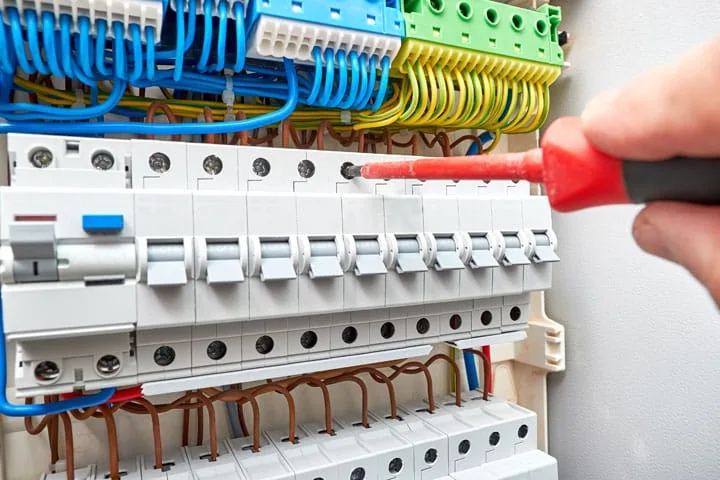
Why Newcastle Homes Are Particularly Vulnerable to Hidden Power Waste

Newcastle’s housing stock and coastal environment create specific conditions that drive electricity costs higher than they need to be:


More: Why Do My Lights Flicker? Causes & How to Fix It. 

How to Find Out What’s Really Driving Your Bill Up

Before calling an electrician, you can do some basic detective work yourself. Here’s a practical approach:

Check Your Bill Against NSW Averages

The average NSW household pays approximately $1,827 to $2,004 per year. Compare your bill to that benchmark, adjusting for household size. If you’re consistently above it, there’s likely an efficiency issue beyond normal usage.

Run the Appliance Isolation Test

Switch off everything at the wall. Check your meter. If it’s still ticking over, you have a circuit-level issue, either current leakage or a hard-wired appliance drawing power you haven’t accounted for. This simple test takes five minutes and tells you immediately whether the problem is behavioural or electrical.

Inspect Your Downlights

Count your halogen downlights. Multiply the number by 50 watts, then by your average daily hours of use. That gives you daily wattage. Divide by 1,000 to get kilowatt hours. Multiply by your rate per kWh (typically 28-35 cents in Newcastle). If the annual figure surprises you, LED replacements will pay for themselves within the first year.

Book an Electrical Efficiency Inspection

A licensed electrician can test insulation resistance across every circuit, check your switchboard connections for heat and corrosion, verify your hot water system’s tariff wiring, and identify any phantom loads or circuit inefficiencies. 

This is the fastest way to find the hidden causes that basic energy-saving tips won’t fix. According to NSW Fair Trading, all electrical work in NSW must be carried out by a licensed professional.

After a recent electrical inspection for a Newcastle homeowner, Kitson Electricians received this feedback:

“Well worth the little bit extra! Very professional from quoting to job completion. Helpful, competent, kept us informed for arrival and cleaned up after to leave no trace of being there. Highly recommend.” — M Gilbert

Finding and fixing hidden electrical inefficiencies is exactly the kind of job where a thorough inspection pays for itself on the very next bill.

NSW Rebates and Support for Energy-Efficient Electrical Upgrades

The NSW Government offers several programs to help homeowners reduce electricity costs through upgrades. Many people don’t realise these exist:


These programs, combined with a targeted electrical upgrade, such as switching from halogen to LED, installing a smart home automation system to manage standby loads, or upgrading your switchboard, can deliver savings of $500 to $1,000 or more per year.

Areas We Service

Kitson Electricians Newcastle provides electrical efficiency inspections and upgrade services across the entire Newcastle and Hunter region. We service Adamstown, Belmont, Cameron Park, Cardiff, Charlestown, Fletcher, Hamilton, Kotara Fair, Lake Macquarie, Lambton, Maitland, Mayfield, Merewether, New Lambton, Stockton, Wallsend, Warners Bay, and all surrounding suburbs.

Lower Your Electricity Bill with a Professional Inspection

If your electricity bill keeps climbing and you’ve already tried the obvious fixes, call Kitson Electricians Newcastle on 0438 262 792. Licensed electricians, same-day service, upfront fixed pricing, and a lifetime labour warranty on all work. $50 off your first service, 10% off for pensioners and seniors, and a free safety inspection valued at $150.

Frequently Asked Questions About High Electricity Bills

Why is my electricity bill suddenly so high?

A sudden spike usually points to a seasonal change, a tariff increase, or a new appliance drawing heavy power. It can also indicate an electrical fault, like a failing hot water element or degraded wiring that has started leaking current to earth.

Can faulty wiring increase my electricity bill?

Yes. Deteriorated cable insulation allows current to leak to earth. Your meter records this leakage as consumption. Older Newcastle homes with original wiring from the 1950s to 1970s are most affected. An insulation resistance test identifies the issue.

How much can LED lighting save on my electricity bill?

Replacing 20 halogen downlights with LED equivalents saves approximately $300 or more per year. LEDs use roughly 90% less energy and last up to ten times longer. It is one of the fastest payback electrical upgrades available.

What appliances use the most electricity in Australia?

Heating and cooling systems use the most, accounting for up to 40% of household energy. Hot water systems follow at around 25%. After that, fridges, clothes dryers, and pool pumps are the largest consumers in most Australian homes.

Should I get an electrical inspection to lower my power bill?

Yes, particularly if your home is over 25 years old. A licensed electrician can test for current leakage, identify inefficient circuit configurations, check hot water tariff wiring, and find phantom loads. These hidden issues often account for $200 to $500 in unnecessary annual costs.

Are there NSW rebates for energy-efficient electrical upgrades?

Yes. The NSW Government offers household energy saving incentives under the Energy Savings Scheme, electricity bill rebates of up to $150, and support programs for concession card holders. These can offset the upfront cost of LED upgrades, hot water system replacements, and switchboard improvements.

Why does my electricity bill keep going up even though I have not changed anything?

Tariff increases, expired benefit periods on your energy plan, and seasonal demand all raise bills without any change in habits. Hidden electrical faults like degraded wiring or corroded switchboard connections also increase consumption silently over time.

How do I know if my home has current leakage?

A licensed electrician performs an insulation resistance test on each circuit using a megohmmeter. Low readings confirm that cable insulation has broken down and current is leaking to earth. Your meter registers this leakage as billable usage.

Does an old switchboard use more electricity?

Not directly, but loose or corroded connections inside an old switchboard create resistance that converts electricity into waste heat. That wasted energy shows up on your bill. Upgrading to a modern switchboard with clean, tight connections improves overall system efficiency.

Can a hot water system increase my electricity bill?

Yes. Electric storage hot water systems can account for up to 25% of total household energy use. If your system is on a peak tariff instead of a dedicated off-peak circuit, or if the element is failing and running longer to heat the same volume, your bill will be significantly higher than it should be.
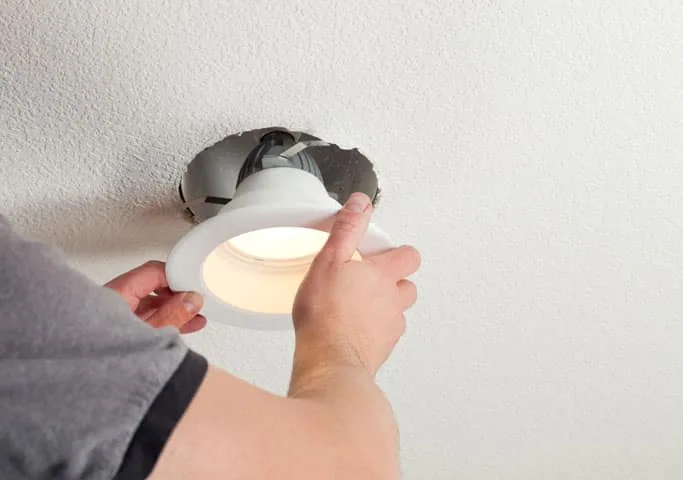
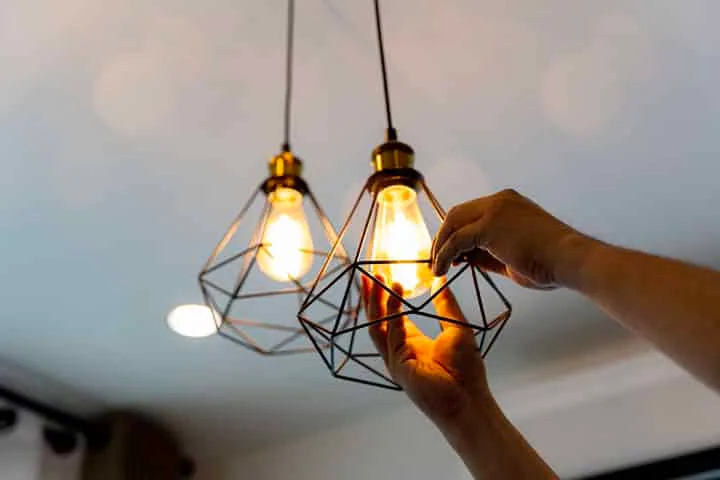
 

The Hidden Electrical Causes Your Retailer Won’t Mention

This is where a licensed electrician adds value that your energy provider can’t. These are the causes of high electricity bills that sit inside your home’s electrical system itself:

Degraded Wiring Leaking Current

In older Newcastle homes, cable insulation breaks down over time. When insulation deteriorates, small amounts of current leak to earth continuously. Your meter registers this leakage as usage, even though no appliance is actually consuming the power. 

You’re paying for electricity that’s literally going into the ground. An insulation resistance test by a qualified Newcastle electrician will identify if your circuits are leaking current.

Old Halogen Downlights Burning Through Power

Halogen downlights are one of the biggest hidden power drains in Newcastle homes. A single 50-watt halogen globe uses roughly ten times more electricity than a 5-watt LED replacement. 

A home with 20 halogen downlights running for four hours a day spends approximately $350 per year just on those lights. Replacing them with LED downlights cuts that cost to around $35 per year. That’s a saving of over $300 annually from one change.

Hot Water System on the Wrong Tariff

Many older Newcastle properties have electric hot water systems wired to the general power circuit, running on peak tariff rates. If your system was installed before a dedicated off-peak circuit was available, or if it was wired incorrectly during a renovation, you’re paying peak rates for something that should run overnight at a fraction of the cost. 

An electrician can check your hot water wiring and switch it to a controlled load or off-peak circuit, which can cut your hot water electricity cost by 30-50%.

Loose or Corroded Switchboard Connections

Every loose connection in your switchboard creates electrical resistance. That resistance converts electricity into waste heat instead of useful power. You’re paying for that wasted energy on every bill. 

In coastal Newcastle suburbs like Merewether, Stockton, and Bar Beach, salt air accelerates corrosion on switchboard terminals, making this problem worse. A switchboard inspection that includes connection tightening can improve your system’s efficiency noticeably.

Phantom Loads from Degraded Outlets

Power points with worn internal contacts don’t switch off completely. A small amount of current continues to flow through the outlet even when the switch is in the off position. Across a home with 30 or 40 power points, this trickle adds up over a full year. 

If your power points are original fittings from the 1970s or 1980s, common in suburbs like Mayfield, Wallsend, and Hamilton, they’re well past their reliable service life.

Inefficient Circuit Configuration

Older homes were wired with fewer circuits carrying heavier combined loads. When multiple high-draw appliances share a single circuit, the wiring runs hotter and less efficiently. Modern switchboard configurations distribute loads across more circuits, reducing resistance losses and improving overall efficiency. 

If your home’s wiring hasn’t been updated since the house was built, the circuit layout itself could be costing you money.

Why Newcastle Homes Are Particularly Vulnerable to Hidden Power Waste

Newcastle’s housing stock and coastal environment create specific conditions that drive electricity costs higher than they need to be:


More: Why Do My Lights Flicker? Causes & How to Fix It. 

How to Find Out What’s Really Driving Your Bill Up

Before calling an electrician, you can do some basic detective work yourself. Here’s a practical approach:

Check Your Bill Against NSW Averages

The average NSW household pays approximately $1,827 to $2,004 per year. Compare your bill to that benchmark, adjusting for household size. If you’re consistently above it, there’s likely an efficiency issue beyond normal usage.

Run the Appliance Isolation Test

Switch off everything at the wall. Check your meter. If it’s still ticking over, you have a circuit-level issue, either current leakage or a hard-wired appliance drawing power you haven’t accounted for. This simple test takes five minutes and tells you immediately whether the problem is behavioural or electrical.

Inspect Your Downlights

Count your halogen downlights. Multiply the number by 50 watts, then by your average daily hours of use. That gives you daily wattage. Divide by 1,000 to get kilowatt hours. Multiply by your rate per kWh (typically 28-35 cents in Newcastle). If the annual figure surprises you, LED replacements will pay for themselves within the first year.

Book an Electrical Efficiency Inspection

A licensed electrician can test insulation resistance across every circuit, check your switchboard connections for heat and corrosion, verify your hot water system’s tariff wiring, and identify any phantom loads or circuit inefficiencies. 

This is the fastest way to find the hidden causes that basic energy-saving tips won’t fix. According to NSW Fair Trading, all electrical work in NSW must be carried out by a licensed professional.

After a recent electrical inspection for a Newcastle homeowner, Kitson Electricians received this feedback:

“Well worth the little bit extra! Very professional from quoting to job completion. Helpful, competent, kept us informed for arrival and cleaned up after to leave no trace of being there. Highly recommend.” — M Gilbert

Finding and fixing hidden electrical inefficiencies is exactly the kind of job where a thorough inspection pays for itself on the very next bill.

NSW Rebates and Support for Energy-Efficient Electrical Upgrades

The NSW Government offers several programs to help homeowners reduce electricity costs through upgrades. Many people don’t realise these exist:


These programs, combined with a targeted electrical upgrade, such as switching from halogen to LED, installing a smart home automation system to manage standby loads, or upgrading your switchboard, can deliver savings of $500 to $1,000 or more per year.

Areas We Service

Kitson Electricians Newcastle provides electrical efficiency inspections and upgrade services across the entire Newcastle and Hunter region. We service Adamstown, Belmont, Cameron Park, Cardiff, Charlestown, Fletcher, Hamilton, Kotara Fair, Lake Macquarie, Lambton, Maitland, Mayfield, Merewether, New Lambton, Stockton, Wallsend, Warners Bay, and all surrounding suburbs.

Lower Your Electricity Bill with a Professional Inspection

If your electricity bill keeps climbing and you’ve already tried the obvious fixes, call Kitson Electricians Newcastle on 0438 262 792. Licensed electricians, same-day service, upfront fixed pricing, and a lifetime labour warranty on all work. $50 off your first service, 10% off for pensioners and seniors, and a free safety inspection valued at $150.

Frequently Asked Questions About High Electricity Bills

Why is my electricity bill suddenly so high?

A sudden spike usually points to a seasonal change, a tariff increase, or a new appliance drawing heavy power. It can also indicate an electrical fault, like a failing hot water element or degraded wiring that has started leaking current to earth.

Can faulty wiring increase my electricity bill?

Yes. Deteriorated cable insulation allows current to leak to earth. Your meter records this leakage as consumption. Older Newcastle homes with original wiring from the 1950s to 1970s are most affected. An insulation resistance test identifies the issue.

How much can LED lighting save on my electricity bill?

Replacing 20 halogen downlights with LED equivalents saves approximately $300 or more per year. LEDs use roughly 90% less energy and last up to ten times longer. It is one of the fastest payback electrical upgrades available.

What appliances use the most electricity in Australia?

Heating and cooling systems use the most, accounting for up to 40% of household energy. Hot water systems follow at around 25%. After that, fridges, clothes dryers, and pool pumps are the largest consumers in most Australian homes.

Should I get an electrical inspection to lower my power bill?

Yes, particularly if your home is over 25 years old. A licensed electrician can test for current leakage, identify inefficient circuit configurations, check hot water tariff wiring, and find phantom loads. These hidden issues often account for $200 to $500 in unnecessary annual costs.

Are there NSW rebates for energy-efficient electrical upgrades?

Yes. The NSW Government offers household energy saving incentives under the Energy Savings Scheme, electricity bill rebates of up to $150, and support programs for concession card holders. These can offset the upfront cost of LED upgrades, hot water system replacements, and switchboard improvements.

Why does my electricity bill keep going up even though I have not changed anything?

Tariff increases, expired benefit periods on your energy plan, and seasonal demand all raise bills without any change in habits. Hidden electrical faults like degraded wiring or corroded switchboard connections also increase consumption silently over time.

How do I know if my home has current leakage?

A licensed electrician performs an insulation resistance test on each circuit using a megohmmeter. Low readings confirm that cable insulation has broken down and current is leaking to earth. Your meter registers this leakage as billable usage.

Does an old switchboard use more electricity?

Not directly, but loose or corroded connections inside an old switchboard create resistance that converts electricity into waste heat. That wasted energy shows up on your bill. Upgrading to a modern switchboard with clean, tight connections improves overall system efficiency.

Can a hot water system increase my electricity bill?

Yes. Electric storage hot water systems can account for up to 25% of total household energy use. If your system is on a peak tariff instead of a dedicated off-peak circuit, or if the element is failing and running longer to heat the same volume, your bill will be significantly higher than it should be.


The Hidden Electrical Causes Your Retailer Won’t Mention

This is where a licensed electrician adds value that your energy provider can’t. These are the causes of high electricity bills that sit inside your home’s electrical system itself:

Degraded Wiring Leaking Current

In older Newcastle homes, cable insulation breaks down over time. When insulation deteriorates, small amounts of current leak to earth continuously. Your meter registers this leakage as usage, even though no appliance is actually consuming the power. 

You’re paying for electricity that’s literally going into the ground. An insulation resistance test by a qualified Newcastle electrician will identify if your circuits are leaking current.

Old Halogen Downlights Burning Through Power

Halogen downlights are one of the biggest hidden power drains in Newcastle homes. A single 50-watt halogen globe uses roughly ten times more electricity than a 5-watt LED replacement. 

A home with 20 halogen downlights running for four hours a day spends approximately $350 per year just on those lights. Replacing them with LED downlights cuts that cost to around $35 per year. That’s a saving of over $300 annually from one change.

Hot Water System on the Wrong Tariff

Many older Newcastle properties have electric hot water systems wired to the general power circuit, running on peak tariff rates. If your system was installed before a dedicated off-peak circuit was available, or if it was wired incorrectly during a renovation, you’re paying peak rates for something that should run overnight at a fraction of the cost. 

An electrician can check your hot water wiring and switch it to a controlled load or off-peak circuit, which can cut your hot water electricity cost by 30-50%.

Loose or Corroded Switchboard Connections

Every loose connection in your switchboard creates electrical resistance. That resistance converts electricity into waste heat instead of useful power. You’re paying for that wasted energy on every bill. 

In coastal Newcastle suburbs like Merewether, Stockton, and Bar Beach, salt air accelerates corrosion on switchboard terminals, making this problem worse. A switchboard inspection that includes connection tightening can improve your system’s efficiency noticeably.

Phantom Loads from Degraded Outlets

Power points with worn internal contacts don’t switch off completely. A small amount of current continues to flow through the outlet even when the switch is in the off position. Across a home with 30 or 40 power points, this trickle adds up over a full year. 

If your power points are original fittings from the 1970s or 1980s, common in suburbs like Mayfield, Wallsend, and Hamilton, they’re well past their reliable service life.

Inefficient Circuit Configuration

Older homes were wired with fewer circuits carrying heavier combined loads. When multiple high-draw appliances share a single circuit, the wiring runs hotter and less efficiently. Modern switchboard configurations distribute loads across more circuits, reducing resistance losses and improving overall efficiency. 

If your home’s wiring hasn’t been updated since the house was built, the circuit layout itself could be costing you money.

Why Newcastle Homes Are Particularly Vulnerable to Hidden Power Waste

Newcastle’s housing stock and coastal environment create specific conditions that drive electricity costs higher than they need to be:


More: Why Do My Lights Flicker? Causes & How to Fix It. 

How to Find Out What’s Really Driving Your Bill Up

Before calling an electrician, you can do some basic detective work yourself. Here’s a practical approach:

Check Your Bill Against NSW Averages

The average NSW household pays approximately $1,827 to $2,004 per year. Compare your bill to that benchmark, adjusting for household size. If you’re consistently above it, there’s likely an efficiency issue beyond normal usage.

Run the Appliance Isolation Test

Switch off everything at the wall. Check your meter. If it’s still ticking over, you have a circuit-level issue, either current leakage or a hard-wired appliance drawing power you haven’t accounted for. This simple test takes five minutes and tells you immediately whether the problem is behavioural or electrical.

Inspect Your Downlights

Count your halogen downlights. Multiply the number by 50 watts, then by your average daily hours of use. That gives you daily wattage. Divide by 1,000 to get kilowatt hours. Multiply by your rate per kWh (typically 28-35 cents in Newcastle). If the annual figure surprises you, LED replacements will pay for themselves within the first year.

Book an Electrical Efficiency Inspection

A licensed electrician can test insulation resistance across every circuit, check your switchboard connections for heat and corrosion, verify your hot water system’s tariff wiring, and identify any phantom loads or circuit inefficiencies. 

This is the fastest way to find the hidden causes that basic energy-saving tips won’t fix. According to NSW Fair Trading, all electrical work in NSW must be carried out by a licensed professional.

After a recent electrical inspection for a Newcastle homeowner, Kitson Electricians received this feedback:

“Well worth the little bit extra! Very professional from quoting to job completion. Helpful, competent, kept us informed for arrival and cleaned up after to leave no trace of being there. Highly recommend.” — M Gilbert

Finding and fixing hidden electrical inefficiencies is exactly the kind of job where a thorough inspection pays for itself on the very next bill.

NSW Rebates and Support for Energy-Efficient Electrical Upgrades

The NSW Government offers several programs to help homeowners reduce electricity costs through upgrades. Many people don’t realise these exist:


These programs, combined with a targeted electrical upgrade, such as switching from halogen to LED, installing a smart home automation system to manage standby loads, or upgrading your switchboard, can deliver savings of $500 to $1,000 or more per year.

Areas We Service

Kitson Electricians Newcastle provides electrical efficiency inspections and upgrade services across the entire Newcastle and Hunter region. We service Adamstown, Belmont, Cameron Park, Cardiff, Charlestown, Fletcher, Hamilton, Kotara Fair, Lake Macquarie, Lambton, Maitland, Mayfield, Merewether, New Lambton, Stockton, Wallsend, Warners Bay, and all surrounding suburbs.

Lower Your Electricity Bill with a Professional Inspection

If your electricity bill keeps climbing and you’ve already tried the obvious fixes, call Kitson Electricians Newcastle on 0438 262 792. Licensed electricians, same-day service, upfront fixed pricing, and a lifetime labour warranty on all work. $50 off your first service, 10% off for pensioners and seniors, and a free safety inspection valued at $150.

Frequently Asked Questions About High Electricity Bills

Why is my electricity bill suddenly so high?

A sudden spike usually points to a seasonal change, a tariff increase, or a new appliance drawing heavy power. It can also indicate an electrical fault, like a failing hot water element or degraded wiring that has started leaking current to earth.

Can faulty wiring increase my electricity bill?

Yes. Deteriorated cable insulation allows current to leak to earth. Your meter records this leakage as consumption. Older Newcastle homes with original wiring from the 1950s to 1970s are most affected. An insulation resistance test identifies the issue.

How much can LED lighting save on my electricity bill?

Replacing 20 halogen downlights with LED equivalents saves approximately $300 or more per year. LEDs use roughly 90% less energy and last up to ten times longer. It is one of the fastest payback electrical upgrades available.

What appliances use the most electricity in Australia?

Heating and cooling systems use the most, accounting for up to 40% of household energy. Hot water systems follow at around 25%. After that, fridges, clothes dryers, and pool pumps are the largest consumers in most Australian homes.

Should I get an electrical inspection to lower my power bill?

Yes, particularly if your home is over 25 years old. A licensed electrician can test for current leakage, identify inefficient circuit configurations, check hot water tariff wiring, and find phantom loads. These hidden issues often account for $200 to $500 in unnecessary annual costs.

Are there NSW rebates for energy-efficient electrical upgrades?

Yes. The NSW Government offers household energy saving incentives under the Energy Savings Scheme, electricity bill rebates of up to $150, and support programs for concession card holders. These can offset the upfront cost of LED upgrades, hot water system replacements, and switchboard improvements.

Why does my electricity bill keep going up even though I have not changed anything?

Tariff increases, expired benefit periods on your energy plan, and seasonal demand all raise bills without any change in habits. Hidden electrical faults like degraded wiring or corroded switchboard connections also increase consumption silently over time.

How do I know if my home has current leakage?

A licensed electrician performs an insulation resistance test on each circuit using a megohmmeter. Low readings confirm that cable insulation has broken down and current is leaking to earth. Your meter registers this leakage as billable usage.

Does an old switchboard use more electricity?

Not directly, but loose or corroded connections inside an old switchboard create resistance that converts electricity into waste heat. That wasted energy shows up on your bill. Upgrading to a modern switchboard with clean, tight connections improves overall system efficiency.

Can a hot water system increase my electricity bill?

Yes. Electric storage hot water systems can account for up to 25% of total household energy use. If your system is on a peak tariff instead of a dedicated off-peak circuit, or if the element is failing and running longer to heat the same volume, your bill will be significantly higher than it should be.


The Hidden Electrical Causes Your Retailer Won’t Mention

This is where a licensed electrician adds value that your energy provider can’t. These are the causes of high electricity bills that sit inside your home’s electrical system itself:

Degraded Wiring Leaking Current

In older Newcastle homes, cable insulation breaks down over time. When insulation deteriorates, small amounts of current leak to earth continuously. Your meter registers this leakage as usage, even though no appliance is actually consuming the power. 

You’re paying for electricity that’s literally going into the ground. An insulation resistance test by a qualified Newcastle electrician will identify if your circuits are leaking current.

Old Halogen Downlights Burning Through Power

Halogen downlights are one of the biggest hidden power drains in Newcastle homes. A single 50-watt halogen globe uses roughly ten times more electricity than a 5-watt LED replacement. 

A home with 20 halogen downlights running for four hours a day spends approximately $350 per year just on those lights. Replacing them with LED downlights cuts that cost to around $35 per year. That’s a saving of over $300 annually from one change.

Hot Water System on the Wrong Tariff

Many older Newcastle properties have electric hot water systems wired to the general power circuit, running on peak tariff rates. If your system was installed before a dedicated off-peak circuit was available, or if it was wired incorrectly during a renovation, you’re paying peak rates for something that should run overnight at a fraction of the cost. 

An electrician can check your hot water wiring and switch it to a controlled load or off-peak circuit, which can cut your hot water electricity cost by 30-50%.

Loose or Corroded Switchboard Connections

Every loose connection in your switchboard creates electrical resistance. That resistance converts electricity into waste heat instead of useful power. You’re paying for that wasted energy on every bill. 

In coastal Newcastle suburbs like Merewether, Stockton, and Bar Beach, salt air accelerates corrosion on switchboard terminals, making this problem worse. A switchboard inspection that includes connection tightening can improve your system’s efficiency noticeably.

Phantom Loads from Degraded Outlets

Power points with worn internal contacts don’t switch off completely. A small amount of current continues to flow through the outlet even when the switch is in the off position. Across a home with 30 or 40 power points, this trickle adds up over a full year. 

If your power points are original fittings from the 1970s or 1980s, common in suburbs like Mayfield, Wallsend, and Hamilton, they’re well past their reliable service life.

Inefficient Circuit Configuration

Older homes were wired with fewer circuits carrying heavier combined loads. When multiple high-draw appliances share a single circuit, the wiring runs hotter and less efficiently. Modern switchboard configurations distribute loads across more circuits, reducing resistance losses and improving overall efficiency. 

If your home’s wiring hasn’t been updated since the house was built, the circuit layout itself could be costing you money.

Why Newcastle Homes Are Particularly Vulnerable to Hidden Power Waste

Newcastle’s housing stock and coastal environment create specific conditions that drive electricity costs higher than they need to be:


More: Why Do My Lights Flicker? Causes & How to Fix It. 

How to Find Out What’s Really Driving Your Bill Up

Before calling an electrician, you can do some basic detective work yourself. Here’s a practical approach:

Check Your Bill Against NSW Averages

The average NSW household pays approximately $1,827 to $2,004 per year. Compare your bill to that benchmark, adjusting for household size. If you’re consistently above it, there’s likely an efficiency issue beyond normal usage.

Run the Appliance Isolation Test

Switch off everything at the wall. Check your meter. If it’s still ticking over, you have a circuit-level issue, either current leakage or a hard-wired appliance drawing power you haven’t accounted for. This simple test takes five minutes and tells you immediately whether the problem is behavioural or electrical.

Inspect Your Downlights

Count your halogen downlights. Multiply the number by 50 watts, then by your average daily hours of use. That gives you daily wattage. Divide by 1,000 to get kilowatt hours. Multiply by your rate per kWh (typically 28-35 cents in Newcastle). If the annual figure surprises you, LED replacements will pay for themselves within the first year.

Book an Electrical Efficiency Inspection

A licensed electrician can test insulation resistance across every circuit, check your switchboard connections for heat and corrosion, verify your hot water system’s tariff wiring, and identify any phantom loads or circuit inefficiencies. 

This is the fastest way to find the hidden causes that basic energy-saving tips won’t fix. According to NSW Fair Trading, all electrical work in NSW must be carried out by a licensed professional.

After a recent electrical inspection for a Newcastle homeowner, Kitson Electricians received this feedback:

“Well worth the little bit extra! Very professional from quoting to job completion. Helpful, competent, kept us informed for arrival and cleaned up after to leave no trace of being there. Highly recommend.” — M Gilbert

Finding and fixing hidden electrical inefficiencies is exactly the kind of job where a thorough inspection pays for itself on the very next bill.

NSW Rebates and Support for Energy-Efficient Electrical Upgrades

The NSW Government offers several programs to help homeowners reduce electricity costs through upgrades. Many people don’t realise these exist:


These programs, combined with a targeted electrical upgrade, such as switching from halogen to LED, installing a smart home automation system to manage standby loads, or upgrading your switchboard, can deliver savings of $500 to $1,000 or more per year.

Areas We Service

Kitson Electricians Newcastle provides electrical efficiency inspections and upgrade services across the entire Newcastle and Hunter region. We service Adamstown, Belmont, Cameron Park, Cardiff, Charlestown, Fletcher, Hamilton, Kotara Fair, Lake Macquarie, Lambton, Maitland, Mayfield, Merewether, New Lambton, Stockton, Wallsend, Warners Bay, and all surrounding suburbs.

Lower Your Electricity Bill with a Professional Inspection

If your electricity bill keeps climbing and you’ve already tried the obvious fixes, call Kitson Electricians Newcastle on 0438 262 792. Licensed electricians, same-day service, upfront fixed pricing, and a lifetime labour warranty on all work. $50 off your first service, 10% off for pensioners and seniors, and a free safety inspection valued at $150.

Frequently Asked Questions About High Electricity Bills

Why is my electricity bill suddenly so high?

A sudden spike usually points to a seasonal change, a tariff increase, or a new appliance drawing heavy power. It can also indicate an electrical fault, like a failing hot water element or degraded wiring that has started leaking current to earth.

Can faulty wiring increase my electricity bill?

Yes. Deteriorated cable insulation allows current to leak to earth. Your meter records this leakage as consumption. Older Newcastle homes with original wiring from the 1950s to 1970s are most affected. An insulation resistance test identifies the issue.

How much can LED lighting save on my electricity bill?

Replacing 20 halogen downlights with LED equivalents saves approximately $300 or more per year. LEDs use roughly 90% less energy and last up to ten times longer. It is one of the fastest payback electrical upgrades available.

What appliances use the most electricity in Australia?

Heating and cooling systems use the most, accounting for up to 40% of household energy. Hot water systems follow at around 25%. After that, fridges, clothes dryers, and pool pumps are the largest consumers in most Australian homes.

Should I get an electrical inspection to lower my power bill?

Yes, particularly if your home is over 25 years old. A licensed electrician can test for current leakage, identify inefficient circuit configurations, check hot water tariff wiring, and find phantom loads. These hidden issues often account for $200 to $500 in unnecessary annual costs.

Are there NSW rebates for energy-efficient electrical upgrades?

Yes. The NSW Government offers household energy saving incentives under the Energy Savings Scheme, electricity bill rebates of up to $150, and support programs for concession card holders. These can offset the upfront cost of LED upgrades, hot water system replacements, and switchboard improvements.

Why does my electricity bill keep going up even though I have not changed anything?

Tariff increases, expired benefit periods on your energy plan, and seasonal demand all raise bills without any change in habits. Hidden electrical faults like degraded wiring or corroded switchboard connections also increase consumption silently over time.

How do I know if my home has current leakage?

A licensed electrician performs an insulation resistance test on each circuit using a megohmmeter. Low readings confirm that cable insulation has broken down and current is leaking to earth. Your meter registers this leakage as billable usage.

Does an old switchboard use more electricity?

Not directly, but loose or corroded connections inside an old switchboard create resistance that converts electricity into waste heat. That wasted energy shows up on your bill. Upgrading to a modern switchboard with clean, tight connections improves overall system efficiency.

Can a hot water system increase my electricity bill?

Yes. Electric storage hot water systems can account for up to 25% of total household energy use. If your system is on a peak tariff instead of a dedicated off-peak circuit, or if the element is failing and running longer to heat the same volume, your bill will be significantly higher than it should be.

A high electricity bill usually comes down to how much power your home draws and when you use it. But hidden electrical faults, inefficient wiring, and outdated fittings can silently add hundreds of dollars per year without you realising.

Your energy retailer will explain tariffs and seasonal changes. What they won’t tell you is whether your home’s electrical system itself is costing you money. Kitson Electricians Newcastle helps homeowners across Newcastle and Lake Macquarie identify and fix the electrical issues that inflate power bills. 

This guide covers both the obvious and hidden causes of high electricity bills, and what you can do about each one.

What Drives Your Electricity Bill Up

Your electricity bill is made up of two charges: a fixed daily supply charge for being connected to the grid, and a usage charge based on how many kilowatt hours you consume. The usage charge is where most of the cost sits, and where most of the savings are.

According to the Australian Energy Regulator, the average NSW household electricity bill sits around $1,827 to $2,004 per year, depending on household size and location. If your bill is significantly higher than that range, something in your home is drawing more power than it should.

In my experience across Newcastle homes, the bill shock usually comes from a combination of factors, not one single culprit. Seasonal heating and cooling get the blame first. But the electrical causes hiding behind your walls often contribute just as much, and they run year-round.

The Obvious Causes Your Retailer Already Tells You About

These are the standard reasons your energy provider lists when you query a high bill. They’re real, but they’re only half the story:

  • Heating and cooling account for up to 40% of household energy use

Running a ducted air conditioning system for five hours a day can cost over $1,000 per year on its own. In Newcastle, summer heat and winter cold both drive heavy HVAC usage. Setting your thermostat to 24-26 degrees in summer and 18-20 degrees in winter makes a measurable difference. According to NSW Energy, every degree lower in winter and higher in summer can cut your heating and cooling bill by 10%.

  • Pensioner and seniors discounts: Kitson Electricians Newcastle offers 10% off for pensioners and seniors on all electrical work, on top of any government rebates you’re eligible for.


These programs, combined with a targeted electrical upgrade, such as switching from halogen to LED, installing a smart home automation system to manage standby loads, or upgrading your switchboard, can deliver savings of $500 to $1,000 or more per year.

Areas We Service

Kitson Electricians Newcastle provides electrical efficiency inspections and upgrade services across the entire Newcastle and Hunter region. We service Adamstown, Belmont, Cameron Park, Cardiff, Charlestown, Fletcher, Hamilton, Kotara Fair, Lake Macquarie, Lambton, Maitland, Mayfield, Merewether, New Lambton, Stockton, Wallsend, Warners Bay, and all surrounding suburbs.

Lower Your Electricity Bill with a Professional Inspection

If your electricity bill keeps climbing and you’ve already tried the obvious fixes, call Kitson Electricians Newcastle on 0438 262 792. Licensed electricians, same-day service, upfront fixed pricing, and a lifetime labour warranty on all work. $50 off your first service, 10% off for pensioners and seniors, and a free safety inspection valued at $150.

Frequently Asked Questions About High Electricity Bills

Why is my electricity bill suddenly so high?

A sudden spike usually points to a seasonal change, a tariff increase, or a new appliance drawing heavy power. It can also indicate an electrical fault, like a failing hot water element or degraded wiring that has started leaking current to earth.

Can faulty wiring increase my electricity bill?

Yes. Deteriorated cable insulation allows current to leak to earth. Your meter records this leakage as consumption. Older Newcastle homes with original wiring from the 1950s to 1970s are most affected. An insulation resistance test identifies the issue.

How much can LED lighting save on my electricity bill?

Replacing 20 halogen downlights with LED equivalents saves approximately $300 or more per year. LEDs use roughly 90% less energy and last up to ten times longer. It is one of the fastest payback electrical upgrades available.

What appliances use the most electricity in Australia?

Heating and cooling systems use the most, accounting for up to 40% of household energy. Hot water systems follow at around 25%. After that, fridges, clothes dryers, and pool pumps are the largest consumers in most Australian homes.

Should I get an electrical inspection to lower my power bill?

Yes, particularly if your home is over 25 years old. A licensed electrician can test for current leakage, identify inefficient circuit configurations, check hot water tariff wiring, and find phantom loads. These hidden issues often account for $200 to $500 in unnecessary annual costs.

Are there NSW rebates for energy-efficient electrical upgrades?

Yes. The NSW Government offers household energy saving incentives under the Energy Savings Scheme, electricity bill rebates of up to $150, and support programs for concession card holders. These can offset the upfront cost of LED upgrades, hot water system replacements, and switchboard improvements.

Why does my electricity bill keep going up even though I have not changed anything?

Tariff increases, expired benefit periods on your energy plan, and seasonal demand all raise bills without any change in habits. Hidden electrical faults like degraded wiring or corroded switchboard connections also increase consumption silently over time.

How do I know if my home has current leakage?

A licensed electrician performs an insulation resistance test on each circuit using a megohmmeter. Low readings confirm that cable insulation has broken down and current is leaking to earth. Your meter registers this leakage as billable usage.

Does an old switchboard use more electricity?

Not directly, but loose or corroded connections inside an old switchboard create resistance that converts electricity into waste heat. That wasted energy shows up on your bill. Upgrading to a modern switchboard with clean, tight connections improves overall system efficiency.

Can a hot water system increase my electricity bill?

Yes. Electric storage hot water systems can account for up to 25% of total household energy use. If your system is on a peak tariff instead of a dedicated off-peak circuit, or if the element is failing and running longer to heat the same volume, your bill will be significantly higher than it should be.


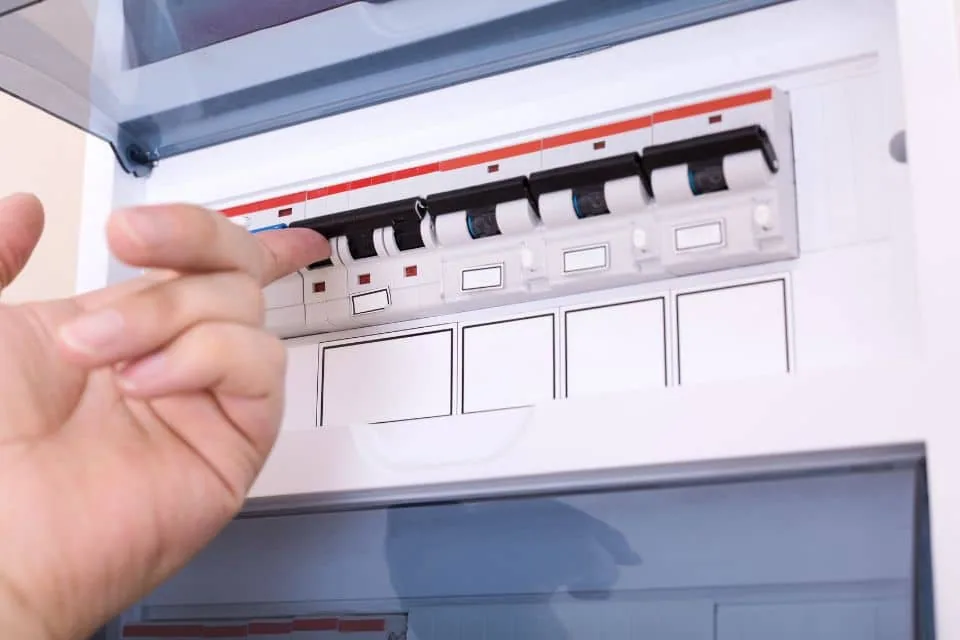
These programs, combined with a targeted electrical upgrade, such as switching from halogen to LED, installing a smart home automation system to manage standby loads, or upgrading your switchboard, can deliver savings of $500 to $1,000 or more per year.

Areas We Service

Kitson Electricians Newcastle provides electrical efficiency inspections and upgrade services across the entire Newcastle and Hunter region. We service Adamstown, Belmont, Cameron Park, Cardiff, Charlestown, Fletcher, Hamilton, Kotara Fair, Lake Macquarie, Lambton, Maitland, Mayfield, Merewether, New Lambton, Stockton, Wallsend, Warners Bay, and all surrounding suburbs.

Lower Your Electricity Bill with a Professional Inspection

If your electricity bill keeps climbing and you’ve already tried the obvious fixes, call Kitson Electricians Newcastle on 0438 262 792. Licensed electricians, same-day service, upfront fixed pricing, and a lifetime labour warranty on all work. $50 off your first service, 10% off for pensioners and seniors, and a free safety inspection valued at $150.

Frequently Asked Questions About High Electricity Bills

Why is my electricity bill suddenly so high?

A sudden spike usually points to a seasonal change, a tariff increase, or a new appliance drawing heavy power. It can also indicate an electrical fault, like a failing hot water element or degraded wiring that has started leaking current to earth.

Can faulty wiring increase my electricity bill?

Yes. Deteriorated cable insulation allows current to leak to earth. Your meter records this leakage as consumption. Older Newcastle homes with original wiring from the 1950s to 1970s are most affected. An insulation resistance test identifies the issue.

How much can LED lighting save on my electricity bill?

Replacing 20 halogen downlights with LED equivalents saves approximately $300 or more per year. LEDs use roughly 90% less energy and last up to ten times longer. It is one of the fastest payback electrical upgrades available.

What appliances use the most electricity in Australia?

Heating and cooling systems use the most, accounting for up to 40% of household energy. Hot water systems follow at around 25%. After that, fridges, clothes dryers, and pool pumps are the largest consumers in most Australian homes.

Should I get an electrical inspection to lower my power bill?

Yes, particularly if your home is over 25 years old. A licensed electrician can test for current leakage, identify inefficient circuit configurations, check hot water tariff wiring, and find phantom loads. These hidden issues often account for $200 to $500 in unnecessary annual costs.

Are there NSW rebates for energy-efficient electrical upgrades?

Yes. The NSW Government offers household energy saving incentives under the Energy Savings Scheme, electricity bill rebates of up to $150, and support programs for concession card holders. These can offset the upfront cost of LED upgrades, hot water system replacements, and switchboard improvements.

Why does my electricity bill keep going up even though I have not changed anything?

Tariff increases, expired benefit periods on your energy plan, and seasonal demand all raise bills without any change in habits. Hidden electrical faults like degraded wiring or corroded switchboard connections also increase consumption silently over time.

How do I know if my home has current leakage?

A licensed electrician performs an insulation resistance test on each circuit using a megohmmeter. Low readings confirm that cable insulation has broken down and current is leaking to earth. Your meter registers this leakage as billable usage.

Does an old switchboard use more electricity?

Not directly, but loose or corroded connections inside an old switchboard create resistance that converts electricity into waste heat. That wasted energy shows up on your bill. Upgrading to a modern switchboard with clean, tight connections improves overall system efficiency.

Can a hot water system increase my electricity bill?

Yes. Electric storage hot water systems can account for up to 25% of total household energy use. If your system is on a peak tariff instead of a dedicated off-peak circuit, or if the element is failing and running longer to heat the same volume, your bill will be significantly higher than it should be.
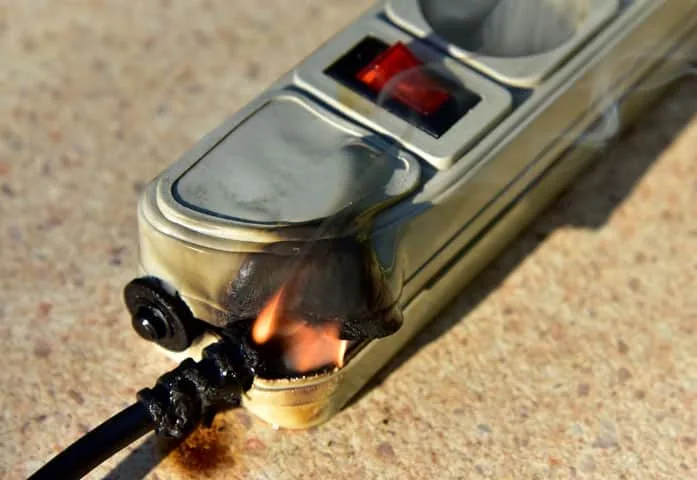

These programs, combined with a targeted electrical upgrade, such as switching from halogen to LED, installing a smart home automation system to manage standby loads, or upgrading your switchboard, can deliver savings of $500 to $1,000 or more per year.

Areas We Service

Kitson Electricians Newcastle provides electrical efficiency inspections and upgrade services across the entire Newcastle and Hunter region. We service Adamstown, Belmont, Cameron Park, Cardiff, Charlestown, Fletcher, Hamilton, Kotara Fair, Lake Macquarie, Lambton, Maitland, Mayfield, Merewether, New Lambton, Stockton, Wallsend, Warners Bay, and all surrounding suburbs.

Lower Your Electricity Bill with a Professional Inspection

If your electricity bill keeps climbing and you’ve already tried the obvious fixes, call Kitson Electricians Newcastle on 0438 262 792. Licensed electricians, same-day service, upfront fixed pricing, and a lifetime labour warranty on all work. $50 off your first service, 10% off for pensioners and seniors, and a free safety inspection valued at $150.

Frequently Asked Questions About High Electricity Bills

Why is my electricity bill suddenly so high?

A sudden spike usually points to a seasonal change, a tariff increase, or a new appliance drawing heavy power. It can also indicate an electrical fault, like a failing hot water element or degraded wiring that has started leaking current to earth.

Can faulty wiring increase my electricity bill?

Yes. Deteriorated cable insulation allows current to leak to earth. Your meter records this leakage as consumption. Older Newcastle homes with original wiring from the 1950s to 1970s are most affected. An insulation resistance test identifies the issue.

How much can LED lighting save on my electricity bill?

Replacing 20 halogen downlights with LED equivalents saves approximately $300 or more per year. LEDs use roughly 90% less energy and last up to ten times longer. It is one of the fastest payback electrical upgrades available.

What appliances use the most electricity in Australia?

Heating and cooling systems use the most, accounting for up to 40% of household energy. Hot water systems follow at around 25%. After that, fridges, clothes dryers, and pool pumps are the largest consumers in most Australian homes.

Should I get an electrical inspection to lower my power bill?

Yes, particularly if your home is over 25 years old. A licensed electrician can test for current leakage, identify inefficient circuit configurations, check hot water tariff wiring, and find phantom loads. These hidden issues often account for $200 to $500 in unnecessary annual costs.

Are there NSW rebates for energy-efficient electrical upgrades?

Yes. The NSW Government offers household energy saving incentives under the Energy Savings Scheme, electricity bill rebates of up to $150, and support programs for concession card holders. These can offset the upfront cost of LED upgrades, hot water system replacements, and switchboard improvements.

Why does my electricity bill keep going up even though I have not changed anything?

Tariff increases, expired benefit periods on your energy plan, and seasonal demand all raise bills without any change in habits. Hidden electrical faults like degraded wiring or corroded switchboard connections also increase consumption silently over time.

How do I know if my home has current leakage?

A licensed electrician performs an insulation resistance test on each circuit using a megohmmeter. Low readings confirm that cable insulation has broken down and current is leaking to earth. Your meter registers this leakage as billable usage.

Does an old switchboard use more electricity?

Not directly, but loose or corroded connections inside an old switchboard create resistance that converts electricity into waste heat. That wasted energy shows up on your bill. Upgrading to a modern switchboard with clean, tight connections improves overall system efficiency.

Can a hot water system increase my electricity bill?

Yes. Electric storage hot water systems can account for up to 25% of total household energy use. If your system is on a peak tariff instead of a dedicated off-peak circuit, or if the element is failing and running longer to heat the same volume, your bill will be significantly higher than it should be.
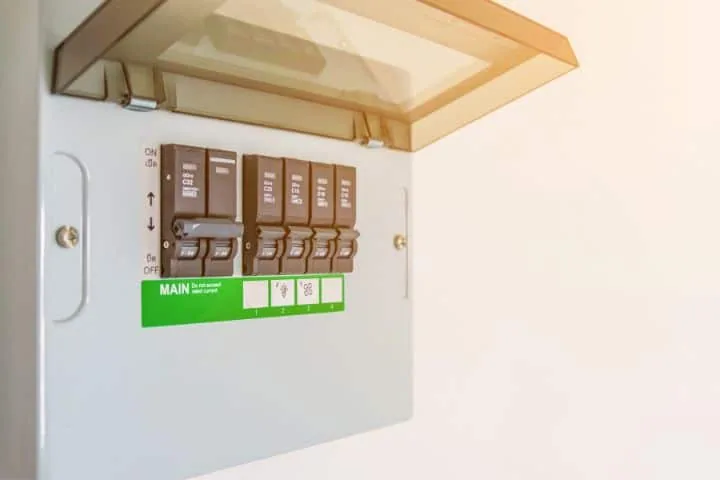
 

More: Why Do My Lights Flicker? Causes & How to Fix It. 

How to Find Out What’s Really Driving Your Bill Up

Before calling an electrician, you can do some basic detective work yourself. Here’s a practical approach:

Check Your Bill Against NSW Averages

The average NSW household pays approximately $1,827 to $2,004 per year. Compare your bill to that benchmark, adjusting for household size. If you’re consistently above it, there’s likely an efficiency issue beyond normal usage.

Run the Appliance Isolation Test

Switch off everything at the wall. Check your meter. If it’s still ticking over, you have a circuit-level issue, either current leakage or a hard-wired appliance drawing power you haven’t accounted for. This simple test takes five minutes and tells you immediately whether the problem is behavioural or electrical.

Inspect Your Downlights

Count your halogen downlights. Multiply the number by 50 watts, then by your average daily hours of use. That gives you daily wattage. Divide by 1,000 to get kilowatt hours. Multiply by your rate per kWh (typically 28-35 cents in Newcastle). If the annual figure surprises you, LED replacements will pay for themselves within the first year.

Book an Electrical Efficiency Inspection

A licensed electrician can test insulation resistance across every circuit, check your switchboard connections for heat and corrosion, verify your hot water system’s tariff wiring, and identify any phantom loads or circuit inefficiencies. 

This is the fastest way to find the hidden causes that basic energy-saving tips won’t fix. According to NSW Fair Trading, all electrical work in NSW must be carried out by a licensed professional.

After a recent electrical inspection for a Newcastle homeowner, Kitson Electricians received this feedback:

“Well worth the little bit extra! Very professional from quoting to job completion. Helpful, competent, kept us informed for arrival and cleaned up after to leave no trace of being there. Highly recommend.” — M Gilbert

Finding and fixing hidden electrical inefficiencies is exactly the kind of job where a thorough inspection pays for itself on the very next bill.

NSW Rebates and Support for Energy-Efficient Electrical Upgrades

The NSW Government offers several programs to help homeowners reduce electricity costs through upgrades. Many people don’t realise these exist:


These programs, combined with a targeted electrical upgrade, such as switching from halogen to LED, installing a smart home automation system to manage standby loads, or upgrading your switchboard, can deliver savings of $500 to $1,000 or more per year.

Areas We Service

Kitson Electricians Newcastle provides electrical efficiency inspections and upgrade services across the entire Newcastle and Hunter region. We service Adamstown, Belmont, Cameron Park, Cardiff, Charlestown, Fletcher, Hamilton, Kotara Fair, Lake Macquarie, Lambton, Maitland, Mayfield, Merewether, New Lambton, Stockton, Wallsend, Warners Bay, and all surrounding suburbs.

Lower Your Electricity Bill with a Professional Inspection

If your electricity bill keeps climbing and you’ve already tried the obvious fixes, call Kitson Electricians Newcastle on 0438 262 792. Licensed electricians, same-day service, upfront fixed pricing, and a lifetime labour warranty on all work. $50 off your first service, 10% off for pensioners and seniors, and a free safety inspection valued at $150.

Frequently Asked Questions About High Electricity Bills

Why is my electricity bill suddenly so high?

A sudden spike usually points to a seasonal change, a tariff increase, or a new appliance drawing heavy power. It can also indicate an electrical fault, like a failing hot water element or degraded wiring that has started leaking current to earth.

Can faulty wiring increase my electricity bill?

Yes. Deteriorated cable insulation allows current to leak to earth. Your meter records this leakage as consumption. Older Newcastle homes with original wiring from the 1950s to 1970s are most affected. An insulation resistance test identifies the issue.

How much can LED lighting save on my electricity bill?

Replacing 20 halogen downlights with LED equivalents saves approximately $300 or more per year. LEDs use roughly 90% less energy and last up to ten times longer. It is one of the fastest payback electrical upgrades available.

What appliances use the most electricity in Australia?

Heating and cooling systems use the most, accounting for up to 40% of household energy. Hot water systems follow at around 25%. After that, fridges, clothes dryers, and pool pumps are the largest consumers in most Australian homes.

Should I get an electrical inspection to lower my power bill?

Yes, particularly if your home is over 25 years old. A licensed electrician can test for current leakage, identify inefficient circuit configurations, check hot water tariff wiring, and find phantom loads. These hidden issues often account for $200 to $500 in unnecessary annual costs.

Are there NSW rebates for energy-efficient electrical upgrades?

Yes. The NSW Government offers household energy saving incentives under the Energy Savings Scheme, electricity bill rebates of up to $150, and support programs for concession card holders. These can offset the upfront cost of LED upgrades, hot water system replacements, and switchboard improvements.

Why does my electricity bill keep going up even though I have not changed anything?

Tariff increases, expired benefit periods on your energy plan, and seasonal demand all raise bills without any change in habits. Hidden electrical faults like degraded wiring or corroded switchboard connections also increase consumption silently over time.

How do I know if my home has current leakage?

A licensed electrician performs an insulation resistance test on each circuit using a megohmmeter. Low readings confirm that cable insulation has broken down and current is leaking to earth. Your meter registers this leakage as billable usage.

Does an old switchboard use more electricity?

Not directly, but loose or corroded connections inside an old switchboard create resistance that converts electricity into waste heat. That wasted energy shows up on your bill. Upgrading to a modern switchboard with clean, tight connections improves overall system efficiency.

Can a hot water system increase my electricity bill?

Yes. Electric storage hot water systems can account for up to 25% of total household energy use. If your system is on a peak tariff instead of a dedicated off-peak circuit, or if the element is failing and running longer to heat the same volume, your bill will be significantly higher than it should be.
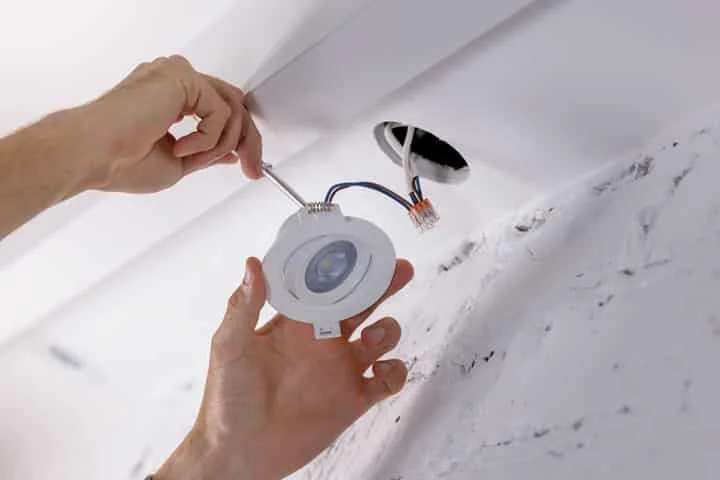
 

More: Why Do My Lights Flicker? Causes & How to Fix It. 

How to Find Out What’s Really Driving Your Bill Up

Before calling an electrician, you can do some basic detective work yourself. Here’s a practical approach:

Check Your Bill Against NSW Averages

The average NSW household pays approximately $1,827 to $2,004 per year. Compare your bill to that benchmark, adjusting for household size. If you’re consistently above it, there’s likely an efficiency issue beyond normal usage.

Run the Appliance Isolation Test

Switch off everything at the wall. Check your meter. If it’s still ticking over, you have a circuit-level issue, either current leakage or a hard-wired appliance drawing power you haven’t accounted for. This simple test takes five minutes and tells you immediately whether the problem is behavioural or electrical.

Inspect Your Downlights

Count your halogen downlights. Multiply the number by 50 watts, then by your average daily hours of use. That gives you daily wattage. Divide by 1,000 to get kilowatt hours. Multiply by your rate per kWh (typically 28-35 cents in Newcastle). If the annual figure surprises you, LED replacements will pay for themselves within the first year.

Book an Electrical Efficiency Inspection

A licensed electrician can test insulation resistance across every circuit, check your switchboard connections for heat and corrosion, verify your hot water system’s tariff wiring, and identify any phantom loads or circuit inefficiencies. 

This is the fastest way to find the hidden causes that basic energy-saving tips won’t fix. According to NSW Fair Trading, all electrical work in NSW must be carried out by a licensed professional.

After a recent electrical inspection for a Newcastle homeowner, Kitson Electricians received this feedback:

“Well worth the little bit extra! Very professional from quoting to job completion. Helpful, competent, kept us informed for arrival and cleaned up after to leave no trace of being there. Highly recommend.” — M Gilbert

Finding and fixing hidden electrical inefficiencies is exactly the kind of job where a thorough inspection pays for itself on the very next bill.

NSW Rebates and Support for Energy-Efficient Electrical Upgrades

The NSW Government offers several programs to help homeowners reduce electricity costs through upgrades. Many people don’t realise these exist:


These programs, combined with a targeted electrical upgrade, such as switching from halogen to LED, installing a smart home automation system to manage standby loads, or upgrading your switchboard, can deliver savings of $500 to $1,000 or more per year.

Areas We Service

Kitson Electricians Newcastle provides electrical efficiency inspections and upgrade services across the entire Newcastle and Hunter region. We service Adamstown, Belmont, Cameron Park, Cardiff, Charlestown, Fletcher, Hamilton, Kotara Fair, Lake Macquarie, Lambton, Maitland, Mayfield, Merewether, New Lambton, Stockton, Wallsend, Warners Bay, and all surrounding suburbs.

Lower Your Electricity Bill with a Professional Inspection

If your electricity bill keeps climbing and you’ve already tried the obvious fixes, call Kitson Electricians Newcastle on 0438 262 792. Licensed electricians, same-day service, upfront fixed pricing, and a lifetime labour warranty on all work. $50 off your first service, 10% off for pensioners and seniors, and a free safety inspection valued at $150.

Frequently Asked Questions About High Electricity Bills

Why is my electricity bill suddenly so high?

A sudden spike usually points to a seasonal change, a tariff increase, or a new appliance drawing heavy power. It can also indicate an electrical fault, like a failing hot water element or degraded wiring that has started leaking current to earth.

Can faulty wiring increase my electricity bill?

Yes. Deteriorated cable insulation allows current to leak to earth. Your meter records this leakage as consumption. Older Newcastle homes with original wiring from the 1950s to 1970s are most affected. An insulation resistance test identifies the issue.

How much can LED lighting save on my electricity bill?

Replacing 20 halogen downlights with LED equivalents saves approximately $300 or more per year. LEDs use roughly 90% less energy and last up to ten times longer. It is one of the fastest payback electrical upgrades available.

What appliances use the most electricity in Australia?

Heating and cooling systems use the most, accounting for up to 40% of household energy. Hot water systems follow at around 25%. After that, fridges, clothes dryers, and pool pumps are the largest consumers in most Australian homes.

Should I get an electrical inspection to lower my power bill?

Yes, particularly if your home is over 25 years old. A licensed electrician can test for current leakage, identify inefficient circuit configurations, check hot water tariff wiring, and find phantom loads. These hidden issues often account for $200 to $500 in unnecessary annual costs.

Are there NSW rebates for energy-efficient electrical upgrades?

Yes. The NSW Government offers household energy saving incentives under the Energy Savings Scheme, electricity bill rebates of up to $150, and support programs for concession card holders. These can offset the upfront cost of LED upgrades, hot water system replacements, and switchboard improvements.

Why does my electricity bill keep going up even though I have not changed anything?

Tariff increases, expired benefit periods on your energy plan, and seasonal demand all raise bills without any change in habits. Hidden electrical faults like degraded wiring or corroded switchboard connections also increase consumption silently over time.

How do I know if my home has current leakage?

A licensed electrician performs an insulation resistance test on each circuit using a megohmmeter. Low readings confirm that cable insulation has broken down and current is leaking to earth. Your meter registers this leakage as billable usage.

Does an old switchboard use more electricity?

Not directly, but loose or corroded connections inside an old switchboard create resistance that converts electricity into waste heat. That wasted energy shows up on your bill. Upgrading to a modern switchboard with clean, tight connections improves overall system efficiency.

Can a hot water system increase my electricity bill?

Yes. Electric storage hot water systems can account for up to 25% of total household energy use. If your system is on a peak tariff instead of a dedicated off-peak circuit, or if the element is failing and running longer to heat the same volume, your bill will be significantly higher than it should be.

 

More: Why Do My Lights Flicker? Causes & How to Fix It. 

How to Find Out What’s Really Driving Your Bill Up

Before calling an electrician, you can do some basic detective work yourself. Here’s a practical approach:

Check Your Bill Against NSW Averages

The average NSW household pays approximately $1,827 to $2,004 per year. Compare your bill to that benchmark, adjusting for household size. If you’re consistently above it, there’s likely an efficiency issue beyond normal usage.

Run the Appliance Isolation Test

Switch off everything at the wall. Check your meter. If it’s still ticking over, you have a circuit-level issue, either current leakage or a hard-wired appliance drawing power you haven’t accounted for. This simple test takes five minutes and tells you immediately whether the problem is behavioural or electrical.

Inspect Your Downlights

Count your halogen downlights. Multiply the number by 50 watts, then by your average daily hours of use. That gives you daily wattage. Divide by 1,000 to get kilowatt hours. Multiply by your rate per kWh (typically 28-35 cents in Newcastle). If the annual figure surprises you, LED replacements will pay for themselves within the first year.

Book an Electrical Efficiency Inspection

A licensed electrician can test insulation resistance across every circuit, check your switchboard connections for heat and corrosion, verify your hot water system’s tariff wiring, and identify any phantom loads or circuit inefficiencies. 

This is the fastest way to find the hidden causes that basic energy-saving tips won’t fix. According to NSW Fair Trading, all electrical work in NSW must be carried out by a licensed professional.

After a recent electrical inspection for a Newcastle homeowner, Kitson Electricians received this feedback:

“Well worth the little bit extra! Very professional from quoting to job completion. Helpful, competent, kept us informed for arrival and cleaned up after to leave no trace of being there. Highly recommend.” — M Gilbert

Finding and fixing hidden electrical inefficiencies is exactly the kind of job where a thorough inspection pays for itself on the very next bill.

NSW Rebates and Support for Energy-Efficient Electrical Upgrades

The NSW Government offers several programs to help homeowners reduce electricity costs through upgrades. Many people don’t realise these exist:


These programs, combined with a targeted electrical upgrade, such as switching from halogen to LED, installing a smart home automation system to manage standby loads, or upgrading your switchboard, can deliver savings of $500 to $1,000 or more per year.

Areas We Service

Kitson Electricians Newcastle provides electrical efficiency inspections and upgrade services across the entire Newcastle and Hunter region. We service Adamstown, Belmont, Cameron Park, Cardiff, Charlestown, Fletcher, Hamilton, Kotara Fair, Lake Macquarie, Lambton, Maitland, Mayfield, Merewether, New Lambton, Stockton, Wallsend, Warners Bay, and all surrounding suburbs.

Lower Your Electricity Bill with a Professional Inspection

If your electricity bill keeps climbing and you’ve already tried the obvious fixes, call Kitson Electricians Newcastle on 0438 262 792. Licensed electricians, same-day service, upfront fixed pricing, and a lifetime labour warranty on all work. $50 off your first service, 10% off for pensioners and seniors, and a free safety inspection valued at $150.

Frequently Asked Questions About High Electricity Bills

Why is my electricity bill suddenly so high?

A sudden spike usually points to a seasonal change, a tariff increase, or a new appliance drawing heavy power. It can also indicate an electrical fault, like a failing hot water element or degraded wiring that has started leaking current to earth.

Can faulty wiring increase my electricity bill?

Yes. Deteriorated cable insulation allows current to leak to earth. Your meter records this leakage as consumption. Older Newcastle homes with original wiring from the 1950s to 1970s are most affected. An insulation resistance test identifies the issue.

How much can LED lighting save on my electricity bill?

Replacing 20 halogen downlights with LED equivalents saves approximately $300 or more per year. LEDs use roughly 90% less energy and last up to ten times longer. It is one of the fastest payback electrical upgrades available.

What appliances use the most electricity in Australia?

Heating and cooling systems use the most, accounting for up to 40% of household energy. Hot water systems follow at around 25%. After that, fridges, clothes dryers, and pool pumps are the largest consumers in most Australian homes.

Should I get an electrical inspection to lower my power bill?

Yes, particularly if your home is over 25 years old. A licensed electrician can test for current leakage, identify inefficient circuit configurations, check hot water tariff wiring, and find phantom loads. These hidden issues often account for $200 to $500 in unnecessary annual costs.

Are there NSW rebates for energy-efficient electrical upgrades?

Yes. The NSW Government offers household energy saving incentives under the Energy Savings Scheme, electricity bill rebates of up to $150, and support programs for concession card holders. These can offset the upfront cost of LED upgrades, hot water system replacements, and switchboard improvements.

Why does my electricity bill keep going up even though I have not changed anything?

Tariff increases, expired benefit periods on your energy plan, and seasonal demand all raise bills without any change in habits. Hidden electrical faults like degraded wiring or corroded switchboard connections also increase consumption silently over time.

How do I know if my home has current leakage?

A licensed electrician performs an insulation resistance test on each circuit using a megohmmeter. Low readings confirm that cable insulation has broken down and current is leaking to earth. Your meter registers this leakage as billable usage.

Does an old switchboard use more electricity?

Not directly, but loose or corroded connections inside an old switchboard create resistance that converts electricity into waste heat. That wasted energy shows up on your bill. Upgrading to a modern switchboard with clean, tight connections improves overall system efficiency.

Can a hot water system increase my electricity bill?

Yes. Electric storage hot water systems can account for up to 25% of total household energy use. If your system is on a peak tariff instead of a dedicated off-peak circuit, or if the element is failing and running longer to heat the same volume, your bill will be significantly higher than it should be.


More: Why Do My Lights Flicker? Causes & How to Fix It. 

How to Find Out What’s Really Driving Your Bill Up

Before calling an electrician, you can do some basic detective work yourself. Here’s a practical approach:

Check Your Bill Against NSW Averages

The average NSW household pays approximately $1,827 to $2,004 per year. Compare your bill to that benchmark, adjusting for household size. If you’re consistently above it, there’s likely an efficiency issue beyond normal usage.

Run the Appliance Isolation Test

Switch off everything at the wall. Check your meter. If it’s still ticking over, you have a circuit-level issue, either current leakage or a hard-wired appliance drawing power you haven’t accounted for. This simple test takes five minutes and tells you immediately whether the problem is behavioural or electrical.

Inspect Your Downlights

Count your halogen downlights. Multiply the number by 50 watts, then by your average daily hours of use. That gives you daily wattage. Divide by 1,000 to get kilowatt hours. Multiply by your rate per kWh (typically 28-35 cents in Newcastle). If the annual figure surprises you, LED replacements will pay for themselves within the first year.

Book an Electrical Efficiency Inspection

A licensed electrician can test insulation resistance across every circuit, check your switchboard connections for heat and corrosion, verify your hot water system’s tariff wiring, and identify any phantom loads or circuit inefficiencies. 

This is the fastest way to find the hidden causes that basic energy-saving tips won’t fix. According to NSW Fair Trading, all electrical work in NSW must be carried out by a licensed professional.

After a recent electrical inspection for a Newcastle homeowner, Kitson Electricians received this feedback:

“Well worth the little bit extra! Very professional from quoting to job completion. Helpful, competent, kept us informed for arrival and cleaned up after to leave no trace of being there. Highly recommend.” — M Gilbert

Finding and fixing hidden electrical inefficiencies is exactly the kind of job where a thorough inspection pays for itself on the very next bill.

NSW Rebates and Support for Energy-Efficient Electrical Upgrades

The NSW Government offers several programs to help homeowners reduce electricity costs through upgrades. Many people don’t realise these exist:


These programs, combined with a targeted electrical upgrade, such as switching from halogen to LED, installing a smart home automation system to manage standby loads, or upgrading your switchboard, can deliver savings of $500 to $1,000 or more per year.

Areas We Service

Kitson Electricians Newcastle provides electrical efficiency inspections and upgrade services across the entire Newcastle and Hunter region. We service Adamstown, Belmont, Cameron Park, Cardiff, Charlestown, Fletcher, Hamilton, Kotara Fair, Lake Macquarie, Lambton, Maitland, Mayfield, Merewether, New Lambton, Stockton, Wallsend, Warners Bay, and all surrounding suburbs.

Lower Your Electricity Bill with a Professional Inspection

If your electricity bill keeps climbing and you’ve already tried the obvious fixes, call Kitson Electricians Newcastle on 0438 262 792. Licensed electricians, same-day service, upfront fixed pricing, and a lifetime labour warranty on all work. $50 off your first service, 10% off for pensioners and seniors, and a free safety inspection valued at $150.

Frequently Asked Questions About High Electricity Bills

Why is my electricity bill suddenly so high?

A sudden spike usually points to a seasonal change, a tariff increase, or a new appliance drawing heavy power. It can also indicate an electrical fault, like a failing hot water element or degraded wiring that has started leaking current to earth.

Can faulty wiring increase my electricity bill?

Yes. Deteriorated cable insulation allows current to leak to earth. Your meter records this leakage as consumption. Older Newcastle homes with original wiring from the 1950s to 1970s are most affected. An insulation resistance test identifies the issue.

How much can LED lighting save on my electricity bill?

Replacing 20 halogen downlights with LED equivalents saves approximately $300 or more per year. LEDs use roughly 90% less energy and last up to ten times longer. It is one of the fastest payback electrical upgrades available.

What appliances use the most electricity in Australia?

Heating and cooling systems use the most, accounting for up to 40% of household energy. Hot water systems follow at around 25%. After that, fridges, clothes dryers, and pool pumps are the largest consumers in most Australian homes.

Should I get an electrical inspection to lower my power bill?

Yes, particularly if your home is over 25 years old. A licensed electrician can test for current leakage, identify inefficient circuit configurations, check hot water tariff wiring, and find phantom loads. These hidden issues often account for $200 to $500 in unnecessary annual costs.

Are there NSW rebates for energy-efficient electrical upgrades?

Yes. The NSW Government offers household energy saving incentives under the Energy Savings Scheme, electricity bill rebates of up to $150, and support programs for concession card holders. These can offset the upfront cost of LED upgrades, hot water system replacements, and switchboard improvements.

Why does my electricity bill keep going up even though I have not changed anything?

Tariff increases, expired benefit periods on your energy plan, and seasonal demand all raise bills without any change in habits. Hidden electrical faults like degraded wiring or corroded switchboard connections also increase consumption silently over time.

How do I know if my home has current leakage?

A licensed electrician performs an insulation resistance test on each circuit using a megohmmeter. Low readings confirm that cable insulation has broken down and current is leaking to earth. Your meter registers this leakage as billable usage.

Does an old switchboard use more electricity?

Not directly, but loose or corroded connections inside an old switchboard create resistance that converts electricity into waste heat. That wasted energy shows up on your bill. Upgrading to a modern switchboard with clean, tight connections improves overall system efficiency.

Can a hot water system increase my electricity bill?

Yes. Electric storage hot water systems can account for up to 25% of total household energy use. If your system is on a peak tariff instead of a dedicated off-peak circuit, or if the element is failing and running longer to heat the same volume, your bill will be significantly higher than it should be.


The Hidden Electrical Causes Your Retailer Won’t Mention

This is where a licensed electrician adds value that your energy provider can’t. These are the causes of high electricity bills that sit inside your home’s electrical system itself:

Degraded Wiring Leaking Current

In older Newcastle homes, cable insulation breaks down over time. When insulation deteriorates, small amounts of current leak to earth continuously. Your meter registers this leakage as usage, even though no appliance is actually consuming the power. 

You’re paying for electricity that’s literally going into the ground. An insulation resistance test by a qualified Newcastle electrician will identify if your circuits are leaking current.

Old Halogen Downlights Burning Through Power

Halogen downlights are one of the biggest hidden power drains in Newcastle homes. A single 50-watt halogen globe uses roughly ten times more electricity than a 5-watt LED replacement. 

A home with 20 halogen downlights running for four hours a day spends approximately $350 per year just on those lights. Replacing them with LED downlights cuts that cost to around $35 per year. That’s a saving of over $300 annually from one change.

Hot Water System on the Wrong Tariff

Many older Newcastle properties have electric hot water systems wired to the general power circuit, running on peak tariff rates. If your system was installed before a dedicated off-peak circuit was available, or if it was wired incorrectly during a renovation, you’re paying peak rates for something that should run overnight at a fraction of the cost. 

An electrician can check your hot water wiring and switch it to a controlled load or off-peak circuit, which can cut your hot water electricity cost by 30-50%.

Loose or Corroded Switchboard Connections

Every loose connection in your switchboard creates electrical resistance. That resistance converts electricity into waste heat instead of useful power. You’re paying for that wasted energy on every bill. 

In coastal Newcastle suburbs like Merewether, Stockton, and Bar Beach, salt air accelerates corrosion on switchboard terminals, making this problem worse. A switchboard inspection that includes connection tightening can improve your system’s efficiency noticeably.

Phantom Loads from Degraded Outlets

Power points with worn internal contacts don’t switch off completely. A small amount of current continues to flow through the outlet even when the switch is in the off position. Across a home with 30 or 40 power points, this trickle adds up over a full year. 

If your power points are original fittings from the 1970s or 1980s, common in suburbs like Mayfield, Wallsend, and Hamilton, they’re well past their reliable service life.

Inefficient Circuit Configuration

Older homes were wired with fewer circuits carrying heavier combined loads. When multiple high-draw appliances share a single circuit, the wiring runs hotter and less efficiently. Modern switchboard configurations distribute loads across more circuits, reducing resistance losses and improving overall efficiency. 

If your home’s wiring hasn’t been updated since the house was built, the circuit layout itself could be costing you money.

Why Newcastle Homes Are Particularly Vulnerable to Hidden Power Waste

Newcastle’s housing stock and coastal environment create specific conditions that drive electricity costs higher than they need to be:


More: Why Do My Lights Flicker? Causes & How to Fix It. 

How to Find Out What’s Really Driving Your Bill Up

Before calling an electrician, you can do some basic detective work yourself. Here’s a practical approach:

Check Your Bill Against NSW Averages

The average NSW household pays approximately $1,827 to $2,004 per year. Compare your bill to that benchmark, adjusting for household size. If you’re consistently above it, there’s likely an efficiency issue beyond normal usage.

Run the Appliance Isolation Test

Switch off everything at the wall. Check your meter. If it’s still ticking over, you have a circuit-level issue, either current leakage or a hard-wired appliance drawing power you haven’t accounted for. This simple test takes five minutes and tells you immediately whether the problem is behavioural or electrical.

Inspect Your Downlights

Count your halogen downlights. Multiply the number by 50 watts, then by your average daily hours of use. That gives you daily wattage. Divide by 1,000 to get kilowatt hours. Multiply by your rate per kWh (typically 28-35 cents in Newcastle). If the annual figure surprises you, LED replacements will pay for themselves within the first year.

Book an Electrical Efficiency Inspection

A licensed electrician can test insulation resistance across every circuit, check your switchboard connections for heat and corrosion, verify your hot water system’s tariff wiring, and identify any phantom loads or circuit inefficiencies. 

This is the fastest way to find the hidden causes that basic energy-saving tips won’t fix. According to NSW Fair Trading, all electrical work in NSW must be carried out by a licensed professional.

After a recent electrical inspection for a Newcastle homeowner, Kitson Electricians received this feedback:

“Well worth the little bit extra! Very professional from quoting to job completion. Helpful, competent, kept us informed for arrival and cleaned up after to leave no trace of being there. Highly recommend.” — M Gilbert

Finding and fixing hidden electrical inefficiencies is exactly the kind of job where a thorough inspection pays for itself on the very next bill.

NSW Rebates and Support for Energy-Efficient Electrical Upgrades

The NSW Government offers several programs to help homeowners reduce electricity costs through upgrades. Many people don’t realise these exist:


These programs, combined with a targeted electrical upgrade, such as switching from halogen to LED, installing a smart home automation system to manage standby loads, or upgrading your switchboard, can deliver savings of $500 to $1,000 or more per year.

Areas We Service

Kitson Electricians Newcastle provides electrical efficiency inspections and upgrade services across the entire Newcastle and Hunter region. We service Adamstown, Belmont, Cameron Park, Cardiff, Charlestown, Fletcher, Hamilton, Kotara Fair, Lake Macquarie, Lambton, Maitland, Mayfield, Merewether, New Lambton, Stockton, Wallsend, Warners Bay, and all surrounding suburbs.

Lower Your Electricity Bill with a Professional Inspection

If your electricity bill keeps climbing and you’ve already tried the obvious fixes, call Kitson Electricians Newcastle on 0438 262 792. Licensed electricians, same-day service, upfront fixed pricing, and a lifetime labour warranty on all work. $50 off your first service, 10% off for pensioners and seniors, and a free safety inspection valued at $150.

Frequently Asked Questions About High Electricity Bills

Why is my electricity bill suddenly so high?

A sudden spike usually points to a seasonal change, a tariff increase, or a new appliance drawing heavy power. It can also indicate an electrical fault, like a failing hot water element or degraded wiring that has started leaking current to earth.

Can faulty wiring increase my electricity bill?

Yes. Deteriorated cable insulation allows current to leak to earth. Your meter records this leakage as consumption. Older Newcastle homes with original wiring from the 1950s to 1970s are most affected. An insulation resistance test identifies the issue.

How much can LED lighting save on my electricity bill?

Replacing 20 halogen downlights with LED equivalents saves approximately $300 or more per year. LEDs use roughly 90% less energy and last up to ten times longer. It is one of the fastest payback electrical upgrades available.

What appliances use the most electricity in Australia?

Heating and cooling systems use the most, accounting for up to 40% of household energy. Hot water systems follow at around 25%. After that, fridges, clothes dryers, and pool pumps are the largest consumers in most Australian homes.

Should I get an electrical inspection to lower my power bill?

Yes, particularly if your home is over 25 years old. A licensed electrician can test for current leakage, identify inefficient circuit configurations, check hot water tariff wiring, and find phantom loads. These hidden issues often account for $200 to $500 in unnecessary annual costs.

Are there NSW rebates for energy-efficient electrical upgrades?

Yes. The NSW Government offers household energy saving incentives under the Energy Savings Scheme, electricity bill rebates of up to $150, and support programs for concession card holders. These can offset the upfront cost of LED upgrades, hot water system replacements, and switchboard improvements.

Why does my electricity bill keep going up even though I have not changed anything?

Tariff increases, expired benefit periods on your energy plan, and seasonal demand all raise bills without any change in habits. Hidden electrical faults like degraded wiring or corroded switchboard connections also increase consumption silently over time.

How do I know if my home has current leakage?

A licensed electrician performs an insulation resistance test on each circuit using a megohmmeter. Low readings confirm that cable insulation has broken down and current is leaking to earth. Your meter registers this leakage as billable usage.

Does an old switchboard use more electricity?

Not directly, but loose or corroded connections inside an old switchboard create resistance that converts electricity into waste heat. That wasted energy shows up on your bill. Upgrading to a modern switchboard with clean, tight connections improves overall system efficiency.

Can a hot water system increase my electricity bill?

Yes. Electric storage hot water systems can account for up to 25% of total household energy use. If your system is on a peak tariff instead of a dedicated off-peak circuit, or if the element is failing and running longer to heat the same volume, your bill will be significantly higher than it should be.


The Hidden Electrical Causes Your Retailer Won’t Mention

This is where a licensed electrician adds value that your energy provider can’t. These are the causes of high electricity bills that sit inside your home’s electrical system itself:

Degraded Wiring Leaking Current

In older Newcastle homes, cable insulation breaks down over time. When insulation deteriorates, small amounts of current leak to earth continuously. Your meter registers this leakage as usage, even though no appliance is actually consuming the power. 

You’re paying for electricity that’s literally going into the ground. An insulation resistance test by a qualified Newcastle electrician will identify if your circuits are leaking current.

Old Halogen Downlights Burning Through Power

Halogen downlights are one of the biggest hidden power drains in Newcastle homes. A single 50-watt halogen globe uses roughly ten times more electricity than a 5-watt LED replacement. 

A home with 20 halogen downlights running for four hours a day spends approximately $350 per year just on those lights. Replacing them with LED downlights cuts that cost to around $35 per year. That’s a saving of over $300 annually from one change.

Hot Water System on the Wrong Tariff

Many older Newcastle properties have electric hot water systems wired to the general power circuit, running on peak tariff rates. If your system was installed before a dedicated off-peak circuit was available, or if it was wired incorrectly during a renovation, you’re paying peak rates for something that should run overnight at a fraction of the cost. 

An electrician can check your hot water wiring and switch it to a controlled load or off-peak circuit, which can cut your hot water electricity cost by 30-50%.

Loose or Corroded Switchboard Connections

Every loose connection in your switchboard creates electrical resistance. That resistance converts electricity into waste heat instead of useful power. You’re paying for that wasted energy on every bill. 

In coastal Newcastle suburbs like Merewether, Stockton, and Bar Beach, salt air accelerates corrosion on switchboard terminals, making this problem worse. A switchboard inspection that includes connection tightening can improve your system’s efficiency noticeably.

Phantom Loads from Degraded Outlets

Power points with worn internal contacts don’t switch off completely. A small amount of current continues to flow through the outlet even when the switch is in the off position. Across a home with 30 or 40 power points, this trickle adds up over a full year. 

If your power points are original fittings from the 1970s or 1980s, common in suburbs like Mayfield, Wallsend, and Hamilton, they’re well past their reliable service life.

Inefficient Circuit Configuration

Older homes were wired with fewer circuits carrying heavier combined loads. When multiple high-draw appliances share a single circuit, the wiring runs hotter and less efficiently. Modern switchboard configurations distribute loads across more circuits, reducing resistance losses and improving overall efficiency. 

If your home’s wiring hasn’t been updated since the house was built, the circuit layout itself could be costing you money.

Why Newcastle Homes Are Particularly Vulnerable to Hidden Power Waste

Newcastle’s housing stock and coastal environment create specific conditions that drive electricity costs higher than they need to be:


More: Why Do My Lights Flicker? Causes & How to Fix It. 

How to Find Out What’s Really Driving Your Bill Up

Before calling an electrician, you can do some basic detective work yourself. Here’s a practical approach:

Check Your Bill Against NSW Averages

The average NSW household pays approximately $1,827 to $2,004 per year. Compare your bill to that benchmark, adjusting for household size. If you’re consistently above it, there’s likely an efficiency issue beyond normal usage.

Run the Appliance Isolation Test

Switch off everything at the wall. Check your meter. If it’s still ticking over, you have a circuit-level issue, either current leakage or a hard-wired appliance drawing power you haven’t accounted for. This simple test takes five minutes and tells you immediately whether the problem is behavioural or electrical.

Inspect Your Downlights

Count your halogen downlights. Multiply the number by 50 watts, then by your average daily hours of use. That gives you daily wattage. Divide by 1,000 to get kilowatt hours. Multiply by your rate per kWh (typically 28-35 cents in Newcastle). If the annual figure surprises you, LED replacements will pay for themselves within the first year.

Book an Electrical Efficiency Inspection

A licensed electrician can test insulation resistance across every circuit, check your switchboard connections for heat and corrosion, verify your hot water system’s tariff wiring, and identify any phantom loads or circuit inefficiencies. 

This is the fastest way to find the hidden causes that basic energy-saving tips won’t fix. According to NSW Fair Trading, all electrical work in NSW must be carried out by a licensed professional.

After a recent electrical inspection for a Newcastle homeowner, Kitson Electricians received this feedback:

“Well worth the little bit extra! Very professional from quoting to job completion. Helpful, competent, kept us informed for arrival and cleaned up after to leave no trace of being there. Highly recommend.” — M Gilbert

Finding and fixing hidden electrical inefficiencies is exactly the kind of job where a thorough inspection pays for itself on the very next bill.

NSW Rebates and Support for Energy-Efficient Electrical Upgrades

The NSW Government offers several programs to help homeowners reduce electricity costs through upgrades. Many people don’t realise these exist:


These programs, combined with a targeted electrical upgrade, such as switching from halogen to LED, installing a smart home automation system to manage standby loads, or upgrading your switchboard, can deliver savings of $500 to $1,000 or more per year.

Areas We Service

Kitson Electricians Newcastle provides electrical efficiency inspections and upgrade services across the entire Newcastle and Hunter region. We service Adamstown, Belmont, Cameron Park, Cardiff, Charlestown, Fletcher, Hamilton, Kotara Fair, Lake Macquarie, Lambton, Maitland, Mayfield, Merewether, New Lambton, Stockton, Wallsend, Warners Bay, and all surrounding suburbs.

Lower Your Electricity Bill with a Professional Inspection

If your electricity bill keeps climbing and you’ve already tried the obvious fixes, call Kitson Electricians Newcastle on 0438 262 792. Licensed electricians, same-day service, upfront fixed pricing, and a lifetime labour warranty on all work. $50 off your first service, 10% off for pensioners and seniors, and a free safety inspection valued at $150.

Frequently Asked Questions About High Electricity Bills

Why is my electricity bill suddenly so high?

A sudden spike usually points to a seasonal change, a tariff increase, or a new appliance drawing heavy power. It can also indicate an electrical fault, like a failing hot water element or degraded wiring that has started leaking current to earth.

Can faulty wiring increase my electricity bill?

Yes. Deteriorated cable insulation allows current to leak to earth. Your meter records this leakage as consumption. Older Newcastle homes with original wiring from the 1950s to 1970s are most affected. An insulation resistance test identifies the issue.

How much can LED lighting save on my electricity bill?

Replacing 20 halogen downlights with LED equivalents saves approximately $300 or more per year. LEDs use roughly 90% less energy and last up to ten times longer. It is one of the fastest payback electrical upgrades available.

What appliances use the most electricity in Australia?

Heating and cooling systems use the most, accounting for up to 40% of household energy. Hot water systems follow at around 25%. After that, fridges, clothes dryers, and pool pumps are the largest consumers in most Australian homes.

Should I get an electrical inspection to lower my power bill?

Yes, particularly if your home is over 25 years old. A licensed electrician can test for current leakage, identify inefficient circuit configurations, check hot water tariff wiring, and find phantom loads. These hidden issues often account for $200 to $500 in unnecessary annual costs.

Are there NSW rebates for energy-efficient electrical upgrades?

Yes. The NSW Government offers household energy saving incentives under the Energy Savings Scheme, electricity bill rebates of up to $150, and support programs for concession card holders. These can offset the upfront cost of LED upgrades, hot water system replacements, and switchboard improvements.

Why does my electricity bill keep going up even though I have not changed anything?

Tariff increases, expired benefit periods on your energy plan, and seasonal demand all raise bills without any change in habits. Hidden electrical faults like degraded wiring or corroded switchboard connections also increase consumption silently over time.

How do I know if my home has current leakage?

A licensed electrician performs an insulation resistance test on each circuit using a megohmmeter. Low readings confirm that cable insulation has broken down and current is leaking to earth. Your meter registers this leakage as billable usage.

Does an old switchboard use more electricity?

Not directly, but loose or corroded connections inside an old switchboard create resistance that converts electricity into waste heat. That wasted energy shows up on your bill. Upgrading to a modern switchboard with clean, tight connections improves overall system efficiency.

Can a hot water system increase my electricity bill?

Yes. Electric storage hot water systems can account for up to 25% of total household energy use. If your system is on a peak tariff instead of a dedicated off-peak circuit, or if the element is failing and running longer to heat the same volume, your bill will be significantly higher than it should be.


The Hidden Electrical Causes Your Retailer Won’t Mention

This is where a licensed electrician adds value that your energy provider can’t. These are the causes of high electricity bills that sit inside your home’s electrical system itself:

Degraded Wiring Leaking Current

In older Newcastle homes, cable insulation breaks down over time. When insulation deteriorates, small amounts of current leak to earth continuously. Your meter registers this leakage as usage, even though no appliance is actually consuming the power. 

You’re paying for electricity that’s literally going into the ground. An insulation resistance test by a qualified Newcastle electrician will identify if your circuits are leaking current.

Old Halogen Downlights Burning Through Power

Halogen downlights are one of the biggest hidden power drains in Newcastle homes. A single 50-watt halogen globe uses roughly ten times more electricity than a 5-watt LED replacement. 

A home with 20 halogen downlights running for four hours a day spends approximately $350 per year just on those lights. Replacing them with LED downlights cuts that cost to around $35 per year. That’s a saving of over $300 annually from one change.

Hot Water System on the Wrong Tariff

Many older Newcastle properties have electric hot water systems wired to the general power circuit, running on peak tariff rates. If your system was installed before a dedicated off-peak circuit was available, or if it was wired incorrectly during a renovation, you’re paying peak rates for something that should run overnight at a fraction of the cost. 

An electrician can check your hot water wiring and switch it to a controlled load or off-peak circuit, which can cut your hot water electricity cost by 30-50%.

Loose or Corroded Switchboard Connections

Every loose connection in your switchboard creates electrical resistance. That resistance converts electricity into waste heat instead of useful power. You’re paying for that wasted energy on every bill. 

In coastal Newcastle suburbs like Merewether, Stockton, and Bar Beach, salt air accelerates corrosion on switchboard terminals, making this problem worse. A switchboard inspection that includes connection tightening can improve your system’s efficiency noticeably.

Phantom Loads from Degraded Outlets

Power points with worn internal contacts don’t switch off completely. A small amount of current continues to flow through the outlet even when the switch is in the off position. Across a home with 30 or 40 power points, this trickle adds up over a full year. 

If your power points are original fittings from the 1970s or 1980s, common in suburbs like Mayfield, Wallsend, and Hamilton, they’re well past their reliable service life.

Inefficient Circuit Configuration

Older homes were wired with fewer circuits carrying heavier combined loads. When multiple high-draw appliances share a single circuit, the wiring runs hotter and less efficiently. Modern switchboard configurations distribute loads across more circuits, reducing resistance losses and improving overall efficiency. 

If your home’s wiring hasn’t been updated since the house was built, the circuit layout itself could be costing you money.

Why Newcastle Homes Are Particularly Vulnerable to Hidden Power Waste

Newcastle’s housing stock and coastal environment create specific conditions that drive electricity costs higher than they need to be:


More: Why Do My Lights Flicker? Causes & How to Fix It. 

How to Find Out What’s Really Driving Your Bill Up

Before calling an electrician, you can do some basic detective work yourself. Here’s a practical approach:

Check Your Bill Against NSW Averages

The average NSW household pays approximately $1,827 to $2,004 per year. Compare your bill to that benchmark, adjusting for household size. If you’re consistently above it, there’s likely an efficiency issue beyond normal usage.

Run the Appliance Isolation Test

Switch off everything at the wall. Check your meter. If it’s still ticking over, you have a circuit-level issue, either current leakage or a hard-wired appliance drawing power you haven’t accounted for. This simple test takes five minutes and tells you immediately whether the problem is behavioural or electrical.

Inspect Your Downlights

Count your halogen downlights. Multiply the number by 50 watts, then by your average daily hours of use. That gives you daily wattage. Divide by 1,000 to get kilowatt hours. Multiply by your rate per kWh (typically 28-35 cents in Newcastle). If the annual figure surprises you, LED replacements will pay for themselves within the first year.

Book an Electrical Efficiency Inspection

A licensed electrician can test insulation resistance across every circuit, check your switchboard connections for heat and corrosion, verify your hot water system’s tariff wiring, and identify any phantom loads or circuit inefficiencies. 

This is the fastest way to find the hidden causes that basic energy-saving tips won’t fix. According to NSW Fair Trading, all electrical work in NSW must be carried out by a licensed professional.

After a recent electrical inspection for a Newcastle homeowner, Kitson Electricians received this feedback:

“Well worth the little bit extra! Very professional from quoting to job completion. Helpful, competent, kept us informed for arrival and cleaned up after to leave no trace of being there. Highly recommend.” — M Gilbert

Finding and fixing hidden electrical inefficiencies is exactly the kind of job where a thorough inspection pays for itself on the very next bill.

NSW Rebates and Support for Energy-Efficient Electrical Upgrades

The NSW Government offers several programs to help homeowners reduce electricity costs through upgrades. Many people don’t realise these exist:


These programs, combined with a targeted electrical upgrade, such as switching from halogen to LED, installing a smart home automation system to manage standby loads, or upgrading your switchboard, can deliver savings of $500 to $1,000 or more per year.

Areas We Service

Kitson Electricians Newcastle provides electrical efficiency inspections and upgrade services across the entire Newcastle and Hunter region. We service Adamstown, Belmont, Cameron Park, Cardiff, Charlestown, Fletcher, Hamilton, Kotara Fair, Lake Macquarie, Lambton, Maitland, Mayfield, Merewether, New Lambton, Stockton, Wallsend, Warners Bay, and all surrounding suburbs.

Lower Your Electricity Bill with a Professional Inspection

If your electricity bill keeps climbing and you’ve already tried the obvious fixes, call Kitson Electricians Newcastle on 0438 262 792. Licensed electricians, same-day service, upfront fixed pricing, and a lifetime labour warranty on all work. $50 off your first service, 10% off for pensioners and seniors, and a free safety inspection valued at $150.

Frequently Asked Questions About High Electricity Bills

Why is my electricity bill suddenly so high?

A sudden spike usually points to a seasonal change, a tariff increase, or a new appliance drawing heavy power. It can also indicate an electrical fault, like a failing hot water element or degraded wiring that has started leaking current to earth.

Can faulty wiring increase my electricity bill?

Yes. Deteriorated cable insulation allows current to leak to earth. Your meter records this leakage as consumption. Older Newcastle homes with original wiring from the 1950s to 1970s are most affected. An insulation resistance test identifies the issue.

How much can LED lighting save on my electricity bill?

Replacing 20 halogen downlights with LED equivalents saves approximately $300 or more per year. LEDs use roughly 90% less energy and last up to ten times longer. It is one of the fastest payback electrical upgrades available.

What appliances use the most electricity in Australia?

Heating and cooling systems use the most, accounting for up to 40% of household energy. Hot water systems follow at around 25%. After that, fridges, clothes dryers, and pool pumps are the largest consumers in most Australian homes.

Should I get an electrical inspection to lower my power bill?

Yes, particularly if your home is over 25 years old. A licensed electrician can test for current leakage, identify inefficient circuit configurations, check hot water tariff wiring, and find phantom loads. These hidden issues often account for $200 to $500 in unnecessary annual costs.

Are there NSW rebates for energy-efficient electrical upgrades?

Yes. The NSW Government offers household energy saving incentives under the Energy Savings Scheme, electricity bill rebates of up to $150, and support programs for concession card holders. These can offset the upfront cost of LED upgrades, hot water system replacements, and switchboard improvements.

Why does my electricity bill keep going up even though I have not changed anything?

Tariff increases, expired benefit periods on your energy plan, and seasonal demand all raise bills without any change in habits. Hidden electrical faults like degraded wiring or corroded switchboard connections also increase consumption silently over time.

How do I know if my home has current leakage?

A licensed electrician performs an insulation resistance test on each circuit using a megohmmeter. Low readings confirm that cable insulation has broken down and current is leaking to earth. Your meter registers this leakage as billable usage.

Does an old switchboard use more electricity?

Not directly, but loose or corroded connections inside an old switchboard create resistance that converts electricity into waste heat. That wasted energy shows up on your bill. Upgrading to a modern switchboard with clean, tight connections improves overall system efficiency.

Can a hot water system increase my electricity bill?

Yes. Electric storage hot water systems can account for up to 25% of total household energy use. If your system is on a peak tariff instead of a dedicated off-peak circuit, or if the element is failing and running longer to heat the same volume, your bill will be significantly higher than it should be.


The Hidden Electrical Causes Your Retailer Won’t Mention

This is where a licensed electrician adds value that your energy provider can’t. These are the causes of high electricity bills that sit inside your home’s electrical system itself:

Degraded Wiring Leaking Current

In older Newcastle homes, cable insulation breaks down over time. When insulation deteriorates, small amounts of current leak to earth continuously. Your meter registers this leakage as usage, even though no appliance is actually consuming the power. 

You’re paying for electricity that’s literally going into the ground. An insulation resistance test by a qualified Newcastle electrician will identify if your circuits are leaking current.

Old Halogen Downlights Burning Through Power

Halogen downlights are one of the biggest hidden power drains in Newcastle homes. A single 50-watt halogen globe uses roughly ten times more electricity than a 5-watt LED replacement. 

A home with 20 halogen downlights running for four hours a day spends approximately $350 per year just on those lights. Replacing them with LED downlights cuts that cost to around $35 per year. That’s a saving of over $300 annually from one change.

Hot Water System on the Wrong Tariff

Many older Newcastle properties have electric hot water systems wired to the general power circuit, running on peak tariff rates. If your system was installed before a dedicated off-peak circuit was available, or if it was wired incorrectly during a renovation, you’re paying peak rates for something that should run overnight at a fraction of the cost. 

An electrician can check your hot water wiring and switch it to a controlled load or off-peak circuit, which can cut your hot water electricity cost by 30-50%.

Loose or Corroded Switchboard Connections

Every loose connection in your switchboard creates electrical resistance. That resistance converts electricity into waste heat instead of useful power. You’re paying for that wasted energy on every bill. 

In coastal Newcastle suburbs like Merewether, Stockton, and Bar Beach, salt air accelerates corrosion on switchboard terminals, making this problem worse. A switchboard inspection that includes connection tightening can improve your system’s efficiency noticeably.

Phantom Loads from Degraded Outlets

Power points with worn internal contacts don’t switch off completely. A small amount of current continues to flow through the outlet even when the switch is in the off position. Across a home with 30 or 40 power points, this trickle adds up over a full year. 

If your power points are original fittings from the 1970s or 1980s, common in suburbs like Mayfield, Wallsend, and Hamilton, they’re well past their reliable service life.

Inefficient Circuit Configuration

Older homes were wired with fewer circuits carrying heavier combined loads. When multiple high-draw appliances share a single circuit, the wiring runs hotter and less efficiently. Modern switchboard configurations distribute loads across more circuits, reducing resistance losses and improving overall efficiency. 

If your home’s wiring hasn’t been updated since the house was built, the circuit layout itself could be costing you money.

Why Newcastle Homes Are Particularly Vulnerable to Hidden Power Waste

Newcastle’s housing stock and coastal environment create specific conditions that drive electricity costs higher than they need to be:


More: Why Do My Lights Flicker? Causes & How to Fix It. 

How to Find Out What’s Really Driving Your Bill Up

Before calling an electrician, you can do some basic detective work yourself. Here’s a practical approach:

Check Your Bill Against NSW Averages

The average NSW household pays approximately $1,827 to $2,004 per year. Compare your bill to that benchmark, adjusting for household size. If you’re consistently above it, there’s likely an efficiency issue beyond normal usage.

Run the Appliance Isolation Test

Switch off everything at the wall. Check your meter. If it’s still ticking over, you have a circuit-level issue, either current leakage or a hard-wired appliance drawing power you haven’t accounted for. This simple test takes five minutes and tells you immediately whether the problem is behavioural or electrical.

Inspect Your Downlights

Count your halogen downlights. Multiply the number by 50 watts, then by your average daily hours of use. That gives you daily wattage. Divide by 1,000 to get kilowatt hours. Multiply by your rate per kWh (typically 28-35 cents in Newcastle). If the annual figure surprises you, LED replacements will pay for themselves within the first year.

Book an Electrical Efficiency Inspection

A licensed electrician can test insulation resistance across every circuit, check your switchboard connections for heat and corrosion, verify your hot water system’s tariff wiring, and identify any phantom loads or circuit inefficiencies. 

This is the fastest way to find the hidden causes that basic energy-saving tips won’t fix. According to NSW Fair Trading, all electrical work in NSW must be carried out by a licensed professional.

After a recent electrical inspection for a Newcastle homeowner, Kitson Electricians received this feedback:

“Well worth the little bit extra! Very professional from quoting to job completion. Helpful, competent, kept us informed for arrival and cleaned up after to leave no trace of being there. Highly recommend.” — M Gilbert

Finding and fixing hidden electrical inefficiencies is exactly the kind of job where a thorough inspection pays for itself on the very next bill.

NSW Rebates and Support for Energy-Efficient Electrical Upgrades

The NSW Government offers several programs to help homeowners reduce electricity costs through upgrades. Many people don’t realise these exist:


These programs, combined with a targeted electrical upgrade, such as switching from halogen to LED, installing a smart home automation system to manage standby loads, or upgrading your switchboard, can deliver savings of $500 to $1,000 or more per year.

Areas We Service

Kitson Electricians Newcastle provides electrical efficiency inspections and upgrade services across the entire Newcastle and Hunter region. We service Adamstown, Belmont, Cameron Park, Cardiff, Charlestown, Fletcher, Hamilton, Kotara Fair, Lake Macquarie, Lambton, Maitland, Mayfield, Merewether, New Lambton, Stockton, Wallsend, Warners Bay, and all surrounding suburbs.

Lower Your Electricity Bill with a Professional Inspection

If your electricity bill keeps climbing and you’ve already tried the obvious fixes, call Kitson Electricians Newcastle on 0438 262 792. Licensed electricians, same-day service, upfront fixed pricing, and a lifetime labour warranty on all work. $50 off your first service, 10% off for pensioners and seniors, and a free safety inspection valued at $150.

Frequently Asked Questions About High Electricity Bills

Why is my electricity bill suddenly so high?

A sudden spike usually points to a seasonal change, a tariff increase, or a new appliance drawing heavy power. It can also indicate an electrical fault, like a failing hot water element or degraded wiring that has started leaking current to earth.

Can faulty wiring increase my electricity bill?

Yes. Deteriorated cable insulation allows current to leak to earth. Your meter records this leakage as consumption. Older Newcastle homes with original wiring from the 1950s to 1970s are most affected. An insulation resistance test identifies the issue.

How much can LED lighting save on my electricity bill?

Replacing 20 halogen downlights with LED equivalents saves approximately $300 or more per year. LEDs use roughly 90% less energy and last up to ten times longer. It is one of the fastest payback electrical upgrades available.

What appliances use the most electricity in Australia?

Heating and cooling systems use the most, accounting for up to 40% of household energy. Hot water systems follow at around 25%. After that, fridges, clothes dryers, and pool pumps are the largest consumers in most Australian homes.

Should I get an electrical inspection to lower my power bill?

Yes, particularly if your home is over 25 years old. A licensed electrician can test for current leakage, identify inefficient circuit configurations, check hot water tariff wiring, and find phantom loads. These hidden issues often account for $200 to $500 in unnecessary annual costs.

Are there NSW rebates for energy-efficient electrical upgrades?

Yes. The NSW Government offers household energy saving incentives under the Energy Savings Scheme, electricity bill rebates of up to $150, and support programs for concession card holders. These can offset the upfront cost of LED upgrades, hot water system replacements, and switchboard improvements.

Why does my electricity bill keep going up even though I have not changed anything?

Tariff increases, expired benefit periods on your energy plan, and seasonal demand all raise bills without any change in habits. Hidden electrical faults like degraded wiring or corroded switchboard connections also increase consumption silently over time.

How do I know if my home has current leakage?

A licensed electrician performs an insulation resistance test on each circuit using a megohmmeter. Low readings confirm that cable insulation has broken down and current is leaking to earth. Your meter registers this leakage as billable usage.

Does an old switchboard use more electricity?

Not directly, but loose or corroded connections inside an old switchboard create resistance that converts electricity into waste heat. That wasted energy shows up on your bill. Upgrading to a modern switchboard with clean, tight connections improves overall system efficiency.

Can a hot water system increase my electricity bill?

Yes. Electric storage hot water systems can account for up to 25% of total household energy use. If your system is on a peak tariff instead of a dedicated off-peak circuit, or if the element is failing and running longer to heat the same volume, your bill will be significantly higher than it should be.

Tags:

RECENT BLOG

Our Latest Blog

About The Author

Situated on the Lower North Shore of Sydney, Mosman is known for its heritage homes, stunning harbor views, and modern developments.

Business info

Book Online or

CALL NOW FOR QUOTE

Fill in your details below to receive a call as soon as possible.