
A smoke alarm that keeps beeping is usually signalling a low battery, an end-of-life warning, or a fault in the unit. The beep pattern tells you exactly what the alarm is trying to communicate, whether it needs a battery change, a reset, or a full replacement.
That persistent chirp is not something to ignore or silence by removing the battery. It means your smoke alarm needs attention to keep protecting your household. Kitson Electricians Newcastle installs, tests, and replaces smoke alarms across Newcastle, Lake Macquarie, and the Hunter region. This guide explains what different beep patterns mean, how to fix the most common causes, and when you need a licensed electrician.
What Different Beep Patterns Actually Mean
The pattern of your smoke alarm’s beep tells you what’s wrong. Not all beeps mean the same thing. Here is a guide to the most common patterns and what each one indicates:
| Beep Pattern | What It Means | What to Do |
| Single chirp every 30 to 60 seconds | Low battery. The alarm is telling you the battery needs replacing. | Replace the battery with the type specified by the manufacturer. |
| Three beeps, pause, three beeps (repeating) | Smoke or fire detected. The alarm is responding to particles in the sensor chamber. | Check for actual smoke or fire. If there’s no fire, ventilate the area and reset the alarm. |
| Single chirp every 30 seconds that continues after a battery change | End of life. The alarm unit itself has expired (typically after 10 years) and needs full replacement. | Check the manufacture date on the base of the unit. Replace the entire alarm. |
| Continuous beeping from multiple alarms at once | One alarm in an interconnected system has detected smoke or has a fault, triggering all connected units. | Identify which alarm initiated the alert. Check for smoke. If no fire, reset the initiating unit. |
| Five beeps every 30 to 40 seconds | Fault or malfunction. The alarm has detected an internal error. | Try resetting the alarm. If the fault persists, the unit needs to be replaced. |
| Chirping that only happens at night | Low battery combined with cooler overnight temperatures, which reduces battery voltage below the alarm’s threshold. | Replace the battery. The cooler air is exposing a battery that’s nearly flat. |
This table covers the vast majority of beeping scenarios. If your alarm’s behaviour doesn’t match any of these patterns, or if you can’t identify which unit is beeping, a licensed electrician can diagnose the issue quickly.
Common Causes of a Smoke Alarm That Keeps Beeping
Most beeping smoke alarms come down to one of these causes. Here is what I see most often across Newcastle homes:
Low Battery
The alarm emits a single short beep every 30 to 60 seconds when the battery is running low. It often starts at night because cooler temperatures reduce battery output. Replace the battery with the exact type recommended by the manufacturer.
End of Life
Smoke alarms expire after 10 years from the date of manufacture, not the date of installation. After that, the sensor degrades, and the unit chirps persistently, even with a fresh battery. Check the date on the base of the alarm. If it’s past 10 years, the entire unit needs replacing. According to Fire and Rescue NSW, all smoke alarms in NSW must comply with Australian Standard AS 3786.
Dust and Insect Contamination
Dust and insects inside the sensor chamber mimic smoke particles and trigger false alarms. Spiders are a frequent culprit in Newcastle homes, particularly in suburbs like Fletcher, Elermore Vale, and Charlestown. Vacuum the alarm gently with a soft brush attachment every six months.
Humidity and Steam
Moisture in the sensor chamber triggers the alarm the same way smoke does. Bathrooms, laundries, and kitchens near alarms are common problem areas. In coastal Newcastle suburbs like Merewether and Stockton, higher ambient humidity also contributes. Relocating the alarm further from moisture sources is the long-term fix.
Hardwired Alarm With Flat Backup Battery
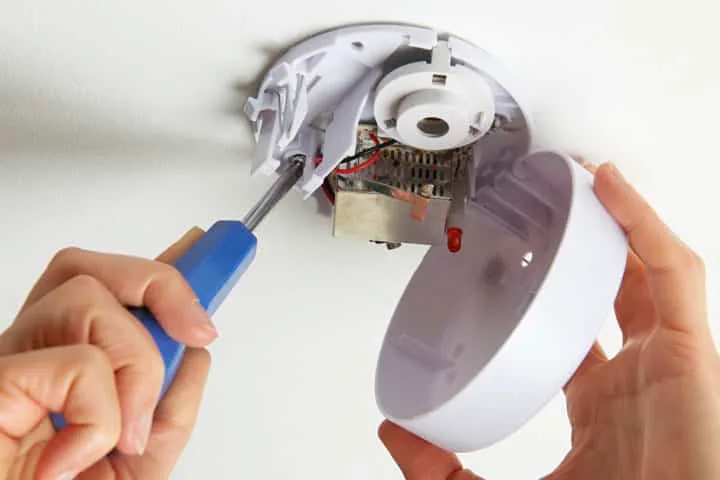
Hardwired smoke alarms run on 240-volt mains, but most also have a 9-volt backup battery. When that backup runs flat, the alarm chirps even though mains power is still supplying the unit. Open the unit, locate the backup battery, and replace it. If your alarm has a sealed, non-replaceable 10-year lithium battery, the chirping means it has reached the end of its life and needs a full smoke alarm replacement.
Interconnected System Fault
In interconnected systems, all alarms sound when any single unit detects smoke or develops a fault. If one unit reaches the end of life, it can trigger beeping across every alarm in the house. The initiating alarm usually shows a solid or flashing LED, while the others show a different indicator. As a licensed Newcastle electrician, I find this most often in homes where all alarms were installed at the same time and are now reaching the end of their life together.
More: Electrical Burning Smell in Your House? What It Means and What to Do.
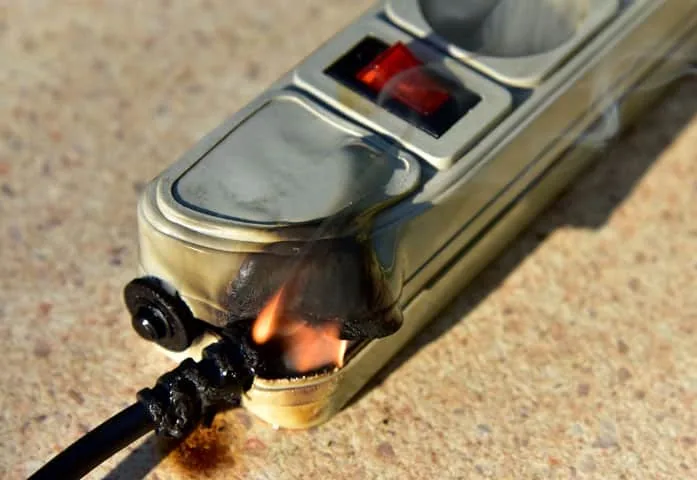
If your smoke alarm is beeping alongside a burning smell, treat it as an emergency. That combination means an active electrical fault may be present.
Why Your New Smoke Alarm Might Be Beeping
A brand-new smoke alarm that beeps straight out of the box is frustrating but usually has a simple explanation:
Battery Pull Tab Not Removed
Many new alarms come with a plastic pull tab that prevents the battery from making contact during shipping. If you haven’t pulled it out, the alarm registers no battery and chirps. Open the unit and check.
Residual Charge From Old Alarm
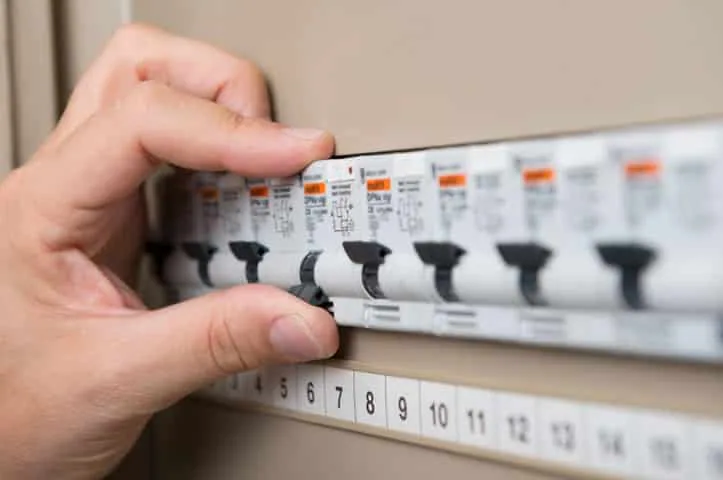
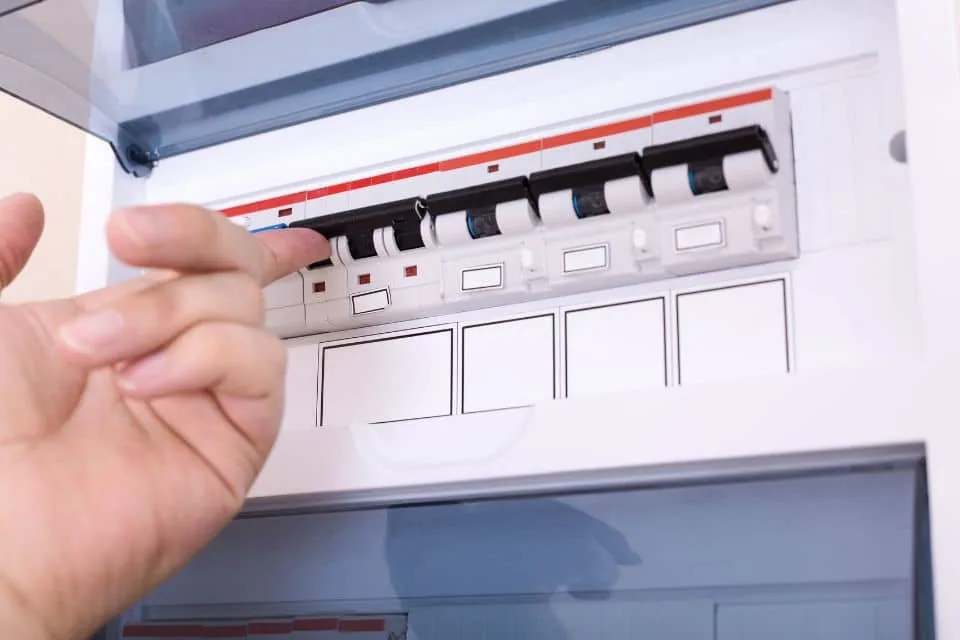
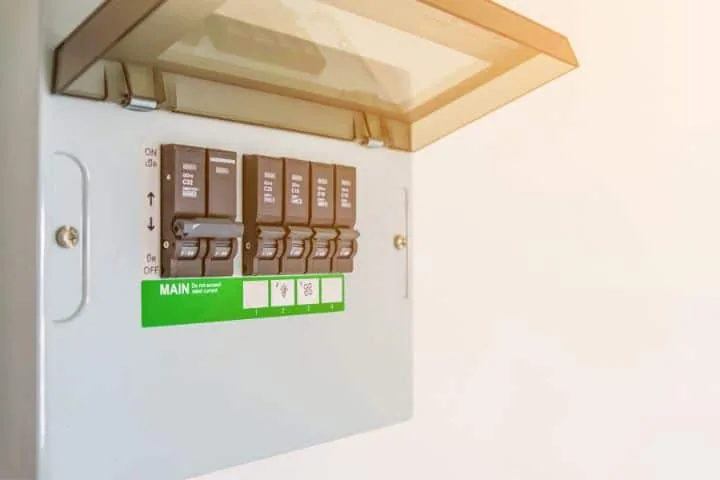
If you replaced a hardwired alarm, a residual charge in the circuit can confuse the new unit. Switch off the circuit at the switchboard, remove the alarm, hold the test button for 15 seconds to discharge any stored energy, then reconnect and restore power.
Incompatible Battery Installed
Not all 9-volt batteries are equal. Some smoke alarms require a specific chemistry (alkaline, lithium, or zinc carbon). Using the wrong type can cause the alarm to read the voltage incorrectly and chirp. Always use the battery type specified on the alarm’s label or in its manual.
Why Smoke Alarm Problems Are Common in Older Newcastle Homes
Newcastle’s housing stock creates specific conditions that increase smoke alarm issues:
Post-War Homes With Original or Aging Alarms
Homes across Mayfield, Hamilton, Lambton, and Wallsend built during the 1950s and 1960s have had multiple generations of smoke alarms installed. Older hardwired alarms in these properties are frequently past their 10-year lifespan and need replacing.
Coastal Humidity Affecting Sensors
Properties in Merewether, Stockton, and Newcastle East experience higher ambient humidity than inland suburbs. This moisture accelerates sensor degradation and triggers more frequent false alarms. Alarms in these locations may need replacing sooner than the 10-year maximum.
Renovated Homes With Mixed Alarm Types
Suburbs like Charlestown, Fletcher, and New Lambton often have renovated homes with a mix of old hardwired alarms and new battery-only units with no interconnection. This creates confusion when one beeps, and the homeowner can’t tell which system it belongs to. A complete smoke alarm installation upgrade standardises the system.
Insect Ingress in Vegetated Suburbs
Suburbs with dense tree canopy and bushland proximity, including Fletcher, Elermore Vale, and Maryland, see higher rates of spider and insect activity inside smoke alarms. Regular cleaning every six months reduces false alarms significantly.
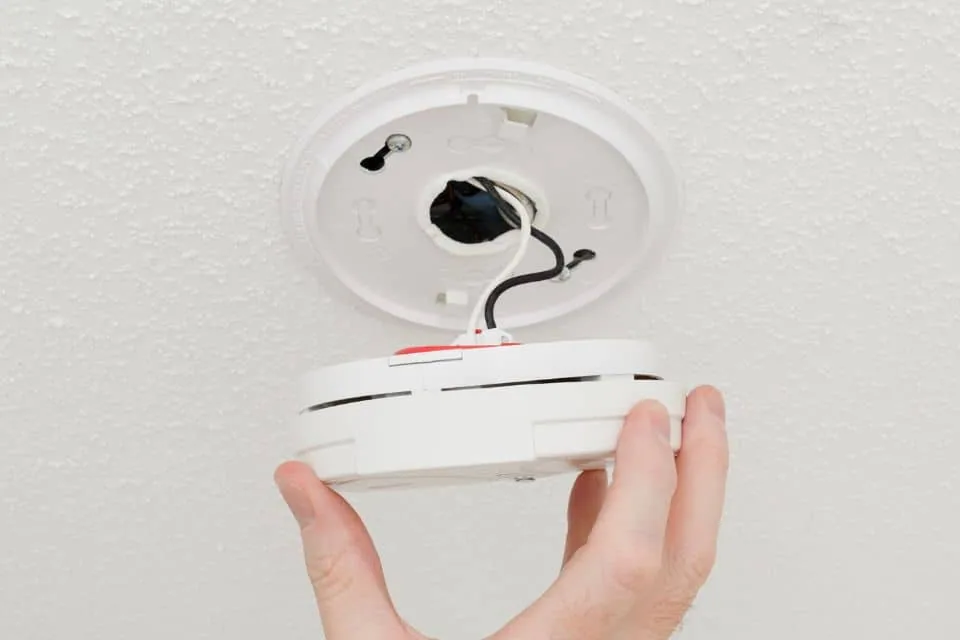
What You Can Safely Do Before Calling an Electrician
Some smoke alarm fixes are simple enough to handle yourself. Here is what you can do safely:
Replace the Battery
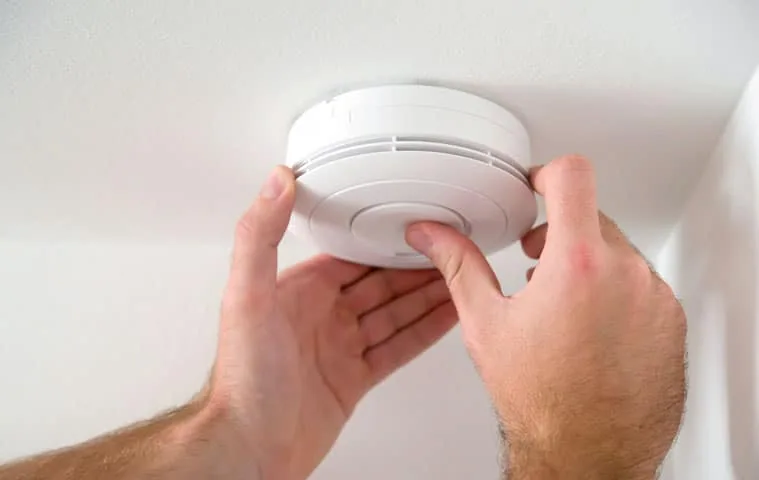
Remove the alarm from its mounting plate and replace the battery with the exact type specified by the manufacturer. Refit the alarm and press the test button to confirm it’s working.
Check the Manufacture Date
Flip the alarm over and look for a date printed on the base. If the alarm is more than 10 years old, replacing the battery won’t fix the beeping. The unit needs to be replaced entirely. According to the NSW Planning Portal, all smoke alarms in NSW must comply with AS 3786 and must be in working order at all times.
Clean the Sensor Chamber
Use a vacuum cleaner with a soft brush attachment to gently clean around and inside the alarm’s vents. A blast of compressed air can also dislodge dust and insects from the sensor chamber. Do this every six months as part of regular home electrical maintenance.
Press the Hush or Reset Button
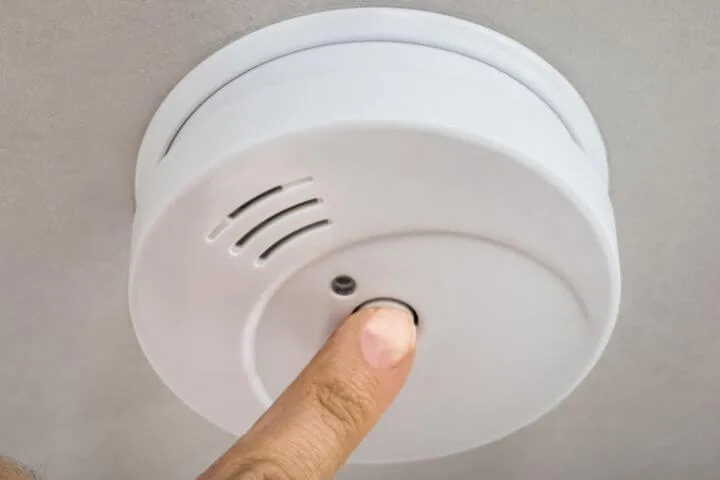
Most modern alarms have a hush button that silences false alarms for 8 to 10 minutes. If cooking steam or shower moisture triggered the alarm, pressing hush gives the air time to clear. If beeping resumes after the hush period, the cause is not environmental and needs further investigation.
Do Not Remove the Alarm or Disconnect It
Removing a beeping smoke alarm leaves your home unprotected. In NSW, it is a legal requirement to have at least one working smoke alarm on every level. According to Fire and Rescue NSW, hardwired and interconnected alarms are recommended wherever possible.
When You Need a Licensed Electrician
Battery-only alarms can be replaced by the homeowner. But hardwired smoke alarms connect to your home’s 240-volt supply. Replacement, relocation, or adding new units to a hardwired circuit must be carried out by a licensed electrician.
You need an electrician if your alarm is hardwired, if you want to upgrade from battery-only to hardwired, if your interconnected system has a fault you can’t isolate, or if your rental property’s hardwired alarm needs replacing.
After a recent smoke alarm upgrade for a Newcastle homeowner, Kitson Electricians received this feedback:
“Anthony is so easy to communicate with, quick, efficient communication and professional service. Anthony is happy to accommodate time and availability and source anything you ask and makes every effort to make the whole experience super easy.” — Katrina Maree Carney
Getting your smoke alarm system inspected and upgraded properly means you’re protected by alarms that actually work, not just alarms that are present.
Areas We Service
Kitson Electricians Newcastle provides residential smoke alarm services, including installation, testing, and replacement, across the entire Newcastle and Hunter region. We service Adamstown, Belmont, Charlestown, Elermore Vale, Fletcher, Hamilton, Lambton, Lake Macquarie, Maitland, Maryland, Mayfield, Merewether, New Lambton, Stockton, Wallsend, and all surrounding suburbs.
Get Your Smoke Alarm Sorted Today
If your smoke alarm keeps beeping and you can’t resolve it, or if you need hardwired alarms replaced, call Kitson Electricians Newcastle on 0438 262 792. Licensed electricians, same-day service, upfront fixed pricing, and a lifetime labour warranty on all work. $50 off your first service, free smoke alarm test or replacement with any service, and a free safety inspection valued at $150.
Frequently Asked Questions About Smoke Alarms Beeping
Why does my smoke alarm keep beeping even with a new battery?
The alarm has likely reached its end of life. Smoke alarms expire after 10 years from the manufacturer’s date, not the installation date. Check the date on the base of the unit. If it’s past 10 years, the entire alarm needs replacing.
How do I stop my hardwired smoke alarm from beeping?
First, replace the backup battery inside the unit. If it still beeps, switch off the circuit at the switchboard, remove the alarm, hold the test button for 15 seconds to clear residual charge, then reconnect. If beeping continues, the unit has reached the end of its life and needs replacement by a licensed electrician.
Why does my smoke alarm only beep at night?
Cooler overnight temperatures reduce battery voltage. A battery that’s nearly flat will dip below the alarm’s minimum threshold in cold conditions, triggering the low-battery chirp. The warmer daytime temperatures bring the voltage just above the threshold, so the beeping stops. Replace the battery.
How often should I replace my smoke alarm in NSW?
Every 10 years from the date of manufacture. NSW legislation requires at least one working smoke alarm on every level of your home. Fire and Rescue NSW recommends hardwired, interconnected photoelectric alarms wherever possible.
Can I remove a beeping smoke alarm myself?
You can remove a battery-only alarm to replace it. But hardwired alarms are connected to your home’s 240-volt supply. Disconnecting a hardwired alarm without isolating the circuit first is dangerous. Replacing a hardwired unit requires a licensed electrician.
Why do all my smoke alarms beep at the same time?
Your alarms are interconnected. When one unit detects smoke or develops a fault, it triggers all connected alarms to sound. Check each alarm for a solid or flashing LED indicator to identify the initiating unit. That’s the one that needs attention.