
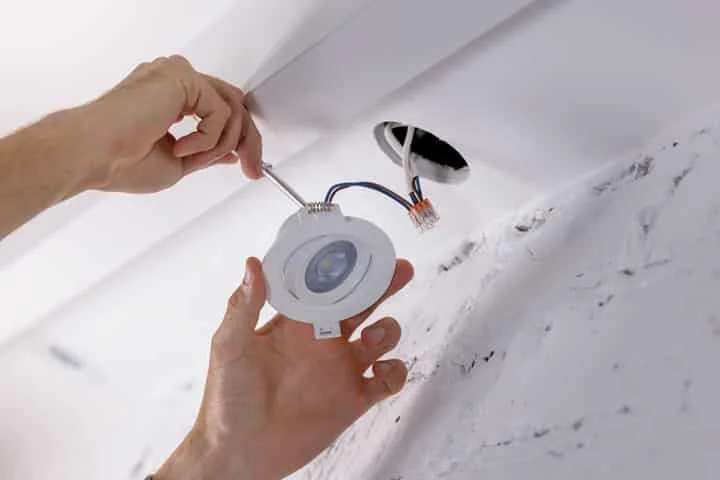
When you first notice why do my lights flicker, it can feel confusing or even worrying. Flickering is often a warning sign that something is not right with your electrical system. Understanding what causes lights flickering helps you stay safe and avoid expensive problems later. A clear explanation makes it easier to decide whether the issue needs urgent attention from a licensed professional.
Flickering lights can come from simple issues like loose bulbs, or more complex electrical faults that affect your wiring, circuits, or switchboard. This guide explains why home lights flickering happens, what the signs mean, and when to take action or call a licensed electrician. It also covers safety risks, the reasons why do lights flicker, and how to fix or prevent lights flickering in house situations safely.
What It Means When Your Lights Flicker
When you notice house lights flickering, the behaviour often reveals early signs of electrical strain, wiring issues, or connection faults that need attention or a professional repair before they worsen and potentially create safety hazards:
Early Warning Signs
Flickering lights often start with subtle changes that become more frequent over time. You might notice brief dimming, momentary flashes, or light flickering at home when appliances start up. These small signs show that a circuit or fitting is struggling to maintain a stable connection. Paying attention early helps prevent more serious issues later.
What Flickering Reveals About Your Wiring
In many cases, lights flickering point to loose wiring or older connections beginning to weaken. These faults interrupt the power flow and can cause sparks or extra heat behind walls. When wiring is unstable, your electrical system cannot distribute power safely across the home. This is why identifying the cause quickly is essential.
When Flickering Affects Multiple Rooms
If flickering spreads across several rooms, it often indicates a deeper issue within your circuits. The cause may involve overloaded wiring, a failing switchboard, or voltage changes throughout the property. Multiple rooms experiencing lights flickering in house situations suggests you need immediate assessment. Widespread flicker is rarely a minor issue and often signals a developing fault.
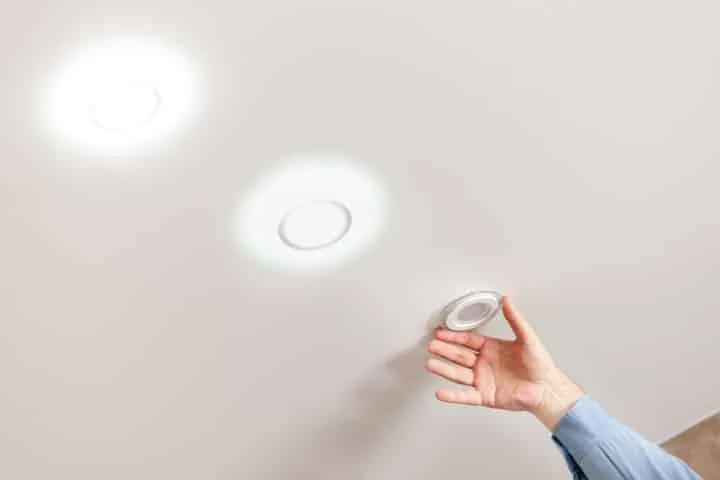
Common Causes of Flickering Lights
Many different factors can trigger why do my lights flicker, and understanding each helps identify the safest and most practical fix for your situation:
Loose or Failing Wiring Connections
Loose wires are one of the most common causes of home lights flickering. When connections weaken, they interrupt the power flow and create unstable lighting. This can occur in light fittings, switches, or junction points. Loose connections should be taken seriously because they can produce heat and create a fire risk if ignored.
Overloaded or Ageing Circuits
Older wiring may struggle with modern appliance loads, especially in homes with multiple high-demand devices. When circuits are overloaded, you may notice house lights flickering or dimming every time a heavy appliance turns on. Ageing circuits also degrade naturally, reducing their ability to maintain steady voltage levels across the home.
Faulty Switches, Fittings or Transformers
Sometimes the problem sits with the light switch or the fitting itself. Worn switches, old transformers, or incompatible components can all create lights flickering behaviour. Flicker may be constant or appear only when you touch or move the switch. Replacing faulty parts usually restores stable lighting quickly.
Supply Issues From Your Energy Provider
Voltage drops from your electricity supplier can create flicker across an entire suburb or street. These drops often become noticeable during storms or high-demand periods. Even though this is outside your home, you may still see why do lights flicker during these events. If the problem continues long term, a licensed electrician can check your system for additional faults.
Why Do LED Lights Flicker?
LED lighting behaves differently from older globes, which is why you may notice specific patterns of flicker. Understanding why do led lights flicker helps you troubleshoot safely and pick the right solution:
Poor Compatibility Between LEDs and Dimmers
Many LED bulbs are not designed to work with traditional dimmers. When paired incorrectly, the current supplied to the LED becomes unstable, causing flicker or pulsing. This type of lights flickering usually appears at lower dimmer levels. Upgrading to LED-compatible dimmer switches typically resolves the problem.
Failing LED Drivers or Transformers
LEDs rely on drivers or transformers to regulate voltage. When these components wear out, the lights may pulse, flicker, or flash intermittently. Faulty drivers can also cause light flickering at home in multiple fittings if they supply several LEDs. Replacing worn components restores consistent light output and reduces strain on the system.
Voltage Fluctuations Affecting LEDs
LEDs are very sensitive to voltage changes. Even minor drops or spikes can trigger why do led lights flicker behaviour. These fluctuations often point to issues within your circuits or wiring. If your LEDs flicker even after replacing bulbs, it is usually a sign that your electrical system needs professional assessment.
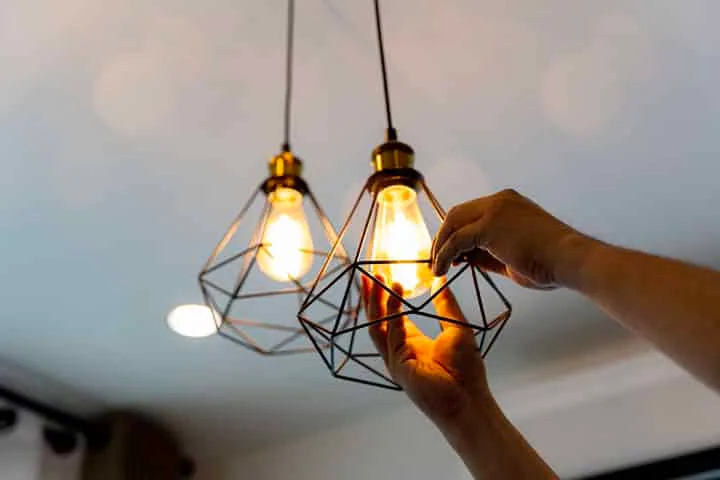
Safety Risks Associated With Flickering Lights
Understanding is flickering lights dangerous is essential because flickering often points to developing faults that pose real risks to your home and safety:
Fire Hazards From Loose Wiring
Loose wiring can produce heat and occasional sparks as electrical contact becomes unstable. This is one of the most serious causes of lights flickering in house situations. Because wiring faults are hidden behind walls, issues can escalate without warning. Fixing these problems quickly reduces the risk of fire.
Risks to Appliances and Home Electronics
Unstable power can shorten the lifespan of appliances, especially sensitive electronics. Flickering may signal voltage changes that can damage computers, TVs, chargers, and kitchen appliances. If home lights flickering happens regularly, the unstable voltage can affect the whole home. Addressing the flicker protects your equipment and prevents costly replacements.
Signs of Major Electrical Faults
Recurring flicker can indicate deeper issues inside your circuits or switchboard. Problems like ageing wiring, poor connections, and overloaded circuits often worsen over time. When why do lights flicker becomes frequent, it suggests a significant fault. Diagnosing these issues early prevents larger breakdowns and keeps your home safe.
How to Troubleshoot Flickering Lights at Home
Understanding basic troubleshooting steps helps you work out whether the issue is simple or a sign of a deeper fault. These checks guide you in assessing lights flickering behaviour safely:
Basic Checks You Can Safely Try
Start by tightening bulbs to ensure they are seated correctly. Try switching off appliances that draw large amounts of power to see if flicker stops. Replace old globes and observe whether home lights flickering continues. These checks help identify simple issues before exploring more complex electrical faults that require professional attention.
When to Stop and Call a Licensed Electrician
If flickering happens often or affects multiple rooms, stop troubleshooting and seek professional help. When why do my lights flicker becomes a regular problem, it suggests deeper wiring or circuit issues. A licensed electrician can inspect your system safely and identify any hidden problems. Timely intervention prevents escalating faults and protects your household.
Australian Electrical Standards You Should Be Aware Of
Australian homes must follow the AS/NZS 3000 Wiring Rules, which outline how electrical systems should be installed and maintained. These standards help ensure lighting circuits remain safe and stable. If lights flickering in house becomes persistent, professional work must comply with these guidelines.
When Flickering Lights Mean a Serious Electrical Fault
Some signs reveal that why do my lights flicker is linked to a significant electrical issue rather than a minor inconvenience. These situations require immediate assessment:
Flickering Combined With Burning Smells
If flickering is accompanied by unusual smells, stop using affected lights immediately. Burning odours suggest melting insulation or overheated wiring. This situation is dangerous and escalates fire risk quickly. Smells combined with lights flickering or dimming should be treated as a serious electrical fault that requires urgent professional attention.
Sudden Power Dips Affecting Multiple Rooms
When flicker affects multiple areas at once, your circuits may be struggling to maintain stable voltage. This often occurs when wiring is ageing or overloaded. House lights flickering across different rooms indicates widespread instability. Problems like these rarely improve on their own and should be inspected promptly to prevent larger failures.
Repeated Tripping of Circuit Breakers
Breakers that trip often point to overloaded or failing circuits. These circuits can create light flickering at home as they struggle to distribute power evenly. Repeated tripping paired with flicker suggests you may have wiring faults or deteriorating components. A licensed electrician can diagnose these issues and ensure your home remains safe and compliant.
How Licensed Electricians Fix Flickering Light Problems
When professionals assess flickering lights, they follow a structured process designed to locate the root cause and restore safe operation. Licensed electricians test wiring, fittings, switches, and circuits to locate faults. They also check for voltage instability and identify whether older components need replacement. Work must meet Australian safety requirements, which are outlined under national guidelines.
Prevention Tips to Stop Future Flickering
You can prevent future flicker by replacing ageing bulbs, maintaining clean and tight fittings, and avoiding overloading circuits with too many high-demand appliances. If why do lights flicker becomes frequent, consider having your wiring inspected. Routine safety checks help catch problems early and ensure your system performs reliably. Following these habits reduces the risk of lights flickering unexpectedly.
Final Thoughts on Why Lights Flicker
Flickering lights are often a sign that something in your electrical system needs attention. Sometimes the fix is simple, but ongoing house lights flickering usually indicates a deeper issue. Understanding why do my lights flicker helps you respond safely and avoid potential hazards. Acting early protects your home, appliances, and wiring. If problems persist, professional help ensures everything is repaired correctly.
Need a Licensed Electrician in Newcastle?
Flickering lights should never be ignored, especially when the cause is unclear or the problem happens more than once. If you notice is flickering lights dangerous situations or see lights flickering in house areas often, it is time to speak with a professional. Kitson Electricians Newcastle provides fast, reliable help with safe troubleshooting, repairs, and upgrades. Call 0438 262 792 to book a licensed electrician in Newcastle today and restore confidence in your home’s electrical system.