
Charlestown shops need an electrical safety upgrade if wiring is outdated, switchboards lack RCD protection, or the business has never had a professional inspection. Under NSW work health and safety law, business owners have a legal duty to manage electrical risks on their premises. Many older shopfronts in the area have never been assessed against current standards.
Charlestown is one of the busiest commercial precincts in the Hunter region, anchored by Charlestown Square and a strip of long-established shopfronts along Pearson Street and the surrounding commercial area. Kitson Electricians Newcastle conducts commercial electrical safety inspections and upgrades for shops and businesses throughout Charlestown. This guide covers your legal obligations, warning signs, and what an inspection actually involves.
Why Electrical Safety Matters for Charlestown Businesses
Charlestown Square alone hosts more than 280 retailers across a large commercial footprint, and the surrounding strip adds dozens more independent shopfronts. That density means high customer traffic through premises that vary enormously in electrical age and condition.
Under the Work Health and Safety Act 2011 and the updated 2025 Regulation, a person conducting a business or undertaking (PCBU) has a legal duty to manage electrical risks in the workplace.
From 1 July 2026, approved Codes of Practice become enforceable compliance benchmarks rather than guidance alone. For Charlestown business owners, that shift makes documented electrical safety a genuine compliance requirement, not just good practice.
What Are Your Legal Obligations as a Business Owner?
Commercial electrical compliance in NSW involves more than one piece of legislation. Here is what actually applies to a Charlestown shop or business.
Your Duty Under WHS Law
As a PCBU, you must identify and manage electrical risks on your premises under the Work Health and Safety Act. This applies whether you own the building or lease it. Failing to manage a known electrical risk can result in enforcement action from SafeWork NSW, including improvement notices and prosecution.
Test and Tag Requirements
Portable electrical equipment used in your shop, from EFTPOS terminals to power tools and kitchen appliances, must be regularly inspected and tested in accordance with AS/NZS 3760.
Testing intervals depend on your environment, ranging from 3 months in higher-risk settings to 12 months in typical office and retail conditions. Records of every test must be kept and available for inspection.
Certificate of Compliance for Electrical Work
Any fixed electrical work carried out on your premises, including switchboard upgrades and new circuits, requires a Certificate of Compliance for Electrical Work (CCEW). Your electrician submits this through the Building Commission NSW eCert portal, and you can request a copy for your own compliance records.
Signs Your Charlestown Shop Needs an Electrical Safety Upgrade
Some warning signs are obvious; others get missed during busy trading hours. Here is what I look for when assessing commercial premises in Charlestown.
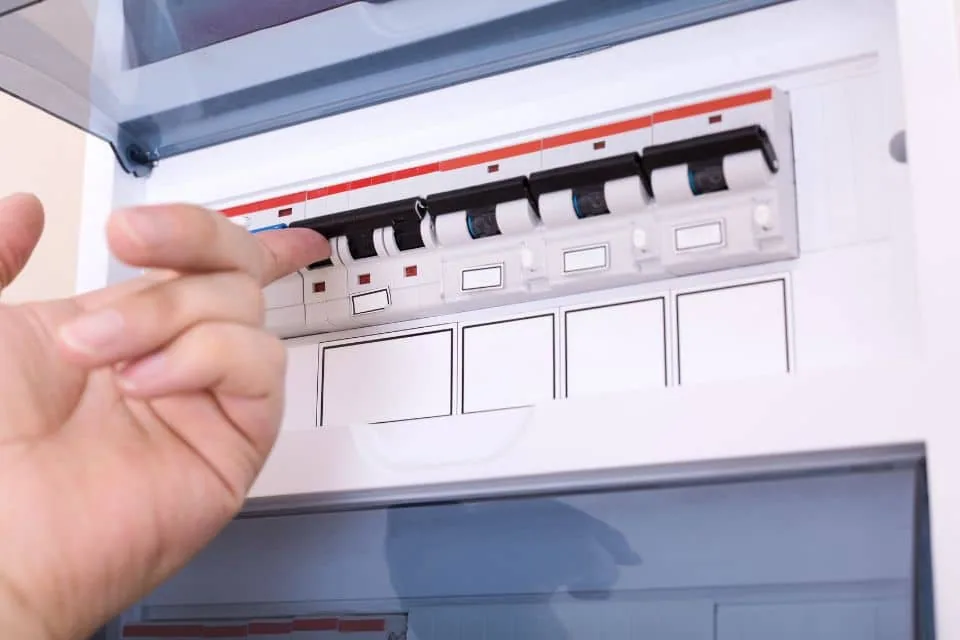
- No RCD protection on your switchboard. Older commercial fitouts, particularly in shopfronts that predate the 1990s, often lack safety switch protection. This is one of the most common and most serious gaps found during a commercial inspection.
- Circuit breakers tripping during peak trading. If your breakers trip when multiple registers, appliances, or display lighting run simultaneously, your circuits are likely overloaded by current demand. This is common in shops that have added equipment over the years without an electrical review.
- Visible wear on power points and switches. Cracked switch plates, loose power points, or discolouration around outlets are signs of ageing infrastructure under everyday commercial use. High customer and staff traffic accelerates this wear compared to a typical home.
- No documented test and tag records. If you cannot produce records showing your portable equipment has been tested, you are already outside your WHS obligations regardless of whether the equipment is actually safe. This is one of the most common compliance gaps SafeWork NSW inspectors identify.
- Ageing wiring behind a cosmetic shopfront upgrade. A shop that has had a cosmetic refit but never had the underlying electrical system assessed can look modern while running on original, decades-old wiring. This mismatch is common in older Charlestown strip shopfronts.
More: Electrical Burning Smell in Your House? What It Means and What to Do
Why This Matters More for Charlestown Specifically
Charlestown’s mix of a major shopping centre and long-established strip shops creates specific compliance considerations. Here is what I commonly find across the precinct.
- Older strip shopfronts along Pearson Street and the surrounding commercial strip. Many buildings in this area were constructed well before current wiring standards existed. Successive tenancy changes often mean electrical work has been patched over time rather than properly upgraded.
- High tenant turnover in retail and hospitality spaces. Shopfronts change hands frequently, and incoming tenants sometimes inherit electrical systems that were never assessed for their specific equipment needs. A café taking over a former retail space, for example, adds significant load with commercial kitchen equipment that older wiring was never designed to carry.
- Charlestown Square’s older sections versus newer redevelopment. The centre has expanded and been redeveloped since it first opened in 1979, so the electrical infrastructure varies significantly between older and newer sections of the same complex. Tenancies in older parts of the centre may need different consideration than those in recently redeveloped areas.
- Hospitality tenancies with higher electrical demand. Cafés, restaurants, and food outlets around Charlestown Square and the surrounding strip operate commercial refrigeration, use cooking equipment, and offer extended trading hours. This places sustained load on circuits that a standard retail fitout was never designed to carry.
More: Why Do Lights in the House Randomly Turn Off and On?
What Happens During a Commercial Electrical Safety Inspection?
A proper inspection covers far more than a quick look at your switchboard. Here is what the process involves.
Initial Site Assessment
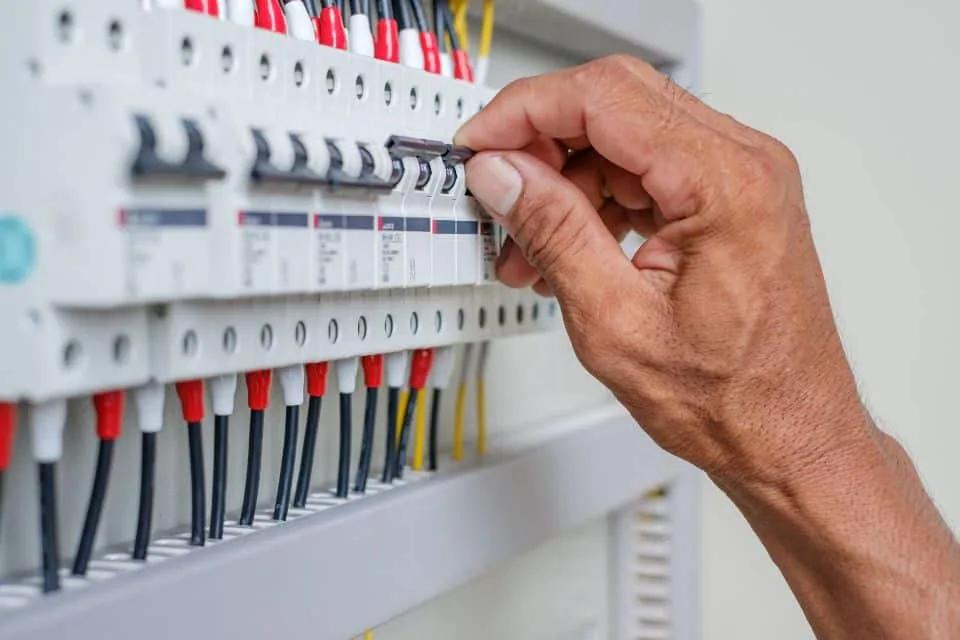
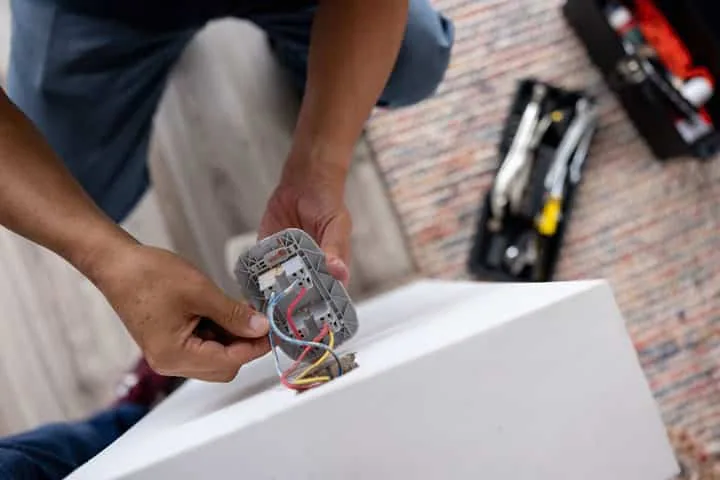
I start by reviewing your premises, the condition of your switchboard, and the specific electrical load your business places on the system. This includes checking for RCD protection, assessing circuit capacity against your actual equipment, and identifying any visible wear or damage.
Testing and Documentation
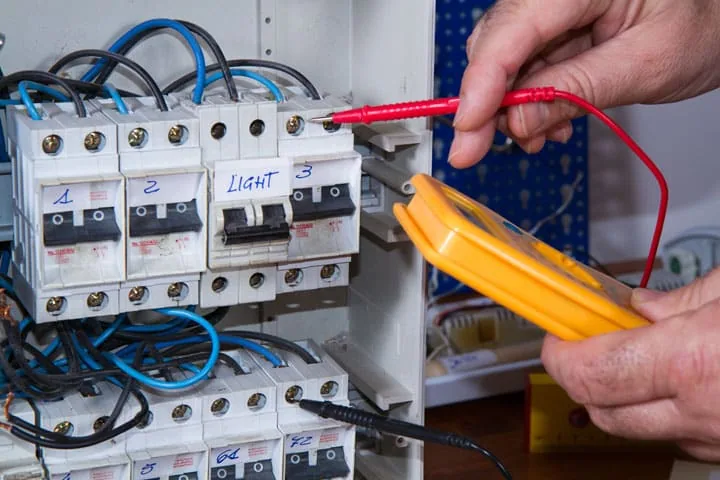
Fixed wiring and portable equipment are tested against the relevant standards, including AS/NZS 3760 for portable appliances. You receive a documented report that covers what was tested, the results, and any issues identified, providing an audit-ready record for WHS compliance.
Recommendations and Fixed-Price Quote
Where issues are found, I explain what needs attention and provide a fixed-price quote before any work begins. Not every finding requires immediate action, and I prioritise genuine safety risks over cosmetic concerns.
What About Retail Lease and Electrical Responsibilities?
Whether you’re a tenant or landlord affects who is responsible for what. Here is how this typically works in a Charlestown retail lease.
Landlord Versus Tenant Obligations
Retail leases in NSW should specify who is responsible for electrical maintenance and any fitout costs, as outlined in the NSW Small Business Commissioner’s retail tenancy guide. Base-building electrical infrastructure is typically the landlord’s responsibility, while tenant fitout wiring usually falls to the incoming business.
Fitout and Make-Good Considerations
New tenants fitting out a Charlestown shop should have the existing electrical system assessed before committing to a fitout plan. This avoids discovering mid-fitout that the switchboard cannot support planned equipment, which causes costly delays.
How Much Does a Commercial Electrical Safety Inspection Cost?
Cost depends on your premises size, equipment load, and whether any remedial work is needed. These are current indicative ranges for Charlestown businesses:
| Service Type | Typical Cost | Notes |
| Standard shop safety inspection | $250 – $450 | Small to medium retail premises |
| Test and tag (per visit, up to 20 items) | $150 – $300 | EFTPOS, appliances, power tools |
| RCD safety switch installation | $300 – $600 | Per switchboard, where none currently exists |
| Switchboard upgrade (commercial) | $1,500 – $4,000 | Full board replacement for older premises |
| Hospitality/kitchen circuit assessment | $350 – $600 | Higher-load commercial kitchen equipment |
Combining a safety inspection with test and tag in a single visit reduces overall cost compared to booking these services separately.
Maintaining Compliance Long Term
Once your electrical system is up to standard, a few habits keep your business compliant year-round. Here is what I recommend to every Charlestown business owner.
Schedule Test and Tag on a Recurring Basis
Set a recurring reminder aligned with your AS/NZS 3760 testing interval, rather than waiting for equipment to visibly fail. Retail and office environments typically follow a 12-month cycle, though your specific risk assessment may call for more frequent testing.
Keep Digital Records of Every Compliance Document
Store your CCEW, test and tag reports, and safety inspection findings together and accessible. If SafeWork NSW conducts an audit, having records ready avoids delays and demonstrates genuine compliance.
Book a Review After Any Fitout or Equipment Change
Adding new equipment, whether a second fridge or additional POS terminals, changes your electrical load. Kitson Electricians Newcastle recommends a quick review any time your business adds significant new equipment.
After a recent job for a Newcastle business, Kitson Electricians received this review:
“Anthony is so easy to communicate with, quick, efficient communication and professional service. Anthony is happy to accommodate time and availability and source anything you ask and makes every effort to make the whole experience super easy.” — Katrina Maree Carney
That kind of easy, accommodating service is exactly what a business owner should expect from a commercial electrical inspection.
More: Do I Need a Switchboard Upgrade? Signs to Look For
Areas We Service
Kitson Electricians Newcastle provides commercial electrical safety inspections and upgrades across Charlestown and the wider Newcastle and Lake Macquarie region. We service Adamstown, Belmont, Cardiff, Charlestown, Kotara Fair, Warners Bay, and all surrounding suburbs. Whether you run a strip shopfront on Pearson Street or a tenancy inside Charlestown Square, our licensed electricians can assess exactly what your business needs.
Get Your Charlestown Business Electrically Compliant Today
Don’t wait for an audit or an equipment failure to find out your shop isn’t compliant. Call Kitson Electricians Newcastle on 0438 262 792 or book online.
- Same-day and next-day bookings available for Charlestown businesses
- Fixed upfront pricing. No surprises once the job starts
- Lifetime Labour Warranty on all commercial electrical work
- Fully licensed and insured to NSW standards (AS/NZS 3000:2018)
- $50 off your first service and a free safety inspection valued at $150
- Clean Home Promise. Boot covers, drop sheets, full tidy-up on every job
A documented inspection today protects your business, your staff, and your customers tomorrow.
Frequently Asked Questions About Electrical Safety for Charlestown Shops
Is an electrical safety inspection legally required for my shop?
There is no single law mandating a periodic inspection for every retail premises, but you have an ongoing duty under WHS law to manage electrical risks. In practice, this means most businesses need some form of regular inspection and testing to demonstrate compliance if audited.
How often should test and tag be done in a retail shop?
Retail and office environments typically follow a 12-month testing cycle under AS/NZS 3760, though your specific risk assessment may require more frequent testing. Higher-risk environments like commercial kitchens are often tested more often.
Who pays for electrical upgrades in a leased Charlestown shop?
This depends on your lease terms. Base-building electrical infrastructure is typically a landlord’s responsibility, while fitout-specific wiring and equipment usually fall to the tenant. Always check your specific retail lease agreement.
What happens if my business fails a SafeWork NSW audit?
Outcomes range from an improvement notice requiring corrective action within a set timeframe, through to prohibition notices or prosecution for serious or repeated non-compliance. Having documented, up-to-date compliance records is the best protection against enforcement action.
Can I use my existing switchboard if I’m opening a food business?
It depends on the switchboard’s age, capacity, and existing RCD protection. Commercial kitchen equipment often draws significantly more load than a standard retail fitout, so an assessment before signing your lease or starting fitout work is strongly recommended.
How long does a commercial electrical safety inspection take?
A standard inspection of a small to medium Charlestown shop typically takes one to two hours, depending on the size of the premises and the amount of equipment requiring test and tag. Larger premises or those with commercial kitchens may take longer.
If you run a shop or office, our commercial electrician team can schedule the inspection around trading hours.