
Yes. Many New Lambton homes still run on ageing wiring, a fuse-based switchboard and no safety switch. An electrical safety check finds those problems before you buy, not after settlement. It is a small cost against a rewire.
New Lambton grew from a mining township into one of Newcastle's established inner suburbs. Its housing stock spans generations. Kitson Electricians Newcastle inspects homes here for buyers. This guide covers what a check includes, the warning signs, and what happens next.
Why the Wiring Matters in a New Lambton Purchase
Buyers scrutinise the kitchen, the roof and the stumps. The wiring sits behind plaster where nobody looks, and it is the one system in the house that can start a fire or kill someone. It is also expensive to put right once you own it.
New South Wales sets a clear rule on who may touch it. All electrical work must be carried out by a licensed electrician, and a contractor licence can be verified on the public NSW register before anyone sets foot on the property. The current standard governing installations is AS/NZS 3000, the Australian and New Zealand Wiring Rules.
Here is the part buyers often miss. Nothing in a New South Wales property sale obliges a vendor to bring an older installation up to today's standard. A house can be sold entirely lawfully with rewireable ceramic fuses and no safety switch on a single circuit.
What Does an Electrical Safety Check Actually Cover?
A proper pre-purchase inspection is a test, not a look. These are the areas it works through:
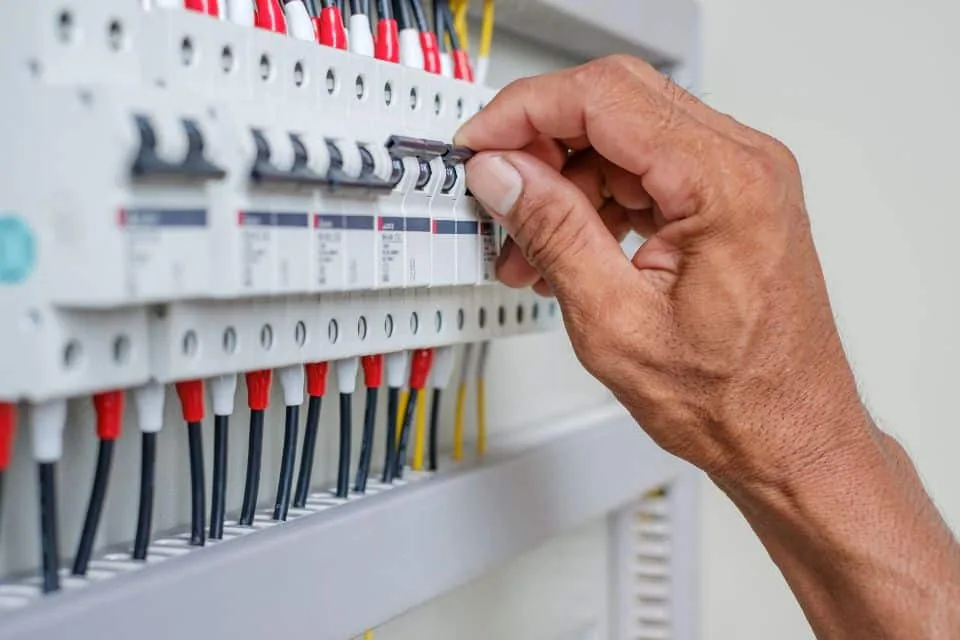
- The switchboard and its protection devices. The board is where the age of an installation shows first. I am looking at whether it uses rewireable ceramic fuses or modern circuit breakers, whether safety switches are fitted, and whether the board has been extended repeatedly by different hands over the years.
- Safety switch presence and operation. A safety switch cuts power in milliseconds when current leaks to earth. Homes wired before the 1990s frequently have none at all, because that protection was not a general requirement at the time. Where one is fitted, it gets tested rather than assumed.
- Cabling type, age and condition. Different eras used very different cable. Vulcanised rubber insulation from the mid-century becomes brittle and crumbles when disturbed, which is why so many faults appear during renovations rather than during ordinary use.
- Earthing and bonding. The earthing system is what makes every other protection device work. Older properties often have an undersized or corroded earth, and metal water pipe bonding that was correct decades ago but no longer complies.
- Power points, switches and light fittings. Scorch marks, loose fittings, two-pin outlets and a shortage of power points all tell a story about the load the house is carrying versus the load it was wired for.
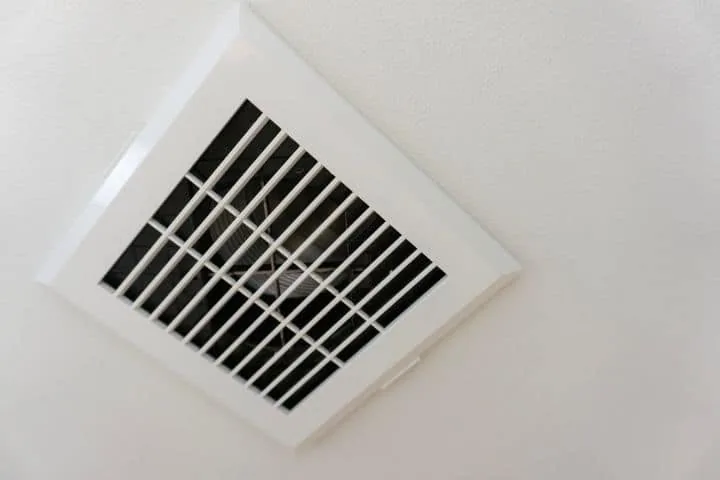
- Smoke alarms. New South Wales requires working smoke alarms in every residence where people sleep. The check confirms they are present, correctly located and within their service life.
More: Do I Need a Switchboard Upgrade? Signs to Look For
Warning Signs You Can Spot at an Open Home
You cannot test an installation during an inspection, but you can read it. Take thirty seconds at the switchboard and work through this list:
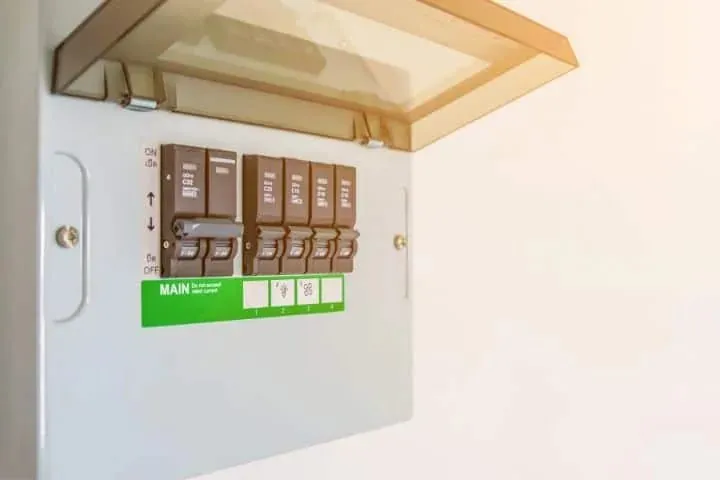
- Look for round ceramic fuses with visible fuse wire rather than rows of modern circuit breakers.
- Look for a safety switch, usually a wider device with a test button on the front.
- Count the power points in the main bedroom and living room, and note how many double adaptors are in use.
- Check whether outdoor and bathroom fittings look weathered, cracked or painted over.
- Look for two-pin outlets, cloth-covered flex on light fittings, or switches that feel warm.
- Note any smoke alarms, their position, and whether they look recently replaced.
- Ask the agent directly when the property was last rewired and whether any certificates exist.
None of this is conclusive on its own. It does tell you whether to spend money on a proper inspection before you bid.
What a Standard Building Inspection Misses
Buyers often assume the building and pest report covers this. It does not, for reasons worth understanding:
Different Trade, Different Licence
A building inspector assesses structure, moisture, timber and defects. They are not licensed electricians and cannot lawfully open a switchboard, test a circuit or issue findings on electrical compliance.
Visual Assessment Versus Testing
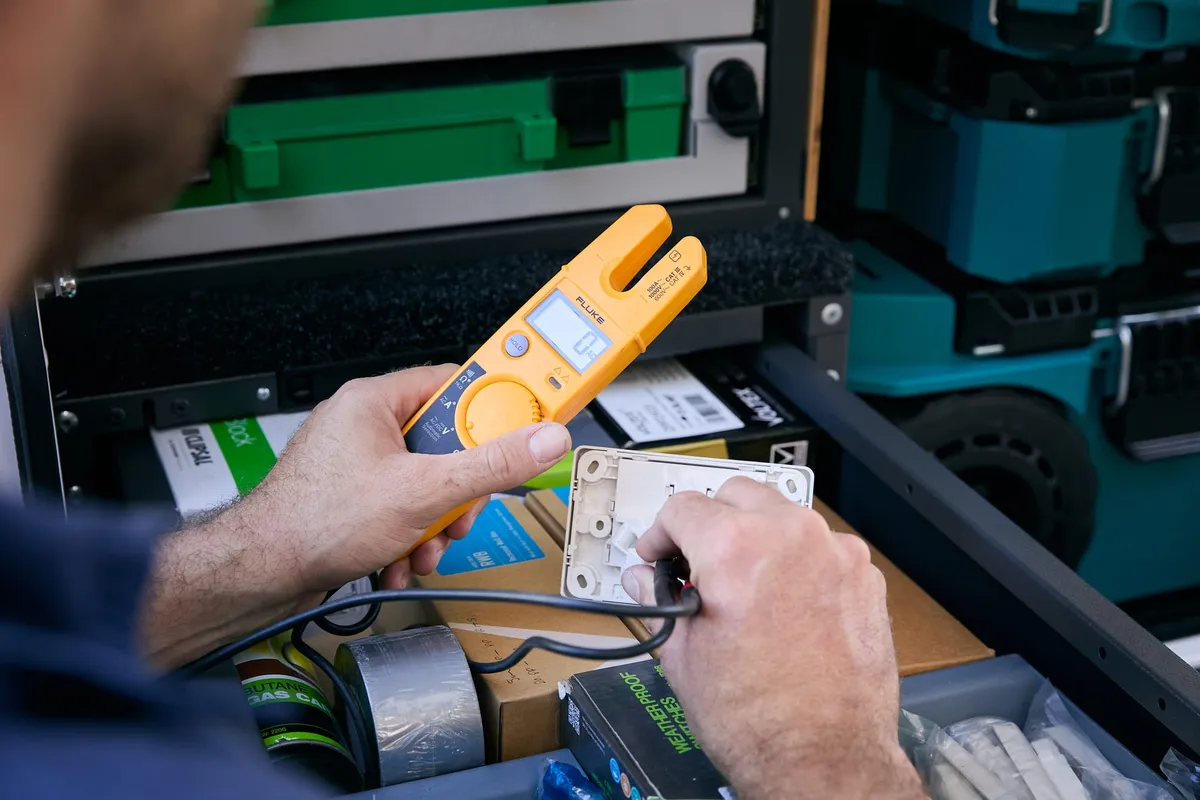
Most building reports are visual. An electrical check involves instruments: insulation resistance, earth continuity, polarity and safety switch trip times. A circuit can look perfect and fail every one of those tests.
The Report You Can Negotiate With
A building report says the house needs work. An electrical report from a licensed contractor puts a specific, quotable scope against a specific fault. That is far more useful at the negotiating table.
Timing in the Purchase Process
Buyers usually have a narrow window, either during the cooling-off period or before auction day. Booking the electrical inspection at the same time as the building inspection avoids running out of runway.
Why New Lambton Homes Need a Closer Look
New Lambton's history is written into its switchboards. These are the patterns I see across the suburb:
- Late Victorian and Federation cottages. New Lambton's oldest streets date from its mining township days, and those cottages have been wired, rewired and extended repeatedly. Layers of work by different tradespeople across a century are common, and the documentation rarely survives.
- Interwar and post-war brick homes. A large part of the suburb went up between the 1920s and the 1950s. Homes from this period were wired for a fraction of today's load, long before air conditioning, induction cooktops and a power point beside every bed.
- Renovated and extended properties. New Lambton renovates heavily, and extensions are where compliance gaps hide. A modern kitchen wired properly can still sit on an original main switchboard that was never upgraded to carry it.
- Subdivided blocks and granny flats. Secondary dwellings across New Lambton and New Lambton Heights often draw from the main house supply. Whether that supply and its protection were ever assessed for the extra load is a question worth asking before you buy.
- Investor stock near the hospital and university. Rental properties around New Lambton Heights turn over quickly, and maintenance is frequently reactive. Smoke alarm compliance and safety switch protection are the two items most often outstanding.
More: Do Older Mayfield Homes Need Electrical Rewiring?
What Happens After the Report
A report is only useful if it tells you what to do next. Here is how the findings usually break down:
Immediate Safety Items
Anything live and dangerous gets flagged for action before occupancy. Exposed conductors, a failed earth or a scorched switchboard fall into this group, and they are not negotiable on timing.
Compliance Items
These are faults that breach the wiring rules without being an immediate hazard, such as missing safety switches or non-compliant smoke alarms. They are usually quick, and a switchboard upgrade resolves most of them in a single visit.
Staged Improvement Work
Full rewires are less common than buyers fear. More often the answer is staged: the board first, then circuits replaced room by room as you renovate. Planning home rewiring that way spreads the cost across years rather than weeks.
Using the Findings in Negotiation
A quoted scope of works is a number, and numbers move prices. Buyers regularly recover the cost of the inspection many times over in the negotiation that follows.
Turning the Report Into a Plan
Once you own the place, the report becomes your works schedule. Most New Lambton buyers work through it in this order:
- Protection first. Safety switches and a compliant board go in before anything cosmetic. This is the change that most reduces risk per dollar spent.
- Smoke alarms next. Correct type, correct positions, and interconnection where the layout calls for it. Smoke alarm installation is fast and closes the most common compliance gap.
- Capacity where you actually live. Additional power points in bedrooms, the kitchen and the living room end the double-adaptor habit that older homes force on their owners.
- Circuits as you renovate. Replace cabling while walls are open. Doing it later costs several times as much for the same result.
- Fault investigation as things surface. Older homes reveal themselves slowly, and electrical fault finding handles the intermittent problems that only appear once you are living there.
Workplace and contractor safety obligations behind all of this sit with SafeWork NSW, and any contractor you engage should be happy to have their licence checked on the public NSW licence register before work starts.
Areas We Service
Pre-purchase inspections run right across the inner Newcastle suburbs, from New Lambton and New Lambton Heights through Lambton, Kotara, Broadmeadow, Waratah, Hamilton, Mayfield and Merewether. Inspections can usually be booked inside a cooling-off period.
Book the Check Before You Sign, Not After
An electrical report costs a fraction of what a rewire costs, and you only get the benefit if you order it before settlement. Call Kitson Electricians Newcastle on 0438 262 792 to arrange an electrical safety inspection, with a quote back within 24 hours. Every job is completed by fully licensed and insured electricians and backed by our Lifetime Workmanship Warranty. New customers get $50 off their first service call, and any paid work includes a free $150 electrical safety inspection. More about Anthony Kitson and the team is on the site.
Frequently Asked Questions
How much does an electrical safety check cost in New Lambton?
Cost depends on the size and age of the property. You receive a fixed price up front, and the inspection fee is modest against the cost of an unexpected rewire.
Is an electrical safety check the same as a building inspection?
No. Building inspectors assess structure and defects, not wiring. Only a licensed electrician can test circuits, switchboards and earthing, so the two reports cover different risks in New Lambton homes.
Can I ask for an electrical check before making an offer?
Yes. Buyers regularly arrange one during the cooling-off period or before auction, with the vendor's permission. The findings give you a clear basis for negotiating on price.
What if the report finds the house needs rewiring?
A full rewire is less common than people fear. Most reports come back with staged work, such as a switchboard upgrade first, then circuits replaced as rooms are renovated.
Do older homes have to be upgraded when they are sold in NSW?
No blanket upgrade is triggered by a sale in New South Wales. Smoke alarm obligations apply, and any electrical work you do after settlement must meet the current wiring rules.
How long does an electrical safety check take?
Allow around an hour to ninety minutes for a typical New Lambton house. Larger properties, or homes with multiple switchboards and outbuildings, take longer to test properly.